 flip
flipTurkey with Chiles, Inspired by Moctezuma's Banquet
Turkey with Chiles, Inspired by Moctezuma's Banquet
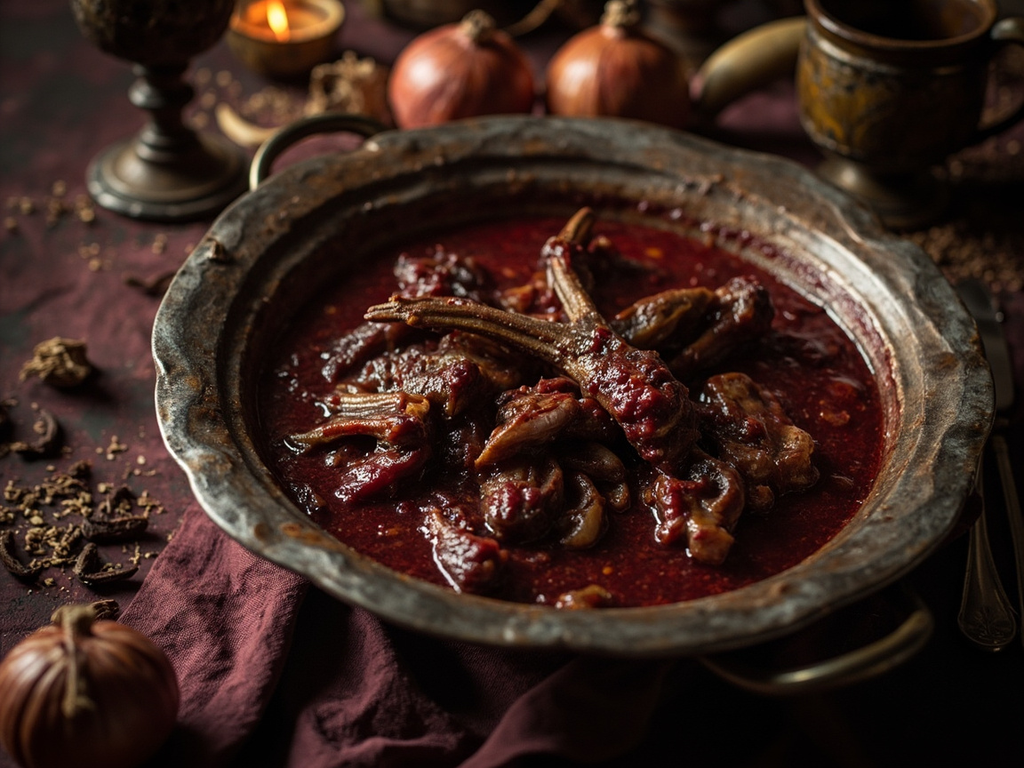
Why this dish? Received at Moctezuma's palace in Tenochtitlan in 1519, Cortés discovered banquets of hundreds of dishes. The guajolote (turkey) in chile sauce made an impression: a splendor and fire unknown in the palaces of Spain.
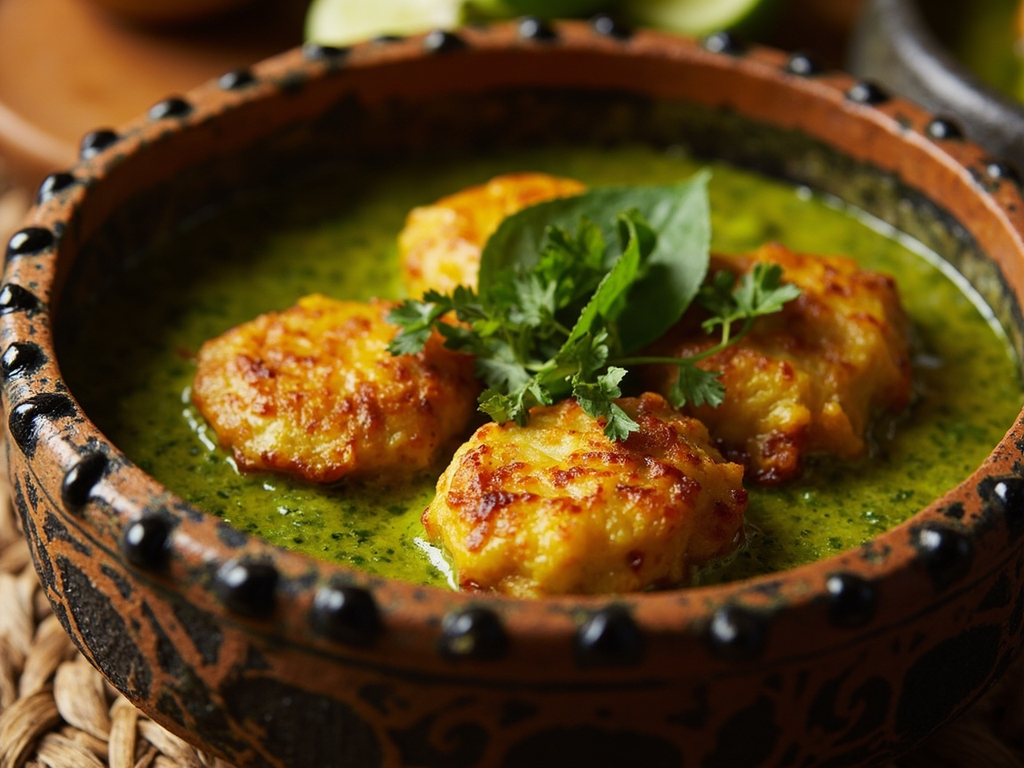
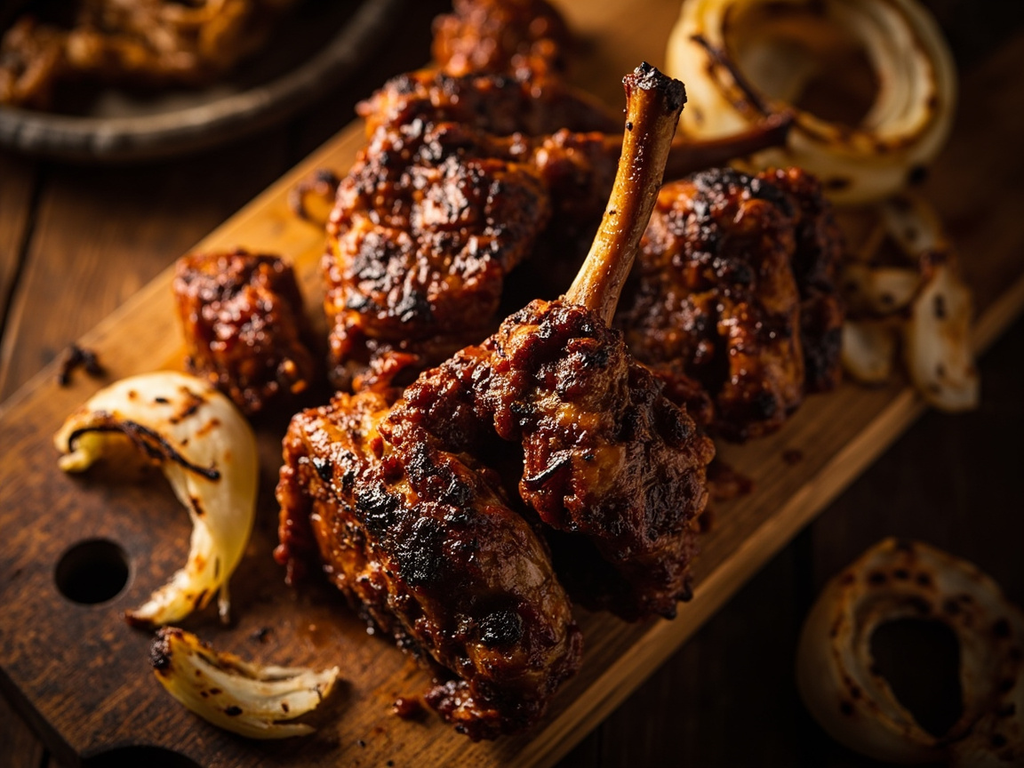
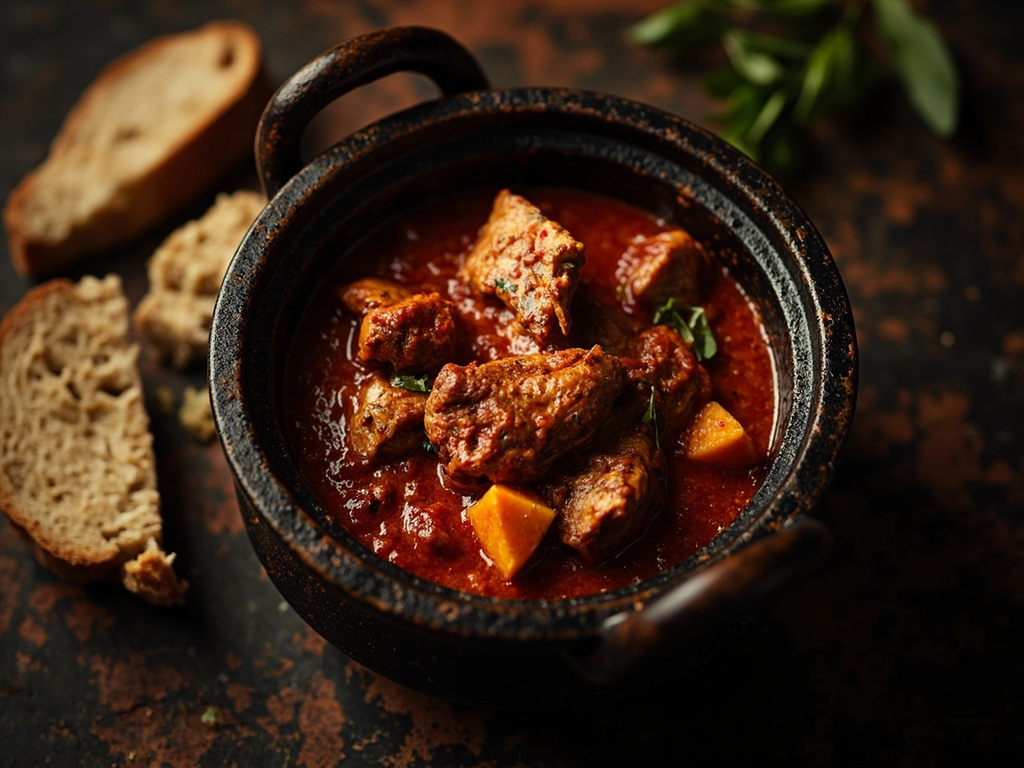
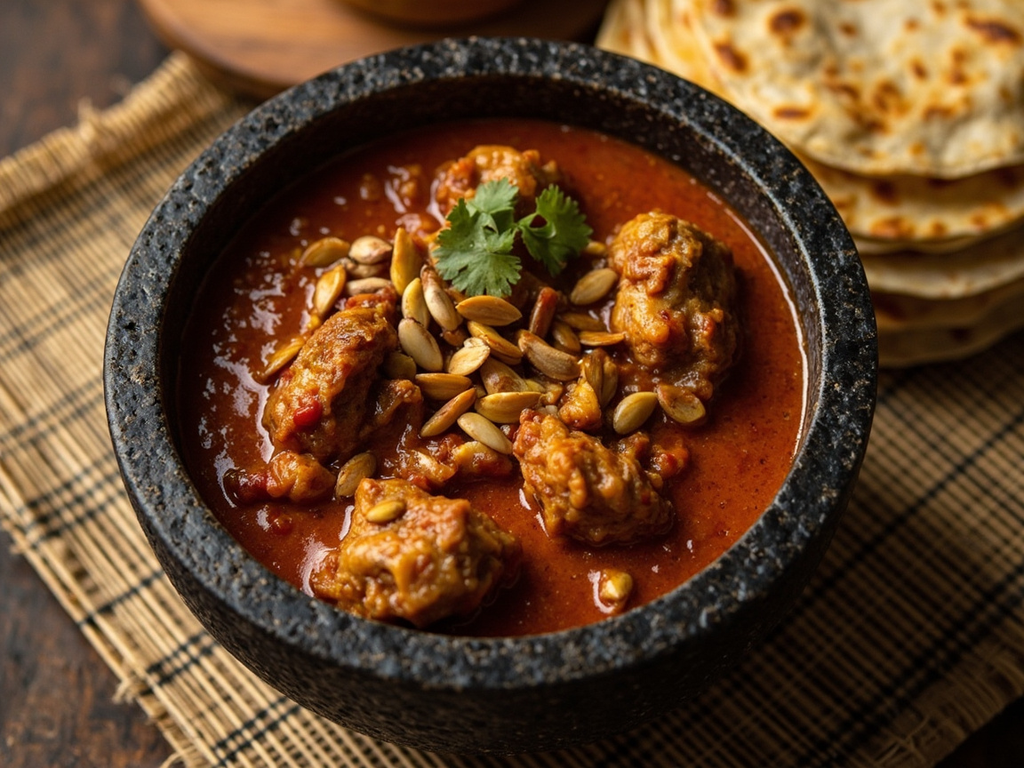
Turkey simmered in a sauce of dried chiles, tomatoes, and toasted pumpkin seeds that bind it all. The distant ancestor of mole, served with tortillas. Inspired by documented feasts of the Mexica court, without claiming to reproduce a ritual.
Never in Castile had I beheld a table like Moctezuma's. They served that great bird the natives call guajolote, coated in a sauce of those fiery peppers they call chiles, burning the mouth with an unknown fire. Three hundred dishes, they say, passed before the sovereign, and young men presented him with the cacao drink in golden cups. I confess the fare was sumptuous, though very spicy for our Spanish palates.
- •Turkey (guajolote) — one bird (feast meat)
- •Dried chiles (ancho, guajillo) — a handful (heart of the sauce)
- •Tomatoes (jitomate) — a few (sauce base)
- •Toasted pumpkin seeds (pepitas) — a good measure (to bind and thicken)
- •Epazote — a few sprigs (local aromatic herb)
- •Salt — to taste (seasoning)
Turkey with Chiles, Inspired by Moctezuma's Banquet
Turkey simmered in a sauce of dried chiles, tomatoes, and toasted pumpkin seeds that bind it all. The distant ancestor of mole, served with tortillas. Inspired by documented feasts of the Mexica court, without claiming to reproduce a ritual.
Why this dish? Received at Moctezuma's palace in Tenochtitlan in 1519, Cortés discovered banquets of hundreds of dishes. The guajolote (turkey) in chile sauce made an impression: a splendor and fire unknown in the palaces of Spain.
Never in Castile had I beheld a table like Moctezuma's. They served that great bird the natives call guajolote, coated in a sauce of those fiery peppers they call chiles, burning the mouth with an unknown fire. Three hundred dishes, they say, passed before the sovereign, and young men presented him with the cacao drink in golden cups. I confess the fare was sumptuous, though very spicy for our Spanish palates.
Ingredients (period version)
- Turkey (guajolote) — one bird (feast meat)
- Dried chiles (ancho, guajillo) — a handful (heart of the sauce)
- Tomatoes (jitomate) — a few (sauce base)
- Toasted pumpkin seeds (pepitas) — a good measure (to bind and thicken)
- Epazote — a few sprigs (local aromatic herb)
- Salt — to taste (seasoning)
Ingredients
- Turkey thighs or drumsticks — 1 kg (meat)
- Dried ancho chiles — 3 (sauce, fruity sweetness)
- Dried guajillo chiles — 3 (sauce, color and mild heat)
- Ripe tomatoes — 4 (sauce base)
- Pumpkin seeds (pepitas) — 60 g, toasted (creamy binder)
- Epazote (or cilantro if unavailable) — a few sprigs (aromatic)
- Corn tortillas — as needed (accompanying base)
Method
- Toast the pumpkin seeds in a dry pan until they puff up; reserve some for garnish.
- Open the chiles, remove seeds, toast them for 30 seconds in the pan, then soak in hot water for 15 minutes.
- Blend the drained chiles with the tomatoes and toasted pumpkin seeds until you get a thick sauce.
- In a pot, brown the turkey pieces, pour in the sauce, add epazote and a little water, and salt.
- Cover and simmer for 1 hour to 1 hour 15 minutes, until the turkey is tender and the sauce coats well. Serve with warm tortillas and sprinkle with pepitas.
How it was made : Friar Bernardino de Sahagún describes Mexica dishes of turkey in chile sauce (totolin patzcalmolli). The sauce was thickened not with flour but with pumpkin seeds or ground tortillas on the metate (grinding stone). This type of preparation is the direct ancestor of Mexican moles.
The contemporary twist : Present it as a 'proto-mole': a hint of grated 100% cacao in the sauce and a shower of golden pepitas recall that Cortés saw turkey, chile, and cacao together at the same table.
Sources : Bernardino de Sahagún, Historia general de las cosas de Nueva España (Codex of Florence) · Bernal Díaz del Castillo, Historia verdadera de la conquista de la Nueva España
Hernán Cortés · Charactorium