 flip
flipHoshii — traveler's dried rice, rehydrated
Hoshii — traveler's dried rice, rehydrated
Why this dish? When the court traveled by ox-drawn carriage (gissha) for a pilgrimage or retreat, they carried hoshii: cooked then dried rice, which kept for weeks and became tender again when hot water was poured over it. This was the food for all journeys of Teishi's aristocracy.
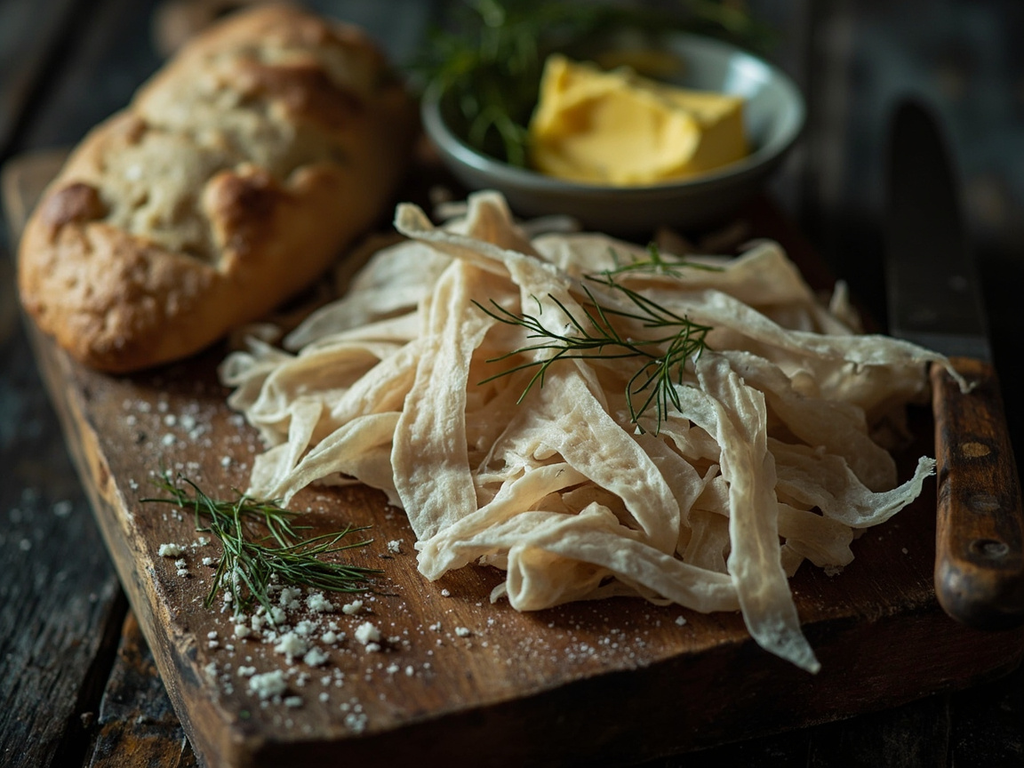
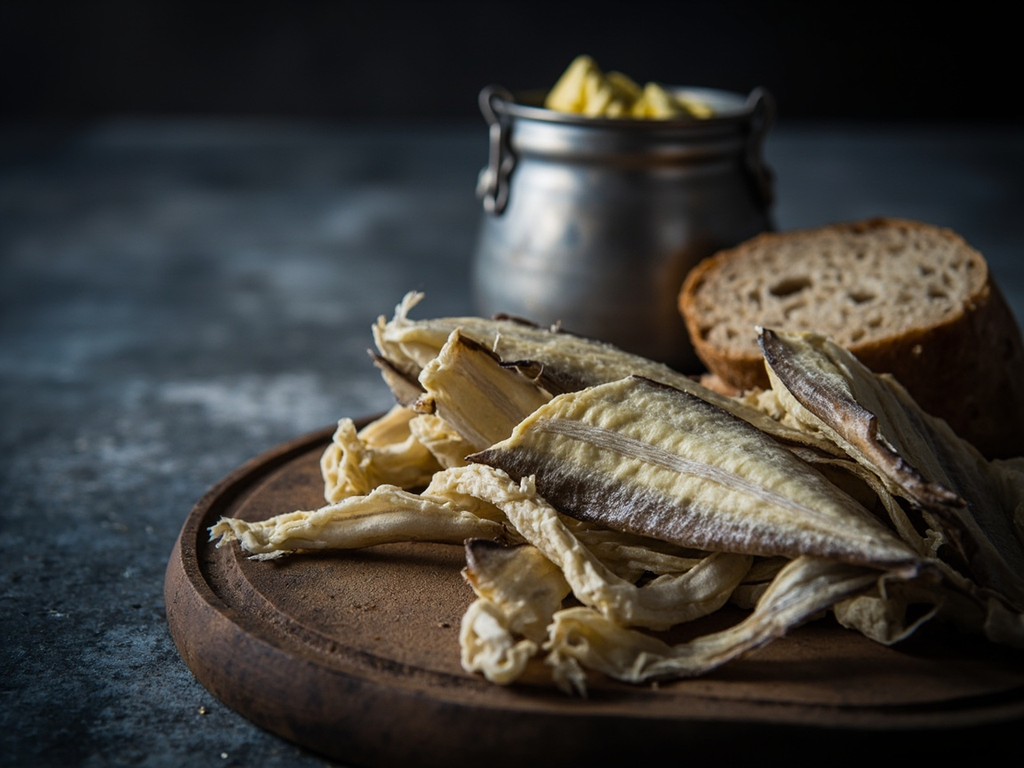
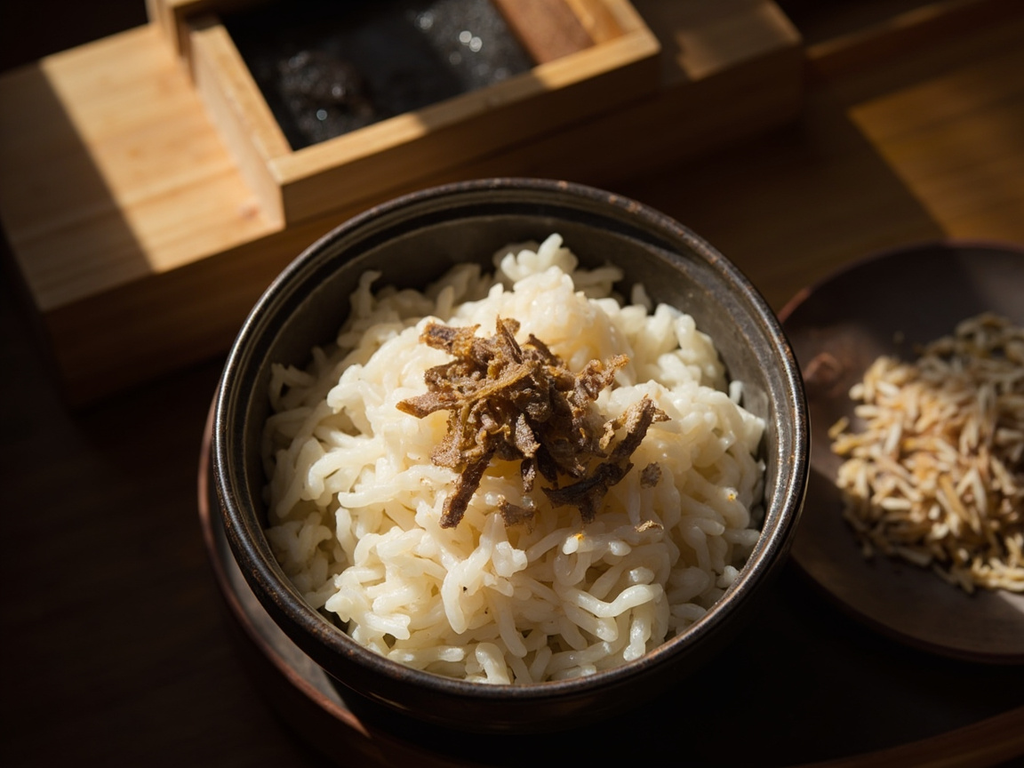
Rice steamed then dried in the sun until the grains become hard and light, easy to transport. Rehydrated with hot water or broth, it swells in minutes into tender rice, seasoned with a little salt or crumbled dried fish.
When we must leave the palace for a pilgrimage, the carriage moves slowly and the road is long. So my people carry dried rice, hard as gravel but light as nothing, which keeps without spoiling. At the stop, hot water is poured over it, and see: the grain awakens, becomes tender again as if it had just come from the steamer. A pinch of salt, a little crumbled dried fish, and we dine as well on the road as at home.
- •Steamed then dried rice — one measure (travel base)
- •Hot water — for rehydrating (instant cooking)
- •Salt; crumbled dried fish — to taste (seasoning)
Hoshii — traveler's dried rice, rehydrated
Rice steamed then dried in the sun until the grains become hard and light, easy to transport. Rehydrated with hot water or broth, it swells in minutes into tender rice, seasoned with a little salt or crumbled dried fish.
Why this dish? When the court traveled by ox-drawn carriage (gissha) for a pilgrimage or retreat, they carried hoshii: cooked then dried rice, which kept for weeks and became tender again when hot water was poured over it. This was the food for all journeys of Teishi's aristocracy.
When we must leave the palace for a pilgrimage, the carriage moves slowly and the road is long. So my people carry dried rice, hard as gravel but light as nothing, which keeps without spoiling. At the stop, hot water is poured over it, and see: the grain awakens, becomes tender again as if it had just come from the steamer. A pinch of salt, a little crumbled dried fish, and we dine as well on the road as at home.
Ingredients (period version)
- Steamed then dried rice — one measure (travel base)
- Hot water — for rehydrating (instant cooking)
- Salt; crumbled dried fish — to taste (seasoning)
Ingredients
- Cooked sushi rice — 300 g cooked (to be dried)
- Boiling water or dashi broth — to cover (rehydration)
- Salt — 1 pinch (seasoning)
- Dried bonito flakes or crumbled dried fish — 1 tbsp (umami)
Method
- Spread the cooked rice in a thin layer on a tray and dry it completely (in the sun, or in an oven at 80°C with the door ajar, 1 to 2 h) until the grains are hard.
- Store the dried rice in a cloth or airtight container (it keeps for a long time).
- When ready to eat, pour boiling water or hot broth over it to just cover and let sit 5-10 min, until the grains plump up.
- Salt, sprinkle with bonito flakes or crumbled fish, and eat hot.
How it was made : Hoshii (or kareii) is attested early in Japanese literature — it appears, for instance, in The Tales of Ise, where travelers shed tears on their dried rice. Without refrigeration, drying cooked rice was the safest way to take it on a journey without spoilage.
The contemporary twist : A 'Heian hiking kit' version: dried rice and bonito flakes in a pouch, to rehydrate in the mountains, a thousand years before instant noodles.
Sources : Contes d'Ise (Ise Monogatari) · Engishiki (延喜式)
Empress Teishi · Charactorium