 flip
flipThe Eagle Pint of Bitter
The Eagle Pint of Bitter
Why this dish? The Eagle, just minutes from the Cavendish, was THE pub for the two researchers. It was there, pint in hand, that they debated nitrogenous bases and announced their discovery.
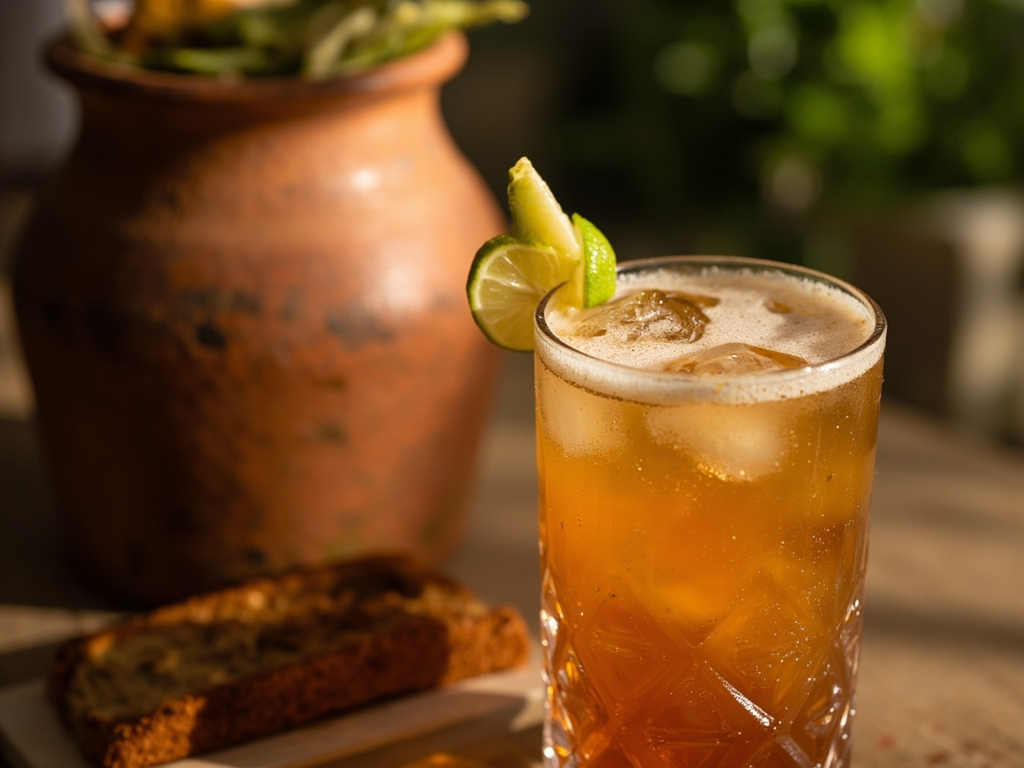
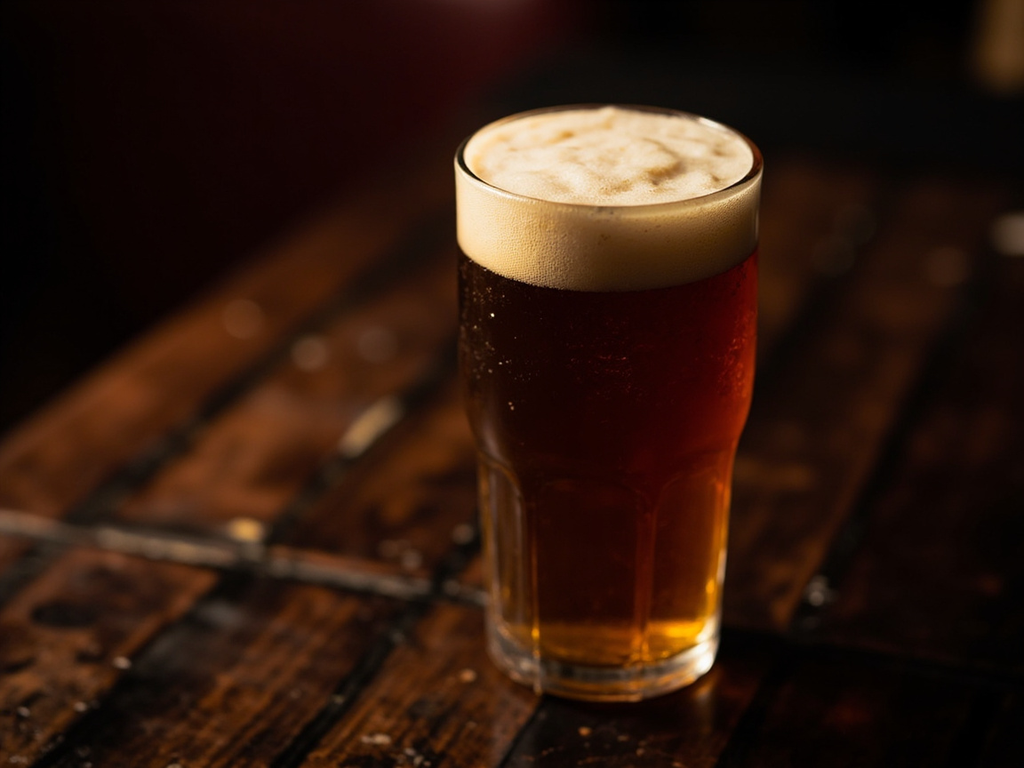
A pint of British bitter drawn by hand pump: top-fermented beer, low carbonation, served at cellar temperature, with a gentle bitterness and aroma of malt and hops. The working drink of scientific evenings.
The real laboratory, my friend, wasn't always the Cavendish — it was the corner table at The Eagle, a pint of bitter on the wood. You want it pulled by hand pump, not too cold, no aggressive bubbles: just the frank bitterness of hops. It was between sips that we paired the bases, that we understood how the strands hold together. You never think better than with a pint slowly warming.
- •Pub bitter (real ale) — 1 pint (568 ml) (top-fermented beer)
The Eagle Pint of Bitter
A pint of British bitter drawn by hand pump: top-fermented beer, low carbonation, served at cellar temperature, with a gentle bitterness and aroma of malt and hops. The working drink of scientific evenings.
Why this dish? The Eagle, just minutes from the Cavendish, was THE pub for the two researchers. It was there, pint in hand, that they debated nitrogenous bases and announced their discovery.
The real laboratory, my friend, wasn't always the Cavendish — it was the corner table at The Eagle, a pint of bitter on the wood. You want it pulled by hand pump, not too cold, no aggressive bubbles: just the frank bitterness of hops. It was between sips that we paired the bases, that we understood how the strands hold together. You never think better than with a pint slowly warming.
Ingredients (period version)
- Pub bitter (real ale) — 1 pint (568 ml) (top-fermented beer)
Ingredients
- English bitter or amber pale ale, lightly hopped — 1 bottle (50 cl) (beer)
- Pint glass (or straight-sided tall glass) — 1 (serving)
Method
- Take the beer out in advance to reach cellar temperature (12-14°C), not ice-cold.
- Tilt the glass at 45° and pour gently along the side to limit the head.
- Straighten the glass at the end to form a thin, creamy head.
- Serve immediately, sip slowly while chatting.
How it was made : British "real ale" ferments in the cask and is drawn by hand pump, making it flatter and warmer than European draught beers. In 1950s pubs, it was the quintessential social drink.
The contemporary twist : To be enjoyed in moderation and by adults: for a non-alcoholic version, choose a modern dealcoholised "bitter"; hop bitterness is now well reproduced.
Sources : James D. Watson, The Double Helix, 1968
James Watson & Francis Crick · Charactorium