 flip
flipApricot jam from Provence
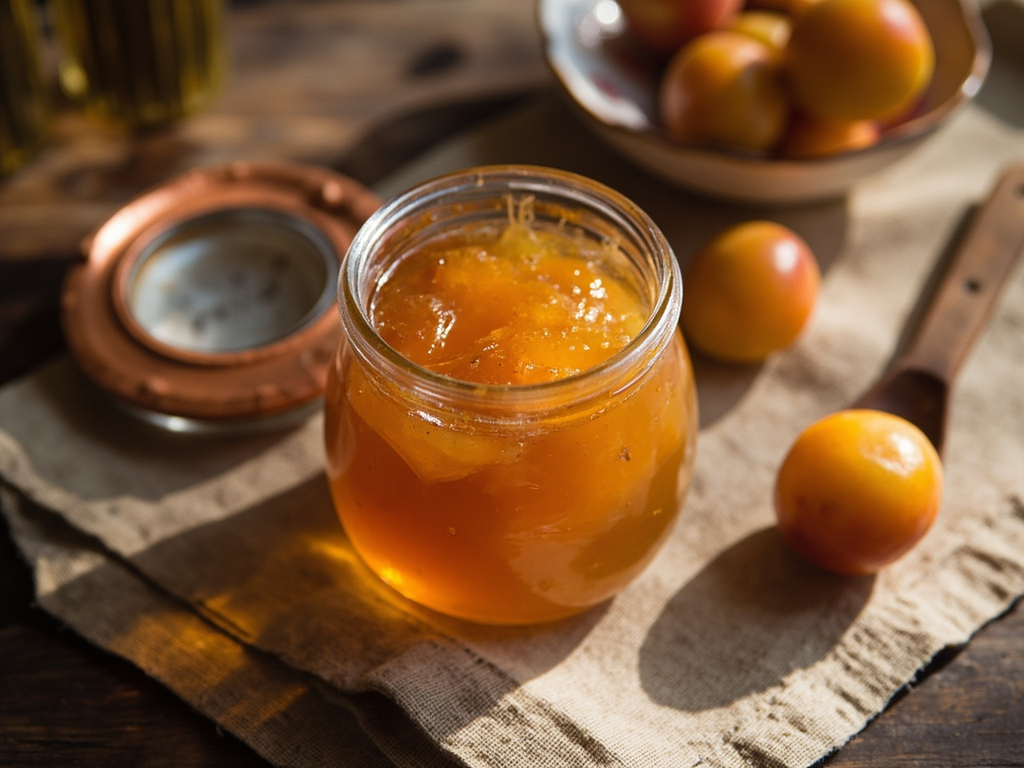
Apricot jam from Provence
Why this dish? Madame de Sévigné stayed for long periods at the Château de Grignan in Provence with her beloved daughter. The region abounded in fruit, and the art of jam-making—preserving summer in pots—was a pride of great 17th-century households.
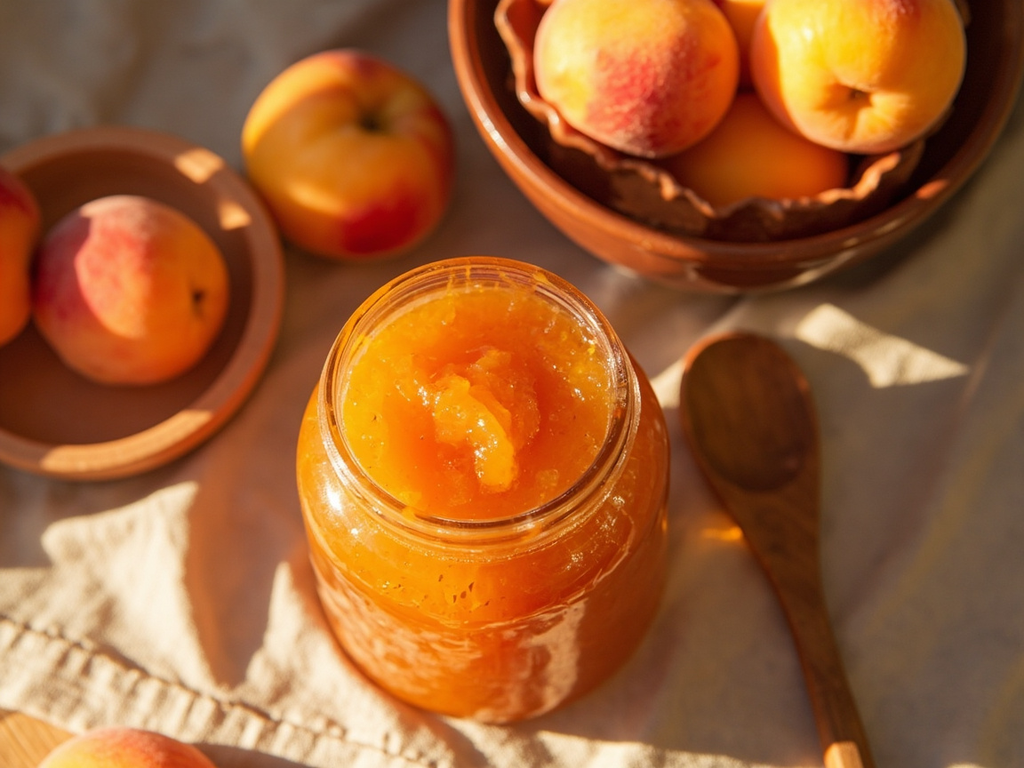
Apricots ripened under the Provençal sun, cooked with their weight in sugar until set, then potted to last through winter. Both a dessert treat and a precious provision, offered or sent as a valuable gift.
At Grignan, the sun gives the apricots a sweetness you cannot imagine under our grey skies. When the season comes, they are preserved with their weight in sugar, and pots are filled and carefully sealed for winter. I would gladly keep some for you, my daughter, for these jams hold all the Provençal summer locked inside, and there is no better gift for those one loves.
- •Ripe apricots — a large basket (fruit)
- •Sugar — equal weight to fruit (preservation, sweetness)
- •Lemon juice — a few drops (acidity, set)
Apricot jam from Provence
Apricots ripened under the Provençal sun, cooked with their weight in sugar until set, then potted to last through winter. Both a dessert treat and a precious provision, offered or sent as a valuable gift.
Why this dish? Madame de Sévigné stayed for long periods at the Château de Grignan in Provence with her beloved daughter. The region abounded in fruit, and the art of jam-making—preserving summer in pots—was a pride of great 17th-century households.
At Grignan, the sun gives the apricots a sweetness you cannot imagine under our grey skies. When the season comes, they are preserved with their weight in sugar, and pots are filled and carefully sealed for winter. I would gladly keep some for you, my daughter, for these jams hold all the Provençal summer locked inside, and there is no better gift for those one loves.
Ingredients (period version)
- Ripe apricots — a large basket (fruit)
- Sugar — equal weight to fruit (preservation, sweetness)
- Lemon juice — a few drops (acidity, set)
Ingredients
- Pitted apricots — 1 kg (fruit)
- Cane sugar — 800 g (preservation, sweetness)
- Lemon juice — 1 lemon (acidity, gel set)
- A few almond kernels from the pits — 5 or 6 (aroma (optional))
Method
- Cut the apricots in half, pit them, and let them macerate with the sugar and lemon juice for a few hours (preferably overnight).
- Bring to a boil in a wide pan and cook over high heat, skimming.
- Add a few almond kernels from the pits for aroma, if desired.
- Check the set (a drop that gels on a cold plate); cook about 25 to 35 minutes.
- Pour into sterilized jars, seal immediately, and turn the jars upside down to create a vacuum.
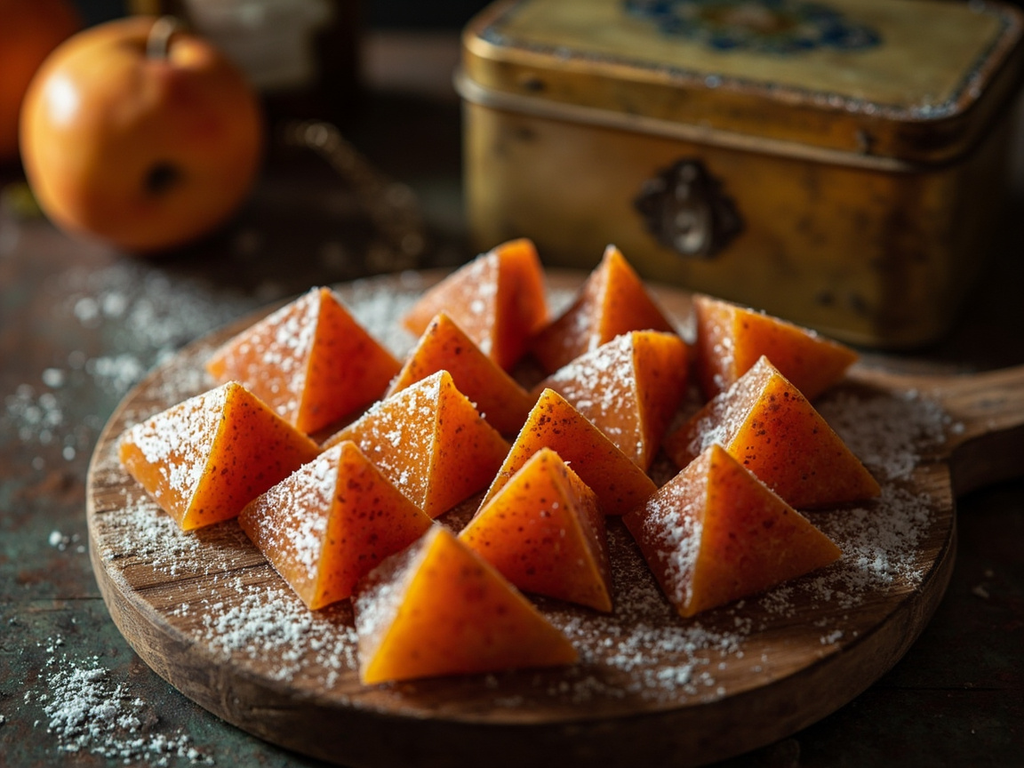
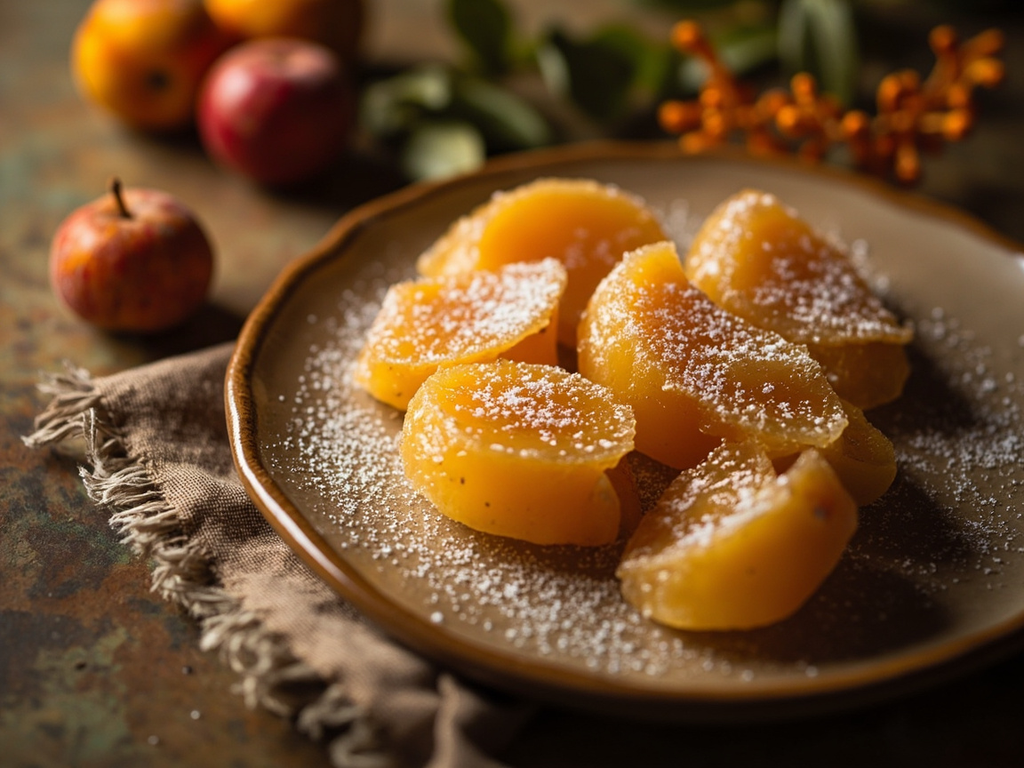
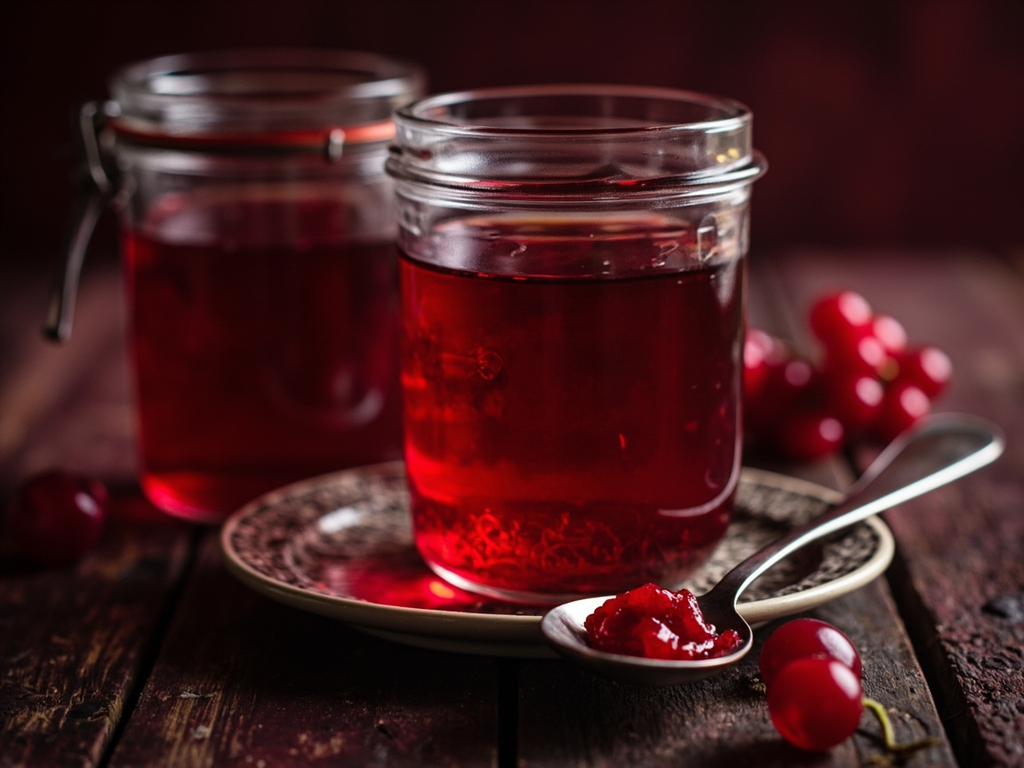
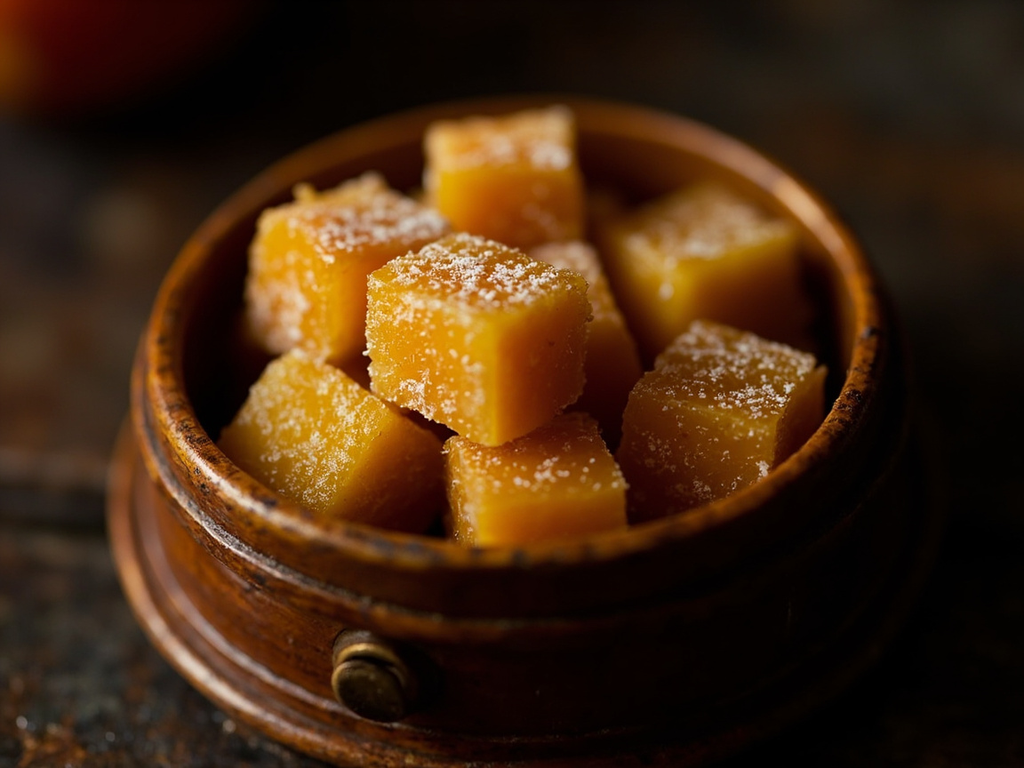
How it was made : In the Grand Siècle, preserving was an art in itself: La Varenne devoted *Le Confiturier françois* (1660) to it. A distinction was made between liquid preserves (our jam) and dry preserves (candied fruits, fruit pastes). Sugar, still expensive, made jams a prestigious gift exchanged between households.
The contemporary twist : Add a sprig of Provençal lavender during cooking and serve the jam on French toast, or paired with fresh cheese.
Sources : La Varenne, Le Confiturier françois, 1660 · Nicolas de Bonnefons, Les Délices de la campagne, 1654
Madame de Sévigné · Charactorium