 flip
flipWeimar Gingerbread
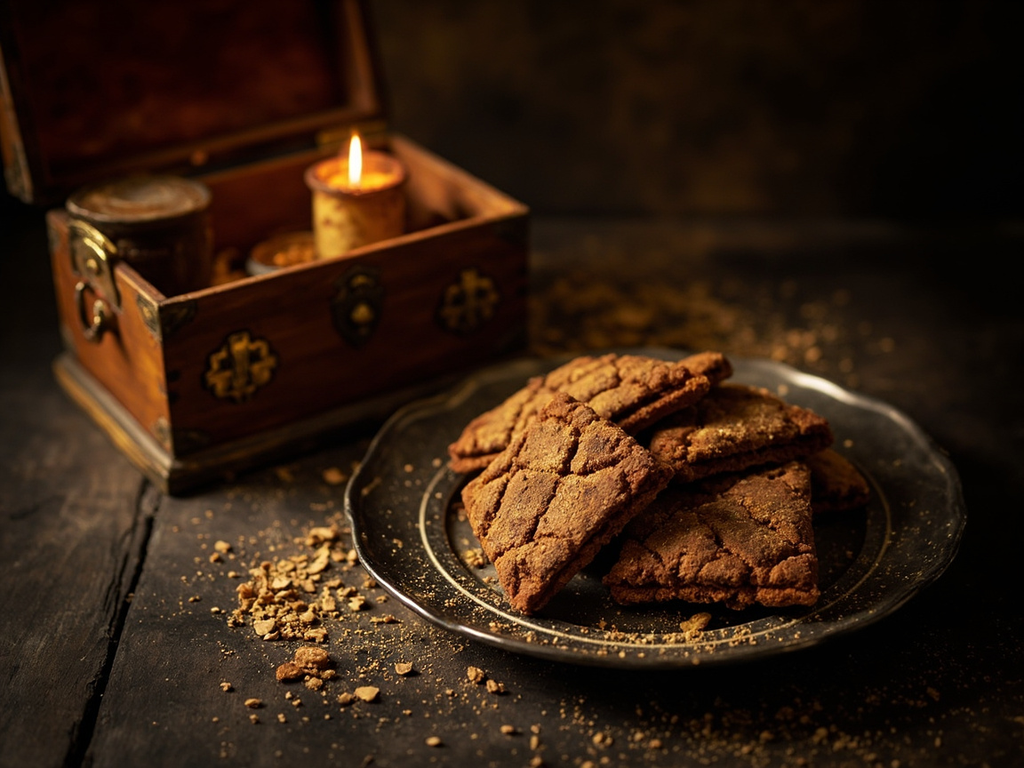
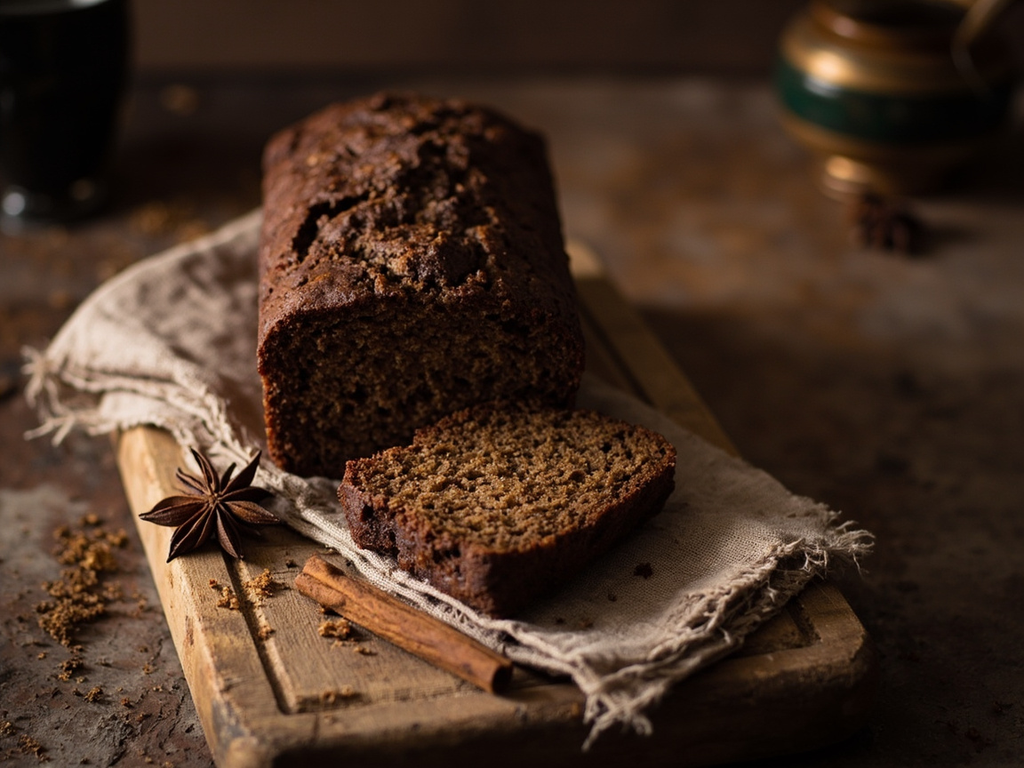
Weimar Gingerbread
Why this dish? Madame de Staël traveled across Germany to write 'De l'Allemagne' and stayed in Weimar with Goethe and Schiller. This traditional German gingerbread, which keeps well, is the ideal companion for the long carriage journeys she so loved.
A dense honey gingerbread, spiced with cinnamon, clove and citrus peel, that improves with rest and travels without spoiling: the sweetness of travel trunks across Europe.
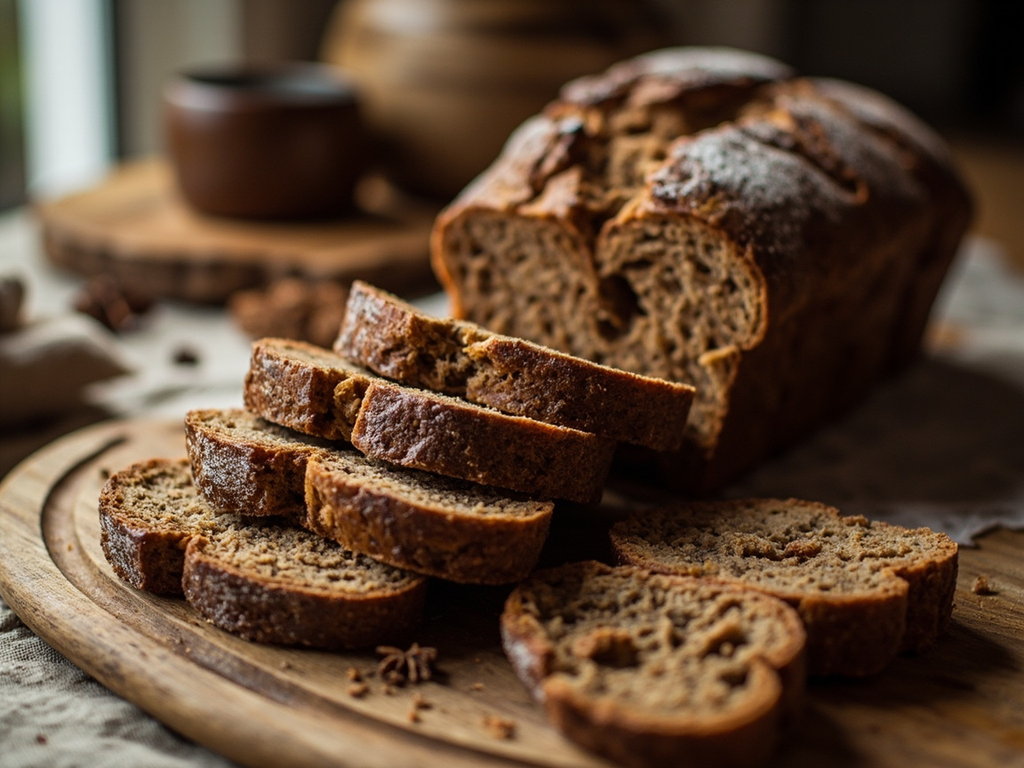
One does not know Germany until one has tasted, in some Saxon inn, this dark, fragrant bread they call Lebkuchen. I would have some taken in my carriage, for it keeps for weeks without losing anything, and comforts better than a long speech on the cold northern roads. It is kneaded with warm honey, rye flour and spices from the Orient — cinnamon, clove, a touch of ginger — then left to ripen a few days before cutting. It is, I believe, the very taste of that grave and dreamy country I so loved to paint.
- •Honey — a good pound (base and preservation)
- •Rye and wheat flour — mixed in equal parts (structure)
- •Cinnamon, clove, ginger — in powder (spices)
- •Candied orange peel — chopped (flavor)
- •Potash (baker's leaven) — a pinch (leavening)
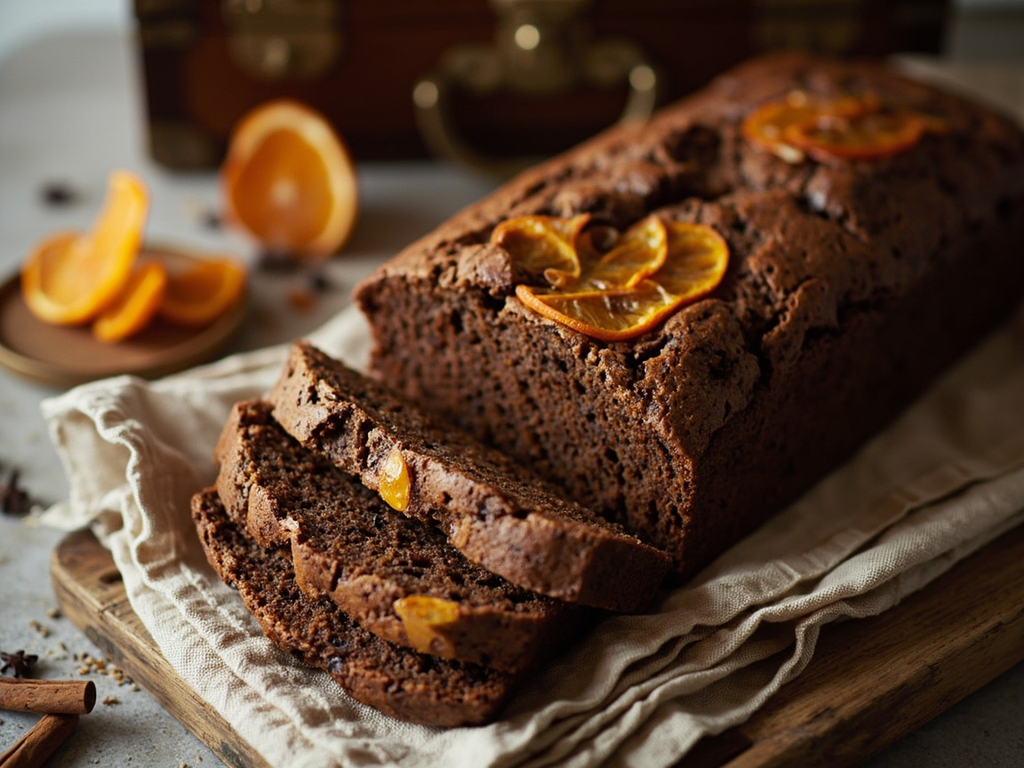
Weimar Gingerbread
A dense honey gingerbread, spiced with cinnamon, clove and citrus peel, that improves with rest and travels without spoiling: the sweetness of travel trunks across Europe.
Why this dish? Madame de Staël traveled across Germany to write 'De l'Allemagne' and stayed in Weimar with Goethe and Schiller. This traditional German gingerbread, which keeps well, is the ideal companion for the long carriage journeys she so loved.
One does not know Germany until one has tasted, in some Saxon inn, this dark, fragrant bread they call Lebkuchen. I would have some taken in my carriage, for it keeps for weeks without losing anything, and comforts better than a long speech on the cold northern roads. It is kneaded with warm honey, rye flour and spices from the Orient — cinnamon, clove, a touch of ginger — then left to ripen a few days before cutting. It is, I believe, the very taste of that grave and dreamy country I so loved to paint.
Ingredients (period version)
- Honey — a good pound (base and preservation)
- Rye and wheat flour — mixed in equal parts (structure)
- Cinnamon, clove, ginger — in powder (spices)
- Candied orange peel — chopped (flavor)
- Potash (baker's leaven) — a pinch (leavening)
Ingredients
- Honey — 300 g (base and preservation)
- Rye flour — 150 g (structure)
- Wheat flour — 150 g (structure)
- Cinnamon/clove/ginger/nutmeg mix — 2 tsp (spices)
- Chopped candied orange peel — 50 g (flavor)
- Baking soda — 1 tsp (leavening)
- Warm milk or water — 100 ml (dough liquid)
Method
- Warm the honey until it becomes runny.
- Mix the flours, spices and candied peel, then incorporate the honey and baking soda dissolved in the warm liquid.
- Knead into a thick dough, pour it into a lined mold.
- Bake at low heat (160°C) for about 45 minutes, until a blade comes out clean.
- Let cool completely, then wrap and wait two to three days: the gingerbread improves and reveals its aromas.
How it was made : Lebkuchen is a very old German specialty, linked to fair towns like Nuremberg. Its richness in honey and spices ensured long preservation, making it a choice provision for travelers before the era of refrigeration.
The contemporary twist : Cut into thin glazed sticks, it pairs wonderfully with salon coffee (recipe r1): Germany and the Enlightenment in one bite.
Madame de Staël · Charactorium