 flip
flipFig and Almond Bread (Travel Pan de Higo)
Fig and Almond Bread (Travel Pan de Higo)
Why this dish? Maimonides' life was a long exile: fleeing the Almohads, his family left Córdoba, passed through Fez, then Egypt. These pressed cakes of dried figs with almonds and spices, dense and imperishable, were the perfect provision for the Sephardic traveler — kosher, nourishing, and not spoiling on long journeys.
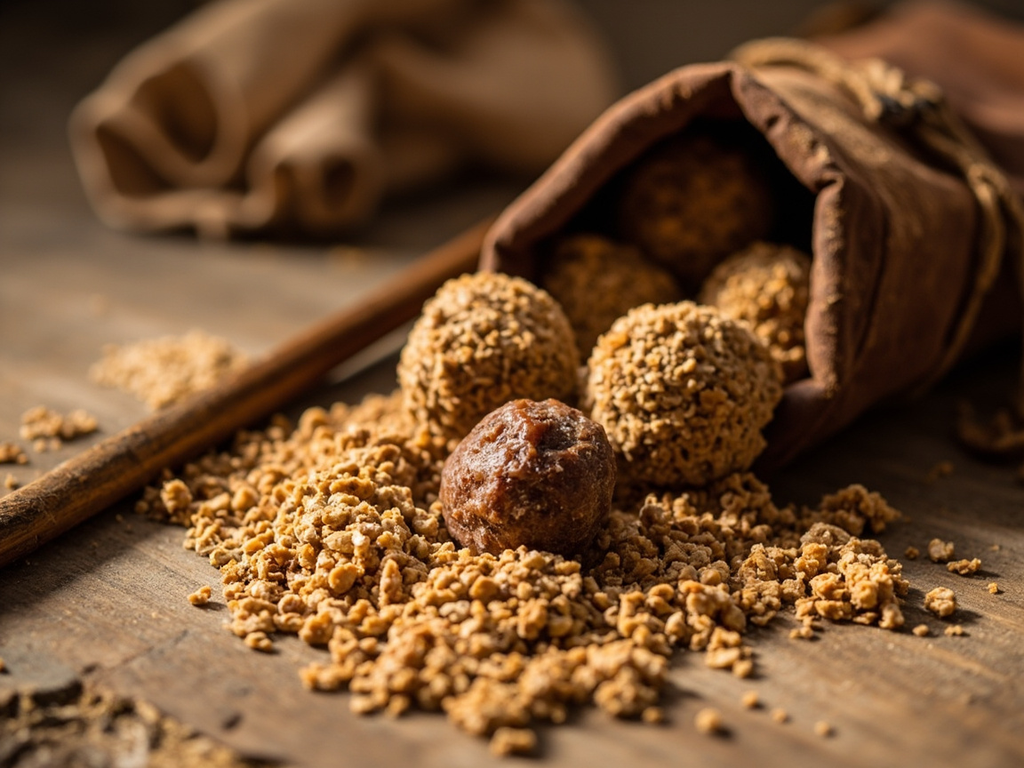
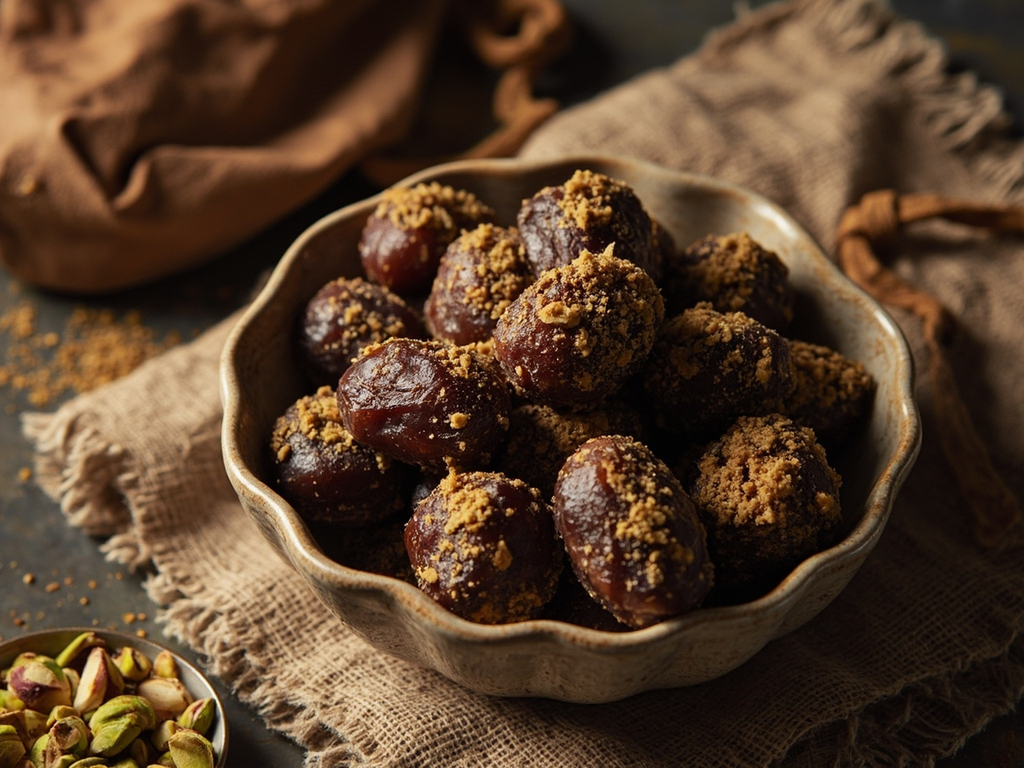
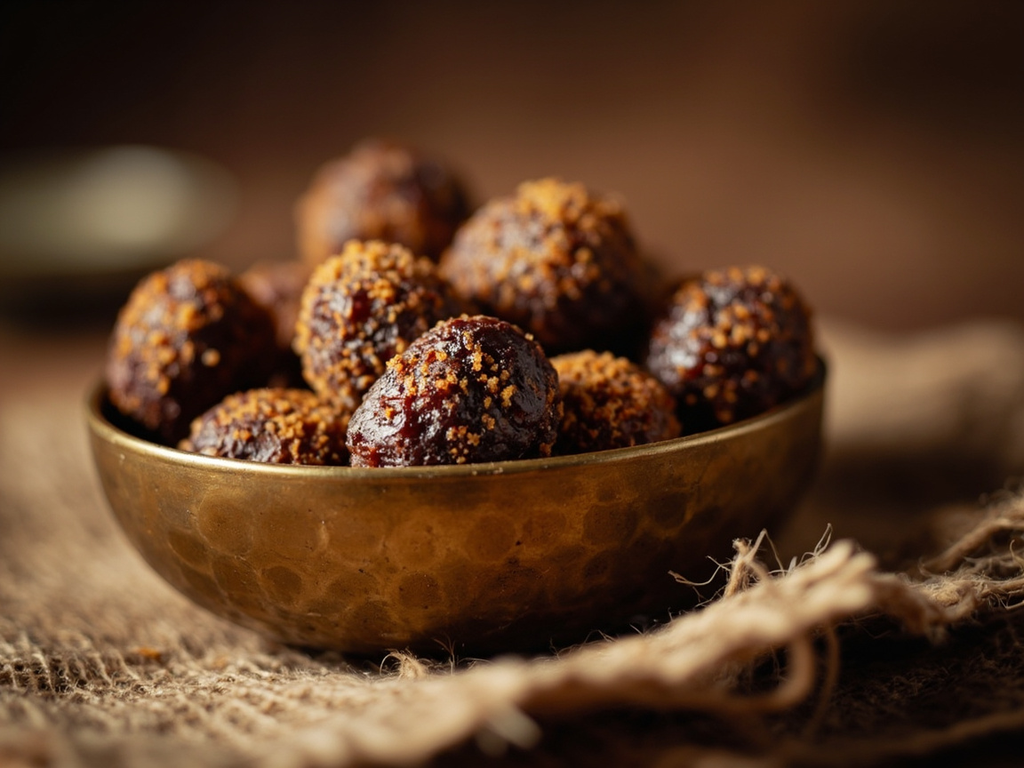
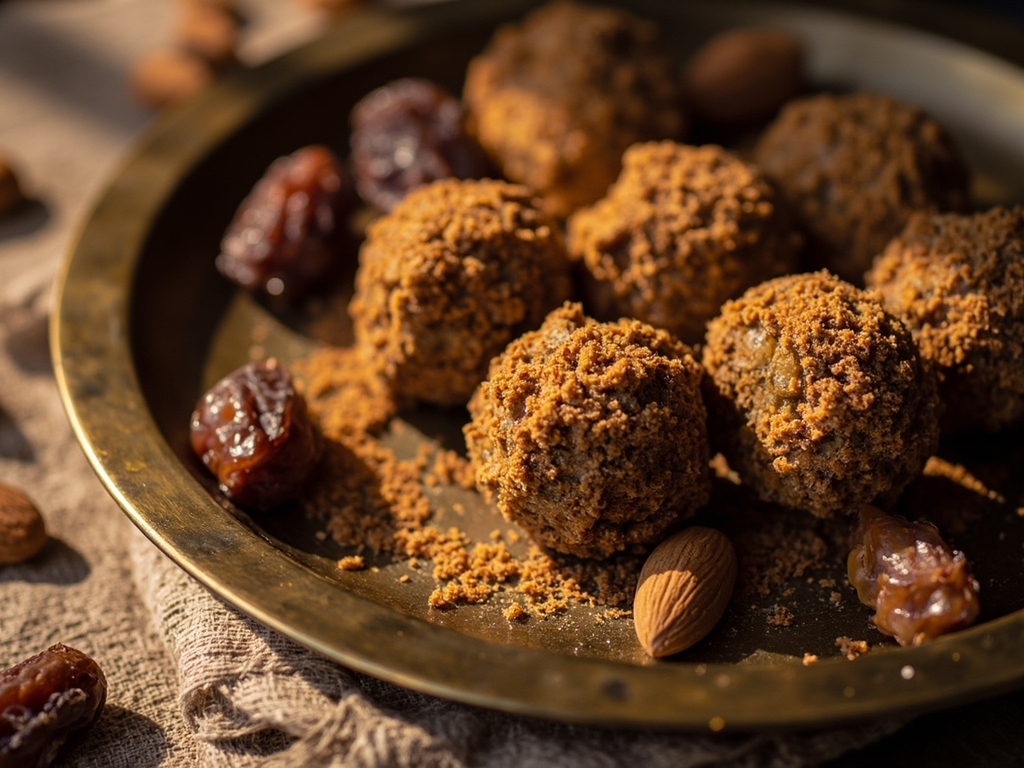
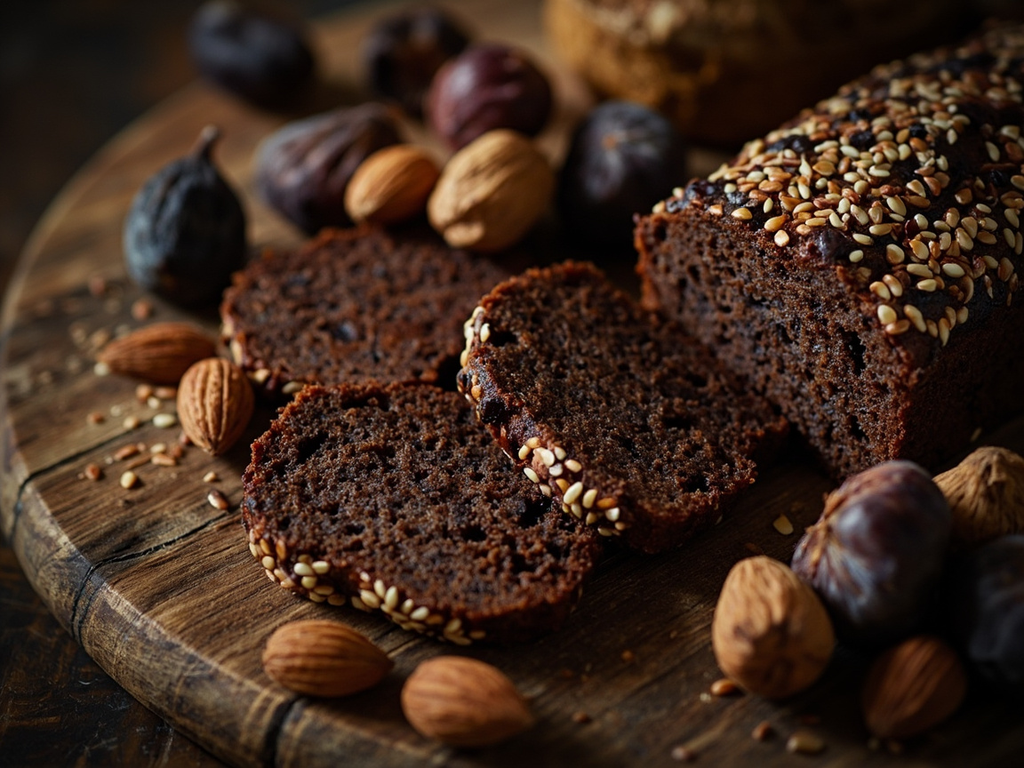
A dark paste of dried figs and almonds, perfumed with cinnamon and orange blossom water, pressed into a cake and sliced thin. A concentrated sweet energy, ideal for travel.
I have known the long roads of exile, from Córdoba to the banks of the Nile, and the wise traveler prepares his provisions. Pound the dried figs with the almonds, perfume with cinnamon and a little orange blossom water, then press it all into a firm cake. It keeps for weeks without spoiling, and a thin slice suffices to sustain a man until evening. Eat little of it, but be grateful: even the bread of the road is a gift.
- •Dried figs — a good measure (sweet base)
- •Almonds — a handful (richness and crunch)
- •Cinnamon, clove — a pinch (spices)
- •Orange blossom water — a few drops (aroma)
- •Sesame seeds or anise — a little (coating)
Fig and Almond Bread (Travel Pan de Higo)
A dark paste of dried figs and almonds, perfumed with cinnamon and orange blossom water, pressed into a cake and sliced thin. A concentrated sweet energy, ideal for travel.
Why this dish? Maimonides' life was a long exile: fleeing the Almohads, his family left Córdoba, passed through Fez, then Egypt. These pressed cakes of dried figs with almonds and spices, dense and imperishable, were the perfect provision for the Sephardic traveler — kosher, nourishing, and not spoiling on long journeys.
I have known the long roads of exile, from Córdoba to the banks of the Nile, and the wise traveler prepares his provisions. Pound the dried figs with the almonds, perfume with cinnamon and a little orange blossom water, then press it all into a firm cake. It keeps for weeks without spoiling, and a thin slice suffices to sustain a man until evening. Eat little of it, but be grateful: even the bread of the road is a gift.
Ingredients (period version)
- Dried figs — a good measure (sweet base)
- Almonds — a handful (richness and crunch)
- Cinnamon, clove — a pinch (spices)
- Orange blossom water — a few drops (aroma)
- Sesame seeds or anise — a little (coating)
Ingredients
- Soft dried figs — 400 g (sweet base)
- Whole almonds — 120 g (some coarsely chopped) (richness and crunch)
- Ground cinnamon — 1 tsp (spice)
- Ground clove — 1 pinch (spice)
- Orange blossom water — 1 tbsp (aroma)
- Sesame seeds — 2 tbsp (for coating) (coating)
Method
- Remove the hard stems from the figs. Blend or finely chop half the figs into a thick paste.
- Coarsely chop the remaining figs and roughly chop some of the almonds.
- Mix everything (paste, fig pieces, whole and chopped almonds) with the cinnamon, clove, and orange blossom water.
- Press the mixture firmly into a thick cake (or log) on parchment paper.
- Roll the cake in sesame seeds, wrap it, and press under a weight for a few hours.
- Let it dry for 1–2 days in a dry place, then slice thinly to serve or carry.
How it was made : Fig bread (*pan de higo*) is a very ancient Mediterranean preserve: dried fruits were compacted to make them portable and durable. In the Sephardic world, it was embellished with almonds, spices, and floral waters (rose, orange blossom), fragrances dear to Andalusian confectionery. Without refined sugar or cooking, it was a provision sweet par excellence.
The contemporary twist : Cut the fig bread into small dice and arrange on a board with a few toasted almonds: an end-of-meal treat, medieval "energy ball" style.
Maimonides · Charactorium