 flip
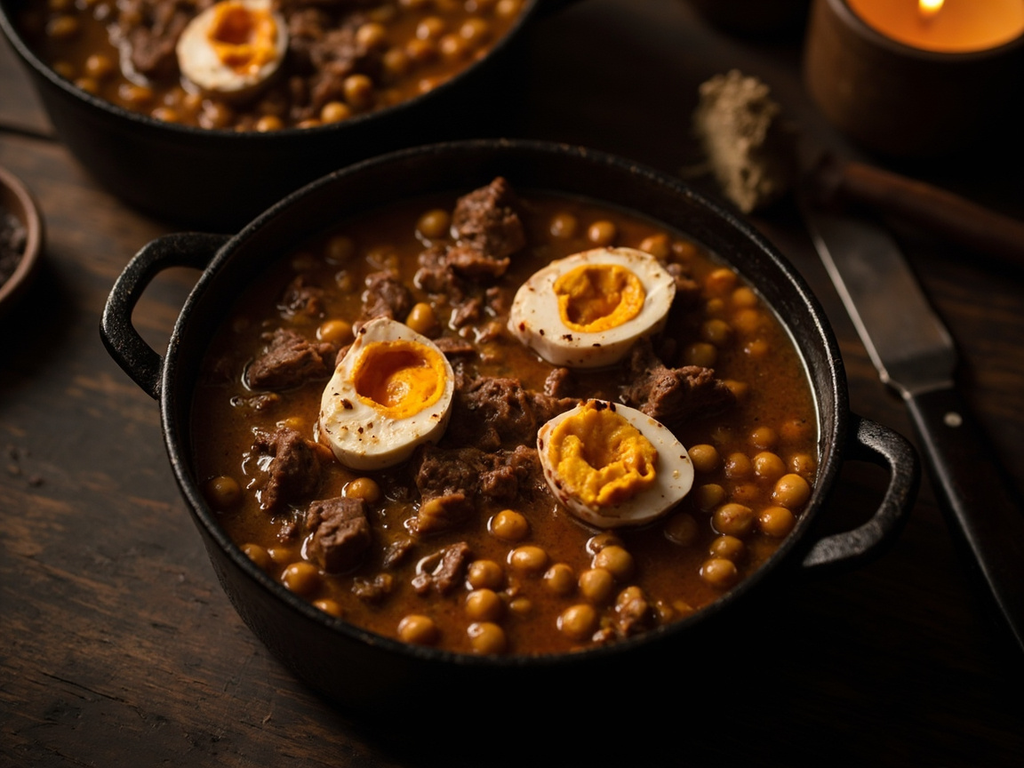
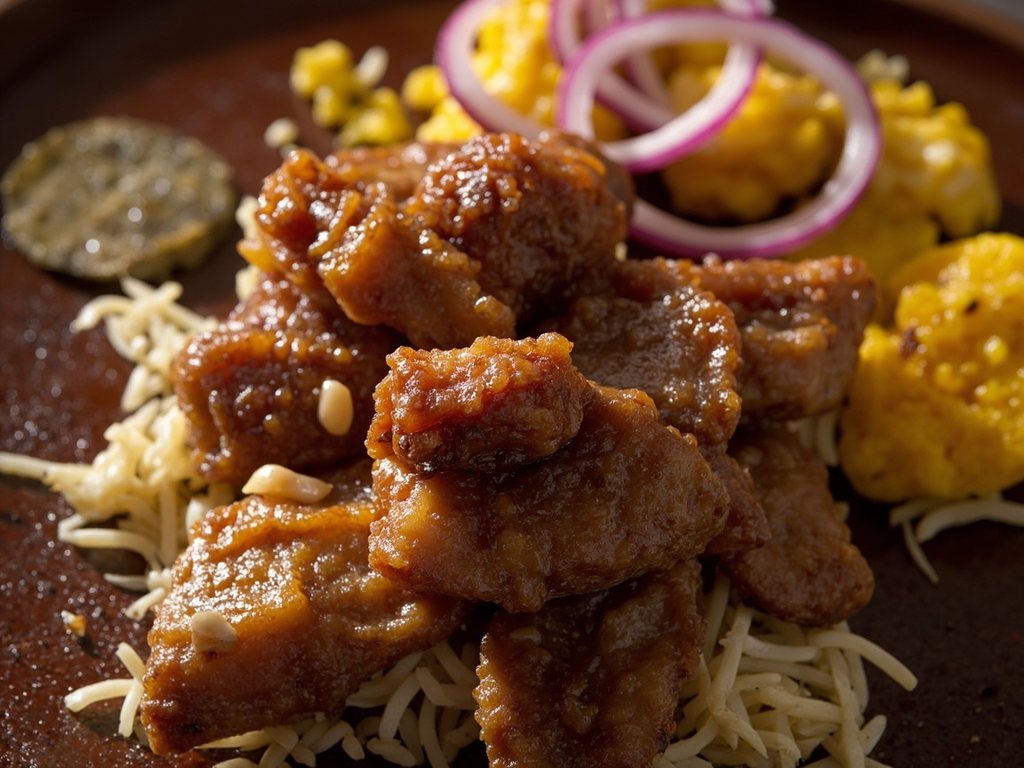
flipFritada con mote y llapingachos
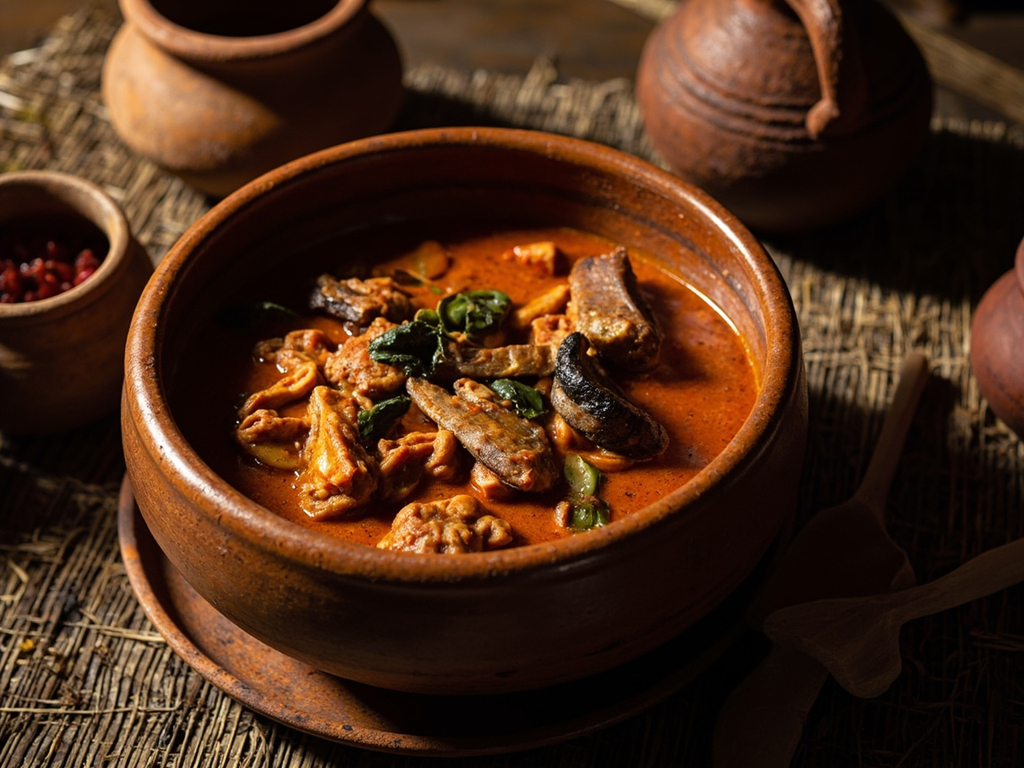
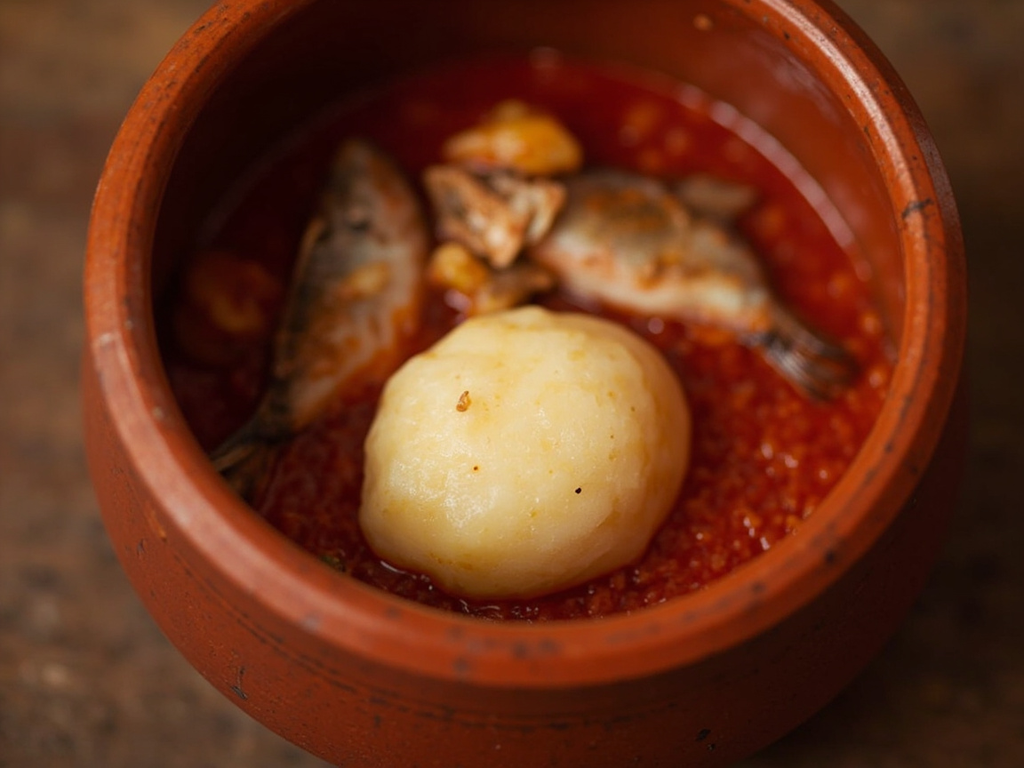
Fritada con mote y llapingachos
Why this dish? A dish for large Quiteño gatherings and days of celebration after patriot victories: braised then crispy pork, cheese-filled potato cakes, and hominy corn. It is the republican feast set out to celebrate the cause of independence that Manuela served all her life.
Pork simmered in its own juices then crisped, accompanied by mote (cooked hominy), small cheese-stuffed potato cakes (llapingachos), and a tangy pickled onion curtido.
When we celebrated a victory of the Republic's armies, my table spared no expense: we braised the pork in its water until it rendered all its fat, then let it brown and crackle at the edge of the pot. Beside it, my maids pressed the llapingachos stuffed with cheese, and the mote steamed in its dish. Help yourself freely, soldier — I have seen enough banquet tables in Bogotá to know that a free people first feeds with both hands.
- •Pork shoulder in pieces — a fine cut (meat)
- •Garlic, cumin, onion — generous amounts (marinade)
- •Mote corn (large cooked hominy) — a large bowl (accompaniment)
- •Potatoes, fresh cheese, achiote — for the cakes (llapingachos)
- •Fresh ground ají — to taste (hot sauce)
Fritada con mote y llapingachos
Pork simmered in its own juices then crisped, accompanied by mote (cooked hominy), small cheese-stuffed potato cakes (llapingachos), and a tangy pickled onion curtido.
Why this dish? A dish for large Quiteño gatherings and days of celebration after patriot victories: braised then crispy pork, cheese-filled potato cakes, and hominy corn. It is the republican feast set out to celebrate the cause of independence that Manuela served all her life.
When we celebrated a victory of the Republic's armies, my table spared no expense: we braised the pork in its water until it rendered all its fat, then let it brown and crackle at the edge of the pot. Beside it, my maids pressed the llapingachos stuffed with cheese, and the mote steamed in its dish. Help yourself freely, soldier — I have seen enough banquet tables in Bogotá to know that a free people first feeds with both hands.
Ingredients (period version)
- Pork shoulder in pieces — a fine cut (meat)
- Garlic, cumin, onion — generous amounts (marinade)
- Mote corn (large cooked hominy) — a large bowl (accompaniment)
- Potatoes, fresh cheese, achiote — for the cakes (llapingachos)
- Fresh ground ají — to taste (hot sauce)
Ingredients
- Pork loin or shoulder — 1 kg (meat)
- Garlic (4 cloves), 1 tsp cumin, onion — 1 onion (marinade/braising)
- Giant corn (mote / hominy) cooked — 400 g (accompaniment)
- Potatoes — 600 g (cake mash)
- Fresh cheese + 1 tsp achiote — 150 g (llapingacho filling)
- Fresh chili (ají), red onion, lime juice — to taste (sauce + curtido)
Method
- Rub the pork with garlic, cumin, and salt; cook covered in a little water with onion until tender.
- Uncover and let the water evaporate: the pork then browns in its own fat until crispy.
- For the llapingachos: mash cooked potatoes with a refrito of achiote, form cakes stuffed with cheese, and brown in a pan.
- Reheat the mote and lightly season.
- Prepare a curtido: sliced red onion marinated in lime juice and salt; grind fresh ají into a sauce.
- Plate the pork with mote, llapingachos, curtido, and ají on the side.
How it was made : The pork was first braised in water to tenderize it, then left to fry in the rendered fat — no deep-fryer, just the patience of the pot. Mote corn and potatoes, two Andean staples, replaced bread; the chili was never mixed into the dish but offered separately.
The contemporary twist : Serve as a mini fritada bite on an individual llapingacho cake, topped with a dot of ají sauce, tapa-style from the Andes.
Sources : Julio Pazos Barrera, El sabor de la memoria: historia de la cocina quiteña
Manuela Sáenz · Charactorium