 flip
flipMā fermented — breadfruit paste for long voyages
Mā fermented — breadfruit paste for long voyages
Why this dish? Māui is the navigator of navigators, crossing the ocean on his waka to haul islands from the sea. No great voyage without lasting provisions: fermented breadfruit in a pit is THE pantry of Pacific explorers.
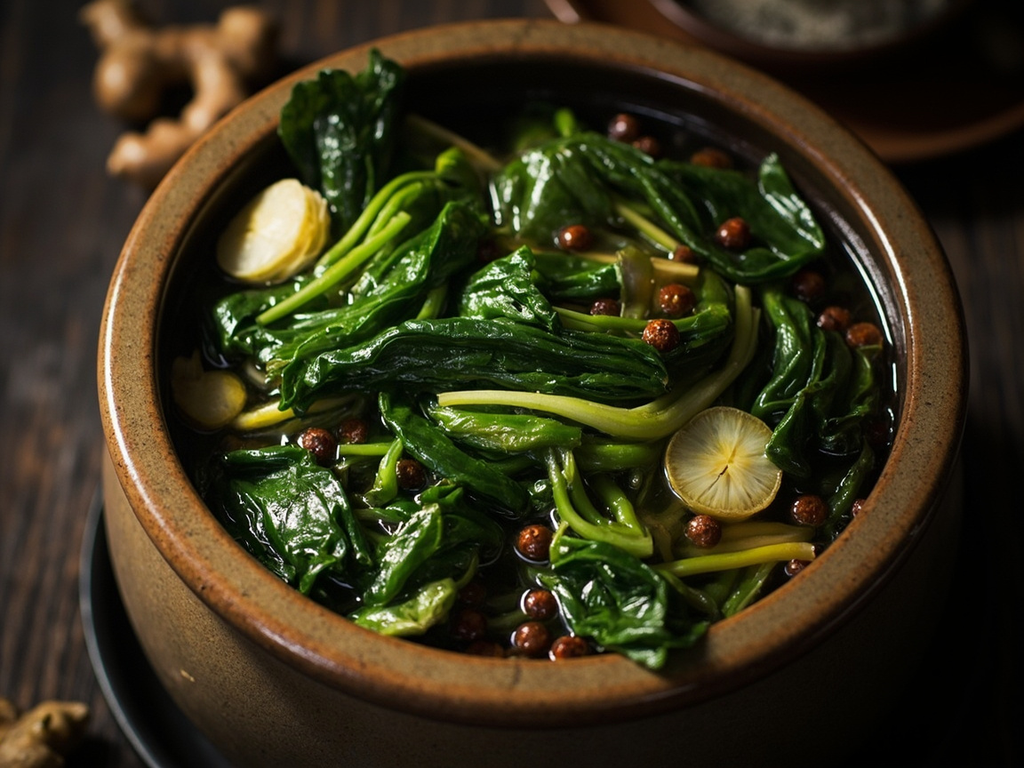
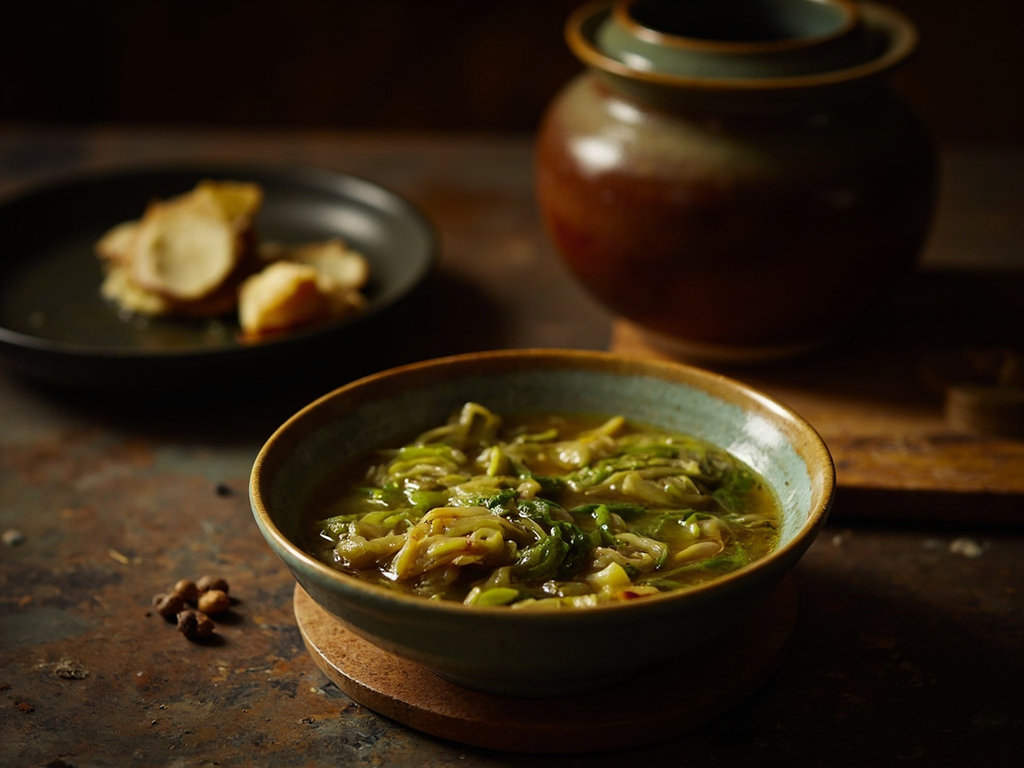
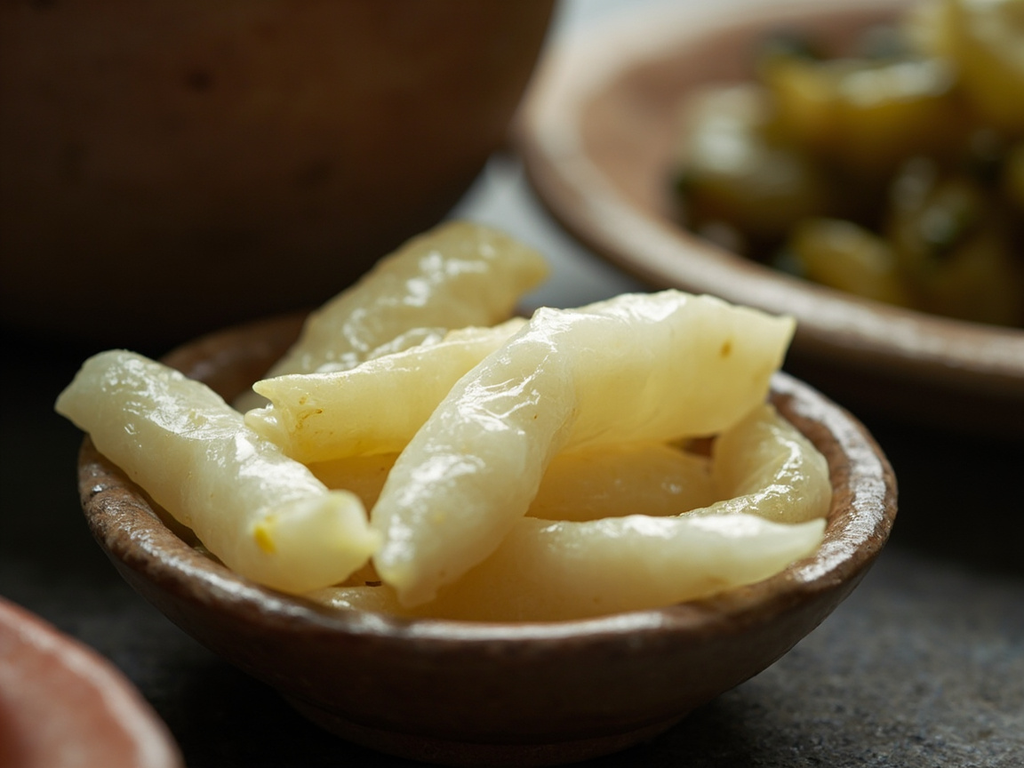
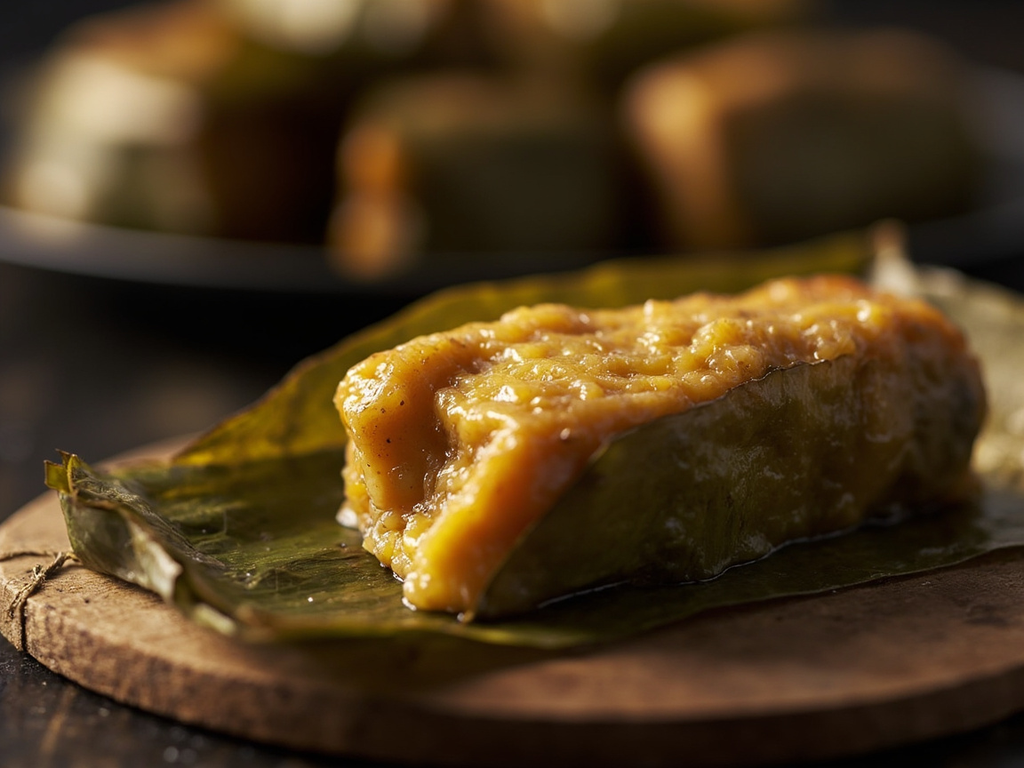
Breadfruit pounded and fermented in a leaf-lined pit, keeping for months or even years. Tangy, dense, nourishing: the preserve that allowed the colonization of the greatest ocean on Earth.
You're heading far out on the black water? Then learn this, lad. Pound the breadfruit, bury it in a pit lined with leaves, and let it ripen under the earth — for moons. It smells strong, it stings the tongue, and it's exactly what keeps you alive when the horizon shows no island. I fished up the lands; but without this paste in the bottom of my waka, I'd never have lasted until them. Eat sour today, live tomorrow.
- •Ripe breadfruit (uru / kuru) — a large harvest (starchy base)
- •Leaves (banana, heliconia) — many (pit lining and cover)
- •Seawater / fresh water — a little (fermentation starter)
Mā fermented — breadfruit paste for long voyages
Breadfruit pounded and fermented in a leaf-lined pit, keeping for months or even years. Tangy, dense, nourishing: the preserve that allowed the colonization of the greatest ocean on Earth.
Why this dish? Māui is the navigator of navigators, crossing the ocean on his waka to haul islands from the sea. No great voyage without lasting provisions: fermented breadfruit in a pit is THE pantry of Pacific explorers.
You're heading far out on the black water? Then learn this, lad. Pound the breadfruit, bury it in a pit lined with leaves, and let it ripen under the earth — for moons. It smells strong, it stings the tongue, and it's exactly what keeps you alive when the horizon shows no island. I fished up the lands; but without this paste in the bottom of my waka, I'd never have lasted until them. Eat sour today, live tomorrow.
Ingredients (period version)
- Ripe breadfruit (uru / kuru) — a large harvest (starchy base)
- Leaves (banana, heliconia) — many (pit lining and cover)
- Seawater / fresh water — a little (fermentation starter)
Ingredients
- Ripe breadfruit (or very ripe plantain as substitute) — 1 kg (base)
- Filtered water, lightly salted — to taste (fermentation)
- Banana leaves or airtight jar — as needed (fermentation vessel)
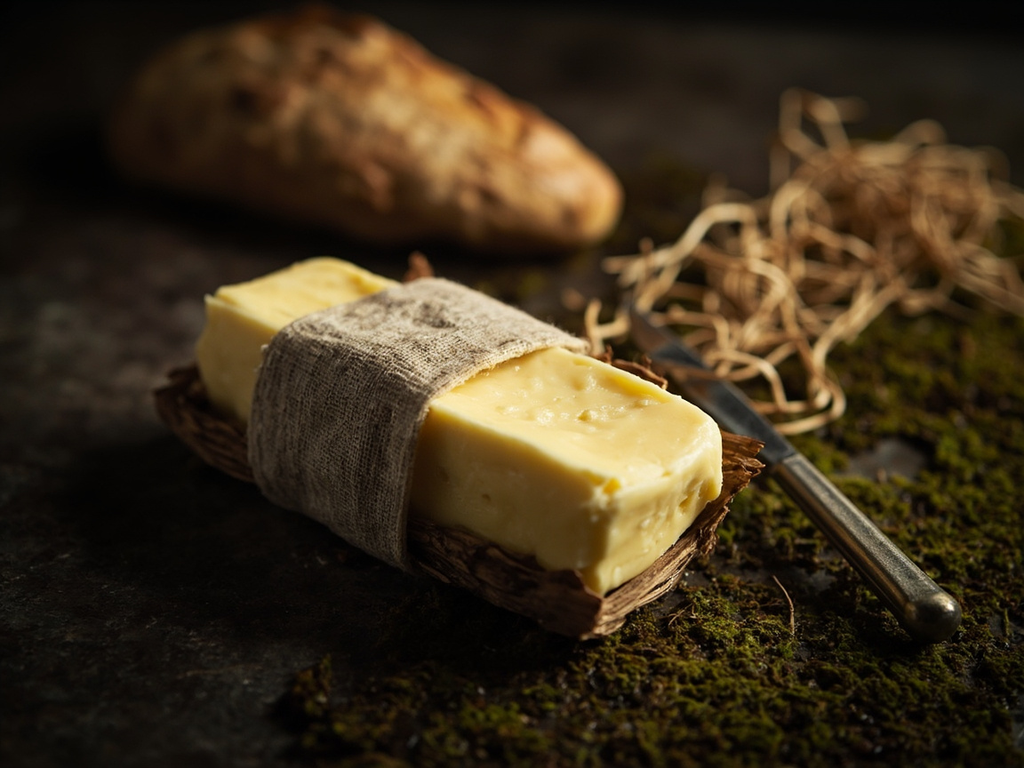
- Coconut cream (for serving) — 2 tbsp (to mellow the sourness)
Method
- Briefly steam the breadfruit, then pound it coarsely.
- Pack the paste into a clean jar (home version of the pit), cover with lightly salted water and leaves, close loosely.
- Leave to ferment at room temperature for 4 to 7 days (taste: the paste becomes tangy). Afterwards, keep cool.
- To serve, reheat a portion wrapped in a leaf, and soften with a drizzle of coconut cream.
- Caution: homemade fermentation must stay safe — discard anything with a putrid smell or suspicious mold.
How it was made : Mā (Central Polynesia), masi (Fiji) or ma (Marquesas) is a lactic fermentation of breadfruit in a deep pit lined with leaves and sealed. Preserved for months to years, it was both a famine reserve and an essential canoe provision for the great Polynesian migrations. One of the oldest documented human preserves in the Pacific.
The contemporary twist : Shape the reheated paste into small pan-fried 'street food' patties, served warm with a dash of coconut — a nod to today's Pacific markets.
Sources : Nancy J. Pollock, 'These Roots Remain: Food Habits in Islands of the Central and Eastern Pacific' · Diane Ragone, 'Breadfruit: Artocarpus altilis' (Smithsonian / NTBG)
Maui · Charactorium