 flip
flipRefectory Khichuri (Turmeric Rice and Lentils)
Refectory Khichuri (Turmeric Rice and Lentils)
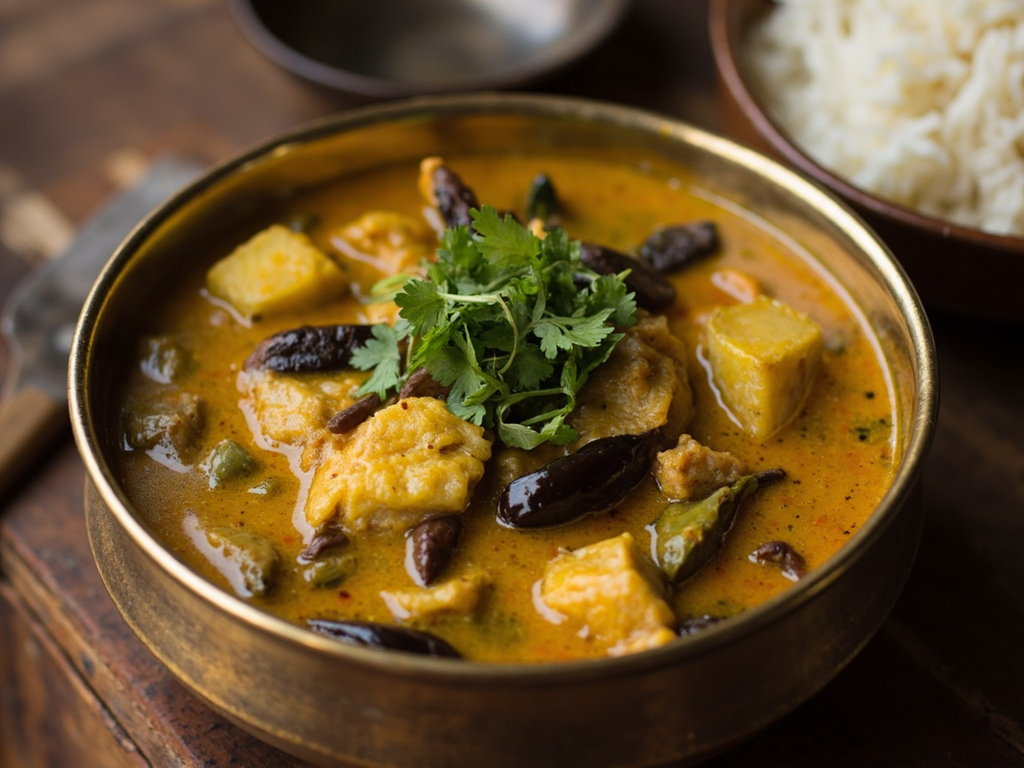
Why this dish? This was the everyday fare of the sisters and the people they welcomed in Calcutta: rice, lentils, simple vegetables. Mother Teresa ate exactly the same as her sisters and refused any special treatment. Khichuri, a Bengali porridge of rice and dal, is the very face of this table of chosen poverty.
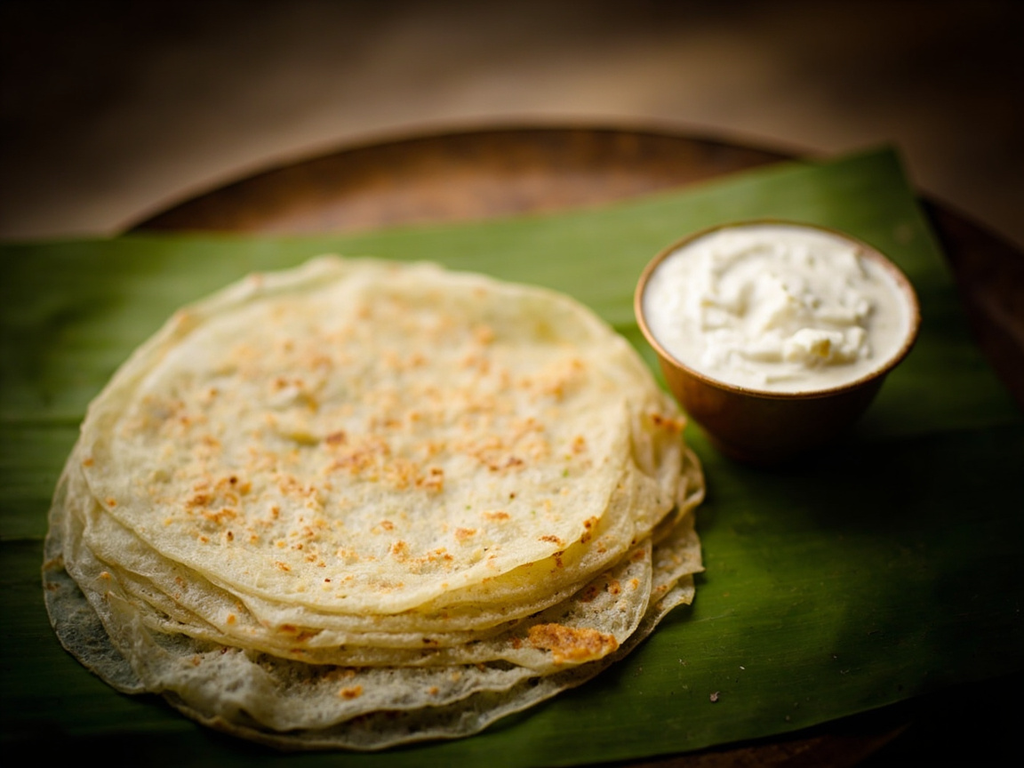
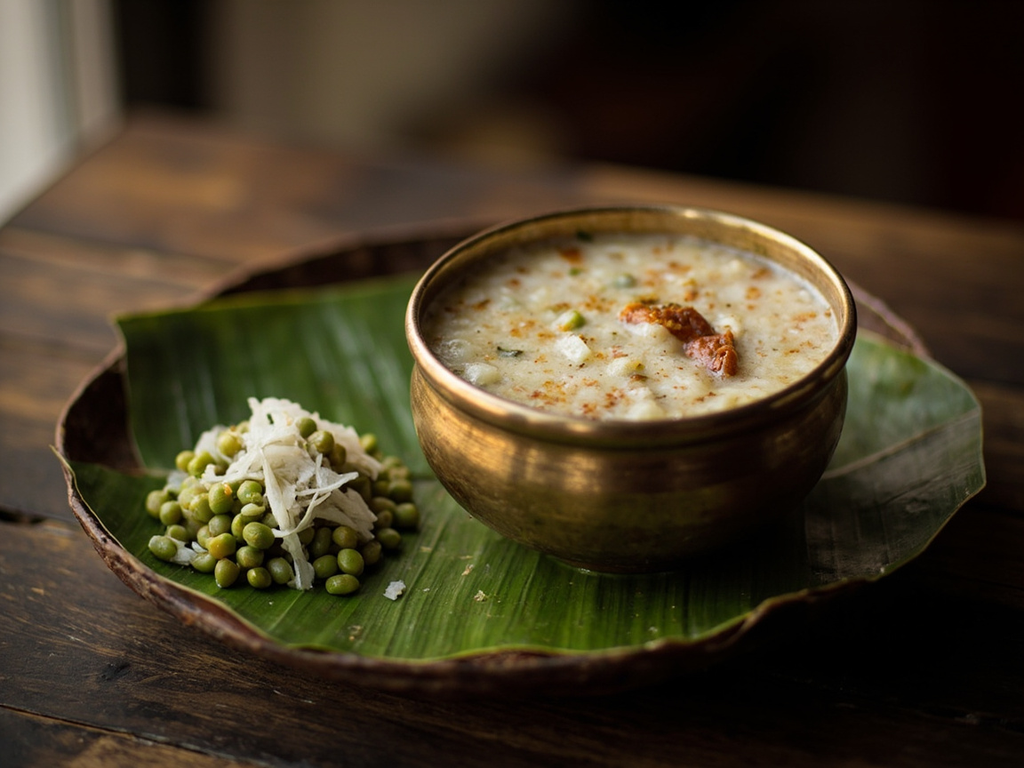
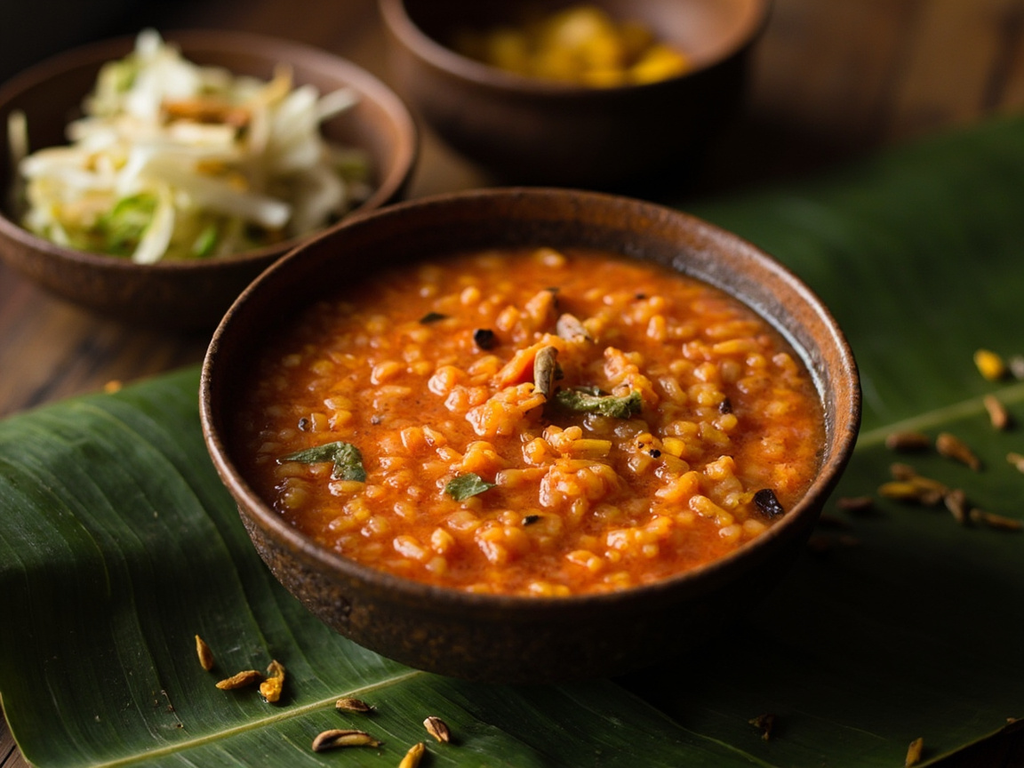
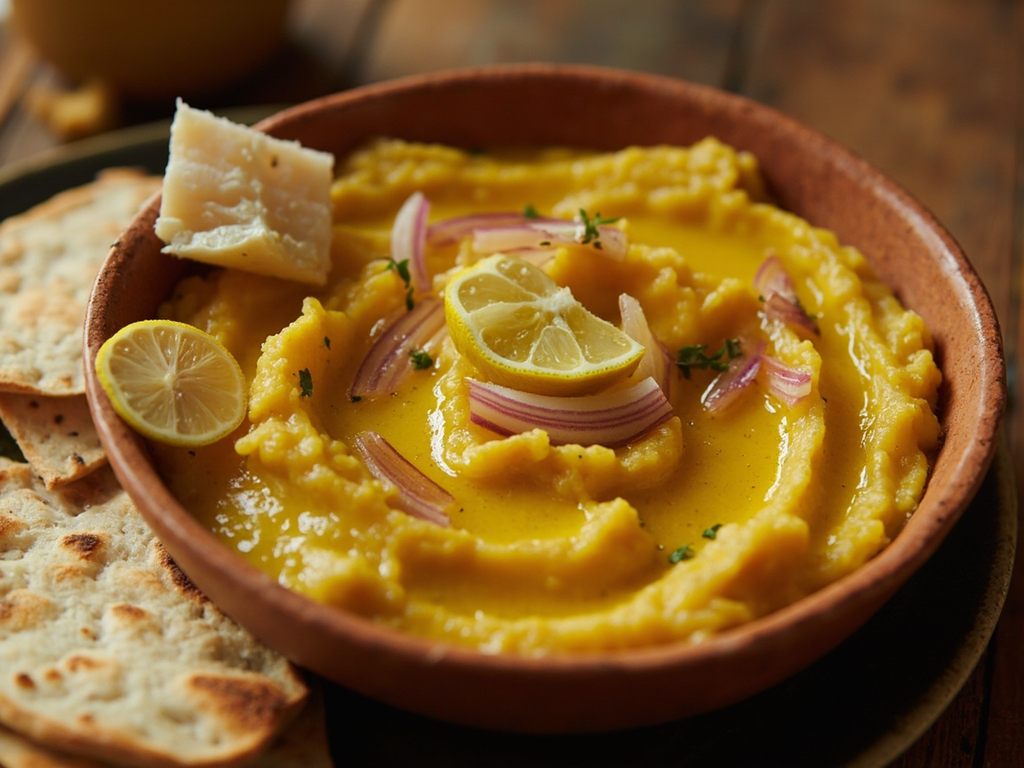
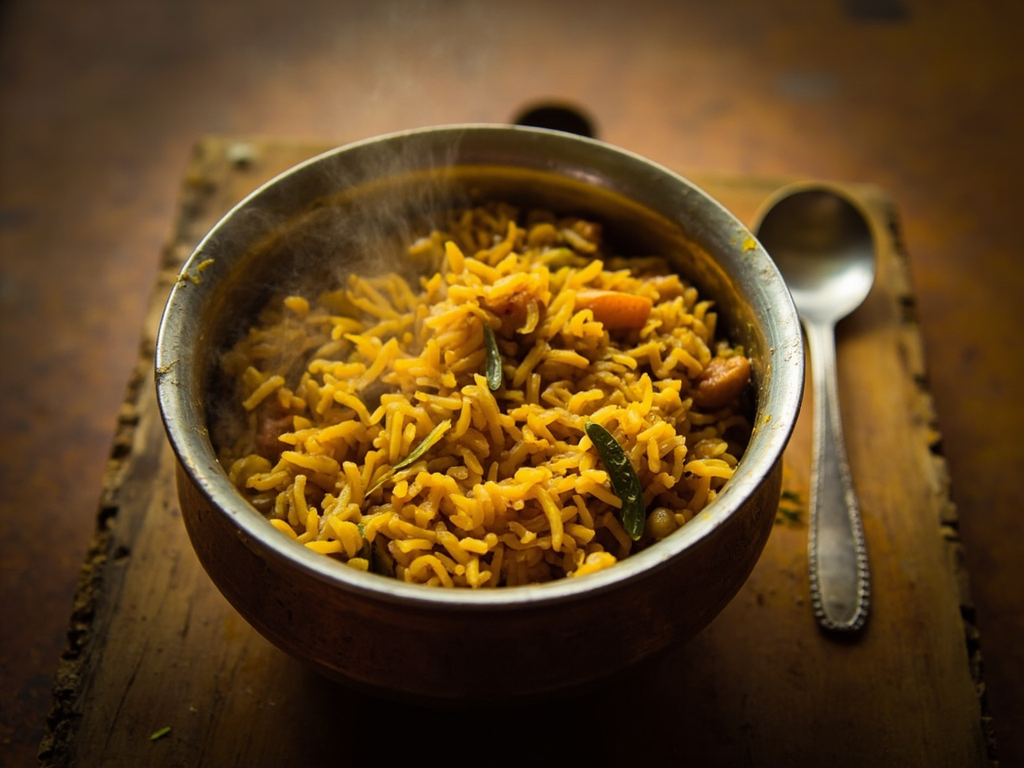
A soft, melting pot of rice and mung lentils cooked together until almost creamy, simply flavored with turmeric, ginger, and a drizzle of ghee. Comforting, complete, economical: one bowl is enough to satisfy.
My child, do not look here for a great feast. We take rice and lentils as our poor take them, in the same iron bowl, sitting on the ground. A pinch of Indian saffron for color, a little ginger, and we stir until everything becomes soft and tender like a caress. Eat slowly, and remember: what truly nourishes is not abundance, but the love with which we share it.
- •White rice — a large handful per person (nourishing base)
- •Husked mung lentils (moong dal) — half a handful per person (poor man's protein)
- •Fresh or powdered turmeric — a pinch (color and signature)
- •Ginger — a small piece (flavor)
- •Ghee (clarified butter) — a drizzle (binding and taste)
- •Salt — to taste (seasoning)
Refectory Khichuri (Turmeric Rice and Lentils)
A soft, melting pot of rice and mung lentils cooked together until almost creamy, simply flavored with turmeric, ginger, and a drizzle of ghee. Comforting, complete, economical: one bowl is enough to satisfy.
Why this dish? This was the everyday fare of the sisters and the people they welcomed in Calcutta: rice, lentils, simple vegetables. Mother Teresa ate exactly the same as her sisters and refused any special treatment. Khichuri, a Bengali porridge of rice and dal, is the very face of this table of chosen poverty.
My child, do not look here for a great feast. We take rice and lentils as our poor take them, in the same iron bowl, sitting on the ground. A pinch of Indian saffron for color, a little ginger, and we stir until everything becomes soft and tender like a caress. Eat slowly, and remember: what truly nourishes is not abundance, but the love with which we share it.
Ingredients (period version)
- White rice — a large handful per person (nourishing base)
- Husked mung lentils (moong dal) — half a handful per person (poor man's protein)
- Fresh or powdered turmeric — a pinch (color and signature)
- Ginger — a small piece (flavor)
- Ghee (clarified butter) — a drizzle (binding and taste)
- Salt — to taste (seasoning)
Ingredients
- Basmati or short-grain rice — 150 g (base)
- Red lentils or moong dal — 100 g (plant protein)
- Turmeric powder — 1 tsp (color and flavor)
- Fresh grated ginger — 1 tsp (flavor)
- Ghee or neutral oil — 1 tbsp (fat)
- Cumin seeds — 1 tsp (tempering)
- Water — 1 liter (cooking)
- Salt — 1 tsp (seasoning)
Method
- Rinse the rice and lentils in clear water until the water runs clear.
- Heat the ghee, add cumin seeds and grated ginger for a few seconds until they start to crackle.
- Add rice, lentils, turmeric, and salt; stir to coat well.
- Pour in the water, bring to a boil, then lower the heat and simmer for 25–30 minutes, stirring occasionally, until you get a thick, creamy porridge.
- Adjust salt, add a final drizzle of ghee, and serve piping hot in a bowl.
How it was made : Khichuri (or khichdi) is one of the oldest dishes of the Indian subcontinent, mentioned by travelers since antiquity. In religious communities and modest homes of Bengal, it was cooked in a large communal pot, without costly spices, simply perfumed with turmeric — the cheap local spice par excellence.
The contemporary twist : A spoonful of plain yogurt and a few fresh coriander leaves on top, for a comforting 'evening bowl' version.
Mother Teresa · Charactorium