 flip
flipJullab Iced with Rose Water and Saffron
Jullab Iced with Rose Water and Saffron
Why this dish? Legend has it that Saladin, learning of Richard the Lionheart's illness before Acre, sent him fruits and a chilled sharab with snow from Mount Hermon — a famous chivalrous gesture. Authentic or embellished, it rings true to the character: magnanimous even in war.
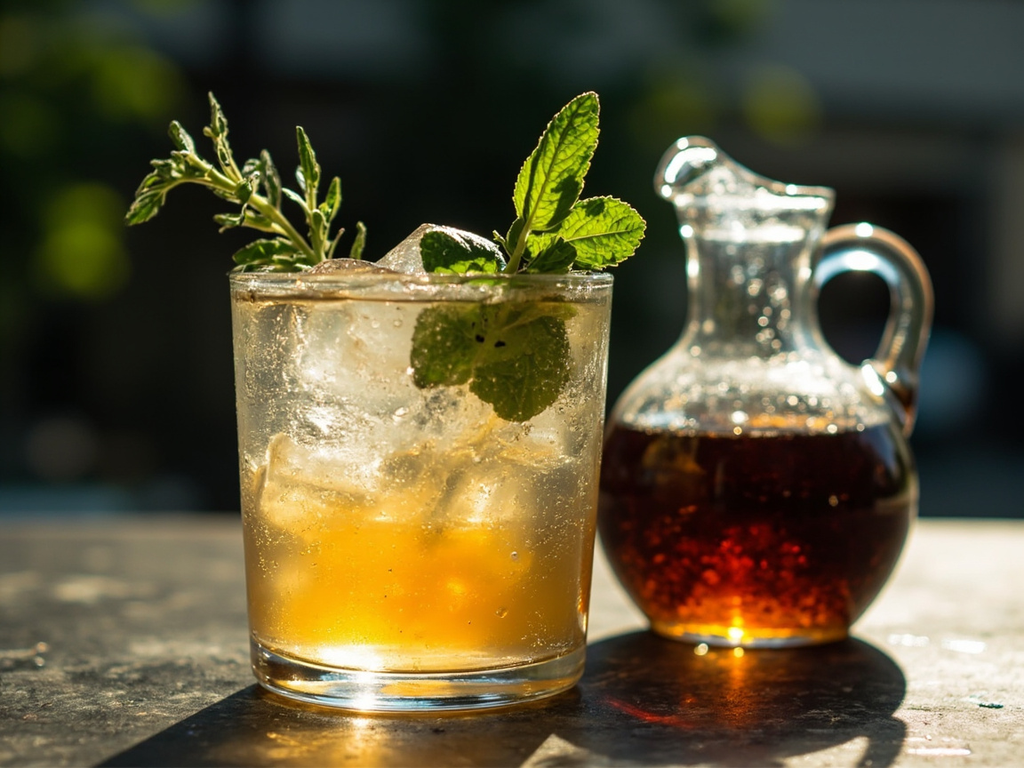
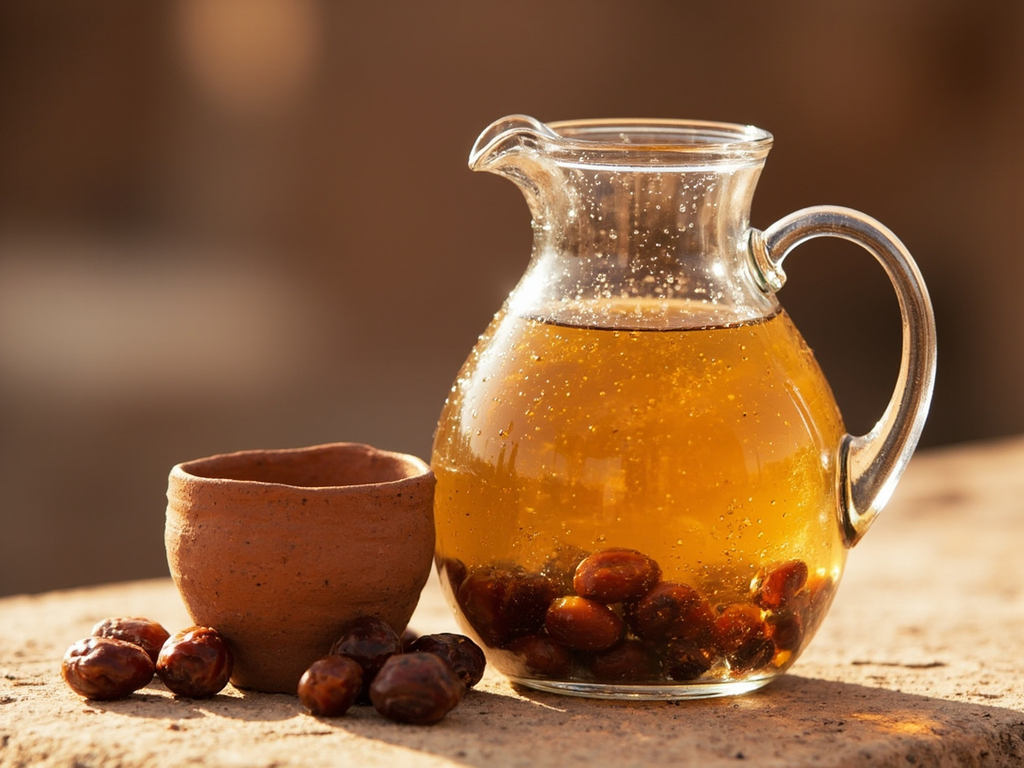
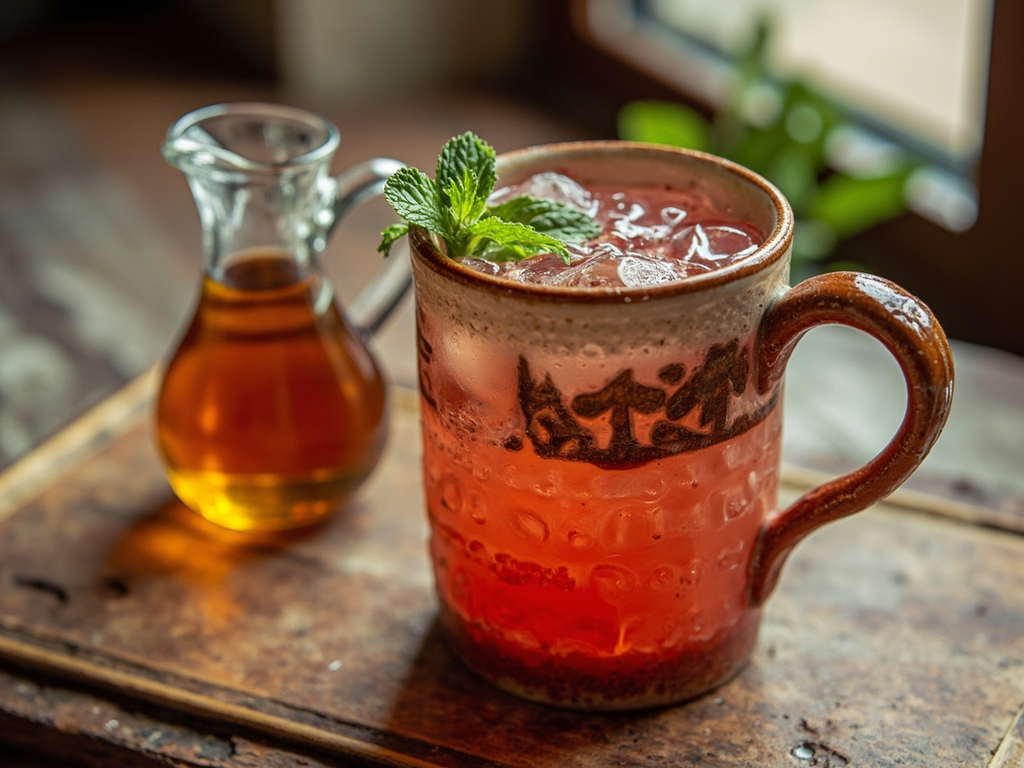
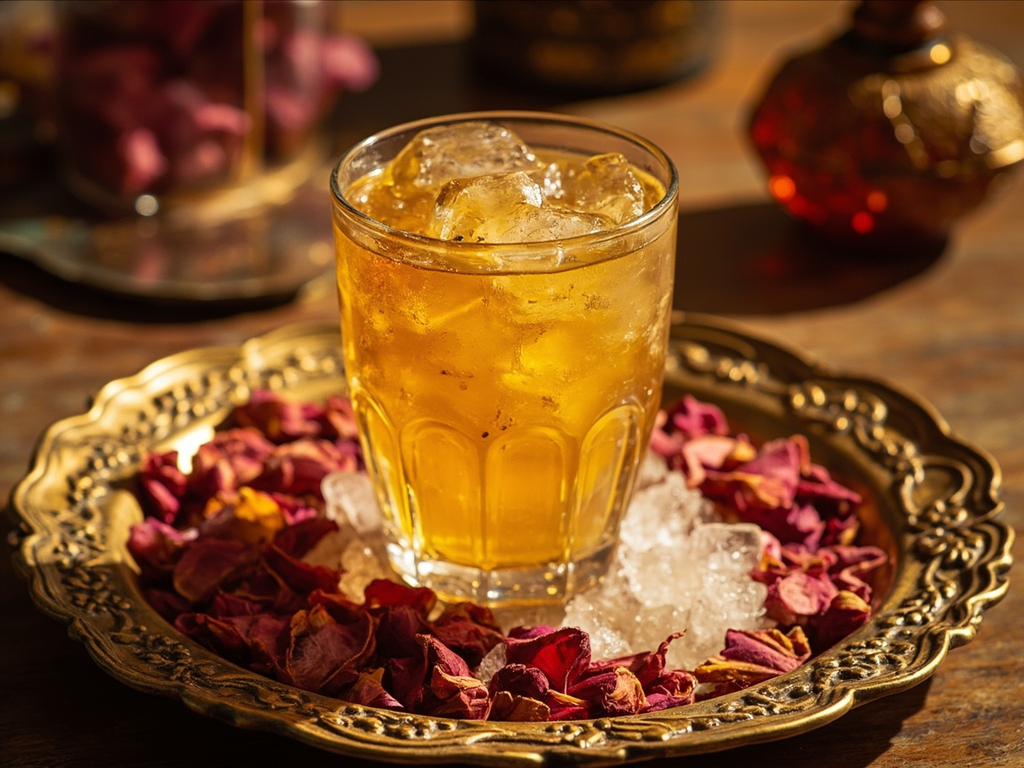
A sugar syrup perfumed with rose water and saffron, brightened with a touch of lemon or tamarind, diluted with fresh water and, in the old days, cooled with mountain snow. A courtly drink, floral, golden, and thirst-quenching.
They call me harsh on the battlefield; they forget that generosity is also a weapon. When I learned that King Richard burned with fever beneath our walls, I sent him fruits and this sharab, cooled with the snow my runners bring down from the peaks of Hermon. Melted sugar, rose water from my gardens, a thread of saffron, a hint of acid to awaken the tongue: this is what soothes a man, even if he be my enemy. Drink cool, stranger, for offering drink is the first duty of the host before Allah.
- •Sugar (or honey) — in good quantity (syrup base)
- •Rose water — a generous perfume (floral aroma)
- •Saffron — a few threads (color and aroma)
- •Lemon juice or tamarind pulp — a dash (acidity)
- •Snow or cold spring water — to dilute (chill)
Jullab Iced with Rose Water and Saffron
A sugar syrup perfumed with rose water and saffron, brightened with a touch of lemon or tamarind, diluted with fresh water and, in the old days, cooled with mountain snow. A courtly drink, floral, golden, and thirst-quenching.
Why this dish? Legend has it that Saladin, learning of Richard the Lionheart's illness before Acre, sent him fruits and a chilled sharab with snow from Mount Hermon — a famous chivalrous gesture. Authentic or embellished, it rings true to the character: magnanimous even in war.
They call me harsh on the battlefield; they forget that generosity is also a weapon. When I learned that King Richard burned with fever beneath our walls, I sent him fruits and this sharab, cooled with the snow my runners bring down from the peaks of Hermon. Melted sugar, rose water from my gardens, a thread of saffron, a hint of acid to awaken the tongue: this is what soothes a man, even if he be my enemy. Drink cool, stranger, for offering drink is the first duty of the host before Allah.
Ingredients (period version)
- Sugar (or honey) — in good quantity (syrup base)
- Rose water — a generous perfume (floral aroma)
- Saffron — a few threads (color and aroma)
- Lemon juice or tamarind pulp — a dash (acidity)
- Snow or cold spring water — to dilute (chill)
Ingredients
- Sugar — 200 g (syrup base)
- Water — 200 ml (syrup) + fresh water for serving (liquid)
- Food-grade rose water — 2 tbsp (floral aroma)
- Saffron — 1 generous pinch (color and aroma)
- Lemon juice — 2 tbsp (acidity)
- Ice cubes — as needed (chill)
Method
- Heat the sugar with 200 ml of water until completely dissolved, without coloring, to obtain a light syrup.
- Off the heat, infuse the saffron and let cool slightly.
- Add the rose water and lemon juice, then strain and refrigerate.
- When serving, pour a base of syrup into each glass and top with very cold water over ice.
- Stir and adjust sweetness/acidity to taste.
How it was made : Sharab (from which our word "syrup" derives) were sweet, perfumed concentrates diluted at drinking time. The elite had icehouses and had snow brought down from the mountains (Lebanon, Hermon) to chill drinks in summer — an expensive luxury. Rose water, saffron, and bitter citrus were favorite flavors.
The contemporary twist : Serve as a granita: freeze the diluted syrup and scrape it with a fork for a golden "sultan's sorbet" with rose water.
Sources : Lilia Zaouali, L'Islam à table. Du Moyen Âge à nos jours, La Découverte, 2004 · Chroniclers' accounts of the Crusades (legendary episode Saladin/Richard, to be taken as tradition)
Saladin · Charactorium