 flip
flipWiener Melange, Viennese Coffee
Wiener Melange, Viennese Coffee
Why this dish? Coffee was inseparable from the intellectual life of Vienna, of which Freud was a central figure. The Wiener Melange, a mild coffee topped with milk foam, accompanied scholarly conversations and the afternoon Jause in this city where the Kaffeehaus served as a second living room.
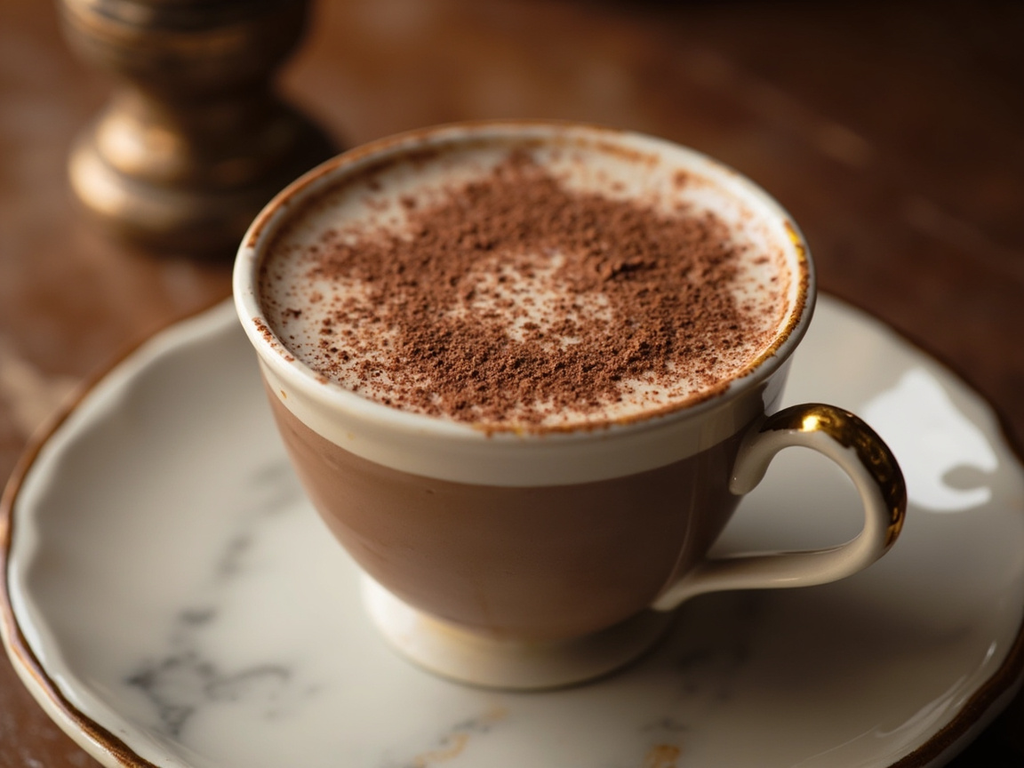
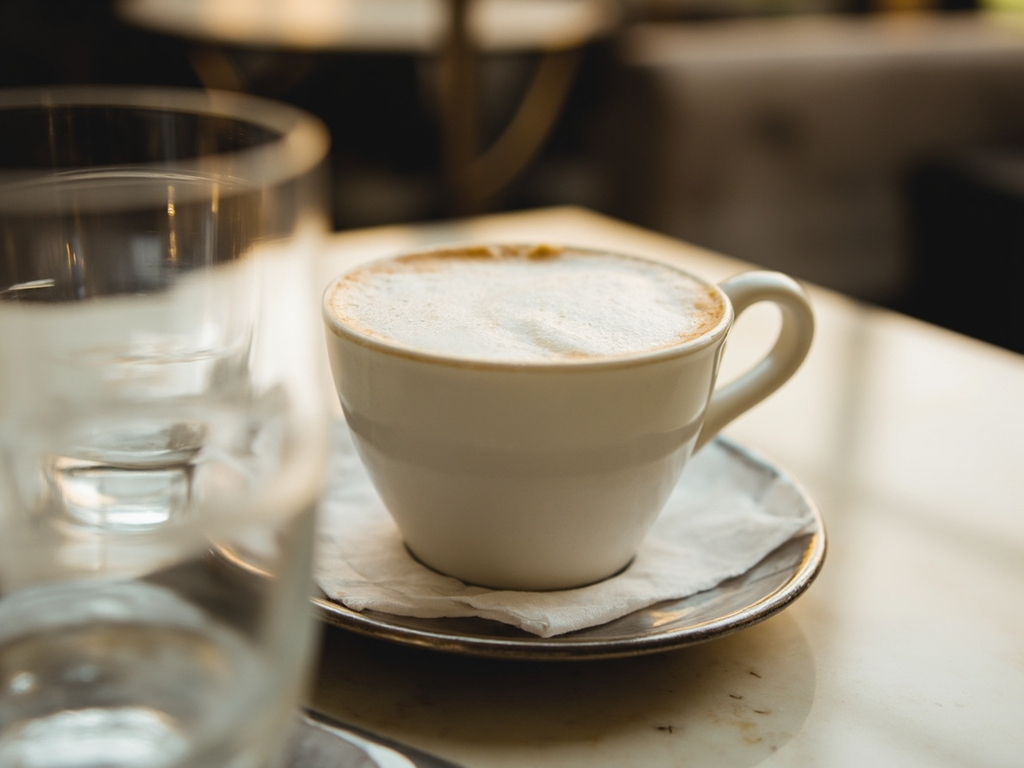
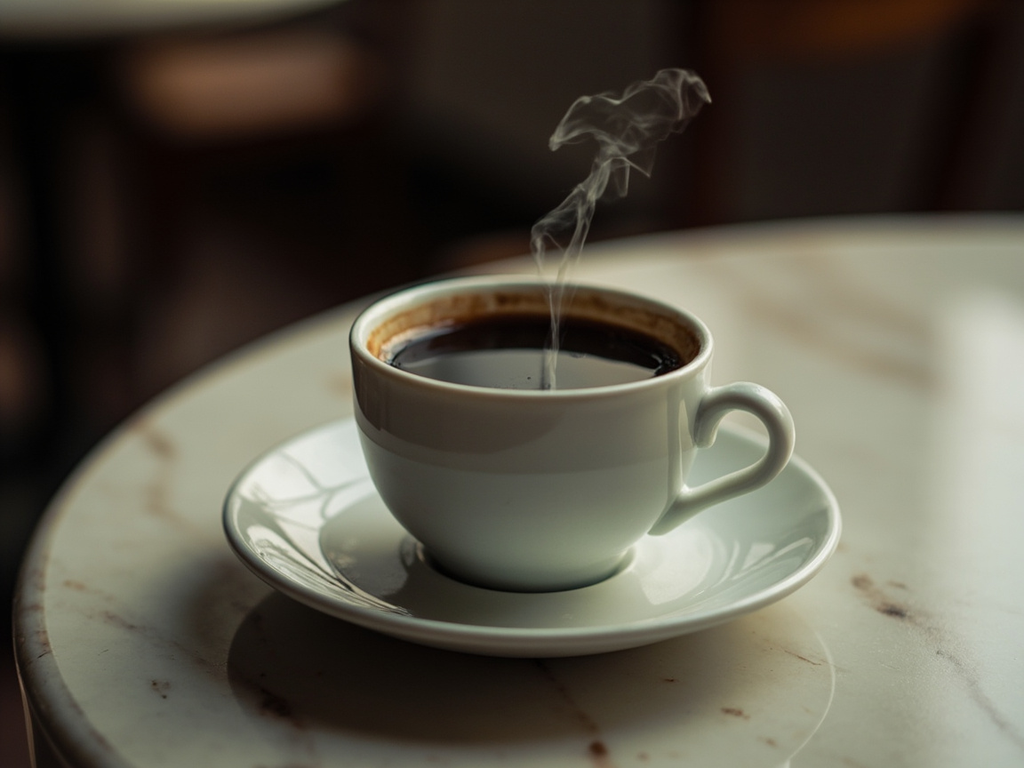
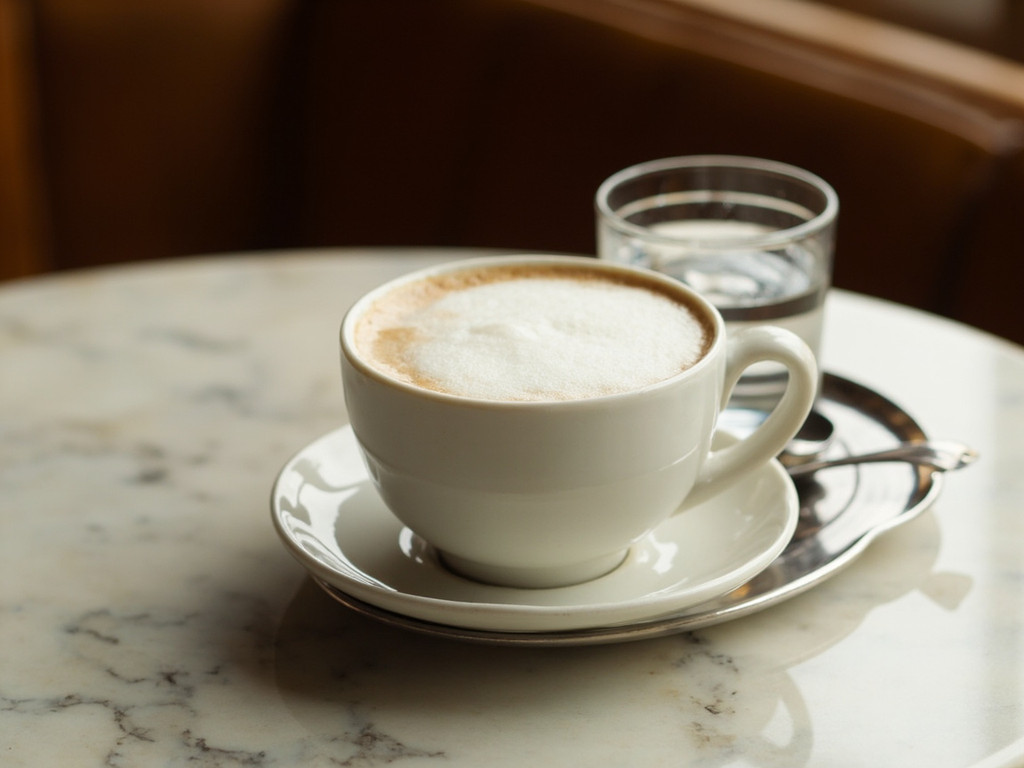
A softened black coffee, lengthened with hot milk and topped with creamy milk foam. Milder than an espresso, it is the coffee of conversation, served in a glass or cup, invariably with a small glass of water on the side.
Coffee, in our Vienna, is not a mere drink: it is an institution. The Melange, I prefer it in the morning and the afternoon — a coffee not too strong, lengthened with hot milk and crowned with a light foam, which one only barely sweetens. It is always served with a glass of fresh water, a courtesy I never tire of. You see: many ideas have come to me with a cup in hand, for nothing loosens the mind like the warmth of a good coffee and the murmur of a room where everyone thinks aloud.
- •Freshly ground and brewed coffee — one strong cup (base)
- •Fresh milk — equal parts (smoothness)
- •Milk foam — one spoonful (crown)
- •Sugar — optional (sweetness)
Wiener Melange, Viennese Coffee
A softened black coffee, lengthened with hot milk and topped with creamy milk foam. Milder than an espresso, it is the coffee of conversation, served in a glass or cup, invariably with a small glass of water on the side.
Why this dish? Coffee was inseparable from the intellectual life of Vienna, of which Freud was a central figure. The Wiener Melange, a mild coffee topped with milk foam, accompanied scholarly conversations and the afternoon Jause in this city where the Kaffeehaus served as a second living room.
Coffee, in our Vienna, is not a mere drink: it is an institution. The Melange, I prefer it in the morning and the afternoon — a coffee not too strong, lengthened with hot milk and crowned with a light foam, which one only barely sweetens. It is always served with a glass of fresh water, a courtesy I never tire of. You see: many ideas have come to me with a cup in hand, for nothing loosens the mind like the warmth of a good coffee and the murmur of a room where everyone thinks aloud.
Ingredients (period version)
- Freshly ground and brewed coffee — one strong cup (base)
- Fresh milk — equal parts (smoothness)
- Milk foam — one spoonful (crown)
- Sugar — optional (sweetness)
Ingredients
- Espresso (or strong coffee) — 1 cup (60 ml) (base)
- Whole milk — 60 ml hot (smoothness)
- Milk foam — 2 tbsp (finishing)
- Sugar — to taste (sweetness)
- Glass of fresh water — 1 (traditional accompaniment)
Method
- Prepare a strong coffee (espresso or strong filter coffee).
- Heat the milk without boiling and froth it (with a whisk, steam wand, or frother).
- Pour the hot milk into the coffee in roughly equal parts.
- Gently place the milk foam on top.
- Serve immediately, without too much sugar, accompanied by a glass of fresh water as in a Viennese coffeehouse.
How it was made : Viennese coffeehouses were born, legend has it, from sacks of coffee abandoned by the Ottoman armies after the 1683 siege. In Freud's time, the Kaffeehaus was a living space where one could stay for hours for the price of a cup, read newspapers fixed on wooden sticks, and chat. The glass of water served with coffee, always refilled, remains its hallmark.
The contemporary twist : A pinch of cocoa or cinnamon on the foam, and you're set — but Viennese purists will tell you that the true Melange does not disguise itself.
Sigmund Freud · Charactorium