 flip
flipEtnos of Fava Beans, the Agora Purée
Etnos of Fava Beans, the Agora Purée
Why this dish? Legumes were the poor man's opson, and Socrates, who shared the table of artisans and passersby in the Agora, ate what the people ate. This thick fava purée, sold hot in the streets of Athens, accompanied his maza throughout his days of public discussion.
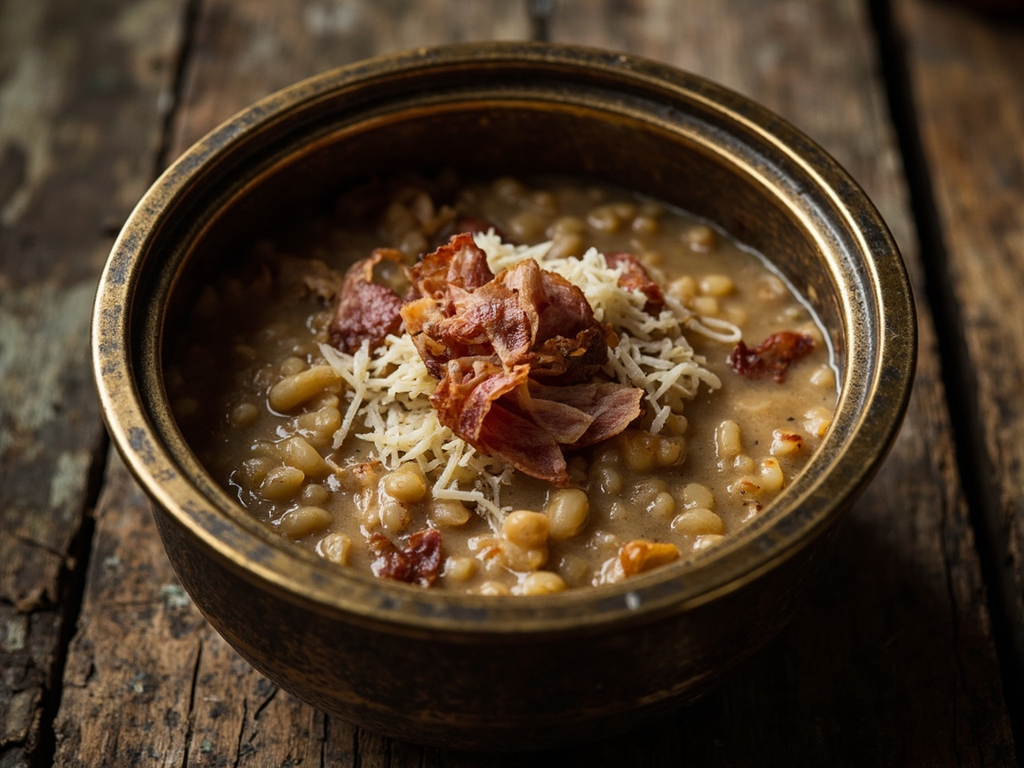
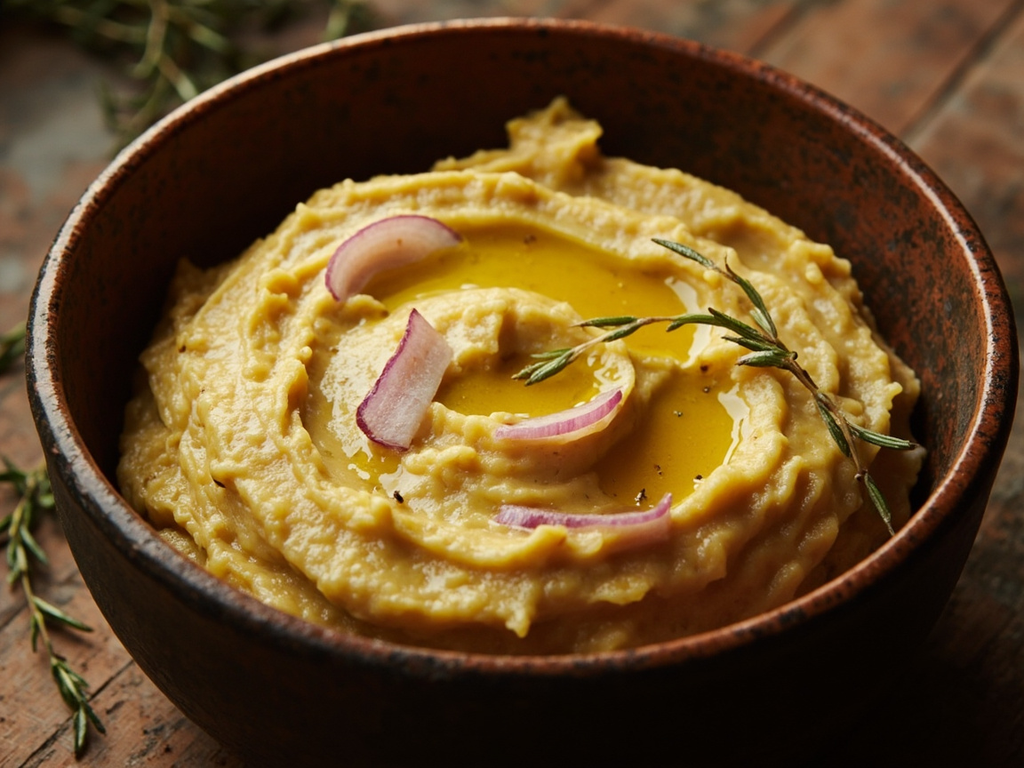
A creamy purée of split fava beans simmered with onion, herbs, and olive oil — the ancestor of today's Greek fava. Nourishing, warm, democratic: the common man's spoon.
Come near, and taste without ceremony. This fava porridge, the potter and the cobbler eat at midday near my porticoes, and I with them. Pythagoras, they say, forbade touching it — but I do not fear the bean! Dip your flatbread into it, and while you satisfy yourself, tell me: do you even know what temperance is? See how so humble a dish nourishes the body without weighing down the soul — that is the whole art of living well.
- •Dried shelled fava beans — a good measure (base)
- •Onion — one (aromatic)
- •Olive oil — generous (binder and flavor)
- •Wild thyme and coriander — a few sprigs (aroma)
- •Salt and wine vinegar — to taste (seasoning)
Etnos of Fava Beans, the Agora Purée
A creamy purée of split fava beans simmered with onion, herbs, and olive oil — the ancestor of today's Greek fava. Nourishing, warm, democratic: the common man's spoon.
Why this dish? Legumes were the poor man's opson, and Socrates, who shared the table of artisans and passersby in the Agora, ate what the people ate. This thick fava purée, sold hot in the streets of Athens, accompanied his maza throughout his days of public discussion.
Come near, and taste without ceremony. This fava porridge, the potter and the cobbler eat at midday near my porticoes, and I with them. Pythagoras, they say, forbade touching it — but I do not fear the bean! Dip your flatbread into it, and while you satisfy yourself, tell me: do you even know what temperance is? See how so humble a dish nourishes the body without weighing down the soul — that is the whole art of living well.
Ingredients (period version)
- Dried shelled fava beans — a good measure (base)
- Onion — one (aromatic)
- Olive oil — generous (binder and flavor)
- Wild thyme and coriander — a few sprigs (aroma)
- Salt and wine vinegar — to taste (seasoning)
Ingredients
- Dried split fava beans (or yellow split peas) — 300 g (base)
- Onion — 1 large (aromatic)
- Extra-virgin olive oil — 5 tbsp (binder)
- Thyme and ground coriander seeds — 1 tsp each (aroma)
- Salt — to taste (seasoning)
- Wine vinegar — 1 tbsp (final acidity)
Method
- Rinse the split fava beans and cover generously with cold water in a pot.
- Add the chopped onion and thyme, bring to a boil, then simmer for 40-50 minutes over low heat, stirring, until the beans disintegrate.
- Mash with a wooden spoon to a thick purée; season with salt.
- Off the heat, whisk in the olive oil and coriander to make the purée creamy.
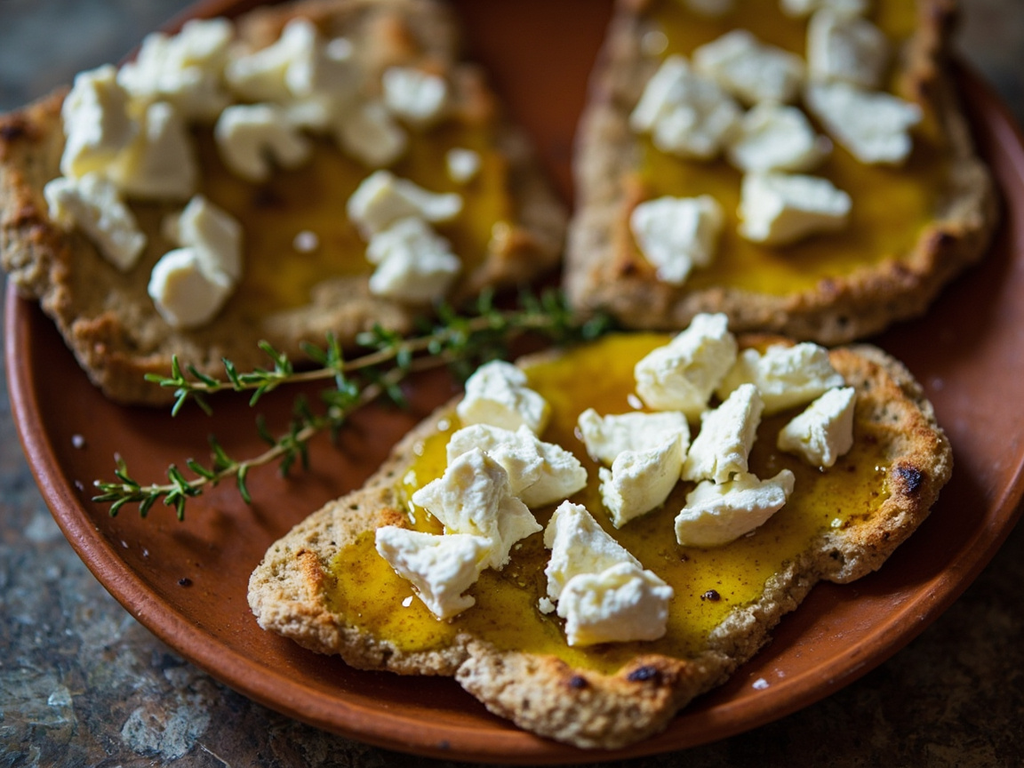
- Serve warm, drizzled with a splash of vinegar and a final stream of oil, with maza for dipping.
How it was made : The Greeks prepared etnos, thick purées of legumes (fava beans, peas, lentils) simmered for a long time. Sold on the street and served at home, they were the protein-rich opson of the lower classes. Fava beans were sometimes subject to religious taboo (among the Pythagoreans), but widely consumed by the rest of the population.
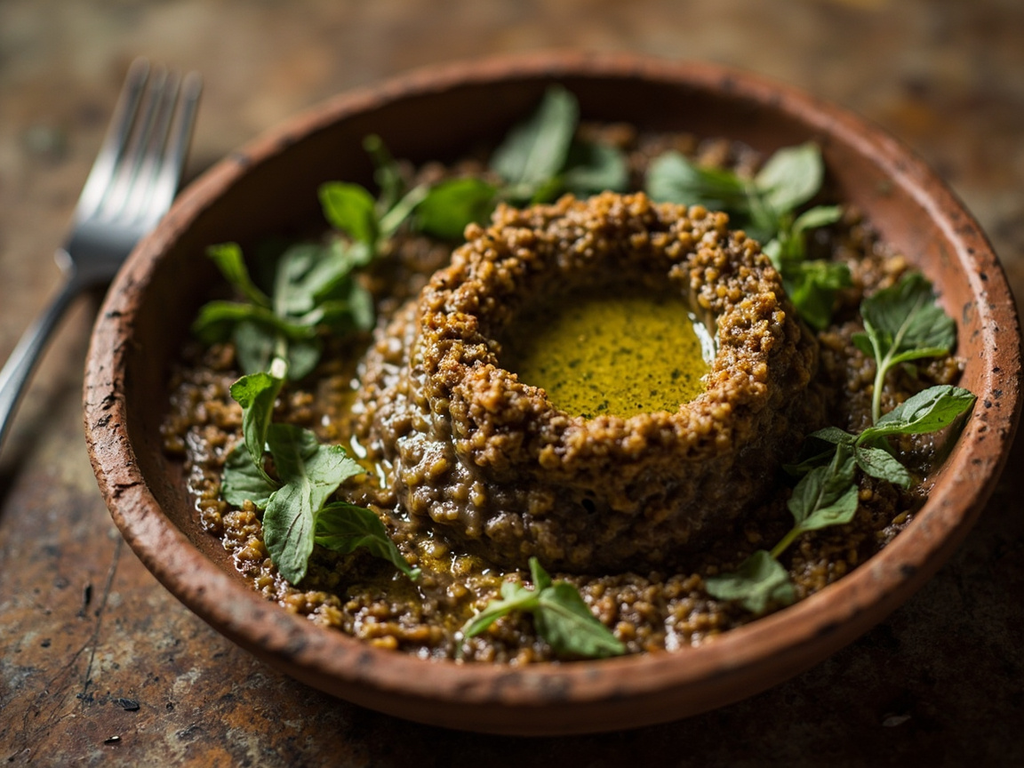
The contemporary twist : Shape into a smoothed quenelle, make a well of green olive oil and place a caper — "Santorin fava" revisited style.
Sources : Andrew Dalby, Food in the Ancient World from A to Z (2003) · James Davidson, Courtesans and Fishcakes: The Consuming Passions of Classical Athens (1997)
Socrates · Charactorium