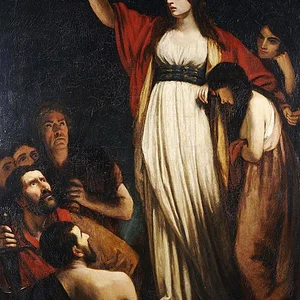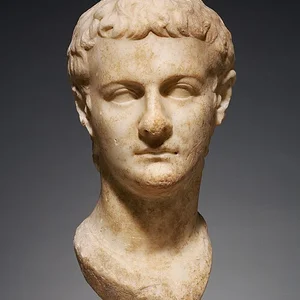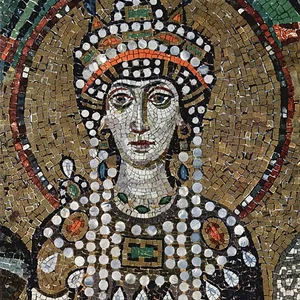

Theodora, empress of Byzantium alongside Justinian I, is one of the most powerful women of late antiquity. Born into humble origins, she became co-regent and played a decisive role in Byzantine imperial politics, most notably during the suppression of the Nika revolt in 532.
Theodora(497 — 548)
Theodora
Empire byzantin
7 min read
Frequently asked questions
Key Facts
- Born around 497, probably in Cyprus or Constantinople, into modest circumstances
- Married Emperor Justinian I in 525, after he had the law changed to make the marriage possible
- During the Nika revolt of 532, she persuaded Justinian not to flee, enabling the crushing of the uprising
- She directly influenced legislation: Justinian strengthened women's rights regarding divorce and property at her urging
- Died in 548, probably of cancer, leaving Justinian deeply bereaved
Works & Achievements
Theodora exerted major influence over the political decisions of Emperor Justinian, particularly in matters of legislation, diplomacy, and the governance of the Byzantine Empire. Her role as a political adviser is recognized as decisive in several important reforms.
Theodora secured the passage of laws improving the legal status of women, particularly regarding the right to divorce, property rights, and protection against abandonment. These reforms were exceptional for the era and reflect her commitment to protecting women.
Theodora played a decisive role by urging Justinian to firmly suppress the Nika revolt, one of the most serious political crises Constantinople had ever faced. Refusing to flee, she pushed the emperor to restore order, thereby saving his reign.
Theodora funded the construction and upkeep of numerous religious buildings, most notably the Church of Saints Sergius and Bacchus in Constantinople. She used her influence to promote certain theological positions and support religious communities.
Theodora intervened to protect persecuted Miaphysite Christians and offered asylum to religious refugees. Her humanitarian action transcended the theological divisions of the time.
Theodora took an active part in the Empire's diplomatic and commercial negotiations, contributing to the establishment of relations with other powers and to the expansion of Byzantine trade.
Anecdotes
Theodora came from a circus family: her father was an animal tamer and her mother an actress at the Hippodrome of Constantinople. She herself began as a dancer and actress before rising to the highest power — something considered deeply scandalous at the time. This spectacular ascent of a young woman of humble origins to the pinnacle of imperial authority remains one of the most remarkable stories of the Middle Ages.
In 532, during the Nika revolt that threatened her husband Emperor Justinian's rule, Theodora refused to flee Constantinople despite the danger. She delivered a courageous speech in which she declared she would rather die in imperial purple than live in exile, rallying Justinian and his generals to fight back against the rebels.
Theodora used her political influence to push through laws protecting women's rights across the Byzantine Empire, particularly regarding divorce and property. She also supported numerous charitable causes and funded the construction of monasteries and hospitals.
Theodora was an active supporter of Miaphysitism, a branch of Christianity considered heretical by Rome at the time — a stance that reflects her intellectual and political independence from the Church's official positions. She sheltered persecuted bishops and financed their refuges.
Primary Sources
Theodora, who had once been a dancer and actress in the theaters, became the wife of the most pious Justinian and wielded supreme power alongside him. She possessed remarkable intelligence and great strength of character, intervening in affairs of state and influencing the empire's most important decisions.
During the Nika revolt, as the emperor was considering flight, Theodora declared: 'I cannot bear the thought of fleeing. One who has worn the purple cannot live without it.' Her courage and determination were decisive in Justinian's resolve to stay and suppress the revolt.
Laws were enacted under Theodora's influence, including measures protecting women's rights, regulating the conditions of theater actresses, and improving the legal status of divorced and repudiated women.
The holy monk met and admired the wisdom of Empress Theodora, who sought his spiritual counsel and supported several monasteries and charitable works under his patronage.
Key Places
Capital of the Byzantine Empire where Theodora spent most of her adult life and exercised political power alongside her husband Justinian I. The center of imperial power and the stage for her political rise.
The great arena where Theodora played a pivotal political role, most notably during the Nika Revolt of 532. She delivered a decisive speech there that convinced Justinian to stand and fight the rebels rather than flee.
The great religious monument of Constantinople, rebuilt under Justinian. As empress and a powerful figure in her own right, Theodora took part in the religious life of the Empire alongside her role as first lady.
An important city in Egypt where Theodora is believed to have had ties to Miaphysite religious circles. She actively supported certain Eastern theological positions in opposition to the official orthodoxy of the Empire.
The official imperial residence in Constantinople where Theodora wielded considerable political influence, taking part in state decisions and the affairs of the Empire.
Typical Objects
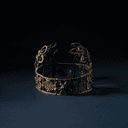
A crown adorned with precious stones worn by Theodora as Byzantine empress. A symbol of her political power and her standing alongside Justinian I.

Fabric dyed with precious purple reserved exclusively for the Byzantine imperial family. As empress, Theodora wore purple garments, marking her supreme rank.
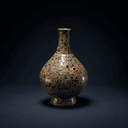
A Byzantine artistic technique used to decorate palaces and churches. Theodora commissioned and patronized such works, most notably at the Hagia Sophia basilica.
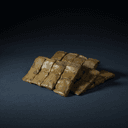
Writing materials used in the 6th century for administrative and official documents. Essential for the political governance and imperial decrees that Theodora helped shape.
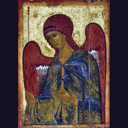
A sacred painting from the Byzantine tradition. A devout Christian, Theodora supported the veneration of icons and their presence in churches.
📷 Domaine public · Wikimedia Commons ↗
A Byzantine coin struck with the likenesses of the emperor and empress. Theodora appears on coins from Justinian's reign, a testament to her political standing.
📷 CC BY-SA 4.0 · Wikimedia Commons ↗
A religious book richly decorated and illustrated by hand. Theodora patronized the creation of devotional manuscripts, reflecting her cultural and religious influence.
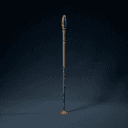
An emblem of Byzantine imperial power carried during ceremonies. As empress alongside Justinian, Theodora took part in the rituals of official rule.
School Curriculum
Vocabulary & Tags
Key Vocabulary
Tags
Daily Life
Morning
Theodora wakes in the imperial palace of Constantinople and begins her day with religious rituals, attended by her ladies-in-waiting. She dons her ceremonial robes and prepares for official audiences, fully aware of her crucial political role alongside Emperor Justinian.
Afternoon
The afternoon is devoted to affairs of state: she receives ambassadors, takes part in political and legal decisions, and handles administrative matters. Theodora also weighs in on appointments to key positions and exerts considerable influence over the religious policies of the Byzantine Empire.
Evening
In the evening, she attends imperial banquets or diplomatic receptions, wearing her finest garments and the insignia of her power. She holds private conversations with the palace's inner circle — particularly with Justinian — discussing the political and religious challenges facing the empire.
Food
Theodora enjoys the refined cuisine of the imperial table: meats (beef, lamb, poultry), fish from the Mediterranean and Black Seas, imported dried fruits, honey, and fine wines. She also partakes of white bread and exotic delicacies brought in through Eastern trade routes.
Clothing
She wears imperial purple — a color reserved exclusively for the Byzantine imperial family — in richly embroidered robes adorned with gold and pearls. Her outfits are completed by jeweled crowns and diadems, all chosen in strict accordance with the elaborate protocols of Byzantine court etiquette.
Housing
Theodora resides in the Sacred Palace (Great Palace) of Constantinople, a vast complex housing private apartments, audience halls, gardens, and baths. She lives in the splendor of sophisticated Byzantine architecture, surrounded by mosaics, marble columns, and access to the most advanced imperial infrastructure of the age.
Historical Timeline
Period Vocabulary
Visual Style
Un style byzantin d'époque justinienne, mêlant techniques de mosaïque dorée, enluminure et tempéra. L'ambiance est majestueuse et divine, avec une riche symbolique impériale où l'or, la pourpre et les pierres précieuses expriment le pouvoir et l'autorité politique de Théodora à Constantinople.
Sound Ambience
Une ambiance sonore majestueuse du palais impérial byzantin du VIe siècle, mélangeant chants liturgiques, bruissements de soies, fontaines d'eau et échos de pouvoir politique dans les salles de marbre de Constantinople.
Liens externes & ressources
Références
Œuvres
Influence politique auprès de Justinien Ier
527-548
Réformes pour les droits des femmes
527-548
Répression de la révolte Nika
532
Soutien aux églises et monastères
527-548
Protection des persécutés religieux
527-548
Diplomatie et négociations commerciales
527-548