 flip
flipMakdous — oil-cured stuffed eggplants
Makdous — oil-cured stuffed eggplants
Why this dish? In Adonis's rural Syria, the mouneh — provisions made in autumn to last the winter — was a matter of survival as much as pride. Makdous, those little stuffed eggplants preserved in oil, is the emblem of this peasant economy from which he came.
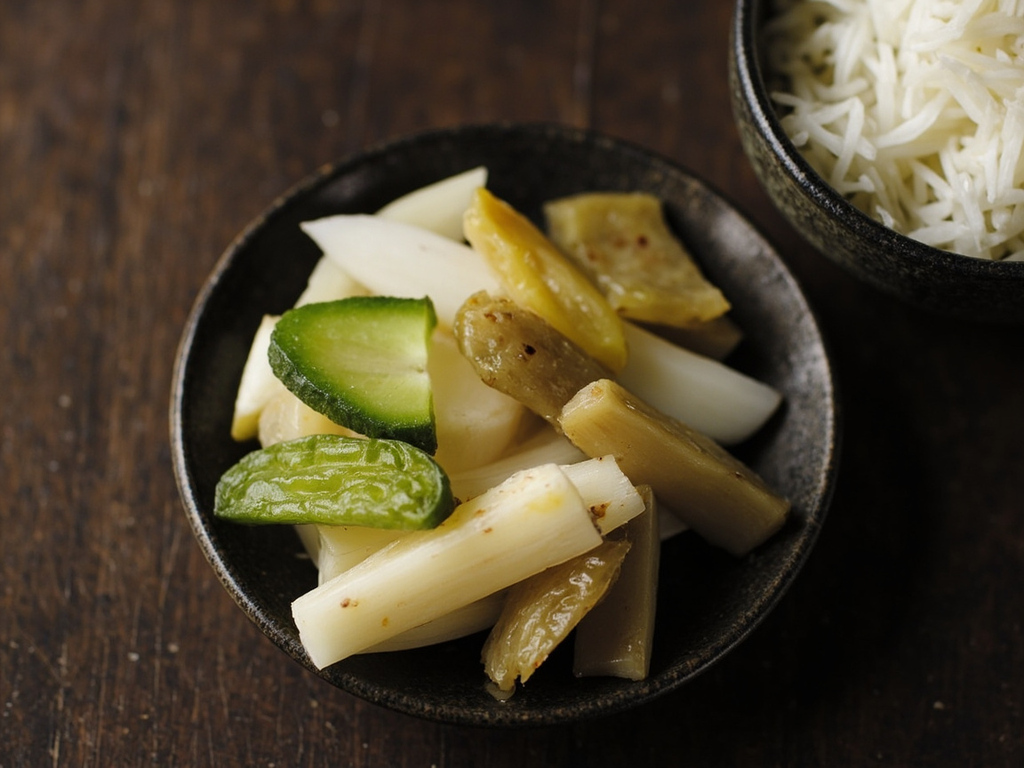
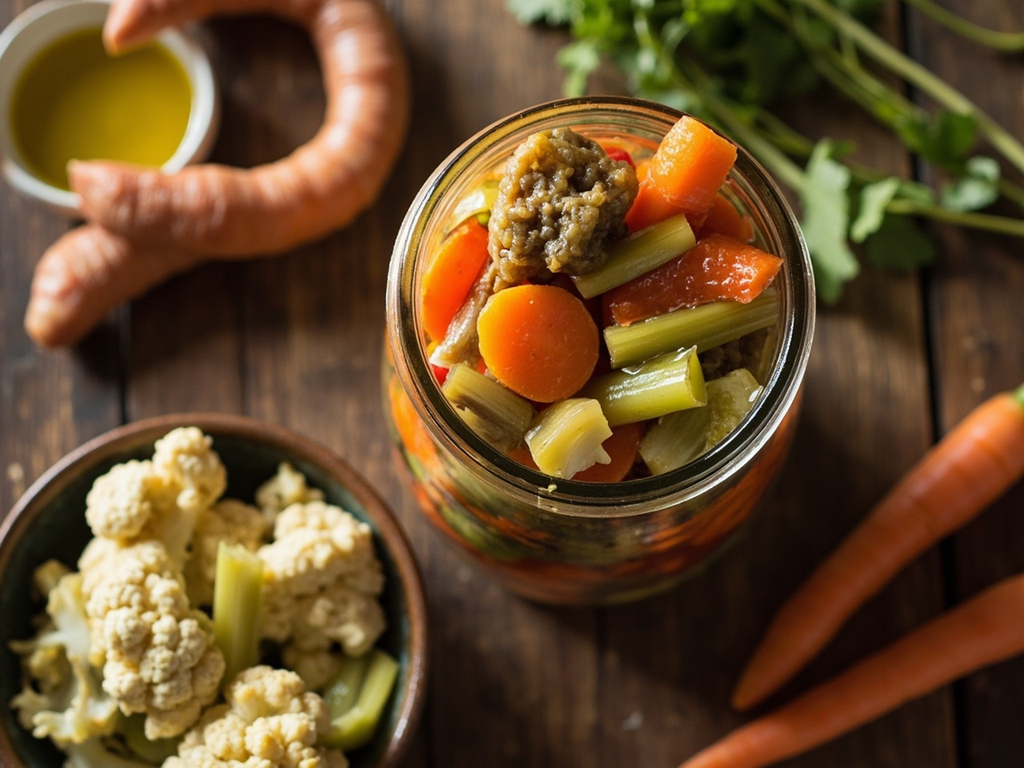
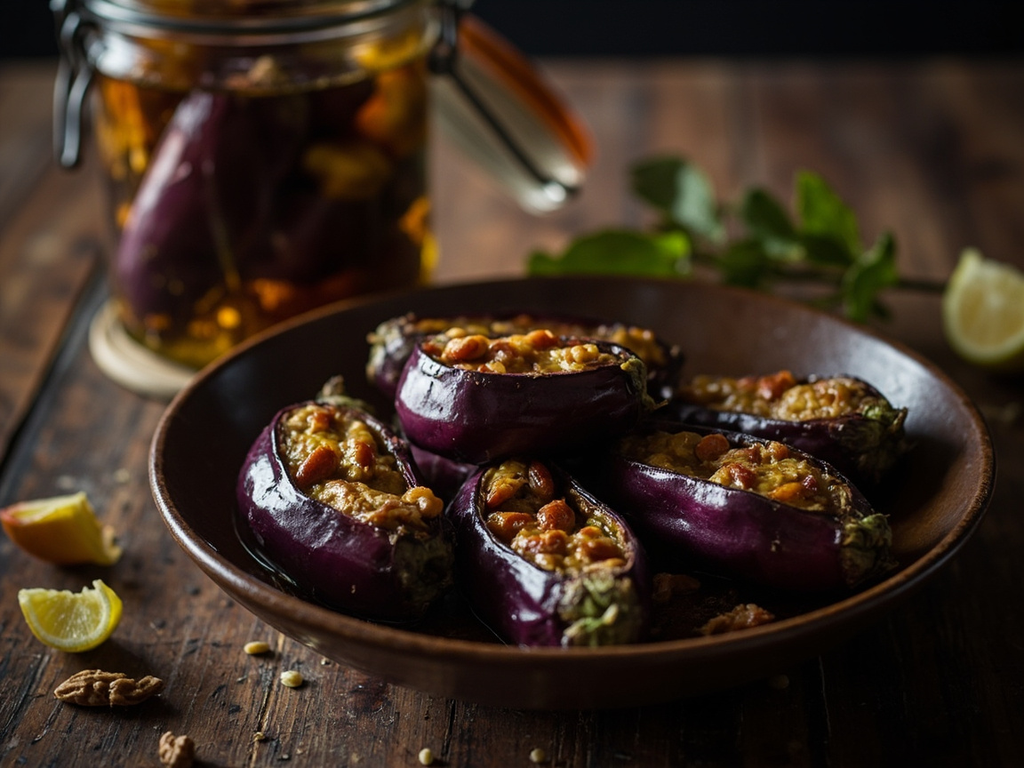
Very small eggplants blanched, stuffed with walnuts, garlic and mild pepper, then submerged in olive oil where they keep for months. They are brought out in winter, for breakfast or in the mezze: tangy, slightly fermented, intense.
In our home, autumn wasn't a season: it was a labor. My mother and the neighbor women filled the jars so that winter would not find us destitute. The little eggplants, we opened them like a book, stuffed them with pounded walnuts, garlic and red pepper, laid them down in oil. Poor we were; but a jar of makdous on the shelf meant the certainty of not going hungry — and that, you see, is worth more than many poems.
- •Small eggplants — a crate (container to be stuffed)
- •Pounded walnuts — abundant (stuffing)
- •Garlic — generous (stuffing and preservation)
- •Dried sweet red pepper — to taste (stuffing and color)
- •Coarse salt — for draining (salting and preservation)
- •Olive oil — to submerge (preservation medium)
Makdous — oil-cured stuffed eggplants
Very small eggplants blanched, stuffed with walnuts, garlic and mild pepper, then submerged in olive oil where they keep for months. They are brought out in winter, for breakfast or in the mezze: tangy, slightly fermented, intense.
Why this dish? In Adonis's rural Syria, the mouneh — provisions made in autumn to last the winter — was a matter of survival as much as pride. Makdous, those little stuffed eggplants preserved in oil, is the emblem of this peasant economy from which he came.
In our home, autumn wasn't a season: it was a labor. My mother and the neighbor women filled the jars so that winter would not find us destitute. The little eggplants, we opened them like a book, stuffed them with pounded walnuts, garlic and red pepper, laid them down in oil. Poor we were; but a jar of makdous on the shelf meant the certainty of not going hungry — and that, you see, is worth more than many poems.
Ingredients (period version)
- Small eggplants — a crate (container to be stuffed)
- Pounded walnuts — abundant (stuffing)
- Garlic — generous (stuffing and preservation)
- Dried sweet red pepper — to taste (stuffing and color)
- Coarse salt — for draining (salting and preservation)
- Olive oil — to submerge (preservation medium)
Ingredients
- Small eggplants (baladi variety) — 1 kg (to be stuffed)
- Crushed walnuts — 200 g (stuffing)
- Garlic — 1 head (stuffing)
- Mild Aleppo pepper or dried red bell pepper — 2 tbsp (stuffing and color)
- Coarse salt — for draining (salting)
- Extra-virgin olive oil — about 500 ml (preservation)
Method
- Blanch the small eggplants for 5-7 min until just tender, slit lengthwise without cutting all the way through.
- Salt the insides and let them drain upside down for 12-24 h to remove bitterness and water.
- Mix walnuts, crushed garlic, mild pepper and a little salt; stuff each eggplant.
- Pack the eggplants tightly in a sterilized jar, cover completely with olive oil.
- Let rest for a week in a cool place before eating; always keep eggplants submerged in oil.
- Serve drained, for breakfast or in the mezze.
How it was made : The Syrian mouneh — makdous, kishk, sun-dried tomato paste, brine cheeses — kept families busy all autumn. The oil covering, by depriving food of air, ensured preservation for several months without refrigeration.
The contemporary twist : Serve two makdous on a slate with a drizzle of fresh oil and a few pomegranate seeds: a chic Levantine amuse-bouche.
Adonis · Charactorium