 flip
flipBalanda, the Camp Clear Soup
Balanda, the Camp Clear Soup
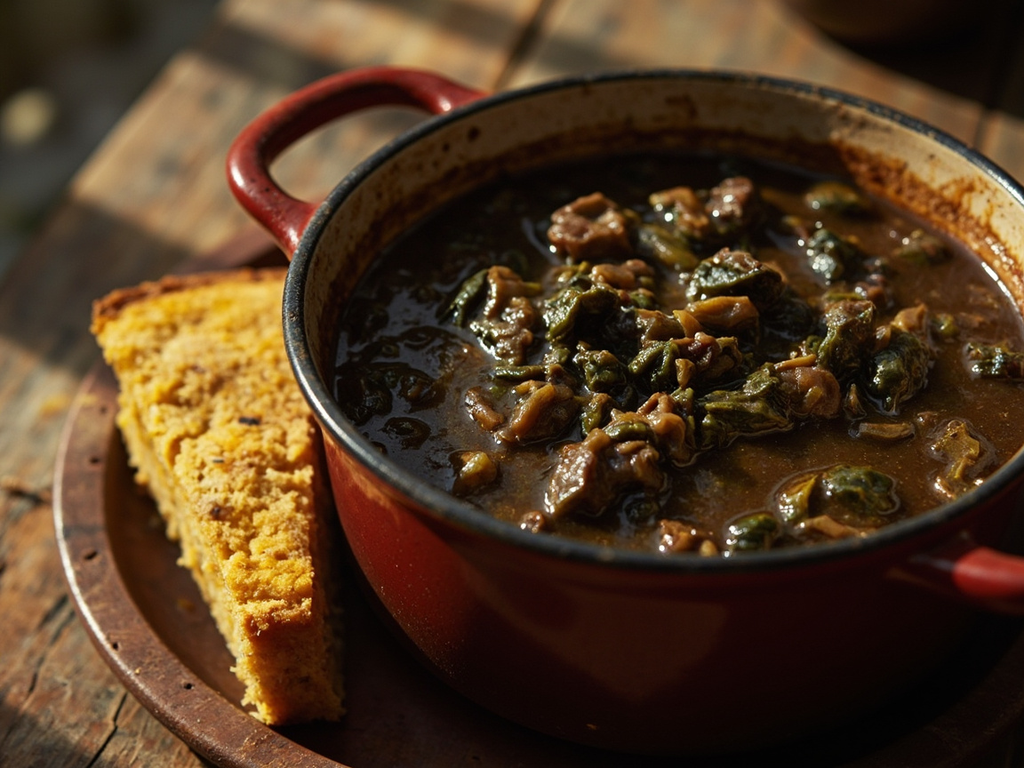
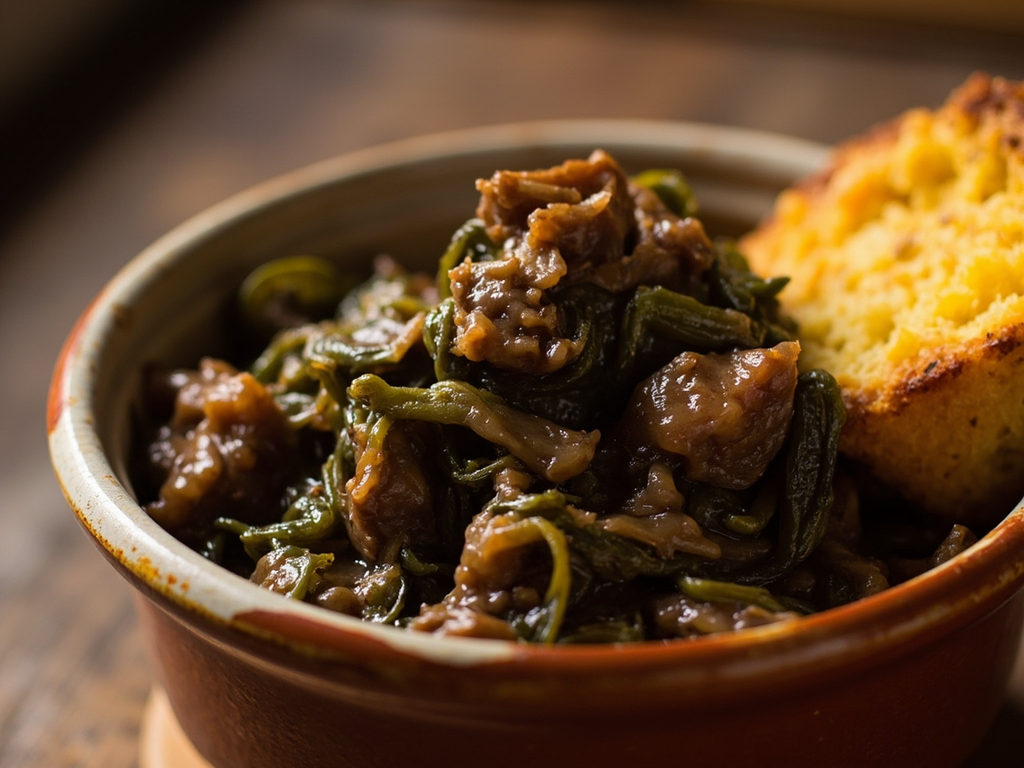
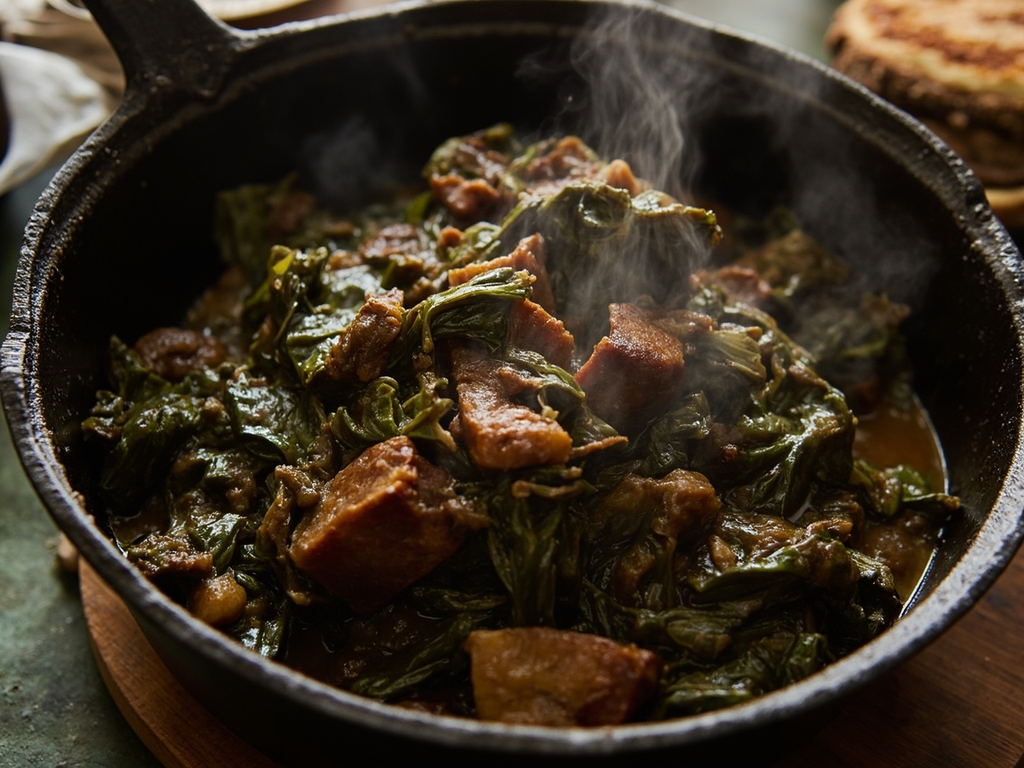
Why this dish? At Ekibastuz and in the special camps, balanda was the daily fare described in One Day in the Life of Ivan Denisovich: a murky water where a few cabbage or sauerkraut leaves swam, a scrap of fish, sometimes a grain of kasha. Eating balanda hot, not losing a drop, was a matter of survival.
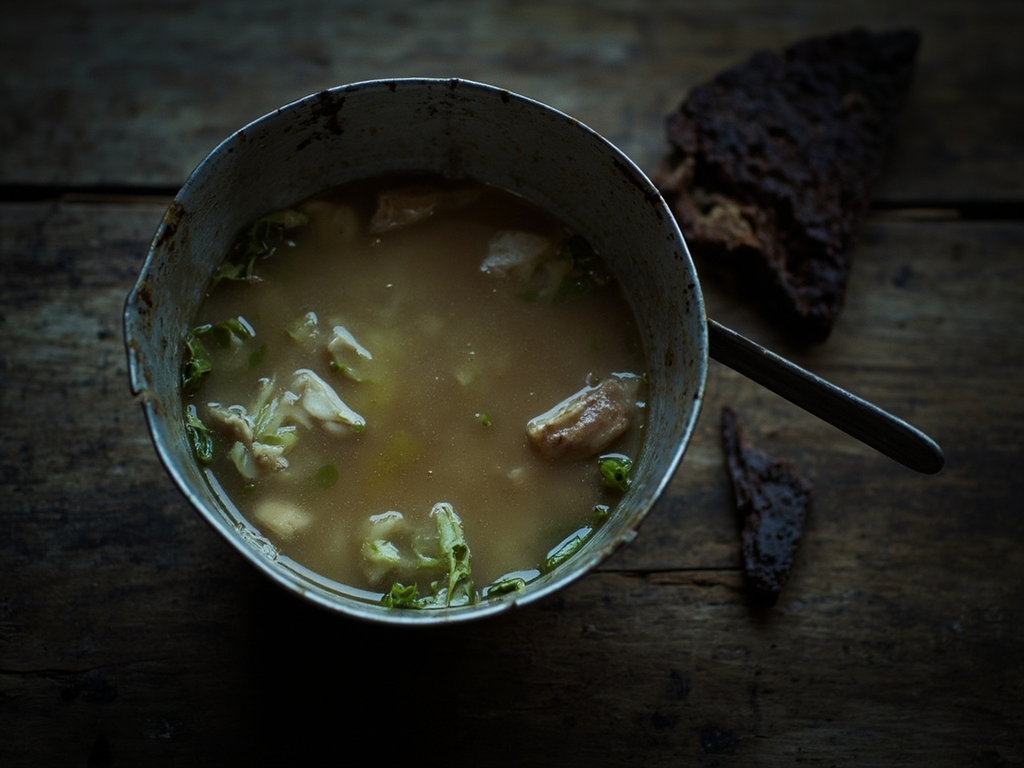
A deliberately meager soup, clear as dishwater, where cabbage and a little dried fish give all they can. This is not a dish of gourmandise but a dish of memory: by tasting it, you understand what a cabbage leaf was worth back then.
You who have never been hungry, listen well. Balanda was awaited since dawn, and a man's happiness depended on the thickness of his ladle: an eye of fat on the surface, a scrap of fish at the bottom, and the day became bearable. We drank it scalding hot, slowly, warming our hands on the rim of the bowl, because the cold, you see, was fought from within. I tell you without bitterness: whoever has learned to give thanks for such a soup truly knows what the daily bread is.
- •Water — a large pot (base)
- •Cabbage (green or sauerkraut) — a few leaves (vegetable)
- •Potatoes — two or three, sometimes none (rare thickener)
- •Dried fish or fish heads — a little (flavor and umami)
- •Barley or millet groats — a handful (body)
- •Salt — as available (seasoning)
Balanda, the Camp Clear Soup
A deliberately meager soup, clear as dishwater, where cabbage and a little dried fish give all they can. This is not a dish of gourmandise but a dish of memory: by tasting it, you understand what a cabbage leaf was worth back then.
Why this dish? At Ekibastuz and in the special camps, balanda was the daily fare described in One Day in the Life of Ivan Denisovich: a murky water where a few cabbage or sauerkraut leaves swam, a scrap of fish, sometimes a grain of kasha. Eating balanda hot, not losing a drop, was a matter of survival.
You who have never been hungry, listen well. Balanda was awaited since dawn, and a man's happiness depended on the thickness of his ladle: an eye of fat on the surface, a scrap of fish at the bottom, and the day became bearable. We drank it scalding hot, slowly, warming our hands on the rim of the bowl, because the cold, you see, was fought from within. I tell you without bitterness: whoever has learned to give thanks for such a soup truly knows what the daily bread is.
Ingredients (period version)
- Water — a large pot (base)
- Cabbage (green or sauerkraut) — a few leaves (vegetable)
- Potatoes — two or three, sometimes none (rare thickener)
- Dried fish or fish heads — a little (flavor and umami)
- Barley or millet groats — a handful (body)
- Salt — as available (seasoning)
Ingredients
- Light fish broth — 1.5 L (base)
- Green cabbage — 1/4 head, shredded (vegetable)
- Potatoes — 2 medium, diced (thickener)
- Smoked herring or mackerel fillet — 100 g, flaked (umami)
- Pearl barley — 3 tbsp (body)
- Salt and pepper — to taste, modestly (seasoning)
- Fresh dill — a few sprigs (optional) (freshness)
Method
- Bring the fish broth to a simmer and add the pearl barley; cook for 20 min.
- Add the diced potatoes and cook for another 10 min.
- Stir in the shredded cabbage and cook for 8 more min, until tender but not mushy.
- Flake the smoked fish into the pot, season sparingly with salt, and let infuse off the heat for 3 min.
- Serve very hot, sprinkled with a little dill — and, to stay true to the spirit, with a simple slice of black bread.
How it was made : In the camps, balanda was cooked in huge cauldrons for hundreds of prisoners: the 'fat' often amounted to a single fish head for a whole pot, and vegetable rations depended on deliveries. The zeks (prisoners) judged a cook by his ability to stir so that the solid bits didn't stay at the bottom of the ladle alone.
The contemporary twist : Served in a small bowl as a 'duty of memory' starter, accompanied by a square of rye bread and a label indicating the weight of the historical ration (300 to 700 g of bread depending on the work quota fulfilled).
Sources : Alexander Solzhenitsyn, One Day in the Life of Ivan Denisovich (1962) · Alexander Solzhenitsyn, The Gulag Archipelago (1973)
Aleksandr Solzhenitsyn · Charactorium