 flip
flipBuckwheat Kasha (Gretchnevaïa Kacha)
Buckwheat Kasha (Gretchnevaïa Kacha)
Why this dish? 'Chtchi da kacha — pichtcha nacha' (cabbage soup and kasha, that is our food) says the Russian proverb. Buckwheat kasha is the quintessential domestic dish of Solzhenitsyn's Russia, that of his modest childhood in Kislovodsk and Rostov, and the dream of every prisoner dreaming of a real well-buttered kasha.
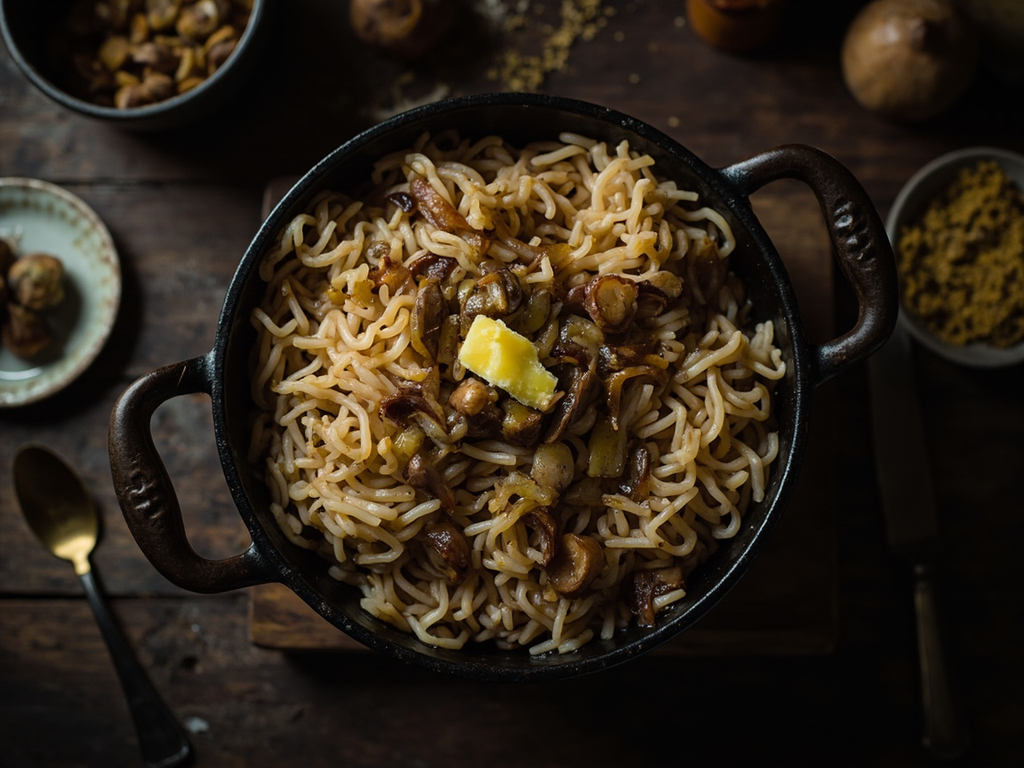
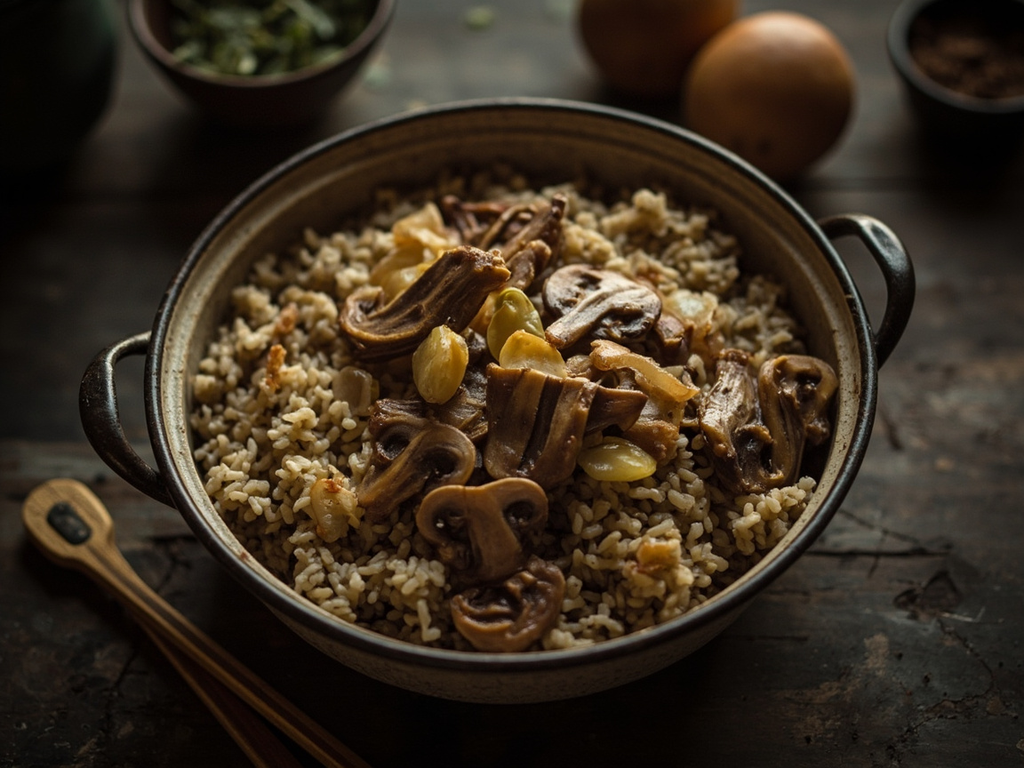
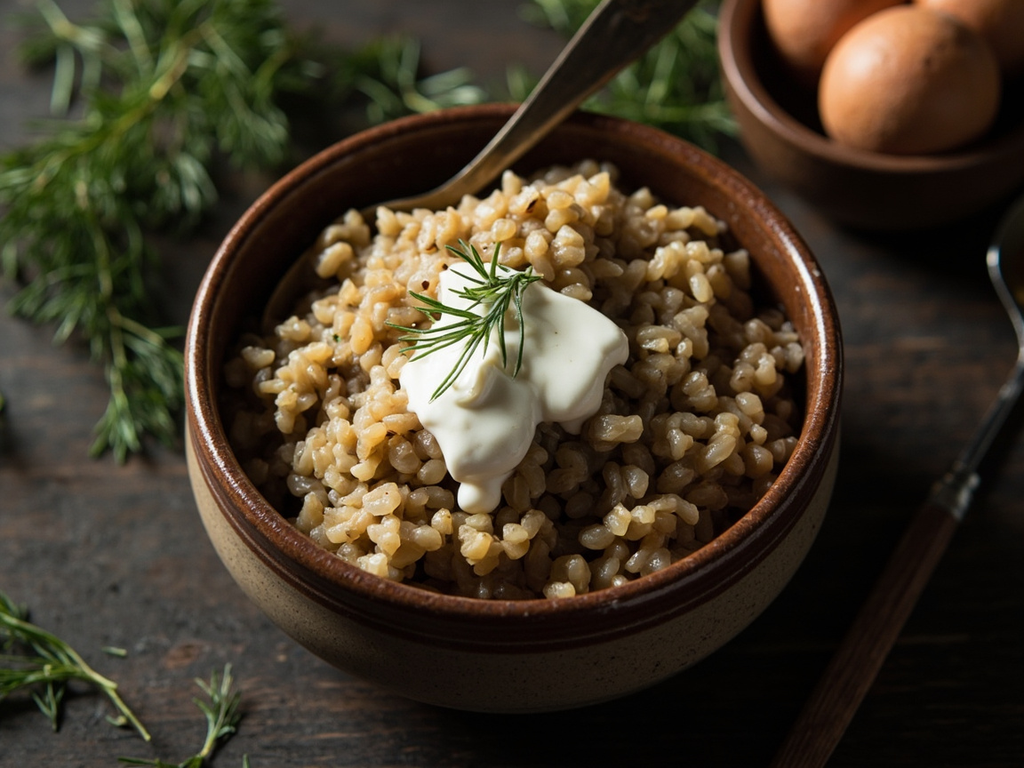
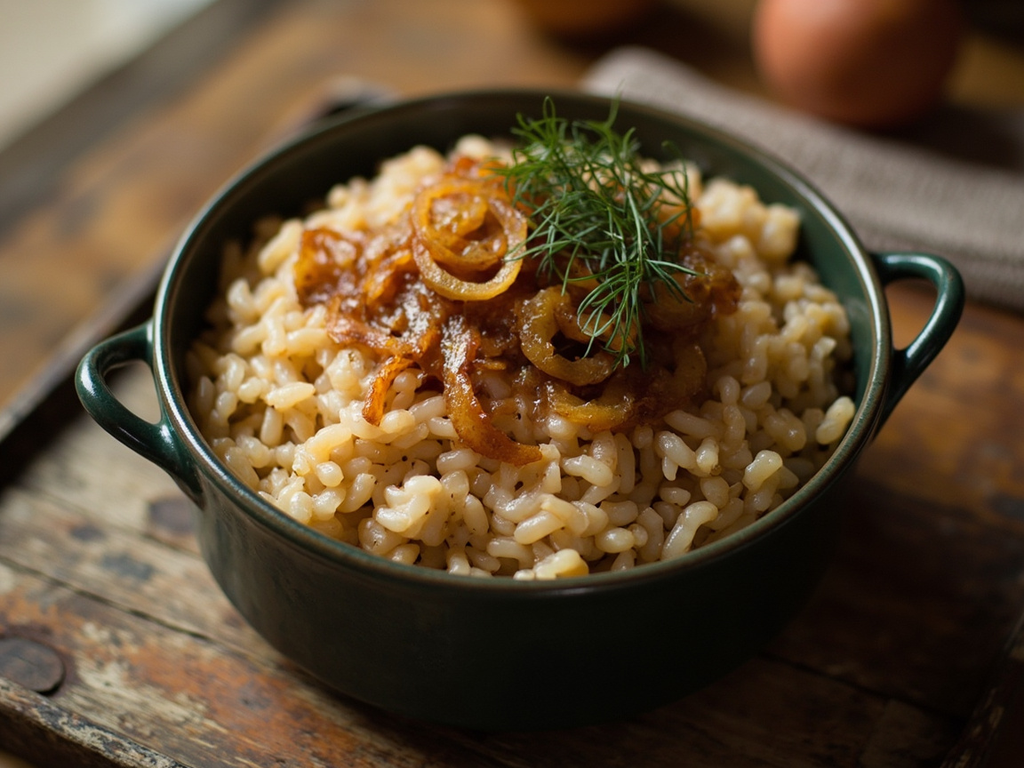
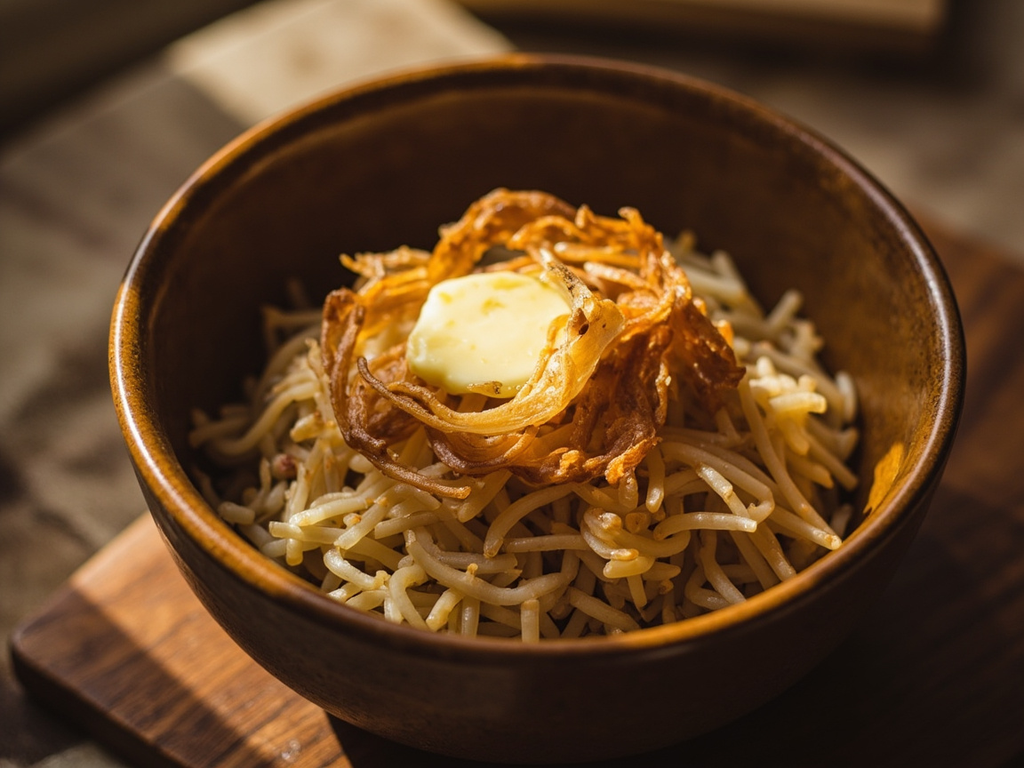
Toasted buckwheat grains cooked until tender and fragrant, bound with a little butter or fat, sometimes enhanced with golden onion. It is Russian comfort food, simple, earthy and filling.
Kasha, you see, is patience itself: you toast the grains until they smell of hazelnuts, then you let them swell gently, covered, without ever rushing them. At home, we said that good kasha doesn't like a hurried spoon. In the camp, we dreamed of it as a feast; free, I returned to it as to an old prayer. A knob of butter melted on top, and there is the table of a man who needs nothing else.
- •Buckwheat (gretchka) — a bowl (base)
- •Water or broth — twice the volume of buckwheat (cooking)
- •Butter or fat — as available (binder and flavor)
- •Onion — one, if available (flavor)
- •Salt — to taste (seasoning)
Buckwheat Kasha (Gretchnevaïa Kacha)
Toasted buckwheat grains cooked until tender and fragrant, bound with a little butter or fat, sometimes enhanced with golden onion. It is Russian comfort food, simple, earthy and filling.
Why this dish? 'Chtchi da kacha — pichtcha nacha' (cabbage soup and kasha, that is our food) says the Russian proverb. Buckwheat kasha is the quintessential domestic dish of Solzhenitsyn's Russia, that of his modest childhood in Kislovodsk and Rostov, and the dream of every prisoner dreaming of a real well-buttered kasha.
Kasha, you see, is patience itself: you toast the grains until they smell of hazelnuts, then you let them swell gently, covered, without ever rushing them. At home, we said that good kasha doesn't like a hurried spoon. In the camp, we dreamed of it as a feast; free, I returned to it as to an old prayer. A knob of butter melted on top, and there is the table of a man who needs nothing else.
Ingredients (period version)
- Buckwheat (gretchka) — a bowl (base)
- Water or broth — twice the volume of buckwheat (cooking)
- Butter or fat — as available (binder and flavor)
- Onion — one, if available (flavor)
- Salt — to taste (seasoning)
Ingredients
- Toasted buckwheat (kasha) — 200 g (base)
- Water or vegetable broth — 400 ml (cooking)
- Butter — 40 g (binder and flavor)
- Onion — 1, sliced (flavor)
- Mushrooms (white or dried porcini) — 150 g (optional) (umami)
- Salt and pepper — to taste (seasoning)
Method
- If the buckwheat is not already toasted, dry-toast it in a hot pan for 3-4 min until it smells nutty.
- Pour the boiling salted water or broth over the buckwheat, cover, reduce to minimum and cook 15-18 min without stirring, until absorbed.
- Meanwhile, brown the onion (and mushrooms) in half the butter.
- Let the kasha rest off the heat for 5 min, covered, to finish swelling.
- Fluff the grains with a fork, stir in the remaining butter and the onion topping, adjust salt and serve hot.
How it was made : Buckwheat has been cultivated in Russia for centuries and was once cooked for hours in the brick oven (pietch), put in the evening to be ready by morning. A daily dish of peasants and modest families, it accompanied both Lent and ordinary days because it goes without meat.
The contemporary twist : A buckwheat kasha with porcini mushrooms, finished with brown butter and served in a dome, transforms this poverty dish into a gourmet side — without betraying its humility.
Sources : Elena Molokhovets, A Gift to Young Housewives (1861) · Traditional Russian proverb 'Chtchi da kacha — pichtcha nacha'
Aleksandr Solzhenitsyn · Charactorium