 flip
flipSalt-Dried Nile Fish (samak mumallah)
Salt-Dried Nile Fish (samak mumallah)
Why this dish? Master of Egypt, Amr discovered a country where the Nile teems with fish. To preserve them in the heat, they were salted and dried — an immemorial river technique that fed the garrisons of Fustat between catches. The conqueror tasted a flavor unknown in the Arabian desert.
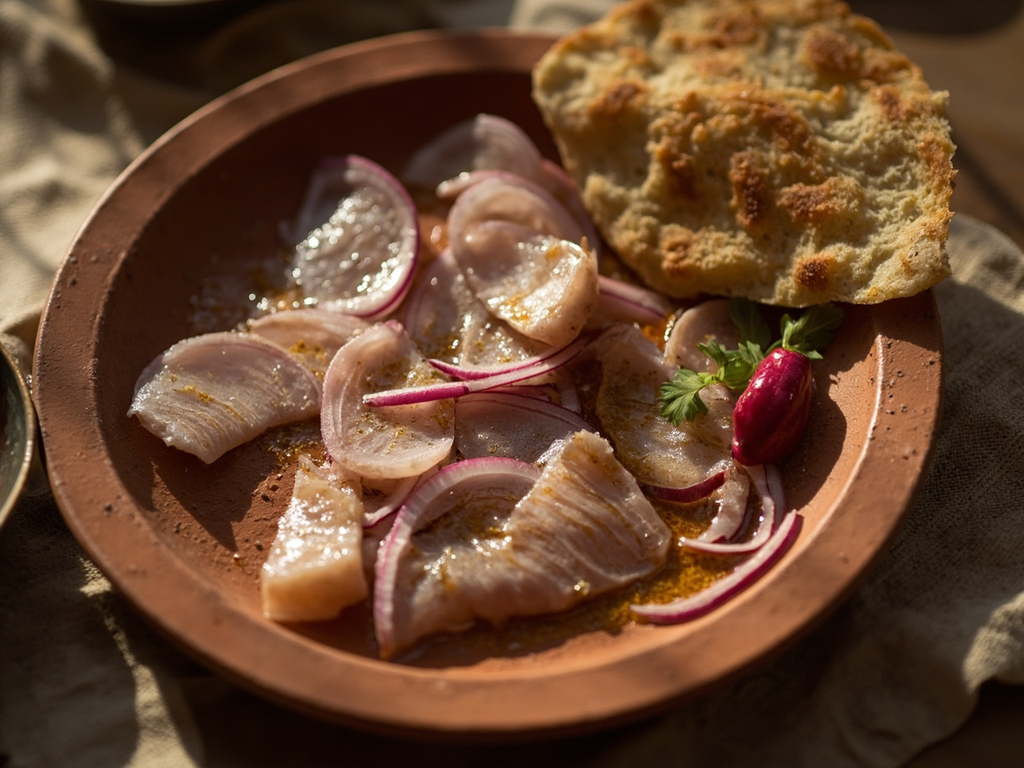
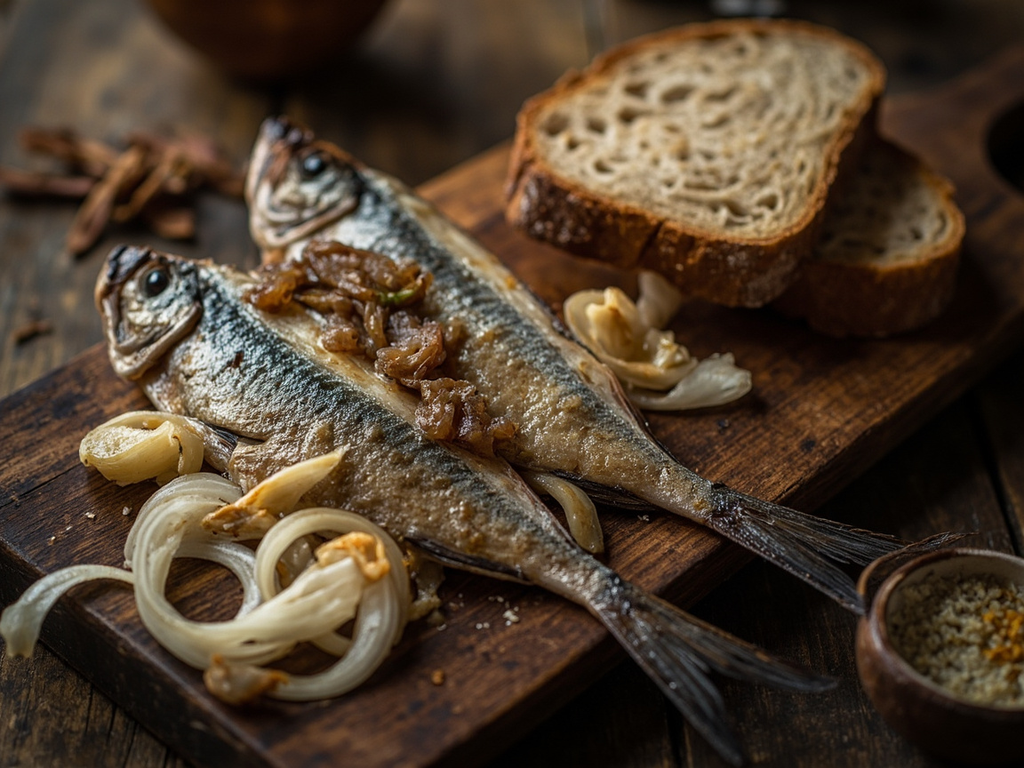
River fish, cleaned, heavily salted, and sun-dried, keeping for weeks. A powerful, salty, almost fermented taste — eaten in small bites with plenty of bread and onion.
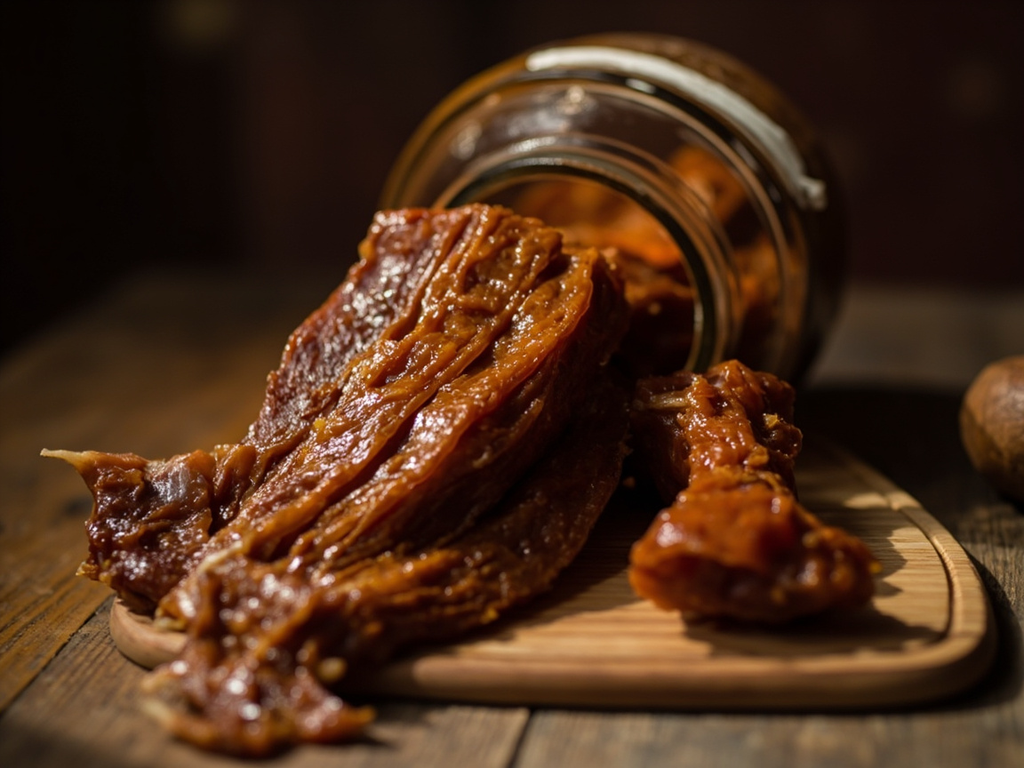
In Arabia, we knew dried meat of the desert; but here, the Nile gives fish in abundance, and the river people know how to keep it. They cover it with salt, leave it in the sun, and it keeps for lean days. Eat little at a time, with much bread and an onion — for this dish is strong, and the wise man knows the measure of what God has given him.
- •Nile fish (mullet, tilapia) — a few pieces (base)
- •Salt — in abundance (preservation)
Salt-Dried Nile Fish (samak mumallah)
River fish, cleaned, heavily salted, and sun-dried, keeping for weeks. A powerful, salty, almost fermented taste — eaten in small bites with plenty of bread and onion.
Why this dish? Master of Egypt, Amr discovered a country where the Nile teems with fish. To preserve them in the heat, they were salted and dried — an immemorial river technique that fed the garrisons of Fustat between catches. The conqueror tasted a flavor unknown in the Arabian desert.
In Arabia, we knew dried meat of the desert; but here, the Nile gives fish in abundance, and the river people know how to keep it. They cover it with salt, leave it in the sun, and it keeps for lean days. Eat little at a time, with much bread and an onion — for this dish is strong, and the wise man knows the measure of what God has given him.
Ingredients (period version)
- Nile fish (mullet, tilapia) — a few pieces (base)
- Salt — in abundance (preservation)
Ingredients
- Fresh, very fresh mullet or mackerel — 2 fish (base)
- Coarse salt — 500 g (complete coverage) (preservation)
- Onion, lemon, olive oil — for serving (accompaniment)
Method
- WARNING: traditional fermented fish (like fessikh) is risky and can be dangerous at home. The version below is a short, safe salting-drying, to be consumed cooked.
- Clean and gut the very fresh fish, rinse and dry.
- Bury it completely in coarse salt in a dish, cover and refrigerate for 24 to 48 hours.
- Rinse thoroughly in cold water to remove excess salt, dry. The fish is firm and flavored.
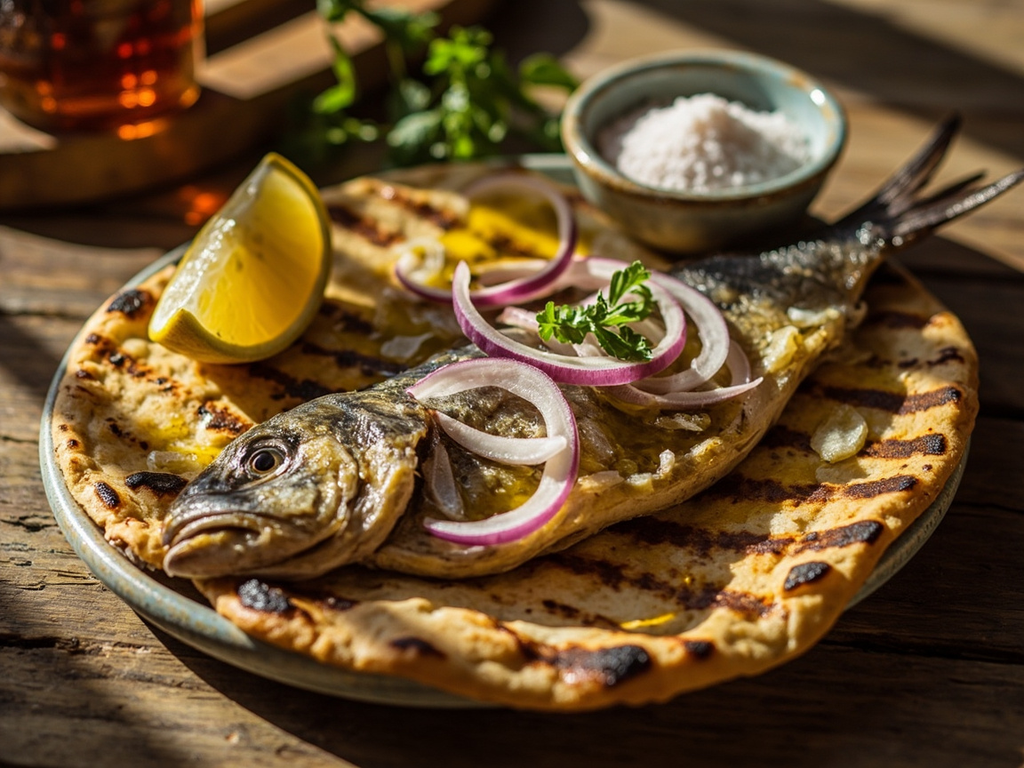
- Cook (grilled or pan-fried) and serve flaked with sliced onion, lemon, and olive oil, accompanied by plenty of bread.
How it was made : Fish preservation by salting and sun-drying is attested on the Nile since ancient Egypt; fermented fessikh (long-salted mullet) is the heir of these techniques and remains associated with the spring festival of Sham el-Nessim. In Amr's time, salting provided protein reserves for garrisons and low-water periods. Traditional long fermentation requires precise know-how — hence the cautious, cooked modern adaptation offered here.
The contemporary twist : Serve the salted fish flaked in small bites on grilled bread, with sweet onion and a drizzle of cumin oil: a 'Nile tartine' that safely evokes the flavor of Fustat's pantries.
Amr ibn al-As · Charactorium