 flip
flipSharbat-e anâr (Pomegranate and Rose Water Drink)
Sharbat-e anâr (Pomegranate and Rose Water Drink)
Why this dish? In the Baburnama, Babur extensively describes his love of fruits and fruit drinks. He deplored the heat of India and missed the juicy fruits of Ferghana and Kabul. Pomegranate, abundant in Kabul, was one of his favorite fruits, often consumed as a chilled sharbat.
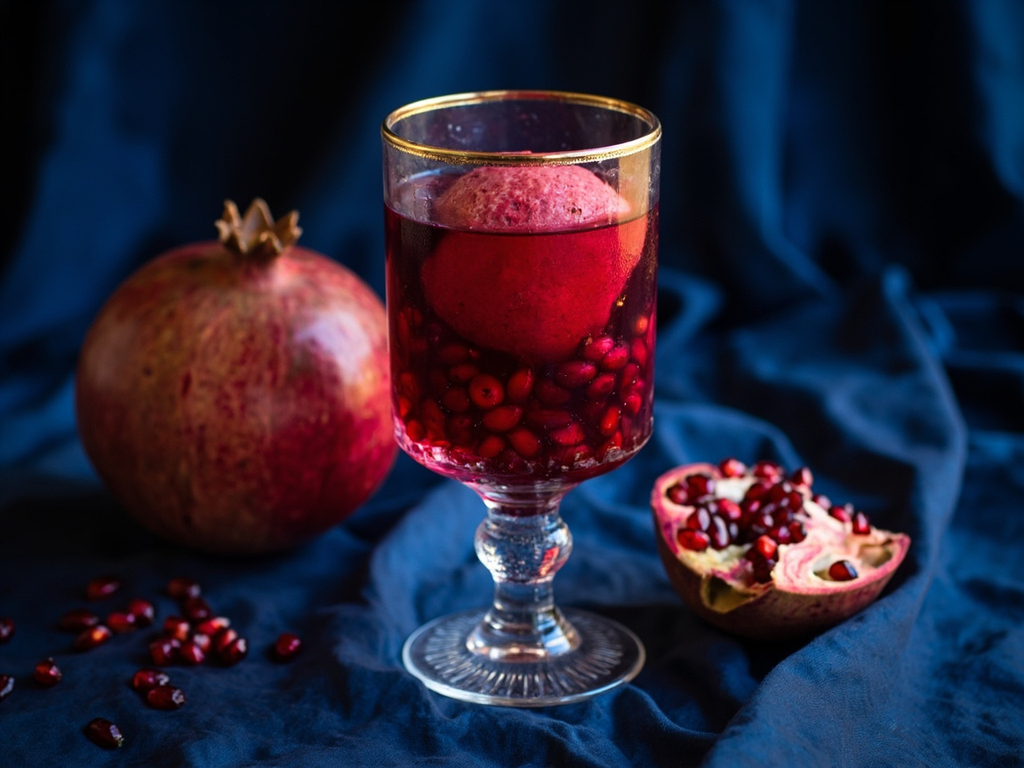
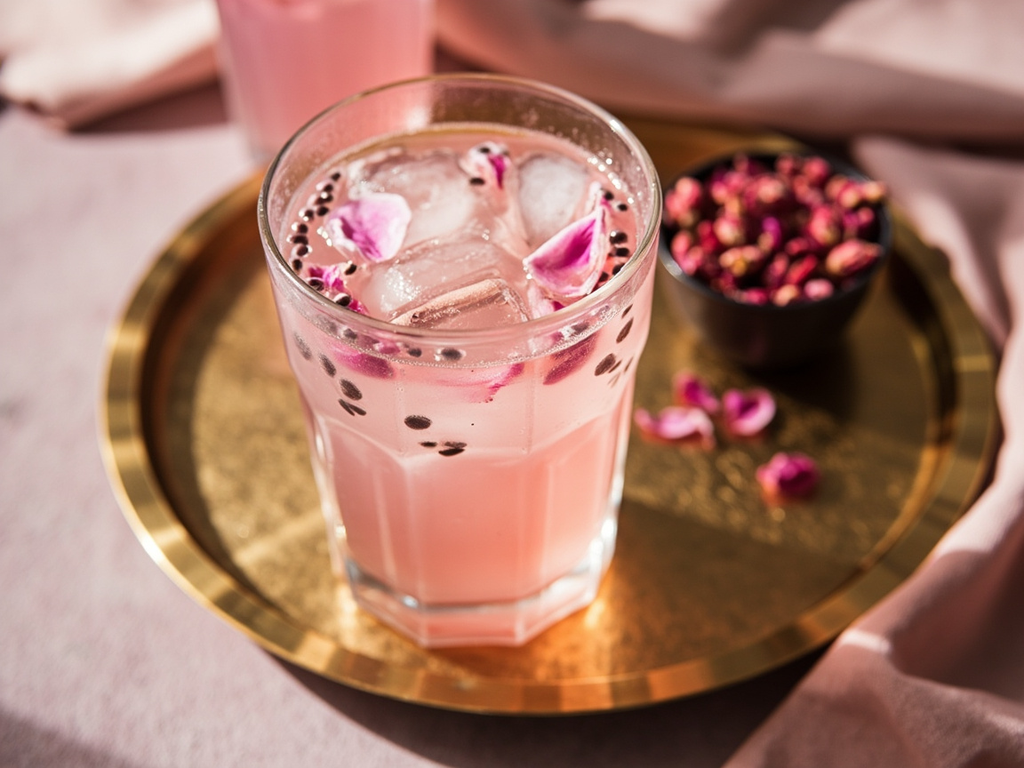
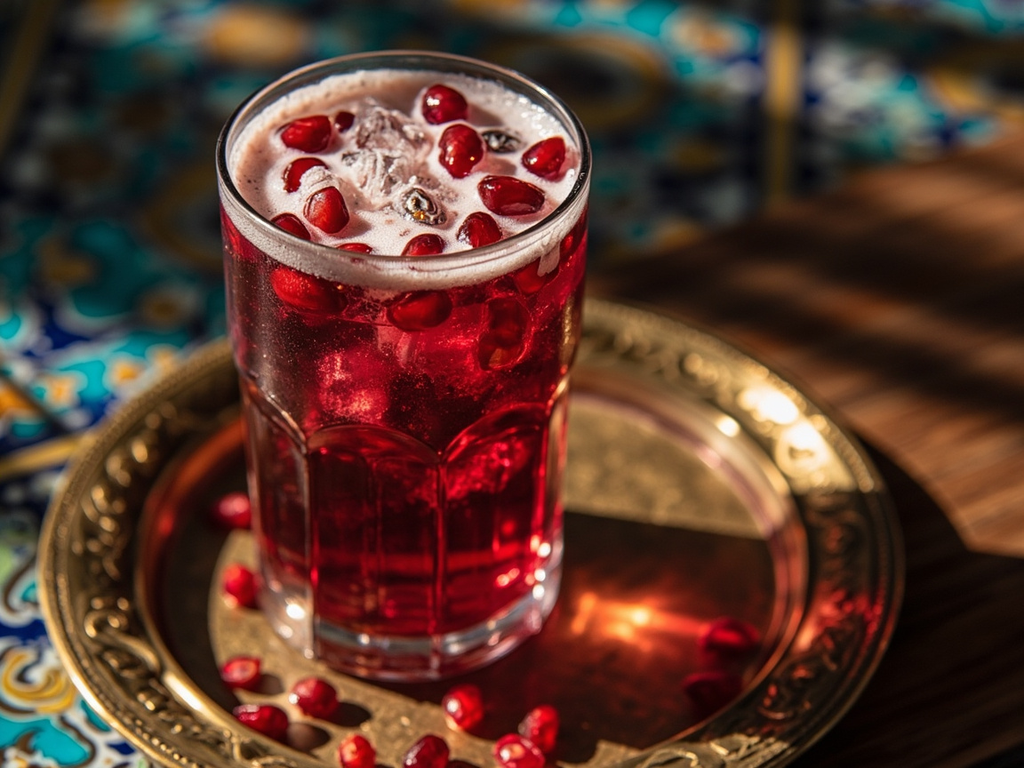
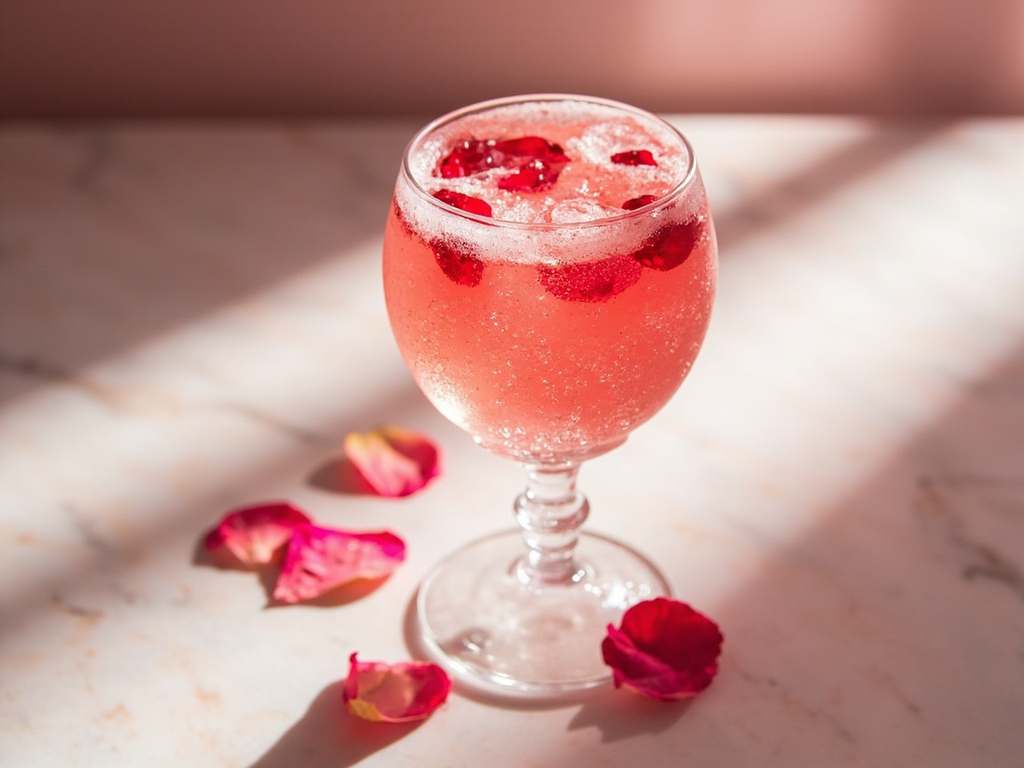
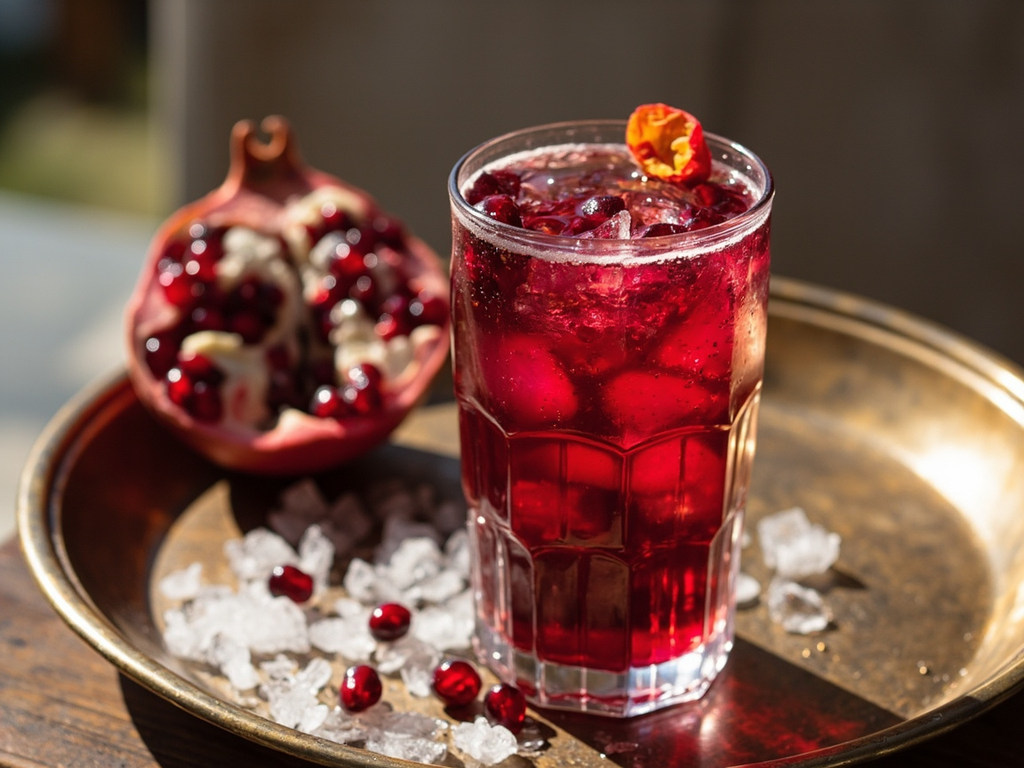
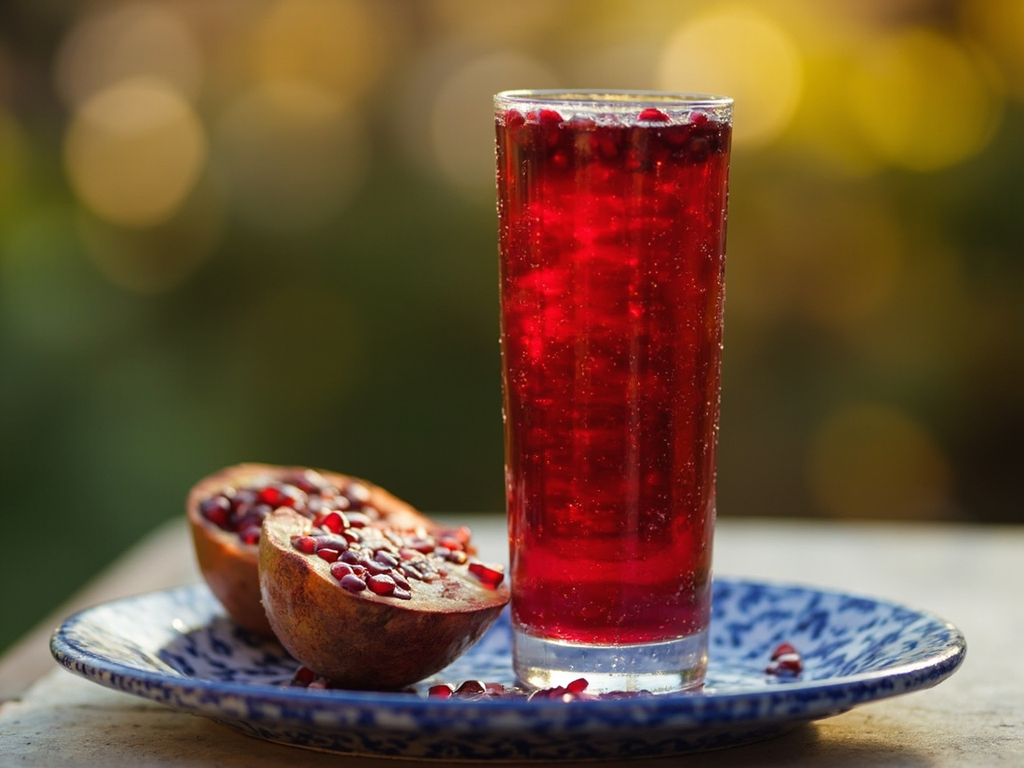
A refreshing drink of fresh pomegranate juice, sweetened with honey and delicately perfumed with rose water. Served very cold, it is the simple luxury of a prince nostalgic for his gardens.
I had pomegranate trees planted in my gardens of Agra, for without worthy fruits, what is an empire? In India, heat is an enemy no army can defeat. But a fresh pomegranate sharbat, with a little rose water from Kabul and mountain honey, that reconciles a Ferghani to this land. I drank it by my pools, and the acidity reminded me of my father's orchards, from the time when Samarkand still seemed possible to me.
- •Ripe pomegranates — several fruits (juice)
- •Honey — to taste (sweetener)
- •Rose water — a few drops (flavoring)
- •Fresh spring water — as much as the juice (dilution)
- •Ice (crushed mountain snow) — if available (chilling)
Sharbat-e anâr (Pomegranate and Rose Water Drink)
A refreshing drink of fresh pomegranate juice, sweetened with honey and delicately perfumed with rose water. Served very cold, it is the simple luxury of a prince nostalgic for his gardens.
Why this dish? In the Baburnama, Babur extensively describes his love of fruits and fruit drinks. He deplored the heat of India and missed the juicy fruits of Ferghana and Kabul. Pomegranate, abundant in Kabul, was one of his favorite fruits, often consumed as a chilled sharbat.
I had pomegranate trees planted in my gardens of Agra, for without worthy fruits, what is an empire? In India, heat is an enemy no army can defeat. But a fresh pomegranate sharbat, with a little rose water from Kabul and mountain honey, that reconciles a Ferghani to this land. I drank it by my pools, and the acidity reminded me of my father's orchards, from the time when Samarkand still seemed possible to me.
Ingredients (period version)
- Ripe pomegranates — several fruits (juice)
- Honey — to taste (sweetener)
- Rose water — a few drops (flavoring)
- Fresh spring water — as much as the juice (dilution)
- Ice (crushed mountain snow) — if available (chilling)
Ingredients
- Pure pomegranate juice (or 4 pomegranates, juiced) — 500 ml (base)
- Liquid honey — 3 tbsp (adjust for tartness) (sweetener)
- Rose water — 1 tbsp (flavoring)
- Cold water — 250 ml (dilution)
- Ice cubes — a handful (chilling)
- Pomegranate seeds — a few (decoration)
Method
- If using fresh pomegranates: cut them in half, extract juice with a citrus juicer. Strain to remove seeds.
- In a pitcher, mix pomegranate juice and cold water.
- Add honey and stir vigorously until completely dissolved.
- Stir in rose water, taste, and adjust sweetness.
- Refrigerate at least 1 hour.
- Serve in glasses with ice cubes and a few pomegranate seeds.
How it was made : Sharbat (from which the word 'sorbet' derives) was a well-established Persian and Central Asian tradition in Timurid times. Mountain snow was stored in underground ice houses (yakhchâl) and transported to cool court drinks. Babur had irrigated gardens (chahar bagh) laid out in Kabul and later Agra precisely to cultivate the fruits needed for these preparations.
The contemporary twist : Add a few fresh mint leaves and serve in Uzbek tea glasses for a striking visual effect — the deep red of pomegranate against cobalt blue ceramic.
Sources : Baburnama, trans. A.S. Beveridge — descriptions of Kabul fruits and gardens · Achaya, K.T., Indian Food: A Historical Companion, Oxford University Press, 1994
Babur · Charactorium