 flip
flipSmoked Billabong Eel (Budj Bim Style)
Smoked Billabong Eel (Budj Bim Style)
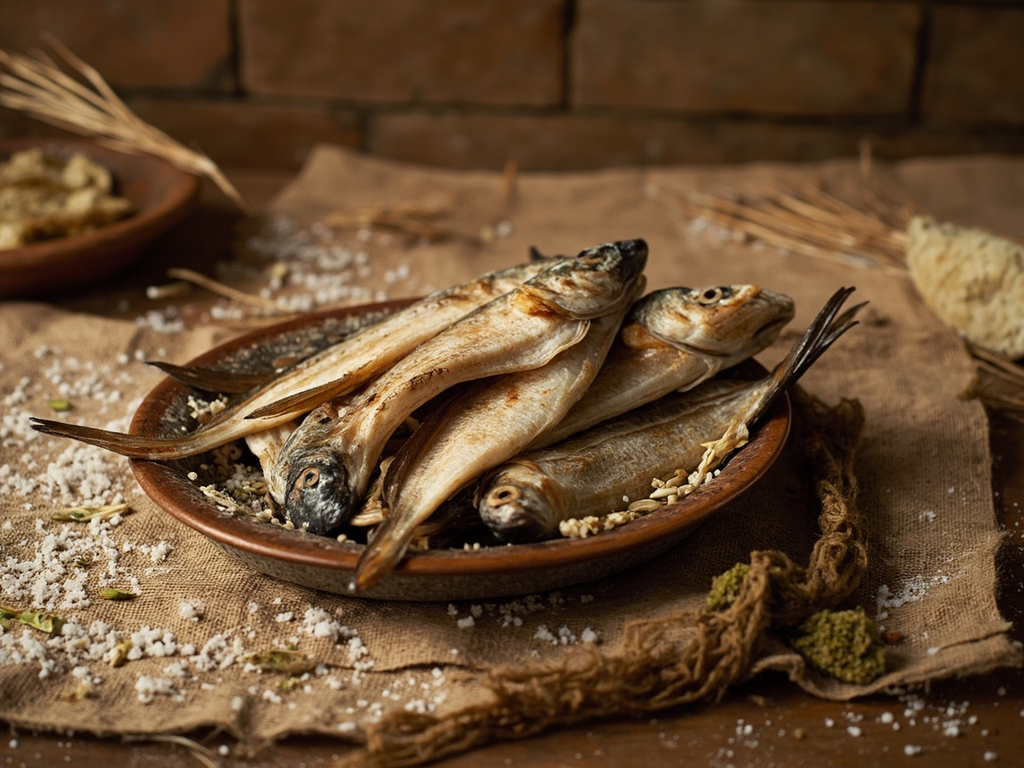
Why this dish? The Gunditjmara of Victoria raised and trapped eels in vast stone channels at Budj Bim, then smoked them in hollow trees for preservation. The eel is a creature of the same waters as the Bunyip: taking the eel is drawing from the monster's pantry.
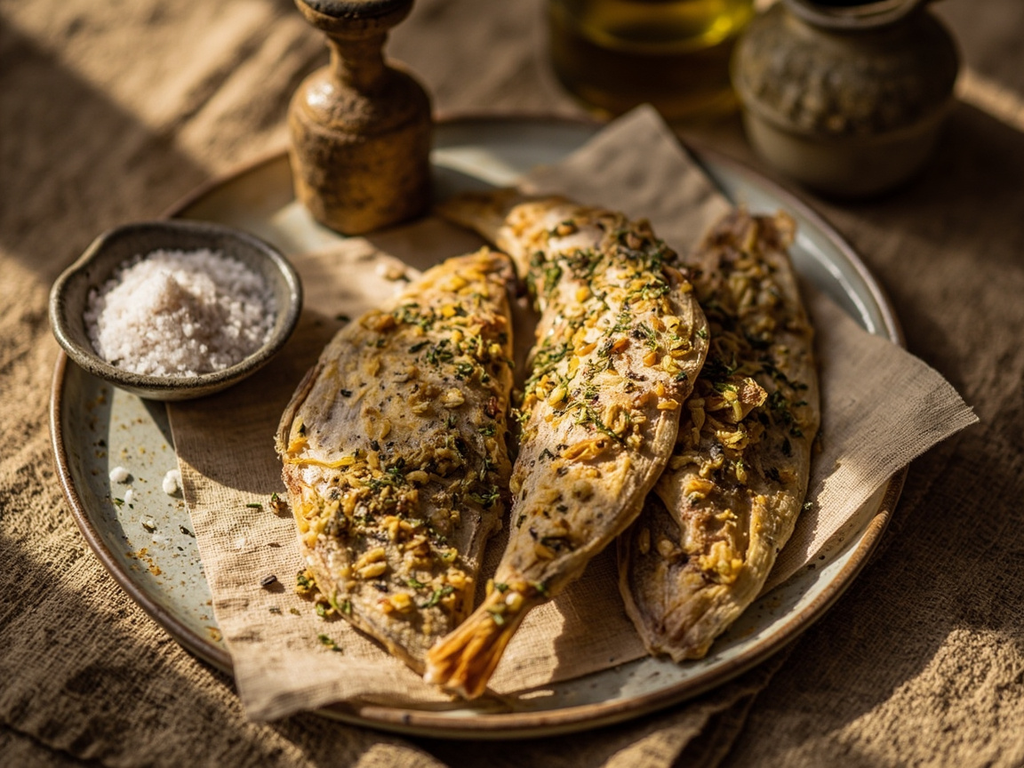
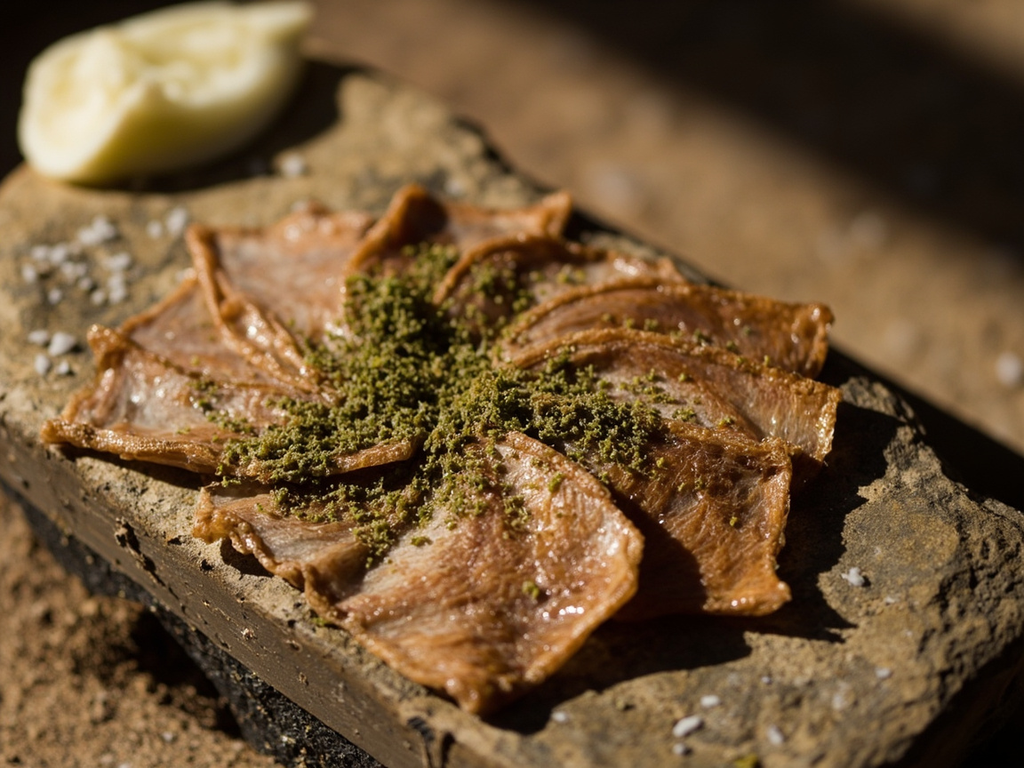
Fat eel, split and slowly smoked until dense and brown, keeps for weeks. Its concentrated, smoke-salted flesh is one of the world's oldest managed food reserves.
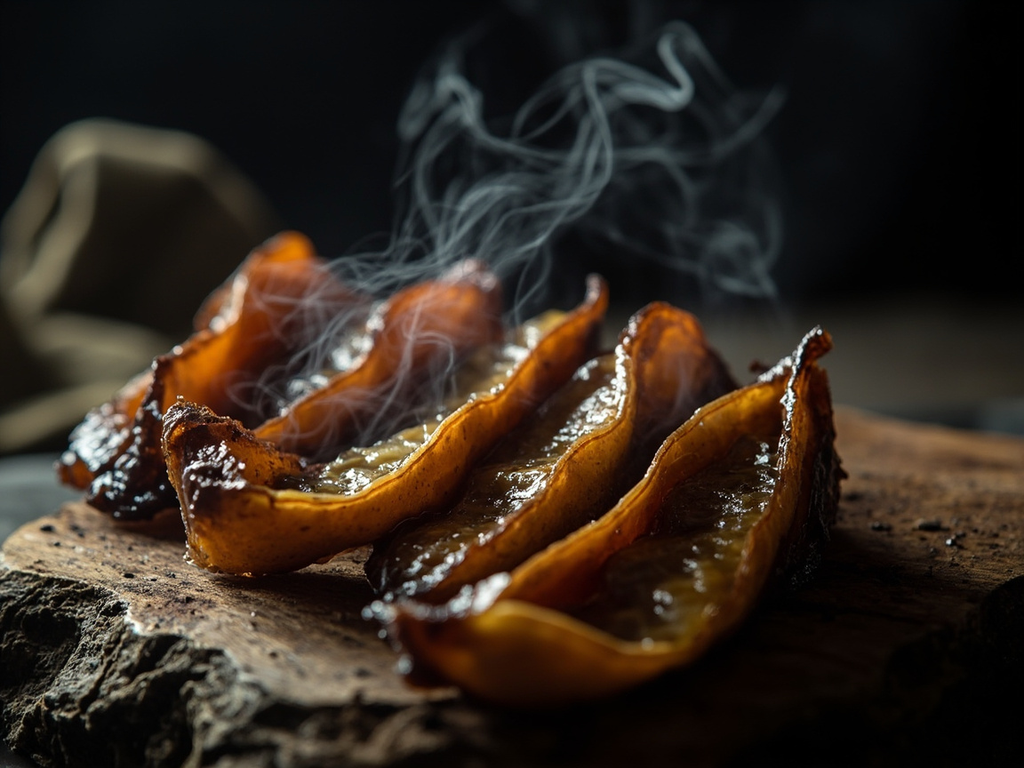
The eel is my sister of the muddy depths; we take her in stone traps when she descends with the rains. We split her, hang her in the hollow belly of an old tree, and a slow fire caresses her with smoke for days, until she keeps all winter. Her flesh turns dark, dense, salted with smoke. Many are taken from me—so leave the water still at dusk.
- •Fresh freshwater eels — according to catch (sole product)
- •Green wood and aromatic bark — for the fire (slow smoke)
Smoked Billabong Eel (Budj Bim Style)
Fat eel, split and slowly smoked until dense and brown, keeps for weeks. Its concentrated, smoke-salted flesh is one of the world's oldest managed food reserves.
Why this dish? The Gunditjmara of Victoria raised and trapped eels in vast stone channels at Budj Bim, then smoked them in hollow trees for preservation. The eel is a creature of the same waters as the Bunyip: taking the eel is drawing from the monster's pantry.
The eel is my sister of the muddy depths; we take her in stone traps when she descends with the rains. We split her, hang her in the hollow belly of an old tree, and a slow fire caresses her with smoke for days, until she keeps all winter. Her flesh turns dark, dense, salted with smoke. Many are taken from me—so leave the water still at dusk.
Ingredients (period version)
- Fresh freshwater eels — according to catch (sole product)
- Green wood and aromatic bark — for the fire (slow smoke)
Ingredients
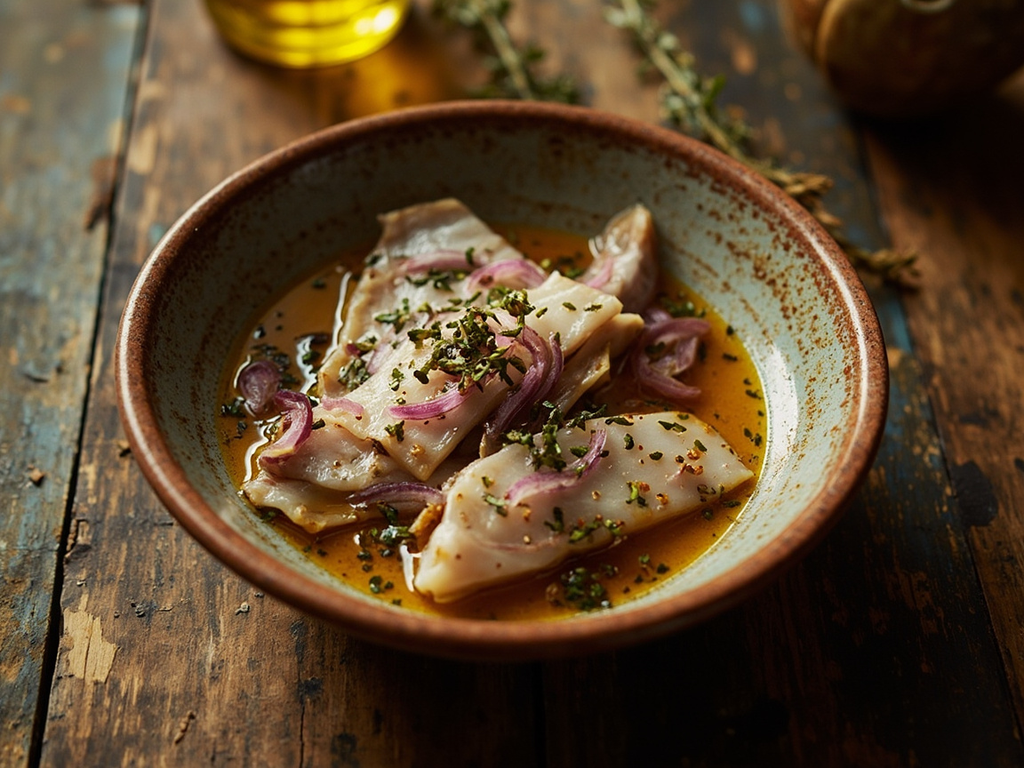
- Eel fillets (or oily mackerel as substitute) — 500 g (main product)
- Coarse salt — 2 tbsp (light brine)
- Smoking wood chips (beech, apple) — 2 handfuls (smoke)
- Tasmanian pepper berries, optional — 1 tsp (native note)
Method
- Rub fillets with salt and let rest 1 hour in the fridge, then rinse and dry well.
- Prepare a smoker (or a wok with lid + rack + foil at the bottom for chips).
- Heat chips until smoking, place fillets skin-side down on rack above.
- Hot-smoke for 25–35 minutes over low heat, until flesh is firm, brown, and glossy.
- Let cool: smoked eel keeps several days in the fridge, ready to be flaked onto a seedcake or roots.
How it was made : The Budj Bim cultural landscape (Lake Condah), inscribed as a UNESCO World Heritage site in 2019, preserves stone channels, dams, and ponds thousands of years old, designed to trap eels on a large scale. Eels were smoked in hollow trees, creating a sustainable reserve and even a trade good between groups.
The contemporary twist : Flake warm smoked eel over a thin wattleseed seedcake (recipe r5) with a touch of finger lime: the encounter of dense smoke and pearly acidity.
Sources : UNESCO World Heritage List, Budj Bim Cultural Landscape, inscribed in 2019 · Heather Builth, archaeological research on Gunditjmara eel aquaculture · Bruce Pascoe, Dark Emu, Magabala Books, 2014
Bunyip · Charactorium