 flip
flipDried and Salted Nile Fish
Dried and Salted Nile Fish
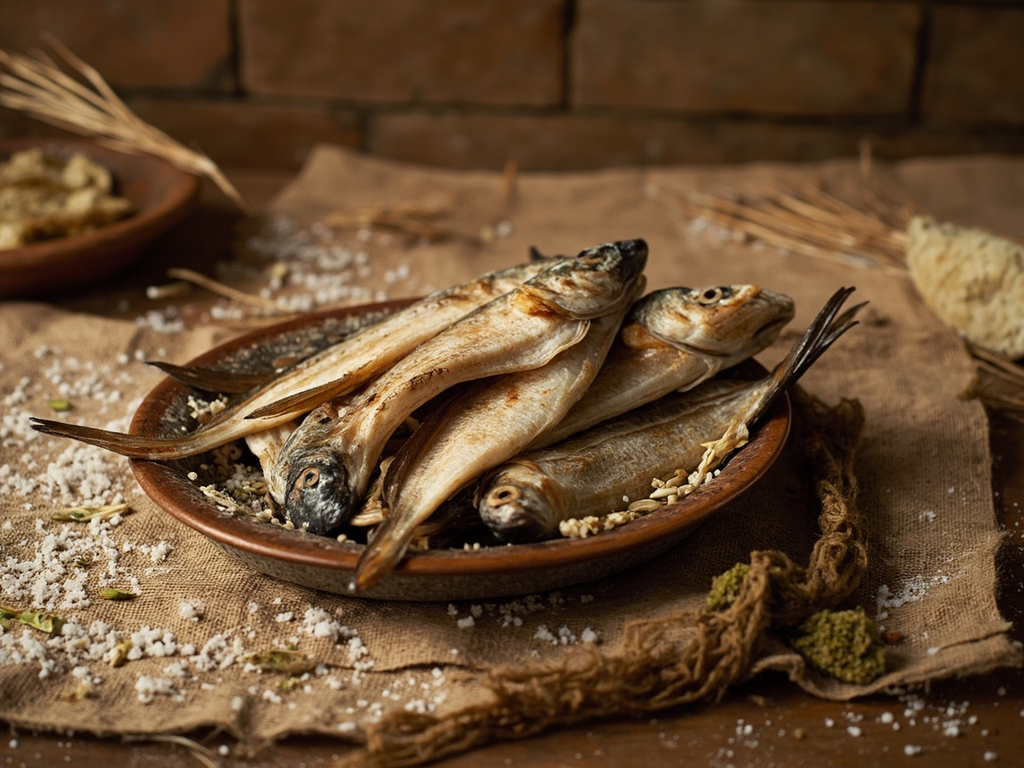
Why this dish? The Nile nourished Egypt with its fish, dried and salted to last through the seasons and supply construction sites, soldiers, and expeditions. The expedition to the land of Punt ordered by Hatshepsut required precisely such provisions capable of lasting the long journey.
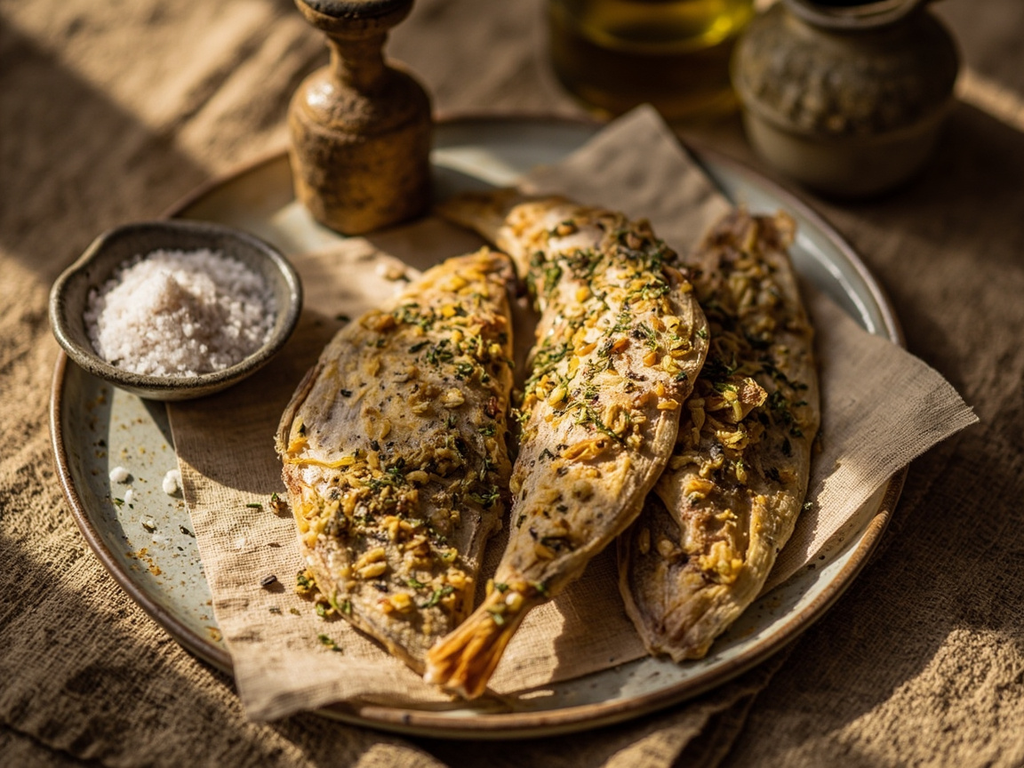
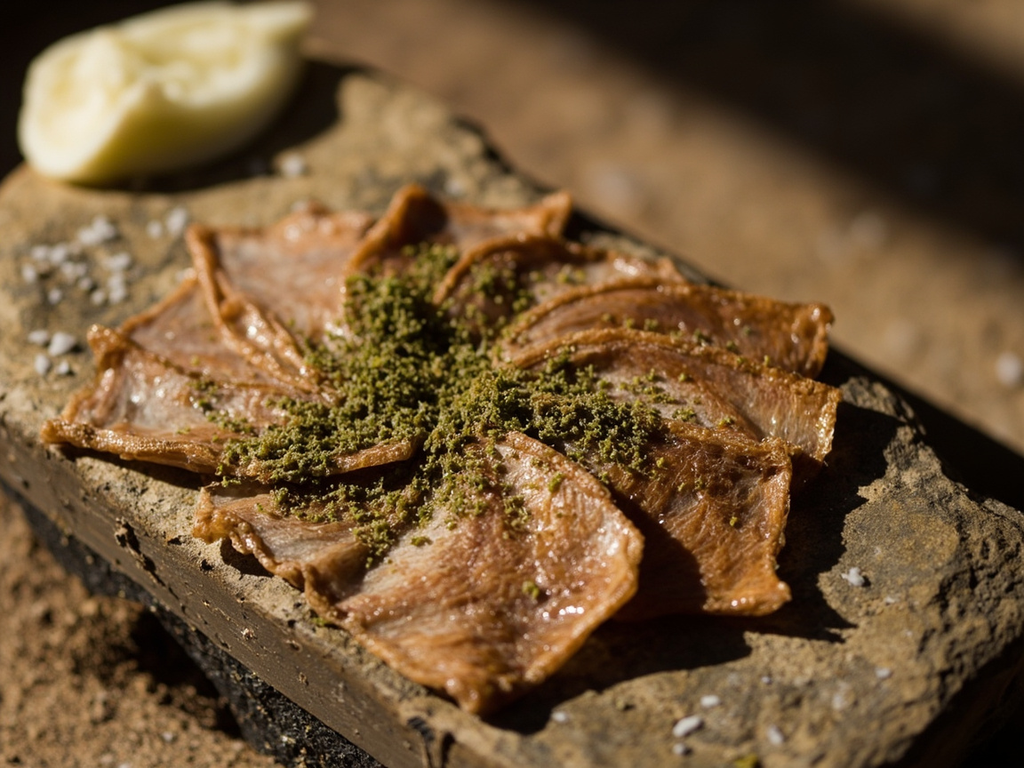
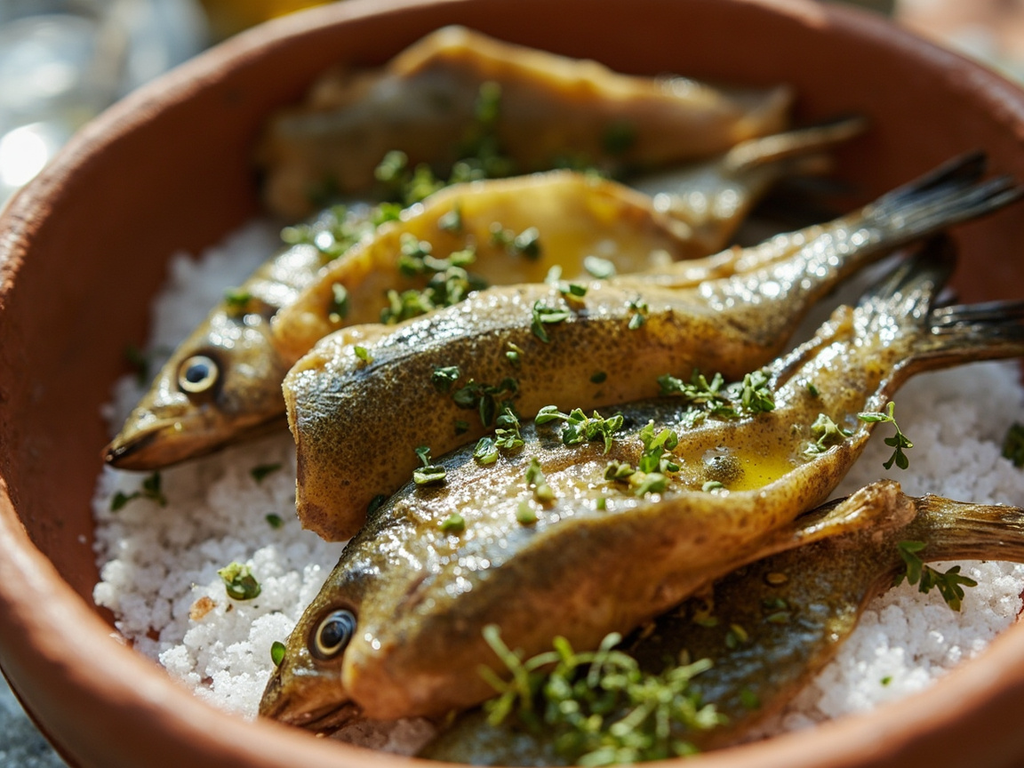
Nile fish opened, salted, and sun-dried until it becomes a dense provision with a powerful flavor. The preserve that allows one to eat fish far from the river and long after the catch.
When I sent my ships to Punt, beyond the sea, my sailors had to be fed for moons. One does not load fresh fish on such boats. See how it is done: we open the river fish, cover it with salt, let it drink the sun of Ra until it hardens. Thus preserved, it accompanies bread throughout the voyage. Soak it a little before eating, and grill it if you prefer it mild — it is the very taste of my river, carried to the ends of the earth.
- •Nile fish (mullet, tilapia, perch) — several (item to preserve)
- •Salt — in abundance (preservation)
- •Sun and dry air — several days (drying)
Dried and Salted Nile Fish
Nile fish opened, salted, and sun-dried until it becomes a dense provision with a powerful flavor. The preserve that allows one to eat fish far from the river and long after the catch.
Why this dish? The Nile nourished Egypt with its fish, dried and salted to last through the seasons and supply construction sites, soldiers, and expeditions. The expedition to the land of Punt ordered by Hatshepsut required precisely such provisions capable of lasting the long journey.
When I sent my ships to Punt, beyond the sea, my sailors had to be fed for moons. One does not load fresh fish on such boats. See how it is done: we open the river fish, cover it with salt, let it drink the sun of Ra until it hardens. Thus preserved, it accompanies bread throughout the voyage. Soak it a little before eating, and grill it if you prefer it mild — it is the very taste of my river, carried to the ends of the earth.
Ingredients (period version)
- Nile fish (mullet, tilapia, perch) — several (item to preserve)
- Salt — in abundance (preservation)
- Sun and dry air — several days (drying)
Ingredients
- Fillets of mullet, tilapia, or mackerel (fatty works well) — 4 fillets
- Coarse sea salt — about 250 g
- Olive oil (for serving) — drizzle
- Lemon juice or vinegar (for serving) — a dash
Method
- Generously salt the fillets on all sides and arrange them in a layer in a dish, covered with salt.
- Refrigerate for 24 to 36 hours: the salt draws out water and firms the flesh.
- Rinse, pat dry, then dry in dry air (in the refrigerator on an uncovered rack, or in a low-temperature dehydrator) for 1 to 2 days.
- Before serving, desalt by soaking for 1 to 2 hours in fresh water, changed several times.
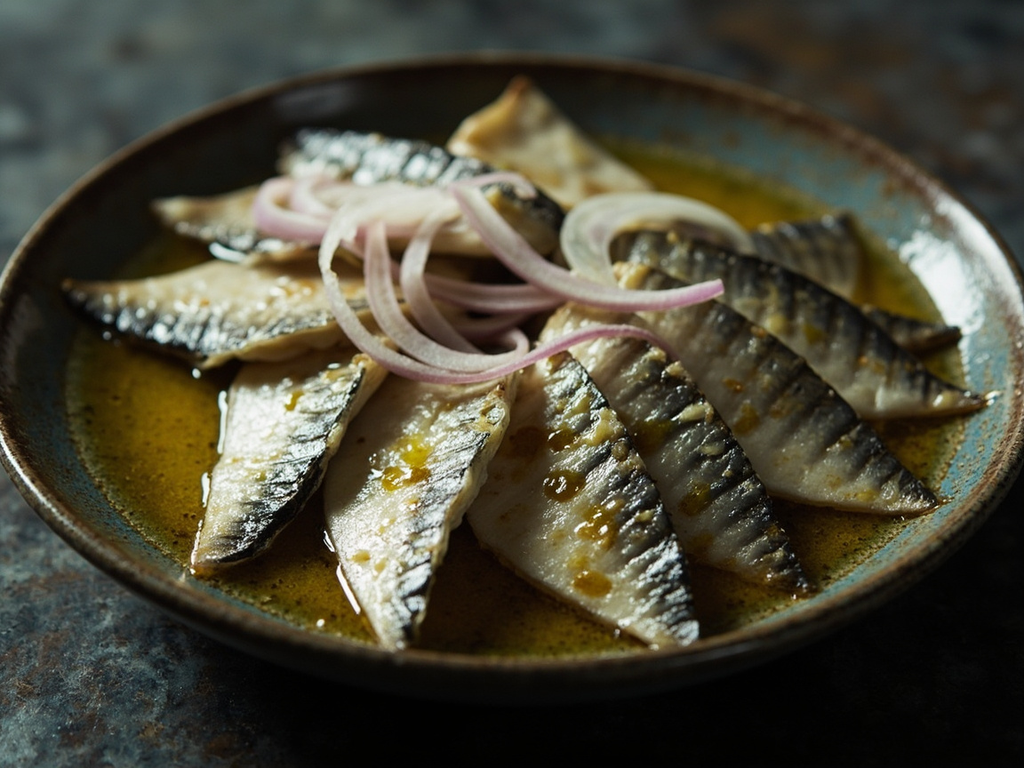
- Briefly grill or flake onto bread, drizzle with oil and a dash of lemon.
How it was made : Salting and sun-drying were the main Egyptian preservation techniques, in the absence of refrigeration. Fish was sometimes also gutted and exposed in the open air, producing a strongly fermented and salted product — a distant ancestor of traditional fish still consumed in Egypt today. It was a staple protein for expeditions and construction rations.
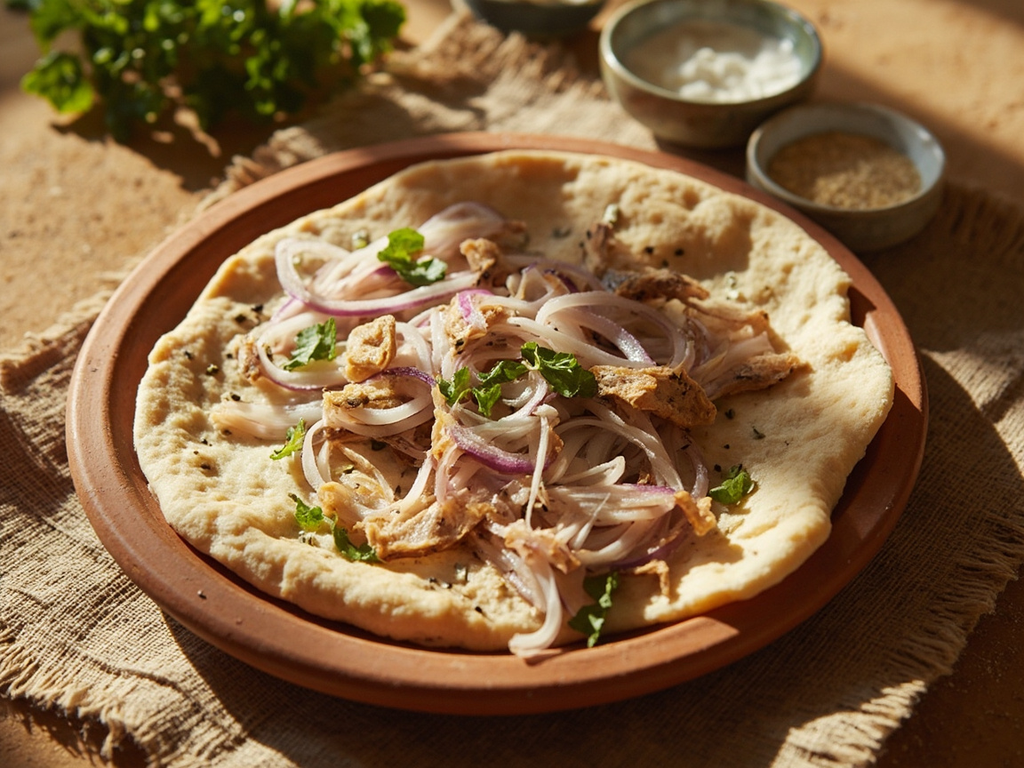
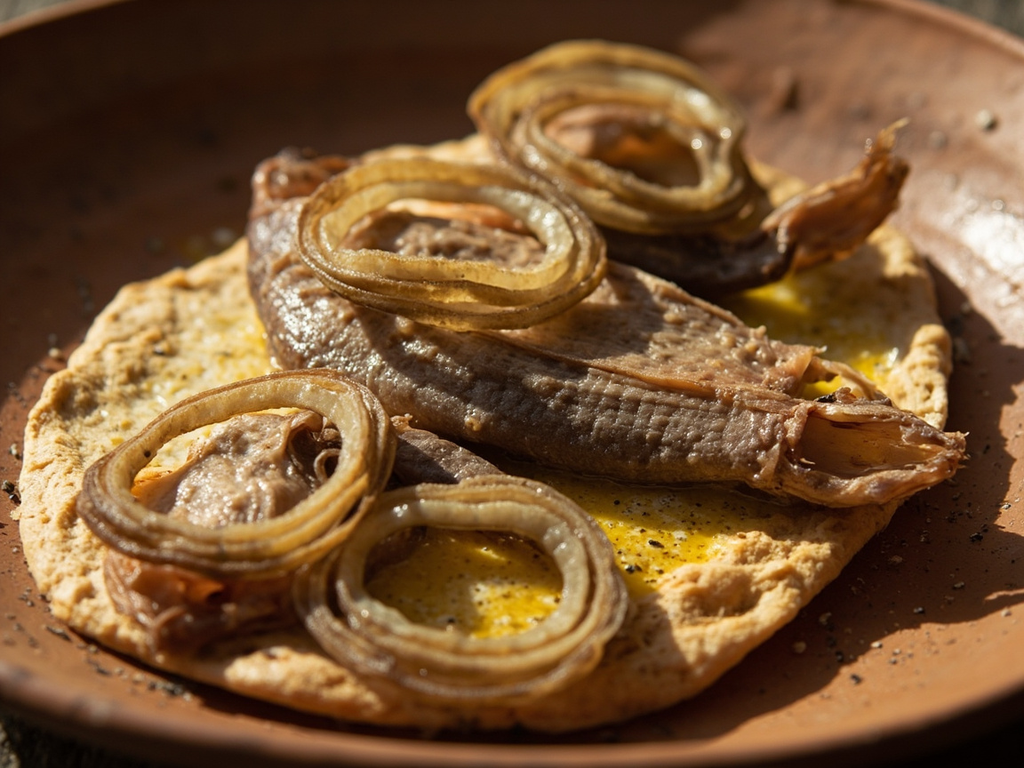
The contemporary twist : Serve flaked on a slice of spelt bread with red onion rings, fresh herbs, and a drizzle of oil — a modern "Nile tartine" style.
Hatshepsut · Charactorium