 flip
flipUmeboshi — salted plums with shiso
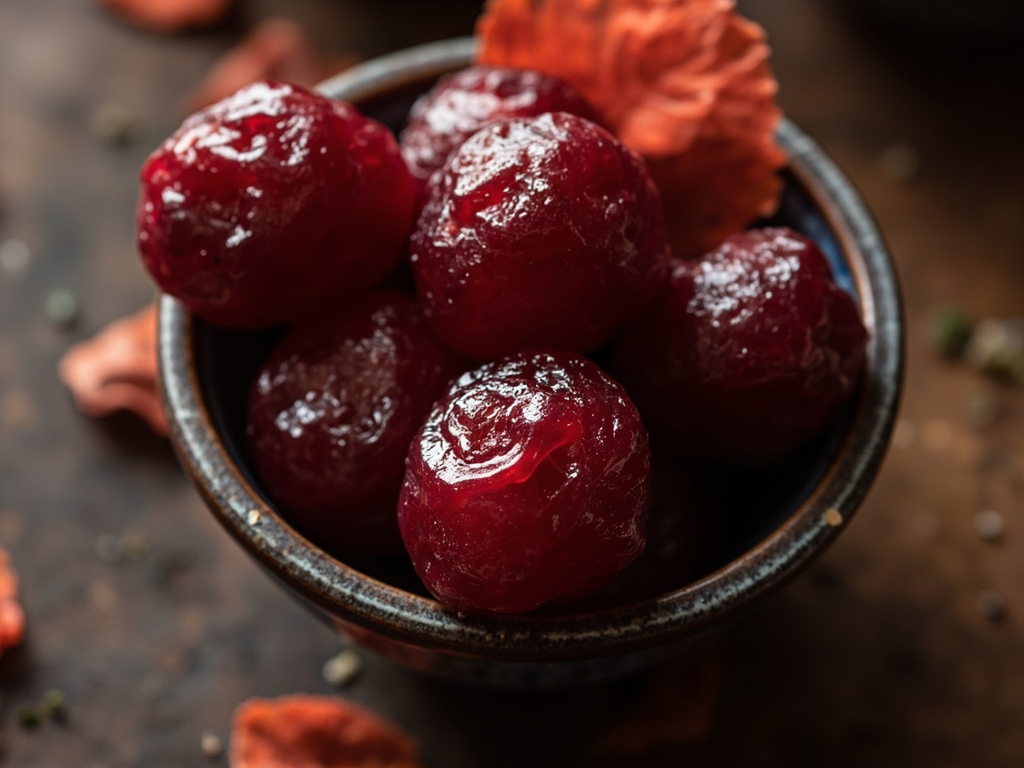
Umeboshi — salted plums with shiso
Why this dish? The umeboshi accompanied Hōnen everywhere — in his morning porridge, in his travel bundle. Yet his life was a long journey: exiled to Sanuki on Shikoku island in 1207, he carried these plums that do not rot and sustain the walker. It is the food of a man cast onto the roads for his faith.
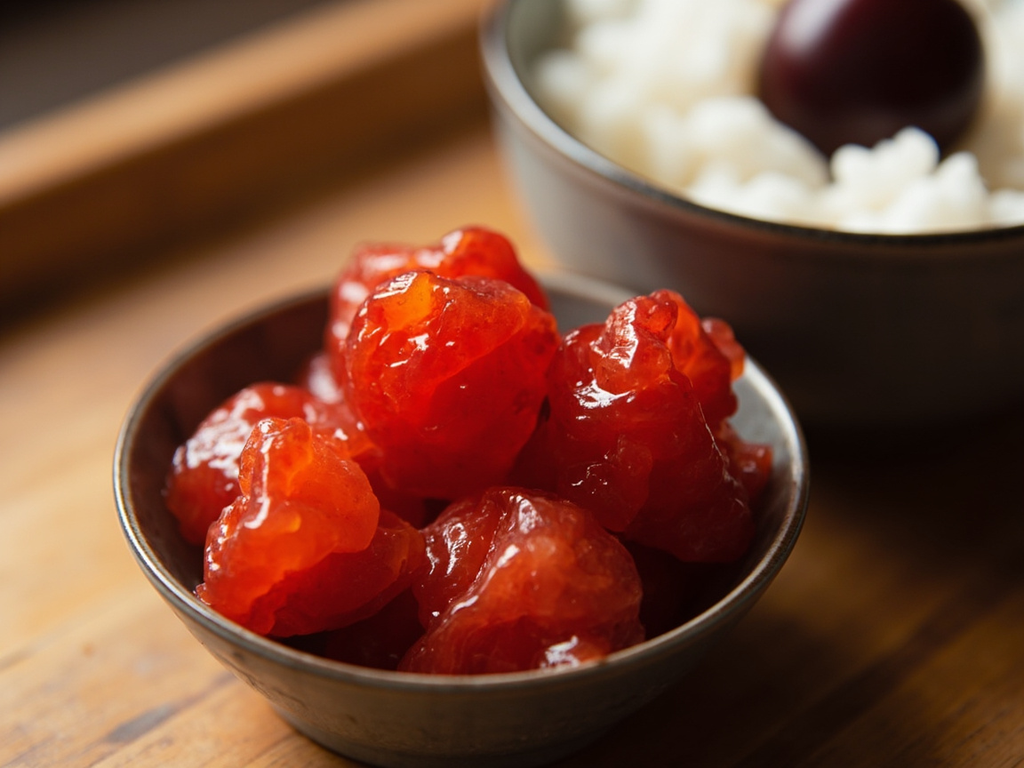
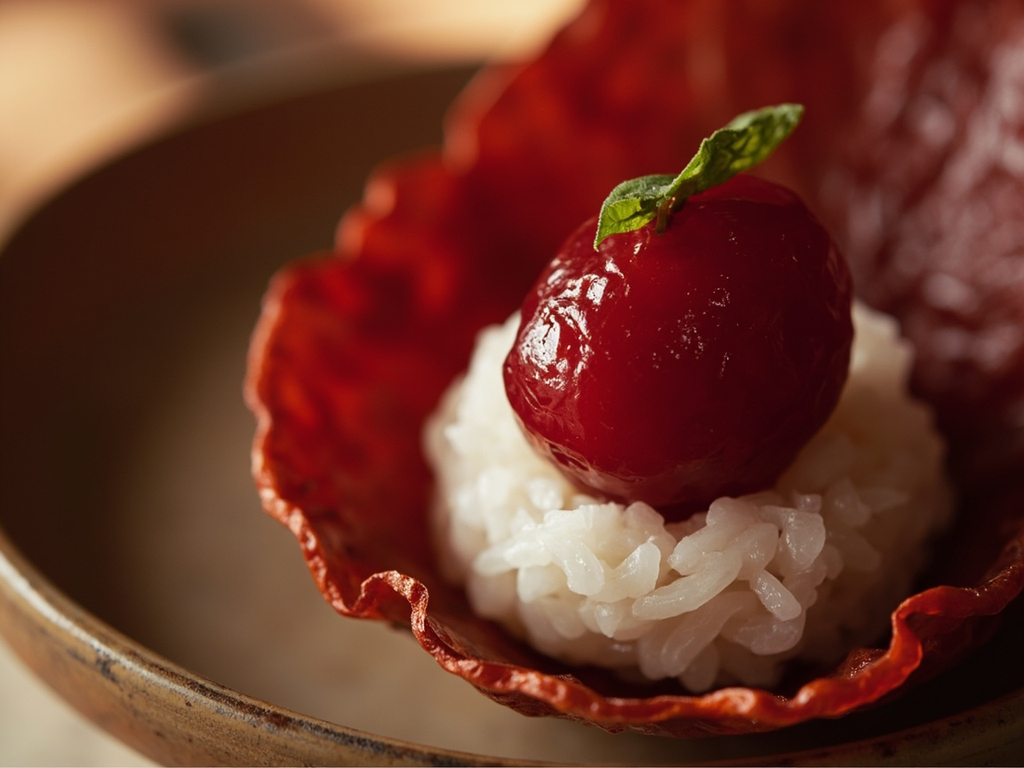
Green plums matured in salt until blazingly sour, dyed purple by shiso. A tiny morsel that salts, preserves, and, they say, heals the weary traveler.
Do not be fooled by its smallness: this wrinkled fruit is the outlaw's friend. When I was banished to Sanuki, across the sea, I had in my bag these plums that I had laid in salt the summer before — they do not spoil, you see, they endure as the believer must endure. One on the tongue, and the fatigue of the road fades, the stomach calms. Always keep some: on the path as in faith, what is harsh at first protects for a long time.
- •Green, firm ume plums — one crate (base fruit)
- •Sea salt — about 1/5 of the plums' weight (salting, preservation)
- •Red shiso leaves — one bunch (color, aroma, antiseptic)
Umeboshi — salted plums with shiso
Green plums matured in salt until blazingly sour, dyed purple by shiso. A tiny morsel that salts, preserves, and, they say, heals the weary traveler.
Why this dish? The umeboshi accompanied Hōnen everywhere — in his morning porridge, in his travel bundle. Yet his life was a long journey: exiled to Sanuki on Shikoku island in 1207, he carried these plums that do not rot and sustain the walker. It is the food of a man cast onto the roads for his faith.
Do not be fooled by its smallness: this wrinkled fruit is the outlaw's friend. When I was banished to Sanuki, across the sea, I had in my bag these plums that I had laid in salt the summer before — they do not spoil, you see, they endure as the believer must endure. One on the tongue, and the fatigue of the road fades, the stomach calms. Always keep some: on the path as in faith, what is harsh at first protects for a long time.
Ingredients (period version)
- Green, firm ume plums — one crate (base fruit)
- Sea salt — about 1/5 of the plums' weight (salting, preservation)
- Red shiso leaves — one bunch (color, aroma, antiseptic)
Ingredients
- Ume plums (or very firm apricots/plums as substitute) — 1 kg (base fruit)
- Unrefined sea salt — 180 g (salting)
- Red shiso leaves (akajiso) — 1 bunch (color and aroma)
Method
- Wash the plums, remove the stems, soak overnight then dry thoroughly.
- In a clean container, alternate layers of plums and salt; finish with salt.
- Place a weight on top, cover with a cloth, and let drain for 1 to 2 weeks: a salty liquid (umezu) should cover the fruit.
- Rub the shiso with salt, squeeze it, and add it: it colors the plums red.
- After the rainy season, dry the plums in the sun for 3 days (bring in at night) then return them to their liquid.
- Store in a jar; they keep for years and improve with age.
How it was made : Umeboshi is mentioned as early as the Heian period as a preserved food and remedy (believed to combat fatigue and stomach ailments). Salt and sun alone made the fruit unalterable — a treasure for itinerant monks and pilgrims.
The contemporary twist : Chopped with a little yuzu zest to make a "mouthwash-like tangy paste" to spread on warm rice.
Hōnen · Charactorium