 flip
flipMaza, the everyday barley cake
Maza, the everyday barley cake
Why this dish? Barley is the ordinary grain of Aegean Greece: on Lesbos as everywhere, maza feeds the aristocracy daily much more often than wheat bread, which is rarer and costlier. It is Sappho's table bread, the one broken before taking up the lyre.
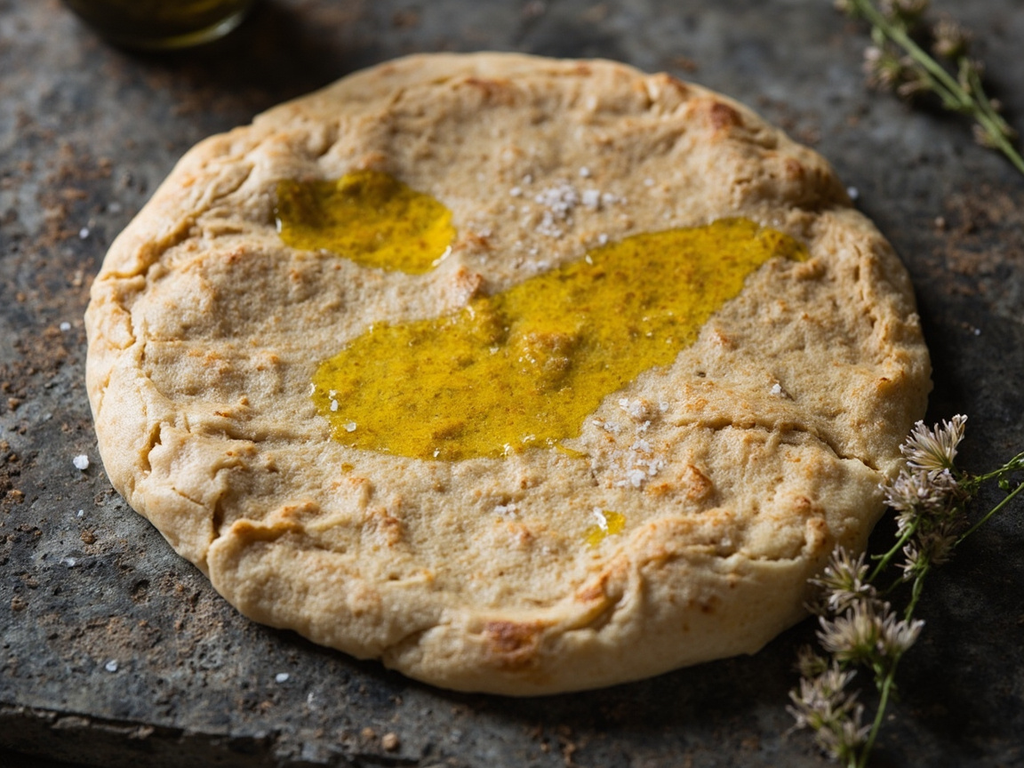
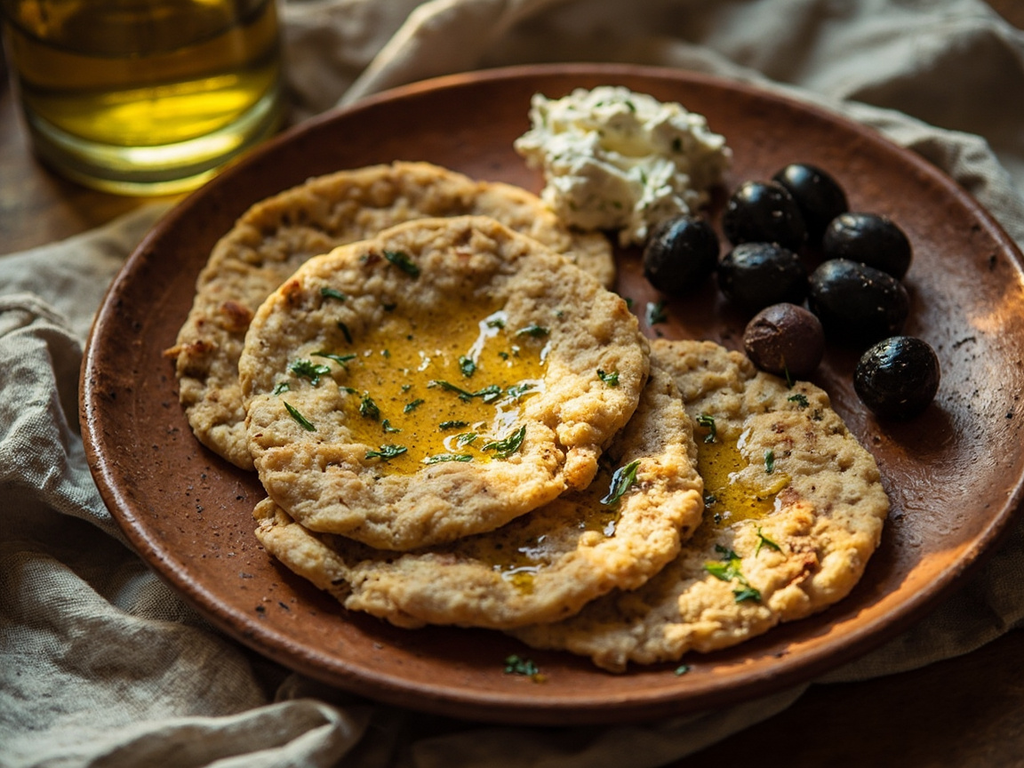
A toasted barley flour, kneaded with water and a drizzle of olive oil, shaped into a barely cooked flat cake: nourishing, rustic, slightly bitter, it is the silent heart of every Greek meal.
Come close, and do not scorn this humble cake: before my lyre awakens and we call upon the Muses, it is this that satisfies. I take barley toasted over the fire, I sprinkle it with a little spring water and the oil from our Lesbos olive trees, and I knead it with the flat of my hand until it holds together. My companions break it with me under the portico, facing the sea; it has not the sweetness of honey, but it has the patient taste of our land.
- •Toasted barley flour — two full handfuls (grain base)
- •Spring water — enough to bind (binder)
- •Olive oil — a drizzle (binder and flavor)
- •Sea salt — a pinch (seasoning)
Maza, the everyday barley cake
A toasted barley flour, kneaded with water and a drizzle of olive oil, shaped into a barely cooked flat cake: nourishing, rustic, slightly bitter, it is the silent heart of every Greek meal.
Why this dish? Barley is the ordinary grain of Aegean Greece: on Lesbos as everywhere, maza feeds the aristocracy daily much more often than wheat bread, which is rarer and costlier. It is Sappho's table bread, the one broken before taking up the lyre.
Come close, and do not scorn this humble cake: before my lyre awakens and we call upon the Muses, it is this that satisfies. I take barley toasted over the fire, I sprinkle it with a little spring water and the oil from our Lesbos olive trees, and I knead it with the flat of my hand until it holds together. My companions break it with me under the portico, facing the sea; it has not the sweetness of honey, but it has the patient taste of our land.
Ingredients (period version)
- Toasted barley flour — two full handfuls (grain base)
- Spring water — enough to bind (binder)
- Olive oil — a drizzle (binder and flavor)
- Sea salt — a pinch (seasoning)
Ingredients
- Barley flour — 200 g (grain base)
- Warm water — about 120 ml (binder)
- Extra virgin olive oil — 2 tbsp (binder and flavor)
- Fine salt — 1 pinch (seasoning)
Method
- Toast the barley flour in a dry pan for a few minutes, stirring, until it smells nutty.
- Pour the cooled flour into a bowl, add the salt.
- Add the olive oil, then the warm water little by little, kneading by hand until a soft but firm dough forms.
- Shape into flat cakes about half a centimeter thick.
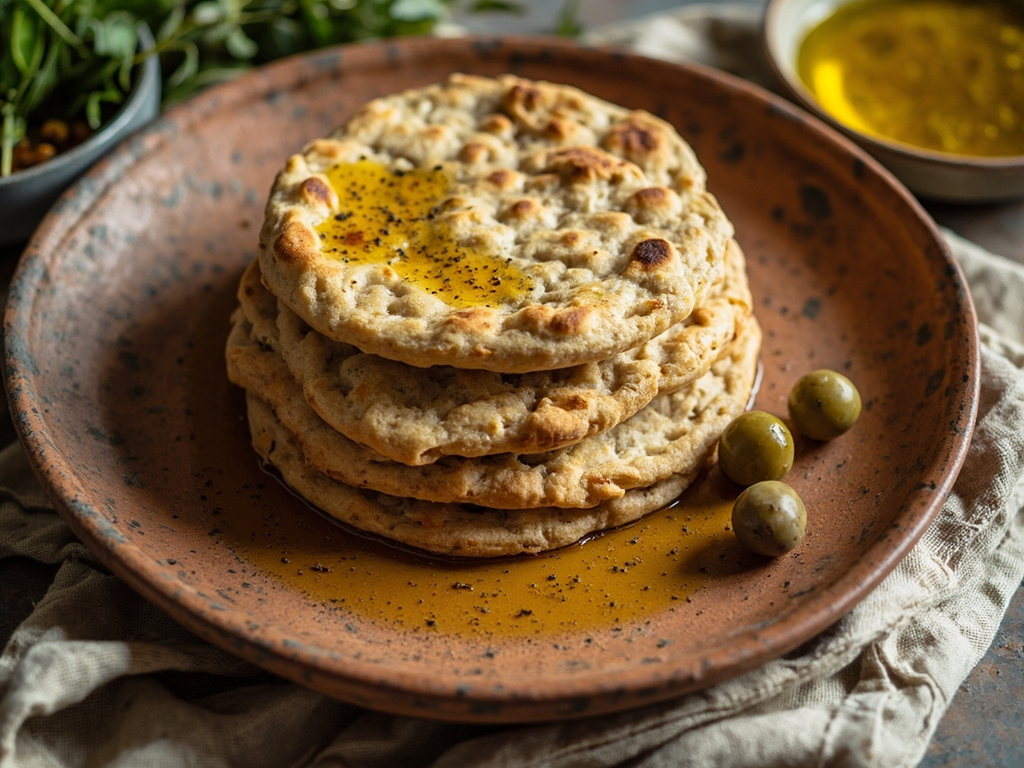
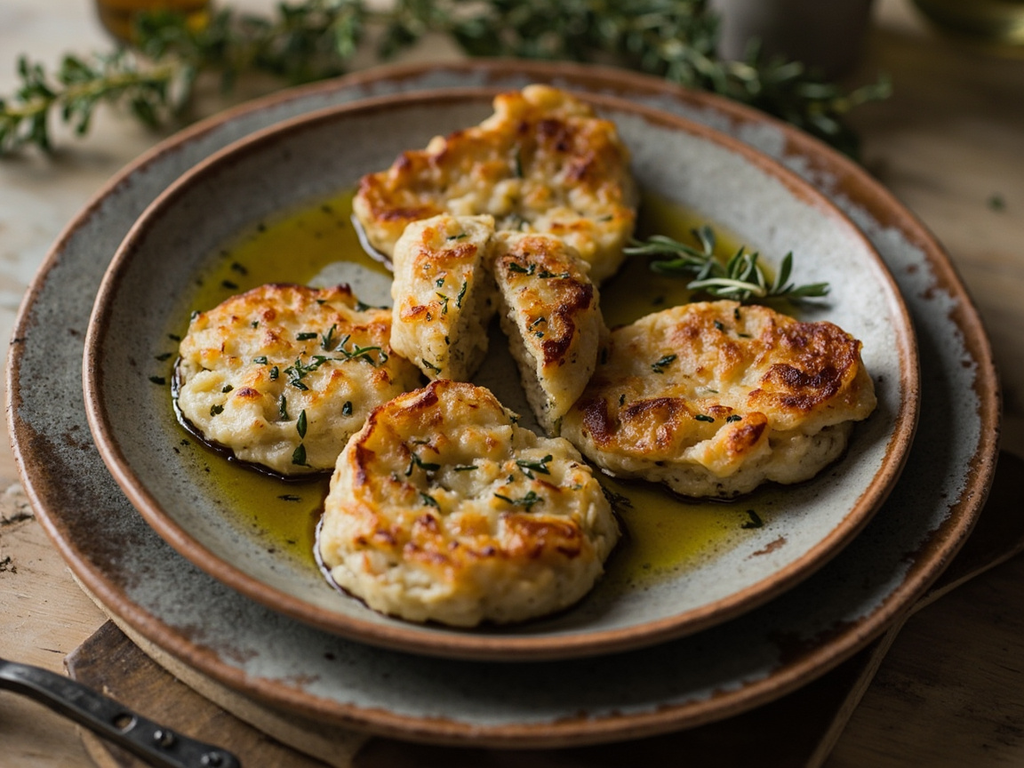
- Cook for 3–4 minutes per side on a hot griddle or pan, without fat, until lightly golden marks appear.
How it was made : Barley was toasted before grinding: the alphita, toasted barley flour, kept better and needed no long cooking. Many maza were not even cooked on the fire but simply kneaded and eaten as is, like a thick paste.
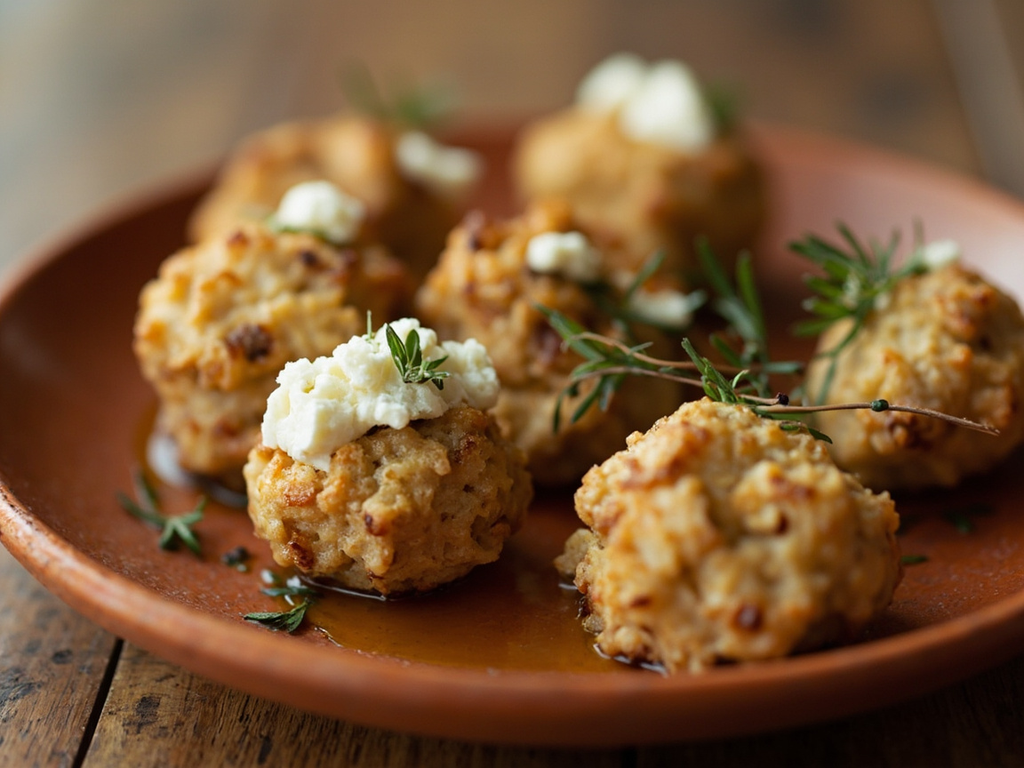
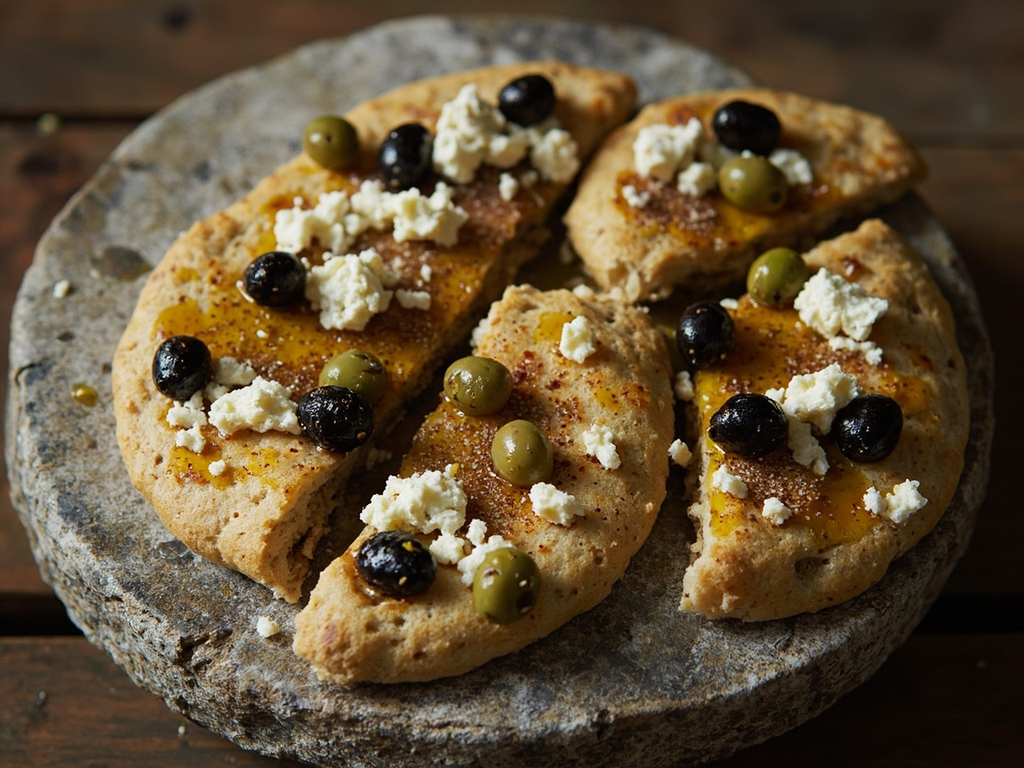
The contemporary twist : Serve warm, broken into pieces, with a drizzle of new olive oil and a little fresh thyme, like a sharing bread for an aperitif.
Sappho · Charactorium