 flip
flipSoused herrings — fish marinated in verjuice and spices for lean days
Soused herrings — fish marinated in verjuice and spices for lean days
Why this dish? The note records: Hobbes ate fish 'especially on religious days'. England preserved by law the lean days (Fridays, Lent), when meat gave way to fish — often soused, that is, marinated in an acidic broth that preserved it for several days.
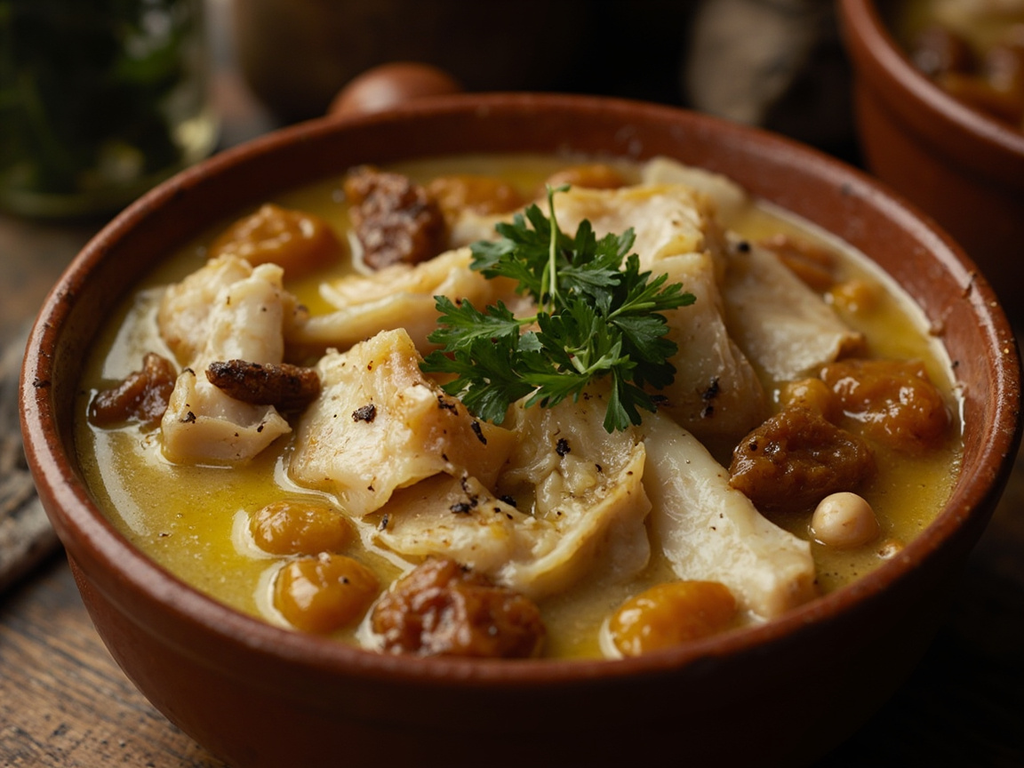
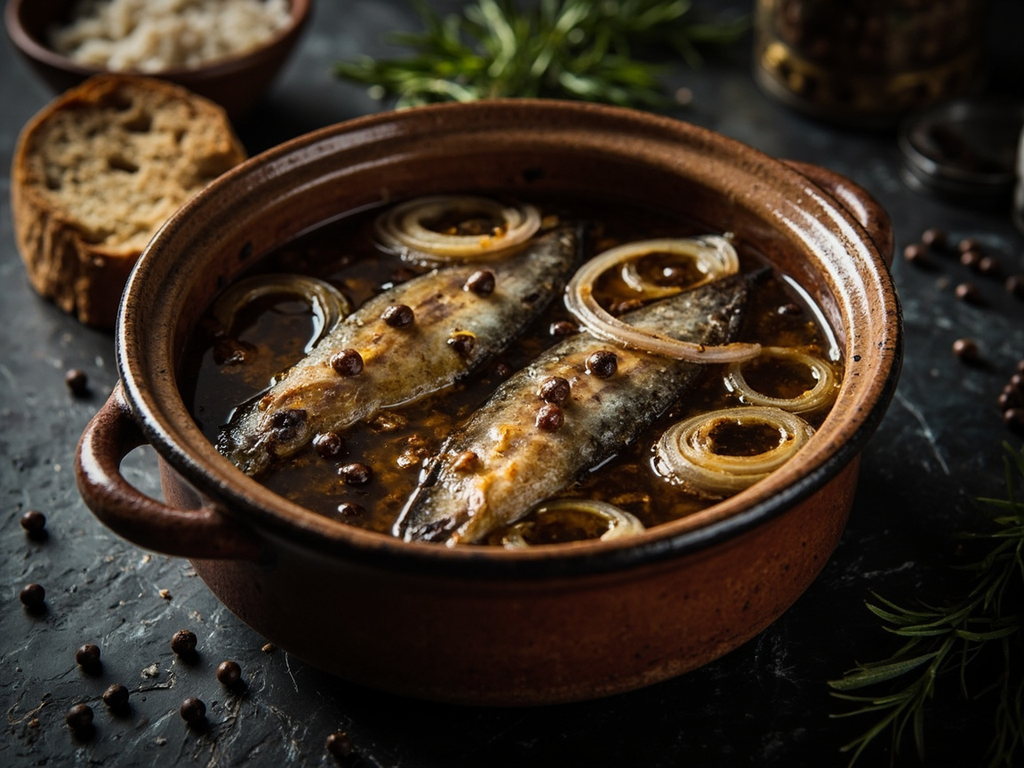
Herrings (or mackerel) poached then left to marinate in a broth of verjuice or spiced vinegar. An acidic preparation that preserves and flavours the fish, eaten cold on meatless days.
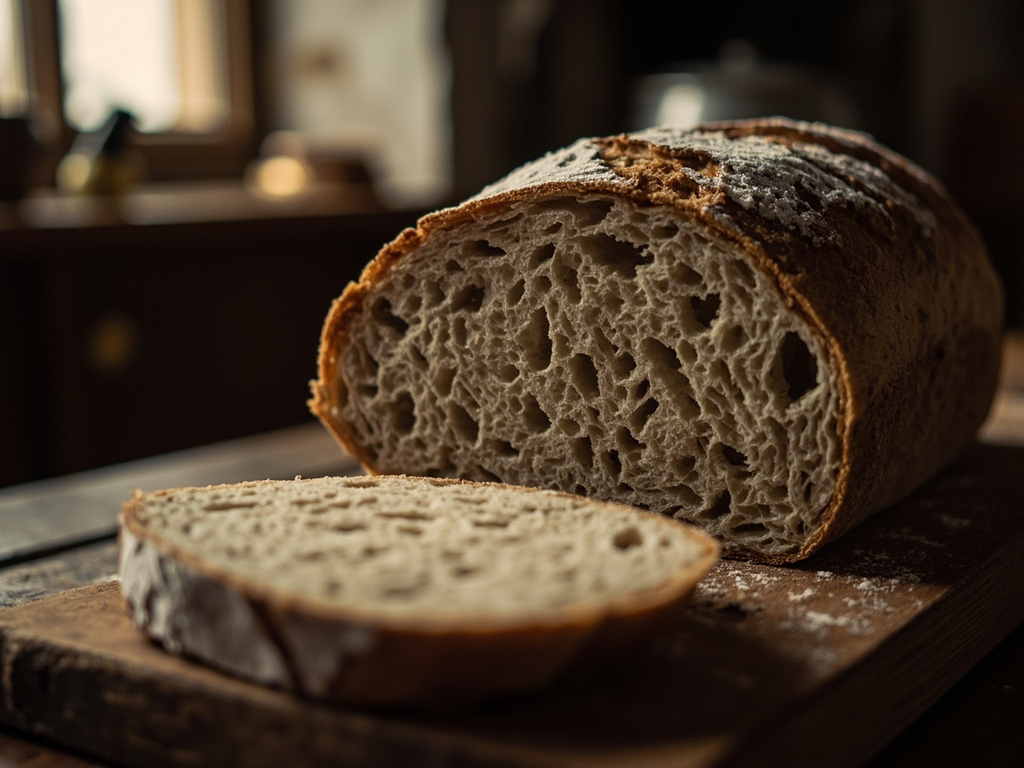
The laws of the realm required one to eat lean on certain days — less, I wager, out of piety than to support our fishermen and our ships. So be it; I complied willingly, for obedience to civil laws makes common peace. One poached the herring, then laid it in its broth soured with verjuice, enlivened with mace and a few berries, and left it there two or three days. Cold, with a crust of coarse bread, it makes a sober and long-keeping dinner — and sobriety, believe me, is the mother of long life.
- •Fresh herrings (or mackerel) — a few (fish)
- •Verjuice (green grape juice) or cider vinegar — as needed (acidic preservative)
- •Mace, clove, peppercorns, bay leaf — a pinch (spices)
- •Sliced onion — one (aromatic)
- •Salt — to taste (preservation)
Soused herrings — fish marinated in verjuice and spices for lean days
Herrings (or mackerel) poached then left to marinate in a broth of verjuice or spiced vinegar. An acidic preparation that preserves and flavours the fish, eaten cold on meatless days.
Why this dish? The note records: Hobbes ate fish 'especially on religious days'. England preserved by law the lean days (Fridays, Lent), when meat gave way to fish — often soused, that is, marinated in an acidic broth that preserved it for several days.
The laws of the realm required one to eat lean on certain days — less, I wager, out of piety than to support our fishermen and our ships. So be it; I complied willingly, for obedience to civil laws makes common peace. One poached the herring, then laid it in its broth soured with verjuice, enlivened with mace and a few berries, and left it there two or three days. Cold, with a crust of coarse bread, it makes a sober and long-keeping dinner — and sobriety, believe me, is the mother of long life.
Ingredients (period version)
- Fresh herrings (or mackerel) — a few (fish)
- Verjuice (green grape juice) or cider vinegar — as needed (acidic preservative)
- Mace, clove, peppercorns, bay leaf — a pinch (spices)
- Sliced onion — one (aromatic)
- Salt — to taste (preservation)
Ingredients
- Mackerel or herring fillets — 4 fillets (fish)
- Cider vinegar (+ a little verjuice if possible) — 200 ml (acidic agent)
- Water — 200 ml (broth)
- Mace, 4 cloves, peppercorns, 1 bay leaf — 1 tsp spices (spices)
- Onion in thin rings — 1 (aromatic)
- Salt — 1 tsp (preservation/flavour)
Method
- Bring water, vinegar, salt, spices, bay leaf and onion to a simmer; let infuse 10 min.
- Place the fish fillets in the hot broth, poach gently for 5-6 min without strong boiling.
- Carefully transfer fish and broth to a container; let cool.
- Cover and refrigerate at least 24 h (up to 3 days): the fish absorbs flavour and is preserved.
- Serve cold, with its marinated onion and rye bread.
How it was made : 'Sousing' refers to the acidic marinade that preserved fish and some meats before refrigeration. Tudor and Stuart England enforced 'fish days' by law, as much for religion as to support the navy and fishing industry.
The contemporary twist : Served on a buttered rye toast with a little dill: a 'rollmop' with baroque inspiration, perfect as a fresh starter.
Sources : Gervase Markham, The English Huswife (1615) · Robert May, The Accomplisht Cook (1660)
Thomas Hobbes · Charactorium