Kids interview Al-Ghazali
by Charactorium · Al-Ghazali (1056 — 1111) · Literature · Philosophy · 5 min read
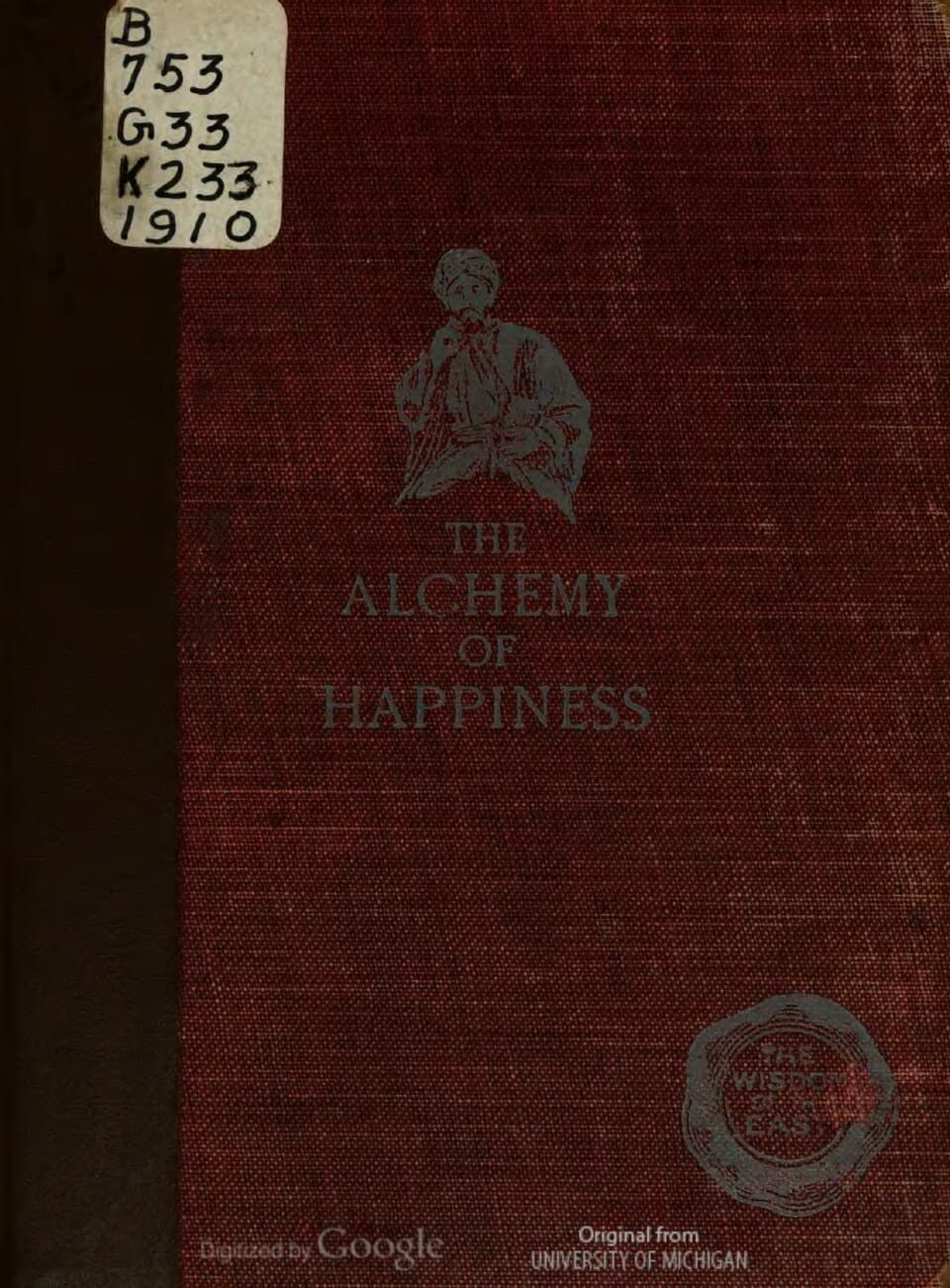
Two twelve-year-old students walk through the door of an imaginary madrasa, where books smell of leather and ink. An old master in a woolen cloak awaits them, sitting cross-legged. He smiles: no one so young had ever come to ask him questions.
—How old were you when you became a teacher in Baghdad?
You know, I was a little over thirty, which was huge for that time. I was appointed to the Nizamiyya of Baghdad, the greatest school in all the East. Picture a packed hall, three hundred students sitting on the floor, from the ground to the back, each jotting down your every word. The vizier Nizam al-Mulk himself had chosen me. I was at the top, my child. Everyone knew me. And yet, deep inside, something was already scratching. Like a small pebble in your shoe: at first you walk anyway, but eventually it makes you limp.
A small pebble in your shoe always ends up making you limp.
—Is it true that your voice just stopped one day?
Yes, and it was the strangest day of my life. I was at the lectern, before my students, and suddenly the words wouldn't come out. My mouth opened, but nothing. Imagine wanting to call someone and your throat closes like a door. For me, that silence was a message: I was reciting knowledge I had not yet lived in my heart. So in 1095, I left Baghdad in secret. I let people believe I was going on pilgrimage. In truth, I was fleeing my own fame to go seek the truth. I told all this later in a book, Deliverance from Error.
I was reciting knowledge I had not yet lived in my heart.
—Where did you go after that? And how did you sleep?
I walked for almost ten years, my child, from city to city: Damascus, Jerusalem, Mecca. In Damascus, I settled in a corner of the Great Mosque, sometimes at the top of a minaret, in a small cold cell. I had left my fine professor's robes. Instead, I wore the khirqa, a rough woolen cloak that scratches the skin, the one of God's beggars. I kept only my manuscripts and what I needed for prayer. Imagine: yesterday everyone bowed before you, and today no one knows who you are. It was hard. But for the first time, I was free.
Yesterday everyone bowed, today no one knows who you are: that's freedom.
—What did you eat during all that time on the road?
Oh, not much, and that was intentional! Barley bread, a few dates, a little milk, water. In the morning, I would get up before dawn for the prayer called fajr. Then I would write, sitting cross-legged, my reed cut by hand—we called it the qalam—dipped in ink. I say in my great book: when your belly is too full, your head becomes heavy and lazy. Eating little keeps the mind clear, like wiping a lamp so it shines brighter. Gluttony, on the other hand, extinguishes the little flame within.
Eating little is like wiping the lamp so it shines brighter.
—What is a philosopher? And why did you criticize them?
Good question! In my time, we called falsafa the great thought of the Greeks, transmitted by scholars like Ibn Sina—you can say Avicenna. Very intelligent people, believe me. But I found they were mistaken about huge things, like believing the world has always existed, without beginning. So I wrote a book, the Tahafut al-Falasifa, which means “The Incoherence of the Philosophers.” I wanted to show, point by point, where their reasoning cracked. Imagine a magnificent wall, very high, very straight—but a few stones at the bottom are poorly placed. That's what I wanted to show them.
A wall can be magnificent and still collapse: it all depends on the stones at the bottom.
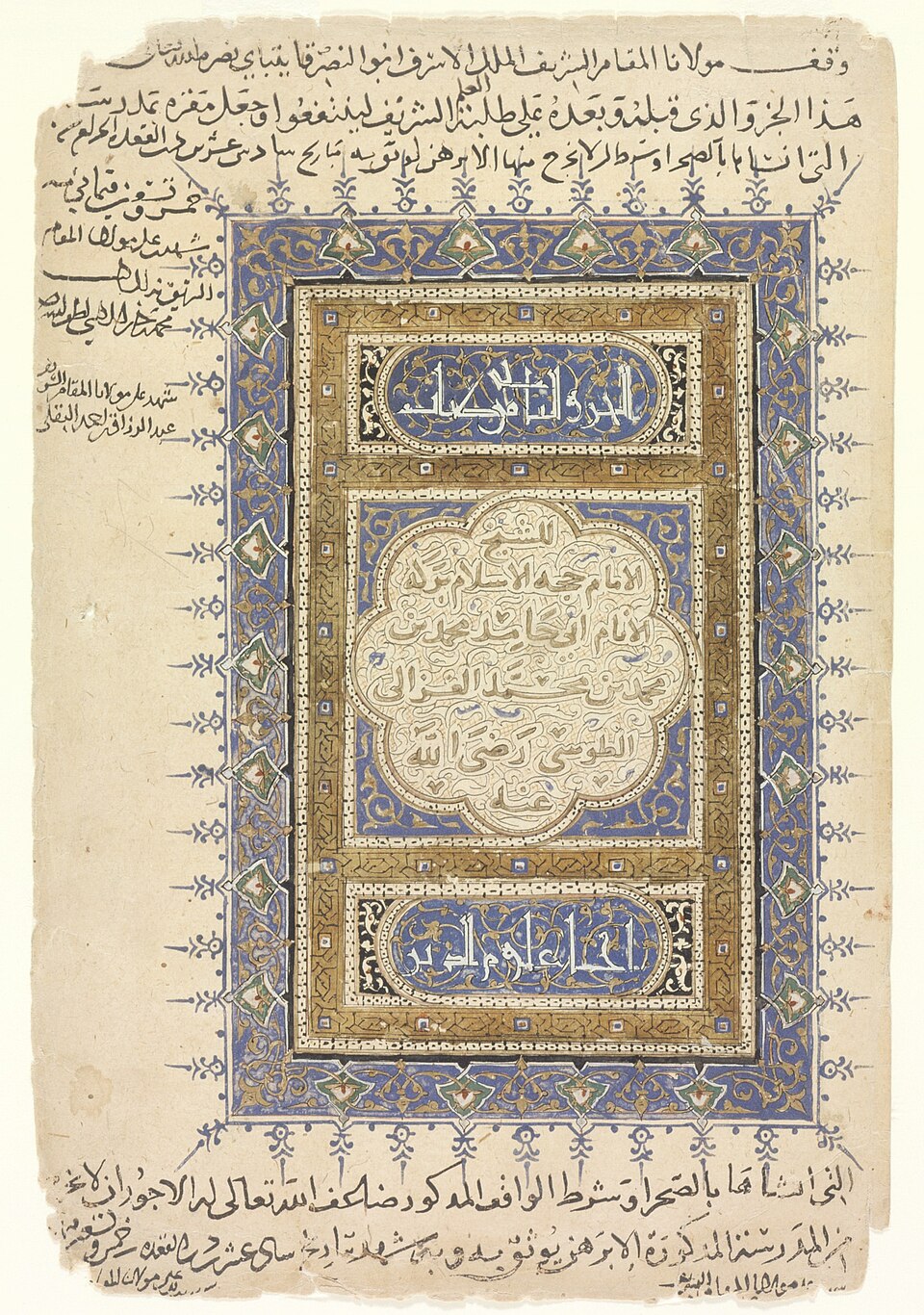
—But before criticizing them, did you first learn what they thought?
Exactly, and that's very important! You cannot criticize what you don't understand. So I first wrote another book, the Maqasid al-Falasifa, where I calmly explained, without mocking, everything the philosophers thought. I wanted to know them better than they knew themselves. Only then did I dare contradict them. You know what's funny? Much later, a scholar from Spain, Ibn Rushd—Averroes—wrote an entire book to answer me and defend the philosophers! We disagreed, but what a beautiful debate. Disputing with ideas, never with sticks, that is true nobility.
You cannot criticize what you have not first understood better than yourself.
—So what's the point of reading lots of books if you criticize knowledge?
Ah, I don't criticize knowledge, my child—I spent my life in books! But I understood one thing: knowledge without action is like knowing the recipe for good bread by heart without ever putting your hands in the flour. It feeds no one. In my letter to a young disciple, O Young Man!, I say it clearly: science without action is useless. There is the science of books, yes, but there is also the science of the heart—learning to become good, patient, honest. And that, no manuscript will give you on its own. You have to live it.
Knowing without acting is like knowing the recipe for bread without ever touching the flour.
—In the evening, once your books were written, what did you do?
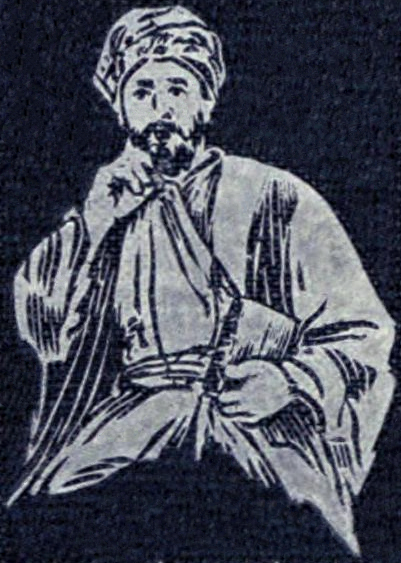
After the evening prayer, I would sit, alone or with a few companions, for the dhikr. That is softly repeating the names of God, over and over, until the heart calms. I would slide a string of beads through my fingers, a masbaha. Imagine a night with no noise—no engine, no light other than a small oil lamp that crackles. Just your voice murmuring. It was there, in that calm, that I felt most alive. By day you fill your head; by night you clean your heart. The two go together, like your two hands.
By day you fill your head, by night you clean your heart.
—Is it true that one of your books was burned in a public square?
Alas, yes, and it pained me. My greatest book, the Revival of the Religious Sciences, several dozen volumes that I had written with all my heart. Far from here, in the Maghreb, in Cordoba and Marrakech, a sultan found it dangerous. He ordered it to be set on fire, in public, in the squares. Imagine seeing years of your work go up in smoke before the crowd. They thought I talked too much about the mystics, those who seek God through the heart. But you know, you can burn paper; you cannot burn an idea. That book is still studied today.
You can burn paper; you can never burn an idea.
—Did it make you sad or angry that people hated you like that?
A bit of both, I admit. But I had learned not to cling too much to people's judgment. You see, I was the most adored master, then a beggar no one recognized, then an author whose books were burned. Praise, oblivion, anger: all pass, like clouds over Tus, my hometown, where I finally returned to end my days. What remains is what you have done that is good and true. So no, I held no grudge. I wrote, I prayed, I continued. The rest I let slide off, like water off the wool of my old cloak.
Praise, oblivion, anger: all pass like clouds; what is true remains.
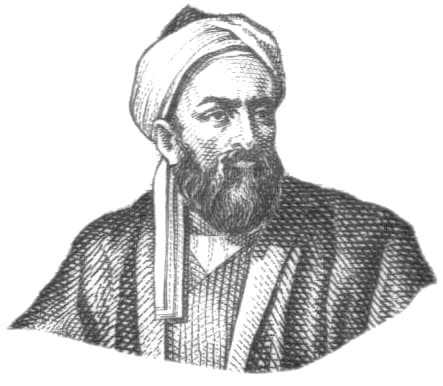
This imaginary interview was generated by artificial intelligence from sources documented in Al-Ghazali's profile. It dramatises what the figure might have said based on what we know about them, but does not constitute attested historical testimony. For primary sources and factual documentation, refer to the full profile.