The Abolition of Slavery
Rebellious slaves, abolitionists and lawmakers who fought the slave trade and slavery from the 18th to 19th century.
24 characters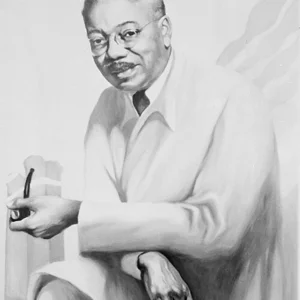
24 characters
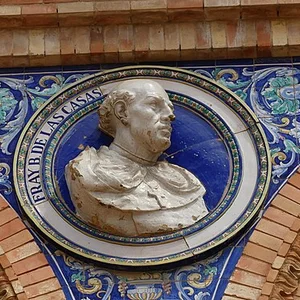
Bartolomé de las Casas
1484 — 1566
Spanish Dominican friar (1474–1566) who devoted his life to defending the rights of Indigenous peoples against the abuses of the conquistadors. He denounced the atrocities committed during the Spanish colonization of the Americas and argued for the humanity of Native peoples before the Spanish Crown.
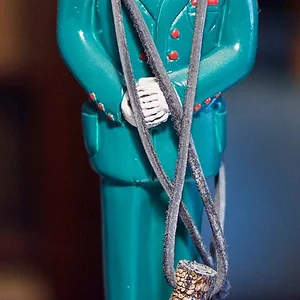
Baron Samedi
Baron Samedi is the loa of death in Haitian Vodou. Depicted in undertaker's attire — top hat and dark glasses — he is the guardian of the passage between the living and the dead. An ambivalent figure, at once protector and obscene trickster, he embodies the boundary between life and death.
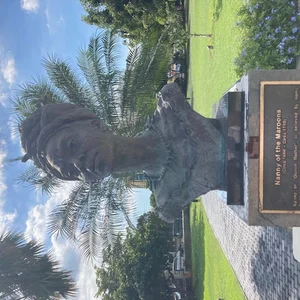
Nanny of the Maroons
A central figure of Maroon resistance in Jamaica during the 18th century, Nanny led the Windward Maroons from their stronghold in the Blue Mountains. A warrior and spiritual leader of Akan origin (present-day Ghana), she led the struggle against British colonial slavery for decades. A Jamaican national heroine, her life is transmitted primarily through Maroon oral tradition.
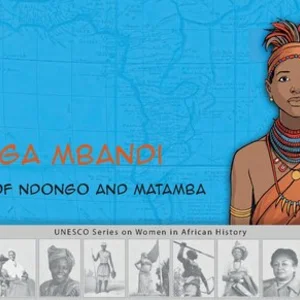
Njinga of Matamba
Warrior queen of Angola (c. 1583–1663), Njinga of Matamba fiercely resisted Portuguese colonization in Central Africa. A skilled diplomat, she negotiated directly with the Portuguese while forging alliances with the Dutch. She ruled the kingdom of Matamba for more than thirty years.
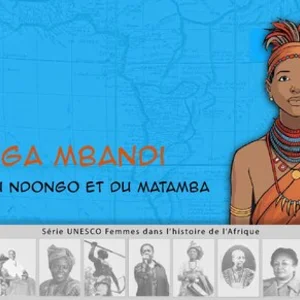
Nzinga Mbandi
Queen of Ndongo and later Matamba (Mbundu people, present-day Angola), Nzinga Mbandi was a formidable political and military strategist who resisted Portuguese expansionism and the Atlantic slave trade throughout the 17th century. An iconic figure of pre-colonial African resistance, she negotiated, waged war, and allied with the Dutch to defend her people's sovereignty.
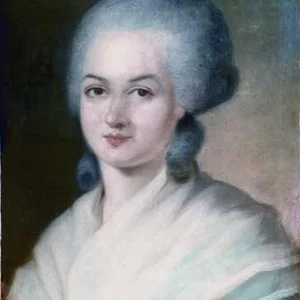
Olympe de Gouges
1748 — 1793
French author, politician and pamphleteer (1748–1793), Olympe de Gouges campaigned for women's rights and the abolition of slavery during the French Revolution. She wrote the Declaration of the Rights of Woman and of the Female Citizen in 1791, a founding document of feminism.
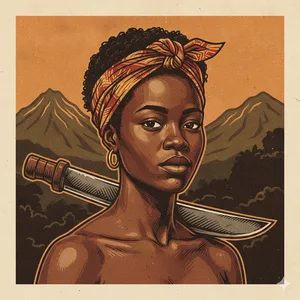
Solitude
1772 — 1802
Born around 1772 in Guadeloupe to an enslaved African mother, Solitude joined the mixed-race insurgents during the armed resistance against the restoration of slavery decreed by Bonaparte in 1802. Pregnant, she fought until her capture and was hanged the day after giving birth, on November 29, 1802. Her story, passed down through Creole and Caribbean oral tradition, has made her an emblematic figure of resistance against colonial oppression.
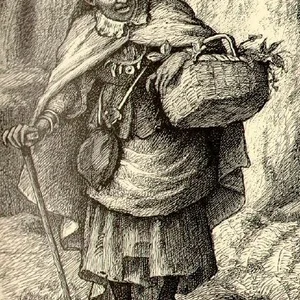
Tituba
1659 — ?
An enslaved woman of Native American or Caribbean origin (probably Arawak), owned by Reverend Samuel Parris in Salem. In 1692, she was the first accused to confess to witchcraft, triggering the spiral of the Salem witch trials.
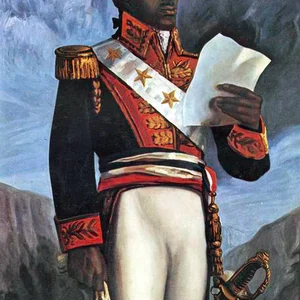
Toussaint Louverture
1743 — 1803
A freed slave and Haitian military leader (1743–1803), Toussaint Louverture led the Haitian Revolution and abolished slavery in Saint-Domingue. An iconic figure in the fight for freedom, he transformed a slave colony into the first independent Black republic.
Aaron Douglas
1899 — 1979
Aaron Douglas was an African American painter and illustrator, a major figure of the Harlem Renaissance. Nicknamed the “father of African American art,” he developed a style blending geometric patterns, silhouettes, and references to African art to celebrate Black history and identity.
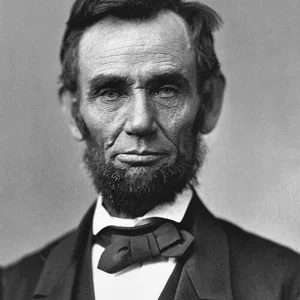
Abraham Lincoln
1809 — 1865
Abraham Lincoln (1809-1865) was the 16th President of the United States. He led the country through the Civil War and abolished slavery in the United States in 1863 with the Emancipation Proclamation.
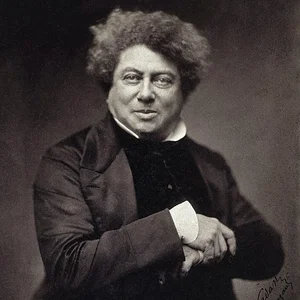
Alexandre Dumas
1802 — 1870
French writer and playwright (1802–1870), author of adventure novels and popular serialized fiction. Father of Alexandre Dumas fils, he is considered a master of the historical and adventure novel in the 19th century.
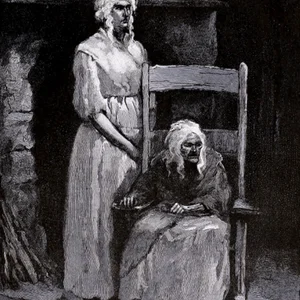
Marie Laveau
1801 — 1881
Marie Laveau (c. 1801–1881) was the famous 'Voodoo Queen' of New Orleans. A free woman of color, she practiced Louisiana Voodoo, blending African and Caribbean traditions with Creole Catholicism. Her spiritual and social influence in Louisiana's Afro-Creole community remains legendary.
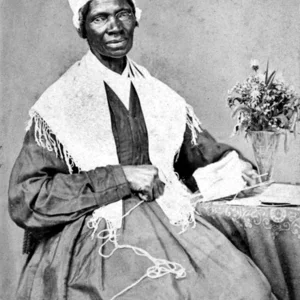
Sojourner Truth
1797 — 1883
African-American abolitionist and women's rights activist
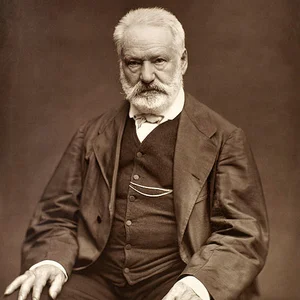
Victor Hugo
1802 — 1885
A major French writer of the 19th century, Victor Hugo (1802–1885) is the author of iconic novels such as Les Misérables and The Hunchback of Notre-Dame. Poet, playwright, and committed politician, he championed the rights of the poor and fought against the death penalty.
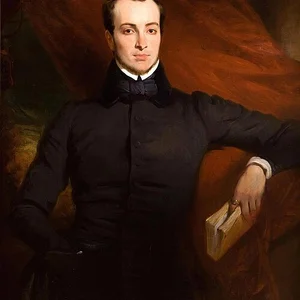
Victor Schoelcher
1804 — 1893
French politician (1804–1893), Victor Schœlcher was one of the greatest abolitionists of the 19th century. He played a decisive role in the abolition of slavery in France in 1848, serving as secretary of the Commission for the Abolition of Slavery.
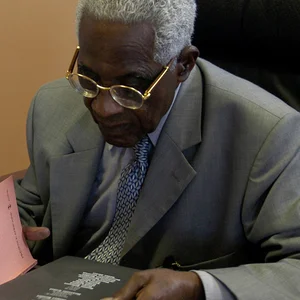
Aimé Césaire
1913 — 2008
Martinican writer, poet and politician (1913-2008), founder of the Négritude movement. He served as mayor of Fort-de-France and deputy of Martinique, combining literary commitment with political action to defend the rights of colonized peoples.
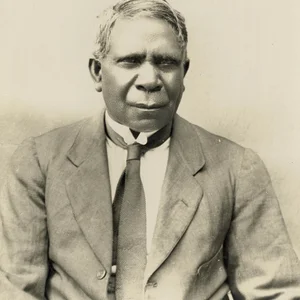
David Unaipon
1872 — 1967
David Unaipon, son of a Ngarrindjeri preacher, was the first Indigenous Australian to publish a literary work and to file invention patents. Nicknamed the 'Australian Leonardo da Vinci', he notably designed a mechanical shearing handpiece and worked on flight prototypes inspired by the boomerang. His portrait has appeared on the Australian $50 note since 1995.
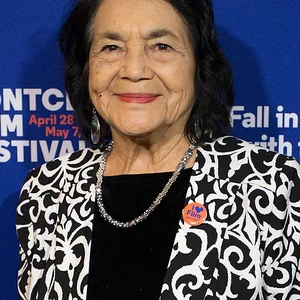
Dolores Huerta
1930 — ?
Dolores Huerta, born in 1930 in New Mexico, is an American labor and civil rights activist. Co-founder alongside César Chávez of the United Farm Workers (UFW), she championed the rights of migrant farmworkers, predominantly Latino. Her slogan “Sí, se puede!” has become a global symbol of the struggle for social justice.
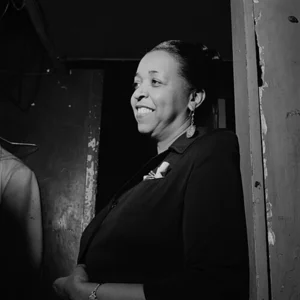
Ethel Waters
1896 — 1977
Ethel Waters (1896-1977) was an African American singer and actress. A pioneer of jazz and vocal blues, she broke racial barriers on Broadway, in film, and on American television, becoming one of the most famous Black artists of the first half of the 20th century.
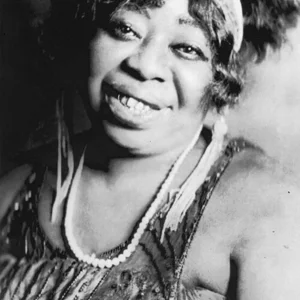
Ma Rainey
1886 — 1939
American blues singer, known as the "Mother of the Blues." A pioneer of classic blues, she was one of the first African American artists to record records in the 1920s and influenced an entire generation of female singers.
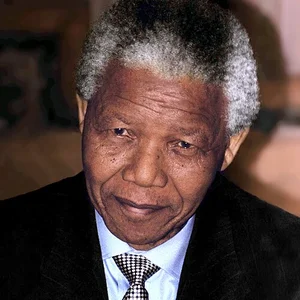
Nelson Mandela
1918 — 2013
South African political leader (1918–2013), founding figure of the struggle against apartheid and first Black president of South Africa. Imprisoned for 27 years for his revolutionary activities, he became a symbol of reconciliation and democratic transition in his country.
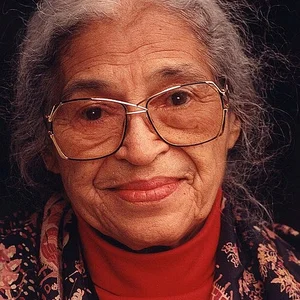
Rosa Parks
1913 — 2005
Rosa Parks was an African American civil rights activist, born in 1913 in Alabama. She became famous in 1955 for refusing to give up her seat to a white passenger on a bus in Montgomery — an act of civil disobedience that sparked the Montgomery Bus Boycott and helped accelerate the end of racial segregation in the United States.
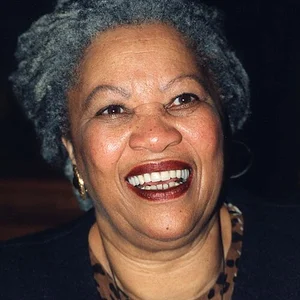
Toni Morrison
1931 — 2019
A towering figure of 20th-century African American literature, Toni Morrison wrote landmark novels exploring the Black American experience, particularly slavery and its lasting trauma. She received the Nobel Prize in Literature in 1993, becoming the first Black woman to be awarded that honor.