 flip
flipLamb Qaliya with Verjuice and Quince
Lamb Qaliya with Verjuice and Quince
Why this dish? At the court tables of Ghazni, where Al-Biruni lived under the Ghaznavids, lamb stewed with fruit and verjuice was the dish for receptions and scholars' banquets. The blend of sweet-sour and spice was the great luxury of refined Persian cuisine.
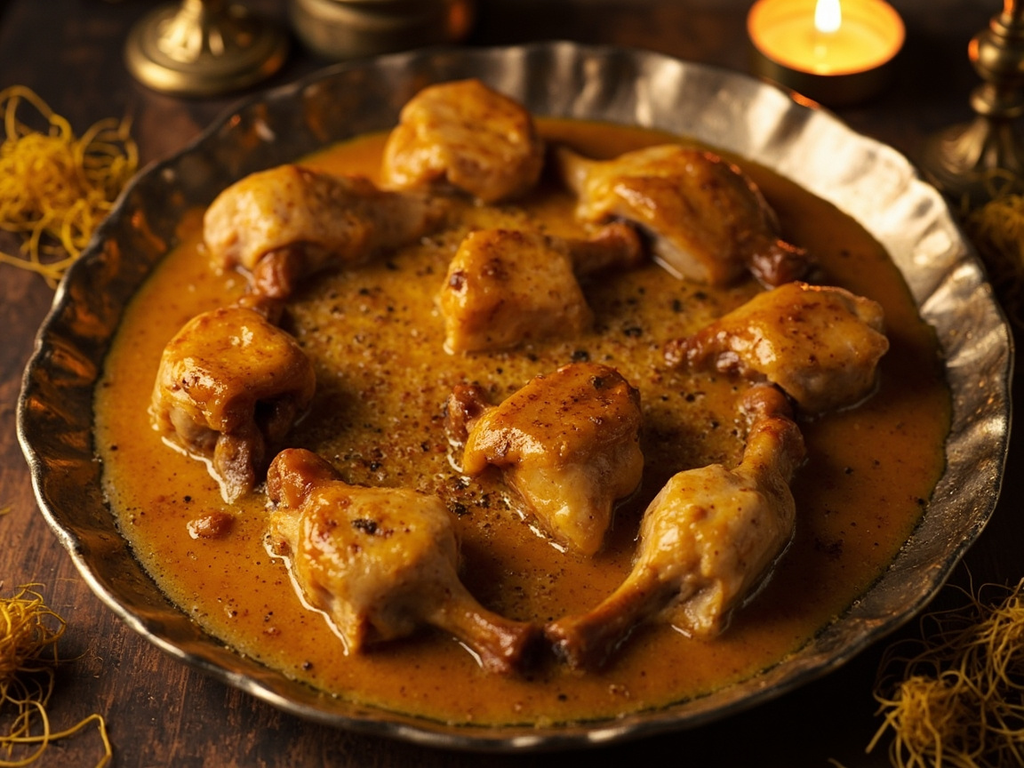
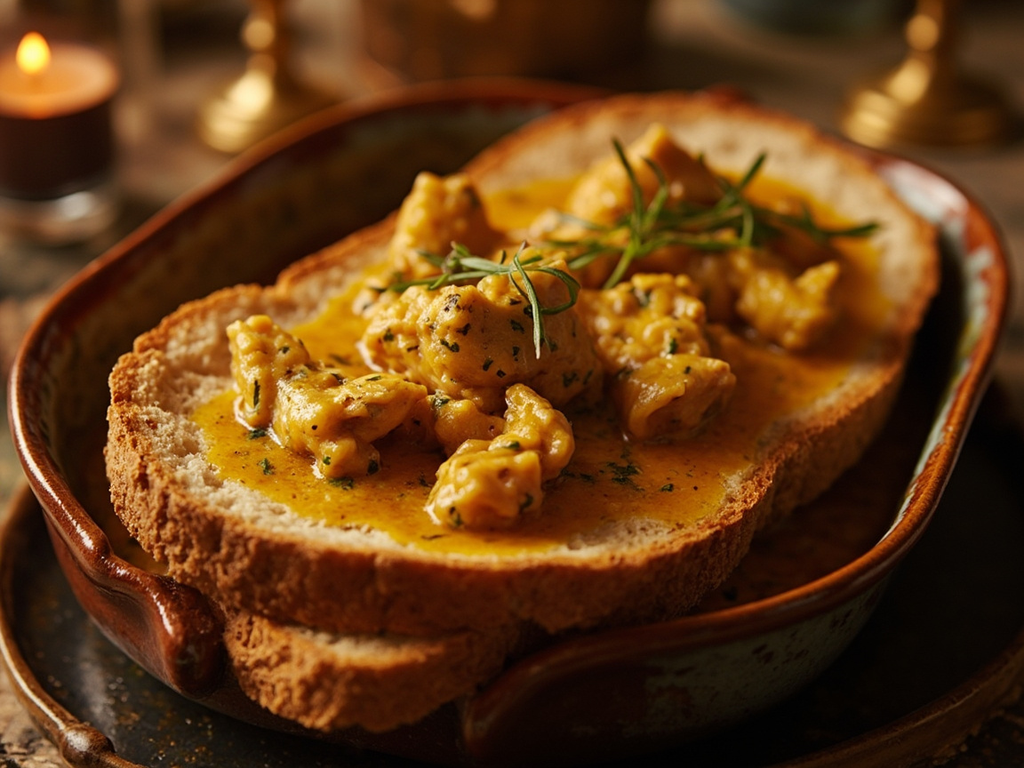
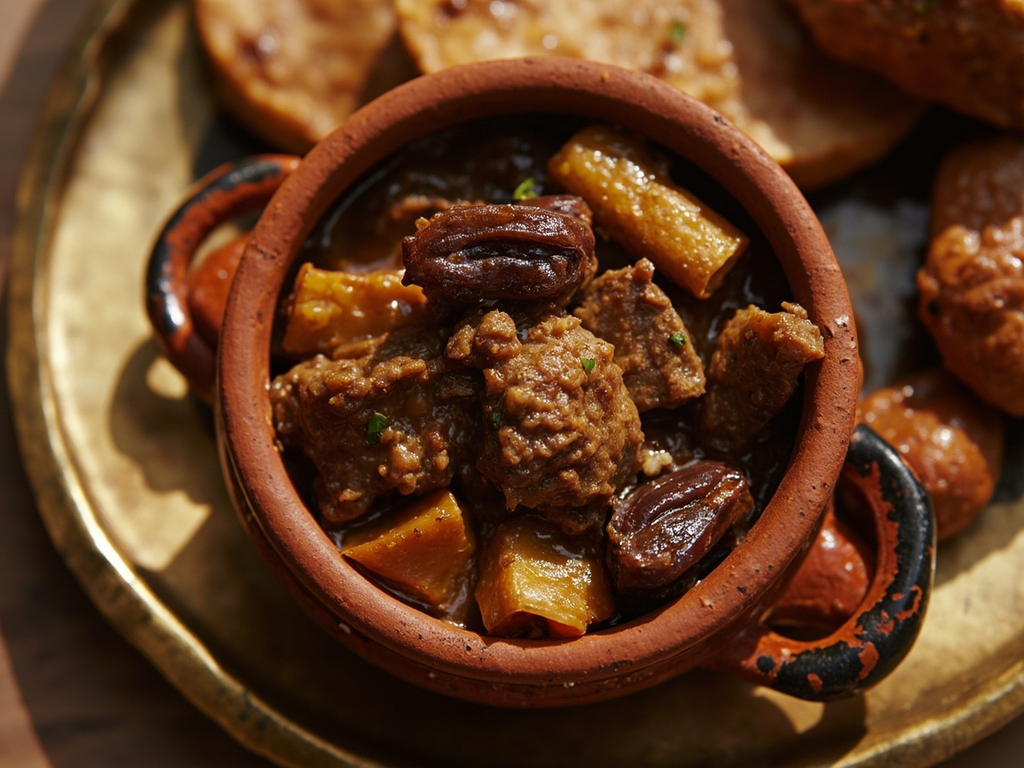
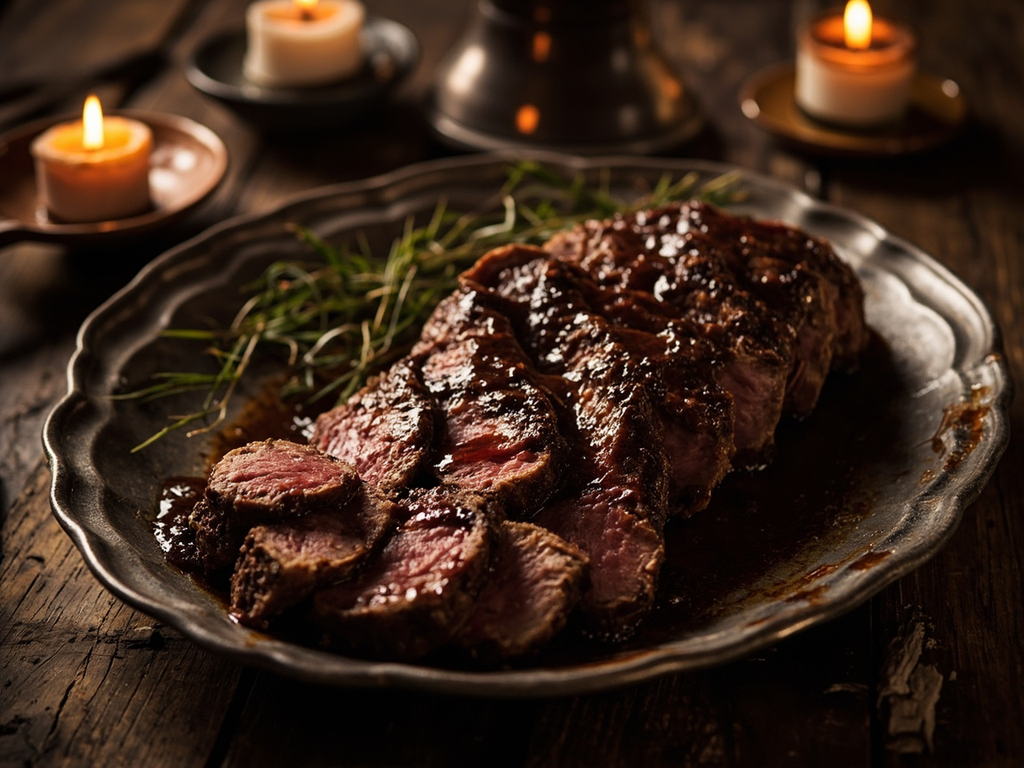
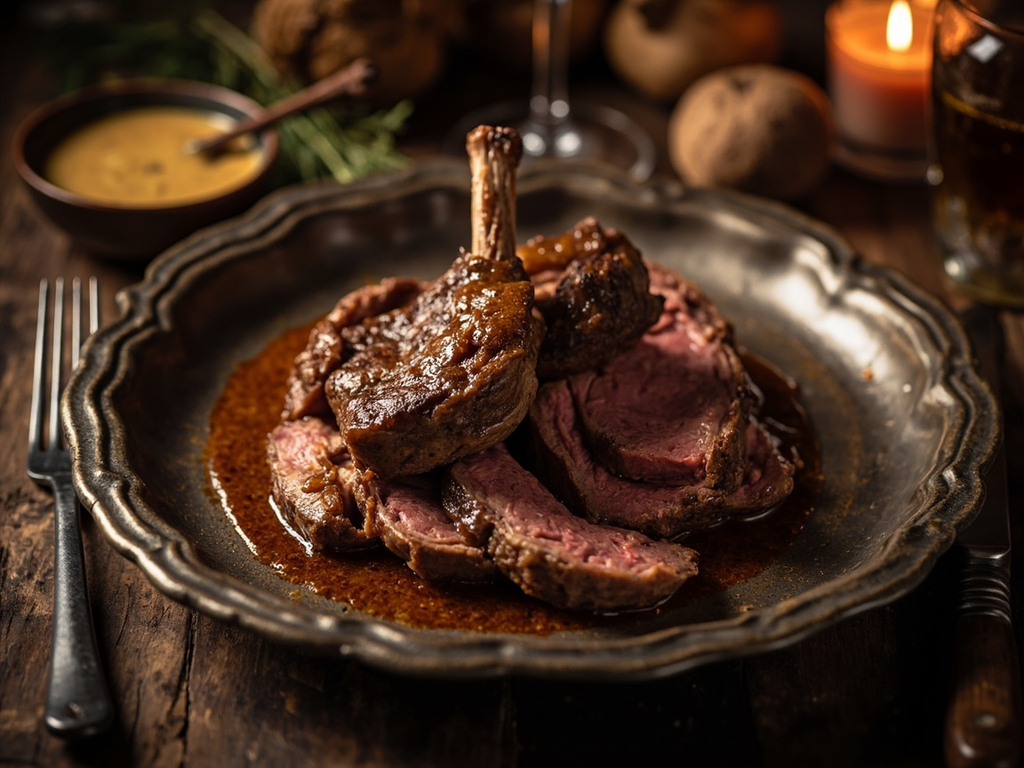
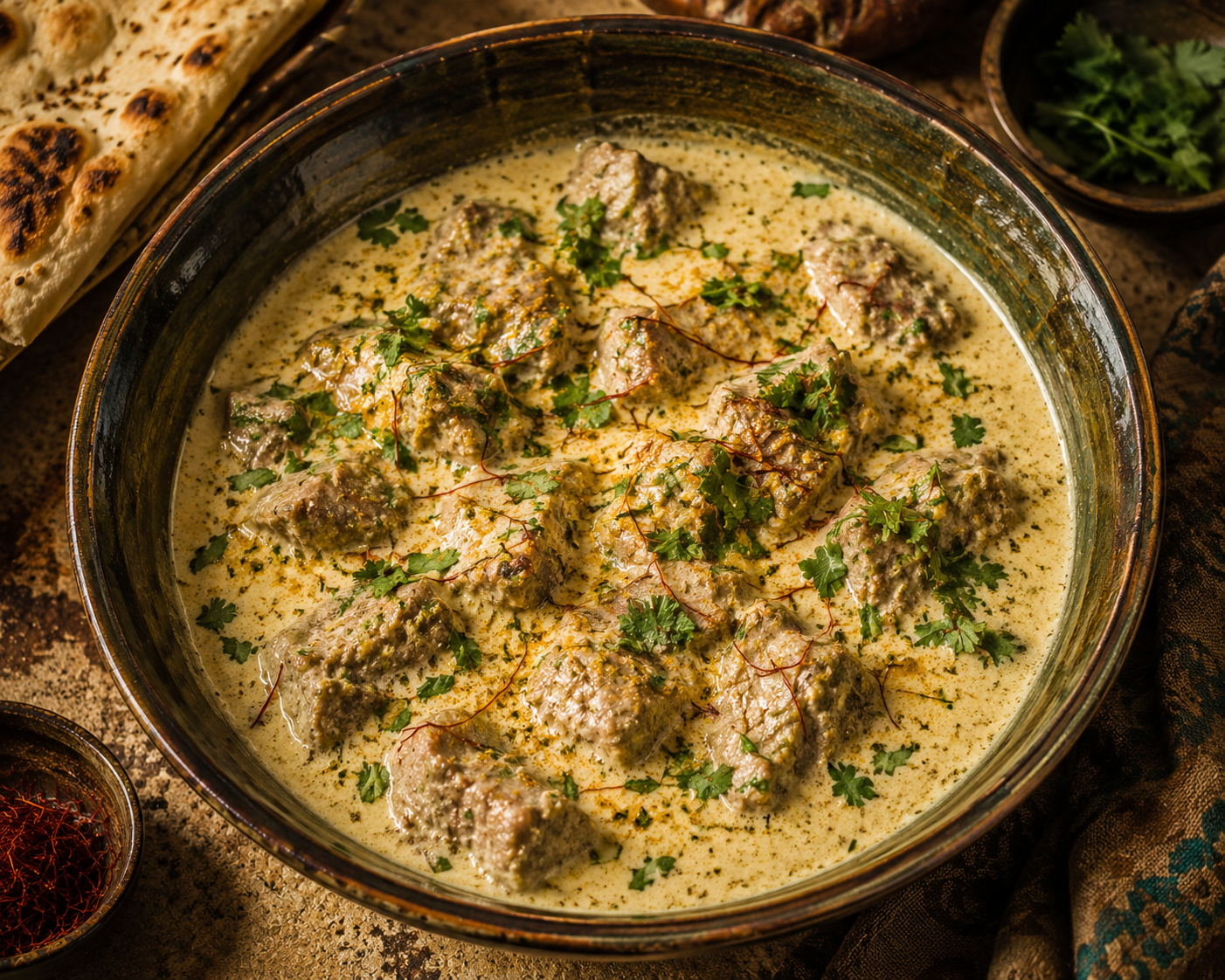
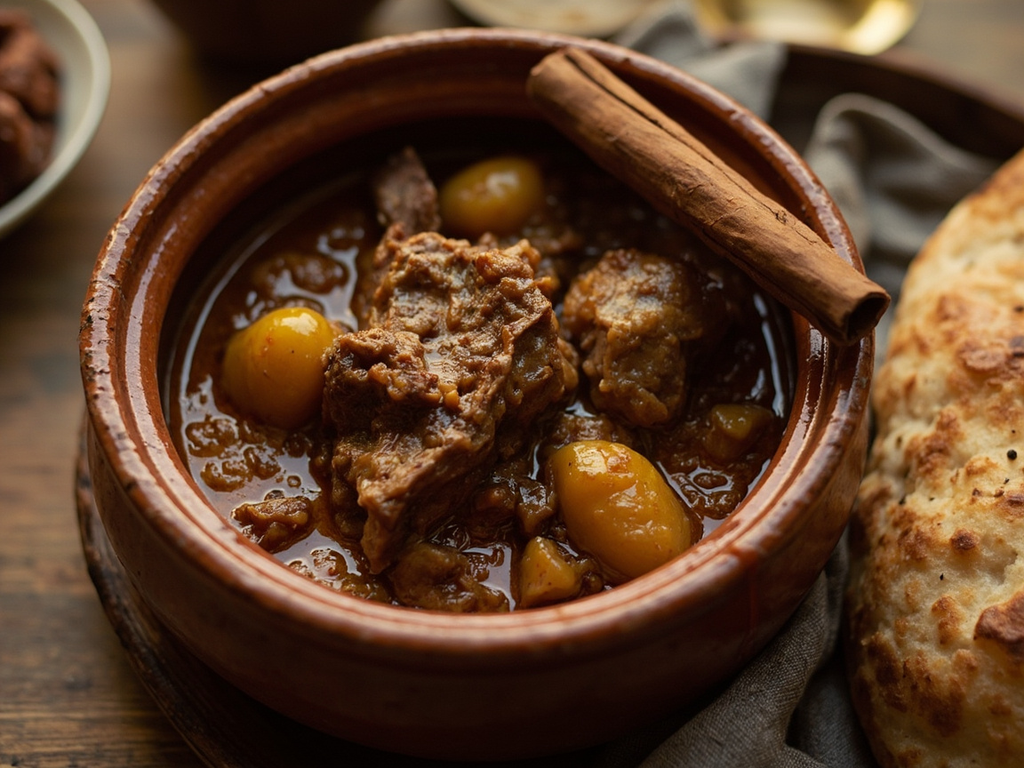
A meltingly tender lamb stew, browned and then long-simmered with quince pieces, brightened with tangy verjuice, cinnamon, and a hint of asafoetida that gives it depth.
When the prince invited his learned men, qaliya was served, and none would dare miss it. I would first sear the mutton in tail fat until it took on an amber color; then came the cut quince, a lentil-sized tear of asafoetida, cinnamon, and verjuice from our green vines. The hearth is left to work patiently, as the sky slowly ripens its stars. Taste this balance of sweet and sour: it is, believe me, harder to achieve than a good measure of the Earth's circumference.
- •Fatty mutton — a good piece (base)
- •Sheep's tail fat — a piece (searing fat)
- •Quinces — two or three (sweet-sour fruit)
- •Verjuice (juice of unripe grapes) — a bowlful (acidity)
- •Asafoetida — a grain (depth (umami))
- •Cinnamon, coriander, cumin — to taste (spices)
- •Onion — two (base)
Lamb Qaliya with Verjuice and Quince
A meltingly tender lamb stew, browned and then long-simmered with quince pieces, brightened with tangy verjuice, cinnamon, and a hint of asafoetida that gives it depth.
Why this dish? At the court tables of Ghazni, where Al-Biruni lived under the Ghaznavids, lamb stewed with fruit and verjuice was the dish for receptions and scholars' banquets. The blend of sweet-sour and spice was the great luxury of refined Persian cuisine.
When the prince invited his learned men, qaliya was served, and none would dare miss it. I would first sear the mutton in tail fat until it took on an amber color; then came the cut quince, a lentil-sized tear of asafoetida, cinnamon, and verjuice from our green vines. The hearth is left to work patiently, as the sky slowly ripens its stars. Taste this balance of sweet and sour: it is, believe me, harder to achieve than a good measure of the Earth's circumference.
Ingredients (period version)
- Fatty mutton — a good piece (base)
- Sheep's tail fat — a piece (searing fat)
- Quinces — two or three (sweet-sour fruit)
- Verjuice (juice of unripe grapes) — a bowlful (acidity)
- Asafoetida — a grain (depth (umami))
- Cinnamon, coriander, cumin — to taste (spices)
- Onion — two (base)
Ingredients
- Lamb shoulder, cut into large cubes — 800 g (base)
- Quinces — 2 (sweet-sour fruit)
- Verjuice (or substitute: green grape juice, or half verjuice + half lemon juice) — 150 ml (acidity)
- Asafoetida powder (hing) — 1 pinch (knife tip) (depth)
- Cinnamon — 1 stick (spice)
- Ground coriander and cumin — 1 tsp each (spices)
- Onions — 2 large, sliced (base)
- Oil (or lamb suet) — 2 tbsp (searing)
- Salt — to taste (seasoning)
Method
- Brown the lamb cubes on all sides in hot fat, then set aside.
- In the same pot, cook the onions until soft, add the asafoetida, cinnamon, coriander, and cumin.
- Return the meat, cover with hot water, salt, and simmer covered on low heat for 1 hour 15 minutes.
- Cut the quinces into wedges (unpeeled) and add them along with the verjuice.
- Continue cooking for 40 minutes, until the meat is tender and the quince is soft and rosy.
- Adjust the sweet-sour balance and serve with the flatbread.
How it was made : Stews called *qaliya* fill medieval Arab-Persian cookbooks: the meat was seared, then simmered with fruit (quince, apple, dried apricot) and soured with verjuice or vinegar, as lemons were rare. Asafoetida often stood in for garlic.
The contemporary twist : Garnish with a few caramelized quince wedges arranged on top in a crown, like the concentric dials of an astrolabe.
Sources : Muhammad ibn al-Hasan al-Baghdadi, *Kitab al-Tabikh* (1226) · Lilia Zaouali, *L'Islam à table. Du Moyen Âge à nos jours*
Al-Biruni · Charactorium