 flip
flipMaza, the Citizen's Barley Flatbread
Maza, the Citizen's Barley Flatbread
Why this dish? Aristophanes constantly mocks, in his comedies, the common people of Athens who make do with a maza and an onion. He himself, as a good Athenian mocking luxury, shared this barley flatbread which was the bread of both the poor and the ordinary citizen — the true staple of every table in the Agora.
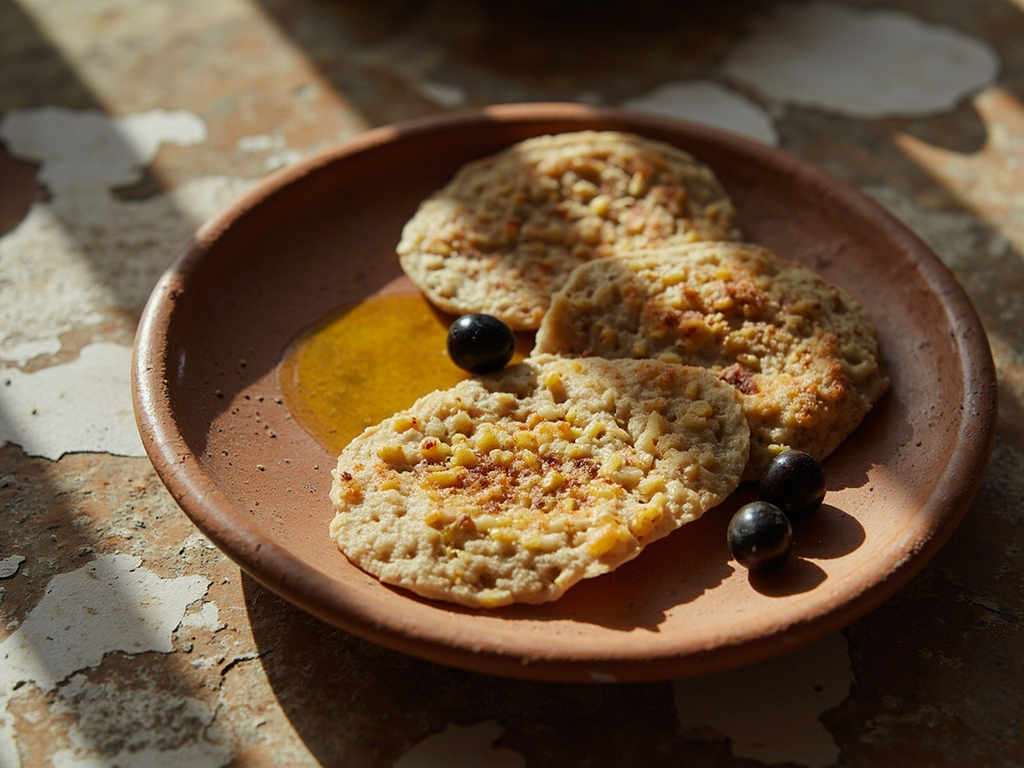
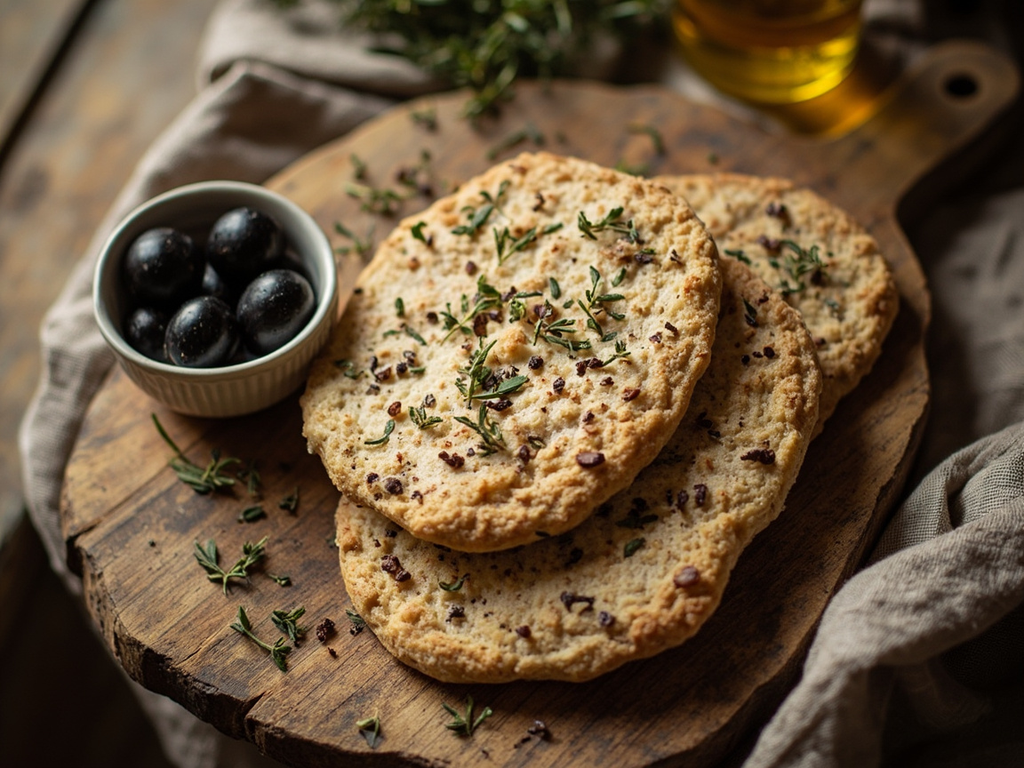
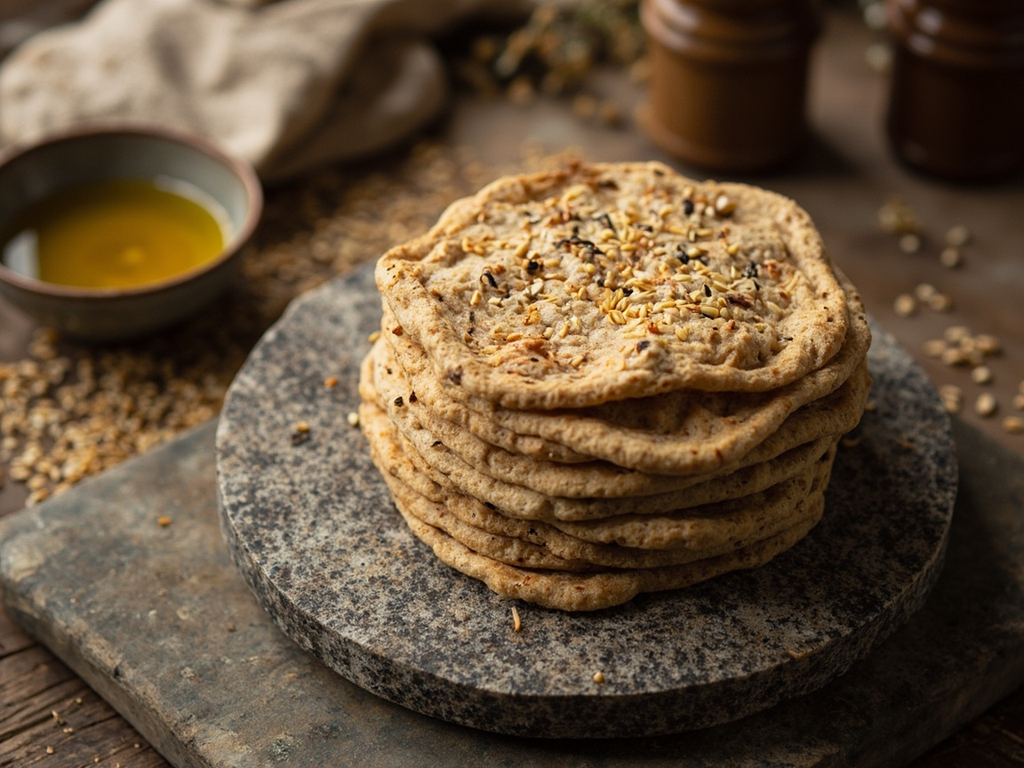
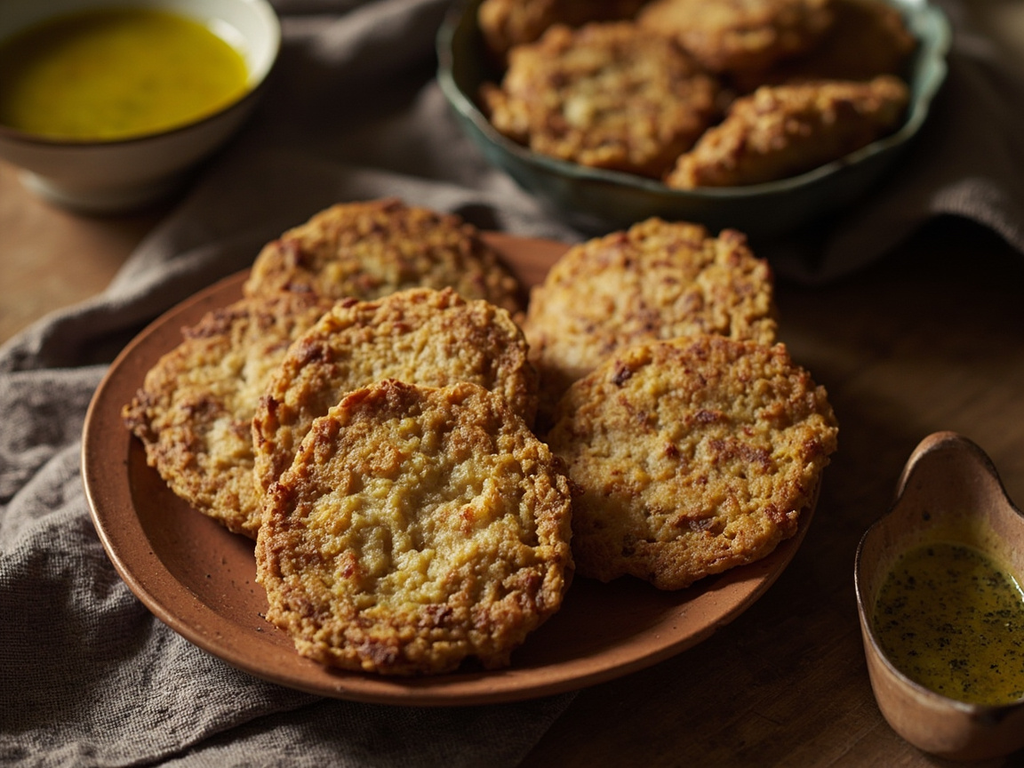
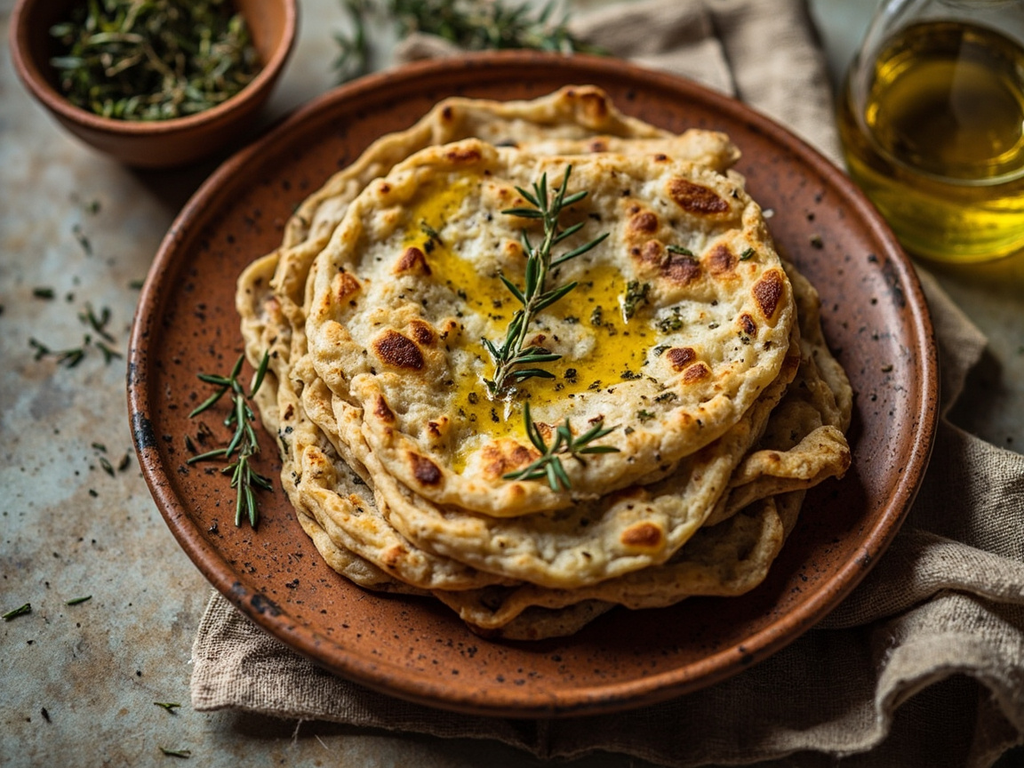
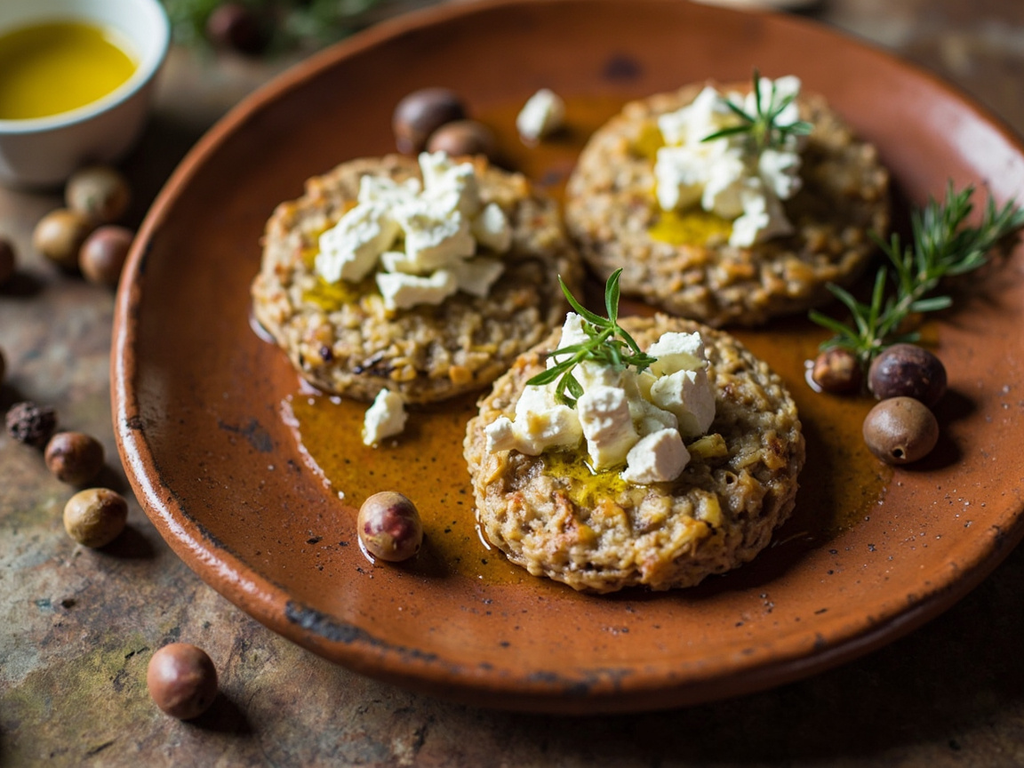
A dense barley flatbread made from roasted barley flour kneaded with water, salt, and a drizzle of olive oil. Neither leavened nor fully baked: the barley was roasted, ground, then the flour was kneaded into a firm dough shaped by hand. A basic, rustic, and nourishing food.
Citizen, don't be fussy! Here is the maza, the one chewed by the rowers of Salamis and the jurors collecting their three obols. My slave roasts the barley until it smells fragrant, grinds it at the mill, and I knead the dough myself with one hand, holding my cup with the other — for a poet can do two things at once. Dip it in wine if you find it rough: the gods ate worse before I taught them good taste!
- •Roasted barley flour (alphita) — a good measure (base)
- •Spring water — enough to bind (binder)
- •Sea salt — a pinch (seasoning)
- •Olive oil — a drizzle (softness and flavor)
Maza, the Citizen's Barley Flatbread
A dense barley flatbread made from roasted barley flour kneaded with water, salt, and a drizzle of olive oil. Neither leavened nor fully baked: the barley was roasted, ground, then the flour was kneaded into a firm dough shaped by hand. A basic, rustic, and nourishing food.
Why this dish? Aristophanes constantly mocks, in his comedies, the common people of Athens who make do with a maza and an onion. He himself, as a good Athenian mocking luxury, shared this barley flatbread which was the bread of both the poor and the ordinary citizen — the true staple of every table in the Agora.
Citizen, don't be fussy! Here is the maza, the one chewed by the rowers of Salamis and the jurors collecting their three obols. My slave roasts the barley until it smells fragrant, grinds it at the mill, and I knead the dough myself with one hand, holding my cup with the other — for a poet can do two things at once. Dip it in wine if you find it rough: the gods ate worse before I taught them good taste!
Ingredients (period version)
- Roasted barley flour (alphita) — a good measure (base)
- Spring water — enough to bind (binder)
- Sea salt — a pinch (seasoning)
- Olive oil — a drizzle (softness and flavor)
Ingredients
- Barley flour — 200 g (base)
- Warm water — about 120 ml (binder)
- Fine salt — 1 tsp (seasoning)
- Extra virgin olive oil — 2 tbsp (softness and flavor)
Method
- Toast the barley flour dry in a pan over low heat, stirring for 3-4 minutes, until it smells nutty (skip this step if your flour is already toasted).
- In a bowl, mix the flour, salt, and oil.
- Add warm water little by little, kneading until you get a firm, smooth dough that no longer sticks.
- Shape by hand into 2 or 3 thick flatbreads about 1 cm thick.
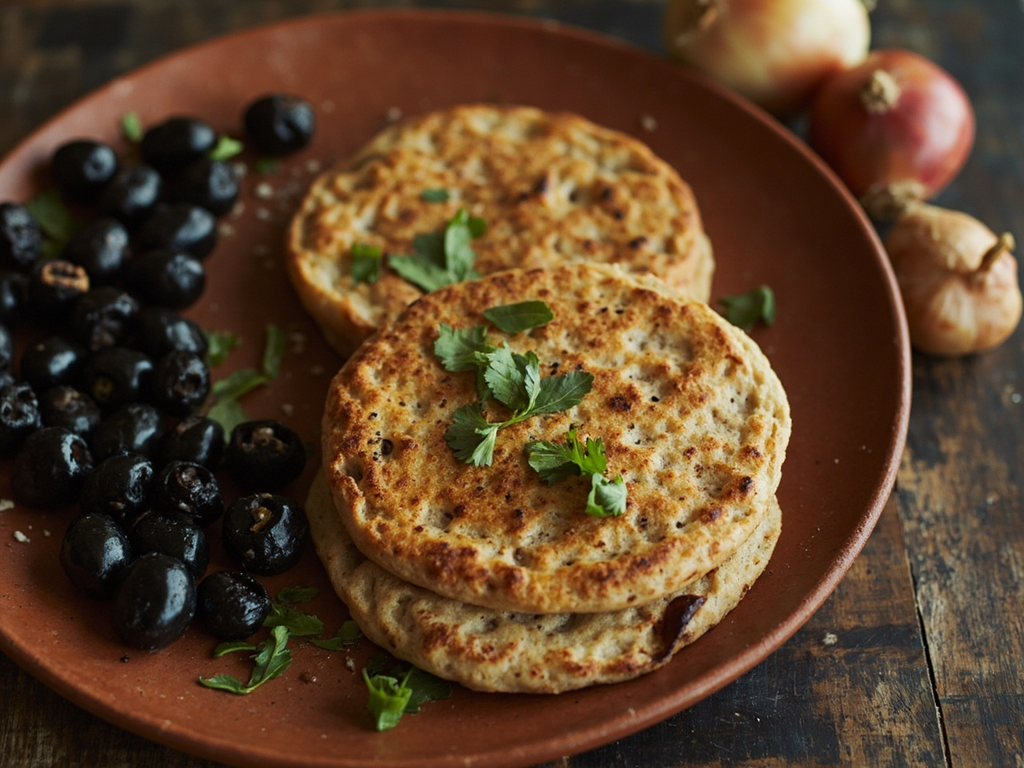
- Eat as is, or heat on a hot stone/griddle for 5 minutes to firm up. Serve with olives and a raw onion, Athenian style.
How it was made : Barley grew better than wheat in the dry soil of Attica: maza was therefore the daily food par excellence, much more common than wheat bread (artos), which was reserved for feast days. It was often eaten raw, simply kneaded, because barley does not lend itself well to leavened bread.
The contemporary twist : Serve as mini appetizer flatbreads, spread with tapenade and a drizzle of thyme honey: the bitter-salty-sweet contrast that Athenians already loved.
Aristophanes · Charactorium