 flip
flipOnigiri — travel rice balls
Onigiri — travel rice balls
Why this dish? Ayumi travels constantly between Tokyo, Yokohama Arena, and Tokyo Dome. Onigiri is the quintessential Japanese travel snack: portable, eaten by hand, filling. The backstage and bullet train bite.
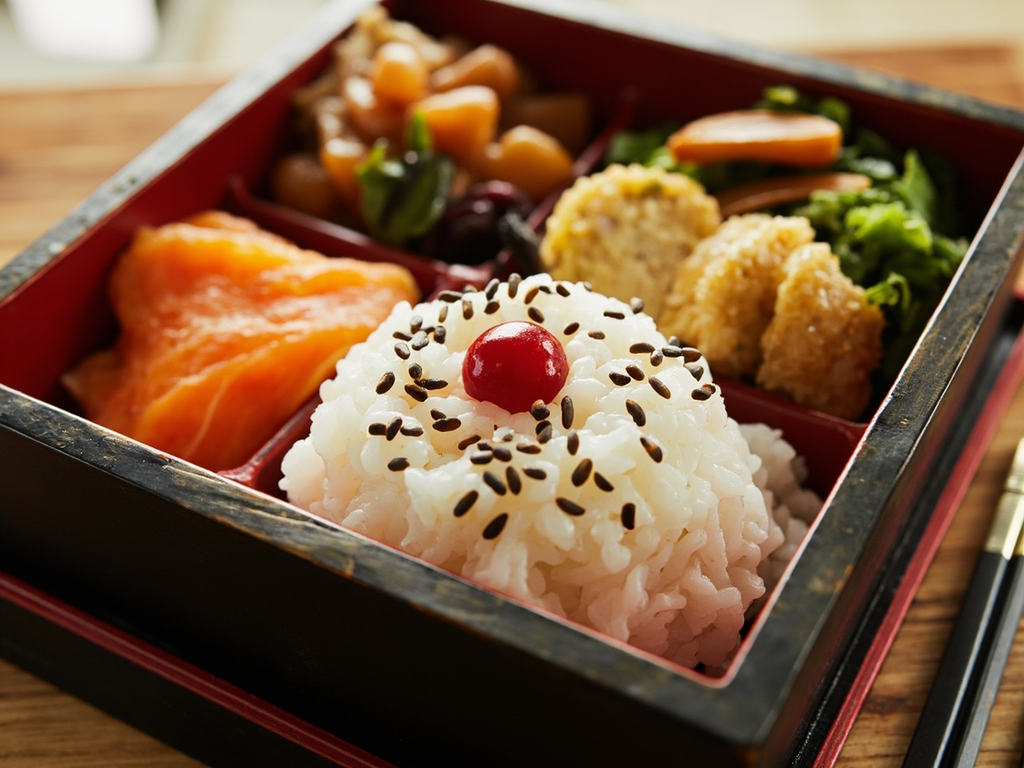
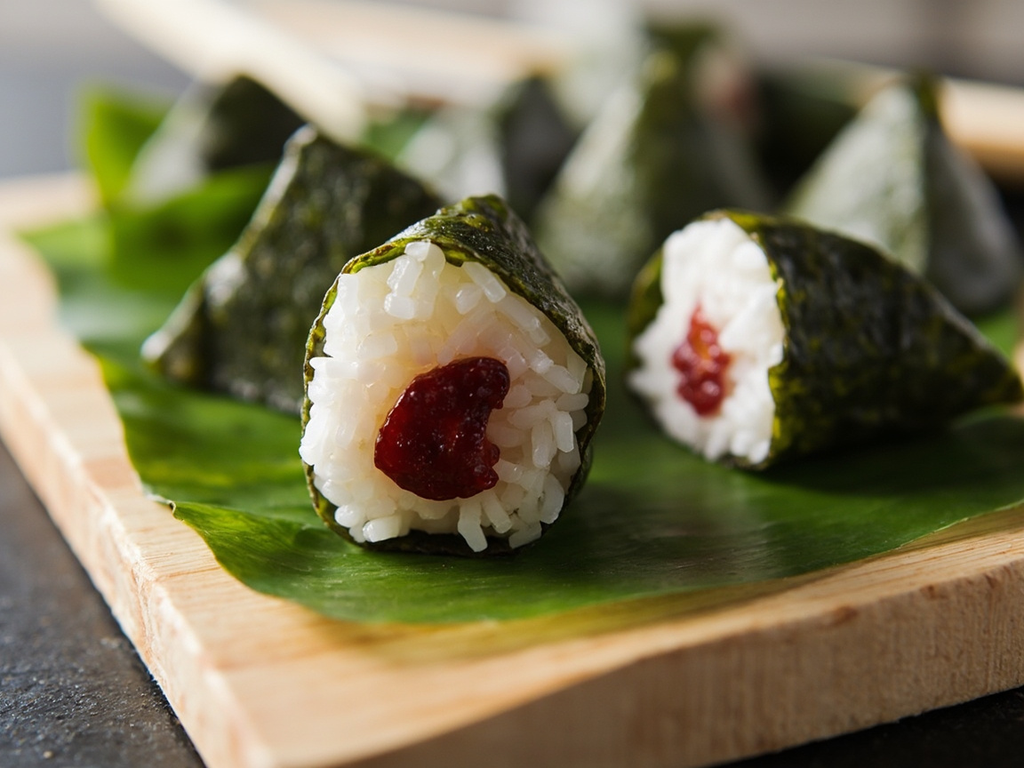
A pressed rice ball shaped into a triangle, filled with a salty pickled plum (umeboshi) or grilled salmon, wrapped in a crisp nori seaweed sheet. Simple, portable, satisfying—the food that has accompanied Japan on the move for centuries.
Between trains, backstage, I never have time to really sit down. So an onigiri in hand, and off I go. My favorite is umeboshi: that plum so sour it wakes you up instantly, and it keeps the rice fresh for hours—the old folks knew that well. You press it firmly, wrap it in seaweed, and carry a piece of home with you on the road.
- •Japanese rice — two bowls cooked (onigiri body)
- •Umeboshi (salt plum) — one per ball (sour and preservative filling)
- •Grilled flaked salmon — another option for filling (umami filling)
- •Nori sheet — one per ball (wrapper, easy handling)
- •Salt — a pinch (seasoning for hands)
Onigiri — travel rice balls
A pressed rice ball shaped into a triangle, filled with a salty pickled plum (umeboshi) or grilled salmon, wrapped in a crisp nori seaweed sheet. Simple, portable, satisfying—the food that has accompanied Japan on the move for centuries.
Why this dish? Ayumi travels constantly between Tokyo, Yokohama Arena, and Tokyo Dome. Onigiri is the quintessential Japanese travel snack: portable, eaten by hand, filling. The backstage and bullet train bite.
Between trains, backstage, I never have time to really sit down. So an onigiri in hand, and off I go. My favorite is umeboshi: that plum so sour it wakes you up instantly, and it keeps the rice fresh for hours—the old folks knew that well. You press it firmly, wrap it in seaweed, and carry a piece of home with you on the road.
Ingredients (period version)
- Japanese rice — two bowls cooked (onigiri body)
- Umeboshi (salt plum) — one per ball (sour and preservative filling)
- Grilled flaked salmon — another option for filling (umami filling)
- Nori sheet — one per ball (wrapper, easy handling)
- Salt — a pinch (seasoning for hands)
Ingredients
- Cooked sushi rice — 300 g (onigiri body)
- Umeboshi — 3-4 (sour filling)
- Salmon fillet — 1 (grilled, flaked) (alternative filling)
- Nori sheets — 3-4 (wrapper)
- Fine salt — 1 tsp (salting hands and rice)
Method
- Cook the rice and let it cool just enough to handle without burning.
- Wet your hands and lightly salt them to prevent sticking.
- Take a handful of rice, make a well, place a pitted umeboshi or flaked salmon inside.
- Close and press firmly into a triangle between your palms, turning.
- Wrap the base with a strip of nori just before eating so it stays crisp.
- Wrap in plastic wrap or paper to take on the go.
How it was made : Onigiri has existed since the Nara period (8th century) as travel food and rations for warriors and farmers. Umeboshi, besides its taste, acted as a natural preservative thanks to its acidity and salt—valuable before refrigeration, and still handy for a traveling snack.
The contemporary twist : Shape into a perfect ball with a sprinkle of colorful furikake on top, like the stylish onigiri from Shibuya convenience stores.
Ayumi Hamasaki · Charactorium