 flip
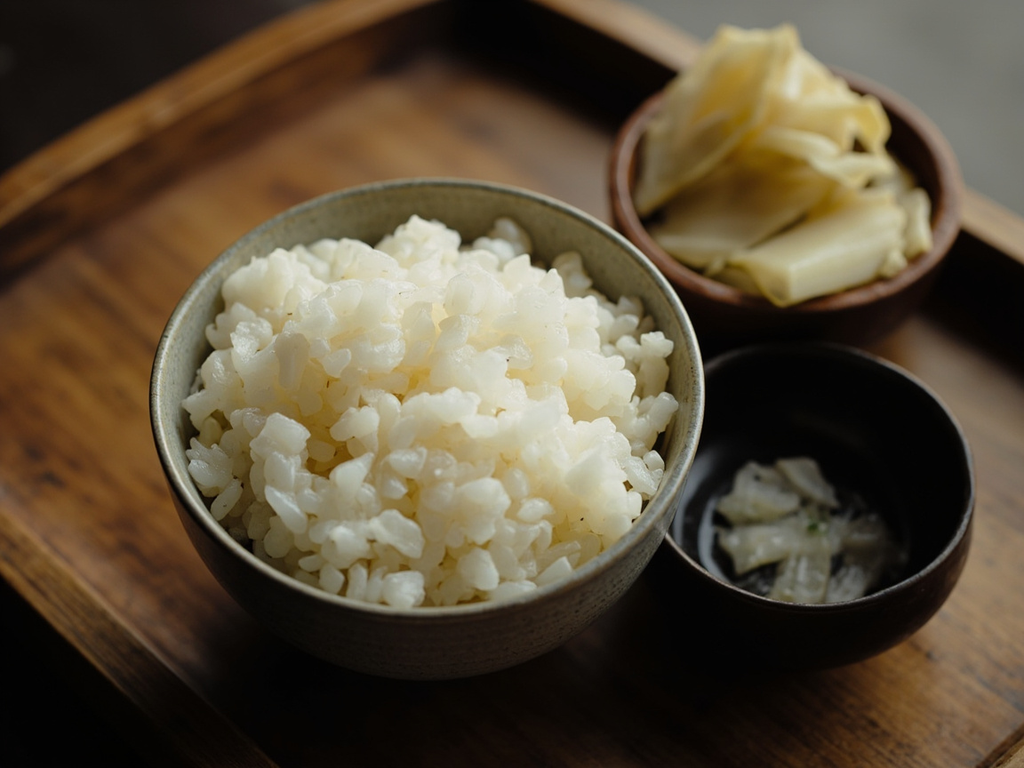
flipGohan and tsukemono — white rice and salt-pickled turnips
Gohan and tsukemono — white rice and salt-pickled turnips
Why this dish? Genmei reigned at a time when the imperial state made rice the measure of all wealth — taxes, rice paddies, and even the first Wadō kaichin coins minted under her rule were backed by the grain. A bowl of boiled white rice was the unchanging heart of every meal at the court she presided over in Heijō-kyō.
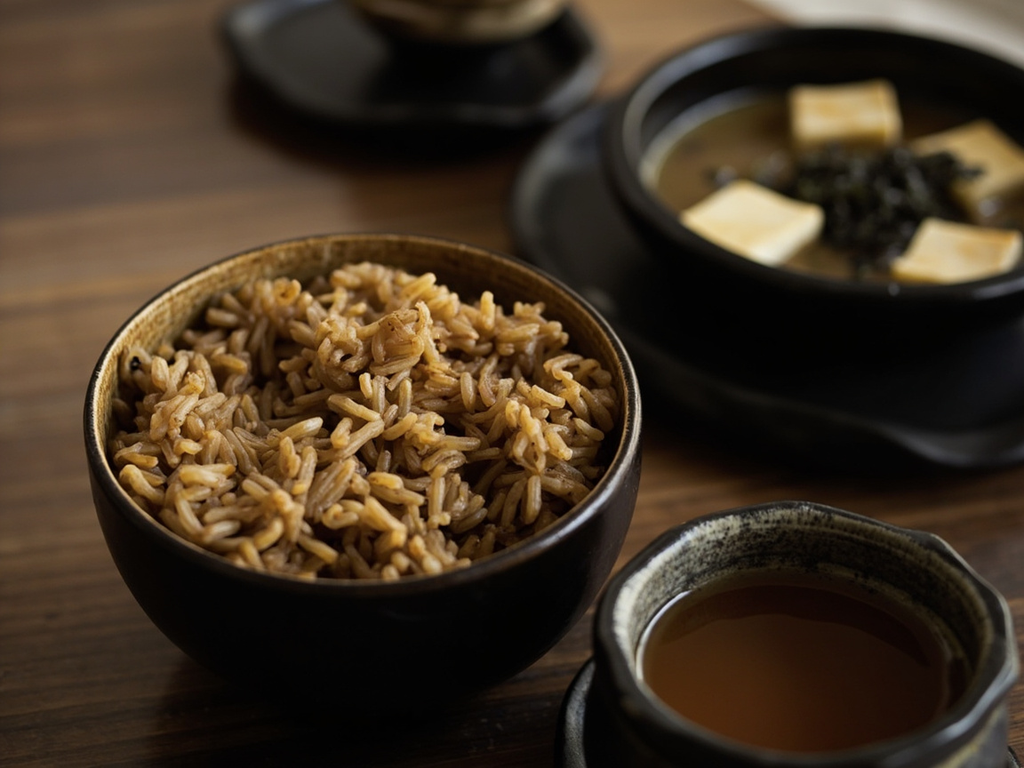
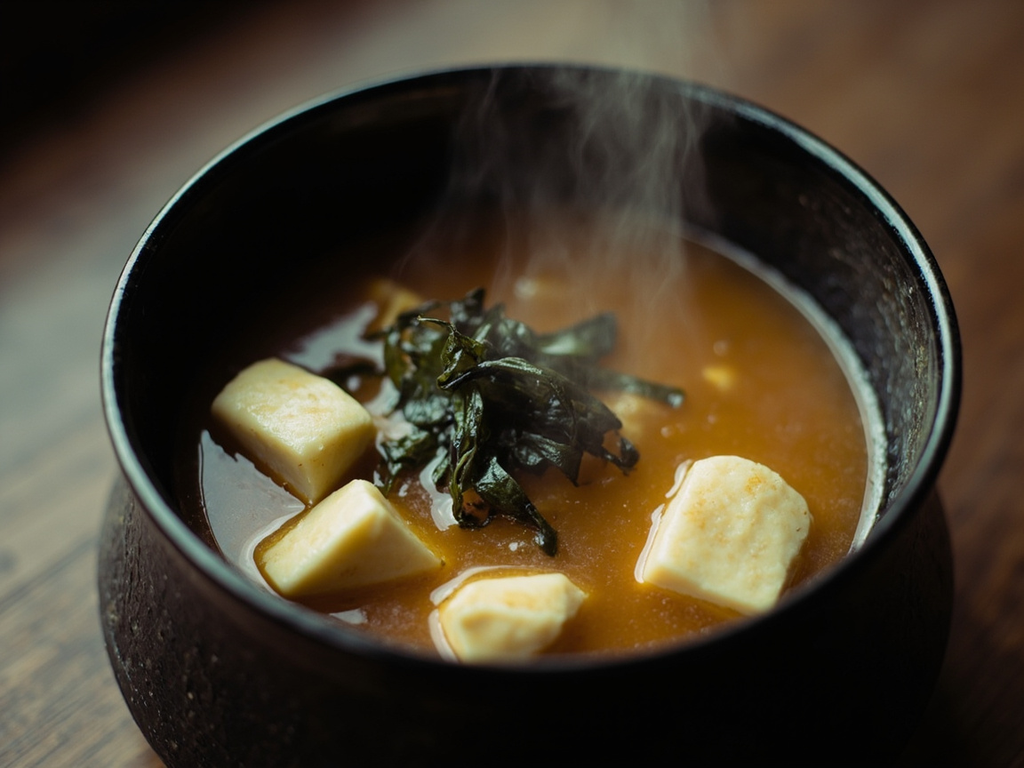
A bowl of steaming white rice, accompanied by thin slices of turnip and leaves pickled in salt and rice bran. Simple, clean, saline: the everyday meal behind the walls of Heijō Palace.
Approach, and do not be fooled by the simplicity of this bowl. This white rice, we counted it grain by grain in the Empire's granaries, for it is the very flesh of the land that Heaven entrusted to me. At my table in Heijō, it is served steaming, and alongside are a few slices of turnip laid in salt and bran until they bite the tongue. Eat first the pure grain, then the pickled: thus you taste calm before salt, as befits a well-ordered day.
- •Hulled white rice — one full bowl per guest (base of the meal)
- •Seasonal turnips — a few (vegetable for pickling)
- •Sea salt — to taste (preservation and flavor)
- •Rice bran (nuka) — a handful (ferment for pickling)
Gohan and tsukemono — white rice and salt-pickled turnips
A bowl of steaming white rice, accompanied by thin slices of turnip and leaves pickled in salt and rice bran. Simple, clean, saline: the everyday meal behind the walls of Heijō Palace.
Why this dish? Genmei reigned at a time when the imperial state made rice the measure of all wealth — taxes, rice paddies, and even the first Wadō kaichin coins minted under her rule were backed by the grain. A bowl of boiled white rice was the unchanging heart of every meal at the court she presided over in Heijō-kyō.
Approach, and do not be fooled by the simplicity of this bowl. This white rice, we counted it grain by grain in the Empire's granaries, for it is the very flesh of the land that Heaven entrusted to me. At my table in Heijō, it is served steaming, and alongside are a few slices of turnip laid in salt and bran until they bite the tongue. Eat first the pure grain, then the pickled: thus you taste calm before salt, as befits a well-ordered day.
Ingredients (period version)
- Hulled white rice — one full bowl per guest (base of the meal)
- Seasonal turnips — a few (vegetable for pickling)
- Sea salt — to taste (preservation and flavor)
- Rice bran (nuka) — a handful (ferment for pickling)
Ingredients
- Japanese short-grain rice — 300 g (base of the meal)
- Water — 360 ml (for cooking rice)
- Turnips (or daikon) — 2 small (vegetable for pickling)
- Fine salt — 2 tsp (quick pickling)
- Rice bran or ground brown rice — 1 tbsp (optional) (fermentation aroma)
Method
- Rinse the rice in cold water until it runs almost clear, then let it rest for 20 minutes.
- Cook the rice covered: bring to a boil, reduce to low for 12 minutes, turn off heat and let steam for 10 minutes without lifting the lid.
- Slice the turnips into thin half-moons, massage with salt and rice bran, then press under a weight for 2 to 6 hours.
- Lightly squeeze the tsukemono, serve the rice in a bowl and place the pickled slices beside it.
How it was made : In the Nara period, white rice was a luxury reserved for the court and elites; commoners mostly ate rice mixed with millet or barley. Salt-and-bran pickling (nukazuke) allowed vegetables to be preserved year-round before refrigeration.
The contemporary twist : Serve the rice shaped into a small dome in a dark bowl, with the tsukemono arranged in a fan: a minimalist nod to court aesthetics.
Genmei · Charactorium