 flip
flipBarley Maza with Oil and Honey
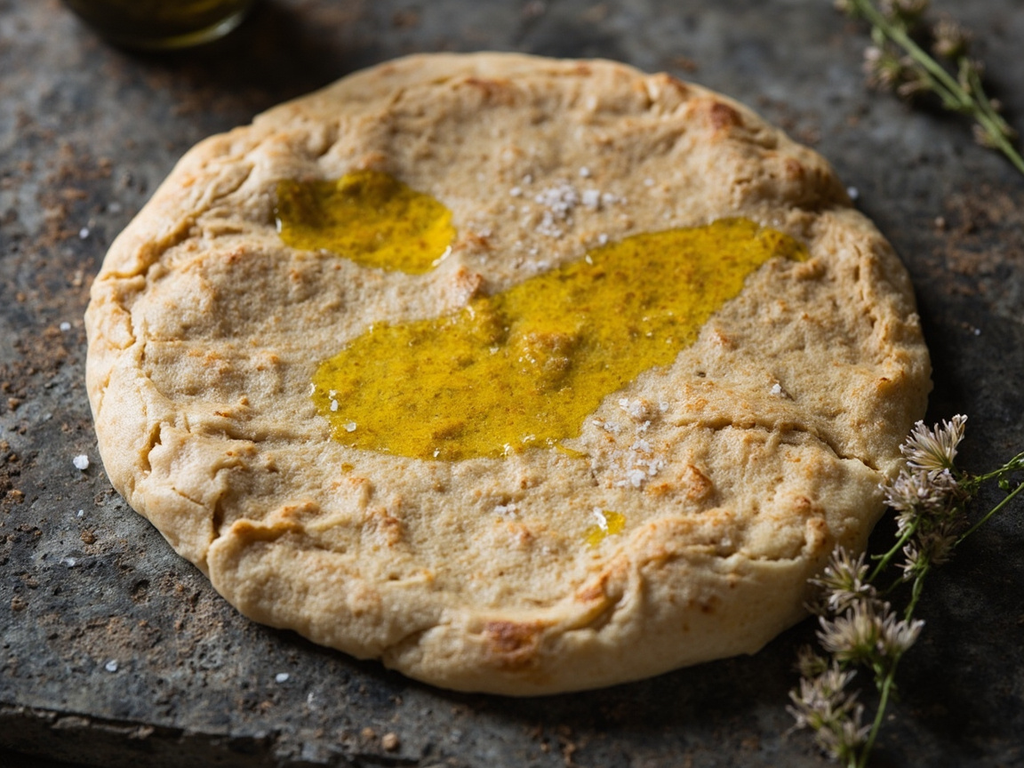
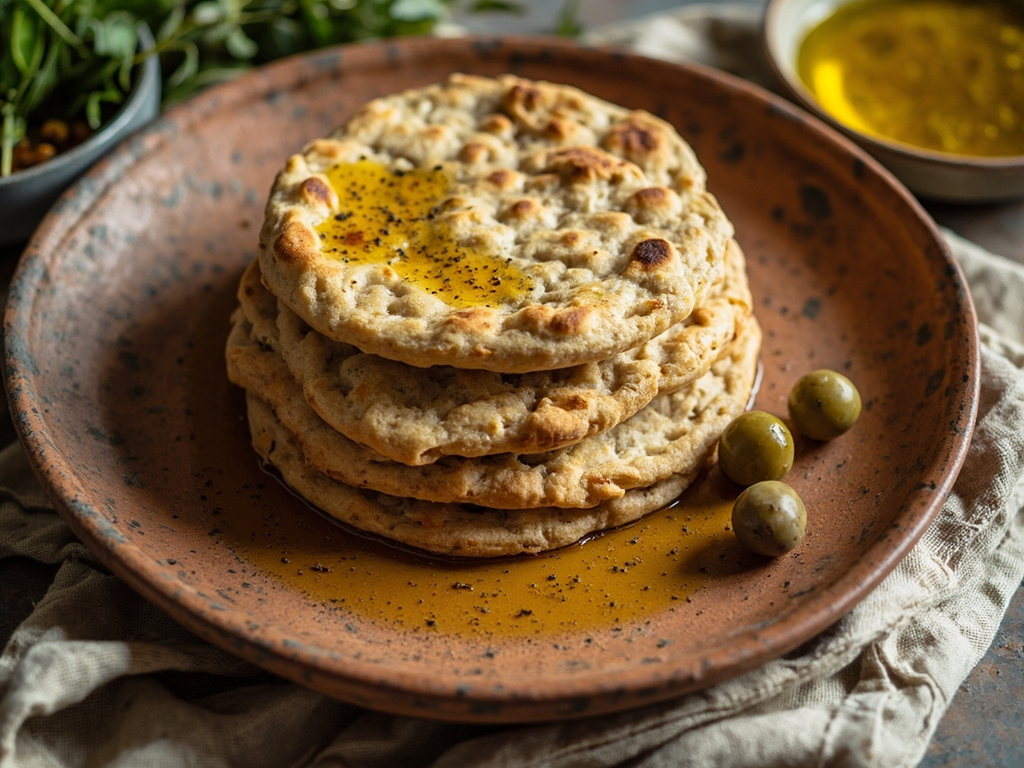
Barley Maza with Oil and Honey
Why this dish? Maza, a barely-cooked barley flatbread, was the ordinary bread of the Greeks — that of scholars and artisans rather than the rich who ate white wheat bread. For Heron, bent for hours over his gears at the Mouseion, it was everyday food: simple, nourishing, quick to prepare.
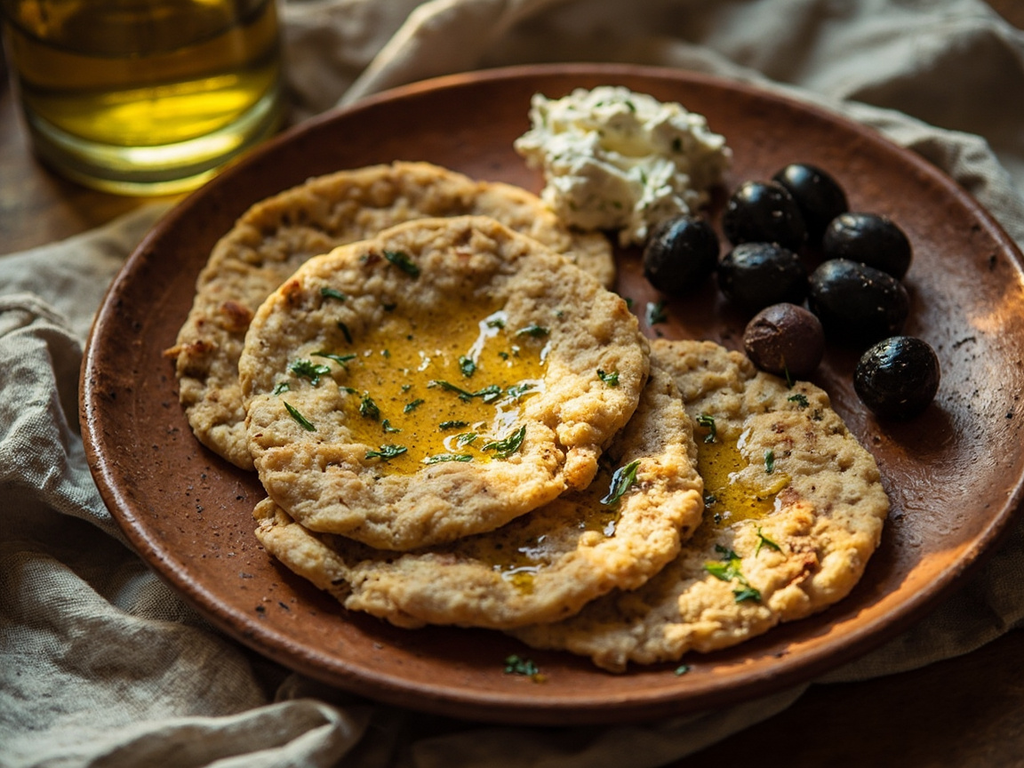
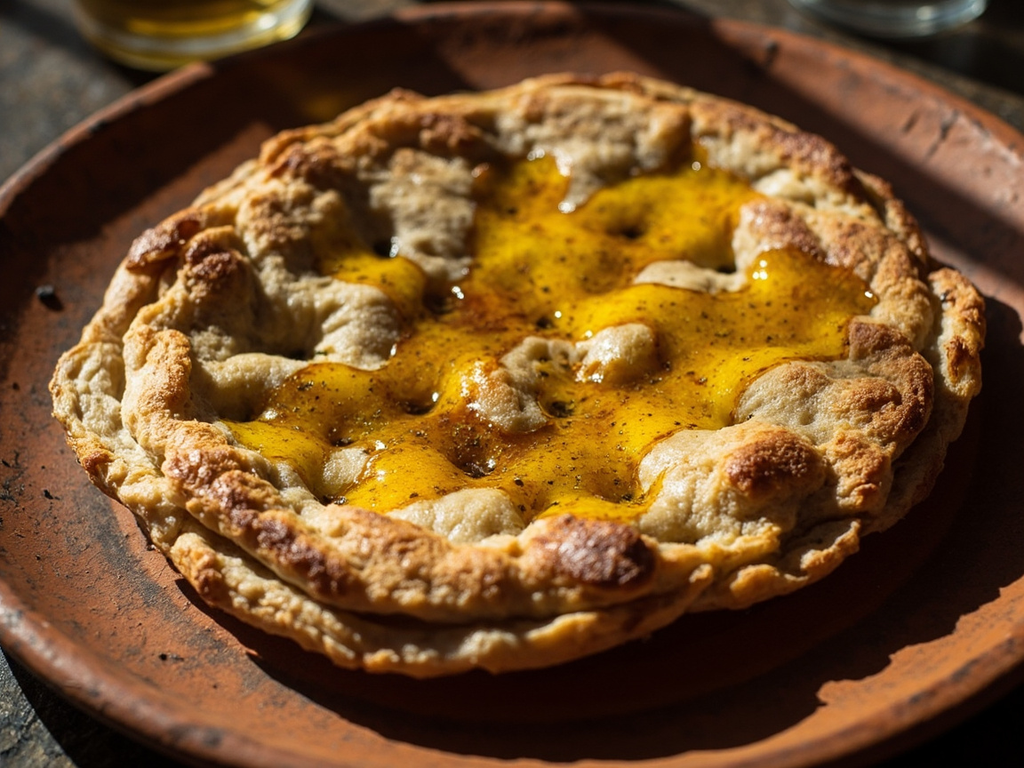
A dough of toasted barley, kneaded with water, a drizzle of olive oil and a touch of honey, shaped into a firm flatbread. The roasted, slightly bitter taste of barley, softened by honey: the quiet fuel of daily Alexandrian life.
You see, barley grain is like a mechanism: it gives its proper measure only to one who respects proportions. I toast the flour until it smells fragrant, I pour the water drop by drop as one adjusts the flow of a clepsydra, and I knead until firm. A tear of honey, a dash of oil, and there is enough to last from sunrise until the lamp goes out over my drawings. Luxury feeds vanity; barley feeds the working mind.
- •Toasted barley flour (alphita) — two handfuls (base, provides roasted flavor)
- •Spring water — as needed (binder)
- •Olive oil — a drizzle (softness and binding)
- •Honey — a spoonful (softens bitterness)
- •Salt — a pinch (seasoning)
Barley Maza with Oil and Honey
A dough of toasted barley, kneaded with water, a drizzle of olive oil and a touch of honey, shaped into a firm flatbread. The roasted, slightly bitter taste of barley, softened by honey: the quiet fuel of daily Alexandrian life.
Why this dish? Maza, a barely-cooked barley flatbread, was the ordinary bread of the Greeks — that of scholars and artisans rather than the rich who ate white wheat bread. For Heron, bent for hours over his gears at the Mouseion, it was everyday food: simple, nourishing, quick to prepare.
You see, barley grain is like a mechanism: it gives its proper measure only to one who respects proportions. I toast the flour until it smells fragrant, I pour the water drop by drop as one adjusts the flow of a clepsydra, and I knead until firm. A tear of honey, a dash of oil, and there is enough to last from sunrise until the lamp goes out over my drawings. Luxury feeds vanity; barley feeds the working mind.
Ingredients (period version)
- Toasted barley flour (alphita) — two handfuls (base, provides roasted flavor)
- Spring water — as needed (binder)
- Olive oil — a drizzle (softness and binding)
- Honey — a spoonful (softens bitterness)
- Salt — a pinch (seasoning)
Ingredients
- Barley flour — 150 g (base)
- Warm water — 80 to 100 ml (binder)
- Olive oil — 2 tbsp (softness)
- Honey — 1 tsp (roundness)
- Salt — 1 pinch (seasoning)
Method
- Toast the barley flour dry in a pan for a few minutes, stirring, until it smells nutty.
- Let cool slightly, then mix with salt, honey, and oil.
- Add water little by little, kneading until a firm, homogeneous dough forms.
- Shape into thick patties by hand.
- Cook 3 to 4 minutes per side on a hot griddle, or eat simply shaped cold, in the ancient manner.
How it was made : Maza was not always baked: often the toasted barley was simply moistened and kneaded, sometimes shaped by hand just before the meal. It was the democratic staple of the Greek world, as opposed to wheat bread reserved for wealthier tables.
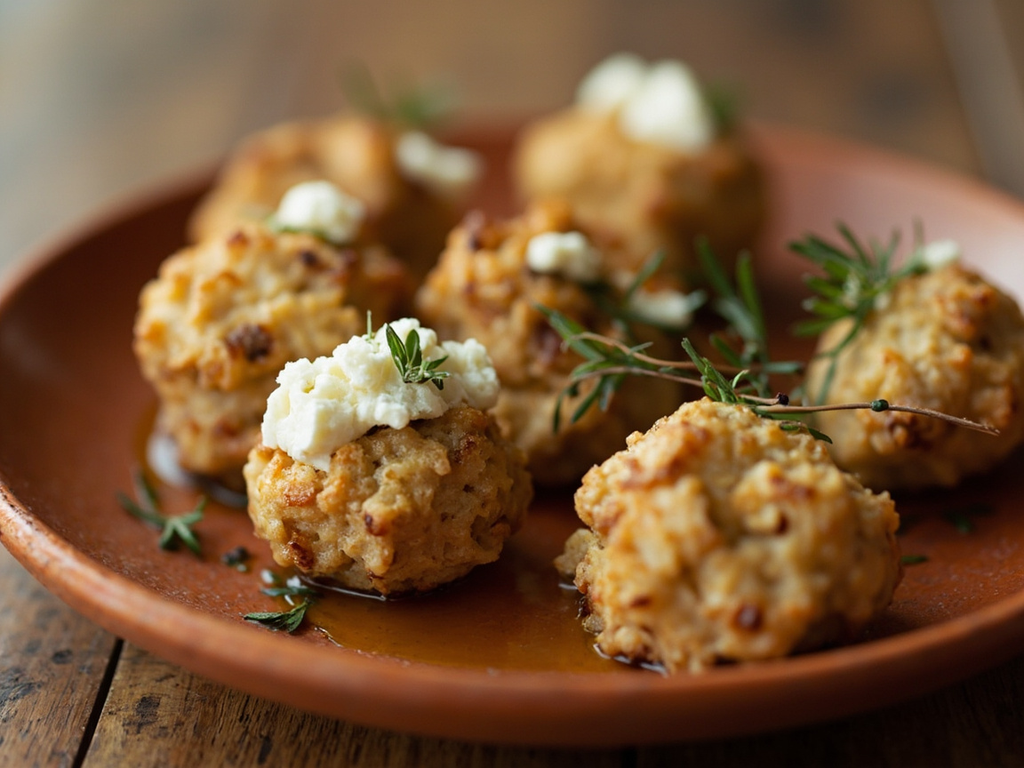
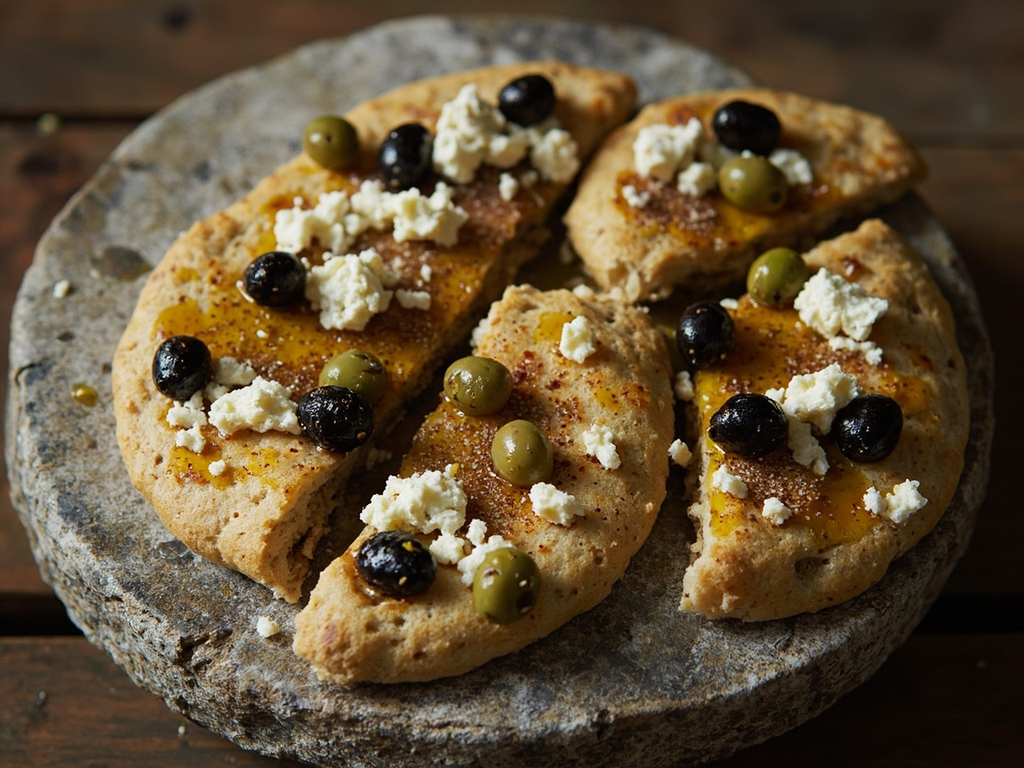
The contemporary twist : Served in wedges with a veil of warm honey and a few toasted sesame seeds, like an ancient "energy ball" for a study break.
Hero of Alexandria · Charactorium