Hāngi kai (Pork and kumara in an earth oven)
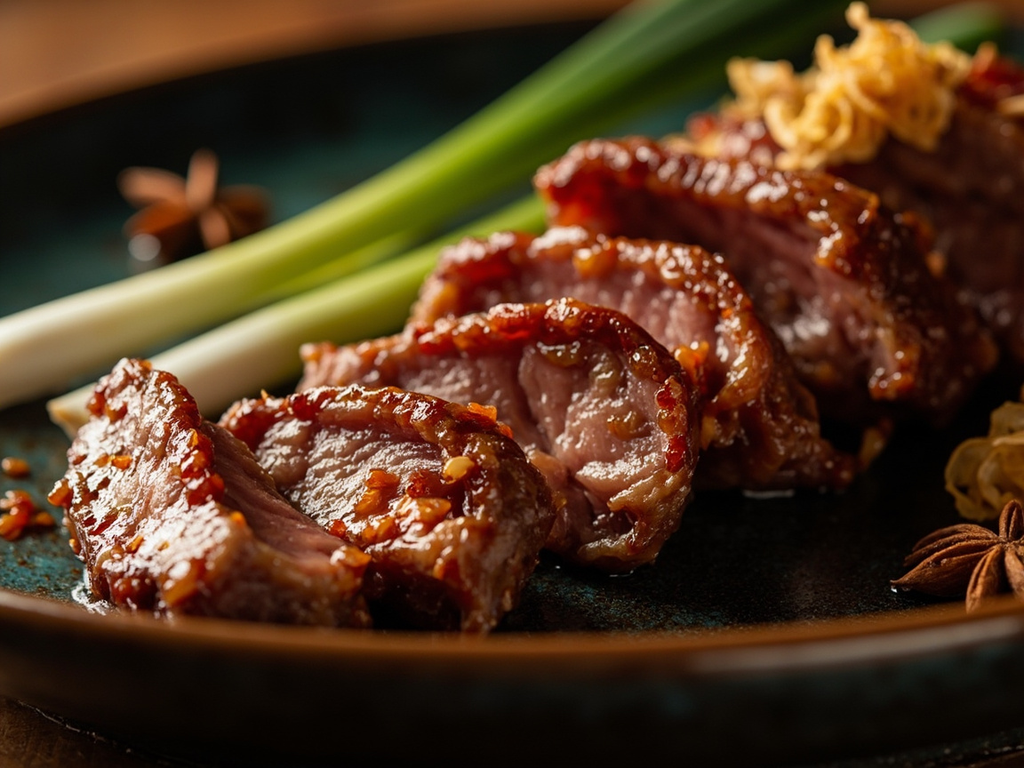
A piece of pork and kumara cooked together in a hāngi — the pit dug in the earth, lined with hot stones and covered with leaves then soil. The slow steam cooking yields tender meat with a smoky, earthy flavor, and candied kumara. This is the dish for great Māori occasions.
A piece of pork and kumara cooked together in a hāngi — the pit dug in the earth, lined with hot stones and covered with leaves then soil. The slow steam cooking yields tender meat with a smoky, earthy flavor, and candied kumara. This is the dish for great Māori occasions.
When I gather my toa for a hākari, it is the hāngi that speaks for me. We dig the earth of our ancestors, heat the stones until they sing, and place the pork — yes, the Pākehā's pork, for what is good in their world we take and make our own. With kumara on top, all wrapped in bush leaves. When we open the hāngi, the steam rises like a karakia. Every warrior who eats knows that this land feeds us, and it is for her that we fight.
- •Pork (shoulder or belly) — A fine piece for the group (Main meat)
- •Kumara — Many tubers (Accompaniment)
- •Harakeke or tree fern leaves — Enough to wrap (Cooking wrap)
- •Volcanic stones — Enough to line the pit (Heat source)
- •Water — To create steam (Steam)
Hāngi kai (Pork and kumara in an earth oven)
A piece of pork and kumara cooked together in a hāngi — the pit dug in the earth, lined with hot stones and covered with leaves then soil. The slow steam cooking yields tender meat with a smoky, earthy flavor, and candied kumara. This is the dish for great Māori occasions.
Why this dish? Great hākari marked major events in Hone Heke's life: signing of the Treaty of Waitangi (1840), gatherings of warriors before the battles of Kororāreka or Ohaeawai. Pork, introduced by Europeans and quickly adopted by Māori, had become a prestige food for Ngāpuhi chiefs' feasts in the 1840s.
When I gather my toa for a hākari, it is the hāngi that speaks for me. We dig the earth of our ancestors, heat the stones until they sing, and place the pork — yes, the Pākehā's pork, for what is good in their world we take and make our own. With kumara on top, all wrapped in bush leaves. When we open the hāngi, the steam rises like a karakia. Every warrior who eats knows that this land feeds us, and it is for her that we fight.
Ingredients (period version)
- Pork (shoulder or belly) — A fine piece for the group (Main meat)
- Kumara — Many tubers (Accompaniment)
- Harakeke or tree fern leaves — Enough to wrap (Cooking wrap)
- Volcanic stones — Enough to line the pit (Heat source)
- Water — To create steam (Steam)
Ingredients
- Boneless pork shoulder — 1.5 kg (Main meat)
- Sweet potatoes — 1 kg, peeled and cut into large chunks (Accompaniment)
- Green cabbage — 1 small, cut into wedges (Side vegetable (substitute for pūhā))
- Onion — 2 medium, cut into wedges (Aromatic)
- Sea salt — 1 tbsp (Seasoning)
- Water — 250 ml (Cooking steam)
- Aluminum foil — Large sheets (Substitute for plant leaves)
Method
- Generously salt the pork shoulder the day before and refrigerate.
- On the day, preheat the oven to 150 °C.
- Line a large cast-iron pot (or Dutch oven) with a double layer of aluminum foil, leaving plenty of overhang.
- Arrange sweet potato chunks and onion wedges at the bottom. Place the pork shoulder on top, then the cabbage wedges around.
- Pour the water around the sides (not directly on the meat).
- Fold the foil to seal tightly. Cover with the pot lid.
- Bake for 4 hours. Do not open during cooking.
- Open the package, check that the pork shreds easily. Shred the meat, mix with the cooking juices, and serve everything together on a large platter.
How it was made : The traditional hāngi required considerable collective work: digging the pit (rua), heating volcanic stones for hours, preparing layers of leaves (often tree fern, kōuka or harakeke). Pork only arrived in New Zealand with James Cook (1769-1770), but by the 1820s-1830s, the Ngāpuhi of the Bay of Islands were raising pigs in numbers. Missionaries and traders noted how quickly Māori had integrated pork into their feasts, cooking it in the hāngi exactly like traditional birds and fish.
The contemporary twist : Serve in an earthenware dish at the table, with a drizzle of reduced cooking juices, and a few sprigs of watercress (close to the wild pūhā that Māori gathered) for freshness.
Sources : Polack, Joel Samuel. Manners and Customs of the New Zealanders, vol. I. London: James Madden, 1840. · Best, Elsdon. “Maori Agriculture”. Dominion Museum Bulletin, no. 9, 1925. · Leach, Helen. “1,000 Years of Gardening in New Zealand”. Auckland University Press, 2005.
Hone Heke · Charactorium