 flip
flipQurut
Qurut
Why this dish? Qurut — dried cheese of the nomads — is among the foods mentioned by al-Kashgari in his lexicon. This preserved product was essential for the journeys he undertook between Kashgar, Lake Issyk-Kul, and Baghdad. Compact, light, and nearly imperishable, it represents the culinary genius of the Turkic peoples he documented.
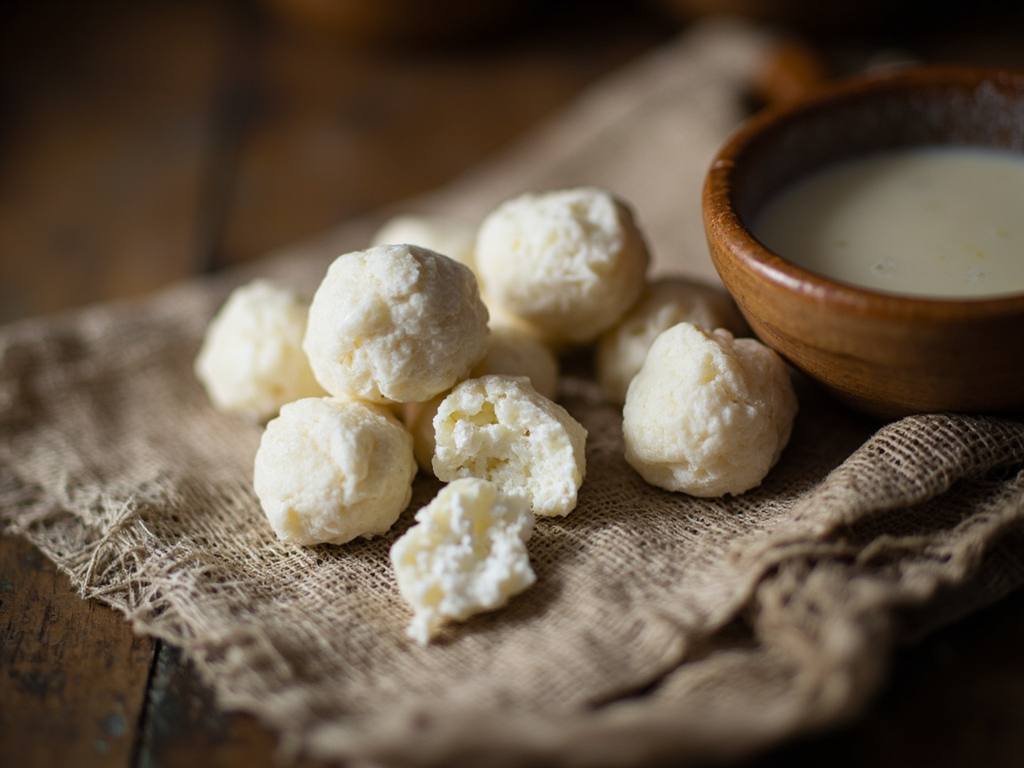
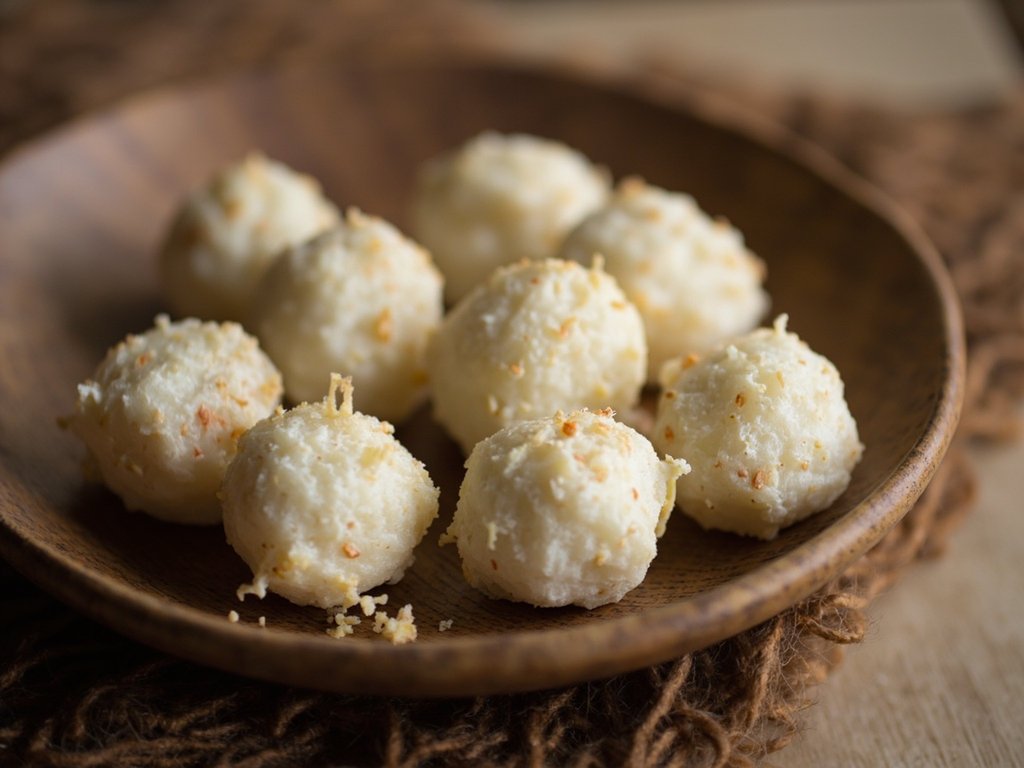
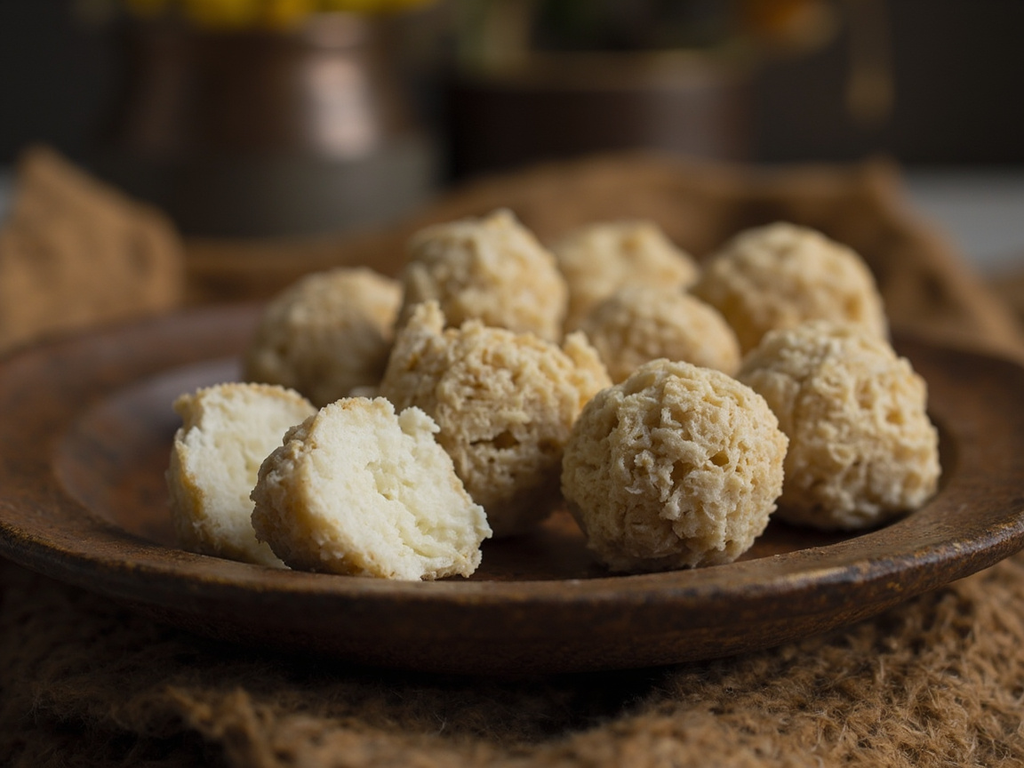
Balls of drained, salted, and sun-dried yogurt, hard as pebbles. They are dissolved in hot water to make a sour broth, nibbled on the road, or crumbled over soups. Qurut is the quintessential survival food of the Turkish nomads and is still made identically in Central Asia today.
I carried qurut in my satchel on all roads, from Barskhan by the great lake to the gates of Baghdad. The women of my family pressed the yogurt in a cloth, salted it heavily, and rolled it into balls that they dried on the felt of the yurt in the dry summer wind. A man can travel forty days with a sack of qurut and not know hunger. When dissolved in hot water, it yields a sour broth that revives a tired stomach. I recorded this word because it is from the pure language of the Turks, and so it shall remain.
- •Ewe's or cow's milk yogurt — a large pot (dairy base)
- •Salt — generously (preservative and flavor)
Qurut
Balls of drained, salted, and sun-dried yogurt, hard as pebbles. They are dissolved in hot water to make a sour broth, nibbled on the road, or crumbled over soups. Qurut is the quintessential survival food of the Turkish nomads and is still made identically in Central Asia today.
Why this dish? Qurut — dried cheese of the nomads — is among the foods mentioned by al-Kashgari in his lexicon. This preserved product was essential for the journeys he undertook between Kashgar, Lake Issyk-Kul, and Baghdad. Compact, light, and nearly imperishable, it represents the culinary genius of the Turkic peoples he documented.
I carried qurut in my satchel on all roads, from Barskhan by the great lake to the gates of Baghdad. The women of my family pressed the yogurt in a cloth, salted it heavily, and rolled it into balls that they dried on the felt of the yurt in the dry summer wind. A man can travel forty days with a sack of qurut and not know hunger. When dissolved in hot water, it yields a sour broth that revives a tired stomach. I recorded this word because it is from the pure language of the Turks, and so it shall remain.
Ingredients (period version)
- Ewe's or cow's milk yogurt — a large pot (dairy base)
- Salt — generously (preservative and flavor)
Ingredients
- Full-fat plain yogurt — 1 kg (dairy base)
- Fine salt — 2 tbsp (preservative)
- Cheesecloth or clean kitchen towel — 1 (draining)
Method
- Mix the yogurt and salt in a bowl.
- Pour into a cheesecloth set over a colander placed over a container. Tie the edges and let drain in the refrigerator for 24-48 hours, until a very thick, firm mass (like dense labneh) forms.
- Take tablespoon-sized portions and roll into balls between your palms.
- Place the balls on a wire rack lined with parchment paper, spaced 3 cm apart.
- Let dry in a dry, ventilated place (or in an oven with the door ajar at 50°C) for 3-7 days, turning daily, until very hard.
- Store in an airtight jar at room temperature. To use: dissolve one ball in hot water for a sour broth, or crumble over soup or noodle dishes.
How it was made : Qurut is one of the oldest preserved dairy products of Central Asia, attested well before al-Kashgari's time. The Dîwân mentions several Turkish dairy terms. The balls were dried in the sun and dry continental wind. They could last for months or even years and were a dietary staple for Silk Road caravans. Equivalents are found from Kurdistan to Mongolia.
The contemporary twist : Crumble qurut over a bowl of noodle soup like tuttmaç as a sour-salty condiment, akin to a Central Asian Parmesan.
Sources : Mahmoud al-Kashgari, Dîwân Lughât al-Turk (1072-1074) · Paul D. Buell, "The Mongol Empire and Turkicization: The Evidence of Food and Foodways", in The Mongol Empire and its Legacy, Brill, 1999
Mahmoud al-Kashgari · Charactorium