 flip
flipFresh Grilled Herrings with Herbs and Verjuice
Fresh Grilled Herrings with Herbs and Verjuice
Why this dish? A famous anecdote reported by his hagiographers: dying at Fossanova Abbey in 1274, Thomas, who ate almost nothing, expressed a desire for fresh herrings — a rare fish in the Tyrrhenian Sea; the merchant's fish, it is said, was miraculously transformed. This dish evokes that last wish, simple and humble to the end.
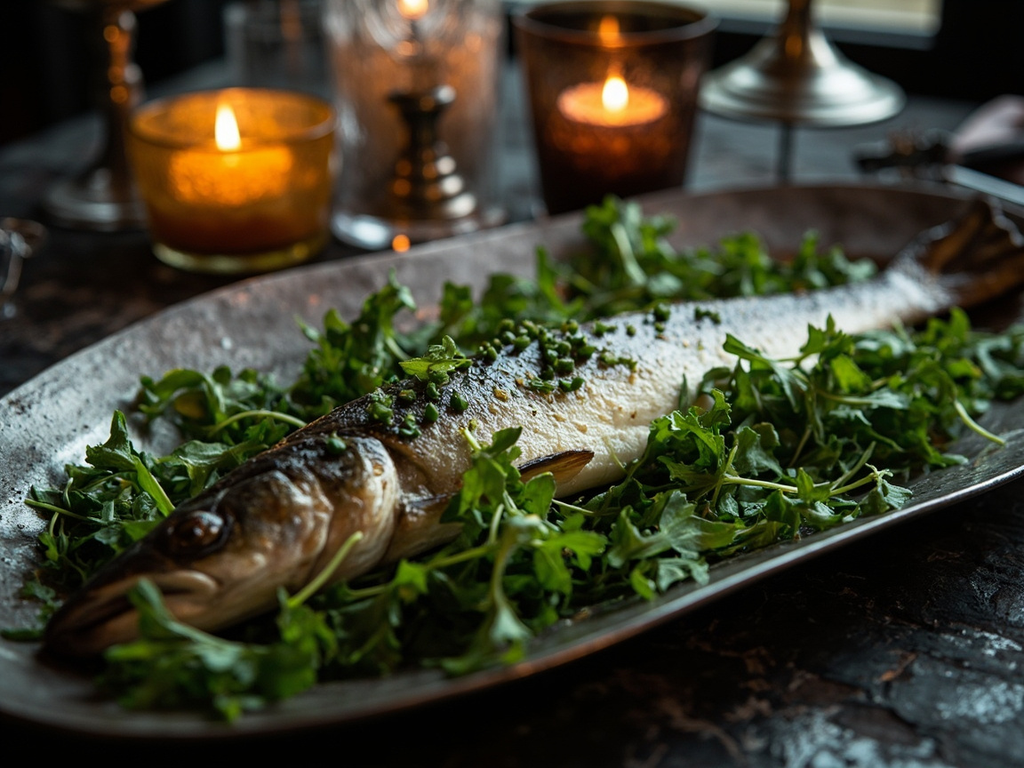
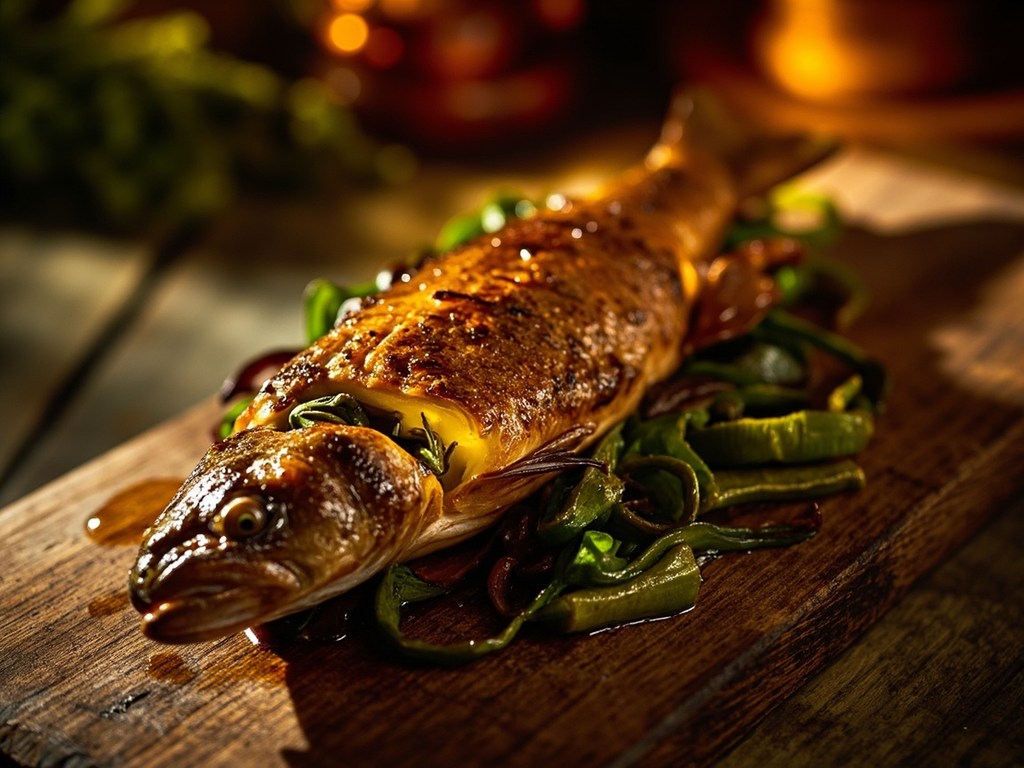
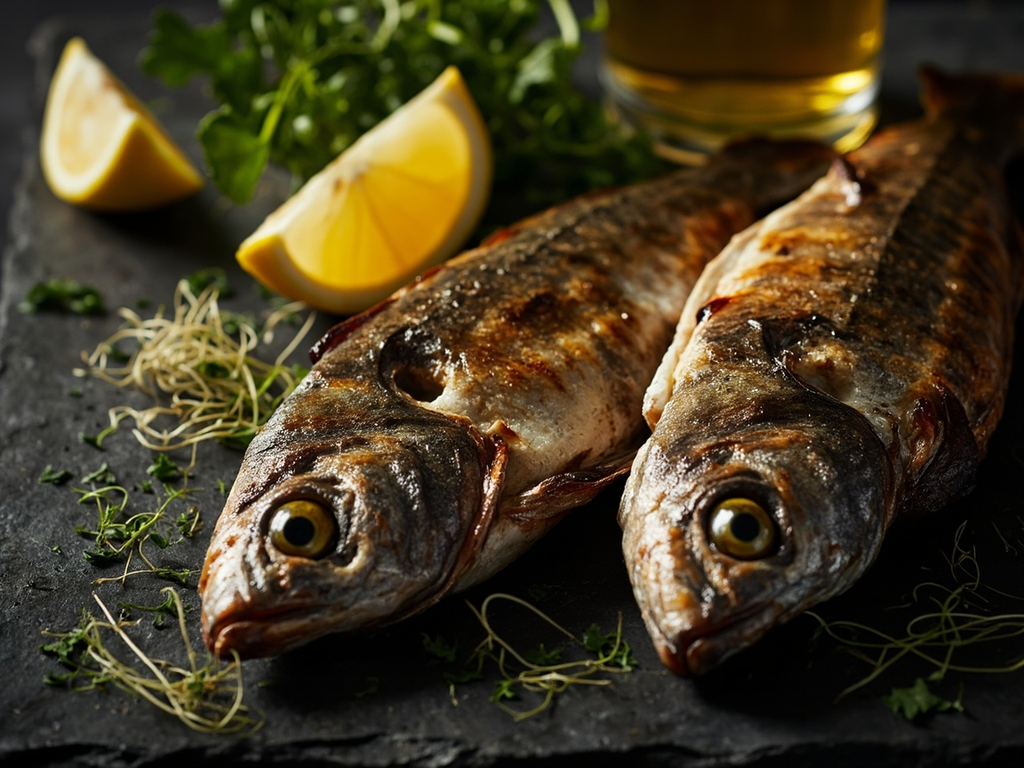
Whole herrings, simply rubbed with oil and herbs, grilled over embers until the skin is golden, then drizzled with a splash of verjuice (green grape juice) that cuts the richness of the fish. A monastic feast dish: lean, but savory and maritime.
I desire no more of the world's meats, and yet my weary body craves these little fish from the North Sea, these herrings scarcely found on our shores. Rub them with a little oil and these herbs from the cloister, lay them on the live embers, and watch that they brown without drying out. Then sprinkle them with the juice of green grapes, for acidity awakens the lean flesh and pleases the weakened palate. Serve me but one, my brother: it suffices, and I give thanks to the Creator of all water and all fish.
- •Fresh herrings — 1-2 per person (feast fish, lean day)
- •Olive oil — a drizzle (cooking fat)
- •Parsley, wild fennel — a handful (herbs)
- •Verjuice (green grape juice) — a few spoonfuls (acidity)
- •Salt and a little pepper — from the spice chest (seasoning)
Fresh Grilled Herrings with Herbs and Verjuice
Whole herrings, simply rubbed with oil and herbs, grilled over embers until the skin is golden, then drizzled with a splash of verjuice (green grape juice) that cuts the richness of the fish. A monastic feast dish: lean, but savory and maritime.
Why this dish? A famous anecdote reported by his hagiographers: dying at Fossanova Abbey in 1274, Thomas, who ate almost nothing, expressed a desire for fresh herrings — a rare fish in the Tyrrhenian Sea; the merchant's fish, it is said, was miraculously transformed. This dish evokes that last wish, simple and humble to the end.
I desire no more of the world's meats, and yet my weary body craves these little fish from the North Sea, these herrings scarcely found on our shores. Rub them with a little oil and these herbs from the cloister, lay them on the live embers, and watch that they brown without drying out. Then sprinkle them with the juice of green grapes, for acidity awakens the lean flesh and pleases the weakened palate. Serve me but one, my brother: it suffices, and I give thanks to the Creator of all water and all fish.
Ingredients (period version)
- Fresh herrings — 1-2 per person (feast fish, lean day)
- Olive oil — a drizzle (cooking fat)
- Parsley, wild fennel — a handful (herbs)
- Verjuice (green grape juice) — a few spoonfuls (acidity)
- Salt and a little pepper — from the spice chest (seasoning)
Ingredients
- Fresh whole herrings, gutted — 4 (fish)
- Olive oil — 2 tbsp (fat)
- Flat-leaf parsley — 1/2 bunch (herb)
- Fennel (fronds or seeds) — 1 tsp (flavoring)
- Verjuice (or lemon juice diluted with water) — 3 tbsp (acidity)
- Salt, pepper — to taste (seasoning)
- Lemon wedges — 1 (serving)
Method
- Pat the herrings dry, score twice on each side, salt the cavity.
- Mix oil, chopped parsley and fennel; rub the fish inside and out.
- Heat a grill or griddle very hot (or use well-established embers).
- Grill 3-4 min per side without moving too much, until skin is golden and crisp.
- Deglaze off the heat with a splash of verjuice, sprinkle with fresh herbs.
- Serve immediately with a lemon wedge if desired.
How it was made : On feast days and during Lent, fish replaced forbidden meat. Herring, abundant and cheap in the North, was mostly transported salted or smoked; fresh, it was a rare luxury in the Mediterranean — hence the power of the anecdote about Thomas. Fish was grilled over embers and soured with verjuice, the premier medieval condiment before the widespread use of lemon.
The contemporary twist : Served on a slate board with a veil of candied lemon zest, and christened "the Vow of Fossanova".
Thomas Aquinas · Charactorium