Kids interview Brigitte Bardot
by Charactorium · Brigitte Bardot (1934 — 2025) · Performing Arts · Literature · Music · 5 min read
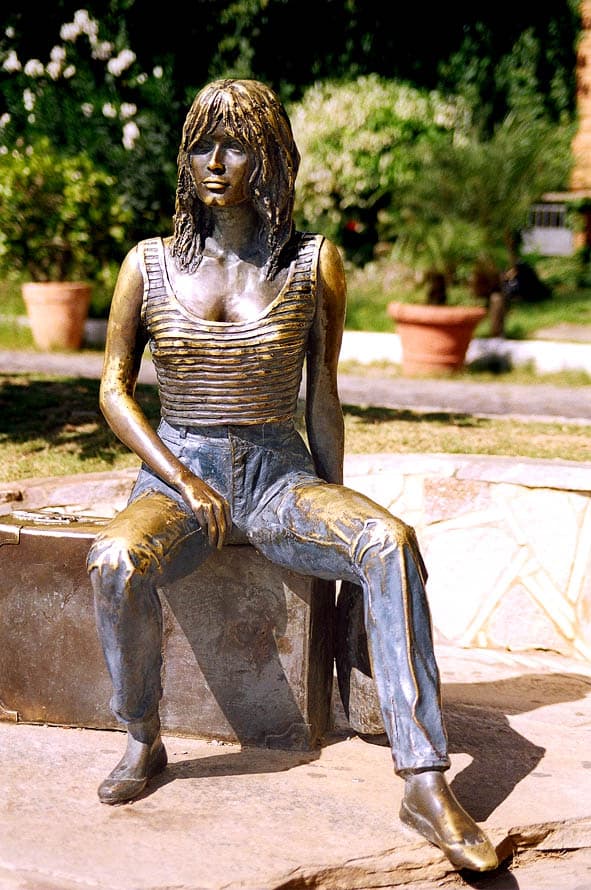
Two twelve-year-old students, on a school trip to the French Riviera, pushed open the gate of a villa surrounded by pine trees. A blond-haired lady was waiting for them, a dog lying at her feet. She smiled and invited them to sit facing the sea.
—What was Saint-Tropez like before you arrived with your film?
You know, my child, it was a tiny fishing village. Imagine painted boats, the smell of fish, quiet streets and almost no one. In 1956, I shot And God Created Woman there with Roger Vadim. The film went around the world. And then everything changed. Thousands of people arrived to see this little port. Cafés filled up, construction everywhere. A sleepy village became a famous destination because of a film. It's strange, you know: sometimes a single image is enough to transform an entire place. The quiet Saint-Tropez of my childhood never came back.
Sometimes a single image is enough to transform an entire place.
—What did your house by the water smell like in the morning?
Ah, my Madrague! I bought it in 1958, and it became my refuge. In the morning, it smelled of warm pines and bougainvillea, those purple flowers that climb the walls. I opened the shutters, and the sea was right there, so close. I did a few dance moves, a memory from my childhood lessons. Then coffee on the terrace, with my dogs and cats around me. Nothing luxurious, you know. A salad, grilled fish, the sun. I never liked big gala dinners. I loved the simple, the real, the animals and the sound of the waves.
—Why were people shocked by your clothes on the beach?
You have to imagine the era, my child. After the war, women wore tight, stiff dresses, almost like armor. And I showed up barefoot, in a bikini or a simple dress in gingham — those little check patterns. A dress tied behind the neck, messy hair. To many serious people, it was scandalous! A woman showing her shoulders and laughing in the sun disturbed them. But for young girls, it was a breath of fresh air. They started dressing like that everywhere. I didn't calculate anything, you know. I just wanted to be free in my body.
I just wanted to be free in my body.
—Were you afraid to act with a very famous actor like Jean Gabin?
A little, yes, I admit it. Jean Gabin was a giant of cinema, a towering man respected by all. And I was seen mainly as a pretty girl, not a real actress. In 1958, we shot In Case of Adversity together, a serious, dark film by director Claude Autant-Lara. I was afraid I wouldn't measure up. But you know what reassured me? Work. We rehearse, we start over, we listen to the other. And the film pleased even the toughest critics. That day, I understood that I could make people cry as well as smile. It was a great pride.
—What was it like to work with such a famous director on Contempt?
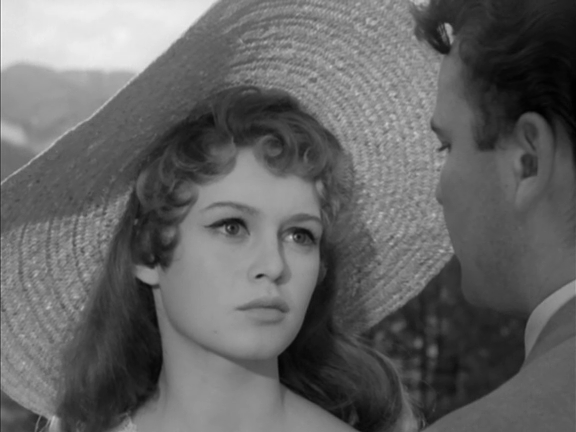
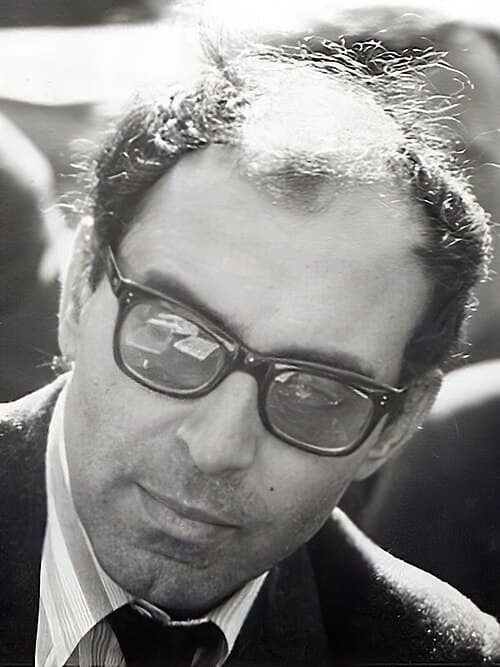
In 1963, I shot Contempt with Jean-Luc Godard. He was a filmmaker of the New Wave — let me explain: a group of young directors who wanted to break everything, film differently, in the streets, without the old rules. Godard barely directed. He let you search, he invented on the spot. At first, it's disorienting! You don't quite know what he wants. I acted alongside Michel Piccoli, a very subtle actor. The film became a masterpiece, still studied today. And me, the little beach starlet, was suddenly a prestigious actress. Life takes strange paths.
—What did it feel like to see your face everywhere, even with an American artist?
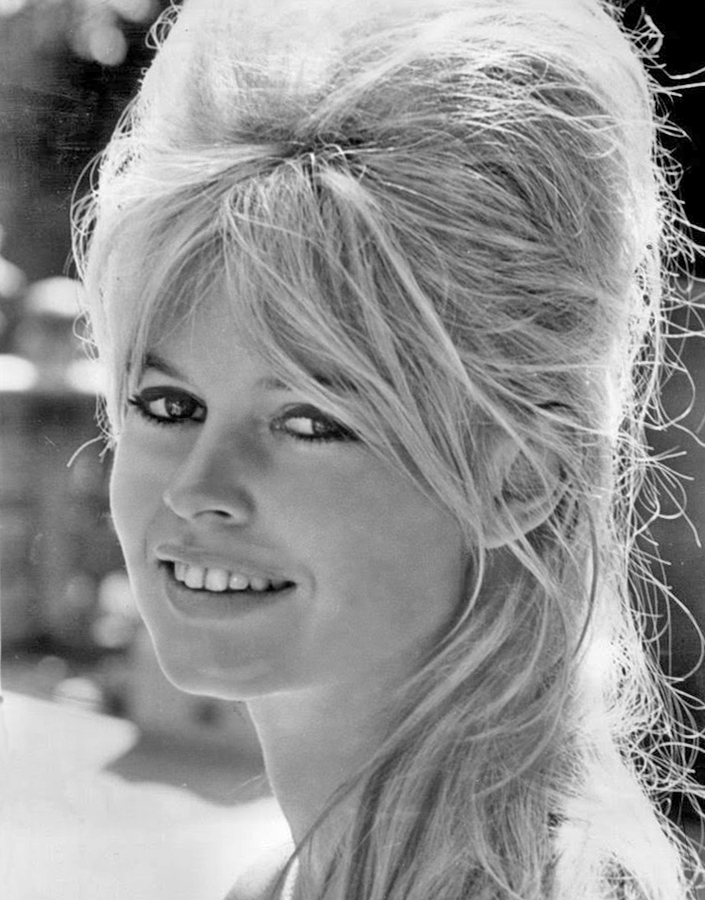
It was dizzying, you know. In 1970, a great American artist, Andy Warhol, made my portrait in several colors, repeated like a poster. He put my face next to Marilyn Monroe's. I was becoming an icon — that means an image everyone recognizes, reproduced everywhere. It's flattering, of course. But imagine: you open a newspaper, you see your face. You walk down the street, people point at you. It wasn't really me anymore, it was an image of me. And that image, little by little, took over. It lived its own life, without asking my opinion.
—Was it hard to be an image and no longer really yourself?
Yes. It's even what hurt me the most. I wrote in my memoirs, Initiales B.B., a very simple sentence: people no longer saw the woman, they saw the image, and that image devoured me. You understand? They no longer looked at me as a person, with fears and sorrows. They saw a star, a symbol. And behind it, there was just me, a woman who sometimes wanted to cry. The photographers, the paparazzi, followed me day and night in Saint-Tropez. Impossible to have peace. Success, my child, is a golden cage. It shines, but it's still a cage.
Success is a golden cage: it shines, but it's still a cage.
—A great learned lady wrote about you — were you surprised?
Enormously! In 1959, Simone de Beauvoir, a great thinker who fought for women, wrote a long text about me in a magazine. I expected her to judge me harshly. But no! She saw in me a free woman, who didn't depend on men, who owned her body as a possession that belonged to her. Coming from such an intellectual, it touched me. You know, in that era of the Glorious Thirty — those post-war years when everything was changing fast in France — women were beginning to demand more freedom. Without meaning to, I had become a small symbol of all that.
—Why did you stop everything at 39?
Because I couldn't take it anymore, my child, and because another love was calling me. In 1973, I announced I was quitting cinema for good. Thirty-nine is young to leave it all! People didn't understand. But I had discovered the cause of animals. I wrote in my book Le Carré de Pluton something I still feel: animals don't lie, don't betray, don't try to take something from you. After years of fake smiles and photographers, that saved me. I sold my jewels, my furs, to fund my fight. I was changing my life, and I was finally at peace.
Animals don't betray — that's why they saved me.
—Was it dangerous to go on the ice for the baby seals?
It was freezing, dangerous, and heartbreaking. In 1977, I went to Canada, on the great ice floes, to denounce the massacre of baby seals. They were killed by the thousands for their white fur. I lay down next to a little seal, and that photo went around the world. I also wrote a letter to the head of the Canadian government asking him to stop the carnage. It was terribly cold, we could slip, fall into the water. But I told myself: if my famous face can help save these animals, then at last it serves something true. Later, in 1992, I created my Foundation to continue.
—If one thing is remembered about you, what would it be?
You ask the most beautiful question, my child. Many will remember the young woman of Saint-Tropez, the gingham check, the films. That's a part of me, it's true. But if I could choose, I would prefer that they remember the other Brigitte: the one who, after glory, gave her whole life to animals. Beauty fades, it goes with time. But protecting a being that cannot defend itself — that stays. So when you grow up, remember: what you are famous for matters less than what you stand up for. Take care of the weakest. That's where you truly become someone.
What you are famous for matters less than what you stand up for.
This imaginary interview was generated by artificial intelligence from sources documented in Brigitte Bardot's profile. It dramatises what the figure might have said based on what we know about them, but does not constitute attested historical testimony. For primary sources and factual documentation, refer to the full profile.