Imaginary interview with Mark Antony
by Charactorium · Mark Antony (82 av. J.-C. — 29 av. J.-C.) · Military · 6 min read
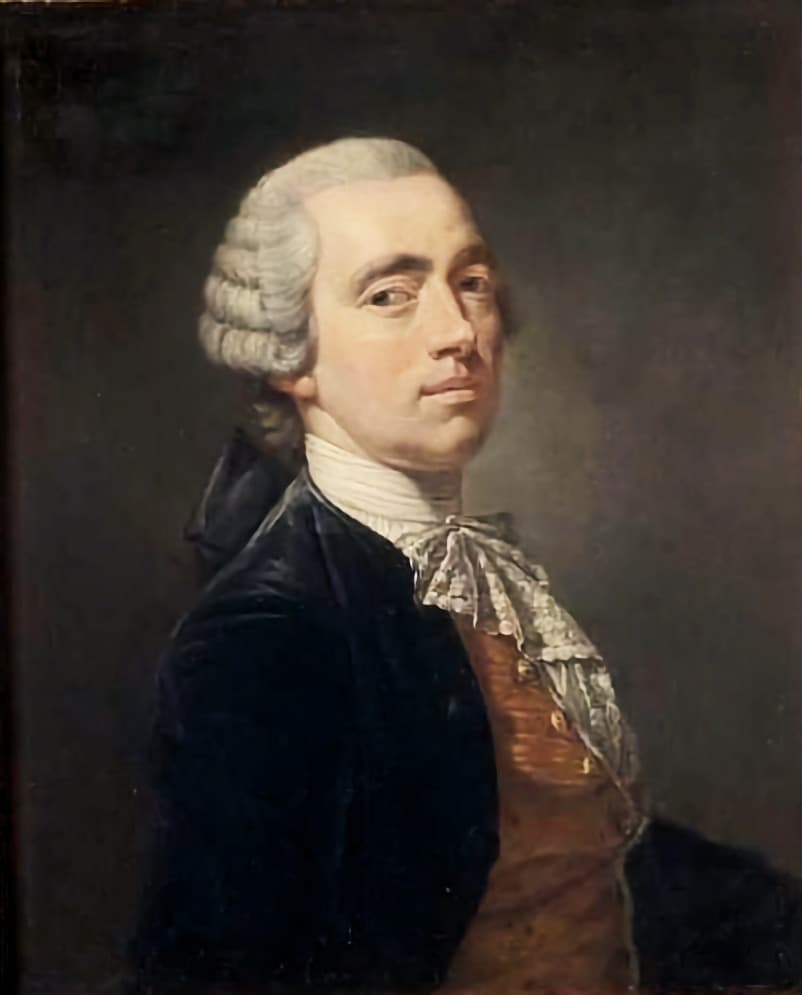
Alexandria, in the palace of the Lagids by the sea. Night falls over the harbor; the laughter of a dying banquet can still be heard. Mark Antony, his cuirass set aside, cup in hand, agrees to speak of Rome, of Caesar, and of a queen who changed the course of his life.
—How did you become, for Caesar, a man of trust?
Through the horse and through patience. In Gaul, between 54 and 50 BCE, I served as a legate under him: he entrusted me with the cavalry, and cavalry is what decides a battle even before the lines stir. Caesar did not give his esteem to those who spoke well, but to those who held their position when cold and fear worked on the men. I learned there to inspect the legions at dawn, to read a report without being deceived by flattery. When you have carried the gladius in the mud of the northern forests, you fear little in the Forum. Caesar saw me obey before he saw me command: that is how one earns a great man's trust to hand you the keys to his house.
Caesar did not give his esteem to those who spoke well, but to those who held their position.
—What happened inside you, on the day you spoke before the people at Caesar's funeral?
The Ides of March 44. They had struck him at the foot of Pompey's statue, twenty-three times, and they thought they had given Rome back its freedom. At the Forum, before the pyre, I understood that you don't reason with a crowd, you touch it. So I took the dictator's toga, the one the blades had opened, and I held it high, like raising a standard. The dried blood spoke better than I. I read his will, his gifts to the people, and pity turned to anger before my eyes. In moments, torches sought out the houses of the conspirators. Brutus and Cassius had to flee the city. I had not convinced: I had awakened a grief.
You don't reason with a crowd, you touch it. The dried blood spoke better than I.
—Were you not afraid of being accused of wielding emotion as a weapon?
I was accused, of course. Cicero, in his speeches against me, painted me as an incendiary of the city. But what is speech in the Forum, if not a weapon you choose not to leave in its sheath? Caesar's murderers had a fine word on their lips, the Republic; I had a corpse before my eyes and a people who loved him. I invented nothing: I showed what was, the torn toga, the betrayed legacies. A general knows that a position is rarely taken twice. That day, the position was the soul of the Romans, and I took it before the liberators even realized there was a battle.
—Do you remember the moment when the Roman world was divided between your hands and Octavian's?
The Treaty of Brundisium, in 40 BCE. We were three holding the imperium since the proscriptions — myself, young Octavian, and Lepidus, already forgotten. At Brundisi, we drew on the map what no king had dared: the East for me, the West for him, and the whole sealed by a marriage, that of Octavia, his sister, whom I wed. They called me a negotiator that day, and it's true that it takes more skill to share an empire than to conquer one. But I already knew what every soldier knows: an agreement sealed by a blood alliance lasts as long as feelings last. We gave Rome ten years of respite. No more.
It takes more skill to share an empire than to conquer one.
—Why did you distribute Roman lands to Cleopatra and your children, knowing the scandal it would cause?
The Donations of Alexandria, in 34. Octavian made them the instrument of my ruin, and I'm willing to debate that. But consider the East as it is: you don't govern there as in a city of citizens, you rule through kings you crown and bind to yourself. I proclaimed Caesarion king of kings because he is Caesar's blood, and my children princes of provinces I held by arms. To a Roman on the Palatine, that smelled of treason and the crown. To one who commands from the Euphrates to the Nile, it was the only way to hold those peoples without wearing out my legions. I played the East; Octavian knew how to convince Rome that I had ceased to be Roman.
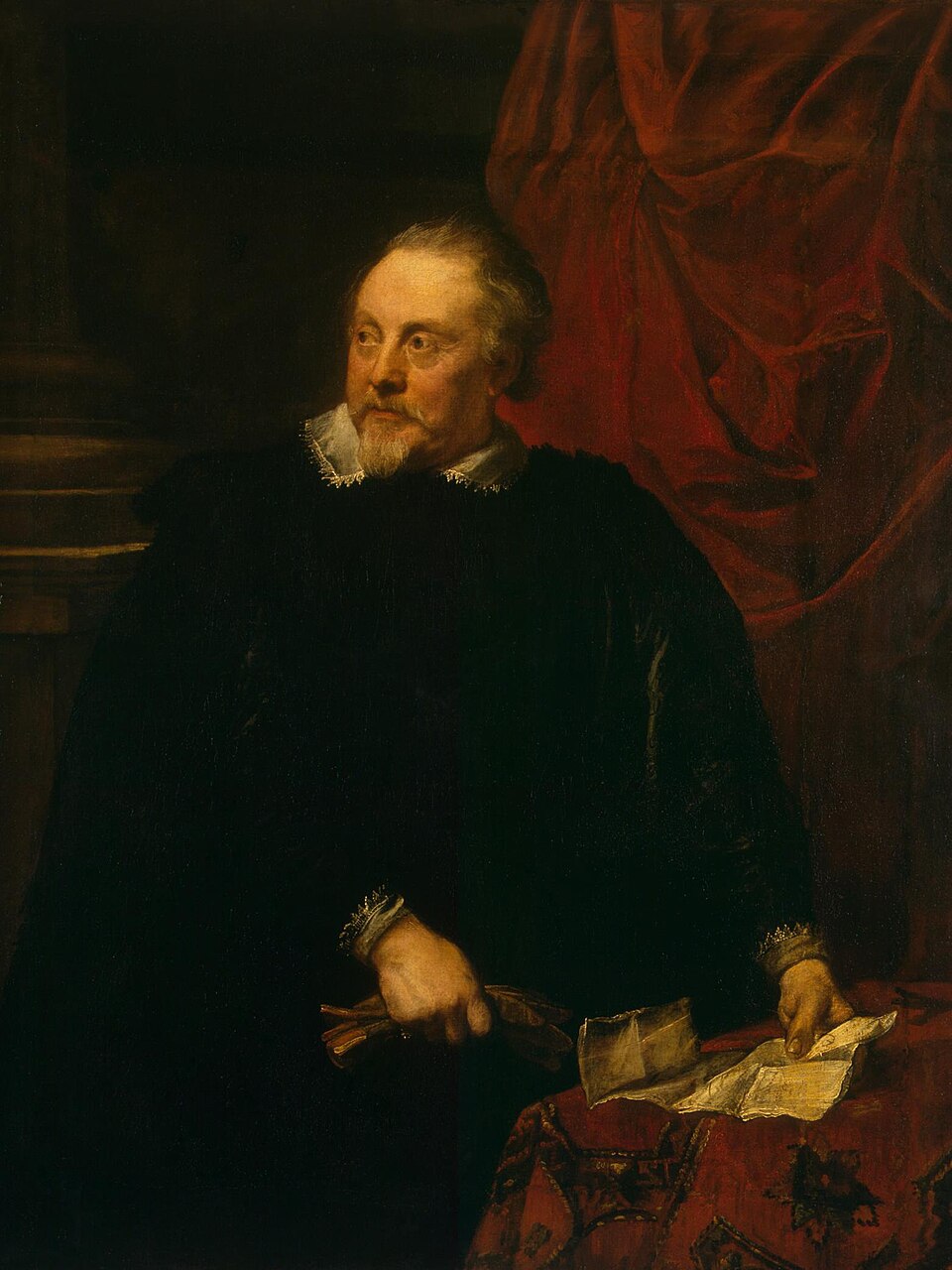
—What was your first impression of Cleopatra, at your meeting?
Tarsus, in 41. I had summoned her as one summons a sovereign who owes accounts; she came like a goddess who owes none. Her ship sailed up the river, purple sails, gilded oars, perfumes spread on the water and music preceding her hull. I waited for her on my tribunal; the people ran to the shore and left me alone. I invited her to supper. She accepted — then invited me the next day to a table so magnificent that mine seemed poor. She reminded me thereby, without a word, that she was queen and not subject. That evening, I thought I was receiving a vassal. Instead, I entered her orbit.
—Your evenings in Alexandria are spoken of as legendary splendor. What were they really like?
We had founded, she and I, a society we called the Inimitables — a fellowship of friends devoted to pushing pleasure as far as no one had taken it. In the evening, in the great palace by the sea, generals, philosophers, courtiers crowded in; we drank the wines of Greece and Italy from golden paterae, and each day's table had to surpass the previous day's. My Roman fathers would have frowned: they ate olives and legumes, and held frugality as a virtue. But I have always thought that a man who has seen his soldiers die has the right to taste what life lends him. They called it debauchery. I call it living without cheating desire.
Each day's table had to surpass the previous day's.
—Did this reputation for excess, wine, and orientalism harm you as much as they say?
More than any lost battle. Cicero, in his Philippics, threw it in my face: "What a house you have bought! What a garden! What furniture! What silver! And all taken from the spoils of those you had put to death!" He painted me drunk in the Senate, adorned like an Asian prince. Octavian took up the brush and finished the portrait: a lost Roman, become a philhellene, slave to a foreign queen. The tragedy, you see, is that you fight a lie with armies and a slander with nothing. I had the general's paludamentum on my shoulders, but in Rome they saw only my cups. A reputation is a fortress you lose without even knowing you were besieging it.
—Your campaign against the Parthians was meant to avenge Carrhae. Why did it fall short?
In 36, I set out to wash away the affront of Crassus, fallen at Carrhae with his eagles. The East is an adversary that does not give battle: it retreats, burns its crops, harasses your supply lines, and lets distance and thirst do its work. I had successes at first, then the retreat cost me thousands of men, the cold of the mountains more than the arrows. A trireme is useless in those deserts, and a gladius bites poorly on a fleeing horseman. I returned alive but diminished, and that is the worst: every step I lost in prestige, Octavian gained in Rome without drawing his sword. A failed campaign does not kill a general; it weakens him before his rival.
—What remains within you of the day of Actium?
Actium, September 31. The sea was against us, my crews reduced by fever and desertion. When I saw Cleopatra's sixty ships turn and cut toward Egypt, something in me gave way that ten campaigns had not worn down. I abandoned my lines and followed her. They wrote that I had forgotten everything, that I had betrayed myself and my soldiers by rushing after her; I will not deny it. A general who leaves his men in the midst of battle has no excuse, even love. There is my defeat, before Agrippa even completed his maneuver: not in the number of hulls, but in that moment when the man prevailed over the commander.
There is my defeat: that moment when the man prevailed over the commander.
This imaginary interview was generated by artificial intelligence from sources documented in Mark Antony's profile. It dramatises what the figure might have said based on what we know about them, but does not constitute attested historical testimony. For primary sources and factual documentation, refer to the full profile.