Kids interview René Char
by Charactorium · René Char (1907 — 1988) · Literature · 5 min read
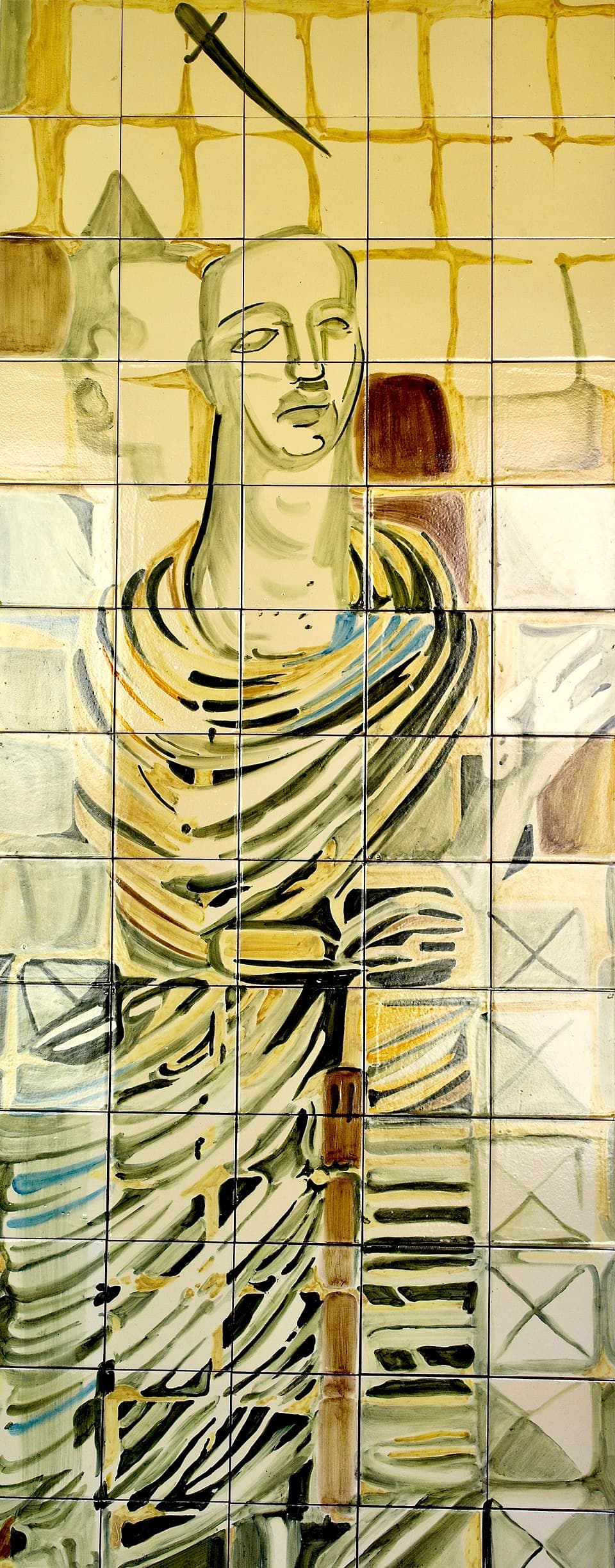
That morning, two students on a school trip push open the door of a Provençal house with closed shutters. By the banks of the Sorgue, an old poet with large hands waits for them, moved that children have come to listen. He sits them down and begins to speak very softly.
—Where were you born? What was your village like when you were little?
I was born in 1907 in L'Isle-sur-la-Sorgue, in Provence. Imagine a village set on a river so clear you could see the stones at the bottom. The Sorgue never sleeps: it runs, it sings, day and night. As a child, I spent hours watching the water turn the mill wheels. There was the scent of the garrigue all around — you know, those bushes of thyme and rosemary that smell strong in the sun. Everything I wrote later was born there. People think a poet invents. I only listened to my river.
A poet doesn't always invent: sometimes, he listens to his river.
—What did you keep in your pockets when you were a kid by the water?
Pebbles, my child. Pebbles from the Sorgue, white and smooth as soap. I picked them up, held them in my hand, and they were cold even in summer. You know what that taught me? That a very simple thing can be very solid. Those stones, the water wears them for a thousand years and they hold. Later, in my poems, I wanted words like those pebbles: few, but hard, but true. When you pick up a stone by a river, you hold a little piece of eternity in your hand. Keep it carefully.
I wanted words like pebbles: few, but true.
—Is it true that at 23, you wrote a book with two friends, all together?
It's true! In 1930, I was 23, and I wrote Ralentir travaux with two poet friends, André Breton and Paul Éluard. Imagine three boys locked up for a few days, passing the pen around, laughing, challenging each other. We belonged to surrealism — a group of artists who wanted to write with dreams, with what comes out of the mind without thinking. It was exhilarating, like jumping off a high wall. We thought we were invincible. But you know, when you're young, you need a gang. Later, you learn to walk alone. And that's even harder.
—And why did you leave your band of poet friends afterwards?
Because one day, my child, you must sing with your own voice. Around 1934, I felt the group was too tight, like a coat too small. I wrote Le Marteau sans maître — the title says it: a hammer that obeys no master! I wanted my freedom. So I returned to Provence, far from Paris and the quarrels. The others took it badly, some resented me. It's hard to disappoint your friends. But imagine a bird that stays in an open cage for fear of flying: that would be sad, wouldn't it? I chose to fly.
One day, you must sing with your own voice.
—We were told that during the war, you had a false name. What was it?
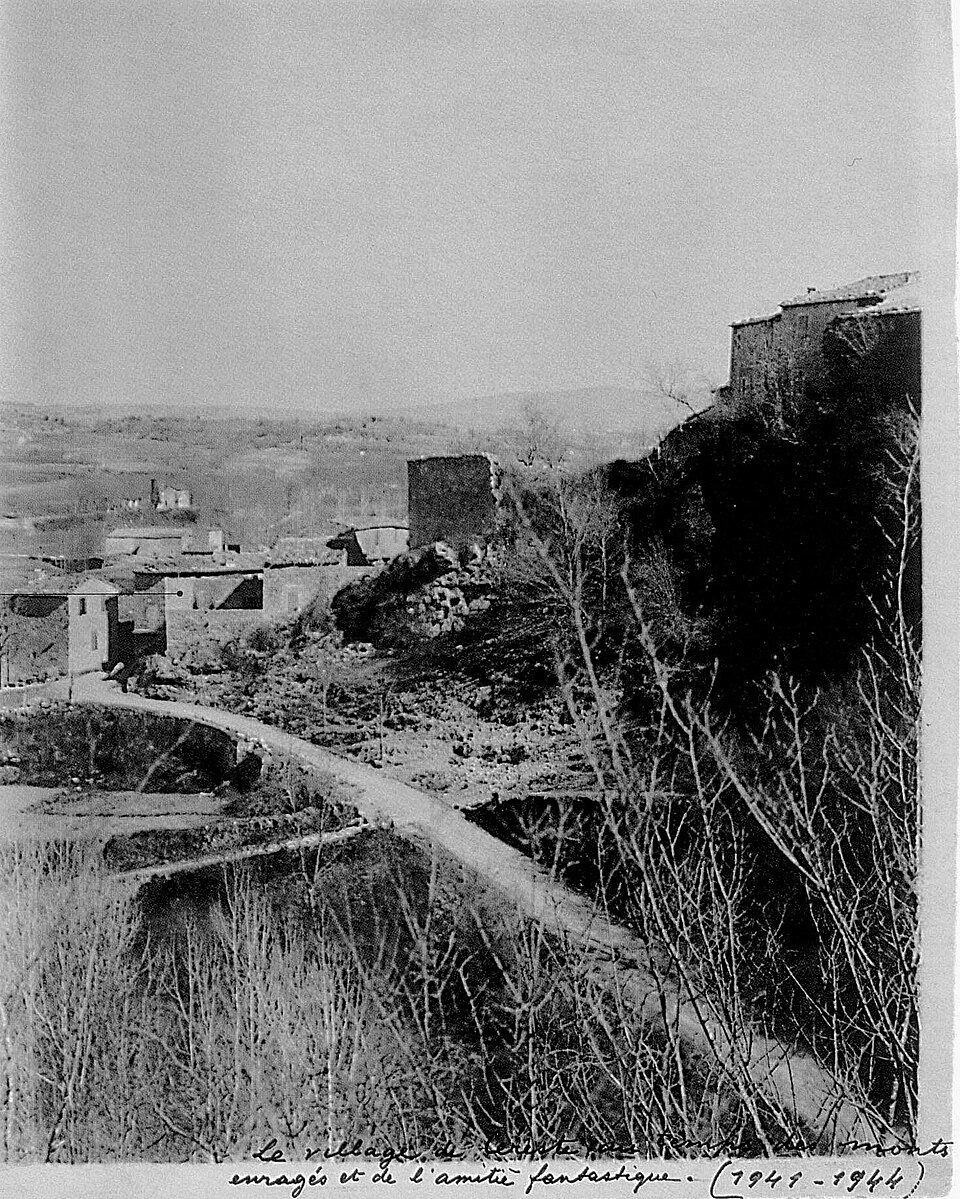
I was called "Captain Alexandre". You see, during World War II, France was occupied by the German army. Many men joined the Resistance to fight in secret: it was called the maquis, fighters hidden in the countryside. I led a group in the Basses-Alpes, near a village named Céreste. At night, we watched the sky: Allied planes dropped weapons by parachute, and we had to retrieve them quickly, without noise. I couldn't tell anyone my real name. Imagine living years without being able to say who you are. That was the danger.
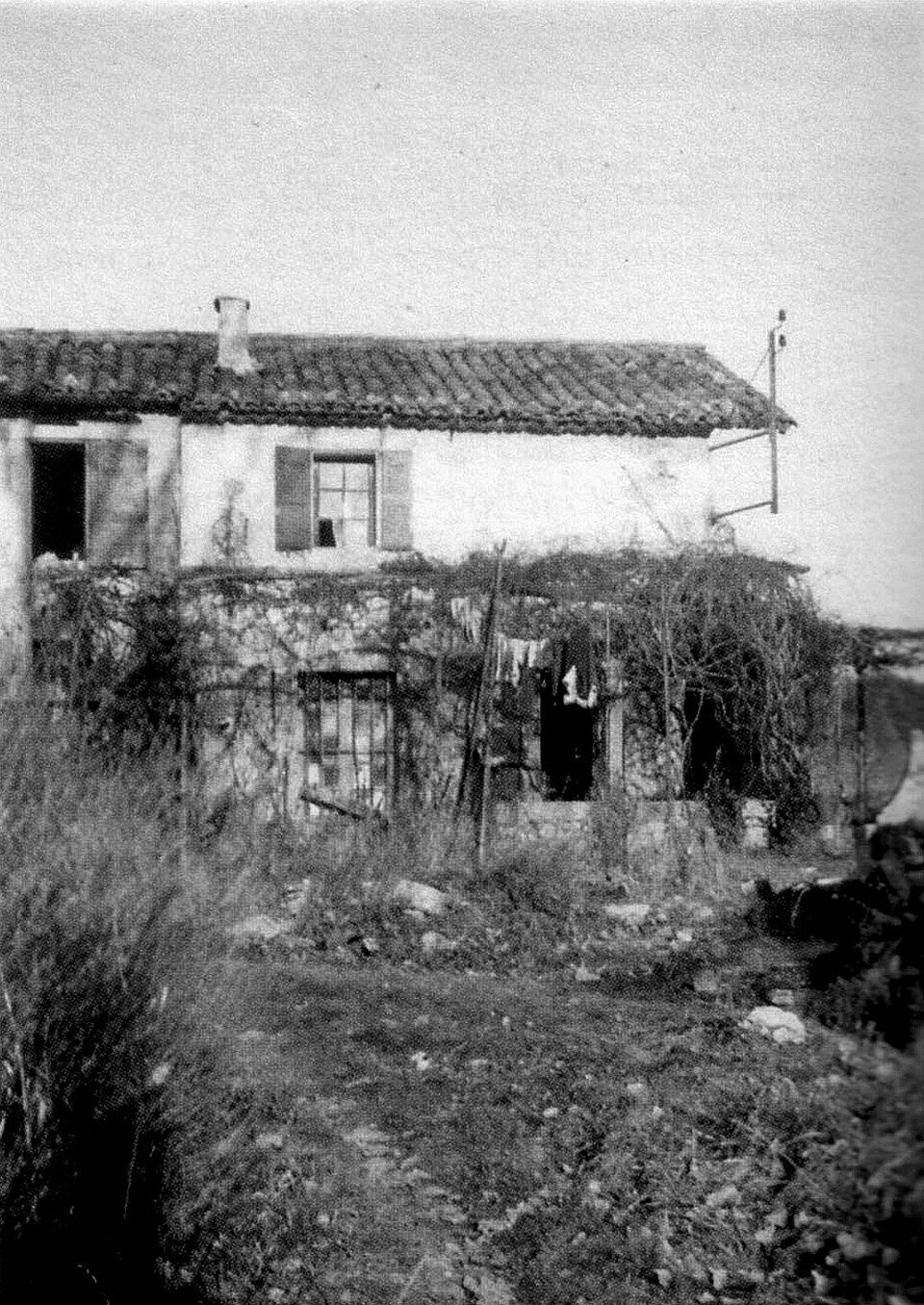
—Were you afraid at night in the maquis? And did you still write?
Yes, I was afraid. Whoever tells you he wasn't afraid is lying. But fear, you learn to walk beside it. In the evening, in my hiding place, I took out a small Resistance notebook and wrote a few lines by dim light. Not long poems — just fragments, brief thoughts. Those notebooks became a book, Feuillets d'Hypnos, in 1946. Hypnos is the Greek god of sleep. I wrote so as not to become a beast, you understand? To remain a man. When everything collapses around you, writing three true words is already resistance.
When everything collapses, writing three true words is already resistance.
—Did you have famous friends? What did you do in the evenings with them?
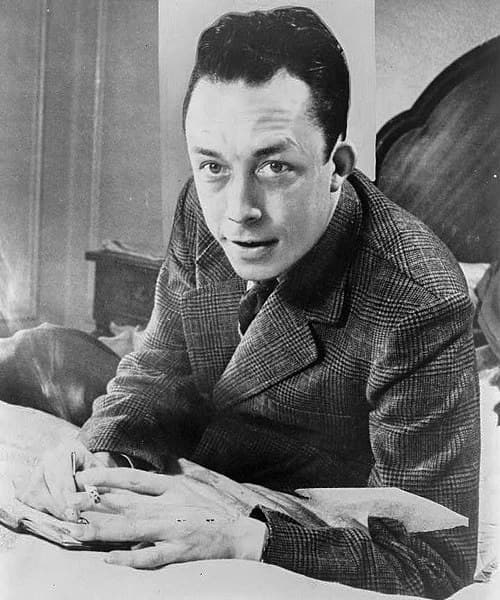
Oh yes, I had beautiful friends! The painter Georges Braque, the writer Albert Camus... In the evening, in Provence, they came to the house. We sat outside, with a little Luberon wine, and talked until late. About poetry, paintings, how to live upright. Imagine the table under the stars, low voices, the scent of the warm night. Braque watched me paint my words, I watched him paint his birds. We taught each other. You know, a friend is not someone who flatters you. It's someone who makes you better. I had some of those.
A friend is not someone who flatters you, it's someone who makes you better.
—Is it true that you said no to a big prize? Why refuse a gift?
It's true. In 1966, they wanted to give me the Grand Prix national de la poésie. A great honor, maybe a lot of money. And I said no. It surprised everyone! But think: poetry, for me, is free as the wind. You don't put a medal on the wind, you don't store it in a showcase. I was afraid that by accepting, I would become wise, obedient, an "official" poet. But I wanted to remain free to the end. It's not refusing a gift, my child: it's keeping your own treasure. Sometimes, saying no is protecting yourself.
You don't put a medal on the wind.
—What did you read in the evening? Difficult grown-up stuff?
I read very old Greek thinkers, especially one named Heraclitus. He lived more than two thousand years ago! He wrote in short mysterious sentences, flashes of thought, and that spoke to me. And then I hosted a German philosopher, Martin Heidegger, in a neighboring village, Le Thor, in 1966 and 1968. We walked, we talked for hours under the trees: what is thinking, what is a true word. You don't need to understand everything right away. Just keep one simple idea: a short sentence, if it's right, can illuminate an entire life. That's why I liked them brief.
A short sentence, if it's right, can illuminate an entire life.
—If we asked you to leave us a single piece of advice, what would it be?
I would say: move forward. In one of my books, Fureur et Mystère, I wrote a sentence I offer you: "Impose your luck, hold your happiness, and go toward your risk." It means: don't stay still for fear of being wrong. Like the Sorgue of my village, which never stops flowing. I refused honors, I left my poet friends, I fought in the night — always moving forward. You are young, you have all the morning ahead of you. So get up early, watch the light, and go toward what frightens you a little. That's where life begins.
Go toward what frightens you a little: that's where life begins.
This imaginary interview was generated by artificial intelligence from sources documented in René Char's profile. It dramatises what the figure might have said based on what we know about them, but does not constitute attested historical testimony. For primary sources and factual documentation, refer to the full profile.