 flip
flipPork Gēng with Fermented Soybean
Pork Gēng with Fermented Soybean
Why this dish? A high-ranking eunuch ennobled as Marquis of Longting, Cai Lun received the rations of the imperial court. At Luoyang banquets, stewed pork geng, the noble dish par excellence, appeared on the tables of dignitaries.
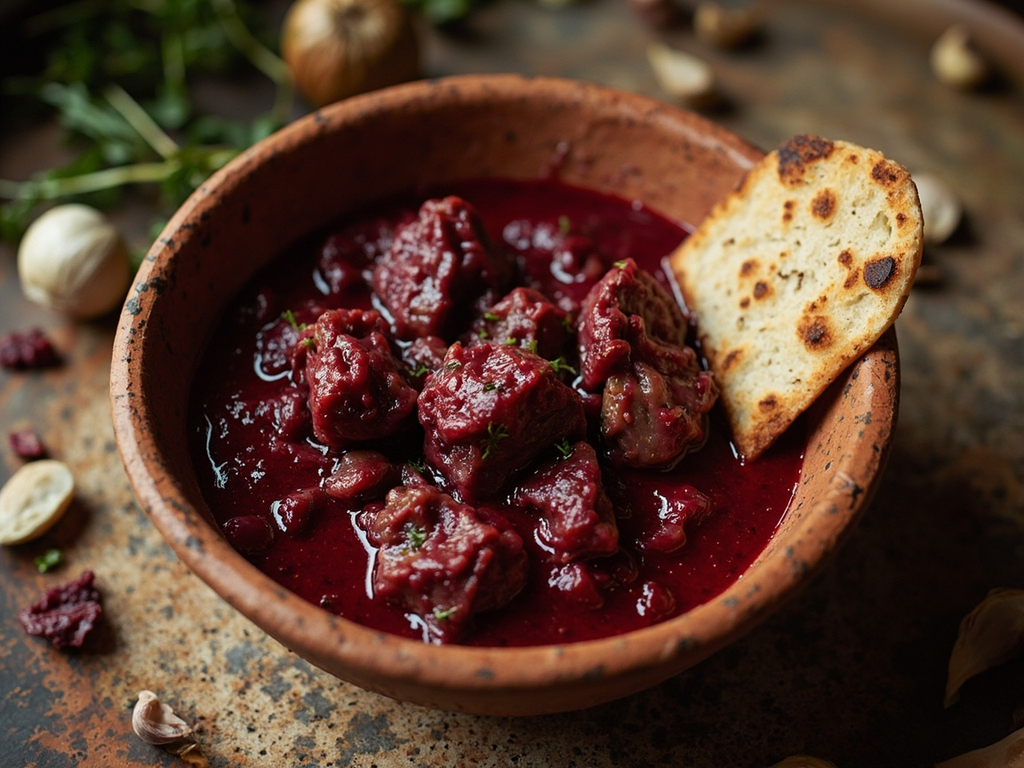
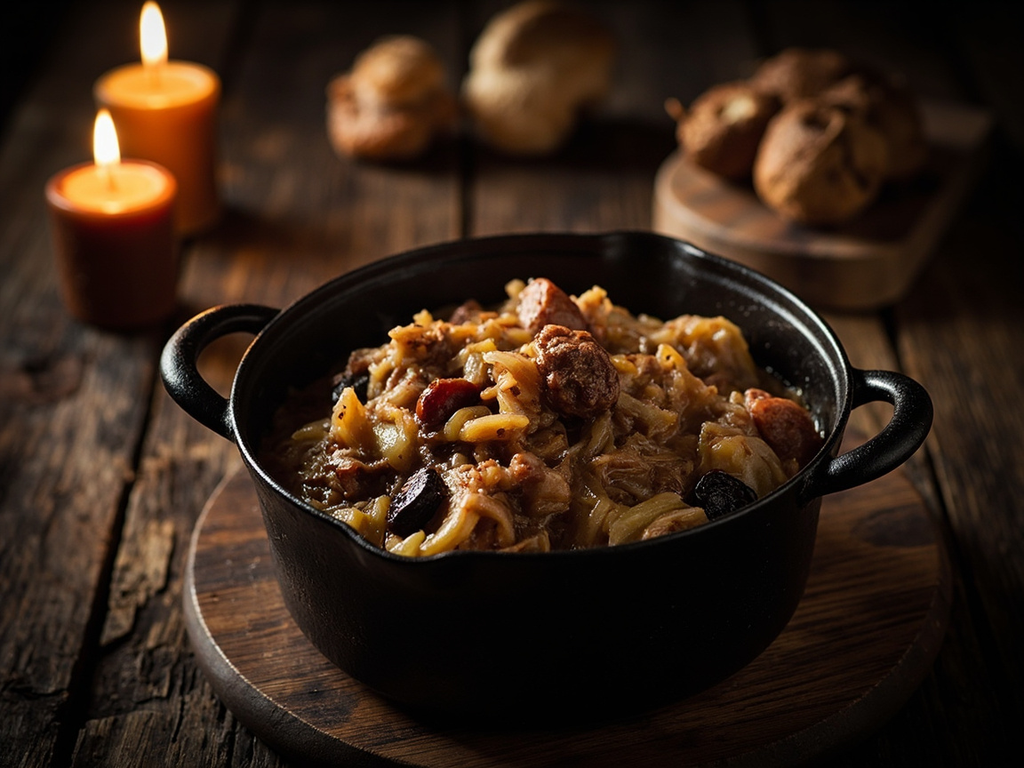
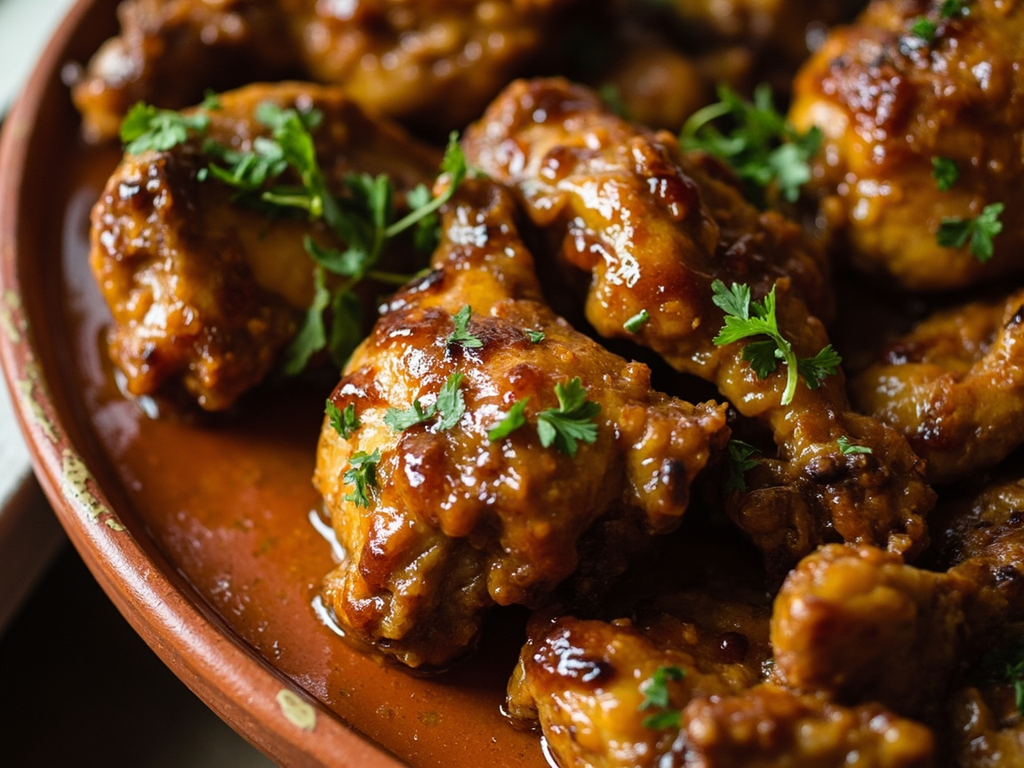
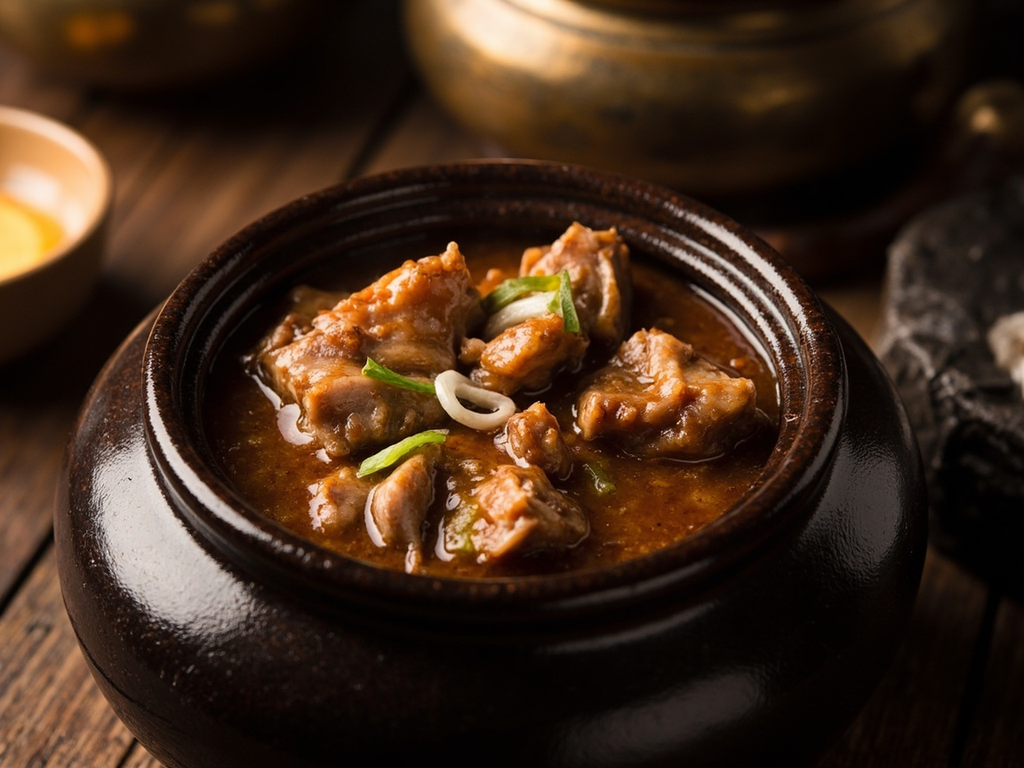
A rich stew of pork long-simmered with fermented soybean, perfumed with ginger and rice wine, bound by its own fat. The geng — halfway between thick soup and stew — was THE prestige dish of Han banquets, its richness signaling the host's rank.
When the court held a banquet, a man was judged by his geng. I want you to choose a fine piece of pork, fat and lean together, for fat carries the flavor. Sweat it gently, drown it in rice wine and a generous spoonful of jiāng, add fresh ginger to cut the heaviness, and let the fire work for hours. When the flesh falls apart under the chopstick and the sauce coats the bowl, then you may present yourself before quality guests without blushing.
- •Pork (belly and shoulder) — a good piece (noble meat for the geng)
- •Jiāng (fermented soybean paste) — two spoonfuls (deep umami seasoning)
- •Rice wine (lǎo, 醪) — one bowl (fragrant braising liquid)
- •Fresh ginger — one piece (aromatic that lightens the fat)
- •Chinese scallion — a few stalks (finishing perfume)
Pork Gēng with Fermented Soybean
A rich stew of pork long-simmered with fermented soybean, perfumed with ginger and rice wine, bound by its own fat. The geng — halfway between thick soup and stew — was THE prestige dish of Han banquets, its richness signaling the host's rank.
Why this dish? A high-ranking eunuch ennobled as Marquis of Longting, Cai Lun received the rations of the imperial court. At Luoyang banquets, stewed pork geng, the noble dish par excellence, appeared on the tables of dignitaries.
When the court held a banquet, a man was judged by his geng. I want you to choose a fine piece of pork, fat and lean together, for fat carries the flavor. Sweat it gently, drown it in rice wine and a generous spoonful of jiāng, add fresh ginger to cut the heaviness, and let the fire work for hours. When the flesh falls apart under the chopstick and the sauce coats the bowl, then you may present yourself before quality guests without blushing.
Ingredients (period version)
- Pork (belly and shoulder) — a good piece (noble meat for the geng)
- Jiāng (fermented soybean paste) — two spoonfuls (deep umami seasoning)
- Rice wine (lǎo, 醪) — one bowl (fragrant braising liquid)
- Fresh ginger — one piece (aromatic that lightens the fat)
- Chinese scallion — a few stalks (finishing perfume)
Ingredients
- Pork belly (and a little shoulder) — 600 g (stewing meat)
- Soybean paste (brown miso or doubanjiang) — 2 tbsp (fermented umami)
- Rice wine (Shaoxing) — 200 ml (braising)
- Fresh ginger — 4 slices (aromatic)
- Scallion — 2 stalks (finishing)
- Water — 500 ml (liquid)
Method
- Cut the pork into large cubes. Brown them dry in a hot pot until the fat renders.
- Add the sliced ginger, stir for a minute, then pour in the rice wine and let it simmer for 2 minutes.
- Dilute the soybean paste, add it with enough water to half-cover the meat.
- Cover and simmer over very low heat for 1.5 to 2 hours, until the meat is tender and the sauce syrupy.
- Adjust seasoning, sprinkle with chopped scallion, and serve hot in bowls.
How it was made : The geng (羹) was the most common and valued meat dish of the Han: a thick stew whose richest versions, made with pork, mutton, or game, adorned aristocratic banquets. Excavations of Han tombs (such as Mawangdui) have yielded lists of funerary menus enumerating many varieties of geng. Slow simmering in earthenware or bronze pots was the norm.
The contemporary twist : Serve the geng in individual lacquered cocottes, the meat glossy and caramelized by the soybean, with a drizzle of ginger oil and a few scallion flowers — an 'imperial braise' version for a festive table.
Cai Lun · Charactorium