 flip
flipLentils and Barley Bread of Widowhood
Lentils and Barley Bread of Widowhood
Why this dish? After Clovis's death, Clotilde retired near the tomb of Saint Martin in Tours, living in prayer, almsgiving, and monastic frugality. This humble dish of lentils and barley bread evokes her widow's table, shared with the poor she fed from her alms purse.
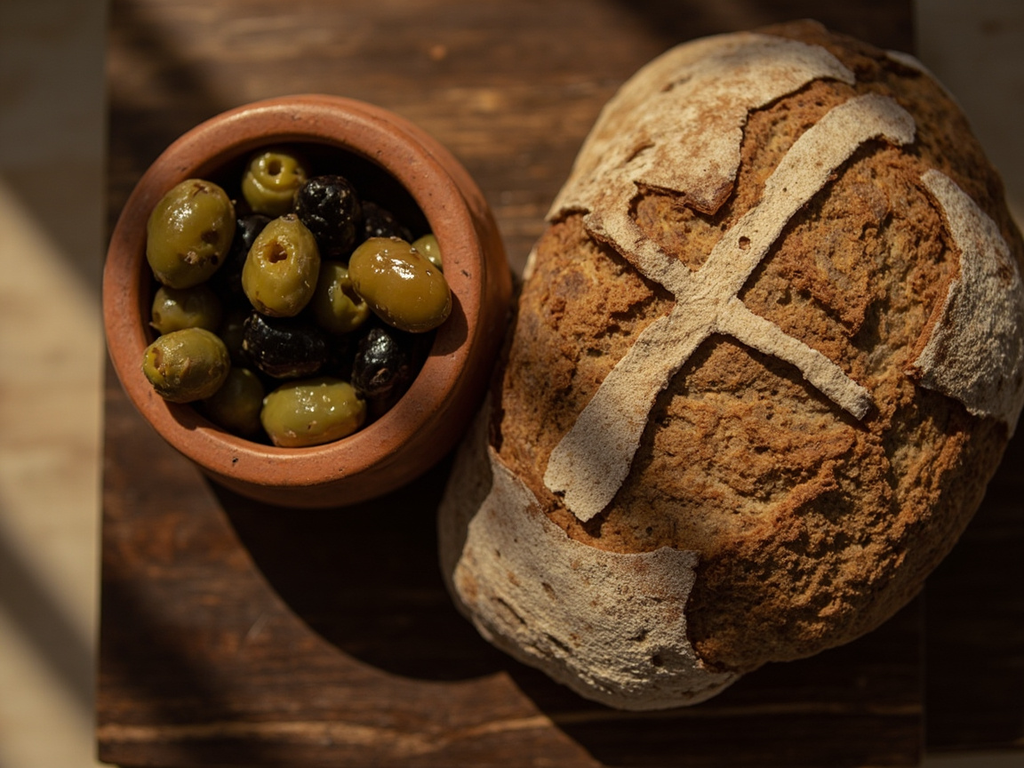
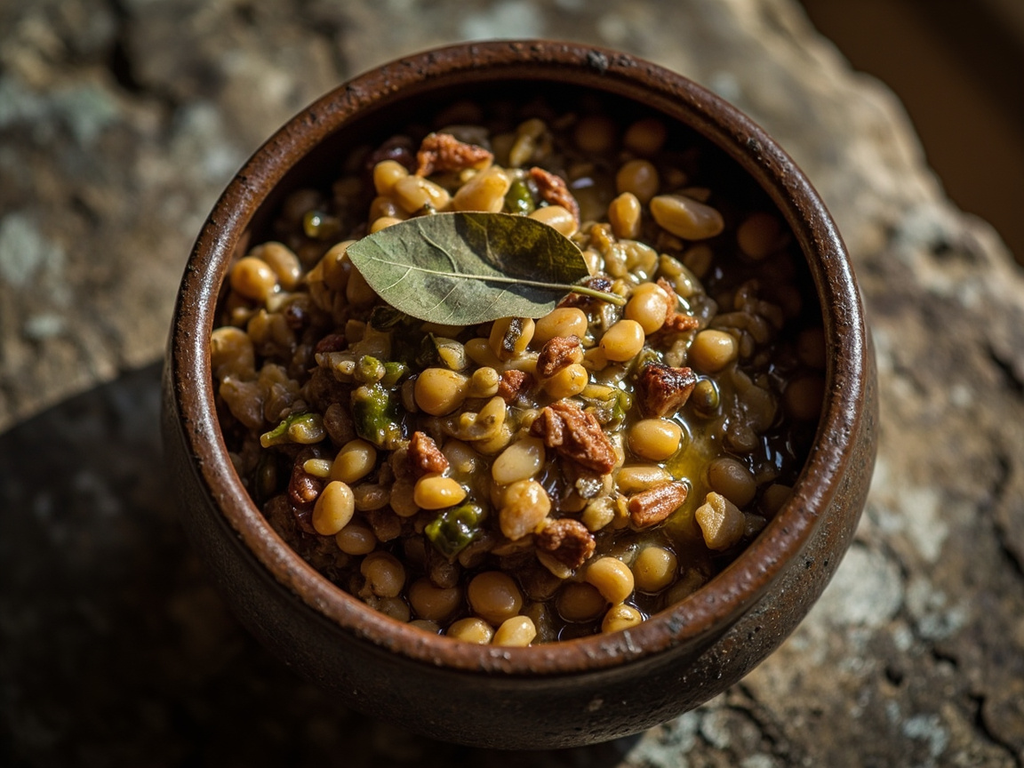
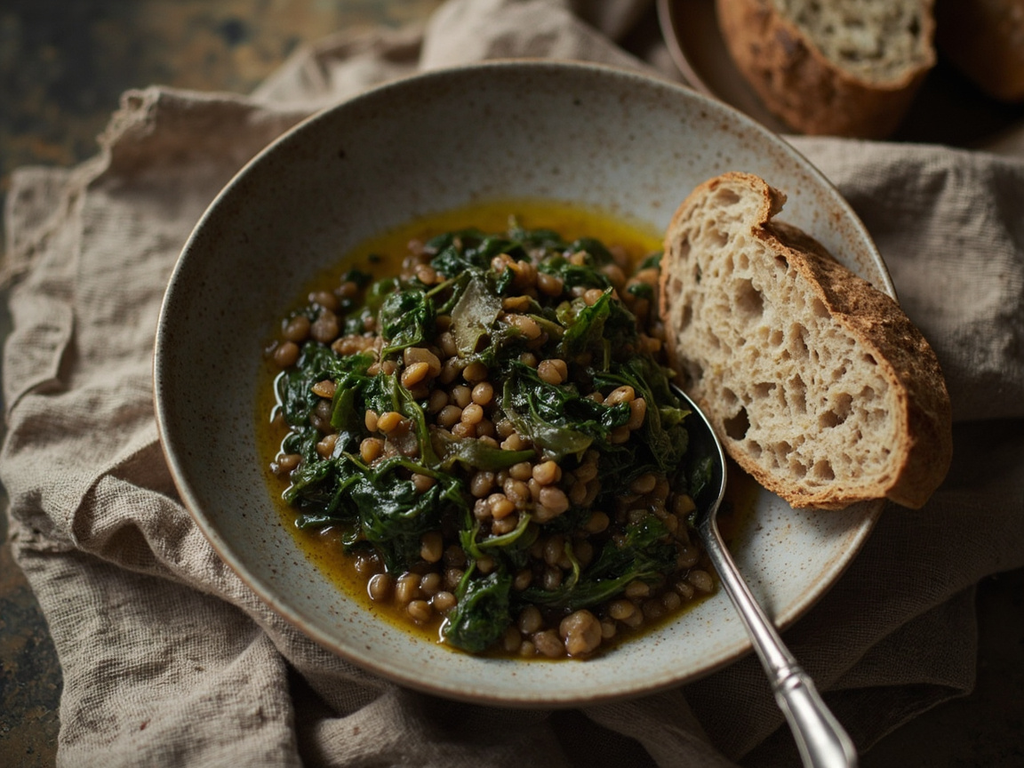
A dish of lentils simmered with bitter herbs and a dash of vinegar, accompanied by a dense barley bread. Austere and nourishing, it is the cuisine of fasting and charity, without meat or pomp.
When the king my husband was called to God, I left the diadems and feasts for the veil and the simple bowl. Near Saint Martin, I ate like the sisters: lentils cooked long, garden herbs a little bitter, a little vinegar, and that barley bread that monks break. What I saved from my table, I gave to the poor with my own hand. Believe me: one is never more queen than when sharing one's bread.
- •Lentils — a measure (nourishing legume)
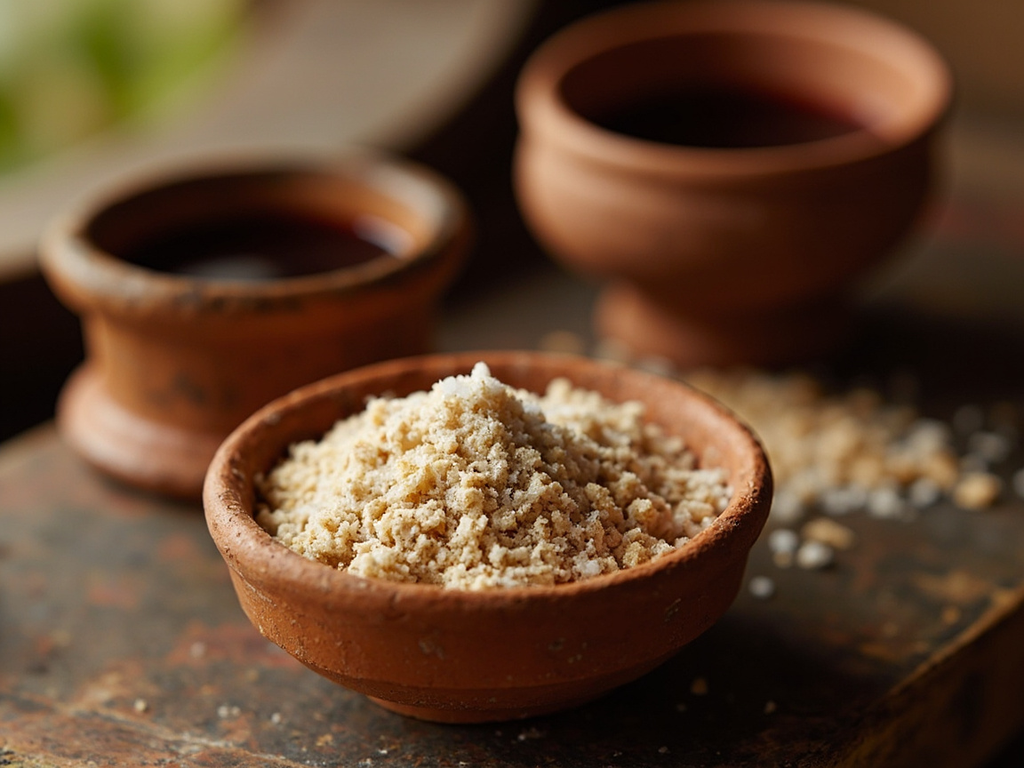
- •Barley flour — for the bread (humble cereal)
- •Bitter herbs (chard, wild chicory) — a bunch (Lenten greens)
- •Vinegar — a dash (acidity)
- •Olive oil — a drizzle (lean fat)
Lentils and Barley Bread of Widowhood
A dish of lentils simmered with bitter herbs and a dash of vinegar, accompanied by a dense barley bread. Austere and nourishing, it is the cuisine of fasting and charity, without meat or pomp.
Why this dish? After Clovis's death, Clotilde retired near the tomb of Saint Martin in Tours, living in prayer, almsgiving, and monastic frugality. This humble dish of lentils and barley bread evokes her widow's table, shared with the poor she fed from her alms purse.
When the king my husband was called to God, I left the diadems and feasts for the veil and the simple bowl. Near Saint Martin, I ate like the sisters: lentils cooked long, garden herbs a little bitter, a little vinegar, and that barley bread that monks break. What I saved from my table, I gave to the poor with my own hand. Believe me: one is never more queen than when sharing one's bread.
Ingredients (period version)
- Lentils — a measure (nourishing legume)
- Barley flour — for the bread (humble cereal)
- Bitter herbs (chard, wild chicory) — a bunch (Lenten greens)
- Vinegar — a dash (acidity)
- Olive oil — a drizzle (lean fat)
Ingredients
- Green lentils — 250 g (legume)
- Barley flour (or half barley, half wheat) — 300 g (bread)
- Chard or chicory — 1 bunch (bitter greens)
- Onion — 1 (aromatic)
- Wine vinegar — 1 tbsp (acidity)
- Olive oil — 2 tbsp (fat)
- Salt, sourdough or yeast — to taste (seasoning and bread)
Method
- For the bread: knead barley flour with water, salt, and sourdough; let rise, then bake as a dense flatbread for 30 to 40 minutes in the oven.
- Cook the lentils in unsalted water for 25 minutes with the onion, until tender.
- Sauté the chard or chicory in olive oil in a pan.
- Combine lentils and greens, salt, add vinegar and a drizzle of oil.
- Serve warm, with the barley bread torn by hand.
How it was made : Early medieval monastic cuisine often forbade meat: they lived on legumes, barley or rye bread, pot herbs, and fish on feast days. Barley bread, less prestigious than wheat, was that of the humble and penitents. Great ladies retired from the world, like Clotilde or Radegund, adopted this austere diet and redistributed their goods as alms.
The contemporary twist : Plate the lentils in a dome with bitter greens and a drizzle of green oil, barley bread in shards around: a 'monastic' minimalist dish in the slow-food spirit.
Sources : Gregory of Tours, History of the Franks (Clotilde's retirement to Tours) · Venantius Fortunatus, Life of Saint Radegund (diet of retired queens)
Clotilde · Charactorium