 flip
flipOgórki kiszone — lacto-fermented cucumbers
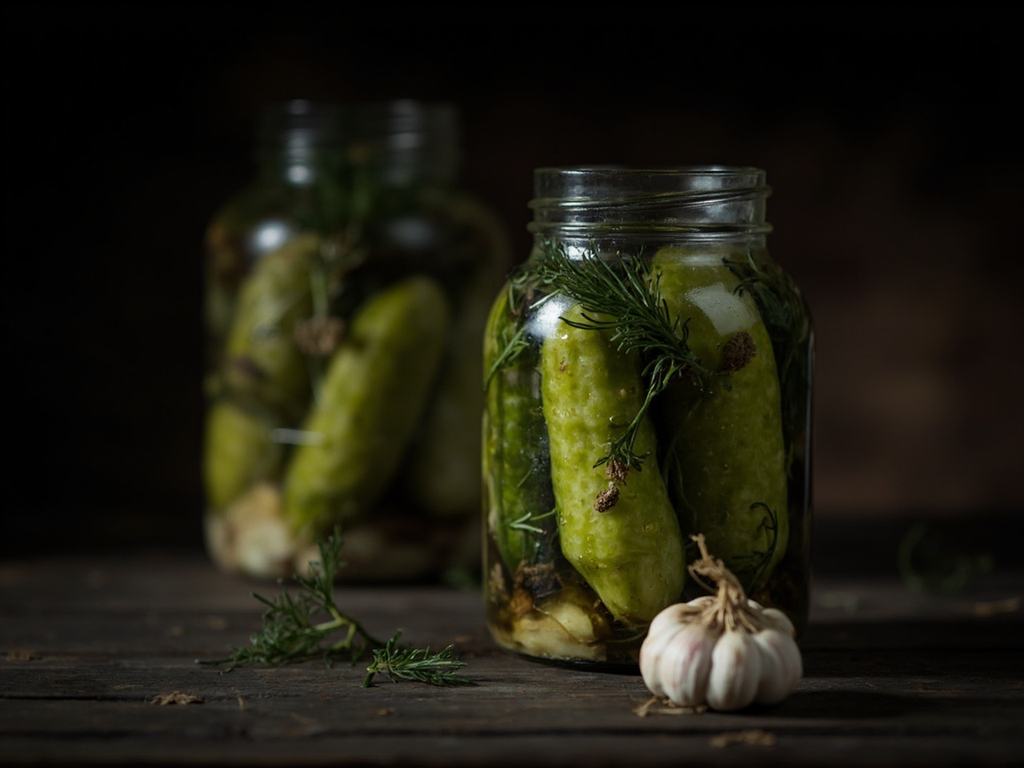
Ogórki kiszone — lacto-fermented cucumbers
Why this dish? The storage vegetable of Polish winters, present in every cellar in Zamość: fermented in summer to last until spring. A cuisine of foresight and patience—that of a woman who thought in terms of masses and long duration.
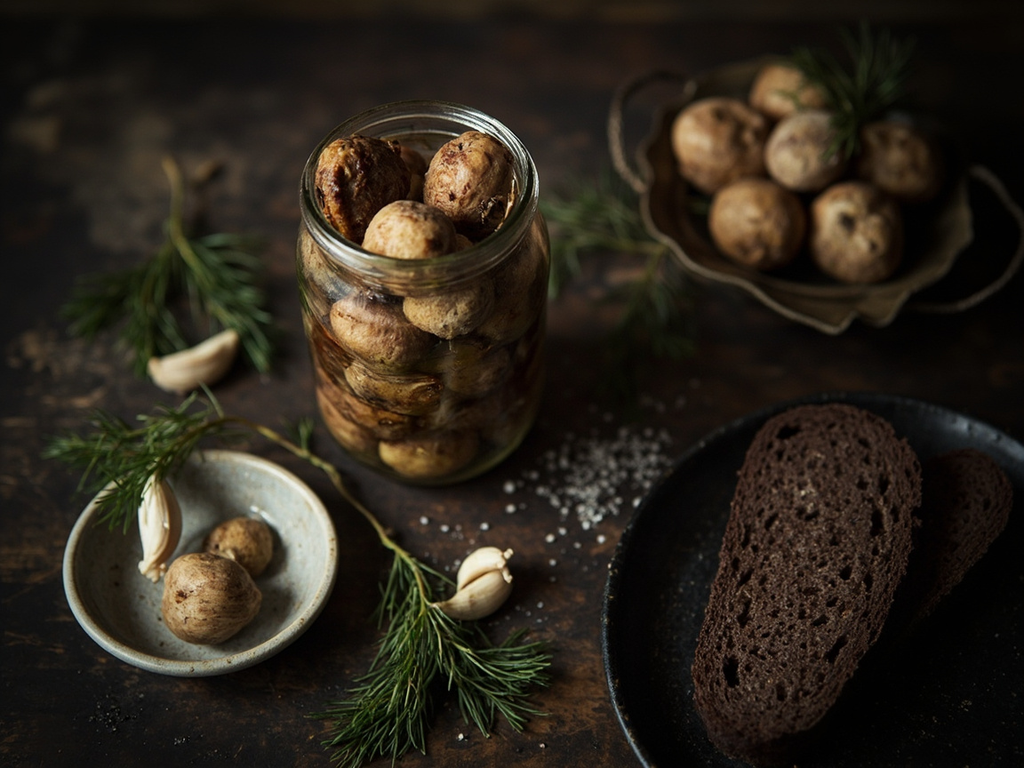
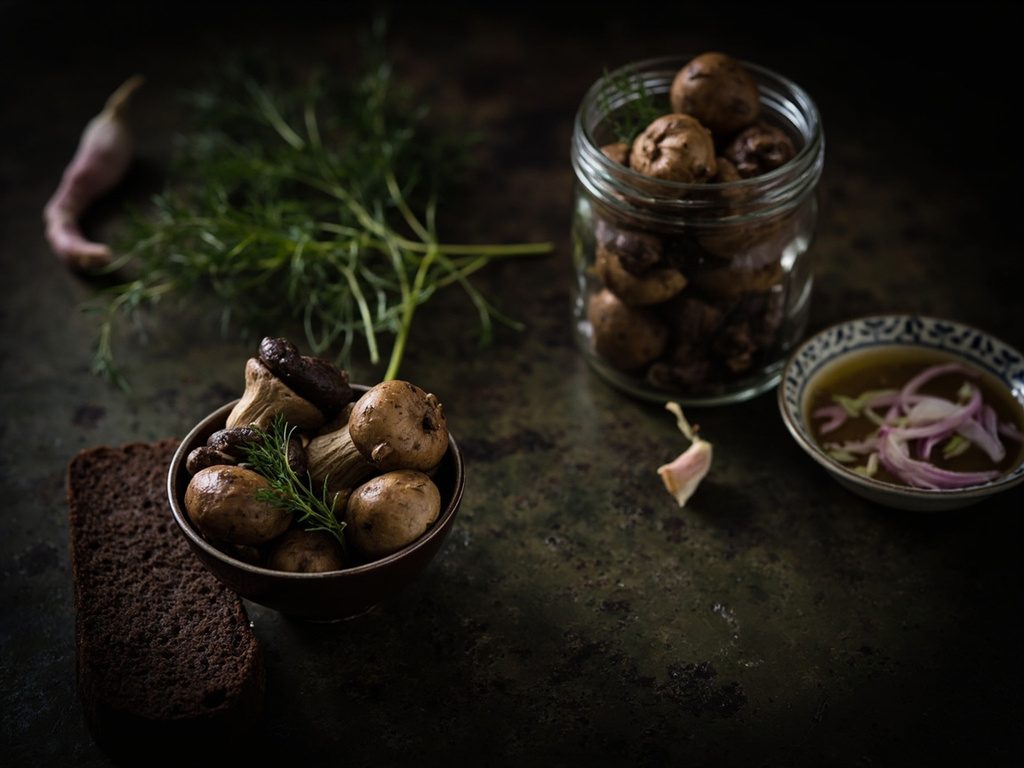
Cucumbers immersed in a brine of dill, garlic, and horseradish, where good bacteria do their work. Crunchy, salty-sour, alive: they accompany bread and soup all winter long.
The secret is not in vinegar—which we keep for the impatient—but in time and salt. You pack the cucumbers at the bottom of the barrel with flowering dill, garlic, a piece of horseradish, and the salted water does the rest, all by itself, gently bubbling in the cellar. A few days, and you have a reserve that lasts the whole winter. I see a fine lesson in it: what endures is not done in haste.
- •Firm cucumbers — a full barrel (vegetable)
- •Salt — for brine (preservation)
- •Dill in flower umbels — several stems (aromatic)
- •Garlic — a few heads (aromatic)
- •Horseradish root — a piece (firmness and pungency)
- •Oak or blackcurrant leaves — a handful (tannins, crunch)
Ogórki kiszone — lacto-fermented cucumbers
Cucumbers immersed in a brine of dill, garlic, and horseradish, where good bacteria do their work. Crunchy, salty-sour, alive: they accompany bread and soup all winter long.
Why this dish? The storage vegetable of Polish winters, present in every cellar in Zamość: fermented in summer to last until spring. A cuisine of foresight and patience—that of a woman who thought in terms of masses and long duration.
The secret is not in vinegar—which we keep for the impatient—but in time and salt. You pack the cucumbers at the bottom of the barrel with flowering dill, garlic, a piece of horseradish, and the salted water does the rest, all by itself, gently bubbling in the cellar. A few days, and you have a reserve that lasts the whole winter. I see a fine lesson in it: what endures is not done in haste.
Ingredients (period version)
- Firm cucumbers — a full barrel (vegetable)
- Salt — for brine (preservation)
- Dill in flower umbels — several stems (aromatic)
- Garlic — a few heads (aromatic)
- Horseradish root — a piece (firmness and pungency)
- Oak or blackcurrant leaves — a handful (tannins, crunch)
Ingredients
- Small firm cucumbers — 1 kg (vegetable)
- Water — 1 liter (brine)
- Non-iodized salt — 40 g (4%) (preservation)
- Dill (stems and flowers) — a bunch (signature aromatic)
- Garlic — 4 cloves (aromatic)
- Horseradish — a 5 cm piece (crunch)
- Blackcurrant or bay leaves — a few (tannins)
Method
- Dissolve salt in water to make a 4% brine.
- Pack cucumbers upright in a jar with dill, garlic, horseradish, and leaves.
- Cover completely with brine; weigh down so nothing floats.
- Close loosely (gases must escape) and leave at room temperature 3–7 days: the brine will turn cloudy and bubble.
- Taste: when the acidity pleases you, refrigerate to slow fermentation. Keeps for weeks.
How it was made : Before refrigeration, lacto-fermentation in oak barrels stored in the cellar preserved cucumbers, cabbages, and beets all winter. A vital source of vitamin C during the cold season in Northern and Eastern Europe.
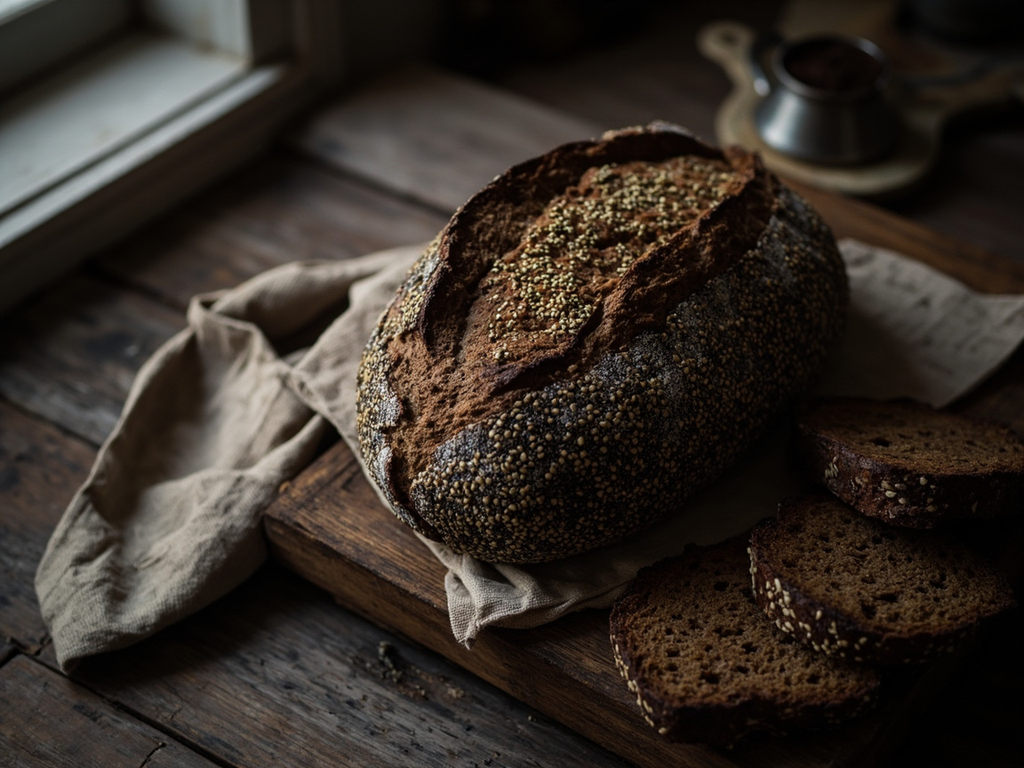
The contemporary twist : In a glass jar, follow the ballet of bubbles; serve sliced with a dab of mustard and buttered dark bread.
Rosa Luxemburg · Charactorium