 flip
flipPort Fish Roasted with Garum, Wine, and Herbs
Port Fish Roasted with Garum, Wine, and Herbs
Why this dish? Alexandria is a port: fresh fish arrived each morning from **Lake Mareotis** and the nearby **Mediterranean**. To host colleagues from the **Mouseion** at his table, a well-off scholar would serve a beautiful roasted fish, a choice dish that distinguished an ordinary meal from one of hospitality.
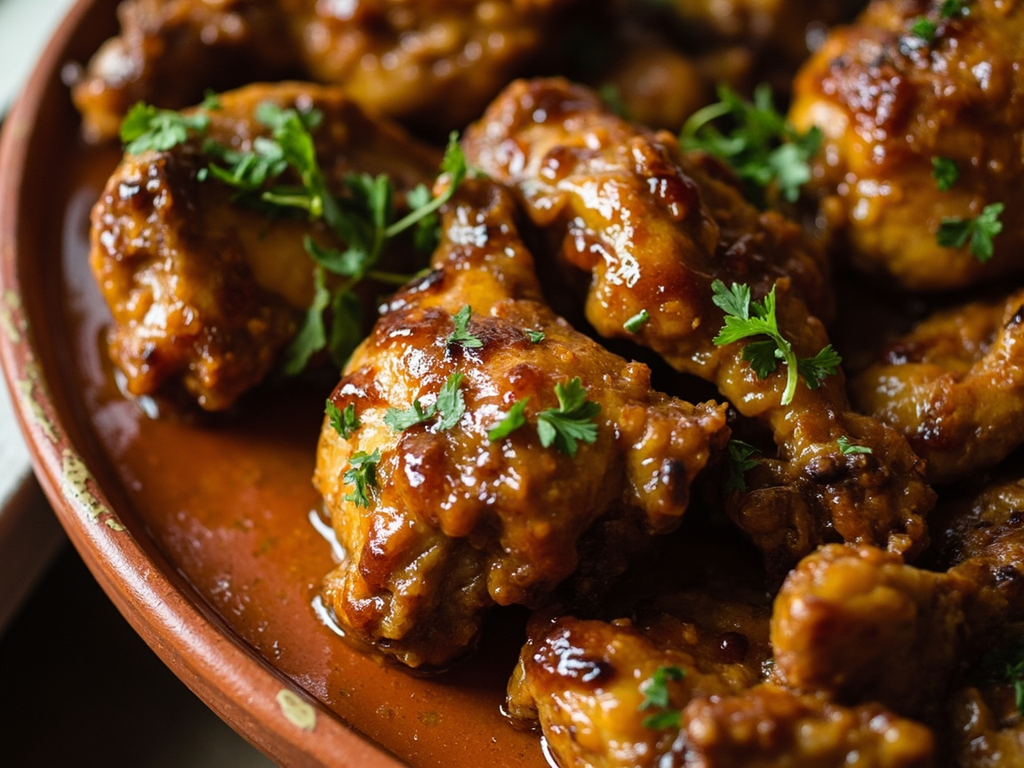
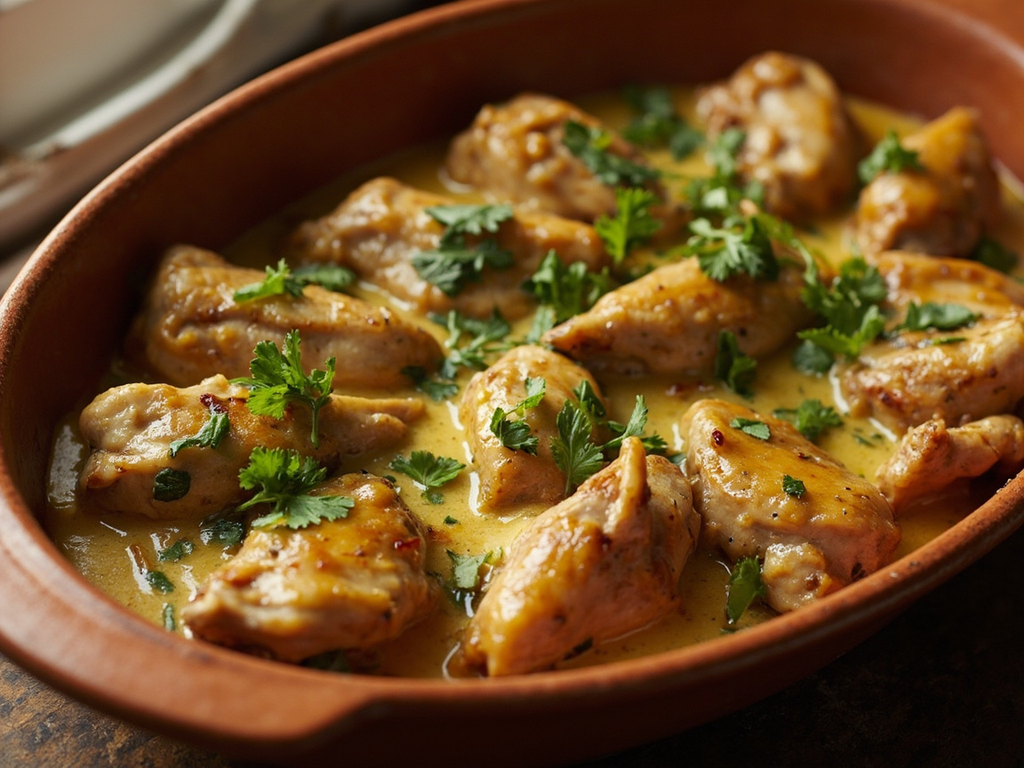
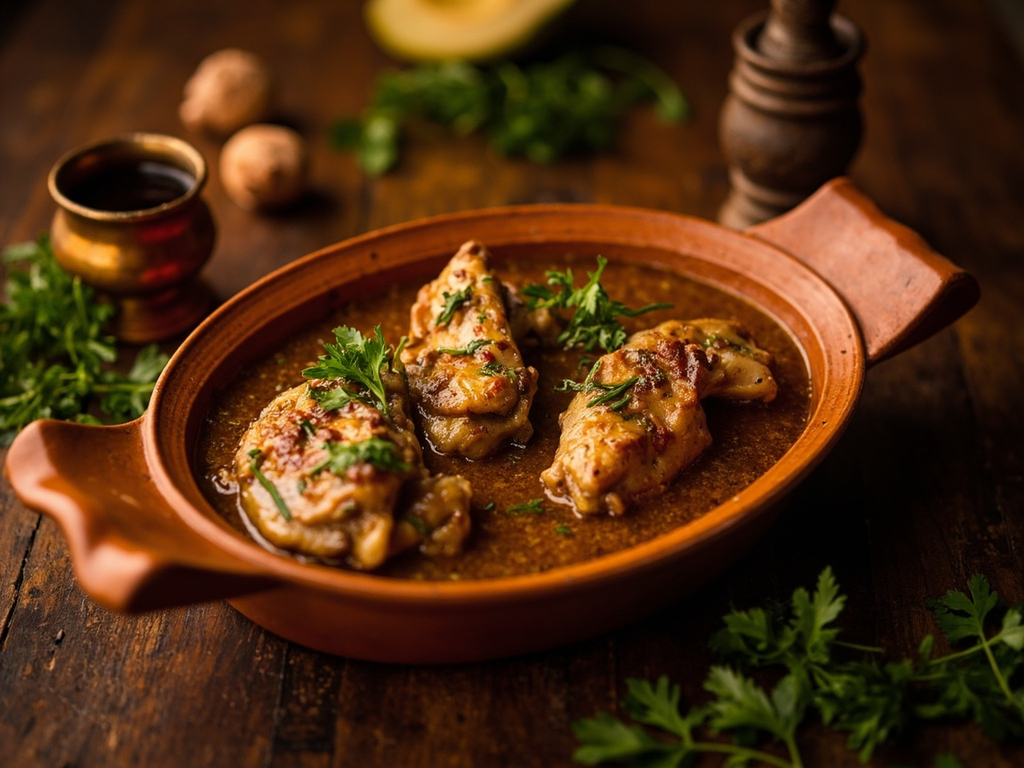
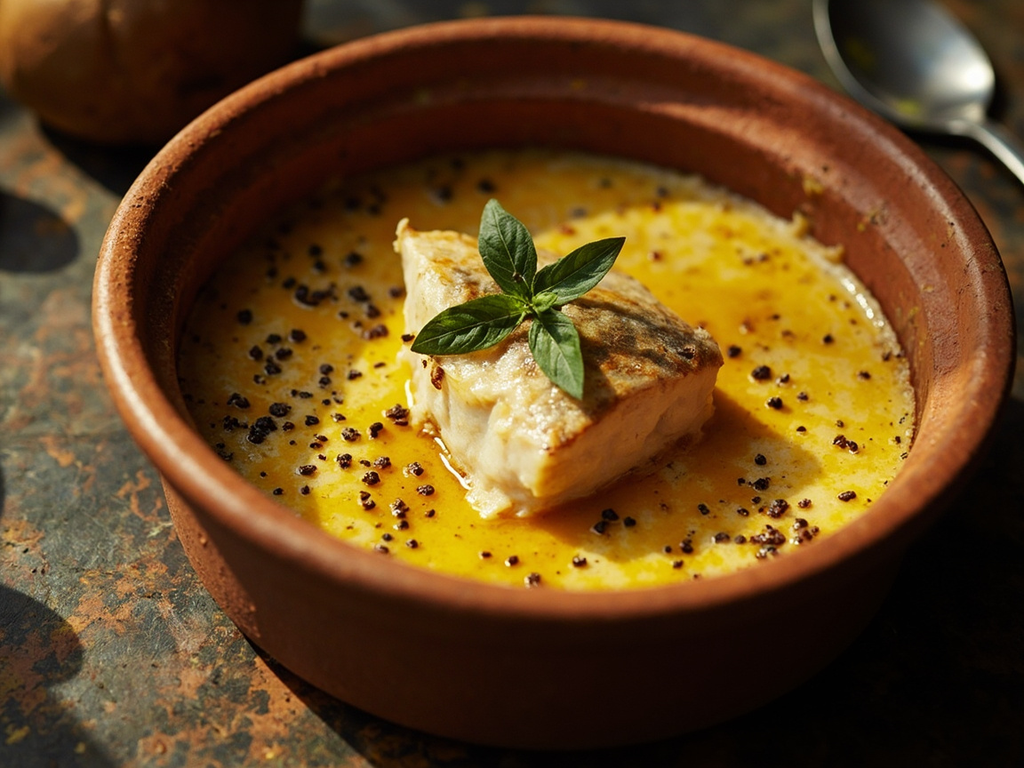
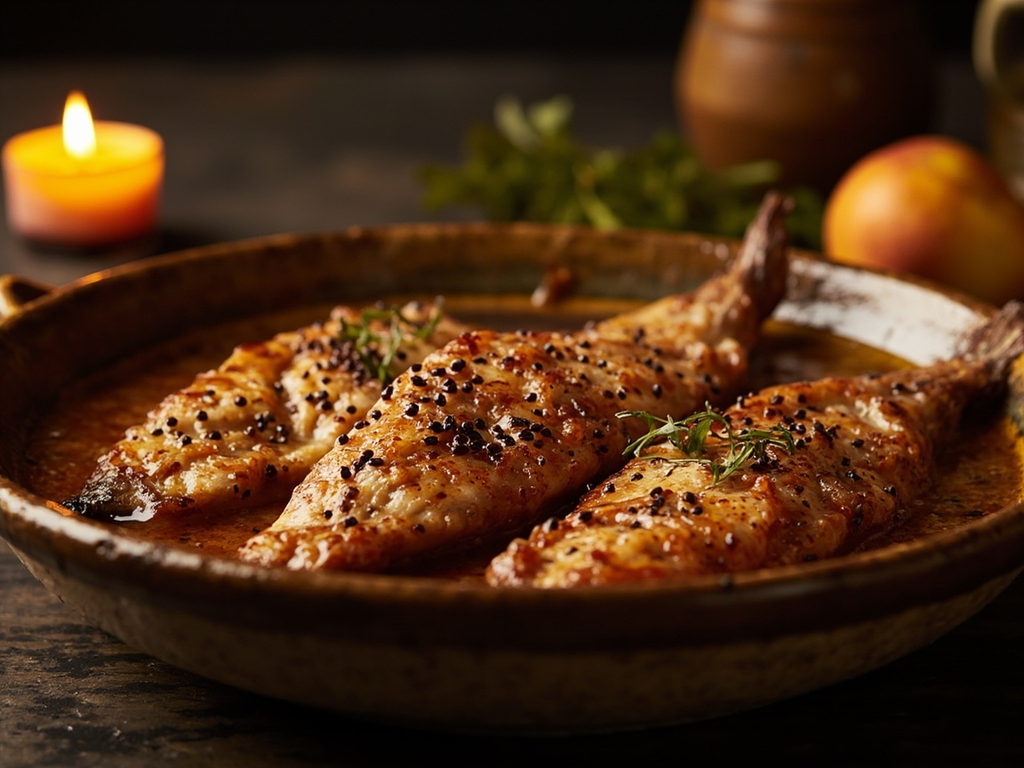
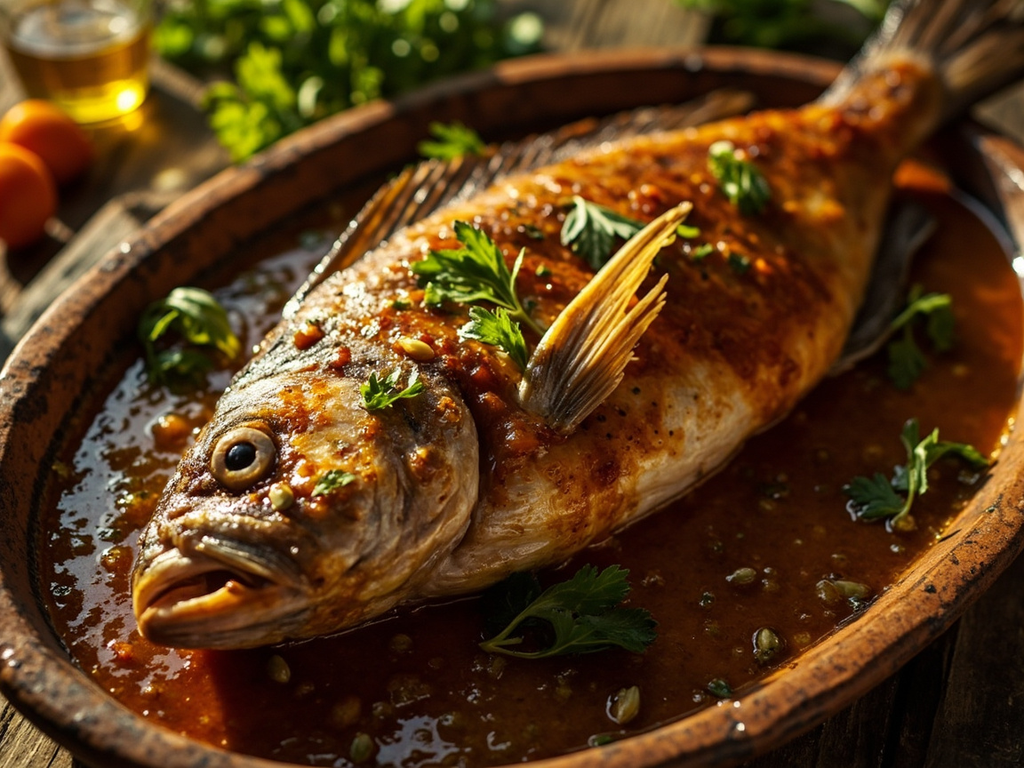
A whole roasted fish, coated in a typically Roman sauce of garum, wine, and honey, spiced with rue, coriander, and lovage. The characteristic sweet-and-sour saltiness of **Apicius's** cuisine.
When I invited my peers after a day of observations, I had a fish brought to the table that had been pulled from the harbor waters that very morning. See how everything is measure: garum for salt, honey to temper it, wine and vinegar for a hint of acidity — the art lies in reconciling these opposing forces as one reconciles the movements of the stars. I had it roasted slowly, basted with its sauce, and we talked at length while the cup went round. A good host, I used to say, nourishes the mind as much as the body.
- •Whole sea fish (sea bream, sea bass) — a fine specimen (centerpiece)
- •Garum — a drizzle (salty umami)
- •White wine and a little honey — in measured parts (sweet-and-sour)
- •Vinegar — a dash (acidity)
- •Coriander, rue, lovage, cumin — a few pinches (aromatic bouquet)
- •Olive oil — generous (roasting)
Port Fish Roasted with Garum, Wine, and Herbs
A whole roasted fish, coated in a typically Roman sauce of garum, wine, and honey, spiced with rue, coriander, and lovage. The characteristic sweet-and-sour saltiness of **Apicius's** cuisine.
Why this dish? Alexandria is a port: fresh fish arrived each morning from **Lake Mareotis** and the nearby **Mediterranean**. To host colleagues from the **Mouseion** at his table, a well-off scholar would serve a beautiful roasted fish, a choice dish that distinguished an ordinary meal from one of hospitality.
When I invited my peers after a day of observations, I had a fish brought to the table that had been pulled from the harbor waters that very morning. See how everything is measure: garum for salt, honey to temper it, wine and vinegar for a hint of acidity — the art lies in reconciling these opposing forces as one reconciles the movements of the stars. I had it roasted slowly, basted with its sauce, and we talked at length while the cup went round. A good host, I used to say, nourishes the mind as much as the body.
Ingredients (period version)
- Whole sea fish (sea bream, sea bass) — a fine specimen (centerpiece)
- Garum — a drizzle (salty umami)
- White wine and a little honey — in measured parts (sweet-and-sour)
- Vinegar — a dash (acidity)
- Coriander, rue, lovage, cumin — a few pinches (aromatic bouquet)
- Olive oil — generous (roasting)
Ingredients
- Whole gutted sea bream or sea bass — 1 (approx. 600–800 g) (centerpiece)
- Fish sauce (for garum) — 1 tbsp (salty umami)
- Dry white wine — 100 ml (sauce)
- Honey — 1 tsp (sweet roundness)
- Wine vinegar — 1 tsp (acidity)
- Ground coriander + cumin — 1 tsp total (flavoring)
- Celery leaves (substitute for lovage) — a few (aromatic)
- Olive oil — 3 tbsp (cooking)
Method
- Preheat oven to 200°C. Score the fish and place in an oiled dish.
- Mix fish sauce, wine, honey, vinegar, spices, and oil to form the sauce.
- Pour half the sauce over and into the fish; scatter celery leaves on top.
- Roast for 20–25 minutes, basting halfway with remaining sauce. Serve drizzled with cooking juices.
How it was made : The **Apicius** collection (compiled in Roman times) abounds in fish sauces combining garum, wine, honey, vinegar, and herbs such as rue or lovage. Since rue is toxic in large doses, it is omitted today in favor of celery or fennel.
The contemporary twist : Present the fish on a bed of roasted fennel, with the sauce reduced to a glossy glaze — a "Sweet-and-Sour of Alexandria" between Greece and Egypt.
Claudius Ptolemy · Charactorium