Imaginary interview with Loki
by Charactorium · Loki · Mythology · 6 min read
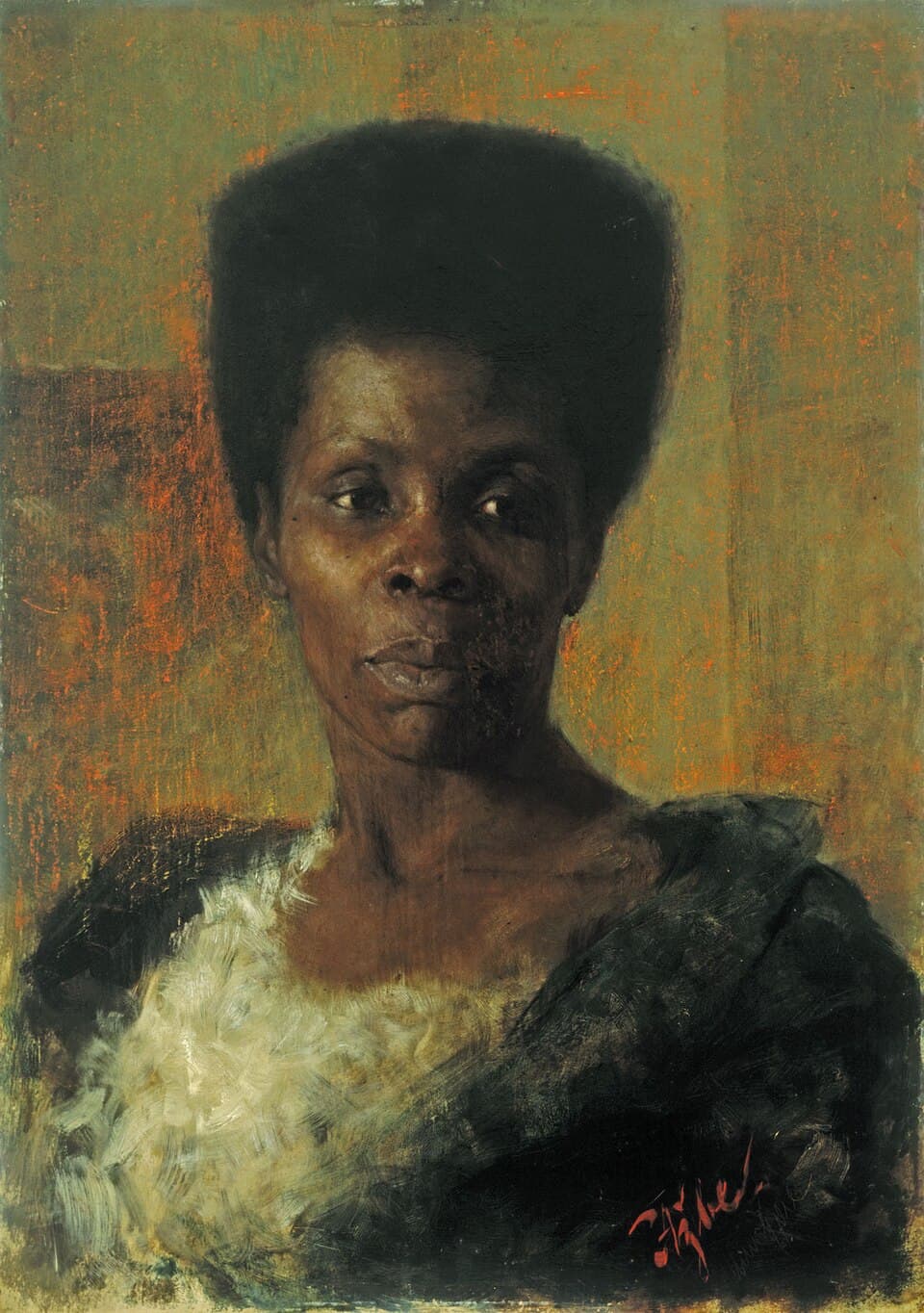
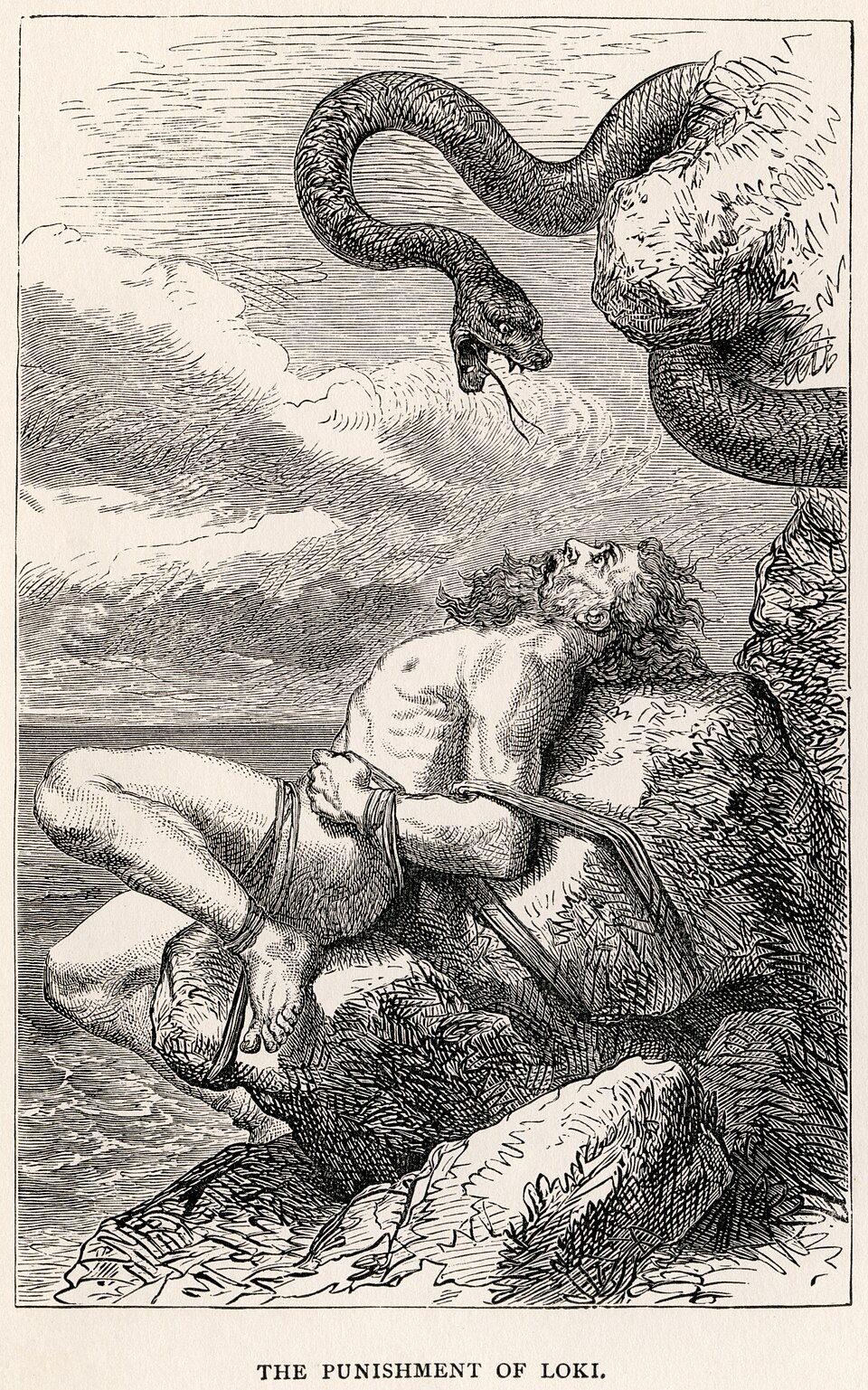
Under the roots of the world, where the cold of Niflheim oozes between the stones, a hoarse voice answers the falling drops. Loki is there, stretched out, bound, his face turned toward the shadows. He agrees to speak — between two spasms, when the venom misses its target.
—Among the Æsir, you bear a reputation as an elusive figure. Where does this art of shape-shifting come from?
They say of me that I am fair to look upon but changeable in mood, and it is true even in my skin. I slip out of myself like one removes a cloak: salmon in the torrent, fly at the corner of an eyelid, a mare if need be. It is not a party trick, it is my way of inhabiting the nine worlds. In Asgard, the others have a fixed dwelling, a throne, a wife, a name that does not move; I have only this metamorphosis to pass between Jotunheim and Midgard without being stopped. When you have no seat at the feast, you learn to have no fixed form. It is uncomfortable. It is also why no one can truly hold me — except, as you see, with entrails turned to iron.
When you have no seat at the feast, you learn to have no fixed form.
—Tell us about the day the gods finally caught you, as you fled from the river.
I had slipped under the waterfall, become a salmon, believing the water more loyal than the Æsir. Mistake. They knotted the first meshes of a net — that very object I had myself invented, and which they turned against me, there is the irony you so love. I leaped over the cord once, twice, my silver body slapping in the air. It was Thor who snatched me in flight, his hand closing so hard on my tail that, ever since, all salmon have that narrowing toward the fin. Think of it next time you pull one from the water: it is the imprint of my fingers on theirs. They did not catch me because I was slow. They caught me because I, myself, had invented the tool that catches.
All salmon have that narrowing toward the fin: it is the imprint of my fingers on theirs.
—How did you come to guide the hand of Höðr against Baldr?
Baldr was the fairest, the most beloved, and his mother had made all things swear to spare him — fire, iron, stone, disease. All things, except a mistletoe shoot, too young, deemed too tender to take an oath. I remembered that. While the Æsir amused themselves by throwing darts at Baldr that bounced off laughing, I placed the branch in the palm of Höðr, the blind one, always left out of the game. “Aim, I guide your arm,” and the arm aimed. The shoot pierced the fairest of us like a spear. They blame me for this deed more than any other. They are right to blame me: that day, the Æsir began to die, and they knew it.
“Aim, I guide your arm” — and the mistletoe shoot pierced the fairest of us like a spear.
—Why strike the one everyone cherished, rather than a god you hated?
Because you do not break a world by breaking what is already ugly. Baldr was the living proof that the order of the Æsir could be gentle, beloved, untouchable. As long as he laughed under the rebounding darts, Asgard believed itself eternal. That laughter had to stop so that the end could become thinkable. You call it malice; call it what you will. I know that every thing designed to be invulnerable hides a mistletoe shoot somewhere, a promise no one bothered to exact. I merely found its. The decline that leads to Ragnarök did not open through war or hatred — it opened through an oversight, and through me who remembered.
Every thing designed to be invulnerable hides a mistletoe shoot somewhere.
—You are credited with a fearsome offspring. What can you say about your children born in Jotunheim?
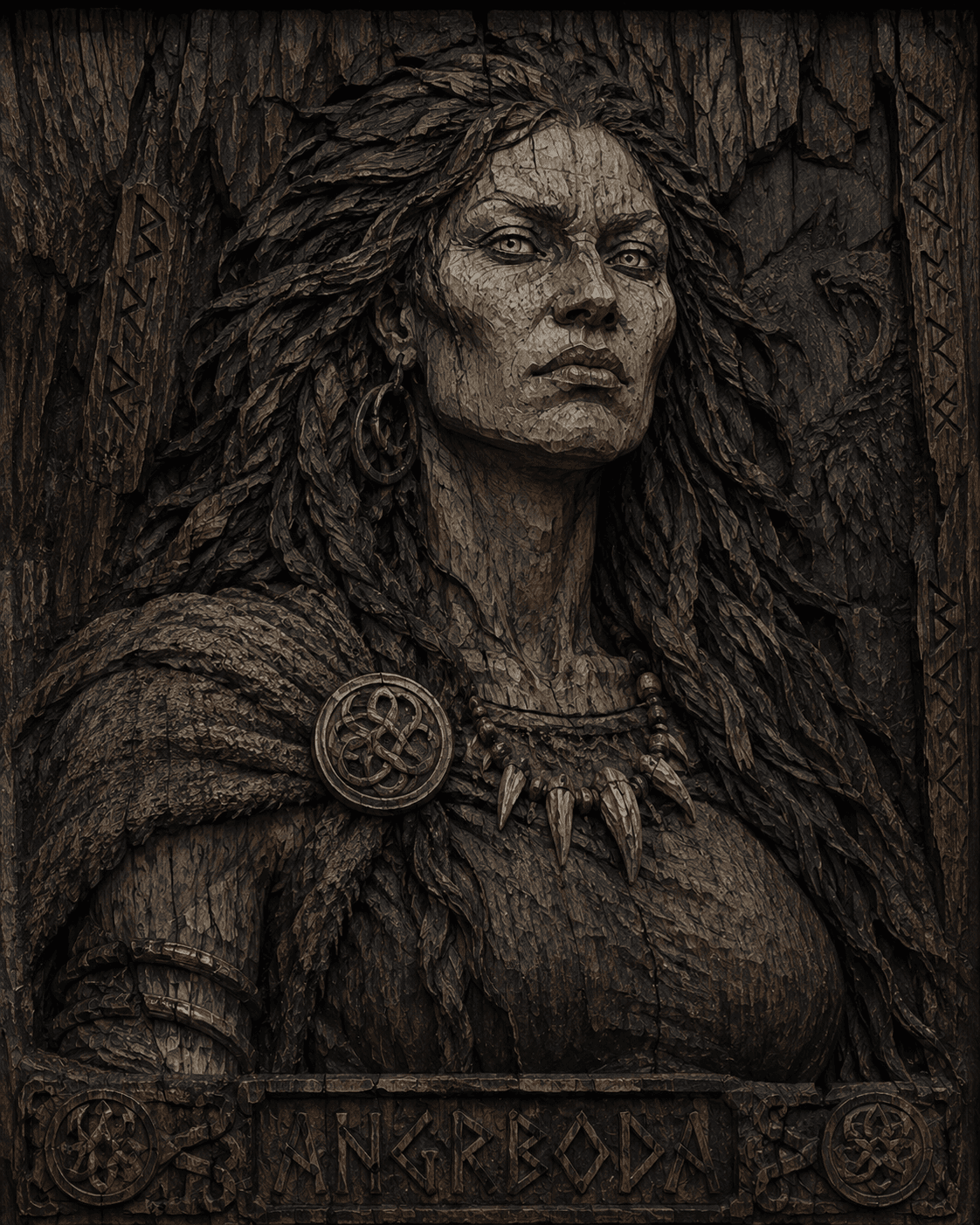
With the giantess Angrboða, in the land of the giants, I fathered three children that the Æsir could never look in the face. The wolf Fenrir, who grew so fast that his jaws soon opened between earth and sky, and they had to chain him by trickery. The serpent Jörmungandr, whom they threw into the sea and who lengthened until he bit his own tail all around Midgard. And Hel, my daughter, to whom they entrusted the realm of the dead as one relegates what one no longer wishes to see. They feared them from the cradle, chained them, exiled them, drowned them. Then be surprised that they return, when the day comes, to claim their share. A father knows when his children have received only fetters: he also knows what they will do the day the fetters break.
They feared them from the cradle; then be surprised that they return to claim their share.
—These children will return, you say, on the day of the end. What role do the ancient songs assign them?
The Völuspá, the prophecy of the seeress, says it without detour: on the last day, the wolf Fenrir will break free, the serpent will rise from the seas, and the ship Naglfar will break its moorings with Surtr at the prow. It is my sons who lead the dance. Fenrir will swallow Odin himself, the same Odin who once took me as blood brother. Jörmungandr will spew his venom on Thor, who will kill him and fall nine paces away. I did not need to raise an army: I begot the end, I nurtured it in Jotunheim, and I had only to wait. The Æsir spent centuries chaining my offspring. They would have done better to ask themselves why one chains so tightly what one claims not to fear.
I did not need to raise an army: I begot the end and I had only to wait.
—Before the chains, there was that feast where you spoke out against everyone. What were you seeking that night?
I entered the banquet hall and sat down uninvited, for I still had the right, by the ancient oath, to drink with the Æsir. Then I spoke. One by one, I reminded each of what they hid beneath their torque of prestige: Odin’s cowardices, the goddesses’ tricks, broken oaths, shared beds in secret. I invented nothing — that is what made my words unbearable. The venom you see dripping on my face today, I first poured through my mouth, truth after truth, in the Lokasenna. One can forgive a lie; one never forgives the one who says aloud what the whole hall knew in whispers. That was my last feast. I knew it as I sat down.
One never forgives the one who says aloud what the whole hall knew in whispers.
—You mention Heimdall, the guardian of the bridge. Why this enmity between you two?
Heimdall watches at the threshold of Bifrost, his ear fine enough to hear grass grow and wool thicken on the backs of sheep. He is everything I am not: the sentinel, the boundary, the eye that never sleeps. Where I transgress, he guards. Where I pass between worlds in a thousand forms, he stands motionless at the door to prevent precisely that kind of passage. Two figures cannot hate each other more frankly than the threshold and the one who crosses it without permission. At Ragnarök, we will meet face to face, and we will deal death to each other, with the same blow, as it should be. The guardian and the trickster fall together: without a door to force, what use is a thief? Without a thief, what use is a door?
Without a door to force, what use is a thief? Without a thief, what use is a door?
—You speak from your place of captivity. How would you describe this punishment the Æsir inflicted on you?
They led me under the cold earth, here, and bound me with bonds that were once the entrails of my own son, hardened into iron by their cruelty. Above my forehead, they hung a serpent whose venom falls, drop by drop, onto my face. My wife Sigyn stays near me, holding a bowl to catch the poison; but when the bowl overflows and she must go empty it, then the venom reaches me, and I writhe so violently that the whole earth trembles — that is what you call, up there, an earthquake. This is my dwelling now: no longer an uncertain seat at the feast of Asgard, but this hole where I wait. I wait, and believe me, I count every drop.
When the bowl overflows, the venom reaches me and I writhe so violently that the whole earth trembles.
—What is left to hope for for one who lies chained until the end of time?
You think these chains eternal? Read the prophecy more carefully. It is written that on the day of Ragnarök, “Loki will break free from his chains” — it is said even before they name Fenrir or the ship Naglfar. I am the first link of the end to give way. All this time lying in the cold, counting the drops, is not a defeat: it is a patience. The Æsir imprisoned me thinking to stop Ragnarök; they only chose the place from which it would start. My imprisonment is not the end of my story, it is its vigil. And when these bonds break, I will not rise as a suppliant: I will lead the giants and chaos against the very hall that banished me. The world will burn, then be reborn — and it will be reborn without that hall.
The Æsir imprisoned me thinking to stop the end; they only chose the place from which it would start.
Read further
This imaginary interview was generated by artificial intelligence from sources documented in Loki's profile. It dramatises what the figure might have said based on what we know about them, but does not constitute attested historical testimony. For primary sources and factual documentation, refer to the full profile.