The Industrial Revolution
Inventors, entrepreneurs and reformers who transformed the world through machines, factories and railways in the 18th and 19th centuries.
66 characters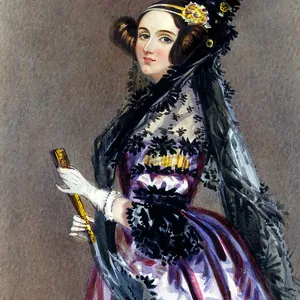

66 characters
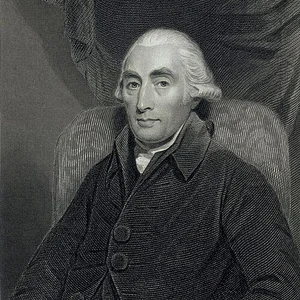
Joseph Black
1728 — 1799
Joseph Black (1728-1799) was a Scottish chemist and physicist, a major figure of the Enlightenment. He discovered “fixed air” (carbon dioxide) and formulated the concepts of latent heat and specific heat, laying the foundations of thermodynamics.
Ada Lovelace
1815 — 1852
British mathematician (1815-1852), pioneer of computing and programming. She wrote the first algorithm intended to be executed by a machine, working on Charles Babbage's Analytical Engine. Her legacy makes her a founding figure of theoretical computer science.
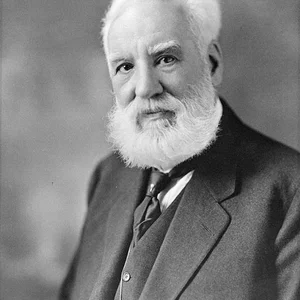
Alexander Graham Bell
1847 — 1922
A Scottish-born inventor who became a naturalized American citizen, Alexander Graham Bell is best known for filing the patent for the telephone in 1876. He also conducted research on hearing and communication, particularly to help people who were deaf.
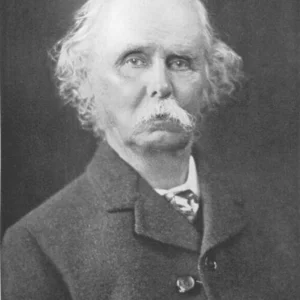
Alfred Marshall
1842 — 1924
Alfred Marshall (1842-1924) was a British economist and a leading figure of the neoclassical school. His textbook *Principles of Economics* (1890) profoundly shaped the teaching of economic science for several decades.
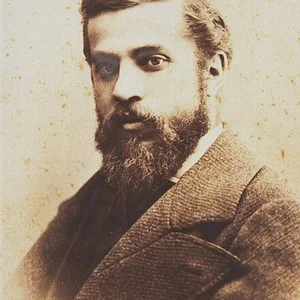
Antoni Gaudí
1852 — 1926
Catalan architect
Auguste Lumière
1862 — 1954
Auguste Lumière (1862–1954) was a French inventor and industrialist who, together with his brother Louis, developed the Cinématographe in 1895, giving birth to cinema. He also contributed to colour photography with the invention of the Autochrome.
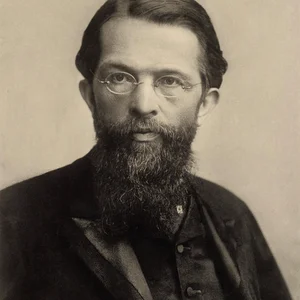
Carl Menger
1840 — 1921
Carl Menger (1840-1921) was an Austrian economist and the founder of the Austrian School of economics. With his theory of marginal utility, he took part in the “marginalist revolution” that transformed economic thought in the 19th century.
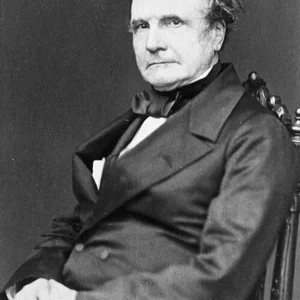
Charles Babbage
1791 — 1871
British mathematician (1791–1871), Charles Babbage is the pioneer of modern computing. He designed the Analytical Engine, the first programmable machine in history, and the Difference Engine, both conceptual ancestors of the computer.
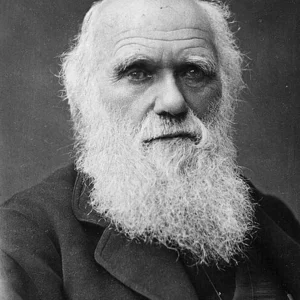
Charles Darwin
1809 — 1882
A 19th-century English naturalist, Charles Darwin revolutionized biology by proposing the theory of evolution by natural selection. His observations during the voyage of the Beagle and his subsequent work laid the foundations of modern biology.
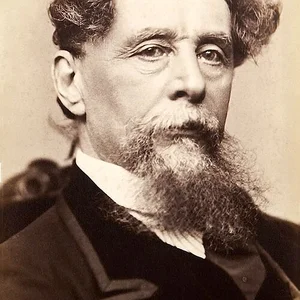
Charles Dickens
1812 — 1870
Charles Dickens was an English novelist of the Victorian era, regarded as one of the greatest writers in the English language. His novels, published in serial form, depict with realism and humanity the industrial society and social misery of his time.
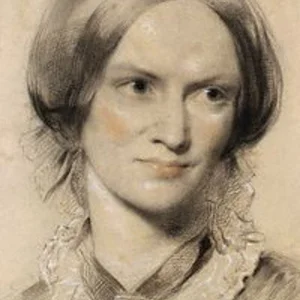
Charlotte Brontë
1816 — 1855
Charlotte Brontë was a 19th-century British novelist, author of Jane Eyre (1847), a masterpiece of Victorian literature. The daughter of a clergyman in Yorkshire, she published under a male pseudonym (Currer Bell) to gain acceptance in the literary world. Her work powerfully explores the feminine condition, independence, and passion.
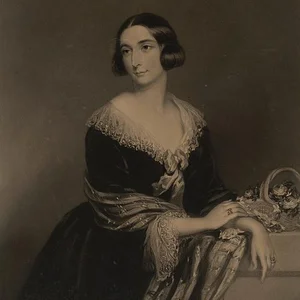
Charlotte Guest
1812 — 1895
British translator and businesswoman (1812–1895), celebrated for her English translation of the Mabinogion, a foundational collection of medieval Welsh myths and legends. She also managed the Dowlais ironworks in Wales, becoming one of the first women to run a major industrial enterprise.
Édouard Chaligny
A French industrialist of the 19th century, Édouard Chaligny was a key figure in the development of the 12th arrondissement of Paris. His name lives on through the rue Chaligny and the Faidherbe-Chaligny metro station (line 8).
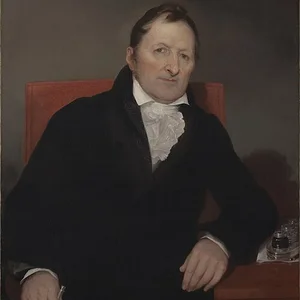
Eli Whitney
1765 — 1825
American inventor and industrialist (1765–1825), Eli Whitney is famous for inventing the cotton gin in 1793 and for developing the concept of interchangeable parts in industrial production. His innovations profoundly transformed the American economy and foreshadowed the Industrial Revolution.
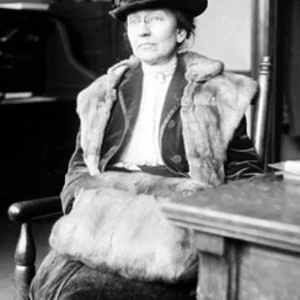
Ellen Gates Starr
1859 — 1940
American social reformer, co-founder with Jane Addams of Hull House in Chicago in 1889. An activist in the Arts and Crafts movement and workers' rights, she worked for popular education and improving the living conditions of immigrants.
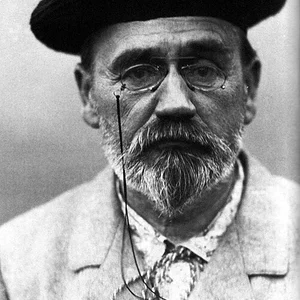
Émile Zola
1840 — 1902
French novelist, journalist and literary critic (1840-1902), founder of the Naturalist movement. He is the author of Germinal and L'Assommoir, landmark novels of the 19th century that expose the living conditions of the working class. Zola took a decisive political stand during the Dreyfus Affair by publishing his famous open letter 'J'Accuse'.
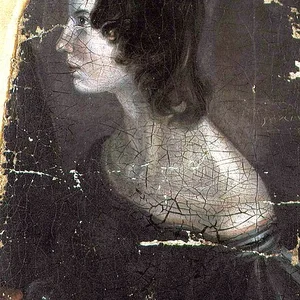
Emily Brontë
1818 — 1848
British writer
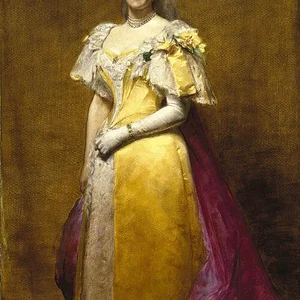
Emily Warren Roebling
1843 — 1903
Emily Warren Roebling was an American pioneer of civil engineering. When her husband, chief engineer Washington Roebling, was struck by caisson disease, she took over the technical supervision of the Brooklyn Bridge construction until its completion in 1883.
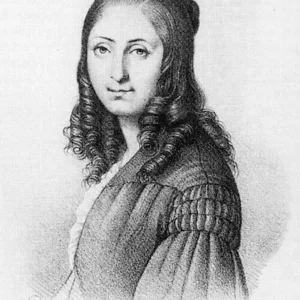
Flora Tristan
1803 — 1844
French journalist and feminist activist (1803–1844), Flora Tristan championed the emancipation of women and the condition of the working class in the 19th century. She was a pioneer of feminism and socialism, placing the question of women at the heart of political and social debate.
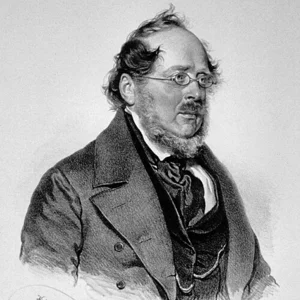
Friedrich List
1789 — 1846
German economist and publicist, theorist of educational protectionism. He advocated the temporary protection of infant industries to allow developing nations to catch up with England.
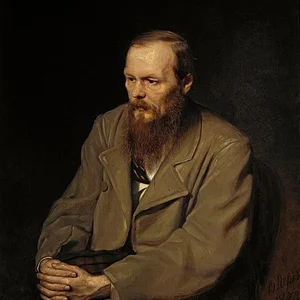
Fyodor Dostoevsky
1821 — 1881
Russian writer
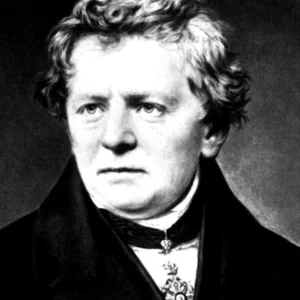
Georg Ohm
1789 — 1854
German physicist (1787-1854) who discovered the fundamental relationship between voltage, current, and electrical resistance. His law, formulated in 1827, became one of the foundational laws of electricity and bears his name.
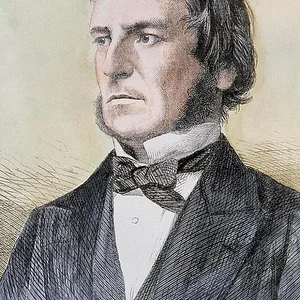
George Boole
1815 — 1864
19th-century British mathematician and logician, founder of Boolean algebra. He revolutionized logic by translating it into a mathematical system, laying the foundations of modern computing.
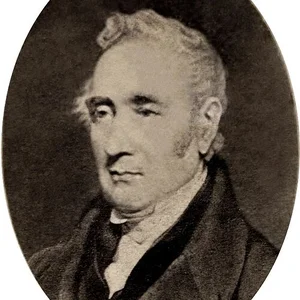
George Stephenson
1781 — 1848
British engineer (1781–1848), George Stephenson is the father of the railway. He built the first efficient steam locomotive for passenger transport and designed the Liverpool-Manchester line, inaugurated in 1830.
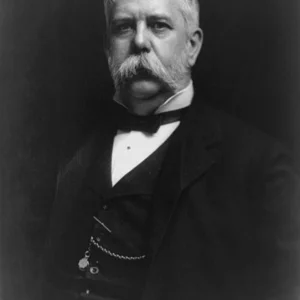
George Westinghouse
1846 — 1914
American engineer and industrialist (1846–1914), George Westinghouse invented the air brake for trains, revolutionizing railroad safety. He championed alternating current (AC) against Thomas Edison in the famous "War of Currents," helping to electrify the modern world.
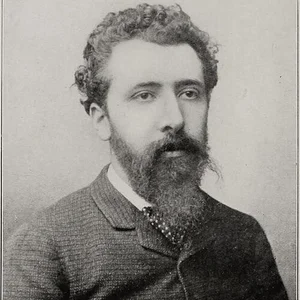
Georges Seurat
1859 — 1891
Georges Seurat (1859-1891) was a French painter and a major figure of Post-Impressionism. He invented Pointillism (or Divisionism), a technique based on the scientific juxtaposition of small dabs of pure color.
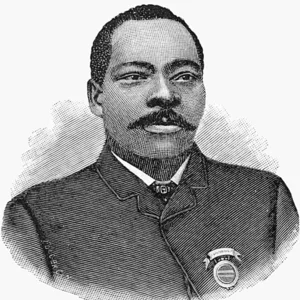
Granville Woods
1856 — 1910
African American inventor and engineer (1856–1910), nicknamed the "Black Edison," he filed more than 60 patents in electricity and railroad engineering, including the multiplex telegraph that allowed communication between moving trains.
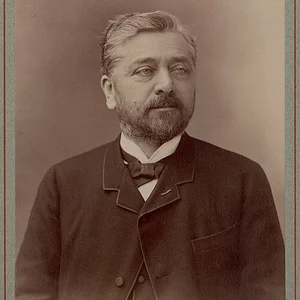
Gustave Eiffel
1832 — 1923
French engineer and entrepreneur (1832–1923), Gustave Eiffel is famous for building the tower that bears his name, erected for the 1889 World's Fair. A pioneer of iron architecture, he also designed the internal framework of the Statue of Liberty.
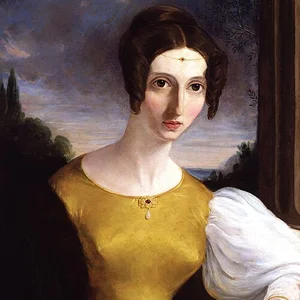
Harriet Taylor Mill
1807 — 1858
Harriet Taylor Mill (1807-1858) was a British philosopher and feminist, a major figure in 19th-century liberal thought. A collaborator and wife of John Stuart Mill, she profoundly influenced his works, particularly on individual liberty and the emancipation of women.
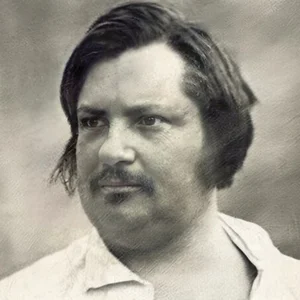
Honoré de Balzac
1799 — 1850
French novelist (1799–1850) and founder of literary realism. He created The Human Comedy, a vast novelistic panorama of French society in the 19th century, comprising more than 90 interconnected works.
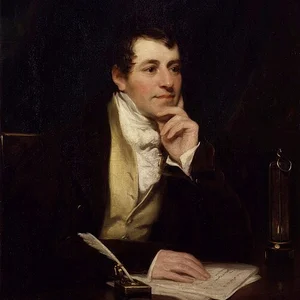
Humphry Davy
1778 — 1829
Humphry Davy was a British chemist and a pioneer of electrochemistry. He isolated several elements using electrolysis and invented the safety lamp for miners.
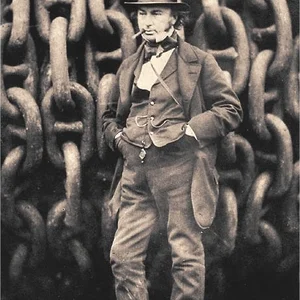
Isambard Kingdom Brunel
1806 — 1859
19th-century British engineer, Brunel revolutionized transportation with the Great Western Railway, the Thames Tunnel, and giant steamships. An iconic figure of the Victorian Industrial Revolution.
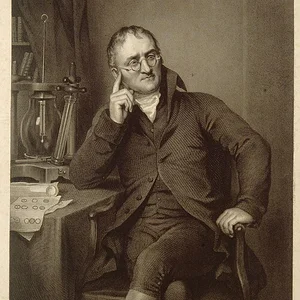
John Dalton
1766 — 1844
John Dalton was a British chemist, physicist and meteorologist. He is regarded as the father of modern atomic theory, according to which matter is made up of indivisible atoms specific to each element. He also described colour blindness, a condition he himself had.
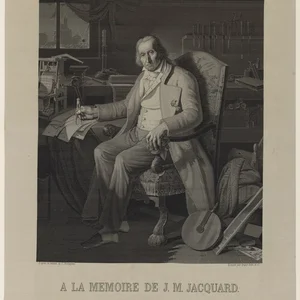
Joseph Marie Jacquard
1752 — 1834
French inventor born in Lyon in 1752, Jacquard developed in 1801 an automated loom using punched cards to control patterns. His invention revolutionized the textile industry and foreshadowed the concept of computer programming.
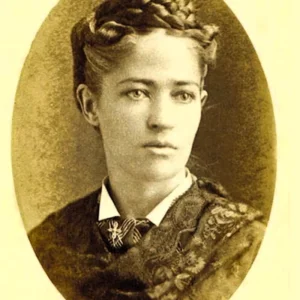
Josephine Cochrane
1839 — 1913
Josephine Cochrane was an American inventor who designed the first truly functional mechanical dishwasher, patented in 1886. A well-to-do woman from Illinois, she devised a machine using water jets to protect her porcelain dishes from breakage caused by her servants.
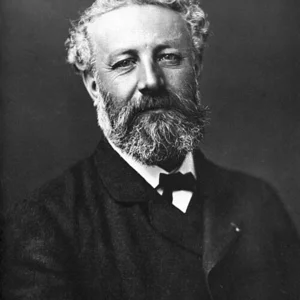
Jules Verne
1828 — 1905
A French writer of the 19th century, Jules Verne is considered the father of science fiction. His adventure novels blending exploration, technology, and imagination captivated generations of readers and continue to influence literature and cinema.
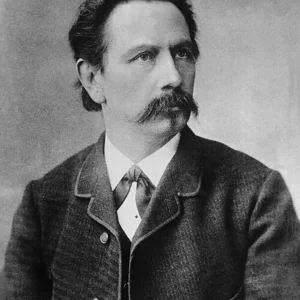
Karl Benz
1844 — 1929
German engineer and inventor, Karl Benz is considered the father of the automobile. In 1885, he built the Benz Patent-Motorwagen, the first vehicle with an internal combustion engine recognized as a true automobile.
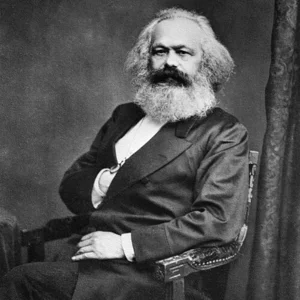
Karl Marx
1818 — 1883
German philosopher, sociologist, and economist (1818–1883), Karl Marx is the founder of historical materialism and the critical analysis of capitalism. He revolutionized political thought by proposing a theory of class struggle and social transformation.
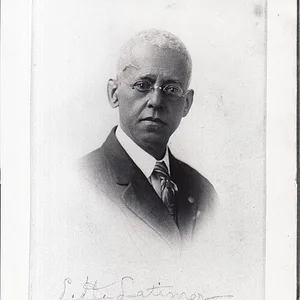
Lewis Latimer
American inventor and engineer born in 1848, Lewis Latimer improved the carbon filament of the incandescent light bulb, making electric lighting accessible to the general public. A collaborator of Thomas Edison and Alexander Graham Bell, he was one of the few Black engineers recognized during his era.

Louis Lumière
1864 — 1948
French inventor and industrialist, Louis Lumière developed the Cinématographe with his brother Auguste in 1895. On December 28, 1895, they organized the first paid public film screening in Paris, a founding moment in the history of cinema worldwide. He also invented the Autochrome process, the first commercially available color photography technique.
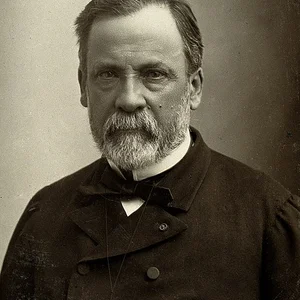
Louis Pasteur
1822 — 1895
French chemist and biologist (1822–1895), founder of modern microbiology. He demonstrated the role of microorganisms in diseases and fermentation, revolutionizing medicine and hygiene. His discoveries led to the development of vaccines and pasteurization.
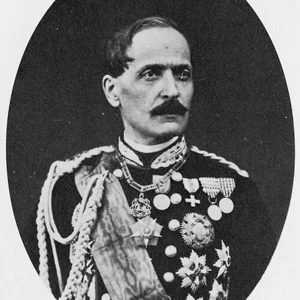
Luigi Menabrea
Italian general, engineer, and statesman of the 19th century. He is best known for writing in 1842 a memoir on Charles Babbage's analytical engine, which Ada Lovelace translated and extensively annotated.
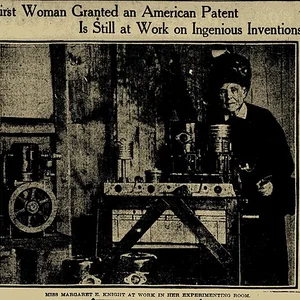
Margaret Knight
1838 — 1914
Margaret Knight (1838–1914) was a prolific American inventor who revolutionized the packaging industry by developing the machine that produces flat-bottomed paper bags. Over the course of her life she filed more than 27 patents across fields as varied as textiles, mechanics, and automotive engineering.
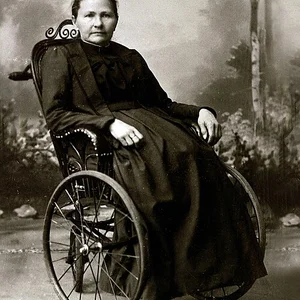
Margarete Steiff
1847 — 1909
Margarete Steiff (1847-1909) was a German seamstress and entrepreneur, founder of the Steiff toy manufacturing company. Stricken with polio and using a wheelchair, she built a thriving business from her hand-sewn felt animals, which gave rise to the famous teddy bear.
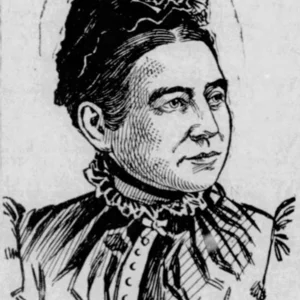
Maria Beasley
1836 — 1913
Maria Beasley (1836-1904) was an American inventor and entrepreneur. She is famous for perfecting the life raft and for designing a barrel-making machine that made her fortune.
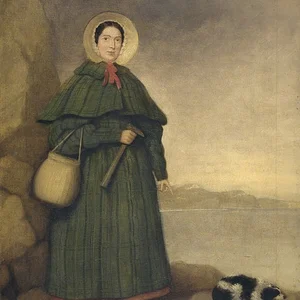
Mary Anning
1799 — 1843
Mary Anning was a self-taught English paleontologist who, from childhood, collected fossils along the cliffs of Lyme Regis. She discovered the first complete skeletons of an ichthyosaur and a plesiosaur, revolutionizing the understanding of extinct species. Despite her major contributions, she was long excluded from scientific circles because of her sex and her modest background.
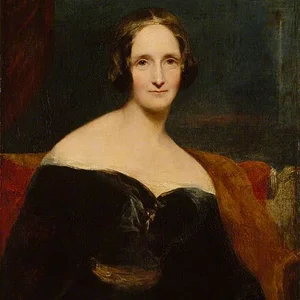
Mary Shelley
1797 — 1851
Peerage person ID=695563
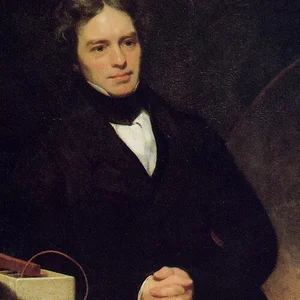
Michael Faraday
1791 — 1867
A self-taught British physicist and chemist (1791–1867), Faraday discovered electromagnetic induction and laid the foundations of modern electrical engineering. His work on electric and magnetic fields inspired Maxwell's theories.
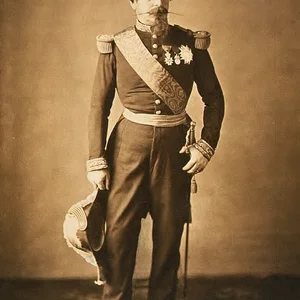
Napoleon III
1808 — 1873
Nephew of Napoleon I, he was elected President of the Republic in 1848, then seized power through a coup d'état on December 2, 1851, before proclaiming the Second Empire. His reign profoundly transformed France: the modernization of Paris under Haussmann, industrial and railway expansion — until the defeat at Sedan in 1870.
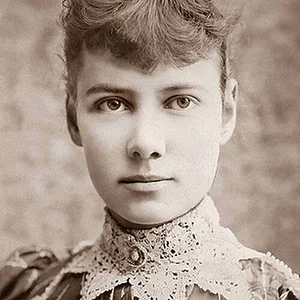
Nellie Bly
1864 — 1922
A pioneering American journalist, Nellie Bly made her mark through undercover investigative journalism, most notably by having herself committed to a psychiatric asylum to expose its conditions. In 1889, she traveled around the world in 72 days, breaking the fictional record of Phileas Fogg.
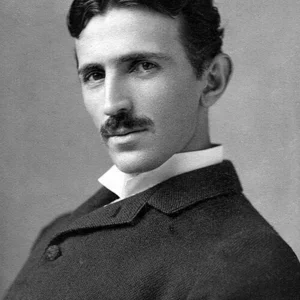
Nikola Tesla
1856 — 1943
Serbian-American inventor and engineer (1856-1943), Nikola Tesla is one of the central figures of the electrical revolution. His work on alternating current and his technological innovations transformed modern electricity and energy transmission.
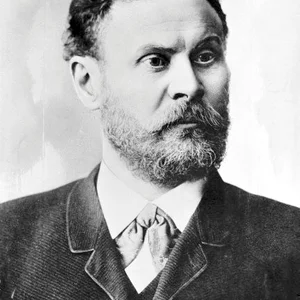
Otto Lilienthal
1848 — 1896
German engineer and inventor (1848–1896), Otto Lilienthal was the first person to achieve repeated and controlled gliding flights. His experiments with gliders laid the scientific foundations of modern aviation.

Pereire Brothers (Émile and Isaac)
Banker brothers of Bordeaux origin and disciples of Saint-Simonianism, they financed the first French railway (Paris–Saint-Germain, 1837) and founded the Crédit Mobilier (1852), an innovative investment bank that rivaled the Rothschilds under the Second Empire.
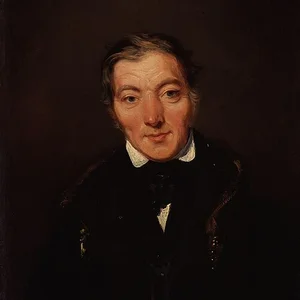
Robert Owen
1771 — 1858
A Welsh industrialist and socialist theorist, Robert Owen transformed the New Lanark cotton mill into a model of social reform. A pioneer of utopian socialism and the cooperative movement, he championed better conditions for workers and education for all.
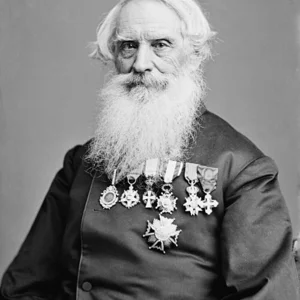
Samuel Morse
1791 — 1872
American inventor and painter (1791–1872), Samuel Morse is famous for developing the electric telegraph and the code that bears his name. His invention revolutionized long-distance communications in the 19th century.
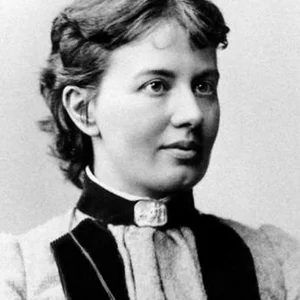
Sofia Kovalevskaya
1850 — 1891
Sofia Kovalevskaya (1850–1891) was the first woman to earn a doctorate in mathematics in Europe and the first female professor of mathematics at a modern university. A pioneer in analysis and mechanics, she broke through the barriers of the male academic world to establish herself as a leading mathematician.
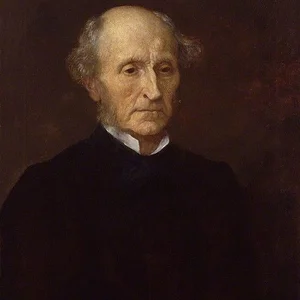
Stuart Mill
John Stuart Mill (1806-1873) was a British philosopher, economist, and politician. A major figure of liberalism and utilitarianism, he championed individual liberties, freedom of expression, and the emancipation of women.

Tabitha Babbitt
1779 — 1853
Tabitha Babbitt (1779-1853) was an American inventor and a member of the Shaker community in Harvard, Massachusetts. She is credited with inventing the circular saw adapted for sawmills, as well as improvements to cut nails and carding teeth.
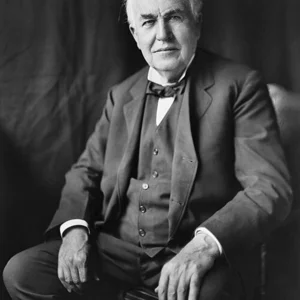
Thomas Edison
1847 — 1931
American inventor and industrialist (1847–1931), Edison is one of the greatest innovators in history. He filed more than 1,000 patents and created the incandescent light bulb, the phonograph, and the electrical distribution system.
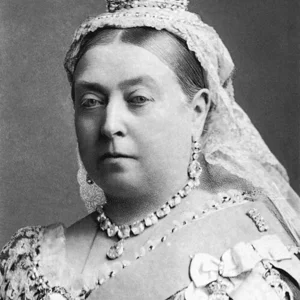
Victoria
1819 — 1901
Victoria ascended to the British throne at 18 in 1837 and reigned for 63 years, becoming one of the most influential monarchs in history. Her reign coincided with the height of the British Empire and the Industrial Revolution. She gave her name to an entire era: the Victorian age.
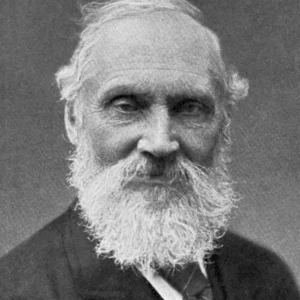
William Thomson (Lord Kelvin)
British physicist and mathematician of the 19th century, he made fundamental contributions to thermodynamics and electromagnetism. He is the originator of the absolute temperature scale that bears his name. He also oversaw the laying of the first transatlantic telegraph cable.
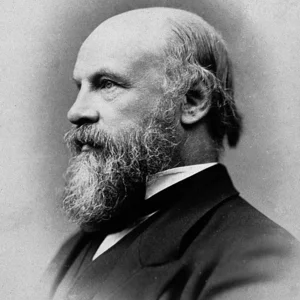
William Turner
1832 — 1916
British painter and watercolourist, a major figure of Romanticism. A master of landscape, he revolutionised the depiction of light, atmosphere and the natural elements, paving the way for Impressionism.
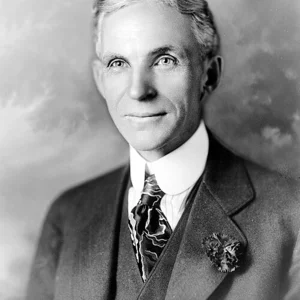
Henry Ford
1863 — 1947
American industrialist (1863–1947), Henry Ford revolutionized automobile manufacturing by introducing the assembly line and the Model T. He is the founder of the Ford Motor Company and one of the founding fathers of modern industrial capitalism.
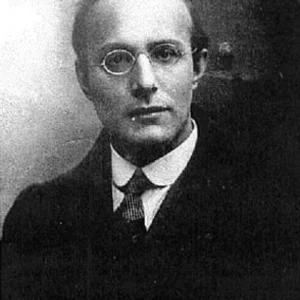
Karl Polanyi
1886 — 1964
Karl Polanyi (1886-1964) was an Austro-Hungarian economist and economic anthropologist. A critic of economic liberalism, he analyzed the rise of the market economy and its grip on society in his major work, *The Great Transformation* (1944).
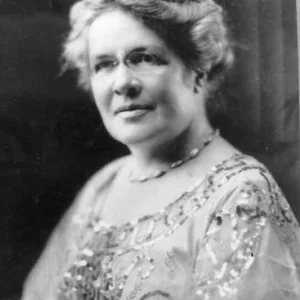
Kate Gleason
1865 — 1933
Kate Gleason (1865-1933) was an American engineer and businesswoman, a pioneer of the machine-tool industry. The first woman admitted to Cornell University's engineering program, she also made her mark in the construction of prefabricated concrete housing.
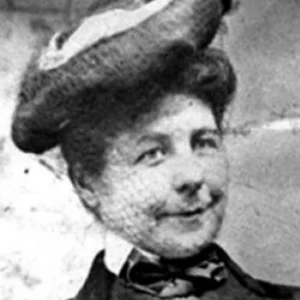
Mary Anderson
1866 — 1953
Mary Anderson (1866-1953) was an American inventor. In 1903, she designed and patented the first manual windshield wiper for vehicles, a lever-operated device controlled from inside the cabin.