Supernatural Creatures of the World
Vampires, werewolves, djinns, wendigos, pontianak — creatures of folklore and legends from every continent.
60 characters
60 characters
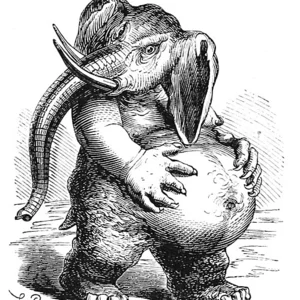
Behemoth
Behemoth is a monstrous creature from the Hebrew Bible, described as a colossal, primordial land beast. In the Book of Job, God invokes it to illustrate his omnipotence before humankind. Jewish tradition makes it the terrestrial counterpart of the sea monster Leviathan.
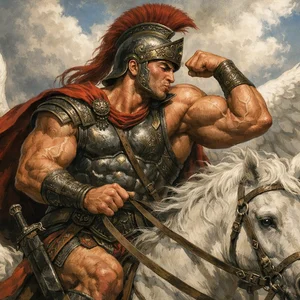
Bellerophon
Hero of Greek mythology from Corinth, Bellerophon tames the winged horse Pegasus and slays the Chimera. A victim of his own hubris, he attempts to reach Olympus and is cast down to earth by Zeus.
Bunyip
The Bunyip is a creature from the mythology of the Aboriginal peoples of Australia, said to haunt swamps, billabongs, creeks, and waterholes. Described as a threatening water spirit that devours those who approach the water at night, it embodies the real dangers of Australian wetlands.
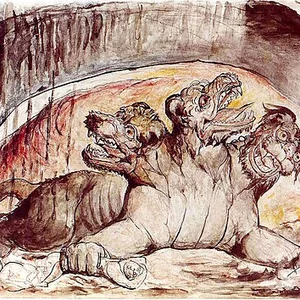
Cerberus
Cerberus is the monstrous three-headed dog who guards the entrance to the Underworld in Greek mythology. Son of Typhon and Echidna, he prevents the living from entering and the dead from leaving. Heracles captured him alive during his twelfth and final labor.
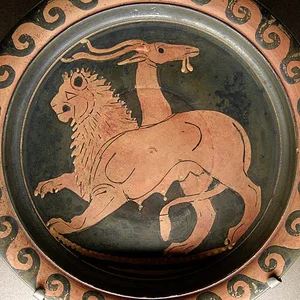
Chimera
Monster from Greek mythology, born of Typhon and Echidna. A flame-breathing hybrid creature, she was slain by the hero Bellerophon riding the winged horse Pegasus.
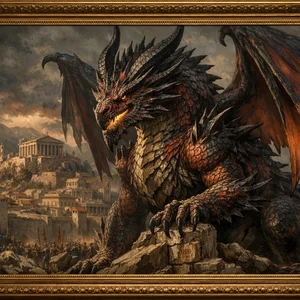
Dragon of Thebes
A monstrous creature sacred to Ares in Greek mythology, it guarded the divine spring near Thebes. Slain by the Phoenician hero Cadmus, its teeth were sown into the earth and gave rise to the Spartoi, the ancestral warriors of Thebes.
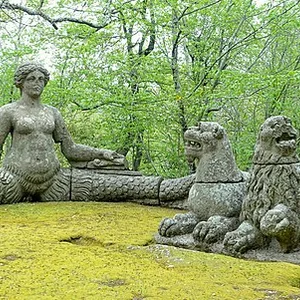
Echidna
Echidna is a creature from Greek mythology, half-woman and half-serpent, known as the "Mother of All Monsters." Mate of the giant Typhon, she gave birth to the most terrifying creatures of the ancient Greek world.
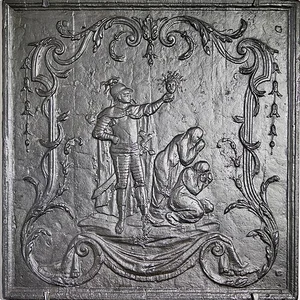
Euryale
Euryale is one of the three Gorgons of Greek mythology, sister of Stheno and of the famous Medusa. Unlike the latter, Euryale is immortal. Daughter of the primordial sea deities Phorcys and Ceto, she is often depicted as a monster with a petrifying gaze.
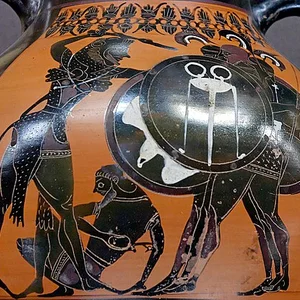
Geryon
Geryon is a monstrous giant of Greek mythology, endowed with three bodies joined at the waist. The guardian of a herd of red cattle on the island of Erytheia, he is slain by Heracles during the hero's tenth Labour.
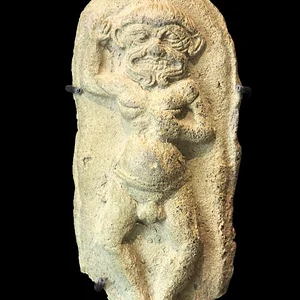
Humbaba
Humbaba (or Huwawa) is a monstrous creature from Mesopotamian mythology, the guardian of the Cedar Forest on behalf of the god Enlil. He appears in the Epic of Gilgamesh, where he is defeated and killed by Gilgamesh and Enkidu.
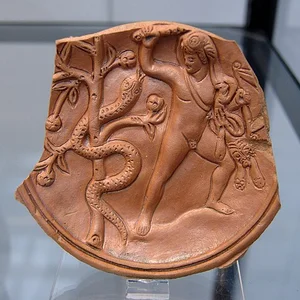
Ladon
Ladon is a dragon from Greek mythology tasked with guarding the golden apples of the Garden of the Hesperides. Often described as a many-headed creature whose sleep was eternally watchful, he was defeated during the eleventh of the Labors of Heracles.
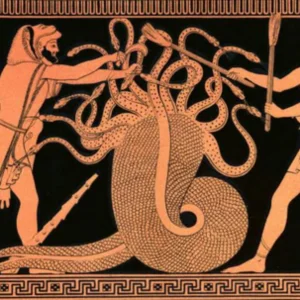
Lernaean Hydra
An aquatic monster from Greek mythology, the Lernaean Hydra was a multi-headed serpent whose heads would grow back two-fold whenever they were cut off. It was slain by Heracles during his second labor, with the help of his nephew Iolaus.
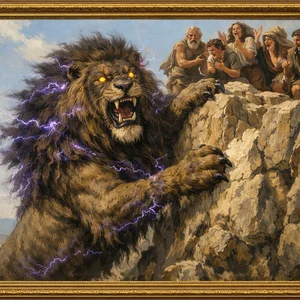
Nemean Lion
A monstrous creature of Greek mythology, the Nemean Lion terrorized the region of Nemea in Argolis. Its hide was said to be impenetrable by any weapon. Heracles strangled it with his bare hands during the first of his twelve labors, then wore its skin as armor.
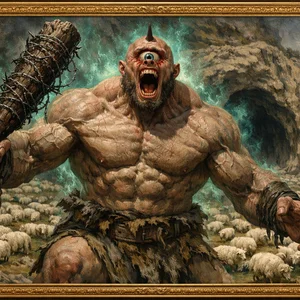
Polyphemus
A one-eyed Cyclops, son of Poseidon and the nymph Thoosa, Polyphemus is one of the monstrous giants of Greek mythology. Famous for imprisoning Odysseus and his companions in his cave, he is ultimately blinded by the hero, who outsmarts his revenge by calling himself “Nobody.”
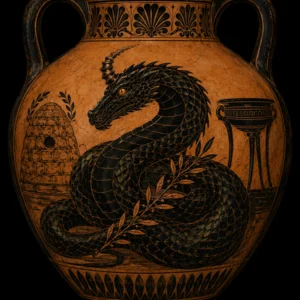
Python
A massive serpent-dragon of Greek mythology, guardian of the sanctuary of Delphi. Slain by the god Apollo, who seized the site and established the famous oracle there. Its name was given to the Pythia, the prophetic priestess of Apollo.
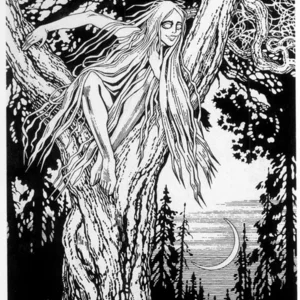
Rusalka
The rusalka is a female water spirit from Slavic folklore, often depicted as a young woman with long hair haunting rivers, lakes, and ponds. According to tradition, she is said to be the soul of a drowned woman or of a young girl who died before marriage, luring men down into the depths.
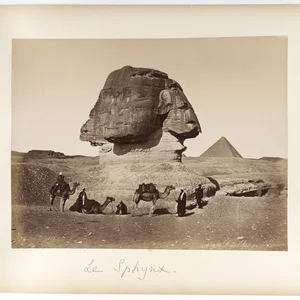
Sphinx
A monster from Greek mythology with the body of a lion and the head of a woman, the Sphinx guarded the gates of Thebes. It posed a deadly riddle to travelers and devoured those who failed to answer. Defeated by Oedipus, it threw itself off a cliff.
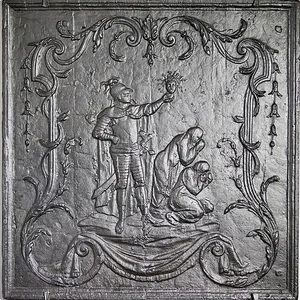
Stheno
In Greek mythology, Stheno is the eldest of the three Gorgons, daughters of the sea deities Phorcys and Ceto. Unlike her sister Medusa, she is immortal. Her name means “the strong one” or “the mighty one.”
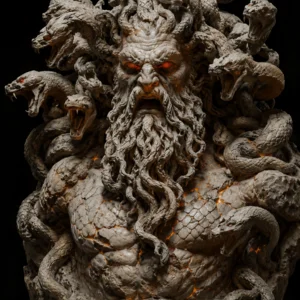
Typhon
Typhon is the ultimate monster of Greek mythology, born of Gaia and Tartarus. A giant with a hundred fire-breathing serpent heads, he challenged Zeus for dominion over the cosmos and was ultimately crushed beneath Mount Etna. He is considered the father of all monstrous creatures.
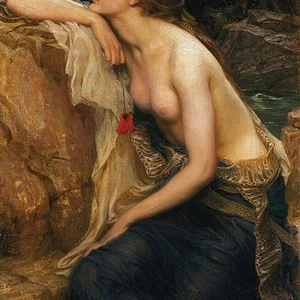
Lamia
Lamia is a figure from Greek mythology, a queen of Libya loved by Zeus. Struck by Hera's jealousy, who stole her children from her, she became a devastating monster who devoured the children of others.
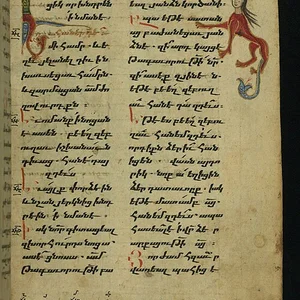
Manticore
A fabulous creature of Persian origin, the manticore has the body of a lion, a human face, and a venomous scorpion tail. Described by Ctesias of Cnidus in the 5th century BC, it was later referenced by Pliny the Elder in his Natural History.
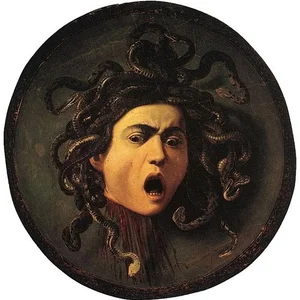
Medusa
In Greek mythology, Medusa is one of the three Gorgons — fearsome female monsters with snakes for hair whose gaze turns anyone who looks at them to stone. She is slain by the hero Perseus, who uses his shield as a mirror to face her without being petrified.
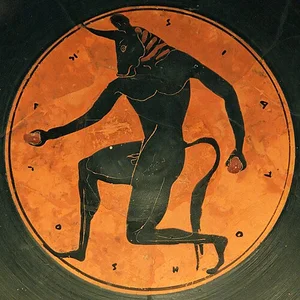
Minotaur
A monstrous creature of Greek mythology, half-man and half-bull, born from the unnatural union of Pasiphae and a bull sent by Poseidon. Imprisoned in the Labyrinth of Crete by King Minos, he was ultimately slain by the hero Theseus.
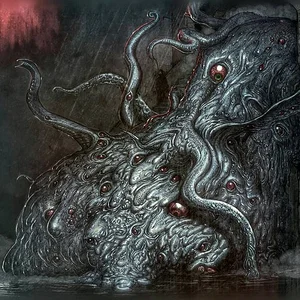
Shoggoth
The shoggoth is a fictional creature invented by American writer H. P. Lovecraft in his novella "At the Mountains of Madness" (1931). A formless, gelatinous protoplasmic mass, it belongs to the Cthulhu Mythos and has no real historical or folkloric existence.
Theseus
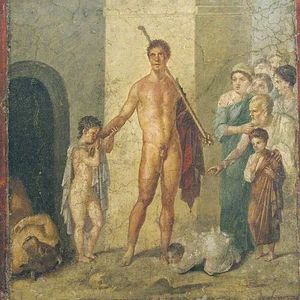
Legendary hero of Greek mythology and king of Athens. Theseus is best known for slaying the Minotaur, a half-man half-bull monster imprisoned in the Labyrinth of Crete. He embodies the civilizing hero and unifier of Attica.
Agatha Southeil
Agatha Southeil is a legendary character associated with Arthurian folklore and tales of medieval witchcraft. Portrayed as a sorceress or prophetess, she belongs more to legendary tradition than to documented history.
Banshee
The Banshee is a female spirit from medieval Irish folklore whose nocturnal wailing announces the imminent death of a member of a native Irish family. Her Gaelic name, Bean Sídhe, means "woman of the fairy mounds".
Basilisk
A legendary creature of the Middle Ages, the Basilisk is the king of serpents, said to kill with a single glance or its poisonous breath. It hatches from a rooster's egg incubated by a snake, and ranks among the most feared beasts in medieval bestiaries.
Cockatrice
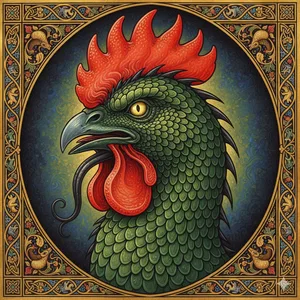
The cockatrice is a legendary creature from medieval bestiaries, half-rooster and half-serpent, reputedly born from a rooster's egg incubated by a toad or a snake. Similar to the basilisk, it was believed to kill with a single glance or its venomous breath. It haunted the European imagination from the Middle Ages through the Renaissance.
Grendel
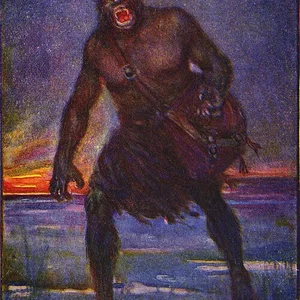
Grendel is a monster descended from the cursed lineage of Cain, who terrorizes the mead-hall of Heorot — home of the Danish king Hrothgar — for twelve years. A creature of darkness and marshes, he is ultimately defeated by the Geatish hero Beowulf in the oldest epic poem in English literature (8th century).
Ifrit
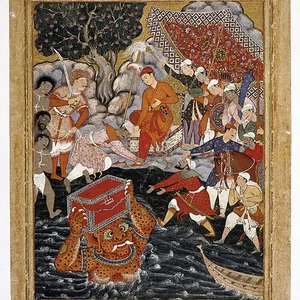
The ifrit is a powerful category of jinn in Islamic tradition, created from smokeless fire. Known for their cunning and danger, they appear in the Quran and One Thousand and One Nights. These supernatural beings hold a central place in medieval Muslim folklore and cosmology.
Kelpie
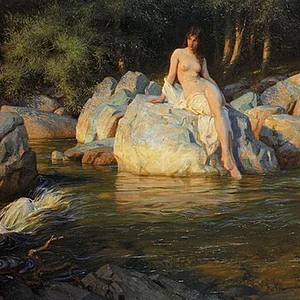
The kelpie is a supernatural creature from Scottish folklore, most often appearing in the form of a horse that haunts lochs and rivers. It lures unwary travellers onto its back before dragging them underwater to drown and devour them.
Kitsune
The kitsune is a fox-spirit (yōkai) from Japanese folklore, gifted with supernatural powers and able to shapeshift, notably into a woman. The longer it lives, the more tails it gains, up to nine, a sign of its wisdom and power.

Kraken
A colossal sea creature from medieval Scandinavian legend, often described as a giant squid or octopus capable of swallowing entire ships. Mentioned in Norse texts as early as the 13th century, it embodies sailors' terror of the unfathomable depths of the ocean.
Lada
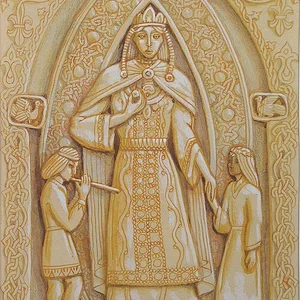
Lada is the Slavic goddess of love, beauty, and fertility. Venerated in medieval Slavic folk traditions, she presided over spring celebrations, weddings, and fertility. Her cult is attested in ritual songs and seasonal festivals of Slavic peoples.
Shuten-doji
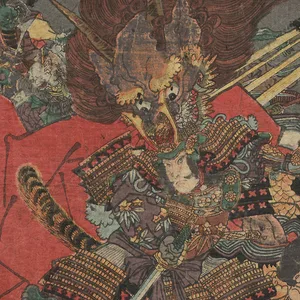
Shuten-doji is the king of oni (demons) in Japanese mythology, known for kidnapping and devouring young women from the capital from his fortress on Mount Ōe. He was defeated and beheaded by the hero Minamoto no Raikō and his four lieutenants through a ruse involving poisoned sake.

Succubus
The succubus is a female demon from medieval demonology, believed to visit men in their sleep to unite with them and drain their vital energy. Ubiquitous in the theological and demonological treatises of the Middle Ages, it embodies religious anxieties about sexuality and evil.

Tấm
Heroine of the Vietnamese popular tale Tấm Cám, a young woman mistreated by her stepmother and half-sister Cám, who becomes queen through the magical help of Bụt. An emblematic figure of Vietnamese oral literature, her story is compared to the universal Cinderella motif. [1]

Tarasque
The Tarasque is an amphibious dragon from Provençal legend that ravaged the banks of the Rhône near Tarascon. According to Christian tradition, it was tamed by Saint Martha with the sign of the cross and holy water, before being put to death by the townspeople.
Tengu
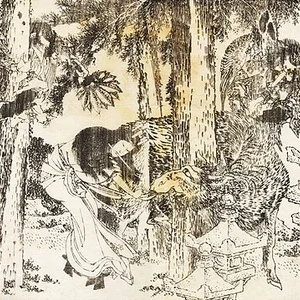
Tengu are supernatural creatures from Japanese folklore — mountain spirits, fearsome warriors, and tricksters all at once. Depicted with a long nose or a crow's beak, they are renowned masters of martial arts and military strategy.
Vampire
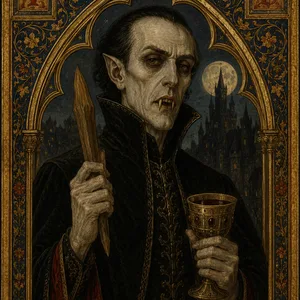
A creature of Eastern European folklore, the vampire is an undead being said to rise from its grave to feed on the blood of the living. This mythological figure, rooted in medieval Slavic and Balkan beliefs, has endured through the centuries to become one of the most powerful archetypes in the Western imagination.
Vasilisa the Beautiful
Vasilisa the Beautiful is the heroine of a Russian folktale. An orphan mistreated by her stepmother, she overcomes trials imposed by the witch Baba Yaga with the help of a magical doll bequeathed by her mother, and eventually marries the tsar.
Werewolf
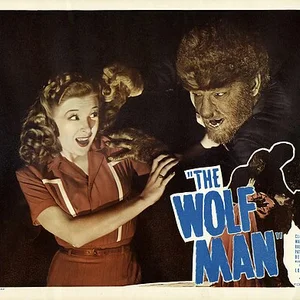
A hybrid creature, half-human and half-wolf, the werewolf is a mythological figure found across many cultures. Lycanthropy — the belief in human transformation into a wolf — is attested as far back as ancient Greece with the myth of Lycaon. During the Middle Ages, this belief intensified and led to actual trials for lycanthropy.

Wyvern
The wyvern is a legendary creature of medieval European heraldry and folklore, depicted as a winged, two-legged dragon with a venomous, barb-tipped tail. Distinct from the classic four-legged dragon, it frequently appears on coats of arms and heraldic emblems.
Ahuizotl
1450 — 1502
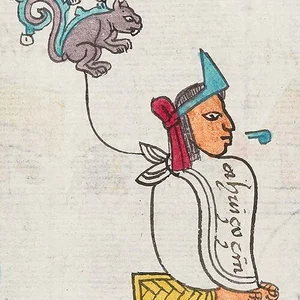
A legendary creature of Aztec mythology, the Ahuizotl is an aquatic monster resembling a small dog, with smooth black fur and a grasping hand at the tip of its tail. Lurking in lakes and ponds, it lures and drowns its victims to devour their eyes, teeth, and nails.
Mother Shipton
1488 — 1561
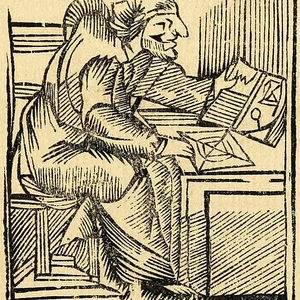
Legendary English prophetess and seer of the 16th century, born around 1488 in Knaresborough, Yorkshire. Famous for her prophecies in verse, she became a major folk figure of Tudor England. Her actual historical existence remains uncertain, as legend has far outgrown the facts.
Davy Jones
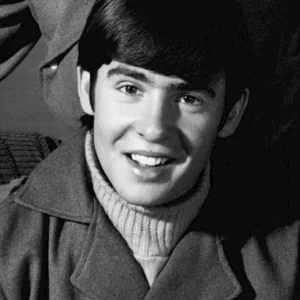
Davy Jones is a legendary figure in Anglo-Saxon maritime folklore, appearing in the 18th century. His name refers to the "Davy Jones's Locker," a metaphor for the bottom of the ocean where drowned sailors and sunken ships rest. He embodies the malevolent spirit of the seas.
La Llorona
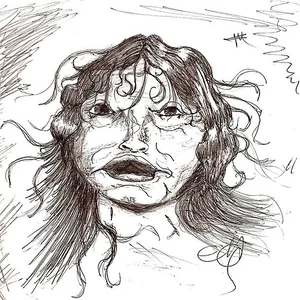
La Llorona is a ghost from Latin American folklore, the figure of a woman who, according to legend, drowned her own children and has since wandered weeping along rivers and lakes. This legend, deeply rooted in Mexico and Latin America, blends pre-Hispanic and Spanish colonial influences.
The Flying Dutchman
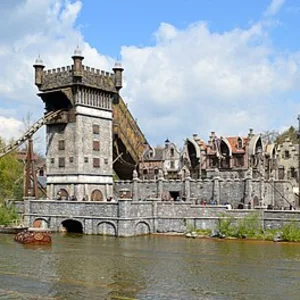
The Flying Dutchman is a legendary ghost ship doomed to wander the seas forever, never able to make port. Born from the maritime folklore of the great European voyages of exploration, it has become a universal symbol of curse and damnation. The legend has inspired operas, novels, and films.
Antonín Dvořák
1841 — 1904
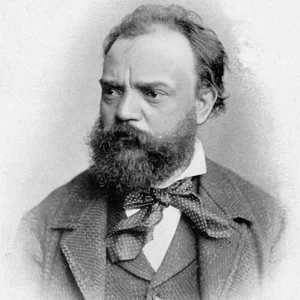
Antonín Dvořák was a 19th-century Czech composer, a major figure of Romanticism and of the nationalist movement in music. He drew on the folklore of his homeland and, during a stay in the United States, on African American and Native American music.

Brothers Grimm
1785 — 1863
The Brothers Grimm were two German writers of the 19th century, famous for collecting and publishing traditional folk tales. Their collections, most notably "Kinder- und Hausmärchen" (Children's and Household Tales), include stories that have become timeless classics such as Snow White and Hansel and Gretel.
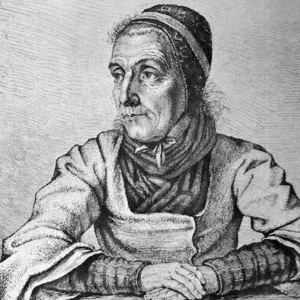
Dorothea Viehmann
1755 — 1816
Dorothea Viehmann (1755-1815) was a German storyteller, the daughter of an innkeeper near Kassel. Her exceptional memory for folk tales made her one of the main sources for the Brothers Grimm, who collected many stories from her for their “Children's and Household Tales.”
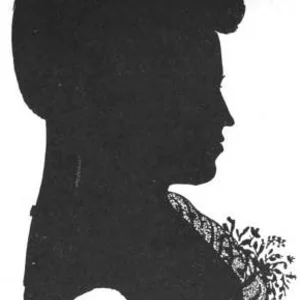
Henriette Dorothea Wild
Henriette Dorothea Wild, known as Dortchen, was a German storyteller who passed on numerous folk tales to the Brothers Grimm. First a neighbour and later the wife of Wilhelm Grimm, she was among their principal sources.
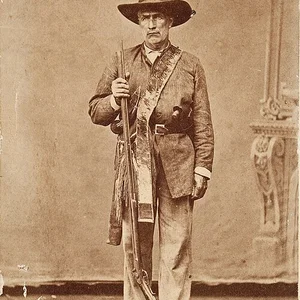
Bigfoot
Bigfoot, also known as Sasquatch, is a legendary creature of North American cryptozoology, described as a large, hairy hominid living in the forests. Its existence is not supported by any scientific evidence: it belongs to folklore and popular culture.
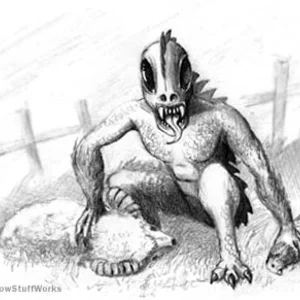
Chupacabra
The Chupacabra is a legendary creature from Latin America whose name means "goat-sucker" in Spanish. First reported in Puerto Rico in the 1990s, it is associated with mysterious livestock mutilations and has become a major cultural and folkloric phenomenon.
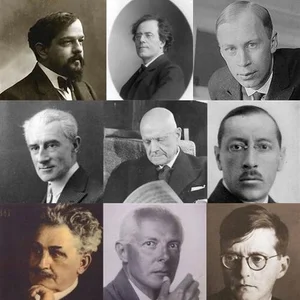
Leoš Janáček
Major Czech (Moravian) composer at the turn of the twentieth century. First a teacher and folklorist, he achieved late recognition with the opera Jenůfa and forged a musical language rooted in the inflections of spoken speech.

Loch Ness Monster
The Loch Ness Monster, nicknamed “Nessie,” is a legendary lake creature said to live in Loch Ness, Scotland. Described as a large, long-necked animal resembling a plesiosaur, it has become a global icon of cryptozoology since the 1930s.

Lydia Cabrera
1899 — 1991
Lydia Cabrera (1899-1991) was a Cuban writer and anthropologist, a pioneer in the study of Afro-Cuban cultures. Her major work, El Monte, is a reference on the religions and traditions of African origin in Cuba.

Martha Beckwith
Martha Warren Beckwith was an American folklorist and ethnographer, a pioneer of folklore studies in the United States. She is best known for her work on Hawaiian mythology and Jamaican folklore.
Yeti
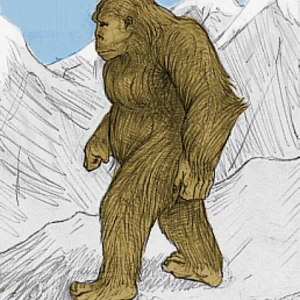
A legendary creature of the Himalayas, the Yeti is described as a large bipedal ape-like being living in the eternal snows. A central figure in Tibetan and Nepalese folklore, it has fascinated explorers and scientists since the 19th century.