The Protestant Reformation
Luther, Calvin and the reformers who shattered the unity of Western Christianity in the 16th century.
31 characters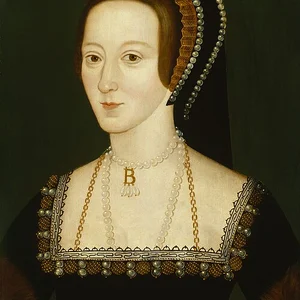
31 characters
El Cid
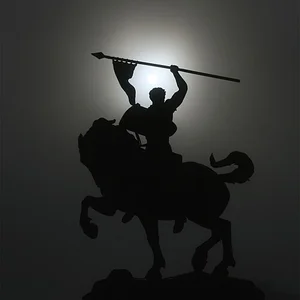
Rodrigo Díaz de Vivar (1043-1099), nicknamed El Cid (meaning 'the Lord' in Arabic), was a Castilian knight who became a legendary figure of the Reconquista. A mercenary warrior and military strategist, he fought both for and against Christian kingdoms, ultimately serving the cause of Castile. His epic tale, immortalized in the Cantar de Mio Cid, made him a symbol of chivalric honor and the struggle against Muslim rule in medieval Hispania.

Succubus
The succubus is a female demon from medieval demonology, believed to visit men in their sleep to unite with them and drain their vital energy. Ubiquitous in the theological and demonological treatises of the Middle Ages, it embodies religious anxieties about sexuality and evil.
Anne Boleyn
1507 — 1536
Queen of England from 1533 to 1536, Anne Boleyn was the second wife of Henry VIII. Her marriage required England's break with Rome, giving rise to the Church of England. Mother of Elizabeth I, she was accused of adultery and beheaded at the Tower of London.
Catherine de Medici
1519 — 1589
Queen consort of France (1547–1559) and regent of the kingdom during the Wars of Religion. Born in Florence in 1519, she played a major political role by attempting to maintain the balance between Catholics and Protestants in France.
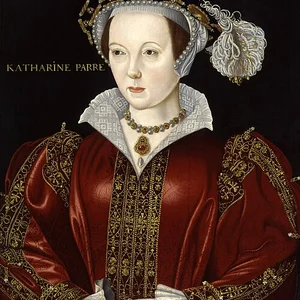
Catherine Parr
1512 — 1548
Sixth and last wife of King Henry VIII of England, whom she married in 1543. A cultured woman with reformist convictions, she was the only one of the six wives to outlive the king. She served as Regent of England in 1544 during Henry VIII's French campaign.
Charles V
1500 — 1558
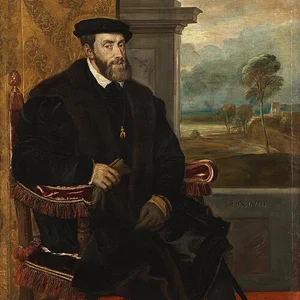
Born in 1500 in Ghent, Charles V inherited a vast empire spanning Spain, the Netherlands, Austria, and much of Italy. King of Spain as Charles I, then elected Holy Roman Emperor in 1519, he ruled the largest European empire of the Renaissance. He abdicated in 1556 and retired to the monastery of Yuste, where he died in 1558.
Clement VII
1478 — 1534
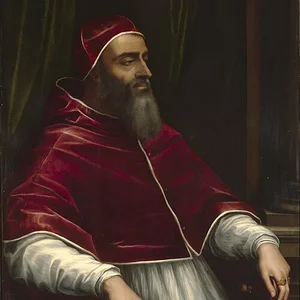
Pope from 1523 to 1534, Clement VII was a sovereign pontiff from the powerful Medici family. His pontificate was marked by the Sack of Rome in 1527 and his refusal to annul the marriage of Henry VIII of England, which triggered the Anglican schism.
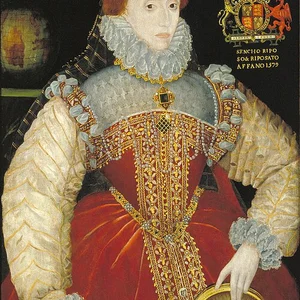
Elizabeth I of England
1533 — 1603
Elizabeth I (1533–1603) was Queen of England and Ireland for 45 years. The daughter of Henry VIII and Anne Boleyn, she consolidated Protestantism in England and led her kingdom to exceptional prominence in Europe. Her reign, known as the "Elizabethan era," was marked by the defeat of the Spanish Armada and a flourishing of arts and literature.
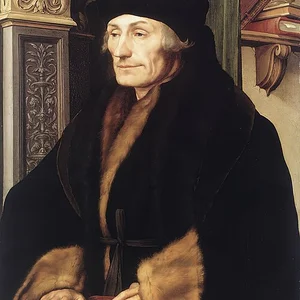
Erasmus
1466 — 1536
Dutch humanist and theologian (1466-1536), Erasmus is one of the major figures of the Renaissance. A champion of the critical study of ancient texts and religious tolerance, he embodies the humanist ideal of an education grounded in reason and wisdom.
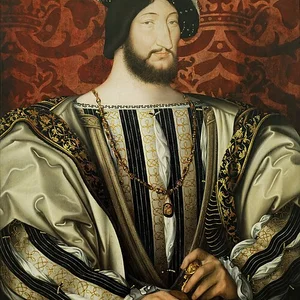
Francis I
1494 — 1547
Francis I (1494–1547) was one of the greatest kings of France and an iconic figure of the Renaissance. A great patron of the arts, he brought Leonardo da Vinci to France and transformed the royal court into a vibrant center of art and intellectual life. His reign was shaped by the Italian Wars and his rivalry with Charles V.
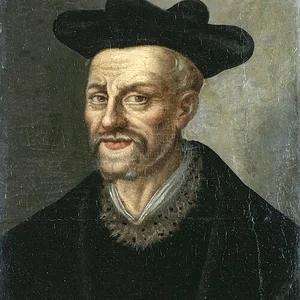
François Rabelais
1500 — 1553
A French humanist writer of the 16th century, Rabelais is the author of Gargantua and Pantagruel, novels about giants blending satire, fantasy, and social criticism. A monk, physician, and scholar, he embodies the spirit of the Renaissance through his innovative approach to literature and his celebration of ancient culture.
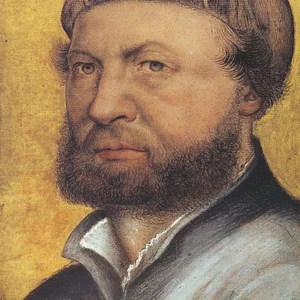
Hans Holbein the Younger
1497 — 1543
Hans Holbein the Younger was a German painter and engraver of the Renaissance, famous for his portraits of striking precision. Having become court painter to Henry VIII of England, he immortalized the great figures of the Tudor era and the humanists of his time.
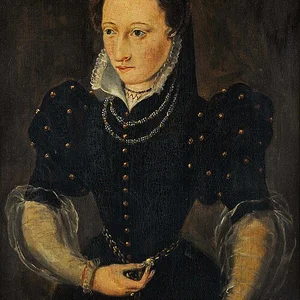
Idelette de Bure
1506 — 1549
Idelette de Bure was the wife of the reformer John Calvin. The widow of an Anabaptist who had converted to Calvinism, she married Calvin in Strasbourg in 1540 and accompanied him through the decisive years of the Protestant Reformation in Geneva.
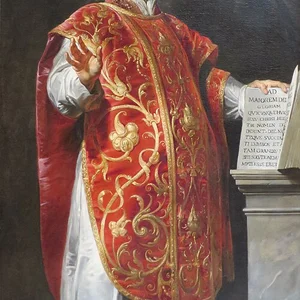
Ignatius of Loyola
1491 — 1556
Spanish soldier and religious figure (1491–1556), Ignatius of Loyola founded the Society of Jesus in 1540, a religious order central to the Catholic Counter-Reformation. Canonized in 1622, he embodies the Church's response to Protestant reforms.

Isabella I of Castile
1451 — 1504
Isabella I of Castile (1451-1504) unified Spain by marrying Ferdinand II of Aragon, forming the Catholic Monarchs. She financed Christopher Columbus's voyage in 1492, opening the era of conquest in the Americas. Her reign was marked by the establishment of the Spanish Inquisition and the expulsion of the Jews from Spain.
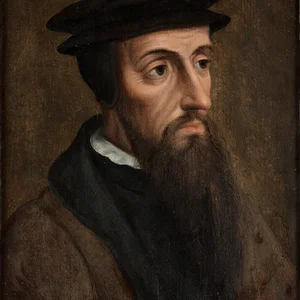
Jean Calvin
1509 — 1564
French Protestant reformer (1509–1564) who founded Calvinism, a major branch of the Protestant Reformation. He settled in Geneva, where he established a strict religious community and profoundly influenced European Protestantism.
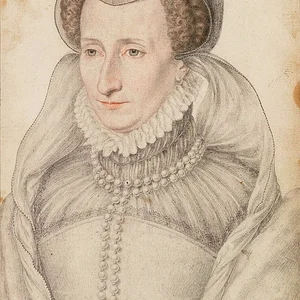
Jeanne d'Albret
1528 — 1572
Queen of Navarre from 1555 to 1572, Jeanne d'Albret was one of the leading figures of the Protestant Reformation in France. Mother of Henry IV, she imposed Calvinism in her territories and played a decisive political role in the Wars of Religion.
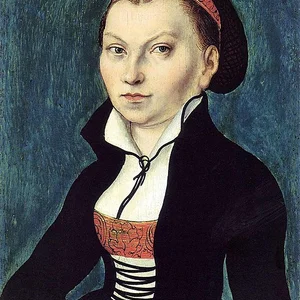
Katharina von Bora
1499 — 1552
A former Cistercian nun, Katharina von Bora escaped from her convent in 1523 and married Martin Luther in 1525. Running the Luther household, she became the model of the Protestant pastoral couple and of the pastor's wife.
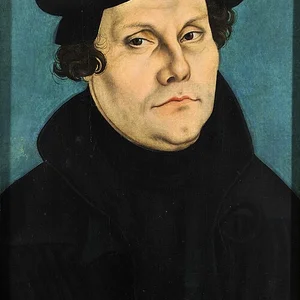
Martin Luther
1483 — 1546
German theologian and monk (1483–1546), Martin Luther is the founder of Protestantism. In 1517, he criticized abuses within the Catholic Church, particularly the sale of indulgences, triggering the Protestant Reformation and splitting Western Christianity.
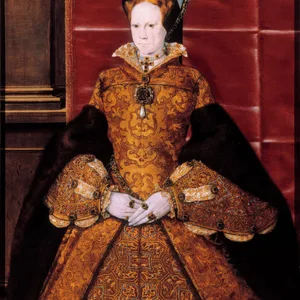
Mary I Tudor
Queen of England and Ireland from 1553 to 1558, Mary I Tudor was the first woman to reign in her own right over England. The daughter of Henry VIII and Catherine of Aragon, she restored Catholicism and persecuted Protestants, earning her the nickname "Bloody Mary".
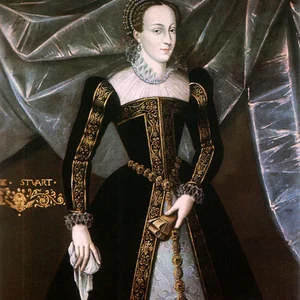
Mary, Queen of Scots
1542 — 1587
Queen of Scotland at six days old, raised at the French court, Mary Stuart became Queen consort of France before ruling a Scotland torn apart by the Protestant Reformation. A Catholic in a kingdom that had embraced Calvinism, she abdicated in 1567 and sought refuge with Elizabeth I, who had her imprisoned for eighteen years before having her beheaded in 1587.
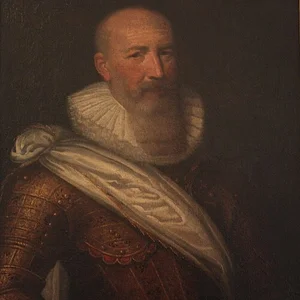
Maximilien II
Maximilien II (1527–1576) was Holy Roman Emperor from 1564 to 1576. The son of Ferdinand I, he pursued a policy of relative religious tolerance amid tensions between Catholics and Protestants, seeking to preserve the unity of the Empire during the height of the Reformation.
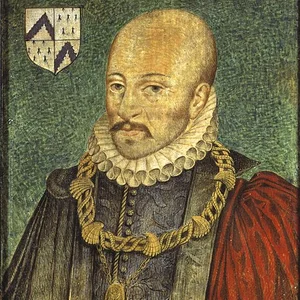
Michel de Montaigne
1533 — 1592
French Renaissance writer and philosopher (1533–1592), Montaigne is the author of the Essays, a landmark work of French literature blending personal reflection and humanism. Mayor of Bordeaux, he contributed to the rise of modern critical thinking.
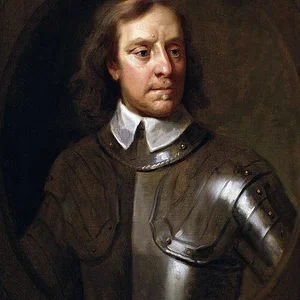
Oliver Cromwell
1599 — 1658
An English statesman and military leader, Oliver Cromwell led the Puritan revolution against Charles I. Commander of the Roundheads, he had the king executed in 1649 and ruled England as Lord Protector until his death in 1658.
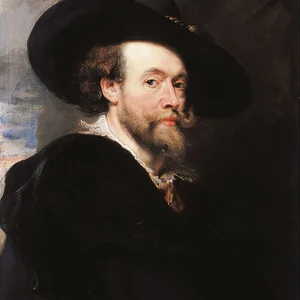
Peter Paul Rubens
1577 — 1640
A Flemish painter of the 17th century, Rubens is one of the masters of the European Baroque. As much a diplomat as an artist, he worked for the greatest courts of Europe. His monumental body of work, rich in color and movement, had a lasting influence on Western painting.
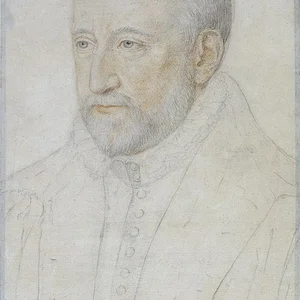
Pierre de Ronsard
1524 — 1585
Major French poet of the Renaissance (1524–1585), co-founder of the Pléiade with du Bellay. He transformed French poetry by introducing lyrical forms inspired by Antiquity and championing the vernacular language.
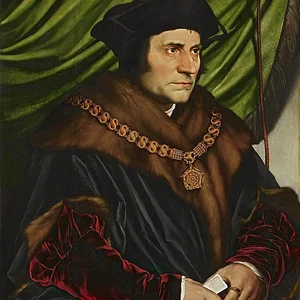
Thomas More
1478 — 1535
An English humanist and statesman, Thomas More served as Lord Chancellor to Henry VIII before opposing the Anglican schism. Author of Utopia (1516), he was executed for refusing to acknowledge the king as Supreme Head of the Church of England.
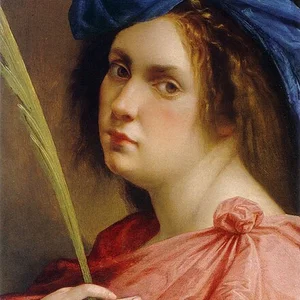
Artemisia Gentileschi
1593 — 1653
Italian painter
Christina of Sweden
1626 — 1689
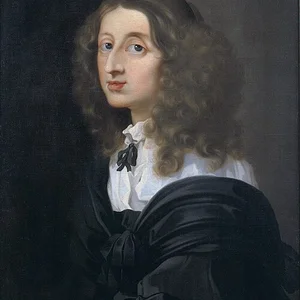
Queen of Sweden from 1632 to 1654, Christina voluntarily abdicated her throne to convert to Catholicism and settle in Rome. An exceptional woman, she invited Descartes to her court and ruled with authority in the Europe of the Thirty Years' War.
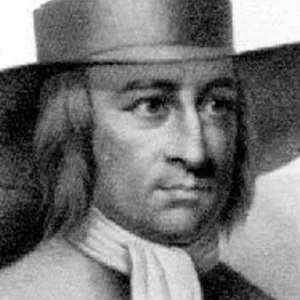
George Fox
1624 — 1691
Seventeenth-century English preacher, founder of the Religious Society of Friends, commonly known as the Quakers. He advocated a direct and inward experience of God, without clergy or rituals, grounded in the “inner light” present in every human being.
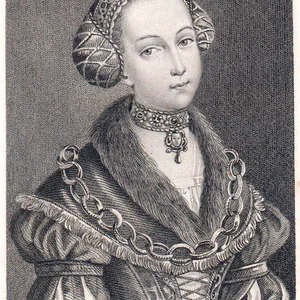
Sidonie von Borcke
A Pomeranian noblewoman born around 1590, Sidonie von Borcke was accused of witchcraft and sentenced to death. Beheaded in 1620 in Stettin, her trial illustrates the violence of persecutions against women in the early modern period.