The European Renaissance
Artists, patrons, inventors and humanists who revived arts and knowledge in Europe between the 14th and 16th centuries.
74 characters
74 characters
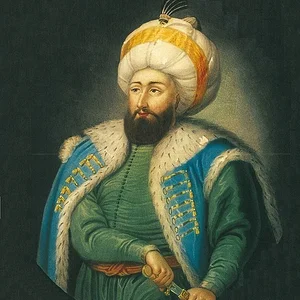
Mehmet II
1432 — 1481
Mehmed II, known as the Conqueror (1432–1481), was an Ottoman sultan who conquered Constantinople in 1453, bringing the Byzantine Empire to an end. He modernized Ottoman administration and transformed Constantinople into the capital of his empire.
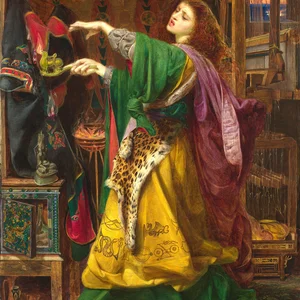
Morgan le Fay
Morgan le Fay is a major figure in Arthurian legend, portrayed as an enchantress and half-sister of King Arthur. She embodies magic and moral ambiguity in medieval narratives, shifting between adversary and protector depending on the version of the story.
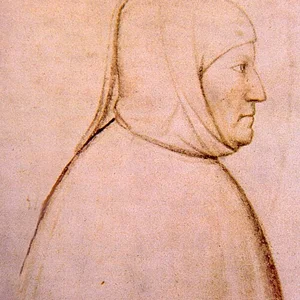
Petrarch
1304 — 1374
An Italian poet and humanist of the 14th century, Petrarch is considered the father of humanism. Deeply passionate about ancient Latin authors, he rediscovered and copied numerous forgotten manuscripts. His poetic work, particularly the Canzoniere dedicated to Laura, profoundly influenced European literature.
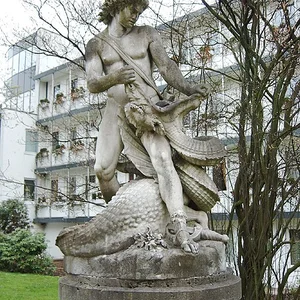
Sigurd
Hero of Norse and Germanic mythology, Sigurd is the slayer of the dragon Fáfnir according to the Völsunga Saga. An iconic figure of Germanic legend, he embodies the archetype of the warrior-conqueror cursed by his own heroic deed.
Agnes Waterhouse
1502 — 1566
Agnes Waterhouse was the first woman executed for witchcraft in England, hanged in 1566 in Chelmsford. Her trial, one of the earliest documented witchcraft trials in England, illustrates the rise of persecution driven by fear of black magic during the Tudor period.
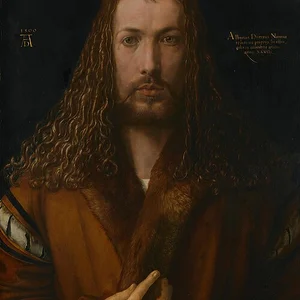
Albrecht Dürer
1471 — 1528
German Renaissance painter, printmaker, and theorist (1471–1528), Dürer is considered the greatest Germanic artist of his time. He introduced Italian Renaissance ideals to Northern Europe and revolutionized the art of woodcut and copper engraving.
Alisher Navoi
1441 — 1501
Alisher Navoi (1441-1501) is the greatest poet of the Chagatai language and the founding father of Uzbek literature. A high official and vizier in Herat under Sultan Husayn Bayqara, he devoted his life to letters and patronage. His colossal body of work, including the *Khamsa*, elevated Eastern Turkic to the rank of a major literary language.
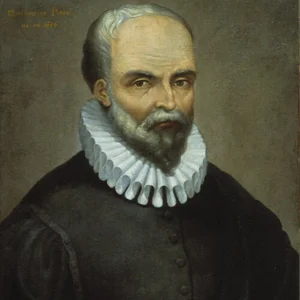
Ambroise Paré
1510 — 1590
French surgeon and anatomist (1510-1590) who revolutionized Renaissance surgery by abandoning brutal medieval practices. He laid the foundations of modern surgery through his anatomical innovations and more humane techniques.
Anacaona
1474 — 1503
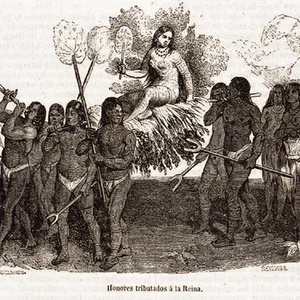
Taíno queen and poet of Hispaniola (c. 1474–1503), Anacaona was renowned for her areítos — ceremonial songs and poems passed down through oral tradition. A fierce resister of Spanish colonization, she was captured and executed by Nicolás de Ovando.
Andreas Vesalius
1515 — 1564
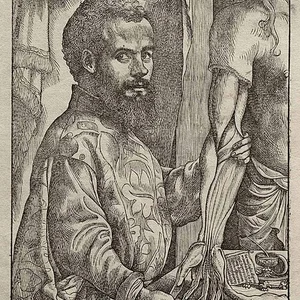
Flemish anatomist of the 16th century, Vesalius revolutionized the study of the human body through systematic dissection and direct observation. He is the author of De Humani Corporis Fabrica (1543), a founding work of modern anatomy that challenged the anatomical errors inherited from Galen.
Anne Boleyn
1507 — 1536
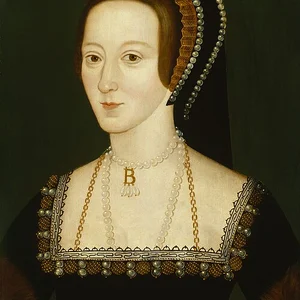
Queen of England from 1533 to 1536, Anne Boleyn was the second wife of Henry VIII. Her marriage required England's break with Rome, giving rise to the Church of England. Mother of Elizabeth I, she was accused of adultery and beheaded at the Tower of London.
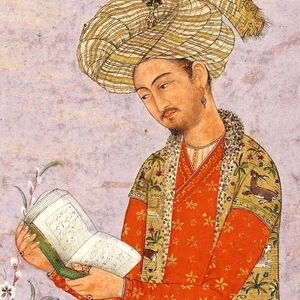
Babur
1483 — 1530
Founder of the Mughal Empire, Babur was a Timurid prince who, after losing Samarkand, conquered India in 1526 at the Battle of Panipat. A refined poet and memoirist, he left behind the Baburnama, one of the earliest autobiographies in Islamic literature.
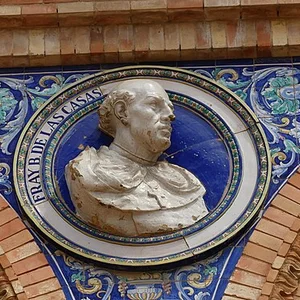
Bartolomé de las Casas
1484 — 1566
Spanish Dominican friar (1474–1566) who devoted his life to defending the rights of Indigenous peoples against the abuses of the conquistadors. He denounced the atrocities committed during the Spanish colonization of the Americas and argued for the humanity of Native peoples before the Spanish Crown.
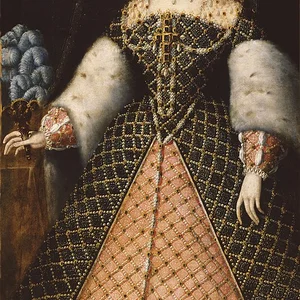
Catherine de Medici
1519 — 1589
Queen consort of France (1547–1559) and regent of the kingdom during the Wars of Religion. Born in Florence in 1519, she played a major political role by attempting to maintain the balance between Catholics and Protestants in France.
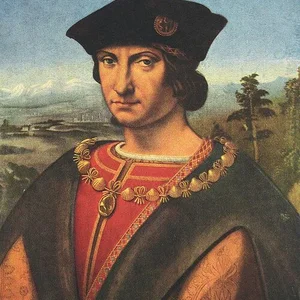
Charles d'Amboise
Lord of Chaumont and governor of the Duchy of Milan on behalf of Louis XII, Charles d'Amboise (1473–1511) was one of the leading French military commanders during the Italian Wars. He is particularly known for having been Leonardo da Vinci's patron in Milan.
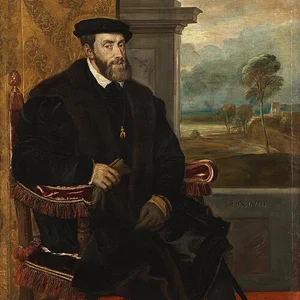
Charles V
1500 — 1558
Born in 1500 in Ghent, Charles V inherited a vast empire spanning Spain, the Netherlands, Austria, and much of Italy. King of Spain as Charles I, then elected Holy Roman Emperor in 1519, he ruled the largest European empire of the Renaissance. He abdicated in 1556 and retired to the monastery of Yuste, where he died in 1558.
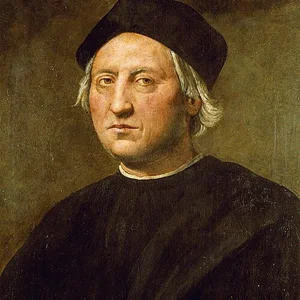
Christopher Columbus
1451 — 1506
Italian navigator and explorer (1451–1506) who in 1492 completed a transatlantic voyage funded by the Catholic Monarchs of Spain. Although he was seeking a route to Asia, his expedition led to the European discovery of the American continent and marked the beginning of the colonization of the Americas.
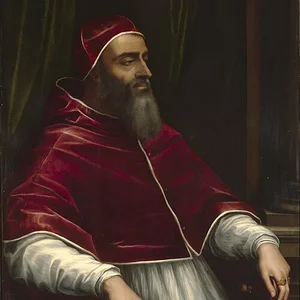
Clement VII
1478 — 1534
Pope from 1523 to 1534, Clement VII was a sovereign pontiff from the powerful Medici family. His pontificate was marked by the Sack of Rome in 1527 and his refusal to annul the marriage of Henry VIII of England, which triggered the Anglican schism.
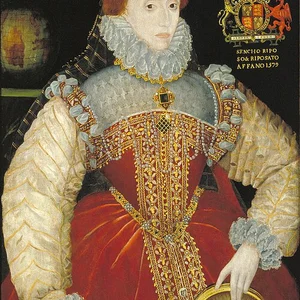
Elizabeth I of England
1533 — 1603
Elizabeth I (1533–1603) was Queen of England and Ireland for 45 years. The daughter of Henry VIII and Anne Boleyn, she consolidated Protestantism in England and led her kingdom to exceptional prominence in Europe. Her reign, known as the "Elizabethan era," was marked by the defeat of the Spanish Armada and a flourishing of arts and literature.
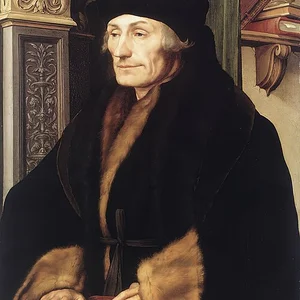
Erasmus
1466 — 1536
Dutch humanist and theologian (1466-1536), Erasmus is one of the major figures of the Renaissance. A champion of the critical study of ancient texts and religious tolerance, he embodies the humanist ideal of an education grounded in reason and wisdom.
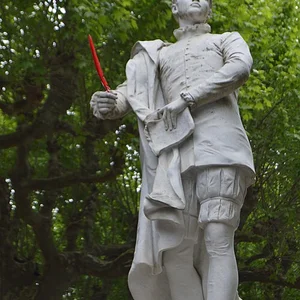
Étienne de La Boétie
1530 — 1563
French Renaissance writer, poet, and statesman (1530–1563). Author of the celebrated Discourse on Voluntary Servitude, he questioned why people accept oppression. A close friend of Montaigne, he embodies the critical humanist thought of the 16th century.
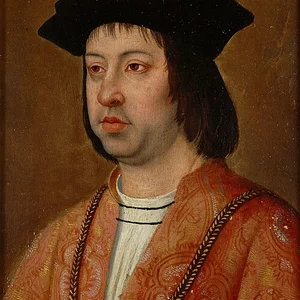
Ferdinand II of Aragon
1452 — 1516
King of Aragon, Ferdinand II married Isabella of Castile in 1469, uniting the two great Iberian crowns. Together, the “Catholic Monarchs” completed the Reconquista in 1492, financed Christopher Columbus's voyage, and laid the foundations of modern Spain.
Ferdinand II of Spain
King of Aragon and, through his marriage to Isabella of Castile, co-ruler of a unified Spain. He completed the Reconquista in 1492 and funded Christopher Columbus's voyages, laying the foundations of the Spanish colonial empire.
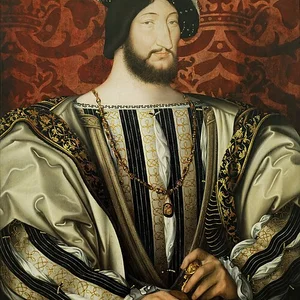
Francis I
1494 — 1547
Francis I (1494–1547) was one of the greatest kings of France and an iconic figure of the Renaissance. A great patron of the arts, he brought Leonardo da Vinci to France and transformed the royal court into a vibrant center of art and intellectual life. His reign was shaped by the Italian Wars and his rivalry with Charles V.
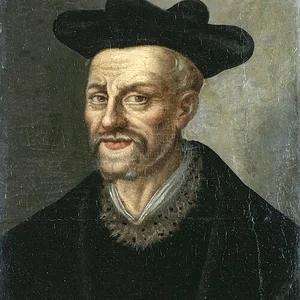
François Rabelais
1500 — 1553
A French humanist writer of the 16th century, Rabelais is the author of Gargantua and Pantagruel, novels about giants blending satire, fantasy, and social criticism. A monk, physician, and scholar, he embodies the spirit of the Renaissance through his innovative approach to literature and his celebration of ancient culture.
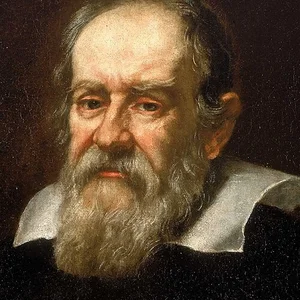
Galileo
1564 — 1642
Italian physicist, astronomer, and philosopher (1564–1642), Galileo revolutionized science by combining experimental observation with mathematics. Inventor of the astronomical telescope and champion of the heliocentric model, he laid the foundations of modern physics despite being tried by the Inquisition.
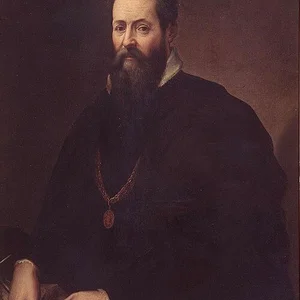
Giorgio Vasari
1511 — 1574
Giorgio Vasari was an Italian painter, architect, and writer of the Renaissance. Author of "Lives of the Most Excellent Painters, Sculptors, and Architects" (1550), he is considered the first art historian. He also designed the Uffizi Palace in Florence.
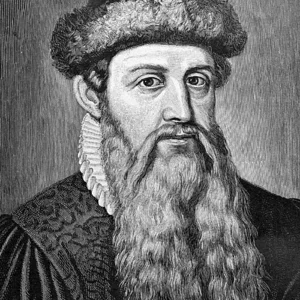
Gutenberg
1400 — 1468
German typographer and goldsmith (c. 1400–1468), Gutenberg is the inventor of movable type printing. His innovation revolutionized the spread of knowledge across Europe and marked the beginning of the Renaissance.
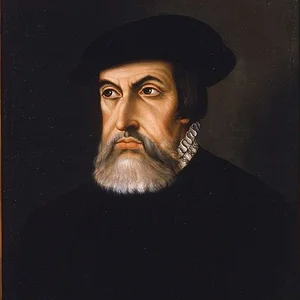
Hernán Cortés
1485 — 1547
Spanish conquistador (1485–1547) who conquered the Aztec Empire in the early 16th century. Setting out from Cuba in 1519, he led an expedition that culminated in the fall of Tenochtitlan in 1521, marking the beginning of Spanish dominance in Mesoamerica.

Humabon
1500 — ?
Humabon was the raja of Cebu in the Philippines in the early 16th century. He welcomed Magellan's expedition in 1521 and converted to Christianity along with many of the island's inhabitants. He played a central role in the first contacts between the Philippine world and European explorers.
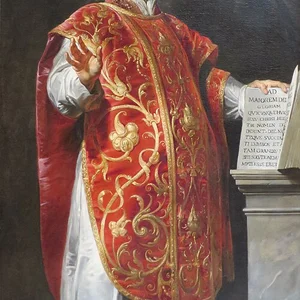
Ignatius of Loyola
1491 — 1556
Spanish soldier and religious figure (1491–1556), Ignatius of Loyola founded the Society of Jesus in 1540, a religious order central to the Catholic Counter-Reformation. Canonized in 1622, he embodies the Church's response to Protestant reforms.
Isabella I of Castile
1451 — 1504
Isabella I of Castile (1451-1504) unified Spain by marrying Ferdinand II of Aragon, forming the Catholic Monarchs. She financed Christopher Columbus's voyage in 1492, opening the era of conquest in the Americas. Her reign was marked by the establishment of the Spanish Inquisition and the expulsion of the Jews from Spain.
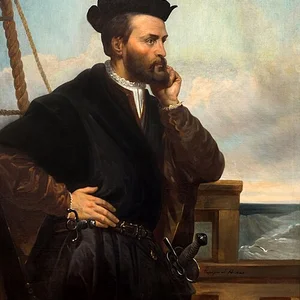
Jacques Cartier
1492 — 1557
French explorer and navigator (1492–1557) who undertook three major voyages to North America between 1534 and 1542. He explored the St. Lawrence River and the coasts of Canada, paving the way for French colonization of New France.
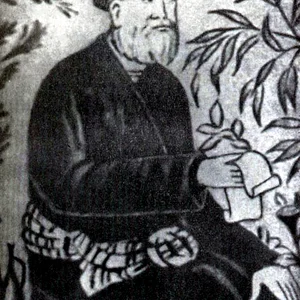
Jami
1414 — 1492
Jami (Abd al-Rahman Jami, 1414-1492) is the last great classical poet of Persian literature and one of the greatest masters of Sufism. Born in Jam in Khorasan, he lived in Herat under the protection of the Timurid sultans. A poet, philosopher, and mystic of the Naqshbandi brotherhood, he left behind an immense body of work, blending divine love, wisdom, and literary beauty.
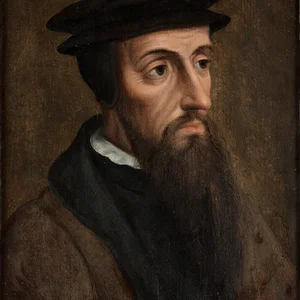
Jean Calvin
1509 — 1564
French Protestant reformer (1509–1564) who founded Calvinism, a major branch of the Protestant Reformation. He settled in Geneva, where he established a strict religious community and profoundly influenced European Protestantism.
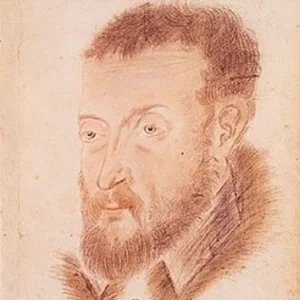
Joachim du Bellay
1522 — 1560
French Renaissance poet (1522–1560), co-founder of the Pléiade, a group of humanist writers. He theorized the defense of the French language and composed major lyric collections exploring love, exile, and melancholy.
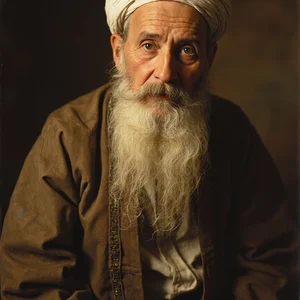
Khoja Ahrar
1404 — 1490
Khoja Ahrar (1404-1490) was the most influential Naqshbandi Sufi master in Central Asia, wielding considerable political power over the Timurid sultans. From Samarkand, he interceded with princes to protect the population and amassed immense wealth, which he redistributed through pious foundations.
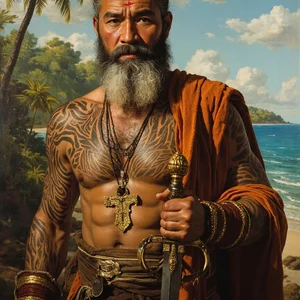
Lapu-Lapu
1491 — 1542
Lapu-Lapu was the datu (chief) of the island of Mactan in the Philippines. He is famous for defeating and killing the explorer Ferdinand Magellan at the Battle of Mactan on April 27, 1521, thus repelling the first Spanish attempt to conquer the Philippines.
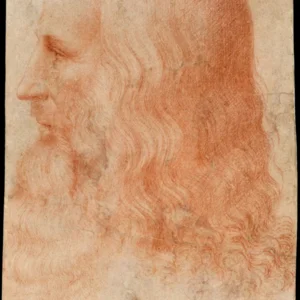
Leonardo da Vinci
1452 — 1519
Italian Renaissance painter, sculptor, architect, and engineer (1452–1519), Leonardo da Vinci embodies the ideal of the universal man. Creator of the Mona Lisa and The Last Supper, he revolutionized art through perspective and scientific observation, while pursuing research in anatomy, botany, and engineering.
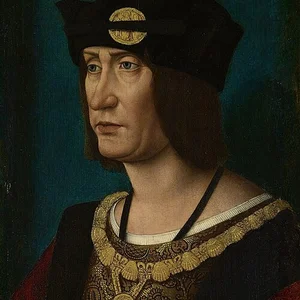
Louis XII
1462 — 1515
King of France from 1498 to 1515, Louis XII was nicknamed “Father of the People” for his fiscal and judicial reforms. He waged numerous Italian Wars to assert his claims over Milan and Naples.
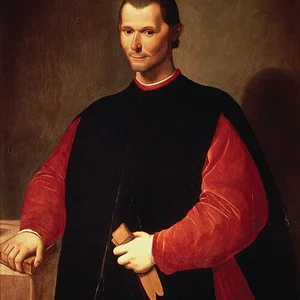
Machiavelli
1469 — 1527
Florentine philosopher and statesman (1469–1527), Machiavelli is the author of The Prince, a treatise that laid the foundations of modern political realism. He analyzes power as it is actually exercised, not as it should be, revolutionizing political thought during the Renaissance.
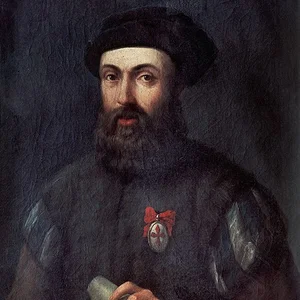
Magellan
1480 — 1521
Portuguese navigator and explorer in the service of Spain (1480–1521). Magellan organized the first expedition to complete the circumnavigation of the globe, proving the true extent of the Earth and the existence of a passage to the Pacific Ocean. He died in the Philippines in 1521, but his voyage revolutionized European geographical knowledge.
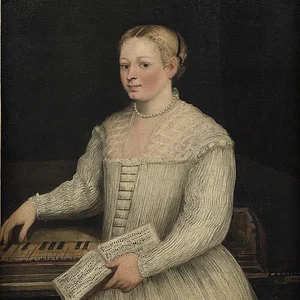
Marietta Robusti
1554 — 1590
Venetian painter of the late Renaissance (1554–1590), daughter and pupil of Tintoretto. Known as "la Tintoretta," she was celebrated for her portraits of remarkable psychological depth. Highly sought after at court, she turned down invitations from Philip II of Spain and Emperor Maximilian II in order to remain in Venice.
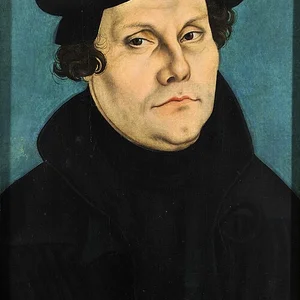
Martin Luther
1483 — 1546
German theologian and monk (1483–1546), Martin Luther is the founder of Protestantism. In 1517, he criticized abuses within the Catholic Church, particularly the sale of indulgences, triggering the Protestant Reformation and splitting Western Christianity.
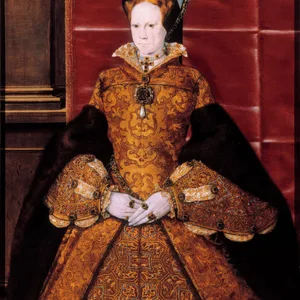
Mary I Tudor
Queen of England and Ireland from 1553 to 1558, Mary I Tudor was the first woman to reign in her own right over England. The daughter of Henry VIII and Catherine of Aragon, she restored Catholicism and persecuted Protestants, earning her the nickname "Bloody Mary".
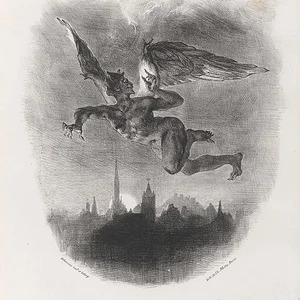
Mephistopheles
The demon of the Faustian pact, Mephistopheles is the Devil's agent tasked with seducing the scholar Faust. Made famous by Marlowe in Doctor Faustus (1592) and then by Goethe in Faust (1808), he embodies intellectual temptation and the corruption of the soul through the thirst for knowledge.
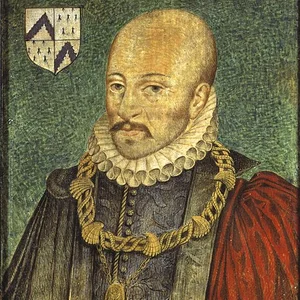
Michel de Montaigne
1533 — 1592
French Renaissance writer and philosopher (1533–1592), Montaigne is the author of the Essays, a landmark work of French literature blending personal reflection and humanism. Mayor of Bordeaux, he contributed to the rise of modern critical thinking.
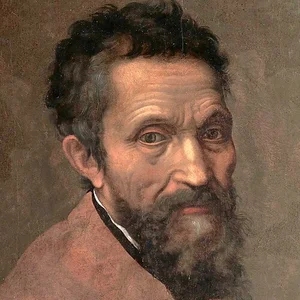
Michelangelo
1475 — 1564
Italian Renaissance painter, sculptor, poet, and architect (1475–1564). Michelangelo is considered one of the greatest artists of all time, author of world-famous masterpieces such as the David and the Sistine Chapel ceiling fresco.
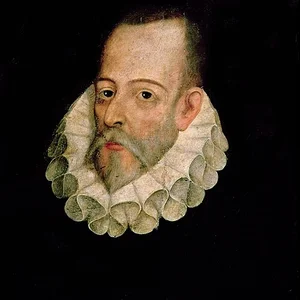
Miguel de Cervantes
1547 — 1616
Spanish writer of the Renaissance, Cervantes is the author of Don Quixote, one of the greatest novels in world literature. Soldier, captive in the Barbary Coast, and prolific author, he embodies the humanism of his era.
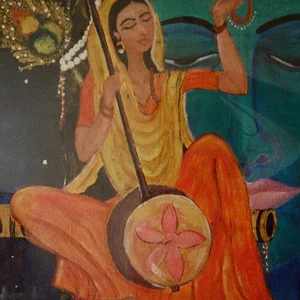
Mirabai
1498 — 1546
Mirabai was a 16th-century Rajput princess, mystic, and devotional poet dedicated to Krishna. Rejecting the conventions of her caste, she devoted her life to worship and composed hundreds of bhajans (devotional hymns) that have endured through the centuries. A major figure of the Bhakti movement, she embodies the spiritual quest freed from social hierarchies.
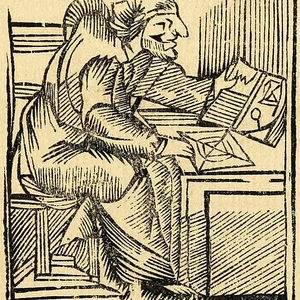
Mother Shipton
1488 — 1561
Legendary English prophetess and seer of the 16th century, born around 1488 in Knaresborough, Yorkshire. Famous for her prophecies in verse, she became a major folk figure of Tudor England. Her actual historical existence remains uncertain, as legend has far outgrown the facts.
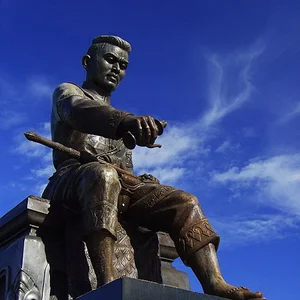
Naresuan
1555 — 1605
Naresuan the Great is the king of Ayutthaya who liberated the Siamese kingdom from Burmese domination at the end of the 16th century. A formidable strategist, he is famous for his elephant-back duel against the Burmese crown prince in 1593, a victory that sealed his people's independence.
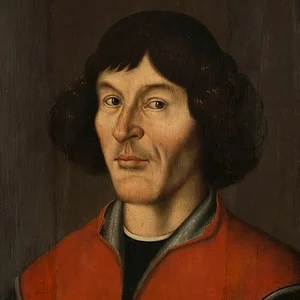
Nicolas Copernicus
1473 — 1543
Polish Renaissance astronomer, mathematician, and canon (1473–1543). He revolutionized our understanding of the universe by proposing the heliocentric model, placing the Sun at the center of the solar system rather than the Earth. His major work, De revolutionibus orbium coelestium, published shortly before his death, marks the beginning of the Scientific Revolution.
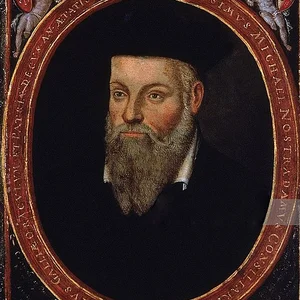
Nostradamus
1503 — 1566
A French physician and apothecary of the Renaissance, Nostradamus is famous for his Centuries, a collection of prophetic quatrains first published in 1555. He was also a respected practitioner during plague epidemics.
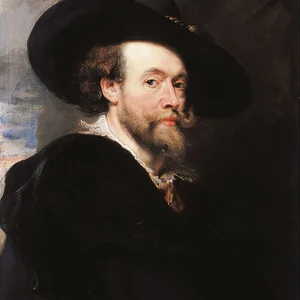
Peter Paul Rubens
1577 — 1640
A Flemish painter of the 17th century, Rubens is one of the masters of the European Baroque. As much a diplomat as an artist, he worked for the greatest courts of Europe. His monumental body of work, rich in color and movement, had a lasting influence on Western painting.
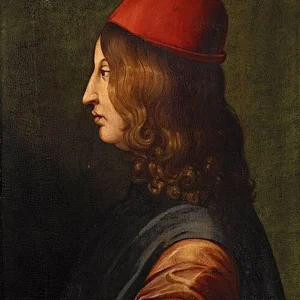
Pico della Mirandola
1463 — 1494
Italian Renaissance philosopher and humanist, a key figure of Florentine Neoplatonism. Author of the Oration on the Dignity of Man, he defends humanity's freedom to shape itself and attempts a synthesis of all knowledge.
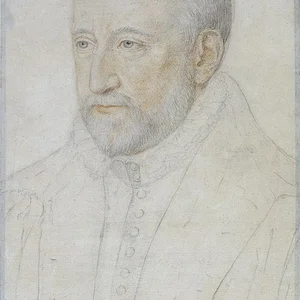
Pierre de Ronsard
1524 — 1585
Major French poet of the Renaissance (1524–1585), co-founder of the Pléiade with du Bellay. He transformed French poetry by introducing lyrical forms inspired by Antiquity and championing the vernacular language.
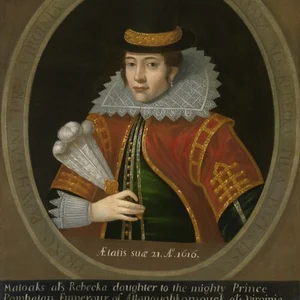
Pocahontas
1596 — 1617
Daughter of Chief Powhatan, leader of the Algonquian confederacy of Virginia, Pocahontas (c. 1596–1617) is a central figure in the encounter between the Powhatan peoples and the English settlers of Jamestown. Her story, passed down through colonial written sources and her people's oral tradition, symbolizes both the dialogue and the tensions between two worlds.
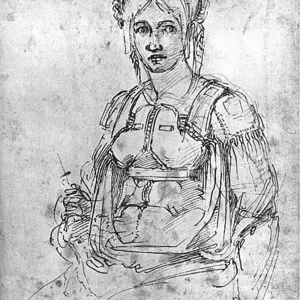
Properzia de' Rossi
1490 — 1530
A Bolognese sculptor of the Renaissance (c. 1490–1530), Properzia de' Rossi is considered the first professional female sculptor in Europe. She is celebrated for her marble bas-reliefs and miniature sculptures carved on apricot pits.
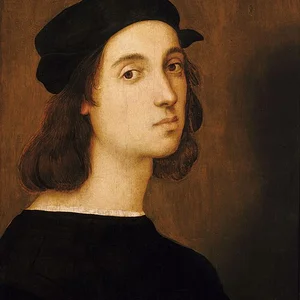
Raphael
1483 — 1520
Italian painter and architect of the Renaissance (1483–1520), Raphael is one of the great masters of the Italian Renaissance. He is celebrated for his harmonious compositions, his Madonnas, and his monumental frescoes, most notably The School of Athens in the Vatican.
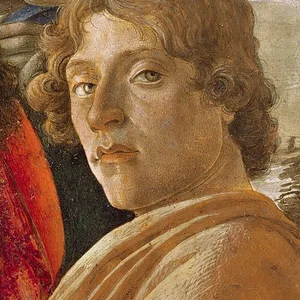
Sandro Botticelli
1445 — 1510
A major Florentine painter of the Italian Renaissance (1445–1510), Botticelli is celebrated for his mythological and religious compositions marked by graceful forms and a poetic visual world. His works, such as The Birth of Venus and Primavera, embody the humanist ideals of the Florentine Renaissance.
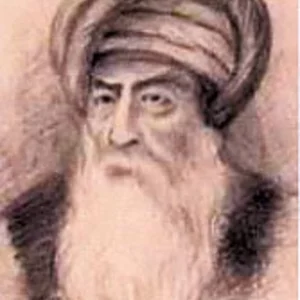
Sinan
1490 — 1588
Sinan (c. 1490–1588) was the greatest architect of the Ottoman Empire. Chief of the imperial architects under Suleiman the Magnificent, he designed more than 300 buildings, including the Süleymaniye Mosque in Istanbul and the Selimiye Mosque in Edirne, considered the absolute masterpiece of Ottoman architecture.
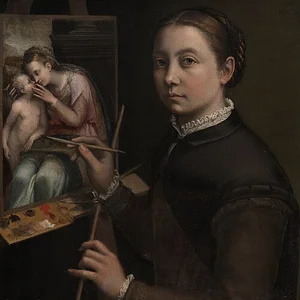
Sofonisba Anguissola
1532 — 1625
An Italian Renaissance painter (1532–1625), she was one of the first women artists to achieve international renown. Official portraitist at the court of King Philip II of Spain, she influenced many artists, including Caravaggio and Van Dyck.
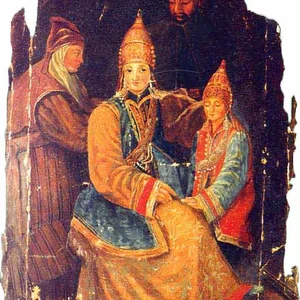
Söyembikä
1516 — 1557
Söyembikä was the last ruling khanum of the Khanate of Kazan in the 16th century. As regent for her infant son, she resisted Russian expansion before being captured by Ivan the Terrible in 1551. A national symbol for the Tatars, she remains a tragic figure of resistance to the Muscovite conquest.
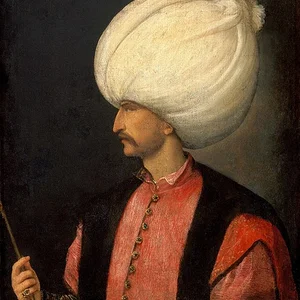
Suleiman the Magnificent
1494 — 1566
Suleiman I, known as the Magnificent, was the tenth Ottoman sultan, reigning from 1520 to 1566. He brought the Ottoman Empire to its territorial and cultural peak, threatening Christian Europe at the very gates of Vienna.
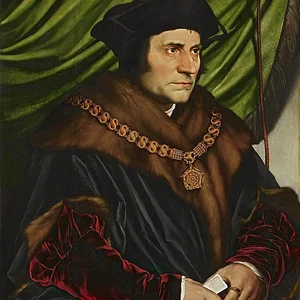
Thomas More
1478 — 1535
An English humanist and statesman, Thomas More served as Lord Chancellor to Henry VIII before opposing the Anglican schism. Author of Utopia (1516), he was executed for refusing to acknowledge the king as Supreme Head of the Church of England.
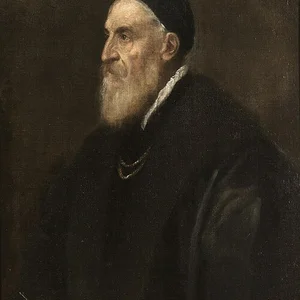
Titian
1490 — 1576
Titian, whose real name is Tiziano Vecellio, is the undisputed master of the Venetian school of the Renaissance. A prolific painter famous for his revolutionary use of color, he dominated the art scene for over sixty years and was the official portraitist of the greatest sovereigns of Europe.
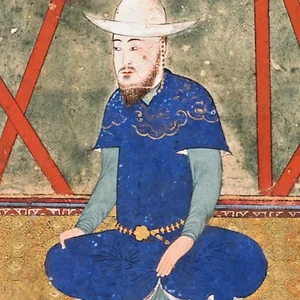
Ulugh Beg
1394 — 1449
Ulugh Beg, grandson of Tamerlane, was one of the greatest astronomers of the medieval Islamic world. As Timurid ruler of Samarkand, he turned his court into a thriving intellectual center, building an observatory whose star tables rivaled those of antiquity.
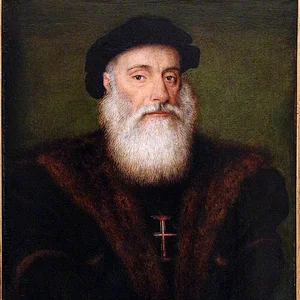
Vasco de Gama
1460 — 1525
Portuguese navigator (1460–1525) who established the first European sea route to India by sailing around Africa. His voyage of 1497–1499 marked a major turning point in the Age of Discovery and opened the way for European commercial expansion into Asia.
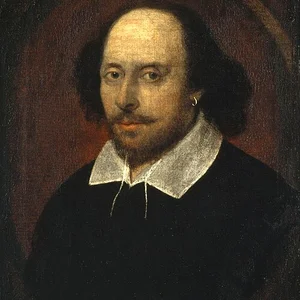
William Shakespeare
1564 — 1616
English playwright, poet, and actor (1564–1616), Shakespeare is the author of the greatest plays in world literature. He revolutionized theatre by exploring human psychology and creating unforgettable characters who grapple with love, power, and death.
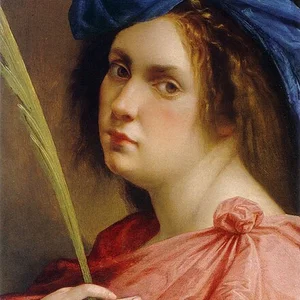
Artemisia Gentileschi
1593 — 1653
Italian painter
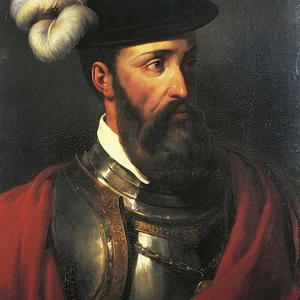
Francisco Pizarro
1478 — 1541
Spanish conquistador (c. 1478–1541), he led the conquest of the Inca Empire in Peru between 1532 and 1533, captured the emperor Atahualpa, and founded Lima in 1535. His expedition transformed the New World and opened South America to Spanish colonization.

Jodhaa
16th-century Rajput princess and wife of the Mughal emperor Akbar the Great. Her marriage symbolizes Akbar's policy of religious tolerance between Hinduism and Islam. A controversial figure whose very existence is debated by historians.
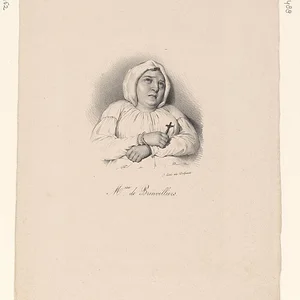
Marie-Madeleine de Dreux
French noblewoman from the House of Dreux, a family of high Capetian lineage. A figure of the French aristocracy in the early modern period, her name combines Catholic devotion with membership in one of France's great seigneurial dynasties.