Absolutism
Kings, queens and ministers of absolute monarchies — from Louis XIV to enlightened despots, power concentrated in one pair of hands.
40 characters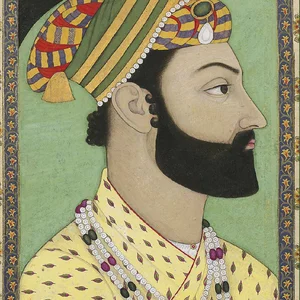
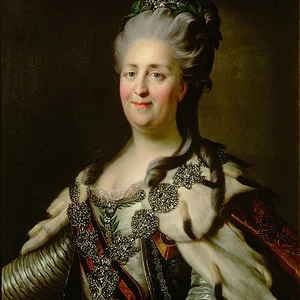
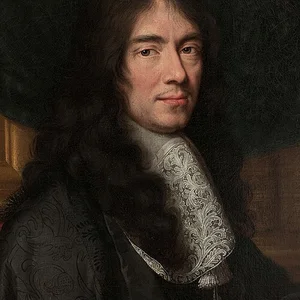
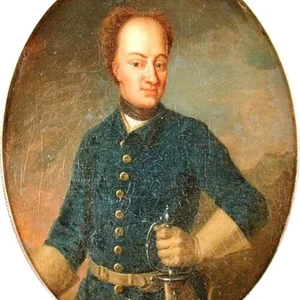
40 characters
Bibi Khanym
1341 — 1408
Bibi Khanym, the principal wife of Tamerlane, was one of the most powerful women of the Timurid Empire. Her name is inseparable from the great mosque of Samarkand that Tamerlane had built in her honor upon his return from the Indian campaign (1399). A symbol of Timurid magnificence, she embodies the political and symbolic role of women at Tamerlane's court.
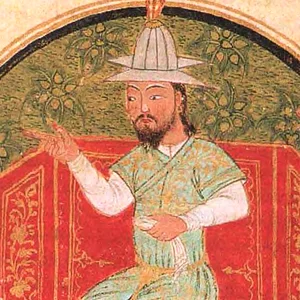
Tamerlane
1336 — 1405
Timur, known as Tamerlane (“Timur the Lame”), was a Turco-Mongol conqueror who built one of the vastest empires of the 14th century, stretching from Anatolia to India. Claiming descent from Genghis Khan, he subdued dozens of kingdoms through fearsome violence. His capital, Samarkand, shone as a great center of Islamic culture and architecture.
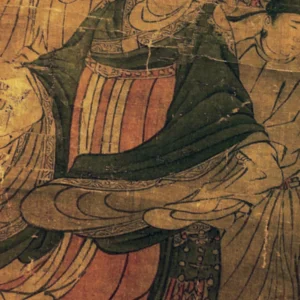
Wu Zetian
624 — 705
Wu Zetian (624–705) is the only woman ever to have ruled as reigning empress of China. A concubine of Emperor Taizong and later wife of Emperor Gaozong, she gradually seized power before founding her own Zhou dynasty in 690. An ambitious reformer, she modernized the imperial administration and championed merit-based examinations.
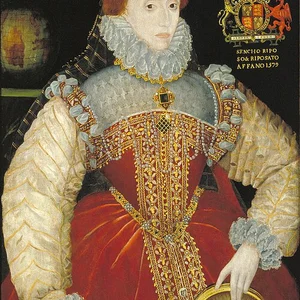
Elizabeth I of England
1533 — 1603
Elizabeth I (1533–1603) was Queen of England and Ireland for 45 years. The daughter of Henry VIII and Anne Boleyn, she consolidated Protestantism in England and led her kingdom to exceptional prominence in Europe. Her reign, known as the "Elizabethan era," was marked by the defeat of the Spanish Armada and a flourishing of arts and literature.
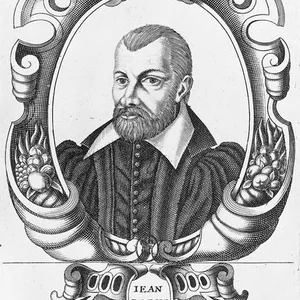
Jean Bodin
1530 — 1596
Jean Bodin was a French jurist, philosopher, and political theorist of the Renaissance. He is famous for developing the modern theory of state sovereignty in *The Six Books of the Commonwealth* (1576).
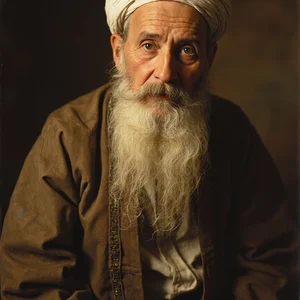
Khoja Ahrar
1404 — 1490
Khoja Ahrar (1404-1490) was the most influential Naqshbandi Sufi master in Central Asia, wielding considerable political power over the Timurid sultans. From Samarkand, he interceded with princes to protect the population and amassed immense wealth, which he redistributed through pious foundations.
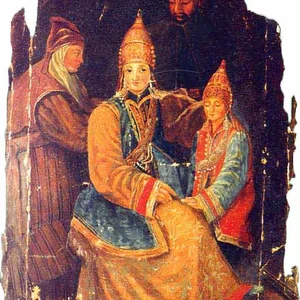
Söyembikä
1516 — 1557
Söyembikä was the last ruling khanum of the Khanate of Kazan in the 16th century. As regent for her infant son, she resisted Russian expansion before being captured by Ivan the Terrible in 1551. A national symbol for the Tatars, she remains a tragic figure of resistance to the Muscovite conquest.
Ahmad Shah Durrani
1722 — 1772
Ahmad Shah Durrani (1722-1772) was the founder of the Durrani Empire and is regarded as the father of the Afghan nation. A former general under Nader Shah of Persia, he unified the Pashtun tribes after Nader Shah's assassination and built an empire stretching from Persia to Northern India.
Anne of Great Britain
1665 — 1714
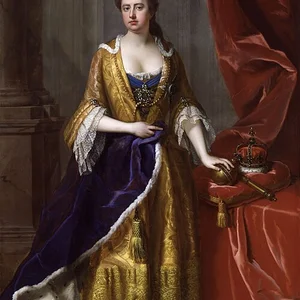
Queen of England, Scotland, and Ireland from 1702 to 1707, then first Queen of Great Britain following the Acts of Union of 1707. Her reign saw the rise of parliamentary government and the War of the Spanish Succession.
Anne Thérèse de Marguenat de Courcelles, marquise de Lambert
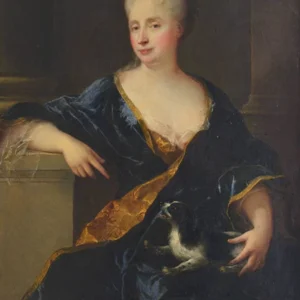
A Parisian writer and salon hostess (1647–1733), she presided over one of the most influential literary salons of the Regency period, frequented by Fontenelle, Montesquieu, and Marivaux. A pioneer in thinking about women's education, she championed their access to intellectual life.
Catherine II of Russia
1729 — 1796
Catherine II, known as Catherine the Great, was Empress of Russia from 1762 to 1796. Of German origin, she overthrew her husband Peter III and modernized the Russian Empire by drawing on the ideas of Enlightenment philosophers, while strengthening autocratic power.
Charles Perrault
1628 — 1703
A French writer of the 17th century, Charles Perrault is famous for having collected and transcribed folk tales. He gave literary form to traditional stories such as Little Red Riding Hood and Cinderella, thus laying the foundations of modern children's literature.
Charles XII of Sweden
King of Sweden from 1697 to 1718, Charles XII was one of the greatest military commanders of his era. He led the Great Northern War against a European coalition, winning the Battle of Narva (1700) before suffering a crushing defeat at Poltava (1709). He died during the siege of Fredriksten, marking the end of Swedish dominance in Europe.

Christian Ludwig of Brandenburg
Margrave of Brandenburg-Schwedt and member of the House of Hohenzollern, he is best known as the dedicatee of Johann Sebastian Bach's six Brandenburg Concertos (1721). A music lover and patron of the arts, he embodies the aristocratic German culture of the early 18th century.
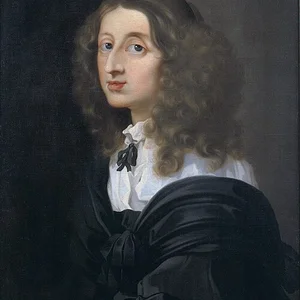
Christina of Sweden
1626 — 1689
Queen of Sweden from 1632 to 1654, Christina voluntarily abdicated her throne to convert to Catholicism and settle in Rome. An exceptional woman, she invited Descartes to her court and ruled with authority in the Europe of the Thirty Years' War.
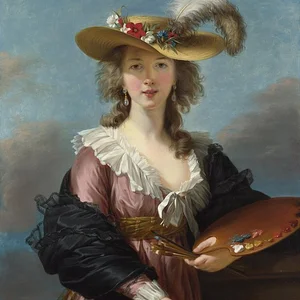
Élisabeth Vigée Le Brun
1755 — 1842
Élisabeth Vigée Le Brun (1755–1842) was one of the greatest portrait painters of the 18th century. Official painter to Marie Antoinette, she completed more than 660 portraits before fleeing the French Revolution. The first woman admitted to the Royal Academy of Painting, she embodied female excellence in an artistic world dominated by men.
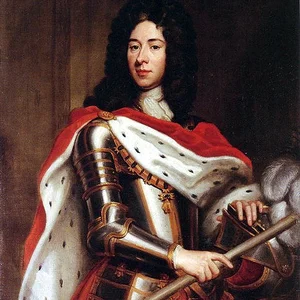
Eugene of Savoy
1663 — 1736
A prince of the House of Savoy who entered the service of the Habsburgs, Eugene of Savoy became one of the greatest military commanders of his time. As generalissimo of the imperial armies, he distinguished himself against the Ottomans and during the War of the Spanish Succession.
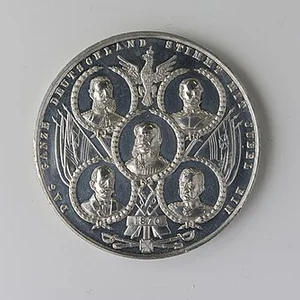
Frederick William I of Prussia
King of Prussia from 1713 to 1740, nicknamed the “Soldier King.” A rigorous and thrifty administrator, he reorganized the Prussian state and built a powerful army that turned Prussia into a major European military power.
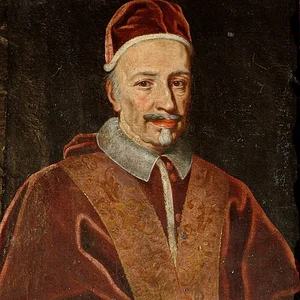
Innocent XII
1615 — 1700
Pope from 1691 to 1700, Innocent XII reformed the Church by combating nepotism through the bull Romanum decet Pontificem (1692). He played a role in the Quietist controversy and contributed to European diplomacy.
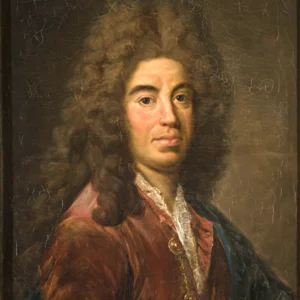
Jean de La Bruyère
1645 — 1696
A French writer and moralist of the 17th century (1645–1696), Jean de La Bruyère is the author of The Characters, a major work of classical literature. His collection of satirical portraits and moral reflections offers a sharp critique of the society of his time.
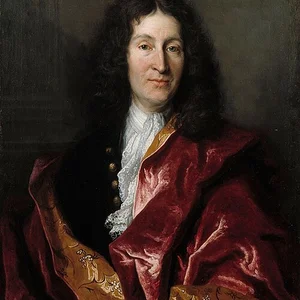
Jean de La Fontaine
1621 — 1695
A French poet and fabulist of the 17th century, Jean de La Fontaine is celebrated for his Fables, collections of short verse tales featuring animals to illustrate moral lessons. His works, imbued with humor and wisdom, remain major classics of French literature.
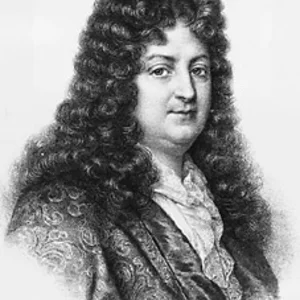
Jean Racine
1639 — 1699
A French playwright of the 17th century, Racine is one of the masters of classical tragedy. Author of masterpieces such as Phaedra and Andromache, he embodies the balance between formal rigour and emotional intensity that defines French classical theatre.
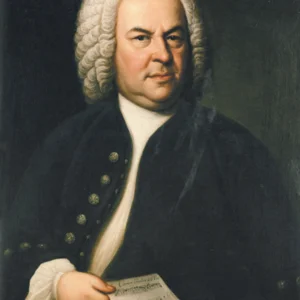
Johann Sebastian Bach
1685 — 1750
German composer and organist (1685–1750), Johann Sebastian Bach is one of the greatest figures of Baroque music. A master of fugue and polyphony, he composed over a thousand works combining mathematical rigor with spiritual depth, decisively influencing the history of Western music.
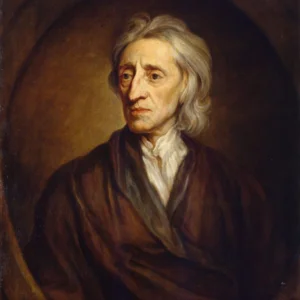
John Locke
1632 — 1704
A 17th-century English philosopher, John Locke is the founder of modern empiricism and a major thinker of political liberalism. He developed the theory of natural rights (life, liberty, property) and justified the right to revolt against tyrannical power, profoundly influencing democratic revolutions.
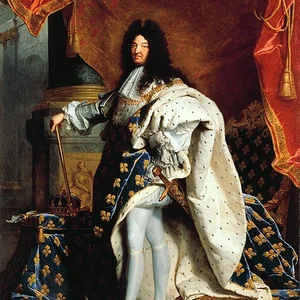
Louis XIV
1638 — 1715
King of France and Navarre from 1643 to 1715, Louis XIV is the symbol of French royal absolutism. He concentrated power in his own hands and transformed the monarchy into a centralized political system, embodied by the Palace of Versailles, which he had built.
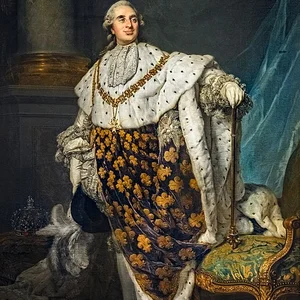
Louis XVI
1754 — 1793
King of France and Navarre from 1774 to 1791, then King of the French from 1791 to 1792. His reign was marked by the French Revolution, attempted reforms, and the abolition of the Ancien Régime. Arrested during the Flight to Varennes in 1791, he was tried and executed by guillotine on January 21, 1793.
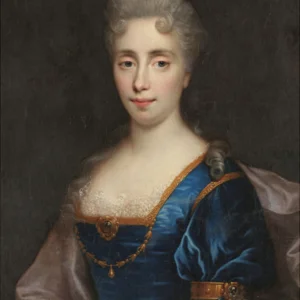
Madame de La Fayette
1634 — 1693
17th-century French writer and pioneer of the psychological novel. Author of The Princess of Clèves, a landmark work exploring the inner feelings and intimate conflicts of its characters. A prominent figure in the literary and cultural life of Louis XIV's court.
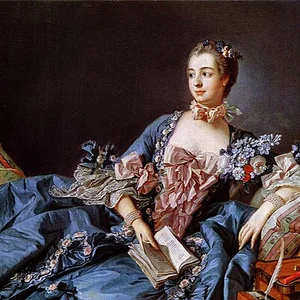
Madame de Pompadour
1721 — 1764
Official mistress of King Louis XV from 1745 until her death in 1764, she wielded considerable influence over French politics and culture. A great patron of the arts and protector of the Enlightenment philosophers, she helped shape the Rococo style and supported the Encyclopédie of Diderot and d'Alembert.
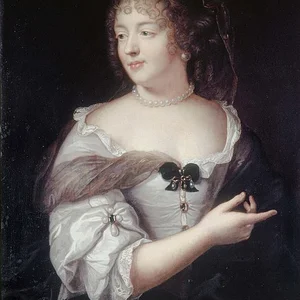
Madame de Sévigné
1626 — 1696
French epistolary writer of the 17th century, celebrated for her exceptional literary correspondence, particularly her letters to her daughter. Her work offers an invaluable portrait of court life and French society under Louis XIV.
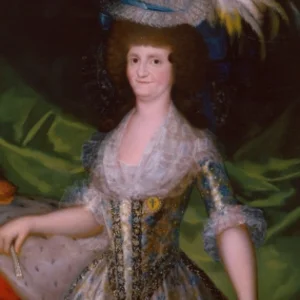
Maria Luisa of Parma
Princess of Parma who became Queen of Spain through her marriage to Charles IV. A woman of strong character, she wielded considerable political influence and promoted the rise of her favorite, Manuel Godoy, within the government.
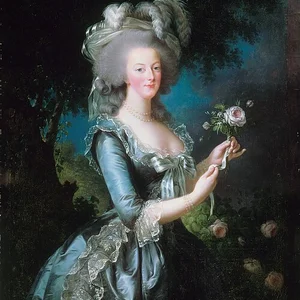
Marie-Antoinette
1755 — 1793
Queen consort of France from 1774 to 1792, wife of Louis XVI. A symbol of the Ancien Régime and its excesses, she became deeply unpopular with the French people and came to embody the frivolity of the Versailles court. Accused of treason during the French Revolution, she was executed by guillotine in 1793.
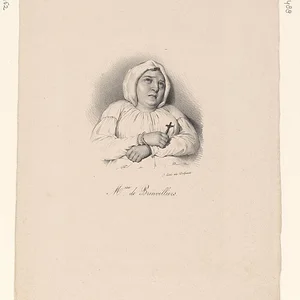
Marie-Madeleine de Dreux
French noblewoman from the House of Dreux, a family of high Capetian lineage. A figure of the French aristocracy in the early modern period, her name combines Catholic devotion with membership in one of France's great seigneurial dynasties.
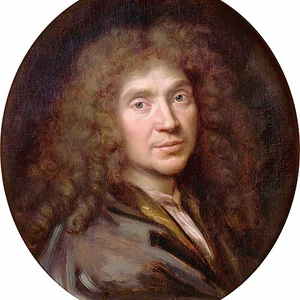
Molière
1622 — 1673
Molière (1622-1673) is the greatest French playwright of the 17th century. Founder of his own theatrical company, he created works of comic genius that critique the flaws and vices of the society of his time.
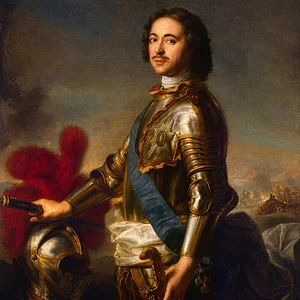
Peter I of Russia
1672 — 1725
Tsar and first Emperor of Russia (1682–1725), Peter I undertook a radical modernization of his empire inspired by Western European models. He founded Saint Petersburg, reformed the army and administration, and transformed Russia into a major European power.
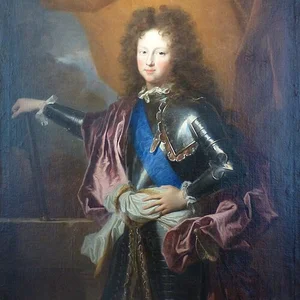
Philippe II d'Orléans
Regent of France from 1715 to 1723 during the minority of Louis XV, Philippe II d'Orléans governed the kingdom following the death of Louis XIV. A curious and libertine spirit, he was also a musician, painter, and patron of the arts, embodying the transition between the Grand Siècle and the Enlightenment.
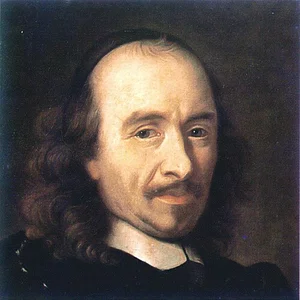
Pierre Corneille
1606 — 1684
French playwright and poet (1606–1684), founder of French classical tragedy. Author of Le Cid, a landmark work of French theater that left a lasting mark on literary history. He dominated the Parisian stage in the 17th century with his tragedies and comedies.
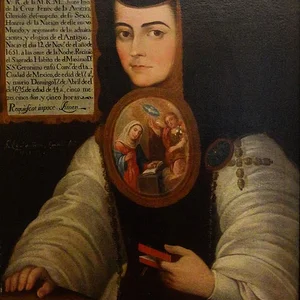
Sor Juana Inés de la Cruz
1651 — 1695
Juana Inés de la Cruz was a Mexican poet and playwright of the 17th century, a towering figure of Hispanic Baroque literature. A self-taught nun in New Spain, she championed women's right to knowledge in a colonial society dominated by men.
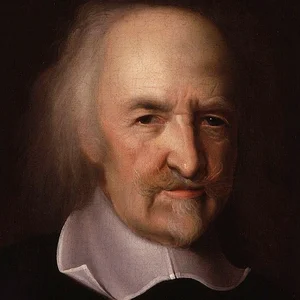
Thomas Hobbes
1588 — 1679
A 17th-century English philosopher, Thomas Hobbes is the author of Leviathan (1651), a founding work of modern political philosophy. He develops a social contract theory justifying the absolute authority of the state to guarantee peace and security.
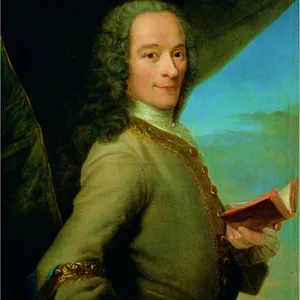
Voltaire
1694 — 1778
An 18th-century French writer and philosopher, Voltaire is a major figure of the Enlightenment. Through his works, most notably Candide, he championed tolerance, freedom of expression, and criticism of religious intolerance.
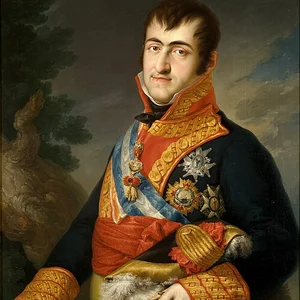
Ferdinand VII
1784 — 1833
King of Spain in 1808 and from 1814 to 1833, Ferdinand VII reigned under Napoleonic occupation and then after the Restoration. His absolutist rule and the loss of Spain's American colonies left a profound mark on Spanish history.