Women in Literature
Novelists, poets, playwrights and essayists who left their mark on world literature.
257 characters
257 characters
Alcmene
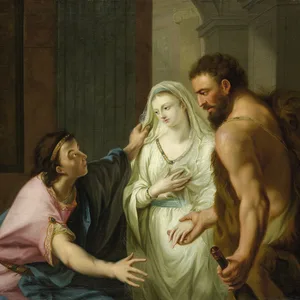
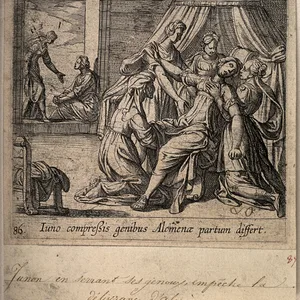
Greek princess, daughter of Electryon king of Mycenae and wife of Amphitryon. Zeus seduced her by taking on her husband's appearance, and she thus conceived Heracles, the most famous of all Greek heroes.
Andromache
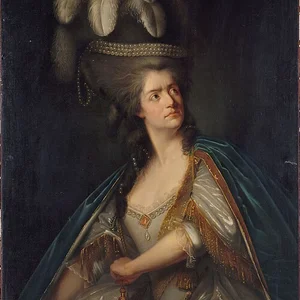
Princess of Thebe in Mysia and wife of Hector in the Greek epic tradition, Andromache is the figure of the woman and mother struck by the Trojan War. Immortalized by Homer in the Iliad and by Racine in his eponymous tragedy (1667), she embodies conjugal fidelity and grief.
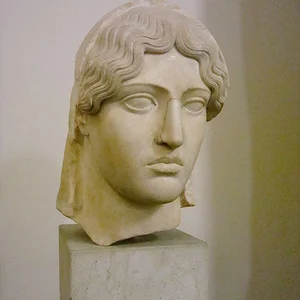
Aspasia
469 av. J.-C. — 399 av. J.-C.
Born in Miletus around 470 BC, Aspasia was the companion of Pericles and a major intellectual figure in Athens. Renowned for her eloquence and mastery of rhetoric, she hosted a philosophical salon attended by Socrates, Plato, and the greatest minds of her era.
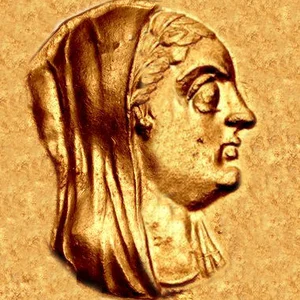
Berenice I
339 av. J.-C. — ?
Macedonian queen who became the wife of Ptolemy I, founder of the Lagid dynasty in Egypt. Mother of Ptolemy II Philadelphus, she was deified after her death and played a foundational role in establishing the dynastic legitimacy of the Ptolemies.
Clodia Metella
Roman aristocrat of the late Republic, sister of the tribune Publius Clodius Pulcher and wife of the consul Metellus Celer. A cultured and independent woman, she is traditionally identified as the “Lesbia” celebrated by Catullus and was violently attacked by Cicero in the Pro Caelio.
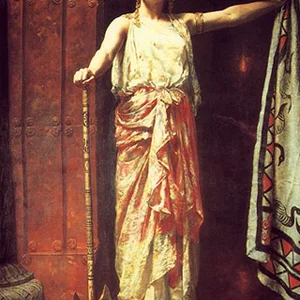
Clytemnestra
A major figure in Greek mythology, Clytemnestra is the wife of King Agamemnon of Mycenae. She murders him upon his return from the Trojan War to avenge the sacrifice of their daughter Iphigenia. She is the central character of Aeschylus's Oresteia (458 BCE).
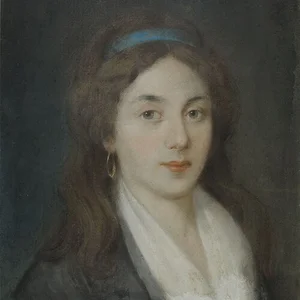
Cornelia
190 av. J.-C. — 100 av. J.-C.
Daughter of Scipio Africanus and wife of Tiberius Sempronius Gracchus, Cornelia (c. 190–100 BC) is the model of the virtuous Roman matron. She raised her twelve children alone after being widowed, refusing a royal remarriage. She is famous for pointing to her sons Tiberius and Gaius as "her most precious jewels."
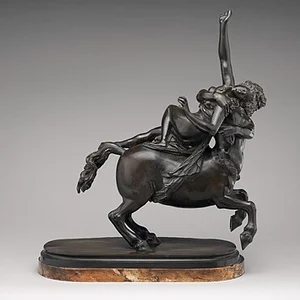
Deianira
Wife of Heracles and princess of Calydon, Deianira is a tragic figure in Greek mythology. Deceived by the centaur Nessus, she gives her husband a tunic soaked in poison, believing it to be a love potion, thereby causing his death.
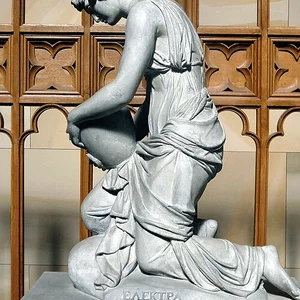
Electra
Electra is a heroine of Greek mythology, daughter of Agamemnon and Clytemnestra. After her father is murdered by her mother and her lover Aegisthus, she convinces her brother Orestes to avenge him. Her tragic fate inspired all three of the great Greek tragedians.

Énheduana
High priestess of the moon at Ur and daughter of Sargon of Akkad, Enheduana is the first known author in history. Around 2300 BCE, she composed hymns to the goddess Inanna and songs for the Sumerian temples, laying the foundations of religious literature.
Enheduanna
2300 av. J.-C. — 2300 av. J.-C.
Enheduanna, high priestess of the moon god at Ur and daughter of Sargon of Akkad, is the first known author in history. Around 2300 BCE, she composed hymns to the goddess Inanna of rare poetic power, laying the foundations of world religious literature.
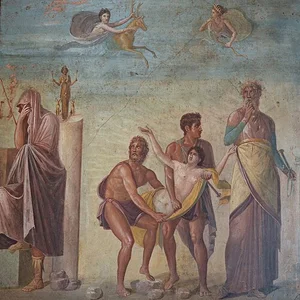
Iphigenia
Daughter of Agamemnon and Clytemnestra, Iphigenia was condemned to be sacrificed at Aulis to appease Artemis and allow the Greek fleet to sail for Troy. Saved by the goddess, she was transported to Tauris where she became a priestess. Her fate inspired major tragedies by Euripides.

Juno
Juno is the queen of the gods in Roman mythology, wife of Jupiter and goddess of marriage and motherhood. Identified with the Greek Hera, she belongs to the Capitoline Triad and plays a central role in Virgil's epic, the *Aeneid*.
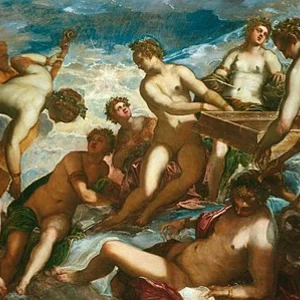
Muses
The nine Muses are the daughters of Zeus and Mnemosyne in Greek mythology. Goddesses of the arts and sciences, they inspire poets, musicians, and scholars. Calliope, Clio, Erato, Euterpe, Melpomene, Polyhymnia, Terpsichore, Thalia, and Urania each preside over an artistic or intellectual domain.
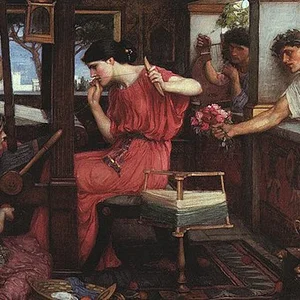
Penelope
A figure from Greek mythology, wife of Odysseus and mother of Telemachus. During her husband's twenty-year absence, she fends off her suitors with a famous trick: each night she unravels the shroud she weaves by day. She embodies faithfulness, patience, and female intelligence in the Homeric epic.
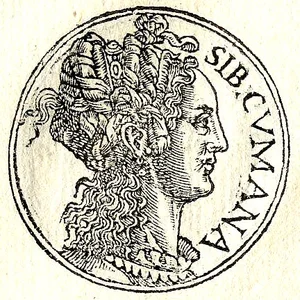
Sibyl of Cumae
A legendary prophetess of Antiquity, she presided over Apollo's oracle at Cumae, in Campania. According to tradition, she lived for a thousand years and sold the Sibylline Books to King Tarquin. Virgil makes her the guide of Aeneas in the Underworld in the Aeneid.
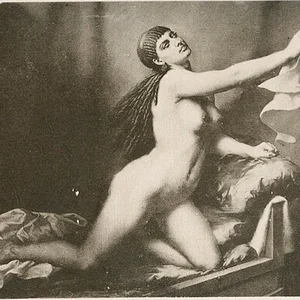
Zulaikha
Zulaikha is the wife of Potiphar, a high Egyptian dignitary, famous in the Bible (Genesis 39) and the Quran (Surah Yusuf) for attempting to seduce Joseph. Joseph's refusal and her false accusation lead him to prison. She has become a major literary figure, particularly in classical Persian poetry.
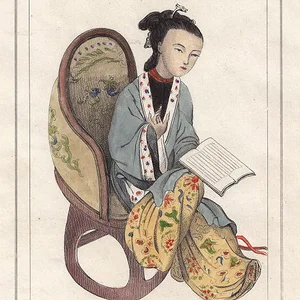
Ban Zhao
45 — 116
Ban Zhao (45–116) was China's first great female scholar, a historian and philosopher under the Eastern Han dynasty. She completed the works of her brother Ban Gu, most notably the Book of Han. Her treatise Lessons for Women (Nüjie) profoundly shaped Confucian thought on the role of women.
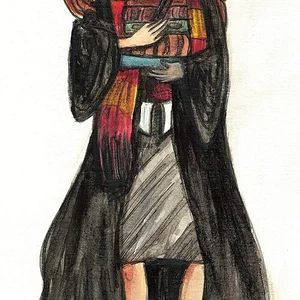
Hermione
Hermione Granger is a fictional character created by J.K. Rowling, the heroine of the "Harry Potter" series published from 1997 onward. Born to Muggle parents in 1979, she embodies the brilliant, studious, and loyal witch whose intelligence and courage play a decisive role in the fight against Voldemort.
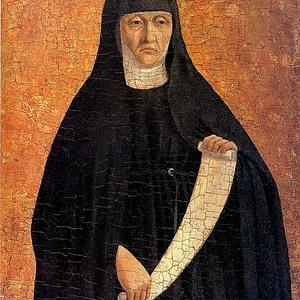
Monica
332 — 387
Mother of Saint Augustine, Monica is venerated as a saint in the Catholic Church for her unwavering faith. She prayed her entire life for her son's conversion. She died in Ostia in 387, shortly after witnessing his baptism by Saint Ambrose in Milan.
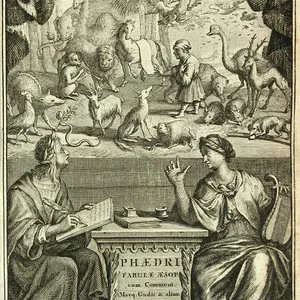
Phaedrus
20 av. J.-C. — 50
Phaedrus was a Latin fabulist of the 1st century AD, a freedman of Emperor Augustus. He was the first author to render Aesopian fables in Latin verse, leaving behind a collection in five books that had a lasting influence on European literature.
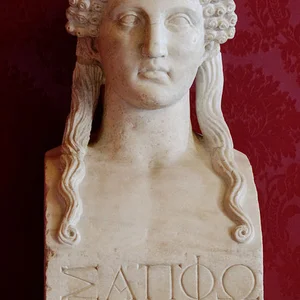
Sappho
650 av. J.-C. — 569 av. J.-C.
Greek lyric poet of the 7th century BCE, from the island of Lesbos. Recognized as one of the greatest poets of ancient Greece, she composed intimate lyric poems expressing personal emotions, particularly about love and friendship. Her work, largely lost, has profoundly influenced Western literature.
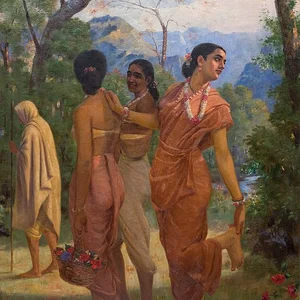
Shakuntala
Shakuntala is a heroine of Hindu mythology, the daughter of the ascetic Vishvamitra and the apsara Menaka. Raised in a hermitage, she marries King Dushyanta and becomes the mother of Bharata, the eponymous ancestor of the dynasty that gave India its name. Her story, told in the Mahabharata, was immortalized by the playwright Kalidasa.
Aisha
614 — 678
Aisha (614–678) was the third wife of the Prophet Muhammad and daughter of Abu Bakr, the first caliph. After Muhammad's death, she played a major political and religious role in the transmission of hadiths.
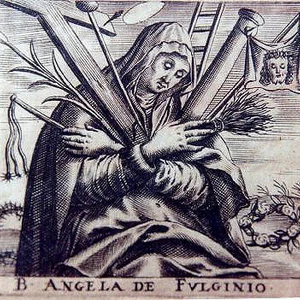
Angela of Foligno
1248 — 1309
A 13th-century Italian mystic, Angela of Foligno was a Franciscan tertiary whose visions were recorded in the Book of Visions and Instructions. A major figure in medieval spirituality, she was beatified in 1693 and canonized in 2013.
Anna Komnene
Byzantine princess (1083–c.1153), daughter of Emperor Alexios I Komnenos, Anna Komnene is one of the earliest female historians in recorded history. She is the author of the Alexiad, an epic narrative chronicling her father's reign and an invaluable testimony on Byzantium and the Crusades.
Beatrice of Nazareth
1200 — 1268
Flemish Cistercian nun (c. 1200–1268), abbess of the monastery of Nazareth near Lier. Author of The Seven Manners of Love, one of the earliest mystical works written in the vernacular Dutch language.
Bridget of Sweden
1303 — 1373
A mystic and Swedish saint of the 14th century, Bridget of Sweden was a wife, mother of eight children, then a pilgrim and founder of the Order of the Most Holy Savior. Her divine revelations, dictated and spread throughout Europe, gave her exceptional spiritual authority.
Catherine of Siena
1347 — 1380
An Italian mystic and theologian of the 14th century, Catherine of Siena played a major political role by convincing Pope Gregory XI to leave Avignon and return to Rome. A Doctor of the Church, she left behind a remarkable body of spiritual and epistolary work.

Cecilia Chaumpaigne
An English woman of the 14th century known for a legal document of 1380 by which she released the poet Geoffrey Chaucer from all prosecution for “raptus.” This document, rediscovered by scholars, fuels a historical debate on the status of women and the nature of the incident.
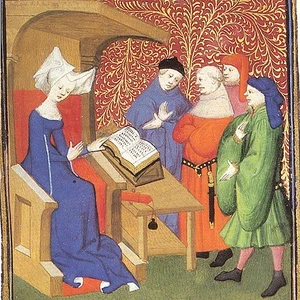
Christine de Pizan
1364 — 1430
French philosopher and poet of Italian origin

Empress Teishi
Empress consort of Japan (976–1001), wife of Emperor Ichijō and daughter of regent Fujiwara no Michitaka. She was the patron of Sei Shōnagon, whose celebrated *The Pillow Book* bears witness to the brilliant life at her court. Her rivalry with Fujiwara no Shōshi, patroness of Murasaki Shikibu, illustrates the literary ferment of the Heian period.
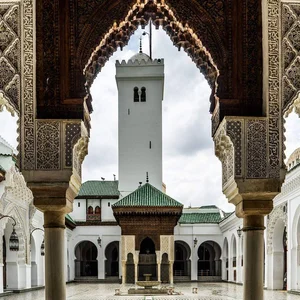
Fatima al-Fihri
A Muslim scholar and patron from Kairouan (present-day Tunisia), Fatima al-Fihri founded the al-Qarawiyyin mosque-university in Fez in 859, considered the oldest continuously operating university in the world. Born into a Berber-Arab family that emigrated to Morocco, she devoted her entire fortune to this institution of learning.

Fiammetta
Fiammetta is the muse and idealized literary figure of the Florentine poet Boccaccio. Traditionally identified with Maria d'Aquino, the natural daughter of King Robert of Naples, she first inspires and then narrates the “Elegy of Lady Fiammetta” (c. 1343), a pioneering account of romantic passion expressed in the first person by a woman.
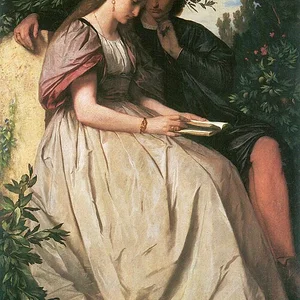
Francesca da Rimini
1259 — 1285
A 13th-century Italian noblewoman, Francesca da Polenta was married to Giovanni Malatesta and then murdered alongside her brother-in-law Paolo, with whom she was in love. Her tragic story was immortalized by Dante in the Divine Comedy.
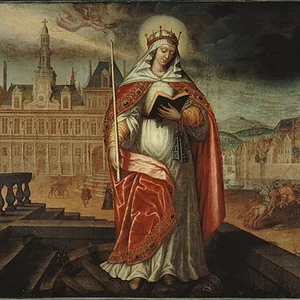
Geneviève de Paris
423 — 502
Christian saint born around 422, venerated for having protected Paris from Attila in 451 through her religious fervor. An advisor to Clovis I, she embodied the emerging alliance between the Church and Frankish royalty. Patron saint of Paris, her feast day is January 3.
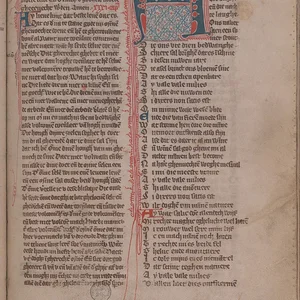
Hadewijch of Antwerp
1300 — 1260
Thirteenth-century Brabantine poet and mystic, a towering figure of medieval female spirituality. She was most likely a beguine and left an exceptional literary and mystical body of work written in Middle Dutch.
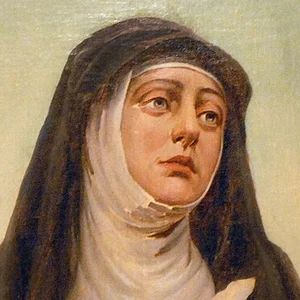
Héloïse d'Argenteuil
1101 — 1164
A French intellectual of the 12th century, Héloïse is celebrated for her passionate correspondence with the philosopher Peter Abelard, whose student and secret wife she became. Later abbess of the Paraclete, she was one of the most learned women of her time.
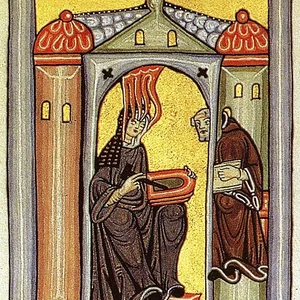
Hildegard of Bingen
1098 — 1179
A twelfth-century German Benedictine nun, Hildegard of Bingen was at once a mystic, composer, naturalist, and theologian. She founded her own monastery and corresponded with the most powerful figures of her time, including popes and emperors.
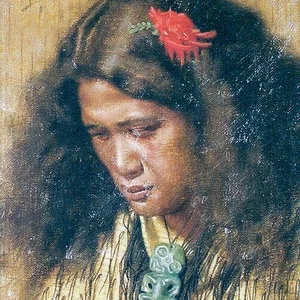
Hinemoa
Hinemoa is a heroine of Māori oral tradition, from the Arawa tribe, whose legend has been passed down since pre-colonial times in New Zealand. According to tradition, she swam across Lake Rotorua to reach her lover Tūtānekai on Mokoia Island, defying her family's prohibition. Her story symbolizes the power of love and the courage to challenge social conventions.
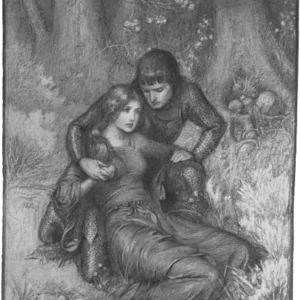
Igraine
Igraine is a character from Arthurian legend, wife of Gorlois, Duke of Cornwall, and later of King Uther Pendragon. Seduced by Uther through a spell cast by Merlin that gives him the appearance of Gorlois, she becomes the mother of King Arthur.
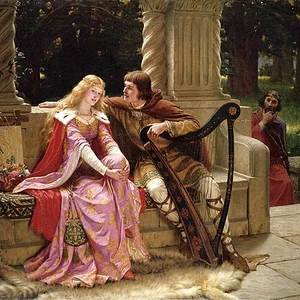
Iseult
Iseult the Fair is the heroine of the medieval legend of Tristan and Iseult. An Irish princess who became the wife of King Mark of Cornwall, she lives a fatal, adulterous passion with the knight Tristan after accidentally drinking a love potion. Her story is one of the great love myths of the Matter of Britain.
Iseult of the White Hands
Princess of Brittany, daughter of Duke Hoël, in the medieval legend of Tristan and Iseult. Tristan marries her because her name resembles that of Iseult the Fair, his true love, but he never consummates the marriage.
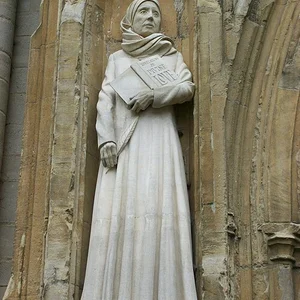
Julian of Norwich
1342 — 1500
A fourteenth-century English mystic, Julian of Norwich is the first known woman to write in the English language. Following a divine vision received in 1373, she composed Revelations of Divine Love, a foundational work of medieval Christian spirituality. Living as an anchoress in Norwich, she developed a theology centered on divine love and mercy.

Jutta of Sponheim
A German Benedictine recluse and mystic of the 12th century, Jutta of Sponheim founded a community of women at the monastery of Disibodenberg. She is best known as the spiritual teacher and educator of Hildegard von Bingen.
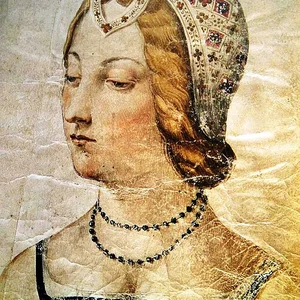
Laure de Noves
1310 — 1348
A fourteenth-century noblewoman of the Comtat Venaissin, traditionally identified as the Laura celebrated by the Italian poet Petrarch in his collection the Canzoniere. A literary muse whose beauty and virtue inspired one of the high points of Western love poetry.
Margery Kempe
1373 — 1438
English Christian mystic of the late Middle Ages, mother of fourteen children who became a pilgrim and visionary. She dictated the account of her life and mystical experiences, regarded as the first autobiography in the English language.
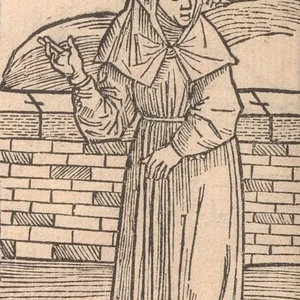
Marguerite Porete
1250 — 1310
A 14th-century Beguine mystic, Marguerite Porete is the author of The Mirror of Simple Souls, a mystical treatise written in the vernacular. Condemned for heresy by the Inquisition, she was burned alive in Paris in 1310, refusing to recant.
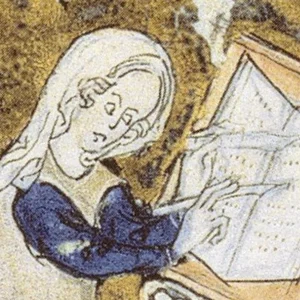
Marie de France
1101 — 1300
An Anglo-Norman poet of the 12th century, Marie de France is the first known woman writer in the French language. She is celebrated for her Lais, her Fables, and her Saint Patrick's Purgatory.
Marie of Champagne
1145 — 1198
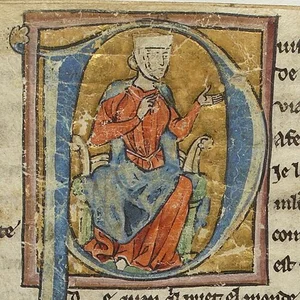
Daughter of King Louis VII and Eleanor of Aquitaine, Marie of Champagne was Countess of Champagne and one of the greatest patrons of letters in the 12th century. A patron of Chrétien de Troyes, she made her court at Troyes a radiant center of courtly literature.
Mechthild of Magdeburg
1207 — 1282
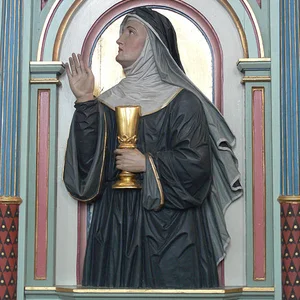
A Rhenish mystic and German beguine, Mechthild of Magdeburg is the author of The Flowing Light of the Godhead, one of the first great mystical texts written in the vernacular. A major spiritual figure of the 13th century, she describes the union of the soul with God in poetic language of rare intensity.
Murasaki Shikibu
970 — 1100
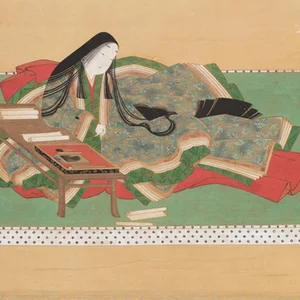
Japanese noblewoman, poet, and lady-in-waiting at the Imperial court during the Heian period
Scheherazade
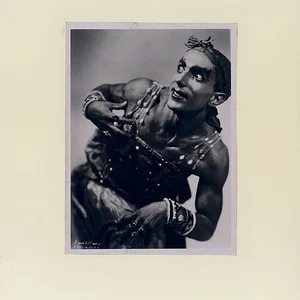
Scheherazade is the legendary narrator of *One Thousand and One Nights*, a collection of Arabic tales compiled between the 9th and 14th centuries. Condemned to death by King Shahryar, she survives by telling him a new story each night, always leaving it unfinished, saving her life through the sheer power of storytelling.
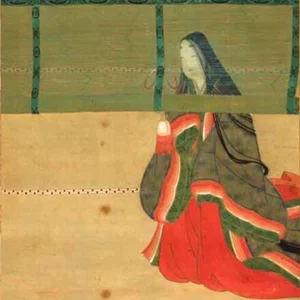
Sei Shōnagon
966 — 1025
Japanese author
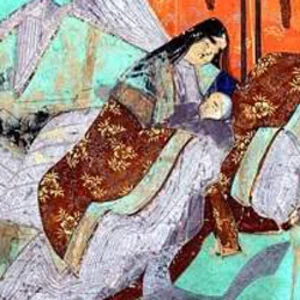
Shōshi
988 — 1074
Empress consort of Emperor Ichijō and daughter of regent Fujiwara no Michinaga, Shōshi was one of the most influential women in Heian-period Japan. Her court was a leading intellectual and artistic hub, most notably welcoming the author Murasaki Shikibu.
Tấm
Heroine of the Vietnamese popular tale Tấm Cám, a young woman mistreated by her stepmother and half-sister Cám, who becomes queen through the magical help of Bụt. An emblematic figure of Vietnamese oral literature, her story is compared to the universal Cinderella motif. [1]
Ximena
Ximena Díaz was the wife of Rodrigo Díaz de Vivar, known as El Cid. A semi-legendary figure of medieval Spanish literature, she was immortalized in the 'Cantar de mio Cid' and later in Corneille's 'Le Cid' (1637), where she embodies the conflict between love and honor.
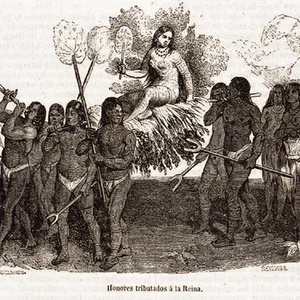
Anacaona
1474 — 1503
Taíno queen and poet of Hispaniola (c. 1474–1503), Anacaona was renowned for her areítos — ceremonial songs and poems passed down through oral tradition. A fierce resister of Spanish colonization, she was captured and executed by Nicolás de Ovando.
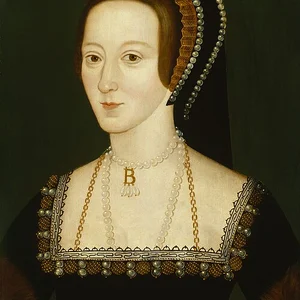
Anne Boleyn
1507 — 1536
Queen of England from 1533 to 1536, Anne Boleyn was the second wife of Henry VIII. Her marriage required England's break with Rome, giving rise to the Church of England. Mother of Elizabeth I, she was accused of adultery and beheaded at the Tower of London.
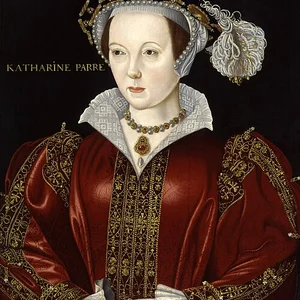
Catherine Parr
1512 — 1548
Sixth and last wife of King Henry VIII of England, whom she married in 1543. A cultured woman with reformist convictions, she was the only one of the six wives to outlive the king. She served as Regent of England in 1544 during Henry VIII's French campaign.
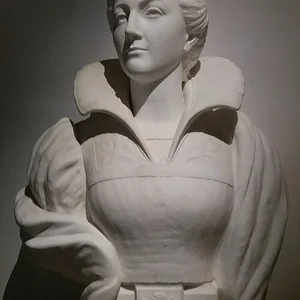
Clémence de Bourges
1530 — 1557
Clémence de Bourges was a young woman from Lyon during the Renaissance, remembered as the dedicatee of the Works of the poet Louise Labé in 1555. Born into a noble Lyon family, she embodies the figure of the cultivated young woman to whom Labé addresses her appeal for the education of women.
Hélène de Surgères
1545 — 1618
Hélène de Surgères was a lady-in-waiting to Queen Catherine de' Medici at the Valois court. She remains famous as the dedicatee and inspiration of Pierre de Ronsard's *Sonnets pour Hélène* (1578).
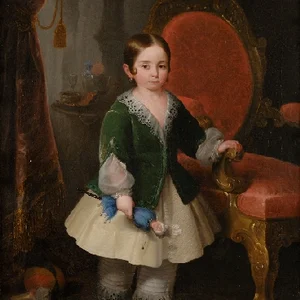
Isabel de Urbina
First wife of the Spanish writer Lope de Vega. Born into the Madrid nobility, she was abducted and then married by the playwright in 1588, and died young a few years later during her husband's exile.
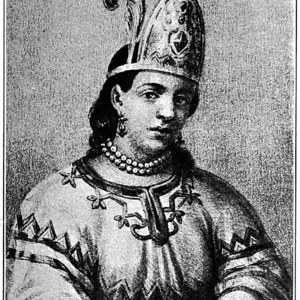
La Malinche
Born around 1500 into a noble Nahuatl family, sold into slavery and later given to Hernán Cortés, she became his interpreter, advisor, and companion. A central figure in the Conquest of Mexico, she remains an ambiguous symbol of betrayal and survival in Mexican historical memory.
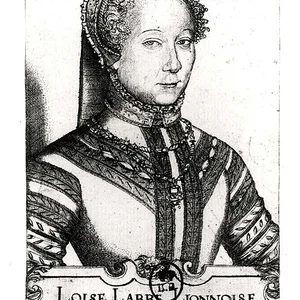
Louise Labé
1524 — 1566
A 16th-century Lyonnaise poet nicknamed 'la Belle Cordière' (the Beautiful Ropemaker), Louise Labé is celebrated for her passionate love sonnets. An iconic figure of the French Renaissance, she championed women's access to education and literary creation.
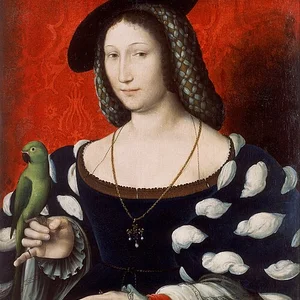
Margaret of Navarre
1492 — 1549
Elder sister of Francis I, Margaret of Navarre was one of the most educated women of the French Renaissance. A patron of humanists and religious reformers, she authored the Heptameron, a collection of tales inspired by Boccaccio's Decameron.
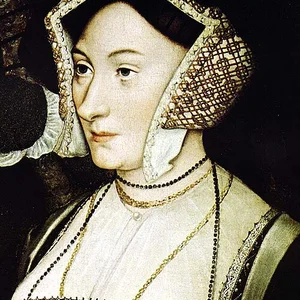
Margaret Roper
1505 — 1544
Margaret Roper, the eldest daughter of Thomas More, was an English humanist and translator of the Renaissance. Renowned for her exceptional scholarship, she was one of the first women not of royal birth to publish a translation in English.
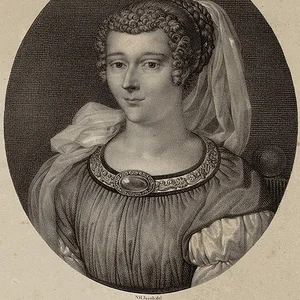
Marie de Gournay
1565 — 1645
Marie de Gournay (1565-1645) was a French woman of letters, the first editor of Montaigne's Essays, whose “fille d'alliance” (adopted daughter) she became. An author and polemicist, she championed intellectual equality between the sexes.
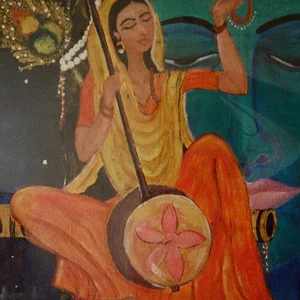
Mirabai
1498 — 1546
Mirabai was a 16th-century Rajput princess, mystic, and devotional poet dedicated to Krishna. Rejecting the conventions of her caste, she devoted her life to worship and composed hundreds of bhajans (devotional hymns) that have endured through the centuries. A major figure of the Bhakti movement, she embodies the spiritual quest freed from social hierarchies.
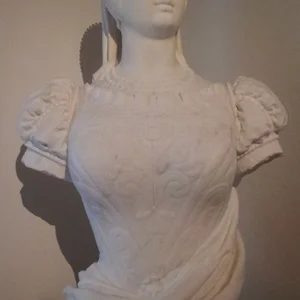
Pernette du Guillet
1520 — 1545
Pernette du Guillet (c. 1520–1545) was a Renaissance poet from Lyon and a key figure of the École de Lyon. An admirer and correspondent of Maurice Scève, she composed epigrams and songs in the Petrarchan tradition. Her posthumous collection *Rymes* (1545) places her among the first women poets in French literature.
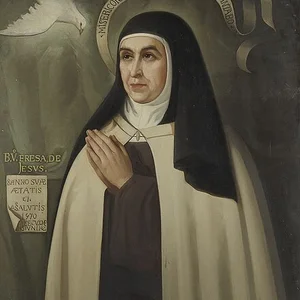
Teresa of Ávila
1515 — 1582
Reformer of the Carmelite Order, mystic, Doctor of the Church
Alceste
Alceste is the central character of Molière's *The Misanthrope* (1666). An uncompromising idealist, he refuses the hypocrisy and flattery of court society, while being deeply in love with Célimène, a worldly coquette. He embodies the tension between absolute moral integrity and the compromises of social life.
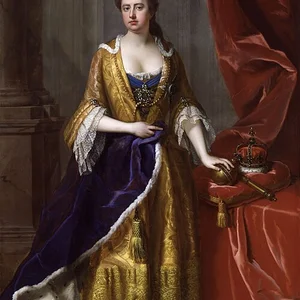
Anne of Great Britain
1665 — 1714
Queen of England, Scotland, and Ireland from 1702 to 1707, then first Queen of Great Britain following the Acts of Union of 1707. Her reign saw the rise of parliamentary government and the War of the Spanish Succession.
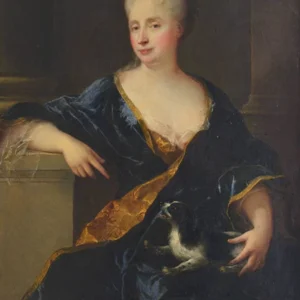
Anne Thérèse de Marguenat de Courcelles, marquise de Lambert
A Parisian writer and salon hostess (1647–1733), she presided over one of the most influential literary salons of the Regency period, frequented by Fontenelle, Montesquieu, and Marivaux. A pioneer in thinking about women's education, she championed their access to intellectual life.
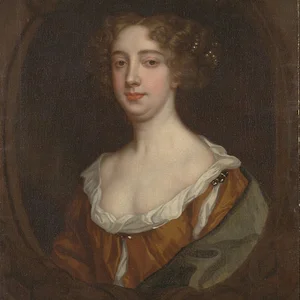
Aphra Behn
1640 — 1689
Aphra Behn (1640-1689) was the first English woman to earn her living by the pen. A prolific playwright, novelist, and spy in the service of Charles II, she defied the conventions of her time by making her mark in the male-dominated literary world.
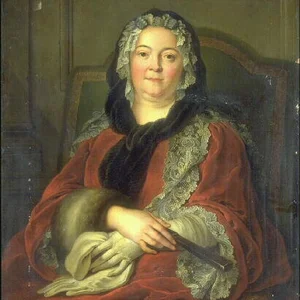
Claudine Guérin de Tencin
1682 — 1749
French novelist and salonnière (1682–1749), she hosted one of the most influential literary salons of the eighteenth century in Paris. The mother who abandoned d'Alembert at birth, she is the author of sentimental and historical novels such as the Mémoires du comte de Comminge.
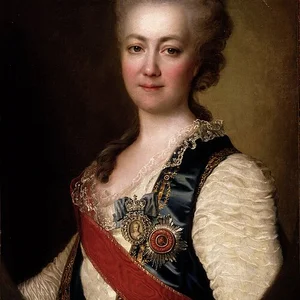
Ekaterina Vorontsova-Dashkova
1743 — 1810
A learned Russian aristocrat and close associate of Catherine II, she played a part in the coup d'état of 1762. The first woman to head the Russian Academy of Sciences, she founded the Russian Academy devoted to the language.
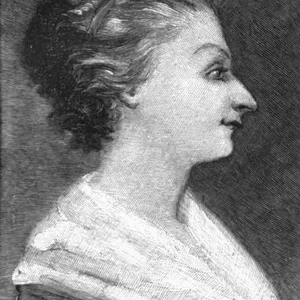
Esther Johnson
1681 — 1728
Esther Johnson (1681–1728), known by the nickname "Stella", was the close friend and confidante of the writer Jonathan Swift. Their intellectual and epistolary relationship, chronicled in the Journal to Stella, makes her a notable figure in English literary life of the 18th century.
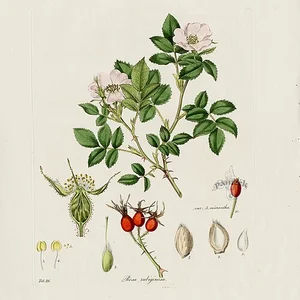
Fanny Blood
1758 — 1785
British illustrator and teacher, an intimate friend of the feminist philosopher Mary Wollstonecraft. Together they co-founded a school for girls at Newington Green, near London, an experience that shaped Wollstonecraft's thinking on the education of women.
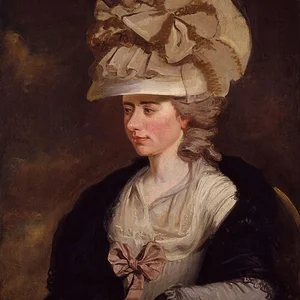
Frances Burney
1752 — 1840
English novelist, playwright, and diarist (1752-1840), Frances Burney published Evelina anonymously in 1778, an epistolary novel that was an immediate success. A forerunner of Jane Austen, she documented eighteenth-century English society with great perceptiveness in her journals and correspondence.
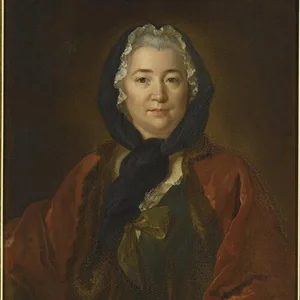
Françoise de Graffigny
1695 — 1758
French writer (1695-1758), pioneer of the epistolary novel in the 18th century. She is best known for her Letters from a Peruvian Woman, a major work of Enlightenment literature that critiques French society through the discerning gaze of an exotic heroine.
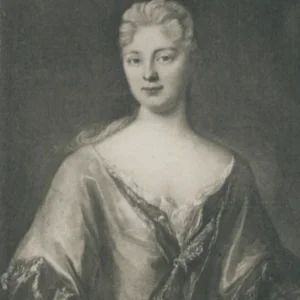
Françoise-Louise de Warens
1699 — 1762
A Savoyard baroness, Françoise-Louise de Warens (1699-1762) is famous for taking in and protecting the young Jean-Jacques Rousseau. She gave him a home at Les Charmettes, near Chambéry, and played a decisive role in his intellectual and emotional education.
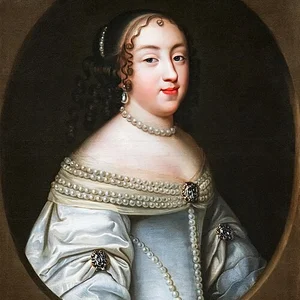
Françoise-Marguerite de Grignan
The daughter of the Marquise de Sévigné, she was the main recipient of her mother's famous correspondence. Her departure for Provence after her marriage in 1669 prompted the bulk of these letters, which became a monument of classical French literature.
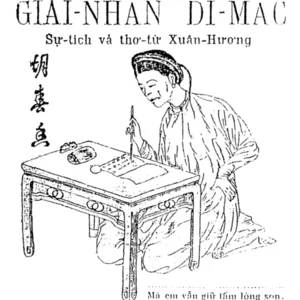
Hồ Xuân Hương
1772 — 1822
Vietnamese poetess of the late 18th and early 19th century, nicknamed the "Queen of Nôm Poetry." Her works in chữ Nôm, described as "elegantly licentious" in style, earned her recognition by UNESCO in 2021 as a world cultural personality.
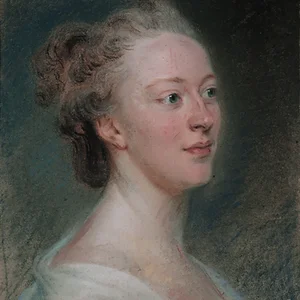
Isabelle de Charrière
1740 — 1805
Born Belle van Zuylen in the Netherlands in 1740, Isabelle de Charrière settled in Switzerland after her marriage and became one of the most remarkable women writers of the 18th century. A novelist, letter-writer, and composer, she advocated with great clarity for women's freedom and critiqued the social conventions of her time.
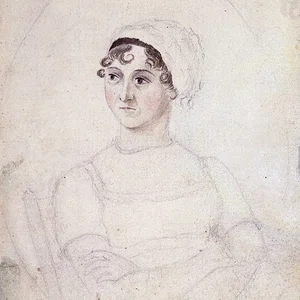
Jane Austen
1775 — 1817
Jane Austen (1775-1817) was a major English novelist of the 19th century, author of romantic and social novels that subtly critique the social conventions of her time. Her work, most notably Pride and Prejudice, explores human relationships and the stakes of marriage with irony and psychological insight.
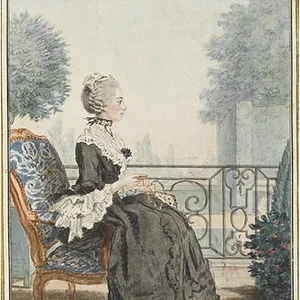
Julie de Lespinasse
1732 — 1776
An 18th-century French salonnière, Julie de Lespinasse ran one of the most influential salons in Paris, frequented by the Encyclopédistes. A passionate letter-writer, her correspondence offers a vivid window into the intellectual life of the Enlightenment.
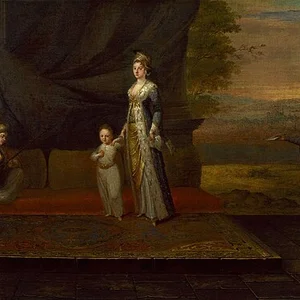
Lady Montagu
An English aristocrat and woman of letters of the 18th century, Mary Wortley Montagu accompanied her husband, an ambassador, to Constantinople. There she discovered variolation and introduced it to Western Europe, saving countless lives before Jenner's development of the vaccine.
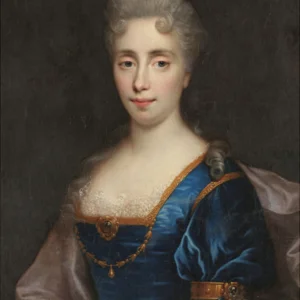
Madame de La Fayette
1634 — 1693
17th-century French writer and pioneer of the psychological novel. Author of The Princess of Clèves, a landmark work exploring the inner feelings and intimate conflicts of its characters. A prominent figure in the literary and cultural life of Louis XIV's court.
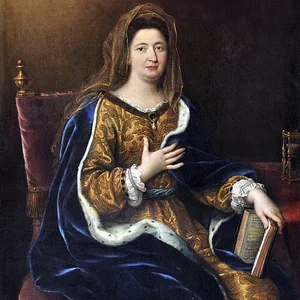
Madame de Maintenon
1635 — 1719
Born in 1635, Françoise d'Aubigné endured a wretched childhood before becoming governess to the legitimized children of Louis XIV, then his secret wife around 1683. In 1686, she founded the Maison royale de Saint-Louis at Saint-Cyr, a pioneering educational institution for young women from impoverished noble families.
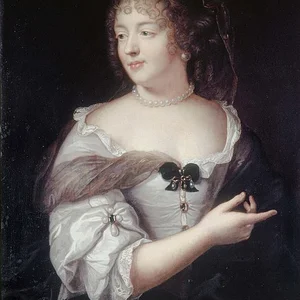
Madame de Sévigné
1626 — 1696
French epistolary writer of the 17th century, celebrated for her exceptional literary correspondence, particularly her letters to her daughter. Her work offers an invaluable portrait of court life and French society under Louis XIV.
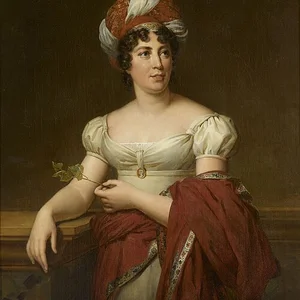
Madame de Staël
1766 — 1817
Germaine de Staël, daughter of minister Necker, was one of the great intellectual voices of her era. A novelist, essayist, and salon hostess, she stood up to Napoleon, who exiled her, and helped introduce German Romanticism to France with her work *De l'Allemagne*.
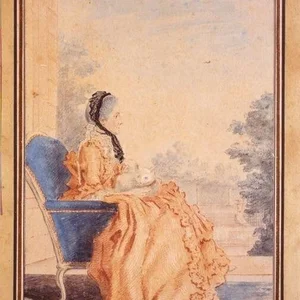
Madame du Deffand
An eighteenth-century French salonnière, the Marquise du Deffand hosted one of the most influential salons of the Enlightenment in Paris. A correspondent of Voltaire and d'Alembert, she embodied the critical spirit and intellectual sociability of her age.
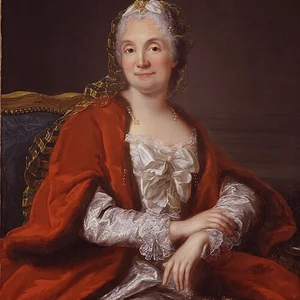
Madame Geoffrin
1699 — 1777
A Parisian salon hostess of the 18th century, she presided over one of the most influential salons of the Enlightenment, welcoming d'Alembert, Diderot, Fontenelle, and Montesquieu. A generous patron of the arts and a remarkable letter-writer, she played a central role in spreading Enlightenment ideas across Europe.
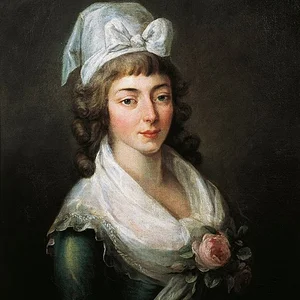
Madame Roland
1754 — 1793
Salon hostess and Girondin political figure, Manon Roland (1754–1793) exerted considerable influence over the Girondin party during the French Revolution. Arrested during the Terror, she was guillotined in 1793, uttering her famous words about liberty.
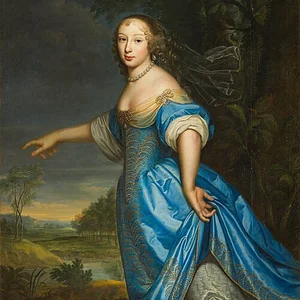
Marguerite de La Sablière
A salonnière and woman of letters of the seventeenth century, she presided over one of the most celebrated salons in Paris, bringing together poets, philosophers, and scholars. A patron of La Fontaine, she welcomed him into her home for nearly twenty years. Passionate about science, she studied astronomy and natural philosophy under scholars such as Bernier.

María de Zayas
1590 — ?
A Spanish writer of the Golden Age (1590–1661), María de Zayas is one of the few women of letters of her era to have published under her own name. Her story collections, Novelas amorosas y exemplares (1637) and Desengaños amorosos (1647), boldly denounce male domination and champion women's education.
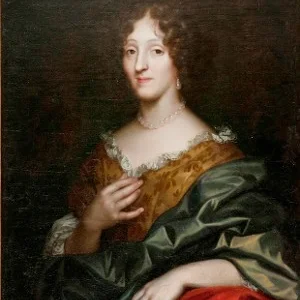
Marie Héricart
1633 — 1709
Marie Héricart was the wife of Jean de La Fontaine, whom she married in 1647. Their union, an unhappy one, led to a legal separation of their property. She was the mother of their only son, Charles.
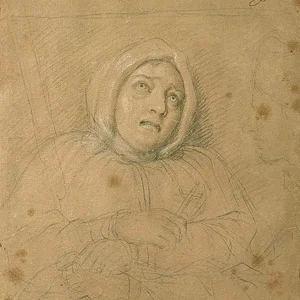
Marquise de Brinvilliers
1630 — 1676
A French aristocrat of the 17th century, notorious for poisoning her father and brothers in order to inherit their fortune. Her trial and execution in 1676 triggered the Affair of the Poisons, exposing the widespread use of poison in high society.
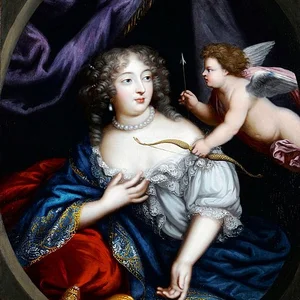
Marquise de Montespan
1640 — 1707
Official favorite of Louis XIV from 1667 to 1681, she reigned over the court of Versailles and had seven legitimized children with the Sun King. Implicated in the Affair of the Poisons, she subsequently fell from grace.
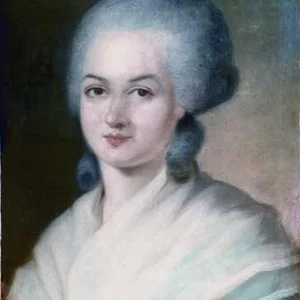
Olympe de Gouges
1748 — 1793
French author, politician and pamphleteer (1748–1793), Olympe de Gouges campaigned for women's rights and the abolition of slavery during the French Revolution. She wrote the Declaration of the Rights of Woman and of the Female Citizen in 1791, a founding document of feminism.
Paquette Le Clerc
A character in Voltaire's Candide (1759), Paquette is a young servant who, victimized by men and by society, ends up as a prostitute in Venice. Her fate embodies Voltaire's critique of the exploitation of women and the disillusionment with Pangloss's naive optimism.
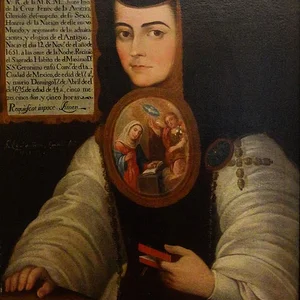
Sor Juana Inés de la Cruz
1651 — 1695
Juana Inés de la Cruz was a Mexican poet and playwright of the 17th century, a towering figure of Hispanic Baroque literature. A self-taught nun in New Spain, she championed women's right to knowledge in a colonial society dominated by men.

Wang Zhenyi
1768 — 1797
Wang Zhenyi was a Chinese astronomer, mathematician, and poet of the Qing dynasty. Despite the conventions of her time that kept women away from learning, she popularized astronomy and championed intellectual equality between men and women.
Agatha Christie
1890 — 1976
Agatha Christie (1890-1976) was a British novelist, widely known as the 'Queen of Crime'. The author of 66 detective novels, she created the iconic characters Hercule Poirot and Miss Marple. Her works are among the best-selling in the history of world literature.
Akiko Yosano
1878 — 1942
Japanese poet and novelist (1878–1942), a major figure in the revival of waka poetry during the Meiji era. A committed feminist, she advocated for women's emancipation and opposed Japanese militarist nationalism.
Alexandra Kollontai
1872 — 1952
A Russian Bolshevik revolutionary, Alexandra Kollontai was one of the first women in the world to hold a diplomatic post. A theorist of socialist feminism, she championed women's emancipation and freedom from traditional marriage.

Anna Grigorievna Snitkina
Russian stenographer and memoirist, second wife of Fyodor Dostoevsky. Hired to transcribe his novel The Gambler, she became his collaborator, the manager of his affairs, and the publisher of his works after his death.
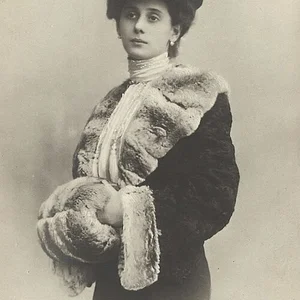
Anna Pavlova
1881 — 1931
Anna Pavlova (1881-1931) was a Russian ballerina considered one of the greatest classical dancers in history. Trained at the Imperial Ballet School in Saint Petersburg, she conquered stages around the world and helped bring the art of classical ballet to an international audience.
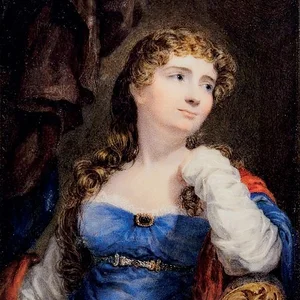
Annabella Milbanke
1792 — 1860
British aristocrat (1792–1860), self-taught mathematician and philanthropist, she married the poet Lord Byron in 1815 before separating from him a year later. She went on to dedicate herself to popular education and social reform, and is the mother of Ada Lovelace, pioneer of computing.

Anne Royall
1769 — 1854
Anne Royall was an American writer and journalist, considered one of the first professional women reporters in the United States. The author of travel narratives, she founded newspapers that denounced corruption and championed the separation of Church and State.
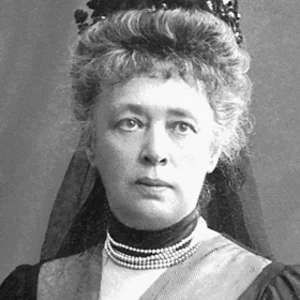
Bertha von Suttner
1843 — 1914
Austrian novelist and pacifist activist (1843–1914), Bertha von Suttner published in 1889 “Die Waffen nieder!” (Lay Down Your Arms!), a novel that shocked Europe with its realistic portrayal of the horrors of war. In 1905, she became the first woman to receive the Nobel Peace Prize.
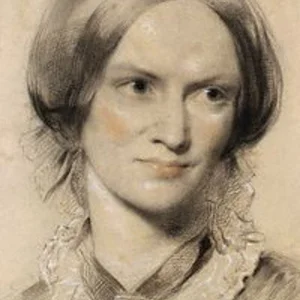
Charlotte Brontë
1816 — 1855
Charlotte Brontë was a 19th-century British novelist, author of Jane Eyre (1847), a masterpiece of Victorian literature. The daughter of a clergyman in Yorkshire, she published under a male pseudonym (Currer Bell) to gain acceptance in the literary world. Her work powerfully explores the feminine condition, independence, and passion.
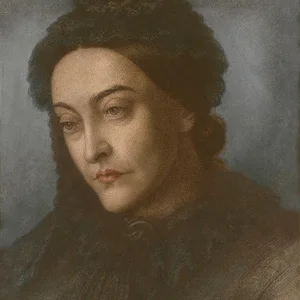
Christina Rossetti
1830 — 1894
British poet of the nineteenth century and a leading figure of the Pre-Raphaelite movement. Author of Goblin Market (1862), a poetry collection blending symbolism and religious fervour. Her work explores love, death, and Christian faith with remarkable lyrical sensitivity.
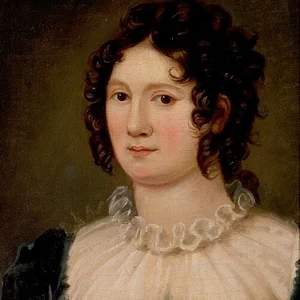
Claire Clairmont
1798 — 1879
British woman of letters and step-sister of Mary Shelley. Part of the circle of English Romantic poets, she had a daughter, Allegra, with Lord Byron. Her journals and correspondence are a valuable testimony to the Romantic era.
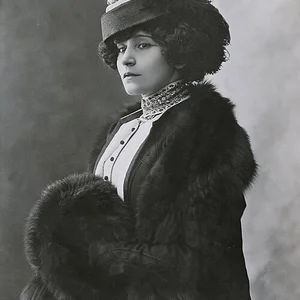
Colette
1873 — 1954
French novelist, playwright, and journalist (1873–1954), Colette is a towering figure of twentieth-century French literature. A prolific author, she explores themes of sensibility, nature, and female freedom through poetic, sensory prose.
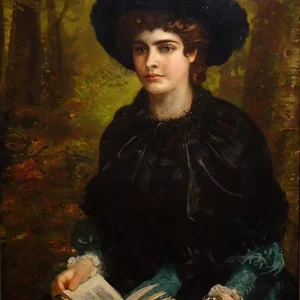
Constance Lloyd
1859 — 1898
British author and activist, wife of Oscar Wilde. Committed to the dress reform movement and to writing for children, she lived first in the shadow and then the scandal of her famous husband.
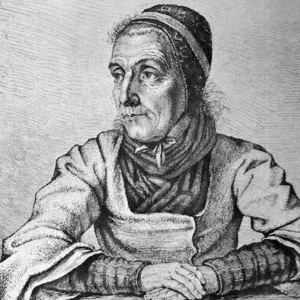
Dorothea Viehmann
1755 — 1816
Dorothea Viehmann (1755-1815) was a German storyteller, the daughter of an innkeeper near Kassel. Her exceptional memory for folk tales made her one of the main sources for the Brothers Grimm, who collected many stories from her for their “Children's and Household Tales.”
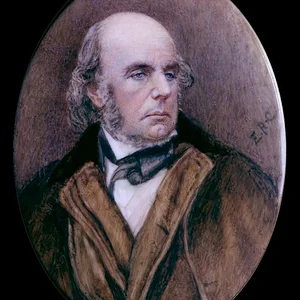
Edward FitzGerald
1809 — 1883
19th-century British poet and translator, celebrated for his free translation of the Rubaiyat of Omar Khayyam (1859), which achieved remarkable success across Europe and helped introduce Persian poetry to Western readers.
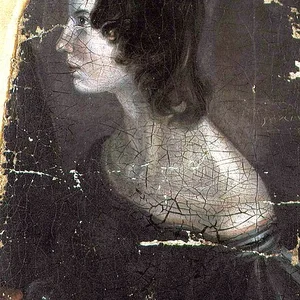
Emily Brontë
1818 — 1848
British writer
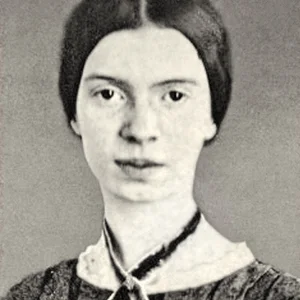
Emily Dickinson
1830 — 1886
Emily Dickinson is one of the greatest American poets of the 19th century. A recluse in her home in Amherst, she composed nearly 1,800 poems, most of which were not published until after her death. Her work, innovative in form and depth, explores death, nature, and the human soul.
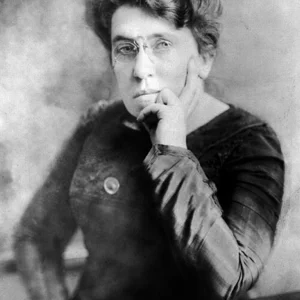
Emma Goldman
1869 — 1940
Emma Goldman (1869-1940) was a Lithuanian-born anarchist and feminist activist who emigrated to the United States. A leading figure in the American labor movement, she championed individual freedom, women's emancipation, and opposed war and capitalism.
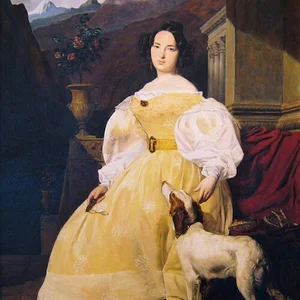
Ewelina Hańska
1805 — 1882
Polish countess famous for her long correspondence with the writer Honoré de Balzac, whom she married in 1850 after eighteen years of exchanging letters. Her relationship with the novelist fed an important part of Balzac's correspondence.
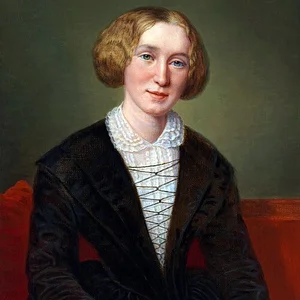
George Eliot
1819 — 1880
Pen name of Mary Ann Evans (1819–1880), one of the leading Victorian novelists. Author of Middlemarch and The Mill on the Floss, she explores the female condition and social morality with rare philosophical depth.
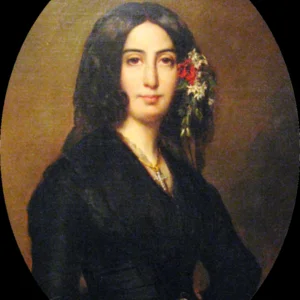
George Sand
1804 — 1876
A French novelist of the 19th century, George Sand (1804-1876) was one of the most prolific and innovative writers of her era. A champion of individual freedom and equal rights, she left a lasting mark on Romantic literature through her social novels and a life that openly defied the conventions of her time.
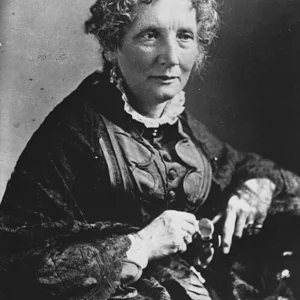
Harriet Beecher Stowe
1811 — 1896
An American novelist and abolitionist activist, she was the author of “Uncle Tom's Cabin” (1852), a novel denouncing slavery that had a worldwide impact. Her work helped to mobilize public opinion against slavery in the United States.
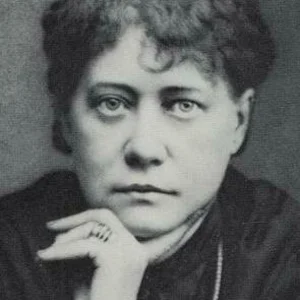
Helena Blavatsky
1831 — 1891
Helena Blavatsky (1831-1891) was a Russian occultist, philosopher, and writer who co-founded the Theosophical Society in 1875. A tireless traveler, she synthesized Eastern spiritualities and Western esotericism in her major works.
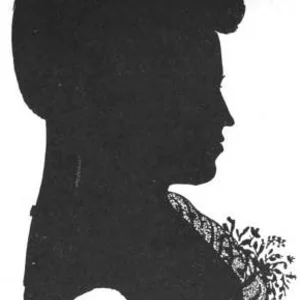
Henriette Dorothea Wild
Henriette Dorothea Wild, known as Dortchen, was a German storyteller who passed on numerous folk tales to the Brothers Grimm. First a neighbour and later the wife of Wilhelm Grimm, she was among their principal sources.
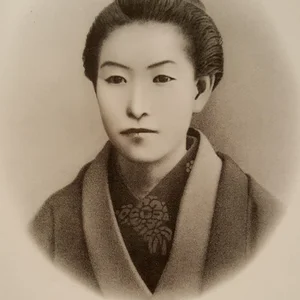
Higuchi Ichiyō
Japanese novelist and poet of the Meiji era (1872–1896), considered one of the greatest writers of modern Japan. Author of major short stories such as Takekurabe, she was the first woman to appear on a Japanese banknote (5,000 yen).
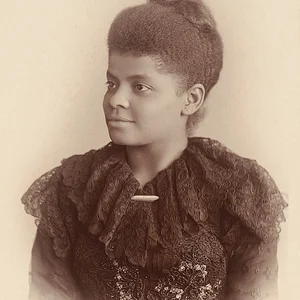
Ida B. Wells
1862 — 1931
African American journalist and activist born into slavery in 1862, Ida B. Wells conducted rigorous investigations into lynching in the United States and co-founded the NAACP. A pioneering figure in investigative journalism and the civil rights movement.
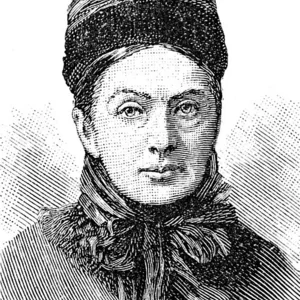
Isabella Bird
1831 — 1904
A nineteenth-century British explorer and writer, Isabella Bird was one of the first women to travel alone in Japan, China, India, Persia, and the American Rockies. She published numerous travel accounts that earned her international recognition and admission to the Royal Geographical Society.
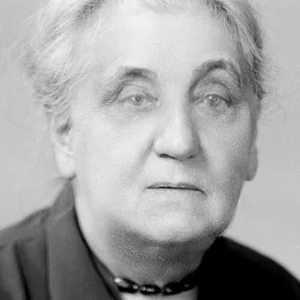
Jane Addams
1860 — 1935
An American social reformer, Jane Addams founded Hull House in Chicago in 1889, a settlement house serving immigrants and disadvantaged communities. A sociologist and committed pacifist, she was awarded the Nobel Peace Prize in 1931.
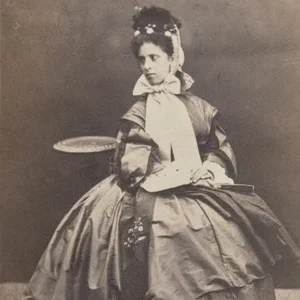
Jeanne Duval
1820 — 1868
Franco-Haitian actress and dancer, Jeanne Duval is best known as the muse and companion of Charles Baudelaire. She inspired the “Black Venus cycle” in *The Flowers of Evil*, while embodying the figure of the exoticized Black woman in the colonial imagination of the 19th century.
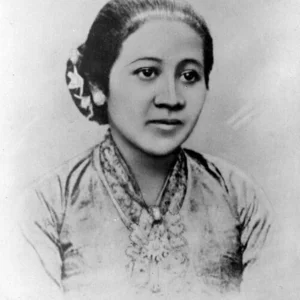
Kartini
1879 — 1904
Kartini (1879-1904) was a Javanese noblewoman who fought for Indonesian women's access to education under Dutch colonial rule. Her letters in Dutch, published posthumously under the title "Through Darkness into Light," inspired the Indonesian feminist movement and made her a major national figure.
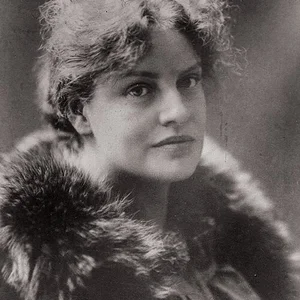
Lou Andreas-Salomé
1861 — 1937
Lou Andreas-Salomé (1861-1937) was a German-Russian writer and psychoanalyst, a major intellectual figure of the late 19th century. A close friend of Nietzsche and Rilke, she was one of the first women to practice psychoanalysis in Europe.
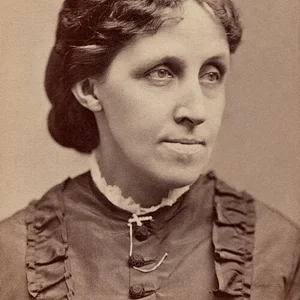
Louisa May Alcott
1832 — 1888
American novelist and short-story writer, famous for her novel *Little Women* (1868), largely inspired by her own childhood. A committed advocate for the abolition of slavery and women's rights, she served as a nurse during the Civil War.
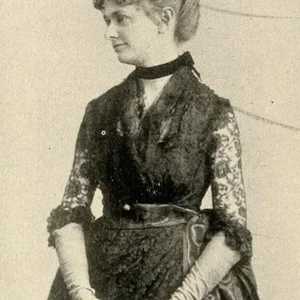
Mabel Loomis Todd
1856 — 1932
An American editor and writer, she was the first to edit and publish Emily Dickinson's poems after the poet's death, playing a decisive role in introducing one of the greatest voices in American poetry.
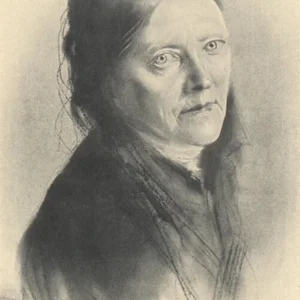
Malwida von Meysenbug
1816 — 1903
German writer and intellectual, a figure of feminism and the democratic ideals of 1848. After the revolution failed she emigrated, hosted a cosmopolitan salon, and was a close friend of Wagner, Nietzsche, and Romain Rolland.
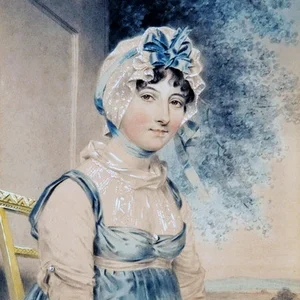
Maria Edgeworth
1768 — 1849
Anglo-Irish novelist and moralist (1768–1849), pioneer of the regional novel and the novel of education. Her works, praised by Walter Scott and Jane Austen, explore morality, the education of women, and Irish society.
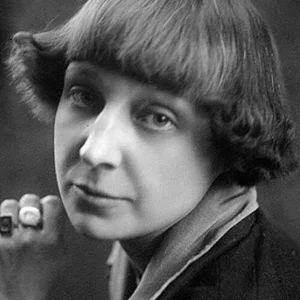
Marina Tsvetaeva
1892 — 1941
One of the greatest Russian poets of the 20th century, Marina Tsvetaeva was born in Moscow in 1892. Exiled in Europe after the Bolshevik Revolution, she returned to the USSR in 1939 and took her own life in 1941, leaving behind a body of lyric poetry of rare intensity.
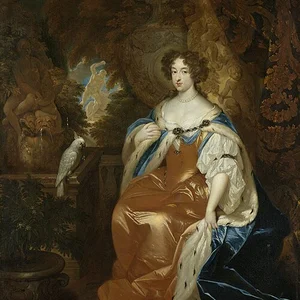
Mary Prince
1788 — 1833
Mary Prince (c. 1788 – after 1833) was an enslaved woman from Bermuda whose autobiographical narrative, published in 1831, is the first autobiography by an enslaved Black woman published in Britain. Her testimony played a decisive role in the British abolitionist movement.
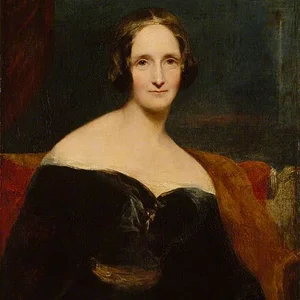
Mary Shelley
1797 — 1851
Peerage person ID=695563
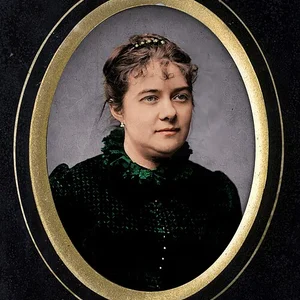
Mathilde Mauté
1853 — 1914
First wife of Paul Verlaine, whom she married in 1870 at the age of sixteen. The dedicatee of the collection La Bonne Chanson, she saw her marriage shattered by the poet's alcoholism and his affair with Arthur Rimbaud.

Mwana Hashima
A Swahili poetess from the East African coast (Zanzibar or the coastal region), Mwana Hashima belongs to the rich Swahili literary tradition with its strong Islamic imprint. Her poetic work in the Swahili language reflects Sufi spirituality and the moral values of coastal society.
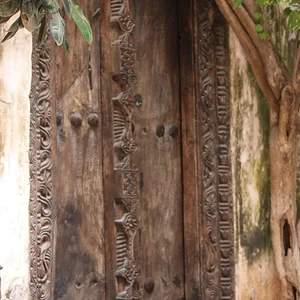
Mwana Kupona
1810 — 1860
A 19th-century Swahili poet born on the island of Pate (present-day Kenya), belonging to the Swahili culture of the East African coast. She is the author of the celebrated Utendi wa Mwana Kupona, a long didactic poem composed around 1858 for her daughter, first transmitted orally and later written down.
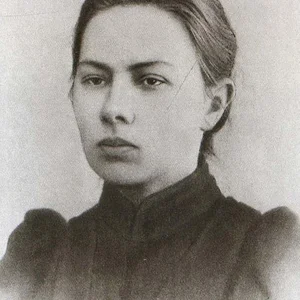
Nadezhda Krupskaya
1869 — 1939
Russian revolutionary and educator (1869–1939), wife of Lenin and Bolshevik activist. She played a central role in Soviet educational policy after 1917, particularly in mass literacy campaigns and the reform of public schooling.

Nana Asma'u
1793 — 1864
Princess, poet, and Fulani scholar of the Sokoto Caliphate (present-day Nigeria), daughter of reformer Usman dan Fodio. She wrote in Arabic, Fulfulde, and Hausa, and founded a network of traveling female teachers to educate rural women. A major figure of West African Islam in the 19th century.
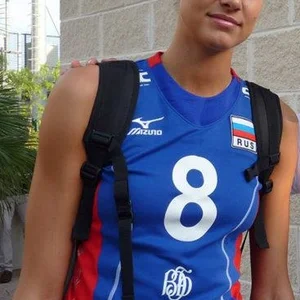
Natalia Goncharova
1881 — 1962
Natalia Goncharova was one of the great figures of the Russian avant-garde in the early 20th century. A painter, draftswoman, and creator of sets and costumes for Diaghilev's Ballets Russes, she blended Russian folk art, icons, and Cubo-Futurist innovations before settling in Paris.
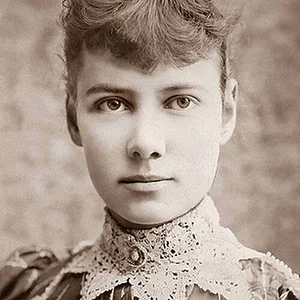
Nellie Bly
1864 — 1922
A pioneering American journalist, Nellie Bly made her mark through undercover investigative journalism, most notably by having herself committed to a psychiatric asylum to expose its conditions. In 1889, she traveled around the world in 72 days, breaking the fictional record of Phileas Fogg.
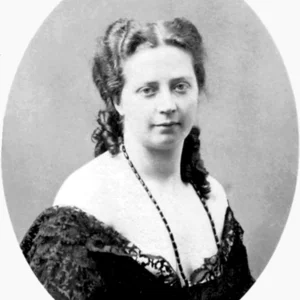
Olympe Audouard
1832 — 1890
Olympe Audouard (1832–1890) was a French writer, journalist, and feminist. A tireless traveler, she journeyed through the Middle East and the United States and published accounts of her travels. She campaigned for women's rights, particularly the right to divorce and access to education.
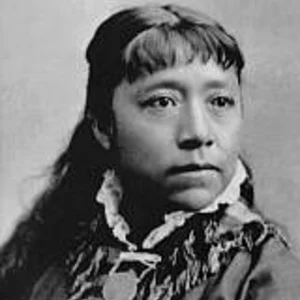
Sarah Winnemucca
1844 — 1891
A Paiute activist and author from Nevada, Sarah Winnemucca defended the rights of her Native American people in the face of American colonization. In 1883, she became the first Native American woman to publish a book in English, a major testimony on the condition of Indigenous nations.
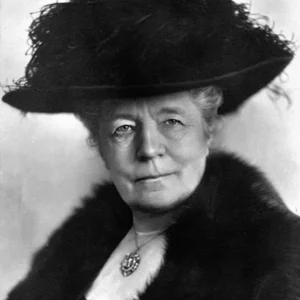
Selma Lagerlöf
1858 — 1940
Selma Lagerlöf (1858-1940) was the first woman to receive the Nobel Prize in Literature, awarded in 1909. This Swedish author is best known for her novel 'The Wonderful Adventures of Nils', which has become a worldwide classic of children's literature.

Sido
1835 — 1912
Sido (1835-1912) was the mother of the novelist Colette, who dedicated a celebrated autobiographical book to her published in 1930. An idealized maternal figure, she embodies the free-spirited woman, close to nature and to rural life in Burgundy.
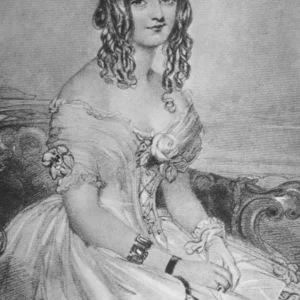
Teresa Guiccioli
1800 — 1873
Italian countess born in 1800, Teresa Guiccioli is best known for being the last great love of Lord Byron, with whom she shared a celebrated affair from 1819 to 1823. After the poet's death, she dedicated a memorial work to him, “Lord Byron Judged by the Witnesses of His Life” (1868), a precious testament to European Romanticism.
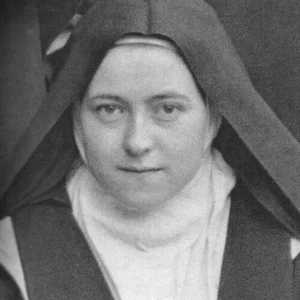
Thérèse of Lisieux
1873 — 1897
A French Carmelite nun who entered the Carmel of Lisieux at age 15, she developed a spirituality known as the 'Little Way,' accessible to everyone. Author of Story of a Soul, she was canonized in 1925 and declared a Doctor of the Church in 1997.
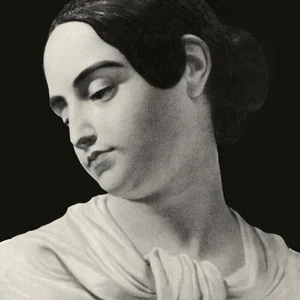
Virginia Clemm
Wife and first cousin of Edgar Allan Poe, Virginia Clemm married him at the age of 13 in 1835. Her beauty, gentleness, and premature death from tuberculosis at 24 profoundly inspired Poe's poetic work.
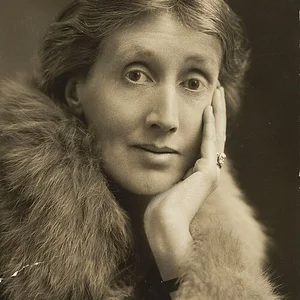
Virginia Woolf
1882 — 1941
British author (1882–1941), Virginia Woolf is one of the most important figures in 20th-century modernist literature. Author of Mrs Dalloway and Orlando, she revolutionized the novel through her use of stream of consciousness and her pioneering reflections on feminism and the condition of women.
Adrienne Rich
1929 — 2012
American poet and essayist (1929-2012), a major figure of literary feminism. Her work explores female identity, sexuality, and political commitment. She received the National Book Award in 1974 for “Diving into the Wreck”.
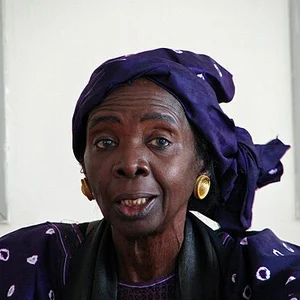
Aminata Sow Fall
1941 — ?
Aminata Sow Fall (born in 1941) is a pioneering Senegalese novelist of Francophone African literature. Her novel La Grève des Bàttu (1979) brought her international recognition and explores social inequalities in postcolonial Africa.
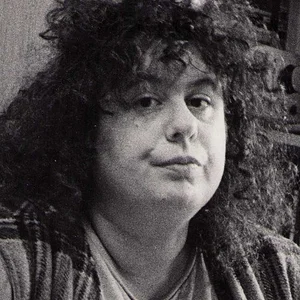
Andrea Dworkin
1946 — 2005
A radical American feminist (1946–2005), Andrea Dworkin is known for her theoretical work on pornography, violence against women, and patriarchy. A prolific activist and essayist, she profoundly shaped the feminist movement of the 1970s–1990s.
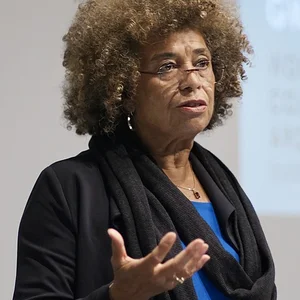
Angela Davis
1944 — ?
African-American civil rights activist, philosopher, and university professor born in 1944 in Birmingham, Alabama. An iconic figure of the Black Power movement and intersectional feminism, she was imprisoned in 1970 before being acquitted. She remains a leading voice against systemic racism and social inequality.
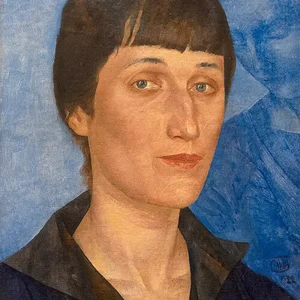
Anna Akhmatova
1889 — 1966
Major Russian poet of the 20th century and a leading figure of Acmeism. Her work *Requiem* bears witness to Stalinist persecution and the suffering of the Soviet people. She resisted Soviet censorship throughout her life.
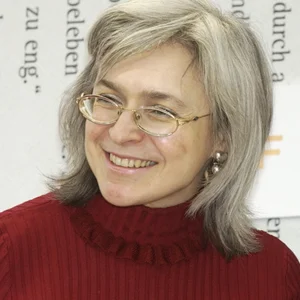
Anna Politkovskaya
1958 — 2006
Russian journalist and activist, Anna Politkovskaya distinguished herself through her courageous reporting on the Chechen wars and human rights abuses under Putin. Assassinated in Moscow in 2006, she became a symbol of press freedom and resistance against authoritarian regimes.
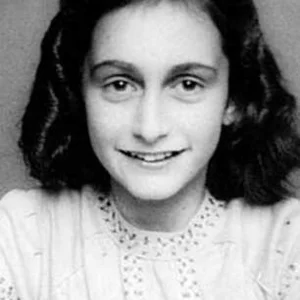
Anne Frank
1929 — 1945
Anne Frank (1929-1945) was a young Dutch-Jewish girl whose diary, written in hiding during the Nazi occupation, became a poignant testimony of the Holocaust. She died in deportation at Bergen-Belsen, and her work remains a major source for understanding persecution and humanity in the face of horror.
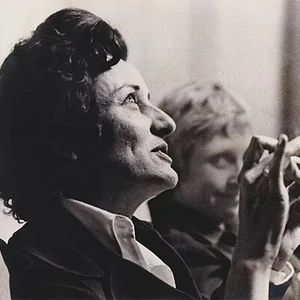
Anne Sexton
1928 — 1974
A leading American poet of the confessional movement, Anne Sexton explored depression, death, and the female condition in her work with a devastating autobiographical intensity. Winner of the Pulitzer Prize for Poetry in 1967 for *Live or Die*, she remains an essential figure in twentieth-century American literature.
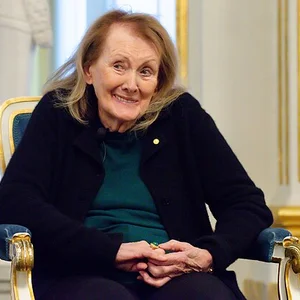
Annie Ernaux
1940 — ?
French writer born in 1940, Annie Ernaux is known for her innovative approach to autofiction and auto-sociobiography. Her major work, A Man's Place (1983), traces her father's story and social journey, marking a turning point in contemporary French literature.
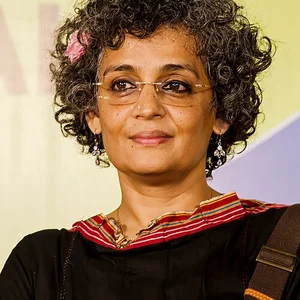
Arundhati Roy
1961 — ?
Arundhati Roy is an Indian novelist, essayist, and activist born in 1961. Her novel The God of Small Things (1997) won the Booker Prize. She is a vocal advocate against nuclear weapons, dam construction, and social inequality in India.
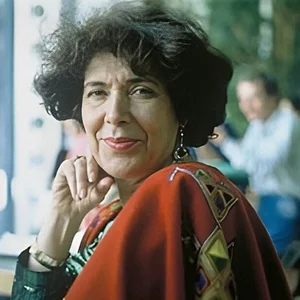
Assia Djebar
1936 — 2015
Assia Djebar, whose real name was Fatima-Zohra Imalayen, was an Algerian novelist and filmmaker who wrote in French. A pioneer of North African women's literature, she gave voice to Algerian women through a body of work blending memory, History, and feminism. In 2005, she became the first North African woman elected to the Académie française.
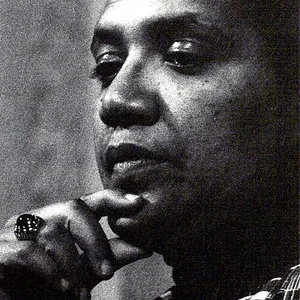
Audre Lorde
1934 — 1992
Audre Lorde (1934-1992) was an American poet, essayist, and activist, a leading figure in Black feminism and the civil rights struggle. She theorized intersectionality before the term existed, championing the rights of Black women, LGBT people, and the oppressed.
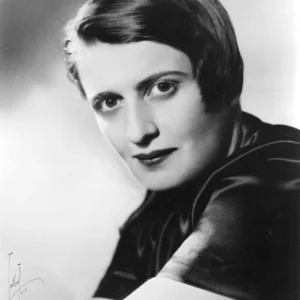
Ayn Rand
1905 — 1982
An American philosopher, novelist, and screenwriter of Russian origin, Ayn Rand is the founder of Objectivism, a philosophy championing reason, individualism, and capitalism. Her bestselling novels, including 'The Fountainhead' and 'Atlas Shrugged,' have had a lasting influence on American libertarian thought.
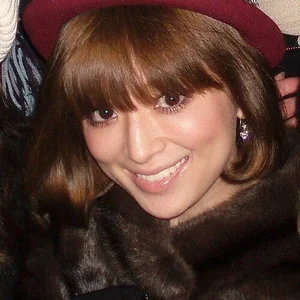
Ayumi Hamasaki
1978 — ?
Ayumi Hamasaki is a Japanese singer, songwriter, and pop icon born in 1978 in Fukuoka. Nicknamed the "Empress of Pop" in Japan, she is one of the best-selling female artists in the history of Japanese music.
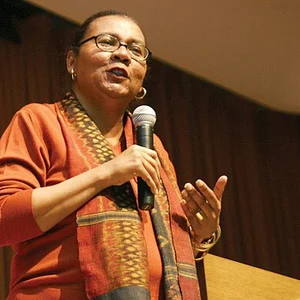
bell hooks
1952 — 2021
An American intellectual, writer, and feminist activist, bell hooks dedicated her life to analyzing the connections between race, gender, and class. The author of more than thirty books, she profoundly reshaped feminist thought by centering the experiences of Black women.
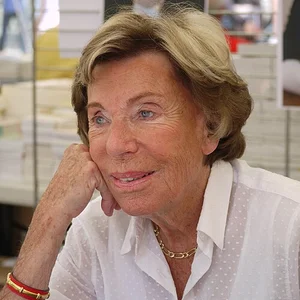
Benoîte Groult
1920 — 2016
French writer and journalist (1920-2016), a major figure of feminism in France. Author of *Ainsi soit-elle* (1975), she campaigned throughout her life for women's rights and gender equality.
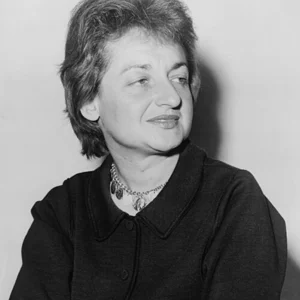
Betty Friedan
1921 — 2006
American essayist and feminist activist (1921–2006), Betty Friedan transformed society with her book The Feminine Mystique (1963), which ignited the second wave of feminism in the United States. Co-founder of the National Organization for Women (NOW), she fought for equal rights for women.
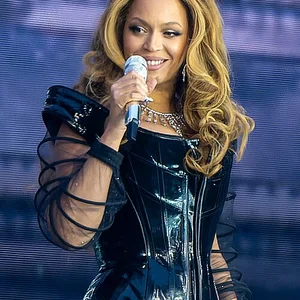
Beyoncé
1981 — ?
Beyoncé is an American singer, songwriter, and producer born in 1981 in Houston, Texas. A former member of Destiny's Child, she became one of the most influential solo artists of the 21st century, blending R&B, pop, and hip-hop.
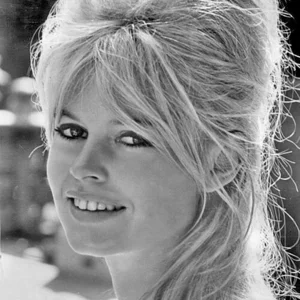
Brigitte Bardot
1934 — 2025
French actress, model, and singer, Brigitte Bardot became a global symbol of femininity and freedom during the 1950s and 1960s. An icon of the French New Wave and popular culture, she retired from cinema in 1973 to dedicate herself to animal rights activism.
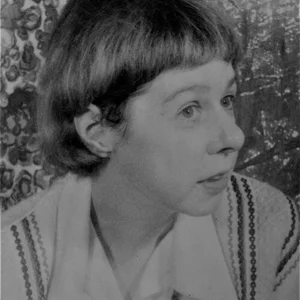
Carson McCullers
1917 — 1967
American novelist from the Deep South (1917–1967), Carson McCullers explores loneliness, marginality, and the longing to belong. Her first novel, *The Heart Is a Lonely Hunter* (1940), introduced her to the literary world at just 23.
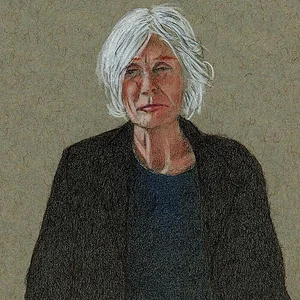
Caryl Churchill
1938 — ?
British playwright born in 1938, a major figure of feminist and political theatre. Her plays such as “Top Girls” (1982) and “Cloud Nine” (1979) deconstruct gender, capitalism, and power relations. Associated with the Royal Court Theatre in London, she has profoundly renewed contemporary dramatic forms.
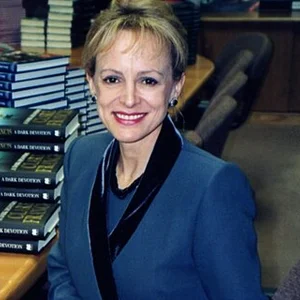
Clare Francis
1946 — ?
British sailor born in 1946, famous for her solo Atlantic crossings in the 1970s. After her sporting career, she became a successful novelist, notably in the thriller and saga genres.
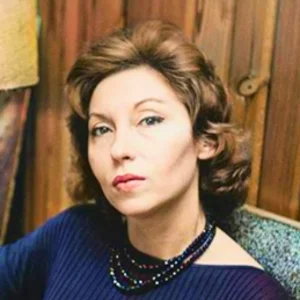
Clarice Lispector
1920 — 1977
Clarice Lispector, born in Ukraine and raised in Brazil, is one of the greatest Portuguese-language writers of the 20th century. Her work, deeply introspective, renews Brazilian prose through a unique poetic and philosophical style.

Consuelo Suncín
A Salvadoran writer and sculptor, Consuelo Suncín is best known as the wife of Antoine de Saint-Exupéry. A woman of letters and an artist, she inspired the character of the Rose in *The Little Prince*.
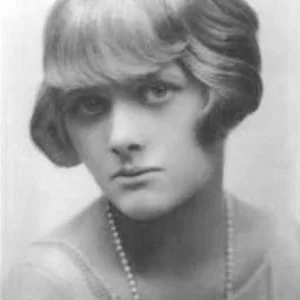
Daphne du Maurier
1907 — 1989
Daphne du Maurier (1907-1989) was a British novelist and short-story writer. A mistress of psychological suspense and gothic atmosphere, she is famous for stories such as “Rebecca” and “The Birds,” several of which were brought to the screen by Alfred Hitchcock.
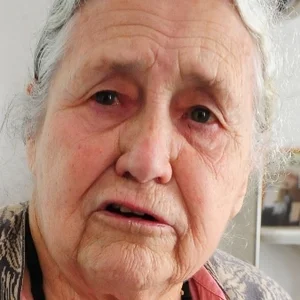
Doris Lessing
1919 — 2013
Doris Lessing (1919-2013) was a British novelist born in Persia and raised in Southern Rhodesia. A major figure of 20th-century literature, she is best known for The Golden Notebook. She was awarded the Nobel Prize in Literature in 2007.
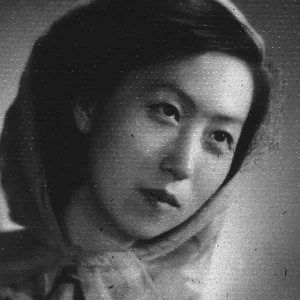
Eileen Chang
1920 — 1995
Chinese novelist born in Shanghai in 1920, Eileen Chang is considered one of the greatest voices in modern Chinese literature. Her works explore with remarkable subtlety the romantic relationships and Shanghainese society of the first half of the twentieth century.
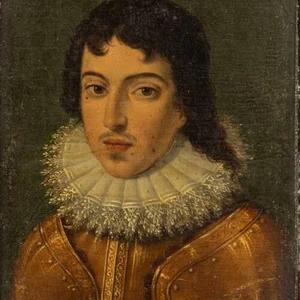
Elisabeth Burgos
French-Venezuelan anthropologist and ethnologist. In 1982, in Paris, she gathered the testimony of the Guatemalan activist Rigoberta Menchú, giving rise to the book “I, Rigoberta Menchú,” a landmark work of Latin American testimonial literature.
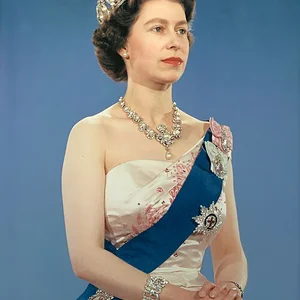
Elizabeth II
1926 — 2022
Queen of the United Kingdom from 1952 to 2022, Elizabeth II was the longest-reigning monarch in British history. She embodied the stability of constitutional monarchy through decolonisation, the Cold War, and globalisation.
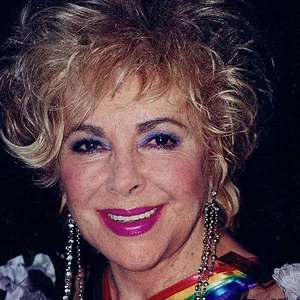
Elizabeth Taylor
1932 — 2011
Elizabeth Taylor (1932–2011) was a British-American actress widely regarded as one of Hollywood's greatest stars. A child prodigy who rose to fame early, she excelled in major roles of classic cinema and became a global symbol of glamour and the Hollywood star system. She was also a pioneering activist in the fight against AIDS from the 1980s onward.
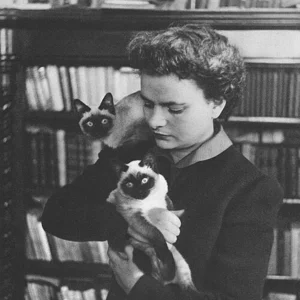
Elsa Morante
1912 — 1985
A major Italian novelist of the 20th century, Elsa Morante is known for her powerful works blending realism with a mythic dimension. Her novel *La Storia* (1974) paints a moving portrait of the Second World War through the eyes of ordinary people.
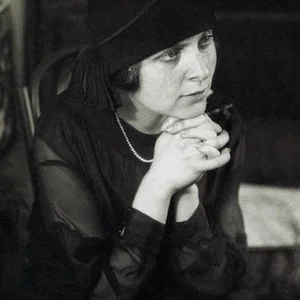
Elsa Triolet
1896 — 1970
Elsa Triolet (1896–1970) was a French novelist of Russian origin, partner of the poet Louis Aragon. The first woman to receive the Prix Goncourt, in 1945 for her short story collection 'A Fine of Two Hundred Francs', she was also a committed figure in the Resistance and the Communist movement.
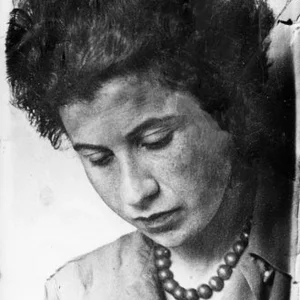
Etty Hillesum
1914 — 1943
Etty Hillesum was a young Dutch Jewish woman whose diary, written between 1941 and 1943, bears witness to a profound inner life in the face of Nazi persecution. Working as a social worker at the Westerbork transit camp, she refused to flee and chose to share the fate of her people. She was deported to Auschwitz, where she died in November 1943 at the age of 29.
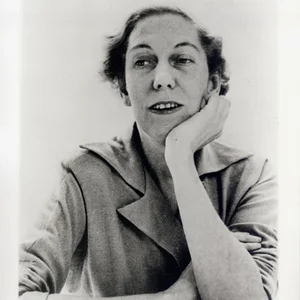
Eudora Welty
1909 — 2001
Eudora Welty (1909-2001) was an American novelist and short story writer, a major figure in the literature of the American South. Her work depicts daily life in Mississippi with great subtlety. She received the Pulitzer Prize in 1973.
Flannery O'Connor
1925 — 1964
American novelist and short story writer (1925–1964), a major figure of Southern Gothic literature. Her work blends the grotesque, violence, and divine grace in the American Deep South.
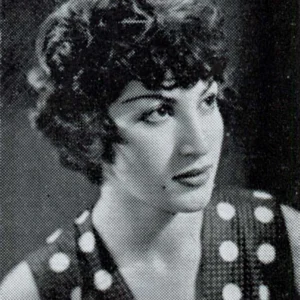
Forough Farrokhzad
1935 — 1967
Iranian poet and filmmaker, a major figure of modern Persian poetry. Through intimate and bold writing about desire and the condition of women, she upended the literary conventions of her country. Her death in a car accident at the age of 32 made her an icon.
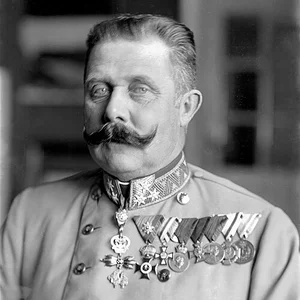
Franz Ferdinand of Austria
1863 — 1914
Archduke and heir to the Austro-Hungarian Empire, his assassination in Sarajevo on June 28, 1914, by Gavrilo Princip triggered the First World War. A central figure in the nationalism and European tensions of the early twentieth century.
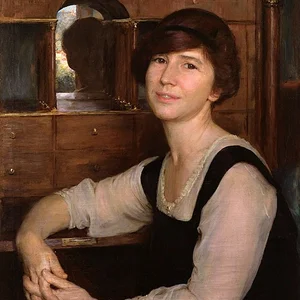
Freya Stark
1893 — 1993
Freya Stark was a British explorer and writer who travelled through the most remote regions of the Middle East in the twentieth century. The first Western woman to reach certain valleys of Arabia and Iran, she published numerous travel narratives combining scholarship and adventure. Her work helped introduce the Arab world to European readers.
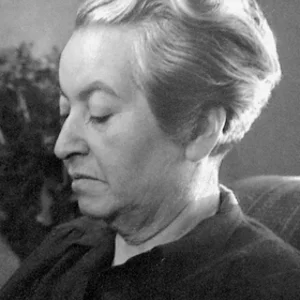
Gabriela Mistral
1889 — 1957
Gabriela Mistral, born Lucila Godoy Alcayaga, was a Chilean poet and diplomat. The first Latin American to receive the Nobel Prize in Literature in 1945, she devoted her work to themes of maternal love, childhood, and Latin American identity.
Gertrude Bell
1868 — 1926
British explorer, archaeologist, and diplomat (1868–1926), she traveled extensively across the Middle East and played a decisive role in the creation of modern Iraq after the First World War. Nicknamed “the Queen of the Desert,” she was one of the first women to exert major political influence in the region.
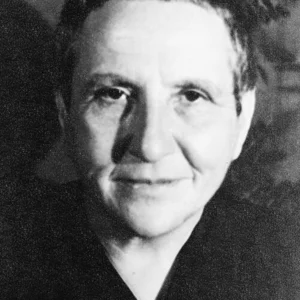
Gertrude Stein
1874 — 1946
An American writer and art critic living as an expatriate in Paris, Gertrude Stein was a central figure of the literary and artistic avant-gardes of the early 20th century. Her salon on the rue de Fleurus brought together Picasso, Matisse, Hemingway, and Fitzgerald.
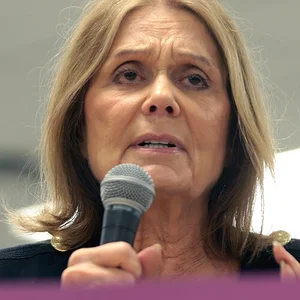
Gloria Steinem
1934 — ?
An American journalist and feminist activist, Gloria Steinem is one of the iconic figures of the women's movement of the 1960s and 1970s. Co-founder of Ms. magazine in 1972, she dedicated her life to defending gender equality and civil rights.
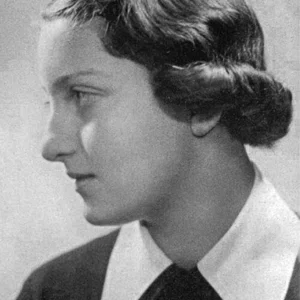
Hannah Senesh
Hungarian Jewish poet and resistance fighter. After emigrating to Mandatory Palestine, she enlisted as a paratrooper in the British army to rescue the Jews of Hungary. Captured, tortured, and executed by the Nazis in 1944, she became a national heroine in Israel.
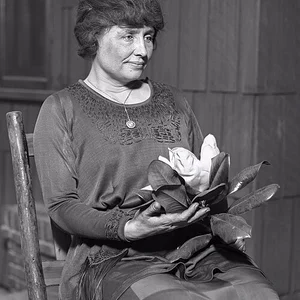
Helen Keller
1880 — 1968
Deaf-blind since the age of 19 months, Helen Keller learned to communicate thanks to her teacher Anne Sullivan and became a writer and activist. She devoted her life to defending the rights of people with disabilities and women.
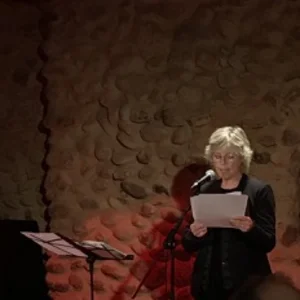
Hélène Dorion
1958 — ?
A Quebec poet and writer born in 1958, Hélène Dorion is a leading figure in contemporary French-Canadian poetry. Her work, marked by introspection and meditation on nature and identity, explores themes of belonging and freedom.
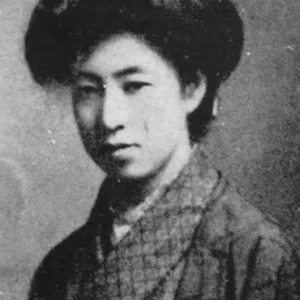
Hiratsuka Raichō
Japanese feminist and writer (1886–1971), founder of the literary journal Seitō ("Bluestocking") in 1911. She was a central figure in Japan's women's rights movement and campaigned throughout her life for equality and pacifism.
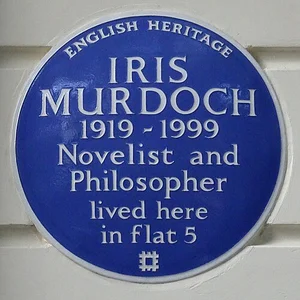
Iris Murdoch
1919 — 1999
Iris Murdoch (1919-1999) was an Irish-British philosopher and novelist, professor at Oxford, known for novels that combine moral reflection with psychological intrigue. The author of more than twenty-six novels and major philosophical works, she explores themes of love, freedom, and the Good.
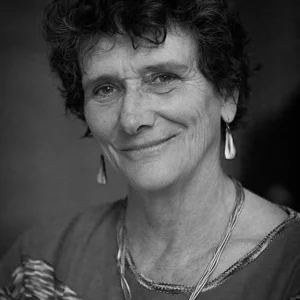
Isabelle Autissier
1956 — ?
Isabelle Autissier (born in 1956) is a French sailor, the first woman to complete a solo round-the-world offshore race under sail. Trained as a fisheries engineer, she also became a writer and an advocate for ocean conservation.
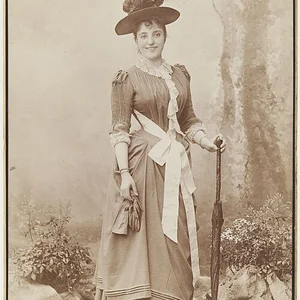
Jeanne Charcot
1865 — 1940
Jeanne Charcot, née Hugo (1869–1941), was the granddaughter of Victor Hugo and first wife of polar explorer Jean-Baptiste Charcot. She moved in the literary and social circles of Parisian Belle Époque society, though she was not an explorer herself.
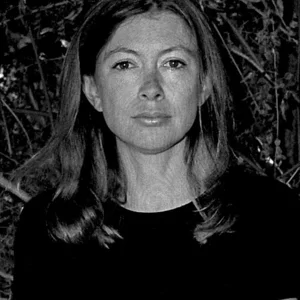
Joan Didion
1934 — 2021
American writer and journalist (1934-2021), a leading figure of New Journalism. Author of incisive essays on Californian and American society, and of the memoir *The Year of Magical Thinking* on grief.
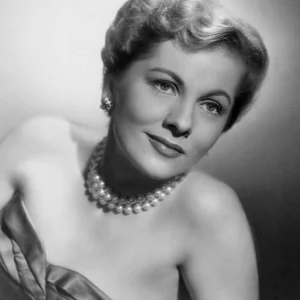
Joan Fontaine
1917 — 2013
A British actress born in 1917 in Japan and died in 2013, Joan Fontaine became a major Hollywood star in the 1940s. She won the Academy Award for Best Actress in 1942 for Alfred Hitchcock's Suspicion, cementing her place among the great stars of classic American cinema.
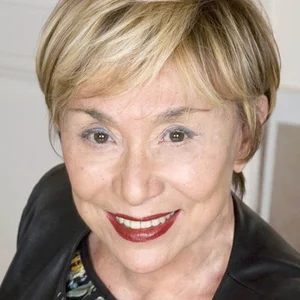
Julia Kristeva
1941 — ?
Bulgarian-born French philosopher, linguist, and psychoanalyst, born in 1941. A major figure in structuralist and post-structuralist thought, she developed the concepts of intertextuality and semoanalysis. A professor at the University of Paris VII, she profoundly reshaped literary theory and psychoanalysis.
Karen Blixen
1885 — 1962
Danish writer (1885-1962), author of *Out of Africa*, an autobiographical account of her life in Kenya. She ran a coffee plantation in British East Africa for seventeen years and wrote under the pseudonym Isak Dinesen.
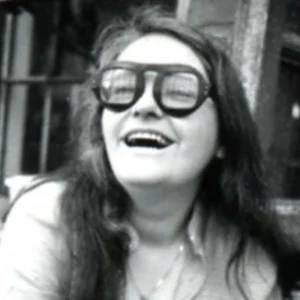
Kate Millett
1934 — 2017
Kate Millett (1934-2017) was an American writer, theorist, and artist, a major figure of second-wave feminism. Her essay “Sexual Politics” (1970), drawn from her doctoral thesis, became a founding text of feminist studies.
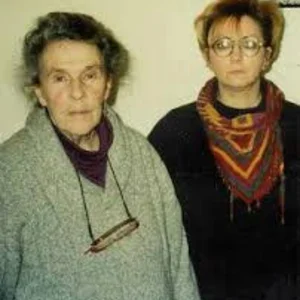
Leonora Carrington
1917 — 2011
British painter, sculptor and writer who became a naturalized Mexican citizen, and a major figure of Surrealism. Once linked to Max Ernst, she developed a dreamlike universe peopled with fantastical creatures and esoteric symbols, and was one of the last living representatives of the Surrealist movement.
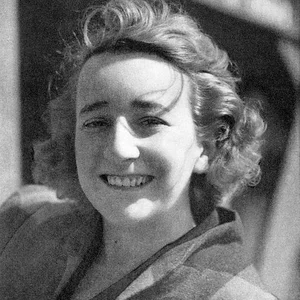
Lillian Hellman
1905 — 1984
American playwright and screenwriter (1905–1984), Lillian Hellman made her mark on Broadway with politically engaged plays denouncing social injustice and fascism. She became an iconic figure of resistance to McCarthyism by refusing to name her colleagues before the HUAC committee.
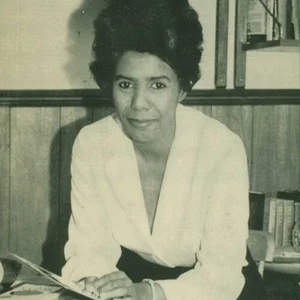
Lorraine Hansberry
1930 — 1965
American playwright and author (1930–1965), Lorraine Hansberry was the first Black woman to have a play produced on Broadway with *A Raisin in the Sun* (1959). A civil rights activist, she wove art and political commitment together in her fight against racial segregation.
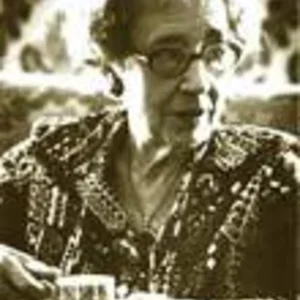
Lydia Cabrera
1899 — 1991
Lydia Cabrera (1899-1991) was a Cuban writer and anthropologist, a pioneer in the study of Afro-Cuban cultures. Her major work, El Monte, is a reference on the religions and traditions of African origin in Cuba.
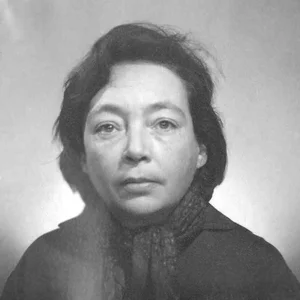
Marguerite Duras
1914 — 1996
French writer, playwright, screenwriter, and filmmaker (1914–1996), Marguerite Duras is a major figure in contemporary literature. Author of The Lover, she revolutionized the novel form by exploring psychological introspection and the formal ruptures of the Nouveau Roman.
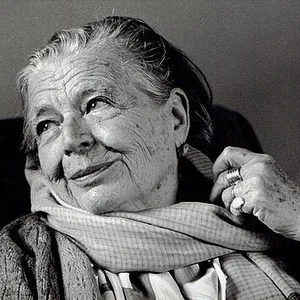
Marguerite Yourcenar
1903 — 1987
French writer (1903–1987), Marguerite Yourcenar is the author of Memoirs of Hadrian, a masterpiece of 20th-century literature. The first woman elected to the Académie française in 1980, she left a lasting mark on literature through her reflections on history and humanity.
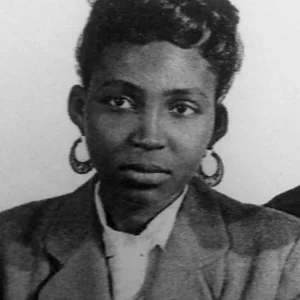
Mariama Bâ
1929 — 1981
Senegalese writer (1929-1981), author of *So Long a Letter* (1979), the first African novel to win the Noma Award. Her work explores the condition of women in Africa and denounces the inequalities inherent in polygamous marriage.
Martha Beckwith
Martha Warren Beckwith was an American folklorist and ethnographer, a pioneer of folklore studies in the United States. She is best known for her work on Hawaiian mythology and Jamaican folklore.
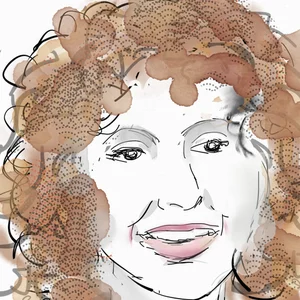
Matilde Urrutia
1912 — 1985
A Chilean singer and companion, then wife, of the poet Pablo Neruda, she was his muse and the inspiration behind several of his major collections. After the poet's death in 1973, she dedicated her life to preserving and promoting his work.
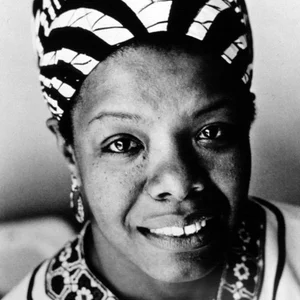
Maya Angelou
1928 — 2014
African-American poet, memoirist, and activist (1928–2014), Maya Angelou is best known for her autobiography I Know Why the Caged Bird Sings. A committed figure in the civil rights movement alongside Martin Luther King Jr., she became one of the most important voices in 20th-century American literature.
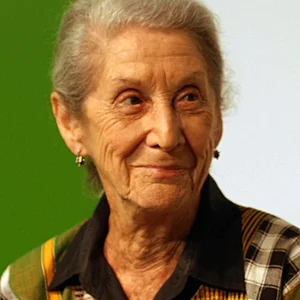
Nadine Gordimer
1923 — 2014
Nadine Gordimer (1923–2014) was a South African novelist whose work powerfully denounced the apartheid regime. Winner of the Nobel Prize in Literature in 1991, she devoted her entire life to defending human rights and freedom of expression in South Africa.
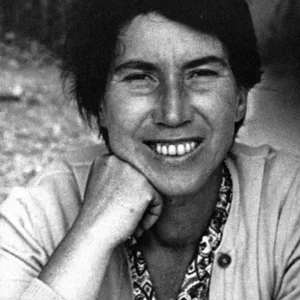
Natalia Ginzburg
1916 — 1991
Italian writer (1916–1991), a major figure of twentieth-century literature. Author of *Lessico famigliare* (1963), she explores family memory, identity, and everyday life with spare prose. Committed to fighting fascism, she lived through exile and the Resistance.
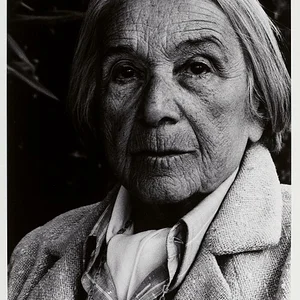
Nathalie Sarraute
1900 — 1999
French writer of Russian origin (1900-1999), Nathalie Sarraute is a major figure of the French Nouveau Roman. She revolutionized the novel form by exploring movements of consciousness and the 'sub-conversations' that animate human relationships.
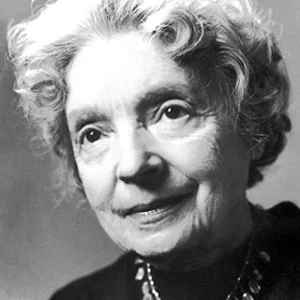
Nelly Sachs
1891 — 1970
German Jewish poet and playwright, forced into exile in Sweden in 1940 to flee Nazism. Her work, shaped by the Holocaust, earned her the Nobel Prize in Literature in 1966.
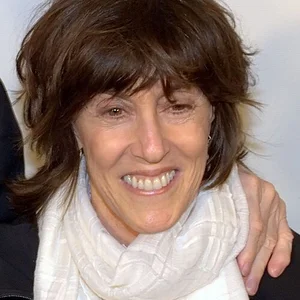
Nora Ephron
1941 — 2012
Nora Ephron (1941-2012) was an American journalist, screenwriter, director, and novelist. A major figure in Hollywood romantic comedy, she wrote and directed films that became cult classics, such as When Harry Met Sally and Sleepless in Seattle.
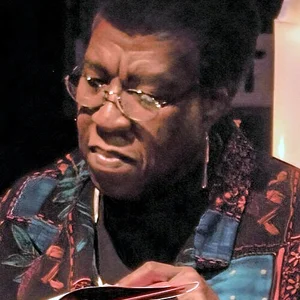
Octavia Butler
1947 — 2006
Octavia E. Butler (1947-2006) was a pioneering American novelist of Afro-feminist science fiction. The first Black woman to establish herself in this genre, she explored race, gender, power, and identity through committed speculative narratives.
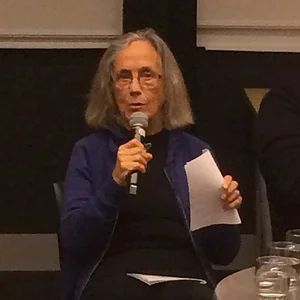
Patricia Grace
1937 — ?
Patricia Grace (1937–) is a New Zealand Māori novelist and short story writer, a pioneer of Māori literature in English. She is the first Māori woman to publish a short story collection in English. Her work explores identity, culture, and the struggles of the Māori community.
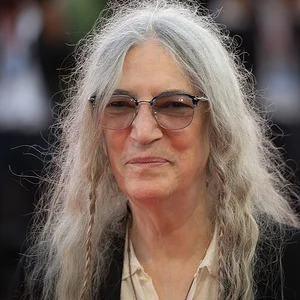
Patti Smith
1946 — ?
American singer, poet, and artist born in 1946, a pioneer of New York's punk rock movement in the 1970s. Her album *Horses* (1975) blends beat poetry with raw rock, making her an icon of the counterculture.
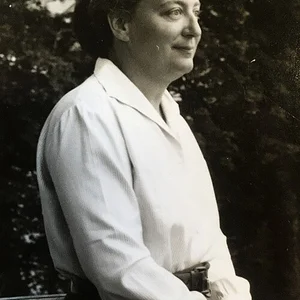
Romana Guarnieri
1913 — 2004
Romana Guarnieri (1913-2004) was an Italian historian and medievalist, a specialist in the religious spirituality of the Middle Ages. She is famous for having identified, in 1946, the author of the Mirror of Simple Souls: the mystic Marguerite Porete, burned at the stake in 1310.
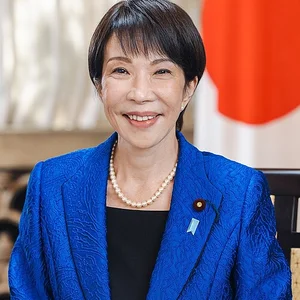
Sanae Takaichi
1961 — ?
Japanese politician born in 1961, member of the Liberal Democratic Party. She has held several ministerial positions in Japan, including Minister of Internal Affairs and Communications. Known for her conservative views and interest in Japanese pop culture.
Sarah Kane
1971 — 1999
British playwright (1971-1999), Sarah Kane is one of the major figures of radical contemporary theatre. Her plays, marked by extreme violence, psychological suffering and the disintegration of language, shook the English-speaking stage in the 1990s.
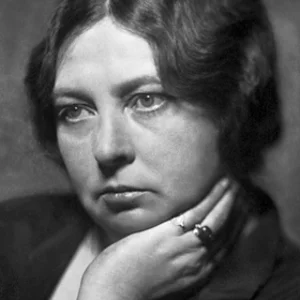
Sigrid Undset
1882 — 1949
Norwegian novelist (1882–1949), Nobel Prize in Literature in 1928. Famous for her medieval trilogy Kristin Lavransdatter, she is one of the great voices of twentieth-century Scandinavian literature.
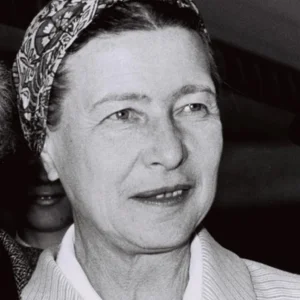
Simone de Beauvoir
1908 — 1986
French philosopher and novelist (1908–1986), Simone de Beauvoir is a towering figure of existentialism and modern feminism. Author of The Second Sex, a foundational essay on the condition of women, she profoundly shaped philosophical thought and emancipatory movements throughout the 20th century.
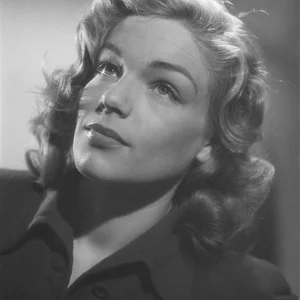
Simone Signoret
1921 — 1985
French actress and writer (1921–1985), Simone Signoret was the first French actress to win the Academy Award for Best Actress for Room at the Top (1959). An icon of postwar cinema, she was equally recognized for her political activism and her memoirs.
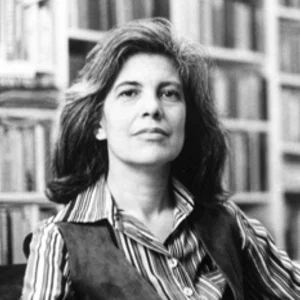
Susan Sontag
1933 — 2004
Susan Sontag (1933-2004) was a major American intellectual of the 20th century — essayist, novelist, and activist. Known for her reflections on photography, illness, and war, she profoundly shaped contemporary critical thought.
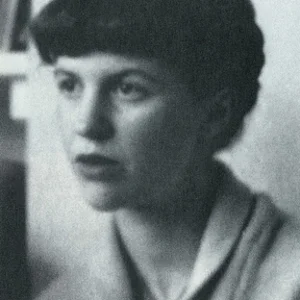
Sylvia Plath
1932 — 1963
American poet and novelist (1932–1963), a major figure in confessional poetry. Author of The Bell Jar and the collection Ariel, she explores with striking intensity the themes of female identity, psychological suffering, and literary creation.
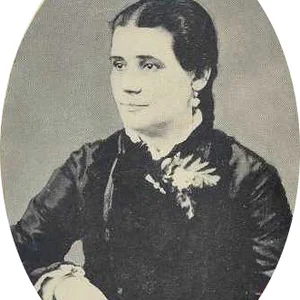
Teuira Henry
1847 — 1915
Teuira Henry was a Tahitian historian, linguist and ethnologist. She is famous for having compiled and translated the oral traditions, myths and knowledge of ancient Polynesia, notably in her major work “Ancient Tahiti”.
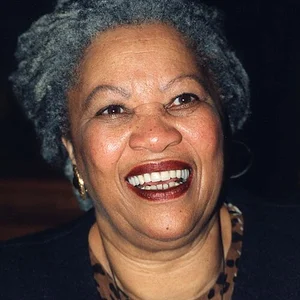
Toni Morrison
1931 — 2019
A towering figure of 20th-century African American literature, Toni Morrison wrote landmark novels exploring the Black American experience, particularly slavery and its lasting trauma. She received the Nobel Prize in Literature in 1993, becoming the first Black woman to be awarded that honor.
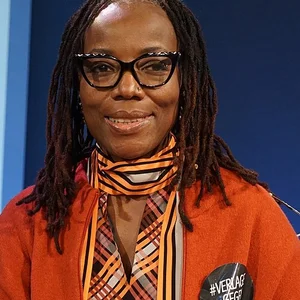
Tsitsi Dangarembga
1959 — ?
Zimbabwean novelist and filmmaker born in 1959, Tsitsi Dangarembga is the first Black woman from Zimbabwe to have published a novel in English. Her work explores colonization, the condition of women, and African identity in a postcolonial society.
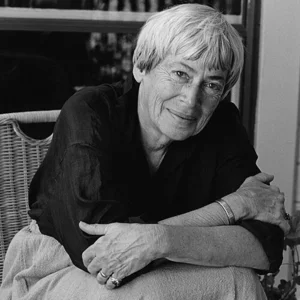
Ursula K. Le Guin
1929 — 2018
Ursula K. Le Guin (1929–2018) was an American science fiction and fantasy author, known for her philosophical and feminist works. Her novel *The Left Hand of Darkness* (1969) explores questions of gender and otherness. She is one of the major figures of imaginative literature in the 20th century.
Valerie Solanas
1936 — 1988
Valerie Solanas (1936-1988) was an American writer and radical feminist activist. The author of the provocative pamphlet SCUM Manifesto (1967), she remains famous for attempting to assassinate the artist Andy Warhol in 1968.
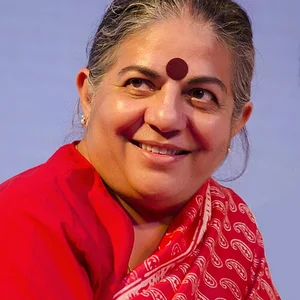
Vandana Shiva
1952 — ?
Vandana Shiva (born 1952) is an Indian physicist, philosopher, and environmental activist. Founder of the Navdanya movement, she champions biodiversity and farmers' rights while opposing GMOs and neoliberal globalization. A leading figure in ecofeminism, she received the Right Livelihood Award (the Alternative Nobel Prize) in 1993.
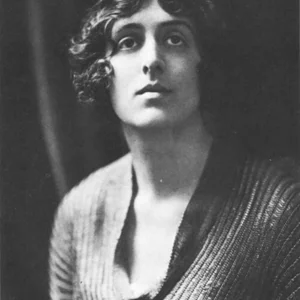
Vita Sackville-West
1892 — 1962
A British writer and poet of the 20th century, Vita Sackville-West is known for her novels, her poetry, and her gardens. She was the close friend of Virginia Woolf, who drew inspiration from her for the novel Orlando.
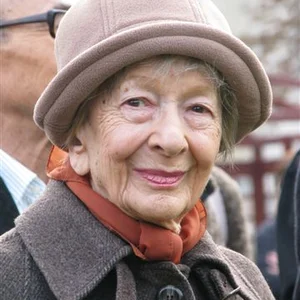
Wisława Szymborska
1923 — 2012
Polish poet (1923–2012), winner of the Nobel Prize in Literature in 1996. Her work, marked by irony and philosophical depth, explores the human condition, memory, and everyday life.
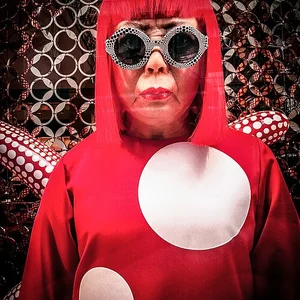
Yayoi Kusama
1929 — ?
Yayoi Kusama is a Japanese visual artist born in 1929 in Matsumoto. A pioneer of psychedelic art and pop art, she is known for her obsessive polka-dot patterns and immersive mirror installations. Since 1977, she has voluntarily lived in a psychiatric hospital in Tokyo while continuing to create.

Ana García
A researcher in letters and humanities, Ana García conducts academic work in the field of human and literary sciences. Identified by her ORCID, she contributes to contemporary international research.
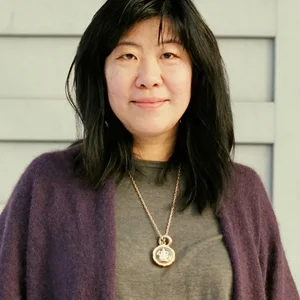
Banana Yoshimoto
1964 — ?
Japanese novelist born in 1964, Banana Yoshimoto is world-renowned for her novel Kitchen (1988). Her work sensitively explores solitude, grief, and inner healing.
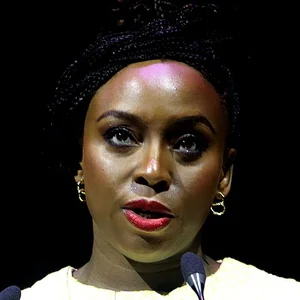
Chimamanda Ngozi Adichie
1977 —
Nigerian writer
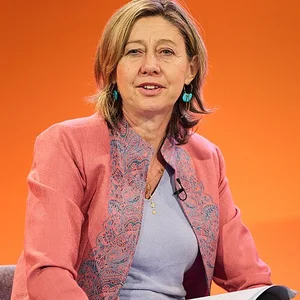
Christina Lamb
1965 — ?
Christina Lamb is a British journalist and writer, born in 1965, specializing in war reporting. A renowned foreign correspondent, she has covered Afghanistan, Pakistan, and many other conflicts, and co-wrote the memoir 'I Am Malala' with Malala Yousafzai.
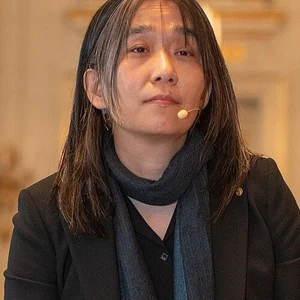
Han Kang
1970 — ?
South Korean novelist born in 1970, Han Kang is one of the most important voices in contemporary Asian literature. Her work explores violence, traumatic memory, and the fragility of the human body. She is the first Asian author to receive the Nobel Prize in Literature.
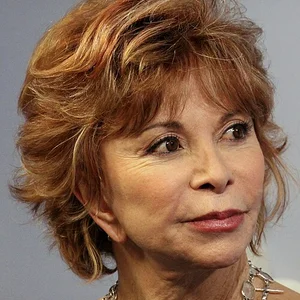
Isabel Allende
1942 — ?
Isabel Allende is a Chilean novelist born in 1942, considered one of the most widely read Hispanic authors in the world. Her work blends magical realism, political history, and women's destinies. Her first novel, The House of the Spirits (1982), brought her international fame.
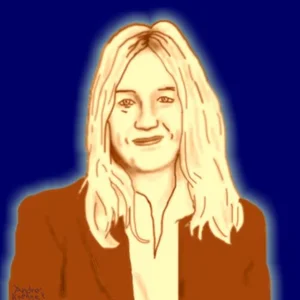
J.K. Rowling
J.K. Rowling is a British novelist born in 1965, author of the Harry Potter saga (1997-2007), one of the best-selling literary series in history. A single mother at the time she wrote the first volume, she became a major figure in children's and young adult literature worldwide.
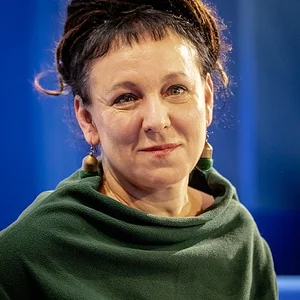
Olga Tokarczuk
1962 — ?
Polish novelist born in 1962, laureate of the 2018 Nobel Prize in Literature. Her work explores collective memory, identity, and the boundaries between living beings through fragmented and mythical narratives.
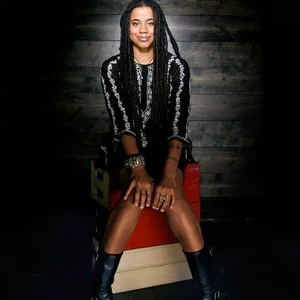
Suzan-Lori Parks
1963 — ?
A pioneering American playwright, Suzan-Lori Parks was the first Black woman to win the Pulitzer Prize for Drama, for *Topdog/Underdog* in 2002. Her work explores African-American identity, collective memory, and history through experimental and poetic language.
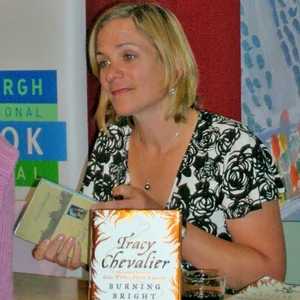
Tracy Chevalier
1962 — ?
Tracy Chevalier is an American novelist born in 1962 and based in London. She is known worldwide for her historical novel *Girl with a Pearl Earring* (1999), inspired by Vermeer's painting and adapted for film in 2003.
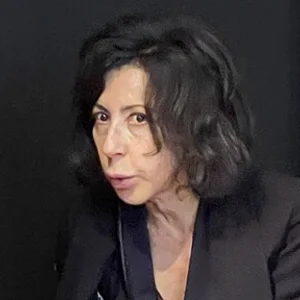
Yasmina Reza
1959 — ?
French playwright, novelist, and actress born in 1959, Yasmina Reza made her mark with *Art* (1994), a philosophical comedy about friendship and the value of art. Her plays, translated into more than 35 languages, sharply examine the cracks in human relationships and social hypocrisies.