Performing Arts
Cinéma, théâtre vivant, télévision, danse
286 characters286 characters
Before Christ(2)
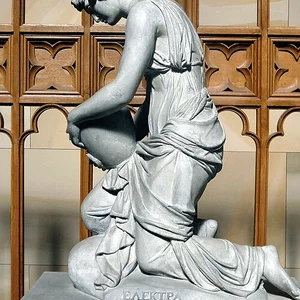
Electra
Electra is a heroine of Greek mythology, daughter of Agamemnon and Clytemnestra. After her father is murdered by her mother and her lover Aegisthus, she convinces her brother Orestes to avenge him. Her tragic fate inspired all three of the great Greek tragedians.
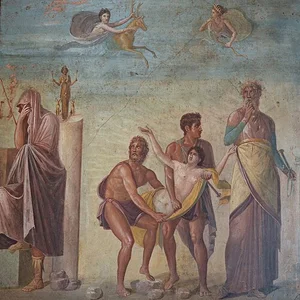
Iphigenia
Daughter of Agamemnon and Clytemnestra, Iphigenia was condemned to be sacrificed at Aulis to appease Artemis and allow the Greek fleet to sail for Troy. Saved by the goddess, she was transported to Tauris where she became a priestess. Her fate inspired major tragedies by Euripides.
Antiquity(1)
Renaissance(2)
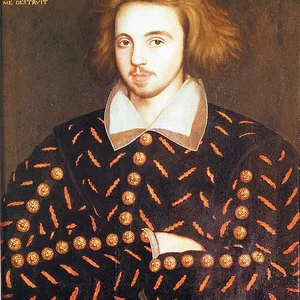
Christopher Marlowe
1564 — 1593
English playwright, poet, and translator of the Elizabethan Renaissance. A contemporary and rival of Shakespeare, he revolutionized English theatre with his blank-verse tragedies before dying violently at the age of 29.
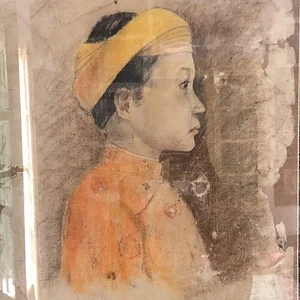
Tu Long
Tu Long (1543-1605) was a Chinese scholar and playwright of the Ming dynasty. Known for his *chuanqi* plays and his essays, he embodies the figure of the scholar-artist of late sixteenth-century China.
Early Modern(10)
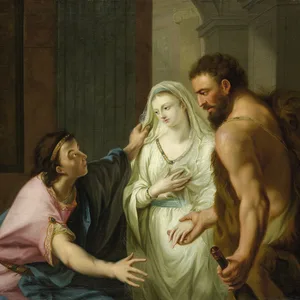
Alceste
Alceste is the central character of Molière's *The Misanthrope* (1666). An uncompromising idealist, he refuses the hypocrisy and flattery of court society, while being deeply in love with Célimène, a worldly coquette. He embodies the tension between absolute moral integrity and the compromises of social life.
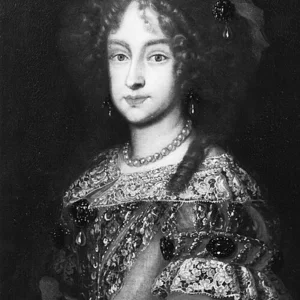
Anna Girò
1710 — ?
Anna Girò (c. 1710–1748) was an Italian contralto singer, pupil and close collaborator of Antonio Vivaldi. She created many roles in the Venetian composer's operas, becoming one of the most celebrated performers of her time.
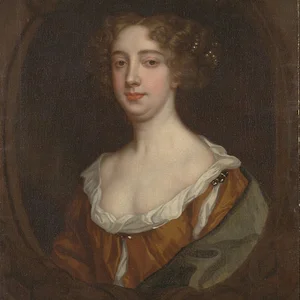
Aphra Behn
1640 — 1689
Aphra Behn (1640-1689) was the first English woman to earn her living by the pen. A prolific playwright, novelist, and spy in the service of Charles II, she defied the conventions of her time by making her mark in the male-dominated literary world.
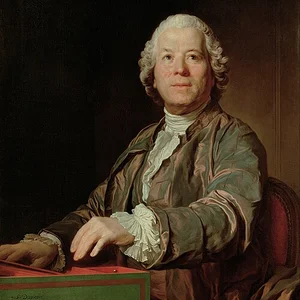
Christoph Willibald Gluck
1714 — 1787
Austro-Bohemian composer (1714–1787), Gluck revolutionized opera in the 18th century by prioritizing dramatic expression over vocal virtuosity. His reform profoundly influenced European lyric music.
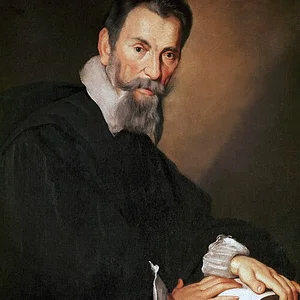
Claudio Monteverdi
1567 — 1643
Italian composer born in Cremona in 1567 and died in Venice in 1643. A pioneer of opera with L'Orfeo (1607), he marks the transition between the Renaissance and the Baroque. Maestro di cappella at St Mark's Basilica in Venice, he revolutionized vocal and instrumental music.
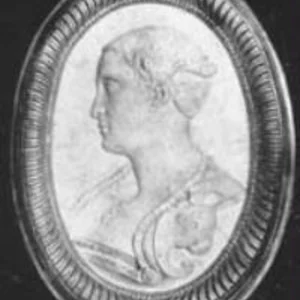
Francesca Caccini
1587 — 1641
Italian composer, singer, and instrumentalist (1587–c.1641), Francesca Caccini is the first known woman to have composed an opera, La liberazione di Ruggiero (1625). Daughter of composer Giulio Caccini, she was the highest-paid musician at the Medici court in Florence.
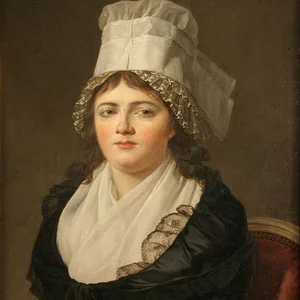
Gabrielle Danton
Gabrielle Charpentier (c. 1764–1793) was the wife of Georges-Jacques Danton, a leading orator of the French Revolution. The daughter of a Parisian café owner, she died at 28 in February 1793 while her husband was on a mission in Belgium, just months before the Reign of Terror.
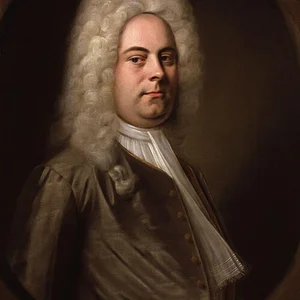
George Frideric Handel
1685 — 1759
German-born Baroque composer who became a British subject (1685–1759), Handel is one of the towering figures of 18th-century music. He is celebrated for his Italian operas, oratorios, and concerti grossi. His work *Messiah* (1741) remains one of the masterpieces of Western sacred music.
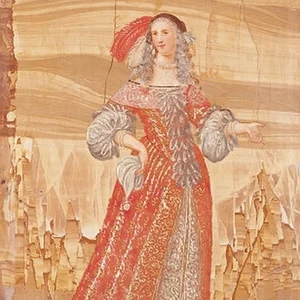
Madeleine Béjart
1618 — 1672
French actress of the 17th century, co-founder of the Illustre Théâtre alongside Molière in 1643. A central figure in Molière's troupe for over thirty years, she contributed to the rise of French classical theatre.
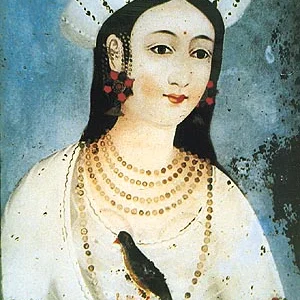
Mastani
1699 — 1740
Mastani (c. 1699–1740) was the second wife of Bajirao I, the Maratha Peshwa. Daughter of a Rajput raja and a Muslim concubine, she was an accomplished dancer and warrior. Their interfaith love caused a scandal at the Maratha court and gave rise to legend.
19th Century(23)
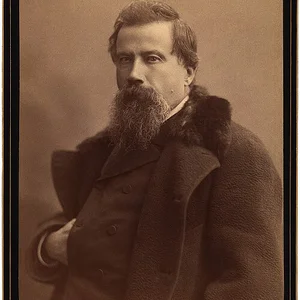
Amilcare Ponchielli
1834 — 1886
Italian composer (1834–1886), a major figure of Italian Romantic opera. He is best known for La Gioconda (1876), from which the celebrated Dance of the Hours is taken. He was a professor of Puccini and Mascagni at the Milan Conservatory.
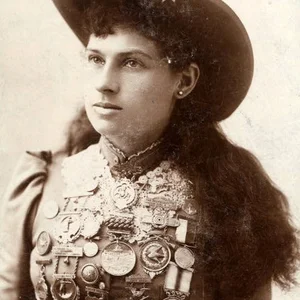
Annie Oakley
1860 — 1926
Annie Oakley (1860-1926) was an American sharpshooter who became the star of Buffalo Bill's Wild West Show. Nicknamed “Little Sure Shot,” she embodied the mythologized figure of the conquest of the West while pushing back the limits placed on the women of her time.
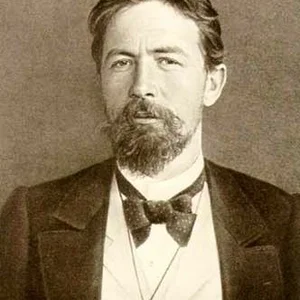
Anton Chekhov
1860 — 1904
Russian writer and playwright, a master of the short story and of modern theatre. Trained as a physician, he renewed dramatic art with plays built on atmosphere and the unspoken rather than on plot, such as The Cherry Orchard and The Three Sisters.
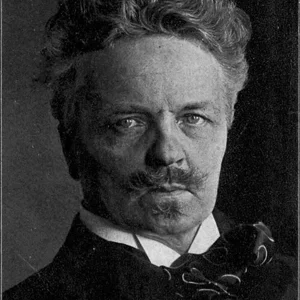
August Strindberg
1849 — 1912
Swedish writer, playwright and painter (1849-1912), a major figure of Scandinavian literature. A pioneer of naturalism and later a forerunner of expressionism and modern theatre, he profoundly renewed European dramatic art.
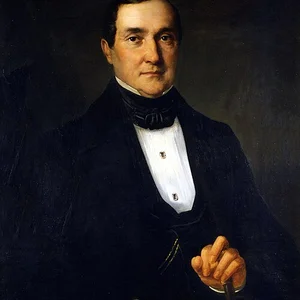
Bartolomeo Merelli
1794 — 1879
Italian theater director and librettist (1794–1879), Merelli ran La Scala in Milan and the Kärntnertortheater in Vienna. He played a decisive role in Verdi's career by commissioning Nabucco in 1842.
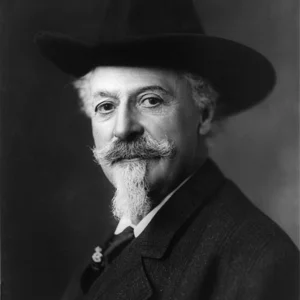
Buffalo Bill
1846 — 1917
William Cody (1846-1917), known as Buffalo Bill, was a scout for the U.S. Army and a bison hunter before becoming a worldwide showman. His Wild West Show staged the conquest of the West before millions of spectators in America and Europe.
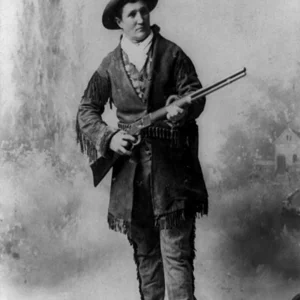
Calamity Jane
1852 — 1903
Martha Jane Cannary (c. 1852-1903), known as Calamity Jane, was a scout, stagecoach driver, and iconic figure of the American conquest of the West. A legend in her own lifetime, she performed in Wild West shows and was associated with the gunfighter Wild Bill Hickok.
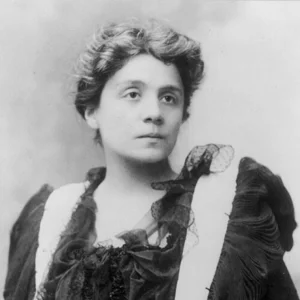
Eleonora Duse
1858 — 1924
Nicknamed “La Duse,” this Italian tragedienne (1858–1924) revolutionized dramatic art through a style of unprecedented inner truth, free of makeup and theatrical effects. Legendary rival of Sarah Bernhardt, she embodied the heroines of Ibsen and D’Annunzio on the greatest stages of Europe and America.
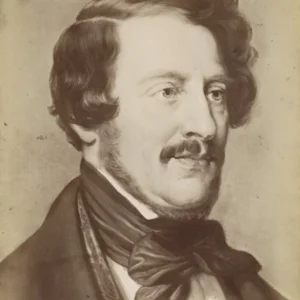
Gaetano Donizetti
1797 — 1848
Italian composer (1797-1848), a leading figure of bel canto alongside Bellini and Rossini. He composed more than 70 operas, including Lucia di Lammermoor (1835) and L'Elisir d'amore (1832).
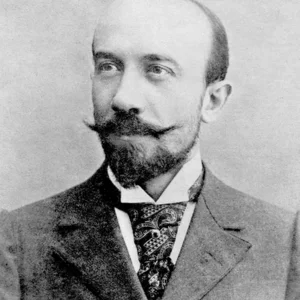
Georges Méliès
1861 — 1938
French filmmaker, actor, producer, director, conjurer and illusionist, pioneer and inventor of cinematic spectacle (1861–1938)
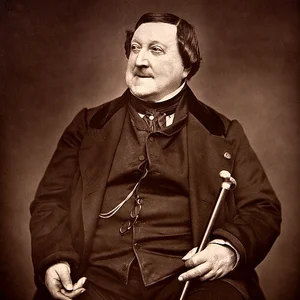
Gioachino Rossini
1792 — 1868
Italian composer (1792–1868), Rossini is one of the masters of 19th-century opera. His most celebrated work, The Barber of Seville (1816), remains a masterpiece of the world operatic repertoire.
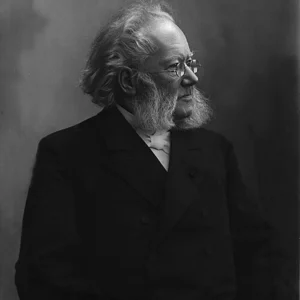
Henrik Ibsen
1828 — 1906
Henrik Ibsen (1828-1906) was a Norwegian playwright and poet, considered the father of modern theatre. His realist plays explore social hypocrisies and the condition of women, notably in A Doll's House.
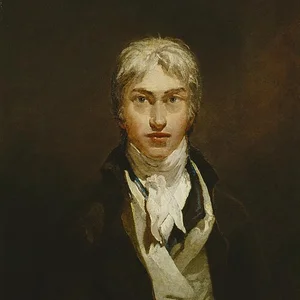
J. M. W. Turner
1775 — 1851
British painter and engraver (1775-1851), Turner is considered the master of Romantic landscape. A forerunner of Impressionism, he revolutionized the depiction of light, water, and atmosphere.
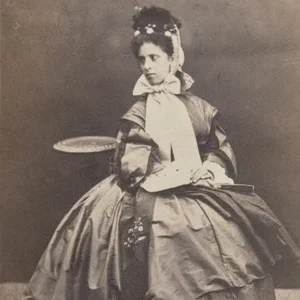
Jeanne Duval
1820 — 1868
Franco-Haitian actress and dancer, Jeanne Duval is best known as the muse and companion of Charles Baudelaire. She inspired the “Black Venus cycle” in *The Flowers of Evil*, while embodying the figure of the exoticized Black woman in the colonial imagination of the 19th century.
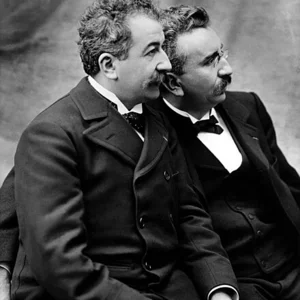
Lumière Brothers
1862/1864 — 1954/1948
Inventors of the cinematograph, pioneers of cinema
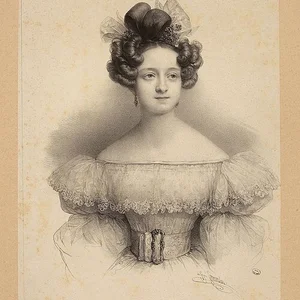
Marie Taglioni
1804 — 1884
A 19th-century Italian prima ballerina, Marie Taglioni revolutionized Romantic ballet by popularizing dancing on pointe. Her performance in *La Sylphide* (1832) defined the airy, ethereal aesthetic of Romantic ballet for generations to come.
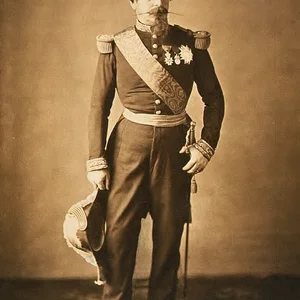
Napoleon III
1808 — 1873
Nephew of Napoleon I, he was elected President of the Republic in 1848, then seized power through a coup d'état on December 2, 1851, before proclaiming the Second Empire. His reign profoundly transformed France: the modernization of Paris under Haussmann, industrial and railway expansion — until the defeat at Sedan in 1870.
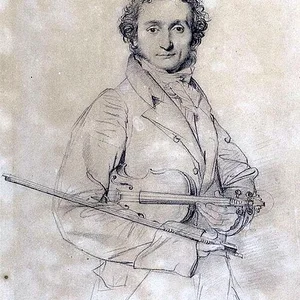
Niccolò Paganini
1782 — 1840
Niccolò Paganini (1782–1840) was an Italian violinist and composer, considered the greatest virtuoso of his era. His revolutionary technique and stage charisma earned him extraordinary fame across Europe, fuelling a dark and mysterious legend.
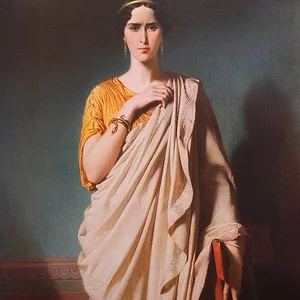
Rachel Félix
1821 — 1858
A brilliant tragedienne of the Comédie-Française, Rachel Félix (1821–1858) revived French classical tragedy in the nineteenth century. Born into a modest Jewish family, she rose to fame through her electrifying performances in the roles of Racine and Corneille, becoming the most celebrated actress in Europe.
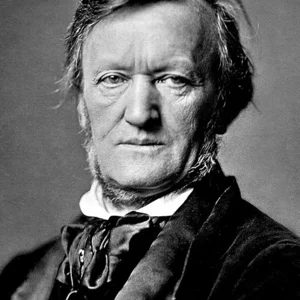
Richard Wagner
1813 — 1883
German composer (1813–1883), Wagner revolutionized opera by creating the concept of the total work of art (Gesamtkunstwerk). His music dramas, including the Ring Cycle and Tristan und Isolde, remain towering monuments of Romanticism.
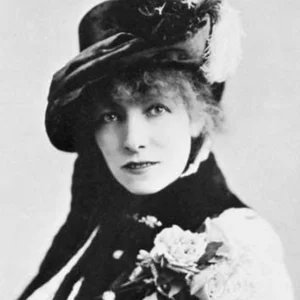
Sarah Bernhardt
1844 — 1923
painter (born 1989)
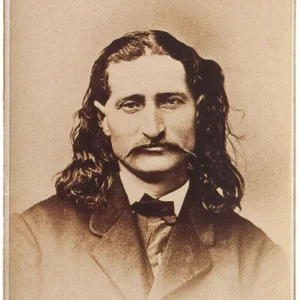
Wild Bill Hickok
1837 — 1876
An iconic figure of the American West, James Butler Hickok was in turn a Union scout, a Kansas lawman, a professional gambler, and a stage performer. A renowned gunfighter, he became a living legend before being shot in the back in 1876.
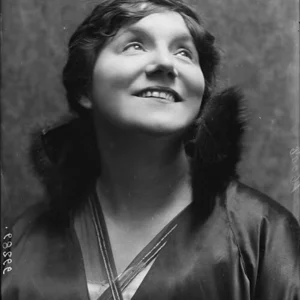
Yvette Guilbert
1865 — 1944
French café-concert singer and *diseuse* (1865–1944), an icon of the Belle Époque immortalized by Toulouse-Lautrec. Famous for her long black gloves and her expressionist delivery of Parisian realist songs.
20th Century(229)
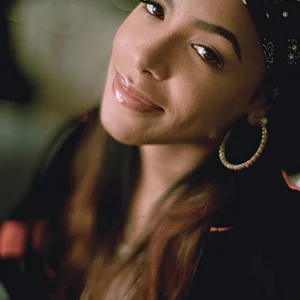
Aaliyah
1979 — 2001
American singer and actress (1979–2001), nicknamed the "Princess of R&B." A revelation at 15 with her debut album, she profoundly influenced pop and R&B music of the 1990s–2000s before dying tragically in a plane crash.
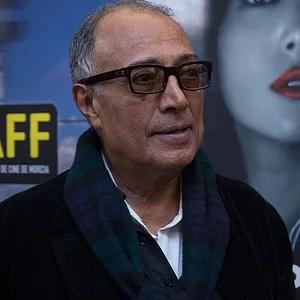
Abbas Kiarostami
1940 — 2016
Abbas Kiarostami (1940-2016) was an Iranian filmmaker, screenwriter and photographer, a major figure in the renewal of Iranian cinema. His work, on the border between documentary and fiction, earned him worldwide recognition.
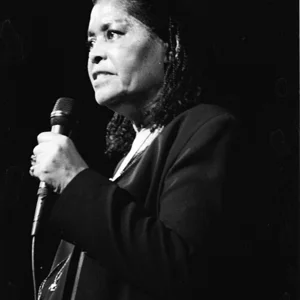
Abbey Lincoln
1930 — 2010
American jazz singer, songwriter, and actress, a major figure of artistic commitment to the civil rights movement. Her expressive voice and her lyrics make her an emblematic artist of 20th-century jazz.
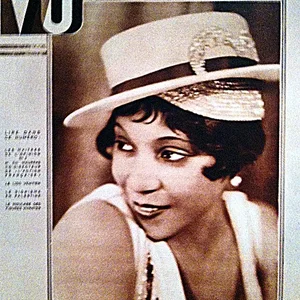
Adelaide Hall
1901 — 1993
Adelaide Hall was an American jazz singer, later a naturalized British citizen, with an exceptionally long career. A pioneer of wordless singing, she rose to prominence in 1927 alongside **Duke Ellington** before becoming a star of the European stage.
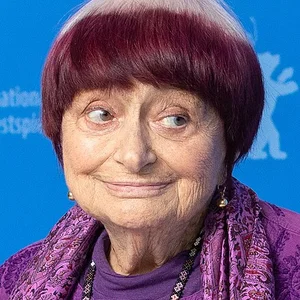
Agnès Varda
1928 — 2019
French photographer, visual artist, film director and screenwriter
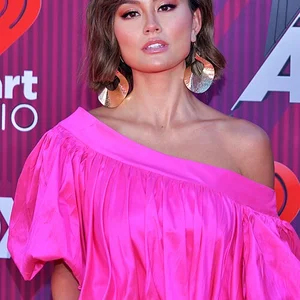
Agnez Mo
1986 — ?
Agnez Mo is an Indonesian-American singer-songwriter and actress born in 1986 in Jakarta. A pop star in Indonesia from childhood, she broke onto the international scene in the 2010s.
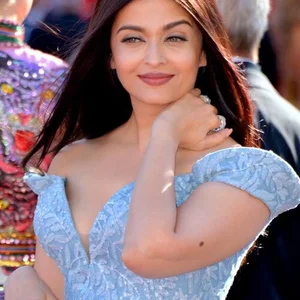
Aishwarya Rai
1973 — ?
Aishwarya Rai is an Indian actress and model born in 1973. Crowned Miss World in 1994, she became one of Bollywood's most internationally recognized stars and a global ambassador for L'Oréal Paris.
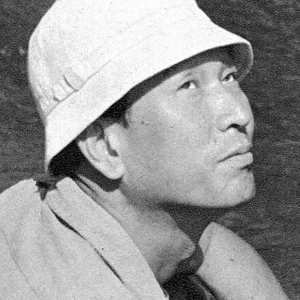
Akira Kurosawa
1910 — 1998
Japanese film director and screenwriter
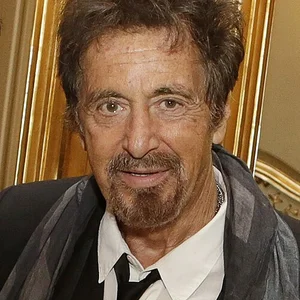
Al Pacino
1940 — ?
Al Pacino is an American actor born in 1940, a major figure of the New Hollywood movement. Brought to fame by his role as Michael Corleone in 'The Godfather' (1972), he established himself as one of the greatest performers in American cinema, trained at the Actors Studio.
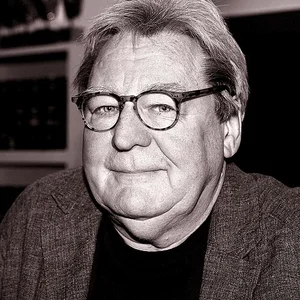
Alan Parker
1944 — 2020
British director born in 1944, Alan Parker is the filmmaker behind landmark works such as Midnight Express, Fame, and Pink Floyd – The Wall. A major figure in British cinema, he also worked in advertising before establishing himself in Hollywood.
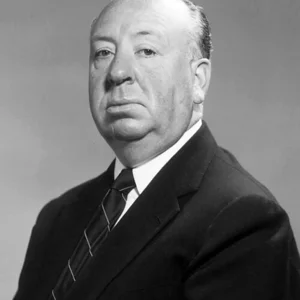
Alfred Hitchcock
1899 — 1980
A British filmmaker and naturalized American citizen, Alfred Hitchcock was nicknamed the “master of suspense.” A pioneer of a cinema built on psychological tension and dread, he profoundly reinvented the conventions of the thriller with works such as *Psycho*, *The Birds*, and *Vertigo*.
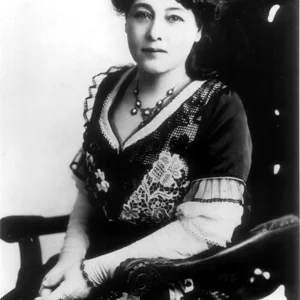
Alice Guy
1873 — 1968
The first female filmmaker in history, Alice Guy directed her first narrative film at Gaumont around 1896. She went on to found the Solax Company in the United States, one of the largest production companies of the era, before falling into obscurity despite a remarkable body of work.
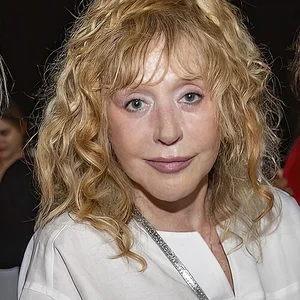
Alla Pugacheva
1949 — ?
Alla Pugacheva (born 1949) is the most famous pop singer of the Soviet Union and Russia. Nicknamed "the Primadonna," she dominated the Soviet and then Russian music scene for over forty years. Her career illustrates mass culture and the entertainment industry under a communist regime.
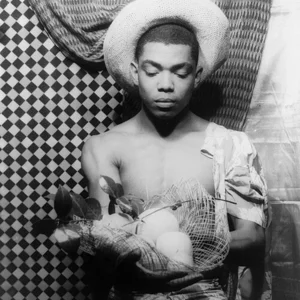
Alvin Ailey
1931 — 1989
Alvin Ailey (1931-1989) was an American dancer and choreographer, a major figure in modern dance. In 1958, he founded the Alvin Ailey American Dance Theater, a company that celebrates African American cultural heritage and brought modern dance to audiences around the world.

Amina
1962 — ?
Amina Annabi is a French-Tunisian singer and actress born in 1962. A figure of world music blending Arab-Andalusian influences with Western pop, she represented France at the Eurovision Song Contest in 1991 while also pursuing a parallel career in film.
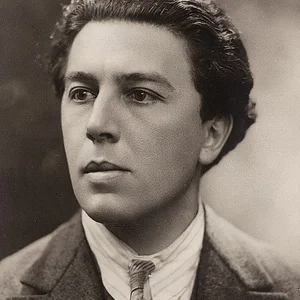
André Breton
1896 — 1966
French poet and writer (1896–1966), co-founder and theorist of Surrealism. He authored the Manifestoes of Surrealism and gathered around him a generation of revolutionary artists and writers.
Andrei Tarkovsky
1932 — 1986
A major Soviet filmmaker of the 20th century, creator of a contemplative and spiritual body of work. His films such as Andrei Rublev, Solaris and Stalker left a profound mark on the history of auteur cinema.
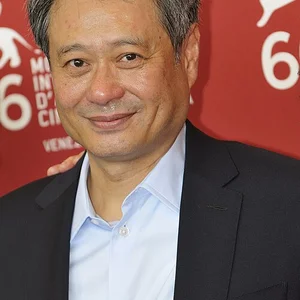
Ang Lee
1954 — ?
Ang Lee is a Taiwanese director born in 1954, celebrated for his ability to cross genres and cultures. His films explore identity, family, and desire with a remarkable visual sensibility.
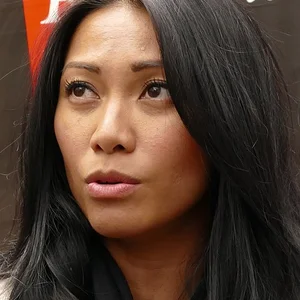
Anggun
1974 — ?
Anggun is an Indonesian singer born in 1974 in Jakarta, who became a French citizen in 1998. An international pop star, she broke through in France with her hit 'Snow on the Sahara' (1997) and represented France at the Eurovision Song Contest in 2012.
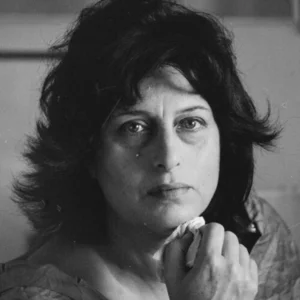
Anna Magnani
1908 — 1973
Italian actress (1908-1973), an iconic figure of Italian neorealism. Known for her intense and passionate performances, she won the Academy Award for Best Actress in 1956 for The Rose Tattoo.
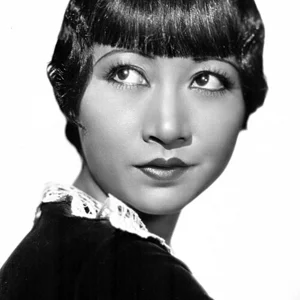
Anna May Wong
1904 — 1961
The first Chinese-American star of Hollywood, Anna May Wong (1905-1961) made her mark in both silent and sound cinema despite the industry's systemic racism. Throughout her career, she fought against stereotypes and anti-miscegenation laws that denied her leading roles.
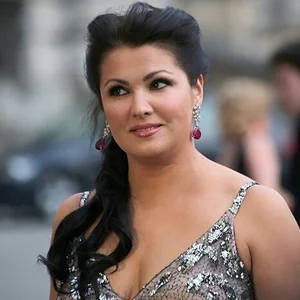
Anna Netrebko
1971 — ?
Anna Netrebko is a Russian-Austrian soprano born in 1971, considered one of the greatest opera singers of her generation. Trained at the Saint Petersburg Conservatory, she has conquered the world's most prestigious stages — the Metropolitan Opera, La Scala in Milan, and the Vienna State Opera.
Annie Ross
1930 — 2020
British-American jazz singer and actress, a pioneer of vocalese. A member of the trio Lambert, Hendricks & Ross, she is famous for setting lyrics to instrumental solos, notably her standard “Twisted” (1952).
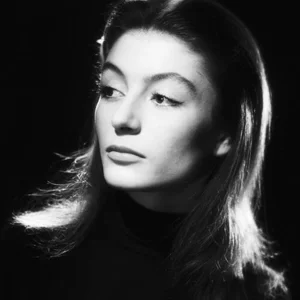
Anouk Aimée
1932 — 2024
French actress born in 1932, Anouk Aimée established herself as one of the leading figures of European auteur cinema. Her role in *Un homme et une femme* by Claude Lelouch (1966) brought her international acclaim.
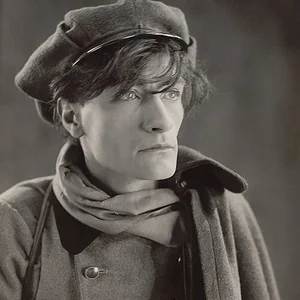
Antonin Artaud
1896 — 1948
Antonin Artaud (1896-1948) was a French poet, actor, and theatre theorist. The inventor of the “Theatre of Cruelty,” he profoundly reshaped how the stage was conceived in the 20th century, all while leading a life marked by illness and psychiatric confinement.

Ariana Grande
1993 — ?
Ariana Grande is an American singer, songwriter, and actress born in 1993 in Florida. She rose to fame through the TV series Victorious before becoming one of the most influential pop artists of her generation. Her response to the 2017 Manchester bombing earned her international recognition.
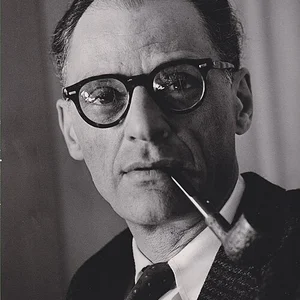
Arthur Miller
1915 — 2005
Arthur Miller (1915-2005) was a major American playwright of the 20th century. The author of *Death of a Salesman* and *The Crucible*, he turned theater into a critical mirror of American society and its excesses.
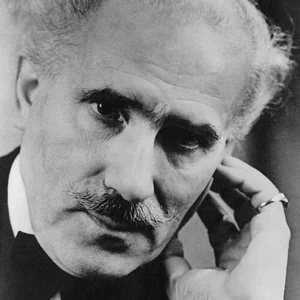
Arturo Toscanini
1867 — 1957
Italian conductor (1867–1957), considered one of the greatest in history. Music director of La Scala in Milan, the Metropolitan Opera, and the New York Philharmonic, he was renowned for his absolute rigor and prodigious memory.
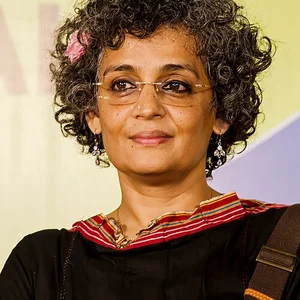
Arundhati Roy
1961 — ?
Arundhati Roy is an Indian novelist, essayist, and activist born in 1961. Her novel The God of Small Things (1997) won the Booker Prize. She is a vocal advocate against nuclear weapons, dam construction, and social inequality in India.
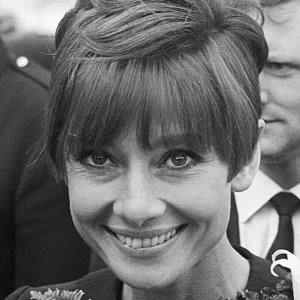
Audrey Hepburn
1929 — 1993
Audrey Hepburn (1929–1993) was a British actress and model of Belgian origin, an icon of Hollywood cinema in the 1950s and 1960s. She won the Academy Award for Roman Holiday (1953) and became synonymous with elegance and grace on screen. In her later years, she devoted herself to humanitarian work as a UNICEF Goodwill Ambassador.
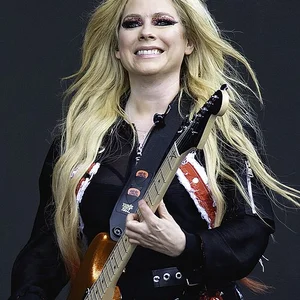
Avril Lavigne
1984 — ?
Avril Lavigne is a Canadian singer and songwriter born in 1984 in Belleville, Ontario. She broke through in 2002 with her debut album 'Let Go', becoming an icon of alternative rock and pop-punk for an entire generation.
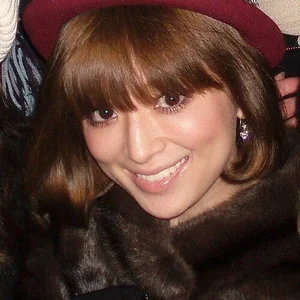
Ayumi Hamasaki
1978 — ?
Ayumi Hamasaki is a Japanese singer, songwriter, and pop icon born in 1978 in Fukuoka. Nicknamed the "Empress of Pop" in Japan, she is one of the best-selling female artists in the history of Japanese music.
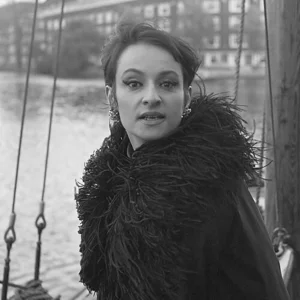
Barbara
1930 — 1997
Barbara (1930–1997) was a French singer-songwriter, nicknamed “the Lady in Black.” A pianist and poet of song, she is known for intimate works such as “Nantes” and “The Black Eagle.”
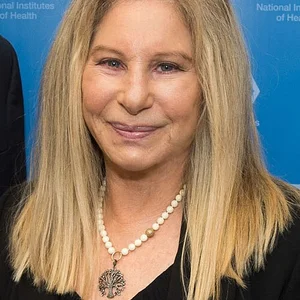
Barbra Streisand
1942 — ?
American singer and actress born in 1942 in New York, Barbra Streisand is one of the most awarded artists in entertainment history. She has shaped American pop music and cinema across more than six decades of career.
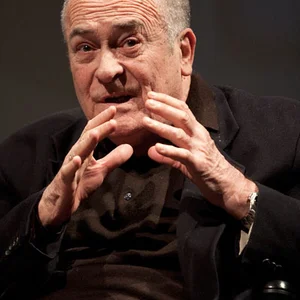
Bernardo Bertolucci
1941 — 2018
Bernardo Bertolucci (1941-2018) was an Italian director and screenwriter, a major figure of European art-house cinema. He left his mark on the history of the seventh art with ambitious historical frescoes and a sumptuous visual style.
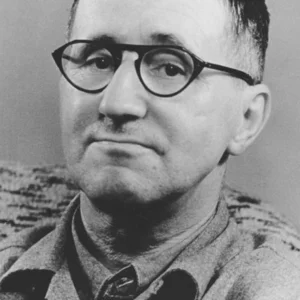
Bertolt Brecht
1898 — 1956
Bertolt Brecht was a 20th-century German playwright, director, and poet. A theorist of *epic theatre* and of the distancing effect, he profoundly renewed dramatic art and tied his work to a Marxist political commitment.
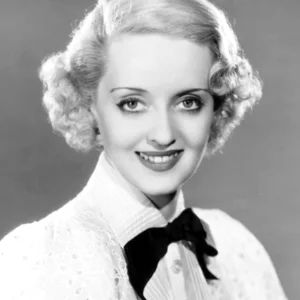
Bette Davis
1908 — 1989
American actress (1908–1989), a towering figure of Hollywood cinema from the 1930s through the 1960s. Known for her roles as strong, complex women, she won two Academy Awards and established herself as one of the greatest stars of the studio system.
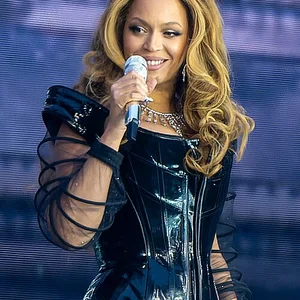
Beyoncé
1981 — ?
Beyoncé is an American singer, songwriter, and producer born in 1981 in Houston, Texas. A former member of Destiny's Child, she became one of the most influential solo artists of the 21st century, blending R&B, pop, and hip-hop.
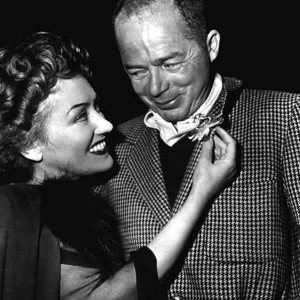
Billy Wilder
1906 — 2002
An American director, screenwriter, and producer of Austro-Hungarian origin, Billy Wilder is one of the major figures of classic Hollywood cinema. A master of both comedy and film noir, he directed masterpieces such as *Sunset Boulevard*, *Some Like It Hot*, and *The Apartment*.
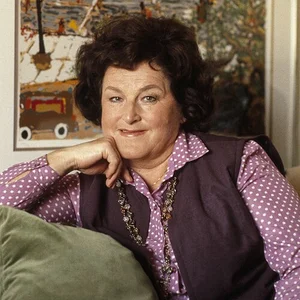
Birgit Nilsson
1918 — 2005
Swedish dramatic soprano (1918–2005), considered the greatest Wagnerian interpreter of the 20th century. Her voice, exceptional in both power and clarity, brought her triumphs at Bayreuth, the Metropolitan Opera in New York, and the world's most prestigious concert halls.
Blossom Dearie
1924 — 2009
Blossom Dearie (1924-2009) was an American jazz pianist and singer, recognizable by her light, delicate voice. A figure of intimate vocal jazz, she accompanied herself on piano in the clubs of New York and Paris.
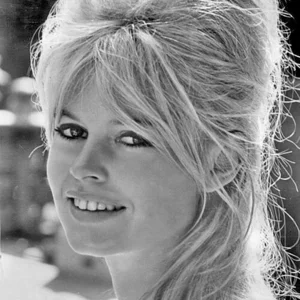
Brigitte Bardot
1934 — 2025
French actress, model, and singer, Brigitte Bardot became a global symbol of femininity and freedom during the 1950s and 1960s. An icon of the French New Wave and popular culture, she retired from cinema in 1973 to dedicate herself to animal rights activism.
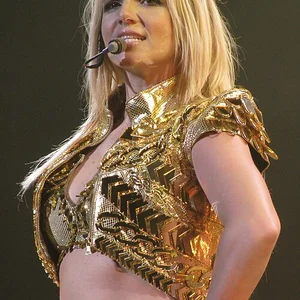
Britney Spears
1981 — ?
Britney Spears (born 1981) is an American singer, actress, and pop icon. Launched in the late 1990s, she became one of the best-selling artists in the world. Her career illustrates the excesses of the entertainment industry and the challenges of fame in the media age.
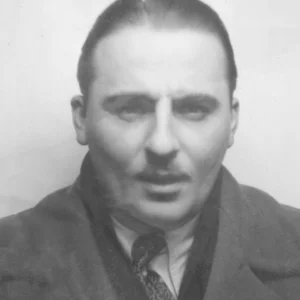
Bruno Coquatrix
1910 — 1979
Bruno Coquatrix (1910-1979) was the legendary director of the Olympia in Paris, which he bought in 1954 and transformed into the temple of French music hall. He launched or cemented the careers of major artists such as Édith Piaf, Jacques Brel, and Johnny Hallyday.
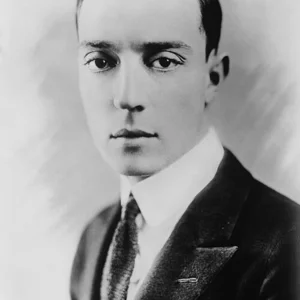
Buster Keaton
1895 — 1966
American actor, director, and stuntman, a major figure of silent slapstick cinema. Nicknamed “the man who never laughs,” he played a deadpan character confronting a mechanical and hostile world.
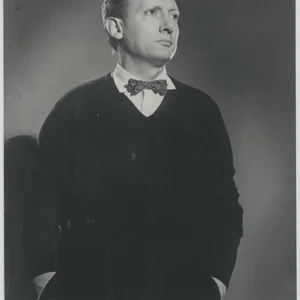
Carlo Felice Cillario
1915 — 2007
Argentine conductor and violinist of Italian origin (1915–2011), Carlo Felice Cillario made his mark in the operatic and symphonic repertoire. He conducted at the world's greatest opera houses, including the Royal Opera House in London and the Paris Opera.
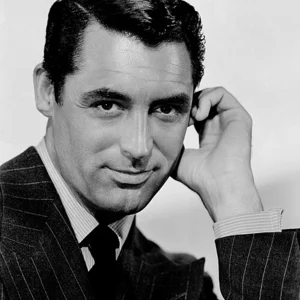
Cary Grant
1904 — 1986
Cary Grant was an Anglo-American actor and an iconic figure of Hollywood's golden age. The embodiment of elegance and charm, he excelled in sophisticated comedy as well as in thrillers, notably working alongside Alfred Hitchcock.
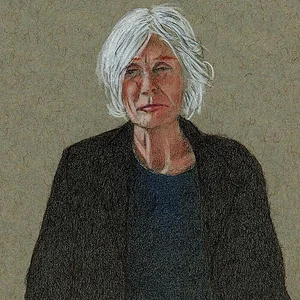
Caryl Churchill
1938 — ?
British playwright born in 1938, a major figure of feminist and political theatre. Her plays such as “Top Girls” (1982) and “Cloud Nine” (1979) deconstruct gender, capitalism, and power relations. Associated with the Royal Court Theatre in London, she has profoundly renewed contemporary dramatic forms.
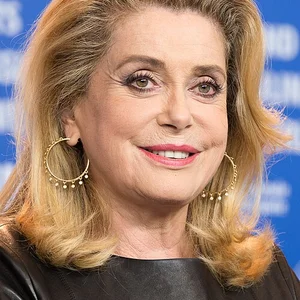
Catherine Deneuve
1943 — ?
French actress born in 1943, Catherine Deneuve is one of the greatest stars in world cinema. She played iconic roles in films by Truffaut, Buñuel, and Demy, becoming a symbol of French elegance.
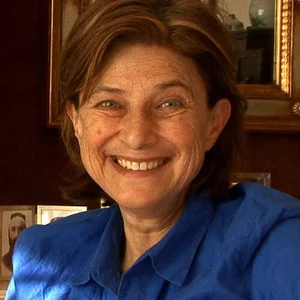
Chantal Akerman
1950 — 2015
Belgian director and screenwriter (1950–2015), a major figure in feminist and experimental auteur cinema. Her magnum opus *Jeanne Dielman, 23, quai du Commerce, 1080 Bruxelles* (1975) was voted the greatest film of all time by Sight & Sound magazine in 2022.
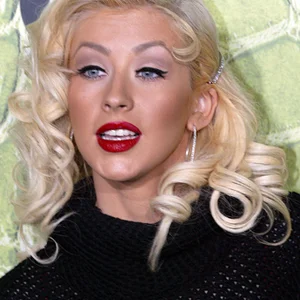
Christina Aguilera
1980 — ?
Christina Aguilera is an American singer, songwriter, and actress born in 1980. Breaking through in 1999, she established herself as one of the most powerful voices of her generation, blending pop, R&B, and soul. She became a symbol of female empowerment in the music industry at the turn of the 21st century.
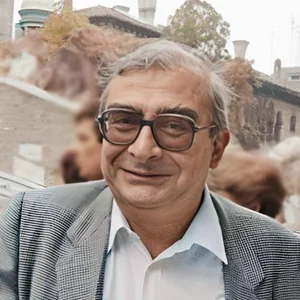
Claude Chabrol
1930 — 2010
Claude Chabrol (1930-2010) was a French director, screenwriter and producer, a major figure of the French New Wave. A critic at Cahiers du cinéma before moving into directing, he built a prolific body of work dissecting the hypocrisies and impulses of the provincial bourgeoisie.
Claude Sautet
1924 — 2000
Claude Sautet (1924-2000) was a French director and screenwriter, a major figure of the auteur cinema of the 1970s-1990s. He is famous for his intimate portraits of the bourgeoisie and his chronicles of human feelings, as in *The Things of Life* and *A Heart in Winter*.
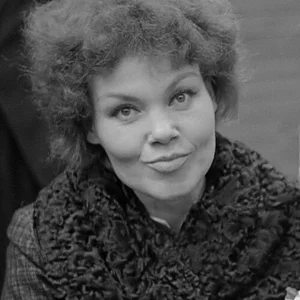
Cleo Laine
1927 — 2025
Cleo Laine is a British jazz singer and actress, famous for her deep timbre and an exceptional vocal range of more than three octaves. The lifelong companion of saxophonist and bandleader John Dankworth, she became one of the major figures of 20th-century British vocal jazz.
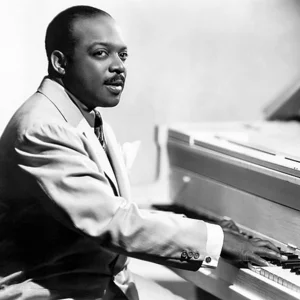
Count Basie
1904 — 1984
William James Basie, known as Count Basie (1904-1984), was an American pianist, organist, and bandleader. A major figure in jazz, he led one of the most famous big bands in history, contributing to the rise of swing in the 1930s–1940s.
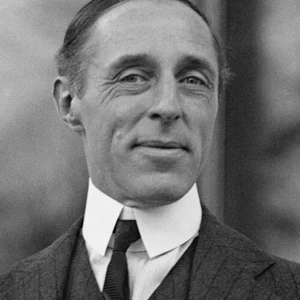
D. W. Griffith
1875 — 1948
D. W. Griffith (1875-1948) was an American director regarded as one of the fathers of narrative film language. He popularized editing, the close-up, and cross-cutting, but remains a controversial figure because of the racism of his film “The Birth of a Nation” (1915).
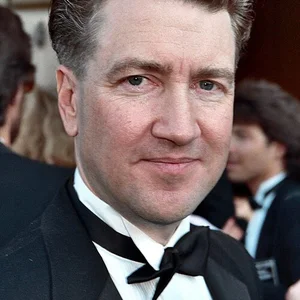
David Lynch
1946 — 2025
David Lynch (1946-2025) was an American filmmaker, photographer, painter, and musician. A major figure in independent cinema, he is famous for his dreamlike, surreal universe blending strangeness and unease.

Deepika Padukone
1986 — ?
Deepika Padukone is an Indian actress and model born in 1986 in Copenhagen. The daughter of badminton champion Prakash Padukone, she has become one of Bollywood's most influential and highest-paid actresses. She is also known for her public advocacy for mental health awareness.
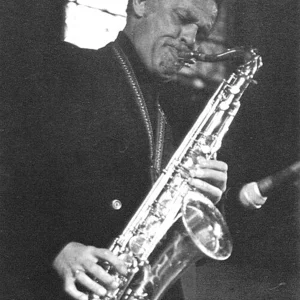
Dexter Gordon
1923 — 1990
Dexter Gordon (1923-1990) was an African American jazz tenor saxophonist and a major figure of bebop. A pioneer of his instrument in this style, he enjoyed a long career between the United States and Europe, and was nominated for the Academy Award for Best Actor in 1987.
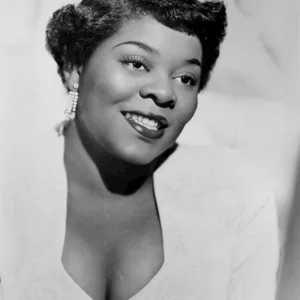
Dinah Washington
1924 — 1963
American singer (1924-1963), nicknamed the “Queen of the Blues.” A major figure in jazz, blues, and rhythm and blues during the 1940s and 1950s, she left her mark on African American music through her incisive phrasing and expressive voice.
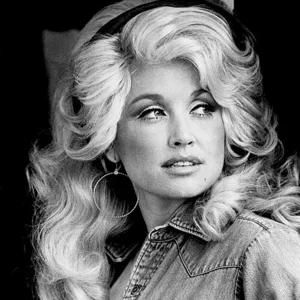
Dolly Parton
1946 — ?
American singer, songwriter, and actress born in 1946, icon of country music. Author of classics such as “Jolene” and “I Will Always Love You”, she is also a philanthropist and founder of a children’s literacy program.
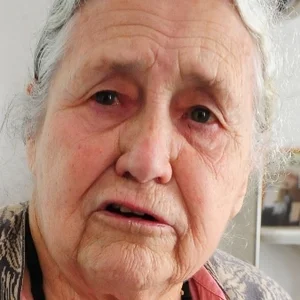
Doris Lessing
1919 — 2013
Doris Lessing (1919-2013) was a British novelist born in Persia and raised in Southern Rhodesia. A major figure of 20th-century literature, she is best known for The Golden Notebook. She was awarded the Nobel Prize in Literature in 2007.
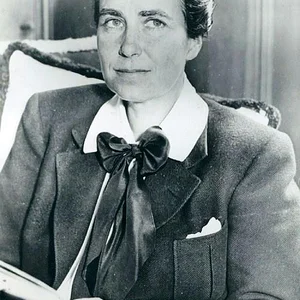
Dorothy Arzner
1897 — 1979
The only active female director working within the major Hollywood studios of the 1920s–1940s, Dorothy Arzner made around twenty films. A pioneer of women's cinema, she was the first woman admitted to the Directors Guild of America.
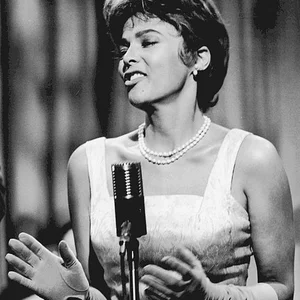
Dorothy Dandridge
1922 — 1965
An African-American actress, singer, and dancer, Dorothy Dandridge became in 1955 the first Black woman nominated for the Academy Award for Best Actress, for Carmen Jones. An icon of Golden Age Hollywood, she broke racial barriers in a deeply segregated industry.
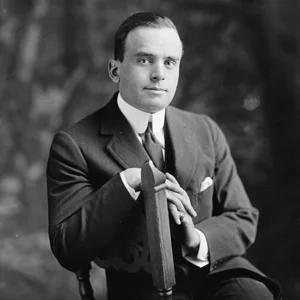
Douglas Fairbanks
1883 — 1939
An American silent film actor, Douglas Fairbanks was one of Hollywood's first great stars. Known for his acrobatic hero roles in adventure films such as *The Mark of Zorro* and *Robin Hood*, he was also a co-founder of United Artists studio.
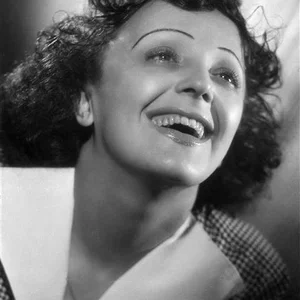
Édith Piaf
1915 — 1963
Born Édith Giovanna Gassion in 1915 in Paris, Édith Piaf became one of the most celebrated French singers of the 20th century. Nicknamed 'La Môme Piaf' (The Little Sparrow), she is the defining figure of French chanson réaliste and achieved worldwide fame.
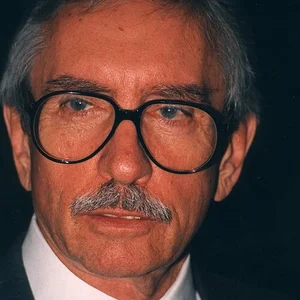
Edward Albee
1928 — 2016
Major American playwright of the 20th century, a leading figure of the theatre of the absurd in the United States. He made his mark in 1962 with *Who's Afraid of Virginia Woolf?* and won the Pulitzer Prize for Drama three times.
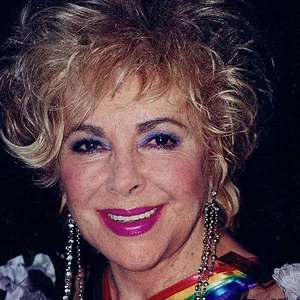
Elizabeth Taylor
1932 — 2011
Elizabeth Taylor (1932–2011) was a British-American actress widely regarded as one of Hollywood's greatest stars. A child prodigy who rose to fame early, she excelled in major roles of classic cinema and became a global symbol of glamour and the Hollywood star system. She was also a pioneering activist in the fight against AIDS from the 1980s onward.
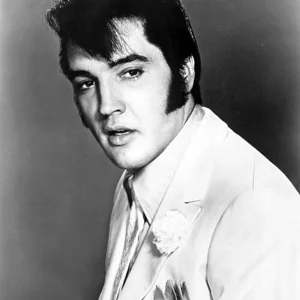
Elvis Presley
1935 — 1977
American singer and actor born in 1935, Elvis Presley is considered the “King of Rock and Roll.” He revolutionized popular music by blending country, gospel, and rhythm and blues, becoming a global icon of pop culture.
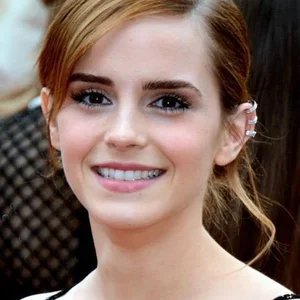
Emma Watson
1990 — ?
British actress born in 1990, who rose to fame as Hermione Granger in the Harry Potter series. She became an international feminist activist, notably as a UN Goodwill Ambassador and promoter of the HeForShe campaign.
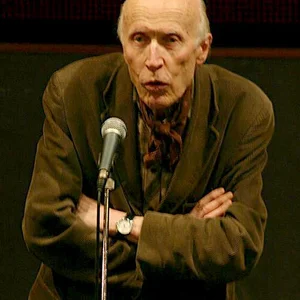
Éric Rohmer
1920 — 2010
Éric Rohmer, whose real name was Maurice Schérer, was a French filmmaker, critic, and screenwriter, and a major figure of the French New Wave. He is famous for his cycles of films with finely crafted dialogue exploring the emotional and moral hesitations of his characters.
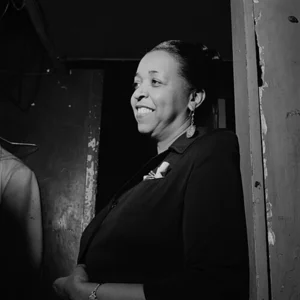
Ethel Waters
1896 — 1977
Ethel Waters (1896-1977) was an African American singer and actress. A pioneer of jazz and vocal blues, she broke through racial barriers on Broadway, in film, and on American television, becoming one of the most famous Black artists of the first half of the 20th century.
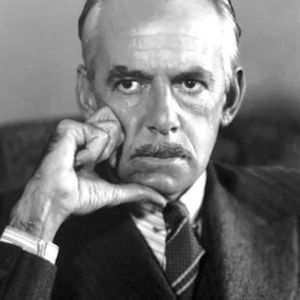
Eugene O'Neill
1888 — 1953
American playwright considered the father of modern theater in the United States. The first American dramatist to receive the Nobel Prize in Literature, in 1936, he brought realism and psychological tragedy to the American stage.
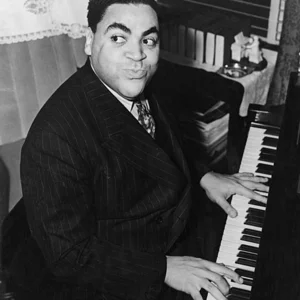
Fats Waller
1904 — 1943
African American jazz pianist, organist, composer and singer, a major figure of stride piano. A virtuoso showman, he left his mark on the jazz of the 1920s-1930s with standards like “Ain't Misbehavin'” and “Honeysuckle Rose.”
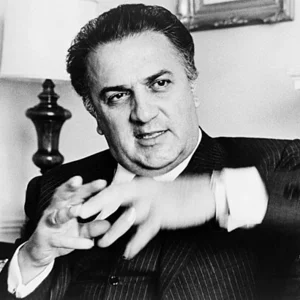
Federico Fellini
1920 — 1993
Federico Fellini (1920-1993) was an Italian filmmaker and screenwriter, a major figure in world cinema. A master of a dreamlike, baroque style, he left his mark on the history of the seventh art with films such as La Dolce Vita and La Strada.
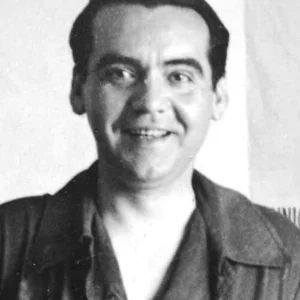
Federico García Lorca
1898 — 1936
Spanish poet and playwright, a major figure of the Generation of '27. Author of the Romancero gitano and rural tragedies such as Blood Wedding, he was assassinated in 1936 at the start of the Spanish Civil War.
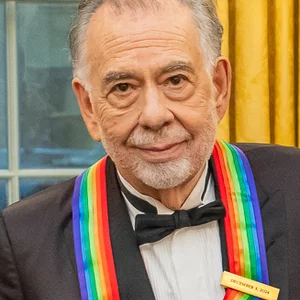
Francis Ford Coppola
1939 — ?
Francis Ford Coppola is an American director, screenwriter, and producer born in 1939, a major figure of New Hollywood. He is world-renowned for the Godfather trilogy and for Apocalypse Now, both of which have become cinema classics.
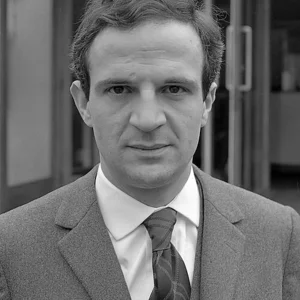
François Truffaut
1932 — 1984
François Truffaut (1932–1984) was one of the pioneers of the French New Wave. A critic at *Cahiers du Cinéma*, he became an iconic filmmaker with movies such as *The 400 Blows* and *Jules and Jim*.
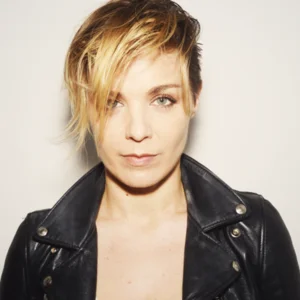
Gala
1975 — ?
Gala is an Italian pop and dance singer born in 1975 in Turin. She achieved international success in the late 1990s with hits such as “Freed from Desire” (1997), which have become classics of dance music.
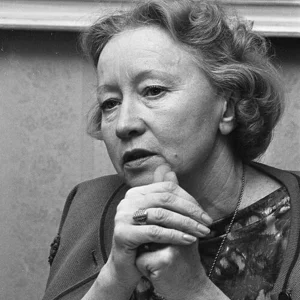
Galina Ulanova
1910 — 1998
Soviet ballerina considered one of the greatest classical dancers of the 20th century. Prima ballerina of the Bolshoi, she embodied Giselle and Juliet with incomparable expressiveness. The first dancer to receive the title of Hero of Socialist Labor twice.
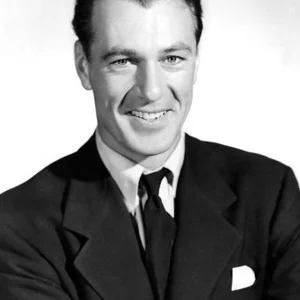
Gary Cooper
1901 — 1961
Gary Cooper (1901-1961) was one of the leading actors of classical Hollywood cinema. The embodiment of the upright, taciturn American hero, he left his mark on the western and the melodrama before winning two Academy Awards for Best Actor.
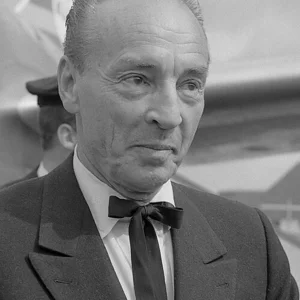
George Balanchine
1904 — 1983
George Balanchine (1904-1983) was a Georgian-born dancer and choreographer, trained in Saint Petersburg before emigrating to the United States. A co-founder of the New York City Ballet, he is considered the father of American neoclassical ballet.
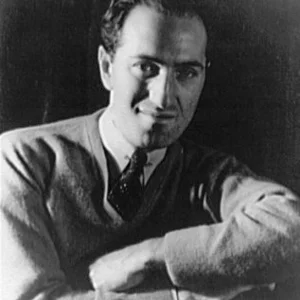
George Gershwin
1898 — 1937
American composer and pianist (1898–1937), George Gershwin revolutionized music by blending jazz, blues, and classical music. The creator of Rhapsody in Blue and the opera Porgy and Bess, he is one of the defining symbols of twentieth-century American culture.
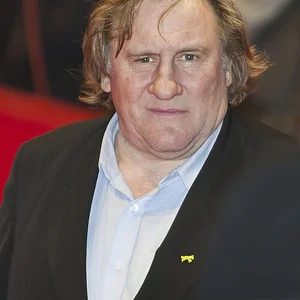
Gérard Depardieu
1948 — ?
Gérard Depardieu is one of the most famous and prolific French actors, with over 200 films to his name. Born in 1948 in Châteauroux, he established himself from the 1970s as a major figure in both French and international cinema.
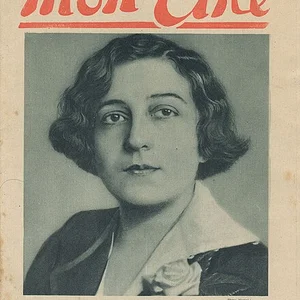
Germaine Dulac
1882 — 1942
French film director, producer and screenwriter
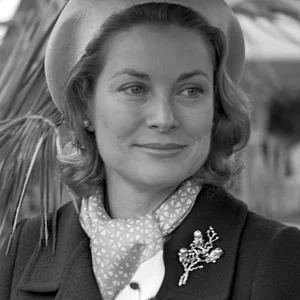
Grace Kelly
1929 — 1982
An Oscar-winning American actress of the 1950s, Grace Kelly left Hollywood at the height of her fame to marry Prince Rainier III of Monaco in 1956. As princess consort, she embodied elegance and cultural prestige until her accidental death in 1982.
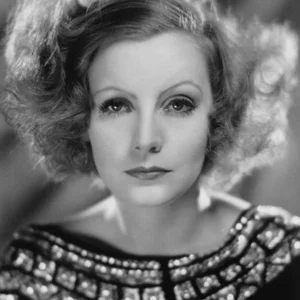
Greta Garbo
1905 — 1990
Swedish actress who became one of Hollywood's greatest stars of the 1920s–1930s. Famous for her air of mystery and restrained acting style, she voluntarily stepped away from the screen in 1941 at the age of 36.
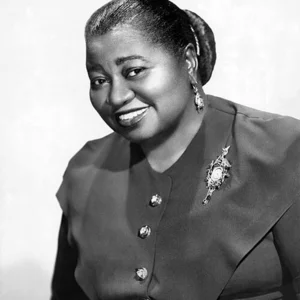
Hattie McDaniel
1893 — 1952
American actress (1893-1952), Hattie McDaniel was the first African American woman to win an Academy Award, for her role as Mammy in Gone with the Wind (1939). Her career illustrates the tensions between artistic success and racial segregation in the United States.
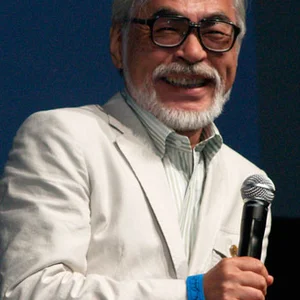
Hayao Miyazaki
1941 — ?
Hayao Miyazaki is a Japanese director, screenwriter, and animator of animated films, born in 1941. A co-founder of Studio Ghibli, he is one of the world's masters of animated cinema, famous for works such as *Princess Mononoke* and *Spirited Away*.
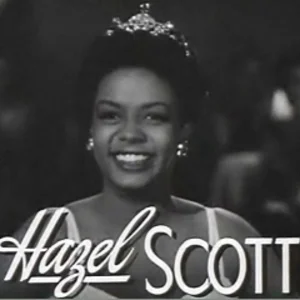
Hazel Scott
1920 — 1981
Jazz pianist and singer of Trinidadian and American descent, a virtuoso known for her arrangements blending classical music and swing. A star of nightclubs and the silver screen, she was also a civil rights activist who refused to perform for segregated audiences.
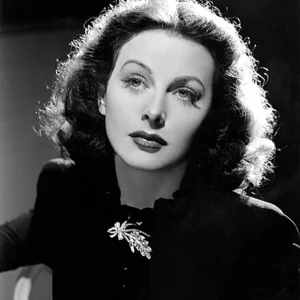
Hedy Lamarr
1914 — 2000
Austrian-born American actress, producer, and scientist
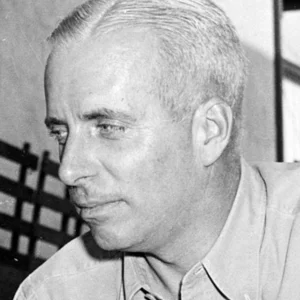
Howard Hawks
1896 — 1977
Howard Hawks was an American director, producer, and screenwriter, a major figure of Hollywood's Golden Age. A jack-of-all-trades across genres (western, film noir, comedy, war film), he is regarded as one of the great auteurs of classic cinema.
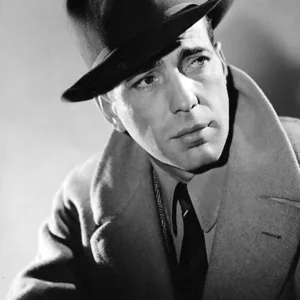
Humphrey Bogart
1899 — 1957
Humphrey Bogart was an American actor and a major figure of Hollywood's Golden Age. He embodied the tough hero—cynical yet upright—in film noir and classics such as Casablanca. He is regarded as one of the greatest legends of American cinema.
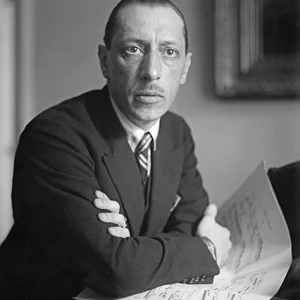
Igor Stravinsky
1882 — 1971
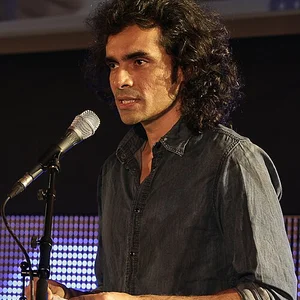
Imtiaz Ali
1971 — ?
Imtiaz Ali is an Indian film director and screenwriter born in 1971 in Jamshedpur. He is known for his romantically charged, poetic films, including Jab We Met (2007) and Rockstar (2011). His work explores themes of love, freedom, and the search for identity.
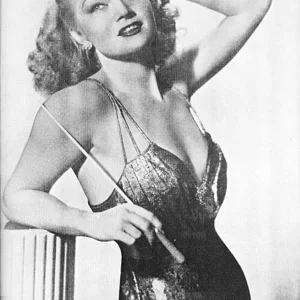
Ina Ray Hutton
1916 — 1984
Ina Ray Hutton (1916-1984) was an American bandleader, singer, and dancer of the swing era. Nicknamed “The Blonde Bombshell of Rhythm,” she led the Melodears in the 1930s, one of the first all-female big bands, before hosting her own musical television show in the 1950s.
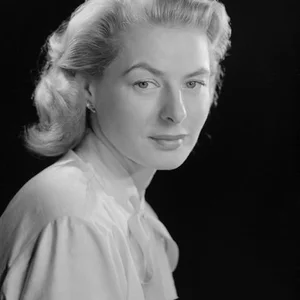
Ingrid Bergman
1915 — 1982
Swedish actress (1915–1982), a towering figure of classic Hollywood cinema. Made famous by Casablanca (1942), she won three Academy Awards and established herself as one of the greatest actresses of the twentieth century.
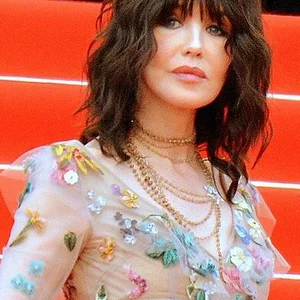
Isabelle Adjani
1955 — ?
French actress born in 1955, daughter of an Algerian father and a German mother. Launched to stardom by François Truffaut in *The Story of Adele H.* (1975), she portrays passionate and tormented women in *Possession*, *Camille Claudel*, and *Queen Margot*. Holder of a record five César Awards for Best Actress.
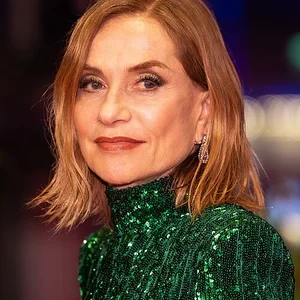
Isabelle Huppert
1953 — ?
French actress born in 1953, considered one of the greatest performers in world cinema. A muse to directors such as Claude Chabrol and Michael Haneke, she brings an icy, deeply interior presence that redefines the art of acting.
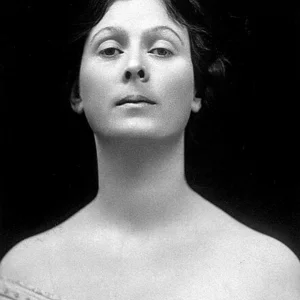
Isadora Duncan
1877 — 1927
American dancer (1877-1927)
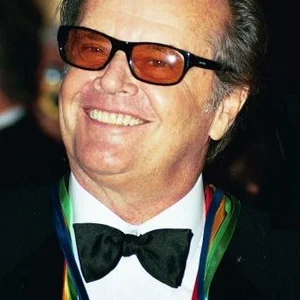
Jack Nicholson
1937 — ?
Jack Nicholson is an American actor, director, and screenwriter born in 1937. A major figure of New Hollywood, he is one of the most awarded actors in American cinema, with three Oscars.
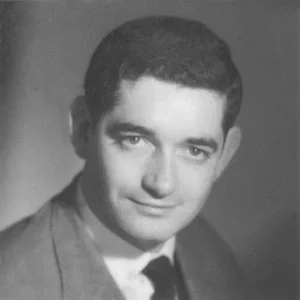
Jacques Demy
1931 — 1990
French filmmaker (1931–1990), a major figure of the French New Wave, celebrated for his poetic musicals blending vivid colors with melancholy. Director of The Umbrellas of Cherbourg and The Young Girls of Rochefort.
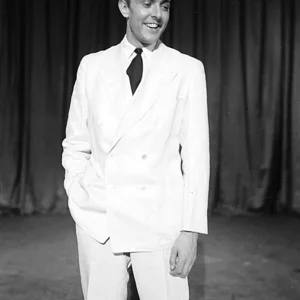
Jacques Tati
1907 — 1982
Jacques Tati (1907-1982) was a French director, actor, and screenwriter. Creator of the character Monsieur Hulot, he developed a poetic comedic cinema founded on visual slapstick and sound rather than dialogue.
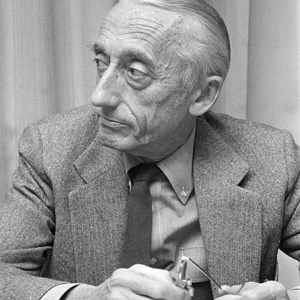
Jacques-Yves Cousteau
1910 — 1997
A French naval officer, oceanographer, and filmmaker, Jacques-Yves Cousteau was a pioneer of scuba diving and ocean exploration. Co-inventor of the self-contained underwater breathing apparatus, he popularized knowledge of the marine world through his films and his ship, the Calypso.
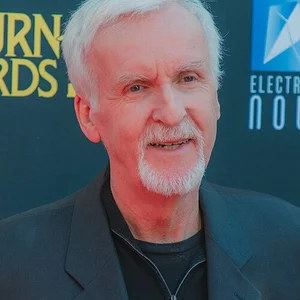
James Cameron
1954 — ?
Canadian director born in 1954, James Cameron is the creator of iconic films such as Terminator, Titanic, and Avatar. A passionate deep-sea explorer, he dove to the depths of the Mariana Trench in 2012.
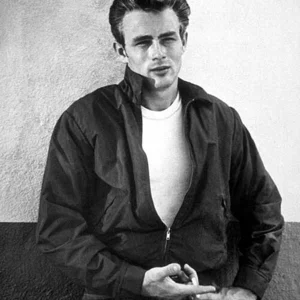
James Dean
1931 — 1955
Iconic American actor of the 1950s, James Dean embodied youth rebellion in three cult films. Dying at 24 in a car crash, he became an immortal cultural icon.
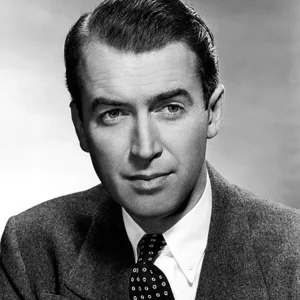
James Stewart
1908 — 1997
James Stewart was one of the most popular actors of classic Hollywood cinema. An embodiment of the ordinary, upright American, he worked under the direction of Frank Capra and Alfred Hitchcock from the 1930s to the 1970s.
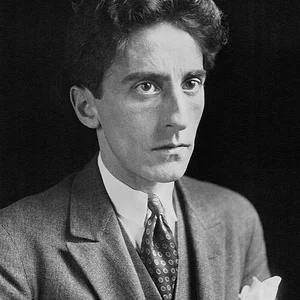
Jean Cocteau
1889 — 1963
Jean Cocteau (1889-1963) was a French poet, novelist, playwright, illustrator, and filmmaker. An unclassifiable figure of the avant-garde, he worked across every art form and embodies the spirit of modern creativity in the early 20th century.
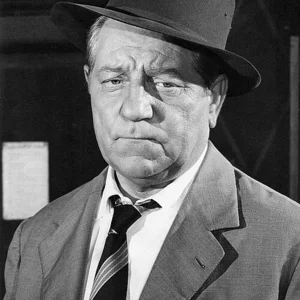
Jean Gabin
1904 — 1976
Jean Gabin (1904–1976) is one of the greatest French actors of the 20th century. He rose to fame in the 1930s with films such as La Bête humaine and La Grande Illusion, embodying the myth of the working-class man — tough yet sensitive.
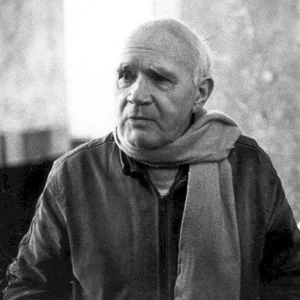
Jean Genet
1910 — 1986
French writer, poet, and playwright of the 20th century. Shaped by a childhood as an orphan, a thief, and a prisoner, he transformed marginality into provocative literary and theatrical work, celebrated by Sartre and Cocteau.
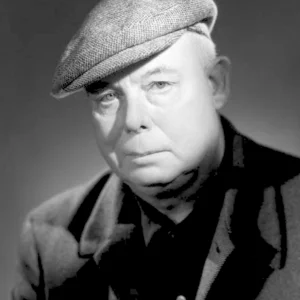
Jean Renoir
1894 — 1979
Jean Renoir was a French filmmaker and screenwriter, the son of the painter Auguste Renoir. A major figure of twentieth-century cinema, he left his mark on the history of the seventh art through his poetic realism and his humanism.
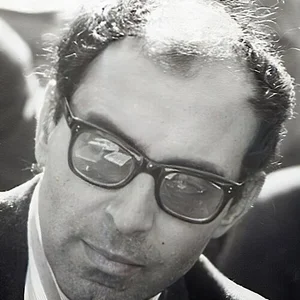
Jean-Luc Godard
1930 — 2022
Franco-Swiss filmmaker (1930–2022) and a major figure of the French New Wave. He revolutionized the language of cinema with films such as Breathless (1960), challenging the conventions of traditional storytelling.
Jean-Pierre Melville
1917 — 1973
Jean-Pierre Melville, whose real name was Jean-Pierre Grumbach, was a French filmmaker and a major figure of film noir and the French crime film. Independent and ahead of his time, he had a profound influence on the French New Wave.
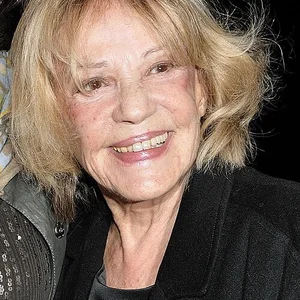
Jeanne Moreau
1928 — 2017
French actress, singer, and director (1928–2017), iconic figure of the French New Wave. Muse of François Truffaut and Louis Malle, she embodied a free and modern femininity in films that have become classics of world cinema.
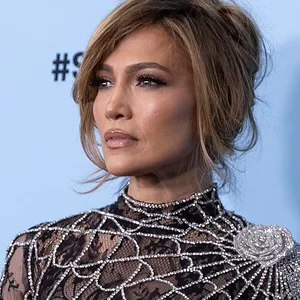
Jennifer Lopez
1969 — ?
Jennifer Lopez, born in 1969 in the Bronx, New York, is an American singer, actress, and dancer of Puerto Rican descent. She established herself in the 1990s as one of the most influential Latin artists in the world.
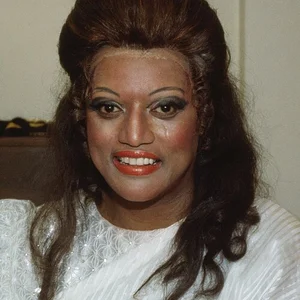
Jessye Norman
1945 — 2019
African-American soprano considered one of the greatest operatic voices of the 20th century. Born in 1945 in Georgia, she rose to prominence on the world's most prestigious stages (the Met Opera, Bayreuth, Covent Garden). A figure in the civil rights movement, she performed *La Marseillaise* on the Champs-Élysées during the bicentennial of the French Revolution in 1989.
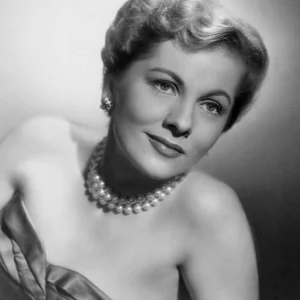
Joan Fontaine
1917 — 2013
A British actress born in 1917 in Japan and died in 2013, Joan Fontaine became a major Hollywood star in the 1940s. She won the Academy Award for Best Actress in 1942 for Alfred Hitchcock's Suspicion, cementing her place among the great stars of classic American cinema.
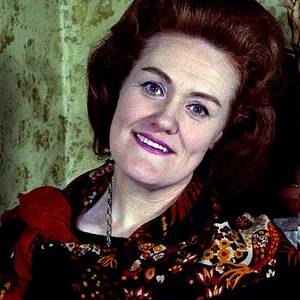
Joan Sutherland
1926 — 2010
Joan Sutherland (1926-2010) was an Australian soprano regarded as one of the greatest lyric voices of the 20th century. Nicknamed “La Stupenda”, she was celebrated for her interpretations of the bel canto repertoire of Donizetti, Bellini, and Verdi.
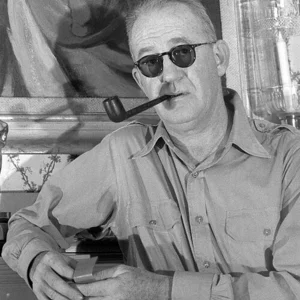
John Ford
1894 — 1973
John Ford (1894-1973) was an American director and producer, considered one of the masters of Hollywood cinema. An iconic figure of the western, he profoundly shaped the history of the seventh art and holds the record of four Academy Awards for Best Director.
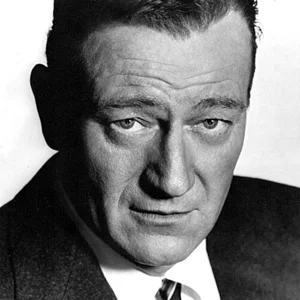
John Wayne
1907 — 1979
John Wayne was an American actor, director and producer, an iconic figure of the Hollywood western. Nicknamed “Duke,” he embodied the ideal of the cowboy and the rugged American hero in more than 150 films over a five-decade career.
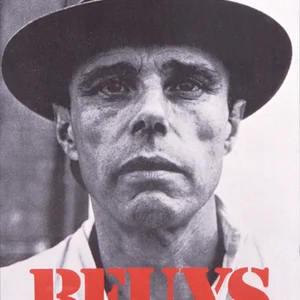
Joseph Beuys
1921 — 1986
Joseph Beuys (1921-1986) was a major postwar German artist — sculptor, draughtsman, and performer. A theorist of “social sculpture,” he expanded the notion of art to encompass the transformation of society and was a central figure in European contemporary art.
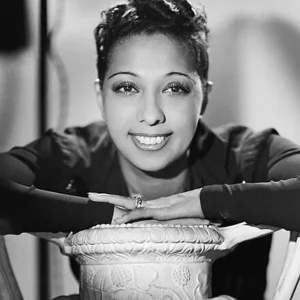
Joséphine Baker
1906 — 1975
French singer, dancer, and revue performer of American origin
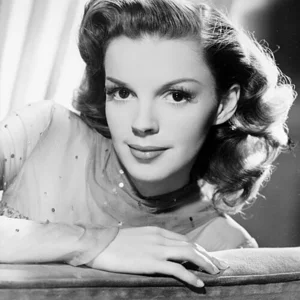
Judy Garland
1922 — 1969
Judy Garland (1922-1969) was an American actress and singer, and one of Hollywood's most iconic figures. She rose to fame at 17 in The Wizard of Oz (1939), becoming the defining star of Hollywood's golden age of musical cinema. Her extraordinary voice and tragic life story made her a symbol of 20th-century popular culture.
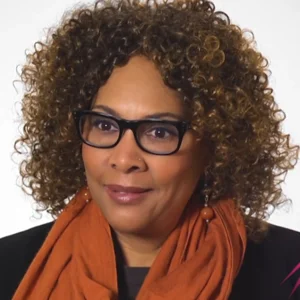
Julie Dash
1952 — ?
A pioneering American filmmaker, Julie Dash is best known for *Daughters of the Dust* (1991), the first feature film by an African American woman director to receive a national theatrical release in the United States. Her work explores memory, identity, and the cultural heritage of the African American diaspora.
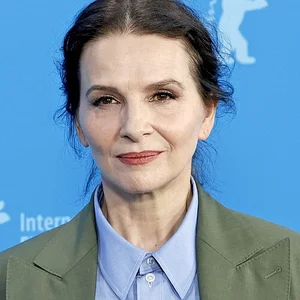
Juliette Binoche
1964 — ?
French actress born in 1964 in Paris, a leading figure in world arthouse cinema. She is the first actress to have won the César, the BAFTA, and the Academy Award in the same year (1997) for *The English Patient*, then the Best Actress prize at Cannes for *Certified Copy* (2010).
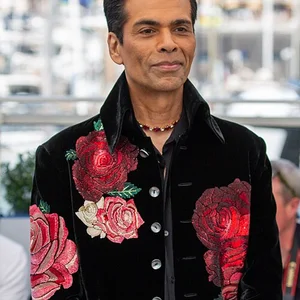
Karan Johar
1972 — ?
Indian director, producer, and screenwriter born in 1972, a major figure in Bollywood. He is known for his grand romantic and family films, most notably Kuch Kuch Hota Hai (1998).
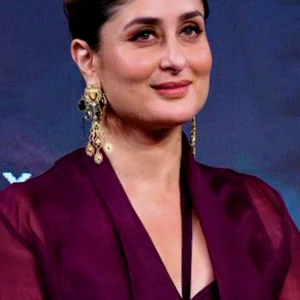
Kareena Kapoor
1980 — ?
Kareena Kapoor, born in 1980 in Mumbai, is one of Bollywood's most celebrated actresses. From the legendary Kapoor family of Indian cinema, she has left her mark on Hindi film through her versatile roles and iconic style since the 2000s.
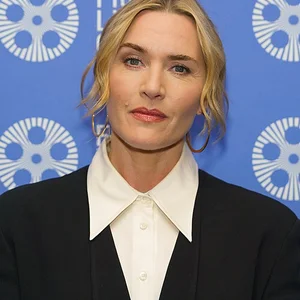
Kate Winslet
1975 — ?
Kate Winslet is a British actress born in 1975 in Reading, England. She rose to worldwide fame through James Cameron's Titanic in 1997 and is considered one of the greatest actresses of her generation. She won the Academy Award for Best Actress in 2009 for her role in The Reader.
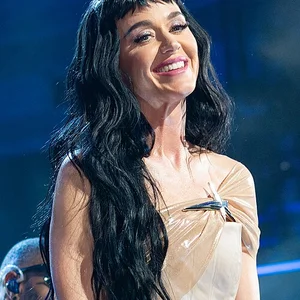
Katy Perry
1984 — ?
Katy Perry is an American singer-songwriter born in 1984 in Santa Barbara. She rose to prominence in the 2000s–2010s as one of the best-selling pop artists in the world, with global hits such as 'Roar' and 'Firework'.
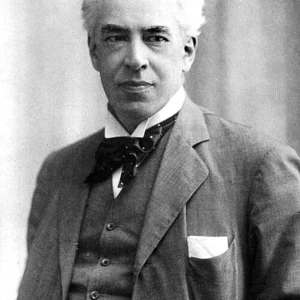
Konstantin Stanislavski
1863 — 1938
Russian actor, director and theorist, co-founder of the Moscow Art Theatre in 1898. He developed an acting method grounded in emotional sincerity that revolutionized dramatic art worldwide.
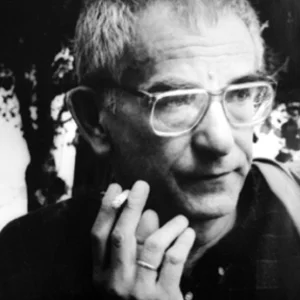
Krzysztof Kieślowski
1941 — 1996
Krzysztof Kieślowski (1941-1996) was a Polish filmmaker and a major figure in European cinema of the late twentieth century. Initially a documentarian, he made his name with the television series *The Decalogue* and then the *Three Colours: Blue, White, Red* trilogy.
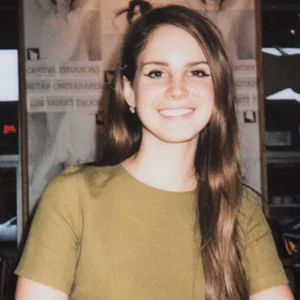
Lana Del Rey
1985 — ?
Lana Del Rey, born Elizabeth Woolridge Grant, is an American singer-songwriter born in 1985. Known for her melancholic lyrics and retro aesthetic, she blends pop, indie, and cinematic elements across acclaimed albums such as 'Born to Die' (2012).
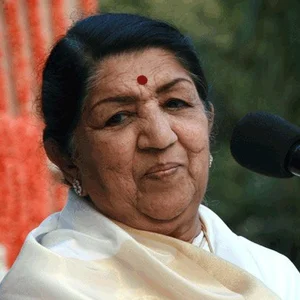
Lata Mangeshkar
1929 — 2022
Nicknamed the “Nightingale of India”, Lata Mangeshkar (1929–2022) is the most celebrated playback singer in Indian cinema. Over a career spanning more than 70 years, she recorded over 30,000 songs in some thirty languages, becoming a national cultural icon.
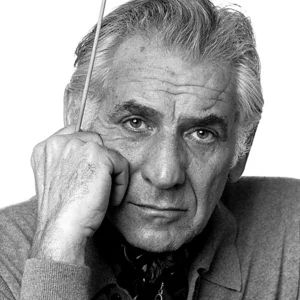
Leonard Bernstein
1918 — 1990
American composer and conductor (1918–1990), Leonard Bernstein led the New York Philharmonic and composed major works blending classical music and jazz. He is world-renowned for the musical West Side Story (1957).
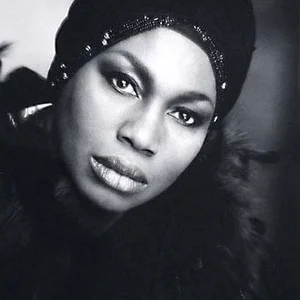
Leontyne Price
1927 — ?
An African-American lyric soprano born in 1927, Leontyne Price was the first Black woman to achieve the rank of prima donna at the Metropolitan Opera in New York. Celebrated for her interpretations of Verdi, she embodied both artistic excellence and triumph over racial segregation.
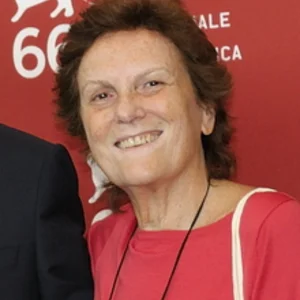
Liliana Cavani
1933 — ?
Italian director and screenwriter born in 1933. A figure of Italian auteur cinema, she is known for provocative works exploring power, memory, and Nazism, including “The Night Porter” (1974).
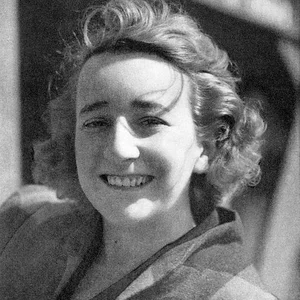
Lillian Hellman
1905 — 1984
American playwright and screenwriter (1905–1984), Lillian Hellman made her mark on Broadway with politically engaged plays denouncing social injustice and fascism. She became an iconic figure of resistance to McCarthyism by refusing to name her colleagues before the HUAC committee.
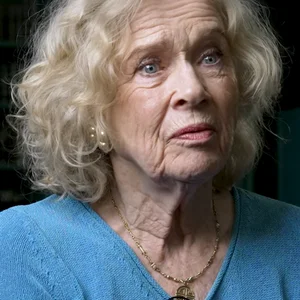
Liv Ullmann
1938 — ?
Liv Ullmann is a Norwegian actress, director, and screenwriter born in 1938. The muse of filmmaker Ingmar Bergman, she established herself as one of the greatest actresses in European cinema of the 20th century. She also advocates for children's rights as a UNICEF ambassador.
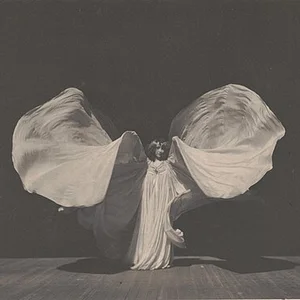
Loïe Fuller
1862 — 1928
American dancer (1862–1928), pioneer of modern dance and stage lighting design. Her serpentine dance with silk veils lit by colored electric lights made her famous at the Folies Bergère in Paris from 1892 onward, turning her into an icon of the Belle Époque and Art Nouveau.
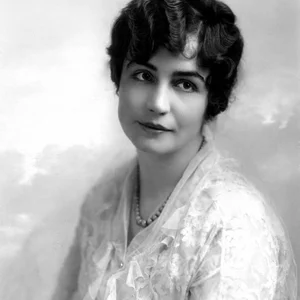
Lois Weber
1879 — 1939
Lois Weber (1879-1939) was one of the first great female directors in the history of American cinema. A Hollywood pioneer, she was one of the most influential and highest-paid filmmakers of the silent film era, tackling controversial social issues.
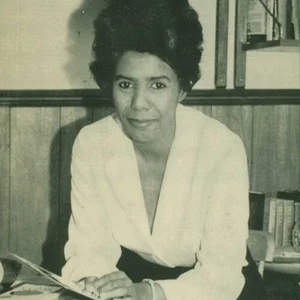
Lorraine Hansberry
1930 — 1965
American playwright and author (1930–1965), Lorraine Hansberry was the first Black woman to have a play produced on Broadway with *A Raisin in the Sun* (1959). A civil rights activist, she wove art and political commitment together in her fight against racial segregation.
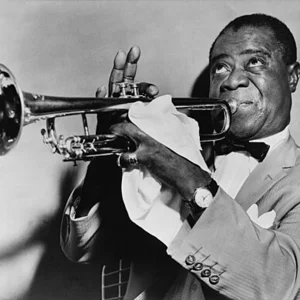
Louis Armstrong
1901 — 1971
American jazz trumpeter and singer born in New Orleans, nicknamed “Satchmo.” A founding figure of jazz, he revolutionized the art form with his virtuoso trumpet playing and his “scat” singing. He became one of the most famous musicians of the 20th century.
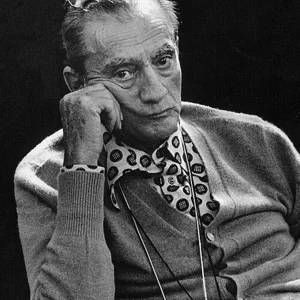
Luchino Visconti
1906 — 1976
Italian filmmaker and stage director, a count by birth and a Marxist by conviction. A pioneer of neorealism before crafting grand historical frescoes with sumptuous aesthetics, he was also a major director of theatre and opera.
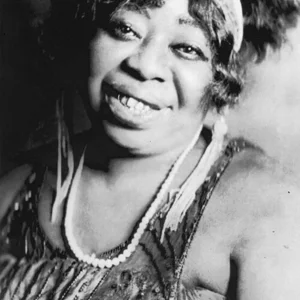
Ma Rainey
1886 — 1939
American blues singer, nicknamed the “Mother of the Blues.” A pioneer of classic blues, she was one of the first African American artists to record albums in the 1920s and influenced an entire generation of singers.
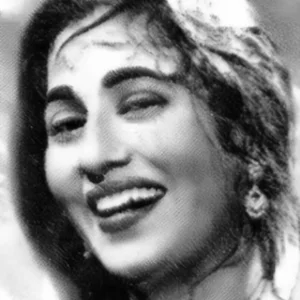
Madhubala
1933 — 1969
Madhubala (1933-1969) is considered one of the greatest actresses of classic Hindi cinema. Nicknamed the "Venus of Bollywood," she embodied beauty and talent in films that became classics of the golden age of Indian cinema.
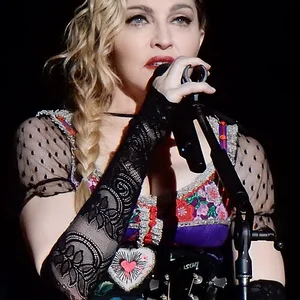
Madonna
1958 — ?
American singer, dancer, and businesswoman born in 1958, Madonna emerged in the 1980s as one of the most influential artists of the 20th century. Nicknamed the "Queen of Pop," she constantly pushes the boundaries of artistic creation and asserts her independence in a music industry dominated by men.
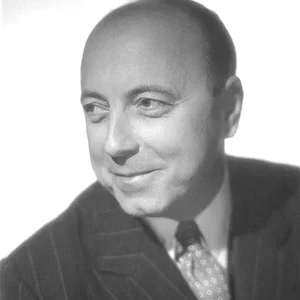
Marcel Carné
1906 — 1996
Marcel Carné was a French filmmaker and a major figure of the "poetic realism" movement of the 1930s and 1940s. With the poet-screenwriter Jacques Prévert, he made films that became classics of French cinema, including Children of Paradise.
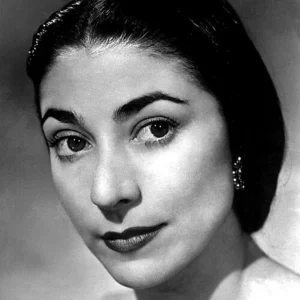
Margot Fonteyn
1919 — 1991
Margot Fonteyn (1919–1991) is considered one of the greatest ballerinas of the 20th century. Prima ballerina assoluta of the Royal Ballet in London, she formed with Rudolf Nureyev one of the most celebrated partnerships in the history of classical dance.
Marguerite Monnot
1903 — 1961
Marguerite Monnot (1903-1961) was a French composer, a classically trained pianist who became one of the great musical voices of French chanson. She wrote numerous hits for Édith Piaf as well as the musical “Irma la Douce.”
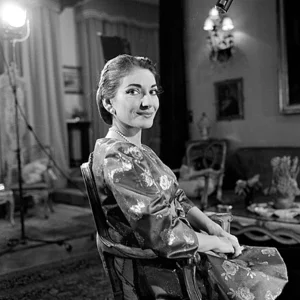
Maria Callas
1923 — 1977
La Divina, the most celebrated opera soprano of the 20th century
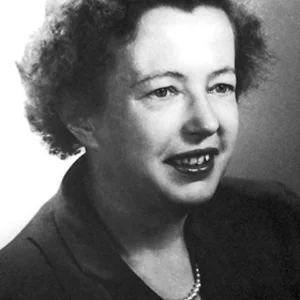
Maria Goeppert Mayer
1906 — 1972
An American theoretical physicist of German origin, she developed the nuclear shell model of the atomic nucleus. In 1963, she became the second woman in history to receive the Nobel Prize in Physics, after Marie Curie.
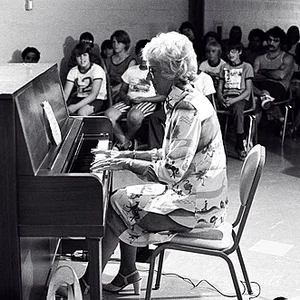
Marian McPartland
1918 — 2013
British-American jazz pianist Marian McPartland made her mark on the New York scene from the 1950s onward. She is best known for hosting the radio show “Piano Jazz” for more than thirty years on the American public radio network NPR.
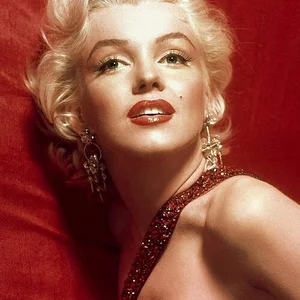
Marilyn Monroe
1926 — 1962
An American actress, model, and singer, Marilyn Monroe became one of the major cultural icons of the 20th century. A symbol of Hollywood glamour and American consumer society in the 1950s–1960s, her tragic life continues to fuel conversations about the treatment of women in the entertainment industry.
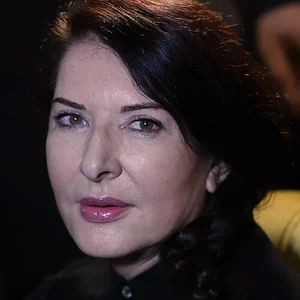
Marina Abramović
1946 — ?
Marina Abramović is a Serbian artist born in 1946, a pioneer of performance art. Since the 1970s, she has explored the limits of the body, of endurance, and of the relationship between the artist and the audience, becoming one of the major figures of contemporary art.
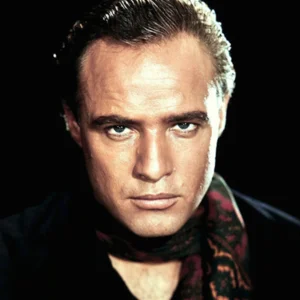
Marlon Brando
1924 — 2004
Marlon Brando (1924-2004) was an American actor and director regarded as one of the most influential figures in twentieth-century cinema. A leading exponent of the Actors Studio's “Method,” he revolutionized acting through his naturalism and intensity.
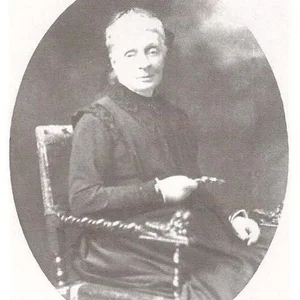
Marquise de Belbeuf
French aristocrat, daughter of the Duke of Morny, known by the nickname “Missy.” A sculptor and music-hall performer, she lived openly dressed as a man and had a famous relationship with the writer Colette, sparking the Moulin Rouge scandal of 1907.
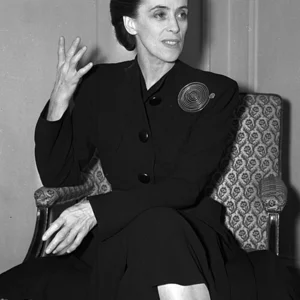
Martha Graham
1894 — 1991
Martha Graham (1894-1991) was an American dancer and choreographer, founder of modern dance. She revolutionized the art of choreography by breaking away from classical ballet, developing a technique based on contraction and release of the body.
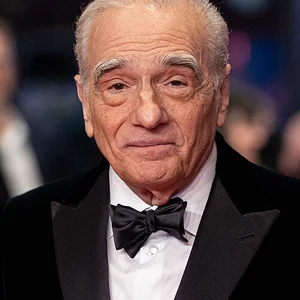
Martin Scorsese
1942 — ?
Martin Scorsese is an American filmmaker, screenwriter, and producer born in 1942 in New York. A major figure of the New Hollywood movement, he is one of the most influential directors in contemporary cinema.
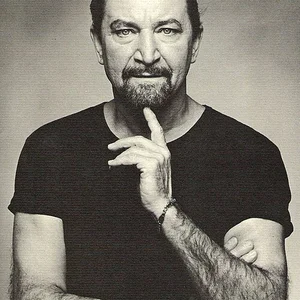
Maurice Béjart
1927 — 2007
Maurice Béjart was a Franco-Swiss dancer and choreographer, a major figure in 20th-century contemporary dance. Founder of the Ballet of the 20th Century and later the Béjart Ballet Lausanne, he brought dance to a wide audience with spectacular and accessible performances.
Maurice Pialat
1925 — 2003
Maurice Pialat (1925-2003) was a major French filmmaker, trained as a painter, known for a realistic, blunt style of cinema exploring family and romantic relationships. His work, devoted to the truth of emotions, left a deep mark on French auteur cinema.
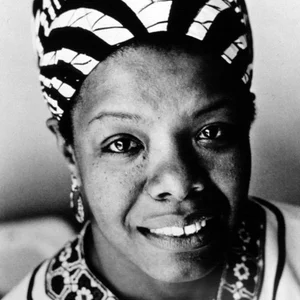
Maya Angelou
1928 — 2014
African-American poet, memoirist, and activist (1928–2014), Maya Angelou is best known for her autobiography I Know Why the Caged Bird Sings. A committed figure in the civil rights movement alongside Martin Luther King Jr., she became one of the most important voices in 20th-century American literature.
Maya Plisetskaya
Maya Plisetskaya (1925-2015) is one of the greatest ballerinas of the 20th century. A Bolshoi prima ballerina for over fifty years, she brought extraordinary virtuosity to her roles in Carmen and Swan Lake, leaving a lasting mark on the history of classical dance worldwide.
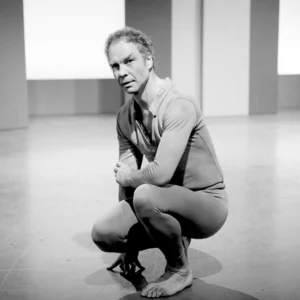
Merce Cunningham
1919 — 2009
Merce Cunningham (1919-2009) was an American dancer and choreographer, a major figure in modern and contemporary dance. A pioneer of abstract dance, he revolutionized choreography by detaching it from music and narrative.
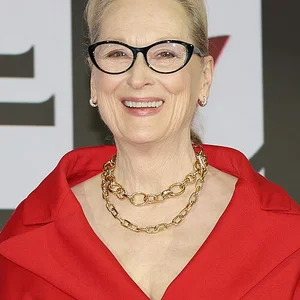
Meryl Streep
1949 — ?
Meryl Streep is an American actress born in 1949, considered one of the greatest performers in the history of cinema. The recipient of three Academy Awards, she has distinguished herself in roles of exceptional diversity, from historical drama to musical comedy.
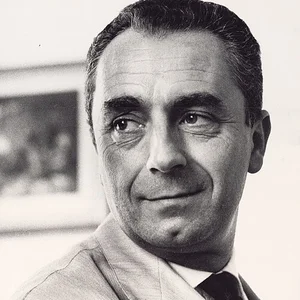
Michelangelo Antonioni
1912 — 2007
A major Italian filmmaker of the post-war era, Michelangelo Antonioni (1912-2007) reinvented the language of cinema by exploring the inability to communicate and the existential emptiness of modern life. His films break with classical storytelling in favor of dead time and visual composition.
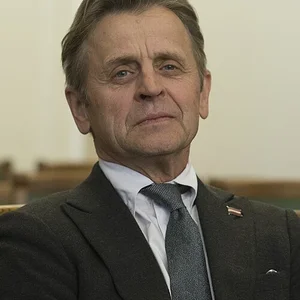
Mikhail Baryshnikov
1948 — ?
Dancer and choreographer of Latvian origin, considered one of the greatest classical dancers of the 20th century. Trained at the Vaganova school in Leningrad, he defected to the West in 1974 and became a major figure in American ballet, before turning to contemporary dance, theater, and film.
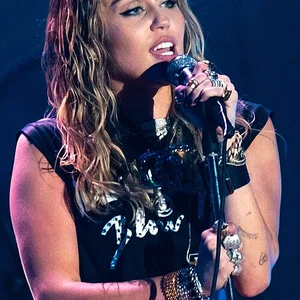
Miley Cyrus
1992 — ?
Born in 1992 in the United States, Miley Cyrus is a versatile artist who has established herself as a singer-songwriter and actress. She first rose to fame through the Hannah Montana series (Disney Channel), before successfully transitioning to an independent and outspoken musical career.
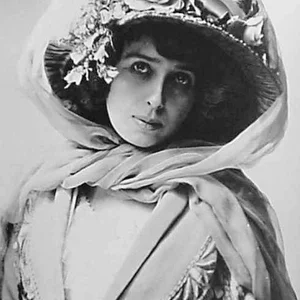
Mistinguett
1875 — 1956
Revue headliner and undisputed star of the French music hall, Mistinguett reigned over the stages of the Moulin Rouge, the Folies Bergère, and the Casino de Paris from the Belle Époque through the 1950s. Famous for her insured legs, her popular charm, and her song “Mon Homme”, she was the most popular French entertainer of the first half of the 20th century.
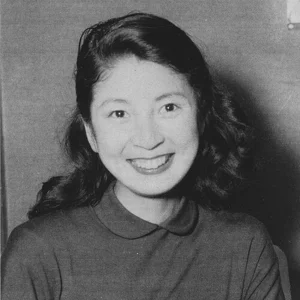
Momoko Kōchi
1932 — 1998
Momoko Kōchi (1932–1998) was a Japanese actress best known for her role in Ishirō Honda's original Godzilla (1954). She played Emiko Yamane, one of the main characters in this iconic film of postwar Japanese science fiction.
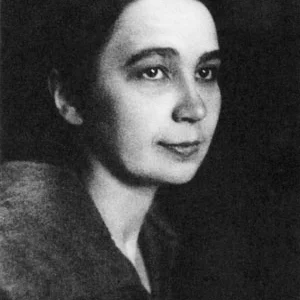
Natalia Goncharova
1881 — 1962
Russian painter, draughtswoman, and set designer, a major figure of the early 20th-century avant-garde. Co-founder of Rayonism with Mikhail Larionov, she also distinguished herself through her sets and costumes for Diaghilev's Ballets Russes.
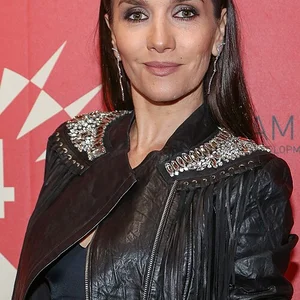
Natalia Oreiro
1977 — ?
Natalia Oreiro is a Uruguayan actress and singer born in 1977 in Montevideo. She gained international fame through Argentine telenovelas of the 1990s and 2000s, and a music career that made her especially popular in Eastern Europe.
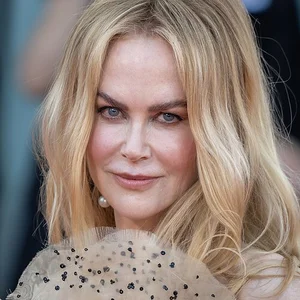
Nicole Kidman
1967 — ?
An Australian-American actress born in 1967, Nicole Kidman is one of Hollywood's greatest stars. She won the Academy Award in 2003 for The Hours, and has left her mark on world cinema through the range of her roles and her artistic commitment.
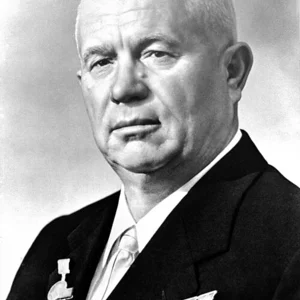
Nikita Khrushchev
1894 — 1971
Soviet leader from 1953 to 1964, Khrushchev succeeded Stalin and launched a policy of de-Stalinization. A central figure of the Cold War, he confronted the United States during the Cuban Missile Crisis of 1962.
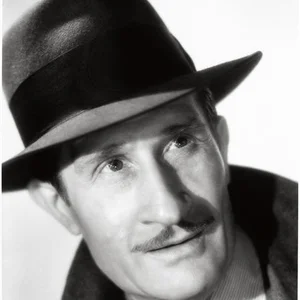
Noël Roquevert
1892 — 1973
French actor born in 1892 and died in 1973, Noël Roquevert is best known for his roles as grumpy gendarmes, military figures, and authoritarian characters in film. He appeared in over 200 movies, leaving his mark on French cinema from the 1930s through the 1970s.
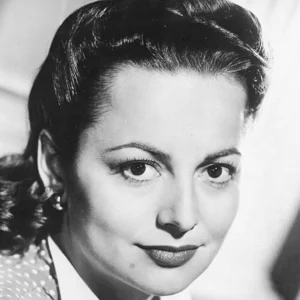
Olivia de Havilland
1916 — 2020
A British actress born in 1916 in Tokyo, Olivia de Havilland was one of Hollywood's greatest stars of the 1930s and 1940s. She won two Academy Awards for Best Actress and successfully fought against the Hollywood studio system, paving the way for actors' contractual freedom.
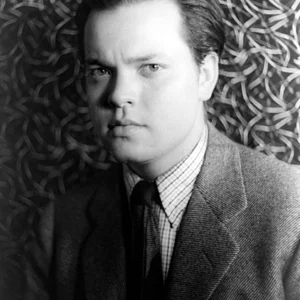
Orson Welles
1915 — 1985
American director, actor, and screenwriter (1915–1985), Orson Welles revolutionized cinema with Citizen Kane (1941), widely regarded as one of the greatest films ever made. A towering figure in filmmaking, he also left a lasting mark on radio and theater.
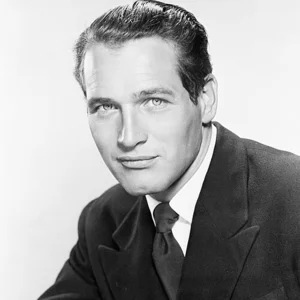
Paul Newman
1925 — 2008
Paul Newman was an American actor and a major figure of Hollywood cinema in the second half of the 20th century. Renowned for his charisma and the exceptional longevity of his career, he was also a racing driver and a committed philanthropist.
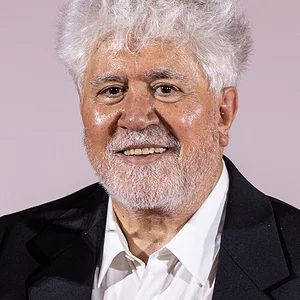
Pedro Almodóvar
1949 — ?
Spanish filmmaker, screenwriter and producer born in 1949, a major figure of contemporary European cinema. Brought to prominence by the “Movida madrileña” following Franco's death, he established himself as the author of a flamboyant cinema blending melodrama, humor and desire.
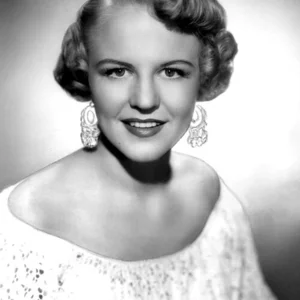
Peggy Lee
1920 — 2002
Peggy Lee (1920-2002) was an American jazz and popular singer, songwriter, and actress. After rising to fame with Benny Goodman's orchestra, she established herself as a solo artist with hits such as “Fever” and “Is That All There Is?”.
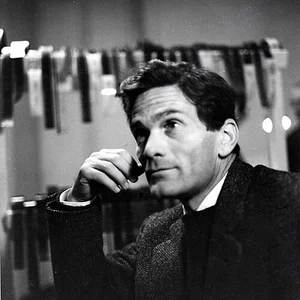
Pier Paolo Pasolini
1922 — 1975
Italian writer, poet and filmmaker, a major figure of the politically engaged post-war intelligentsia. A heterodox Marxist and critic of consumer society, he left his mark on literature as much as on cinema before his murder in 1975.
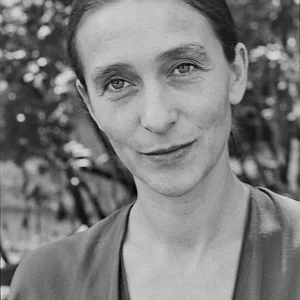
Pina Bausch
1940 — 2009
German dancer and choreographer
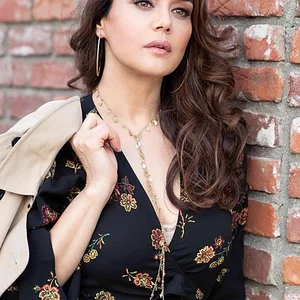
Preity Zinta
1975 — ?
Preity Zinta is an Indian actress born on January 31, 1975, in Shimla. She rose to fame with the film Dil Se (1998) and became one of Bollywood's most popular actresses throughout the 2000s. She is also known for her humanitarian work and international career.

Priyanka Chopra
1982 — ?
Priyanka Chopra is an Indian actress and singer born in 1982 in Jamshedpur. Crowned Miss World in 2000, she became one of Bollywood's most popular actresses before breaking into Hollywood. She embodies India's cultural influence on the world stage.
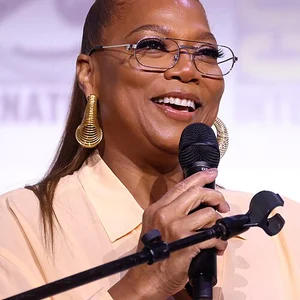
Queen Latifah
1970 — ?
A pioneer of American female hip-hop, Queen Latifah made her mark from the late 1980s with politically engaged and feminist rap. She went on to build a dual career as a singer and actress, becoming one of the most influential women in the entertainment industry.
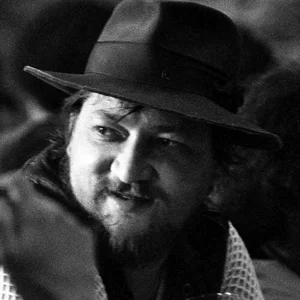
Rainer Werner Fassbinder
1945 — 1982
German filmmaker, playwright, and actor, a major figure of New German Cinema. Over a dazzling career spanning some fifteen years, he directed more than forty films that dissect postwar West German society.
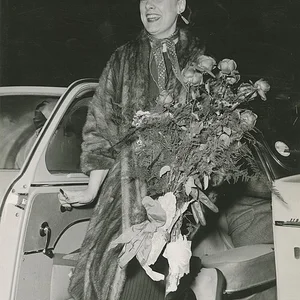
Renata Tebaldi
1922 — 2004
Renata Tebaldi (1922–2004) was one of the greatest Italian sopranos of the 20th century, celebrated for the purity and power of her voice. She dominated the world's opera stages, most notably La Scala in Milan and the Metropolitan Opera in New York, and was the legendary rival of Maria Callas.
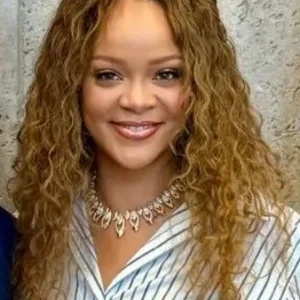
Rihanna
1988 — ?
Rihanna is a Barbadian singer, actress, and businesswoman born in 1988. She rose to international fame in the 2000s and became one of the best-selling music artists in history. She is also the founder of the Fenty Beauty and Savage X Fenty brands.
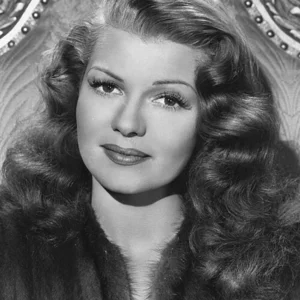
Rita Hayworth
1918 — 1987
Rita Hayworth (1918-1987) was an American actress and dancer, considered one of the greatest Hollywood stars of the 1940s. A glamour icon, she is best known for her role in Gilda (1946).
Robert Bresson
1901 — 1999
Robert Bresson (1901-1999) was a major French filmmaker of the 20th century. A theorist of pared-down cinema, he forged an aesthetic of austerity by using non-professional actors whom he called his “models.”
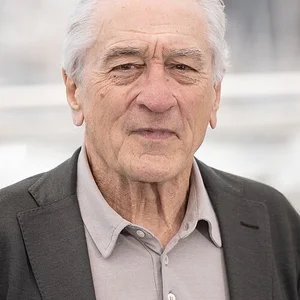
Robert De Niro
1943 — ?
American actor considered one of the greatest of his generation and a major figure of New Hollywood. Renowned for his total immersion in his roles, he left his mark on film history through his collaboration with Martin Scorsese. He is also a producer and co-founder of the Tribeca Film Festival.
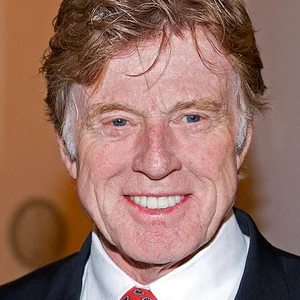
Robert Redford
1936 — 2025
Robert Redford was an American actor, director, and producer, a major figure in 1960s–1970s Hollywood cinema. In 1981 he founded the Sundance Film Festival, which became the world's leading showcase for independent film.
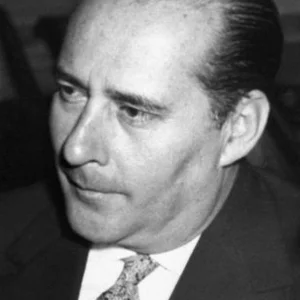
Roberto Rossellini
1906 — 1977
Roberto Rossellini (1906-1977) was an Italian director and a major figure of neorealism. With films like *Rome, Open City*, he revolutionized cinema by capturing the reality of postwar Italy, shooting with a handheld camera and non-professional actors.
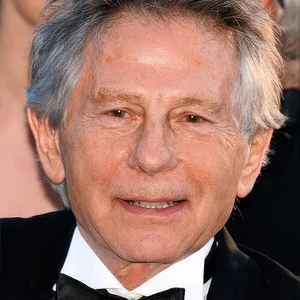
Roman Polanski
1933 — ?
Roman Polanski is a Franco-Polish director, producer, and screenwriter born in 1933. A survivor of the Kraków Ghetto during the Holocaust, he became one of the leading figures of international cinema, moving between psychological thrillers and historical dramas.
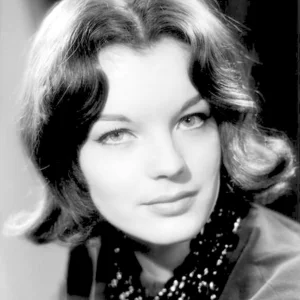
Romy Schneider
1938 — 1982
Franco-German actress (1938-1982), launched to fame by the Sissi trilogy, she went on to establish herself as one of the greatest European actresses under the direction of Visconti, Sautet, and Zurlini. An icon of auteur cinema, her career path illustrates the transformation of the European star system.
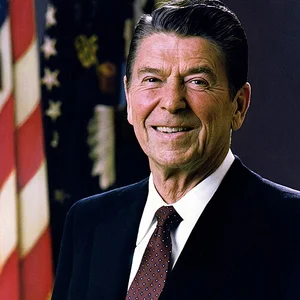
Ronald Reagan
1911 — 2004
Ronald Reagan was the 40th President of the United States (1981-1989). A former Hollywood actor who became Governor of California, he embodied American conservatism and played a major role in the final years of the Cold War.
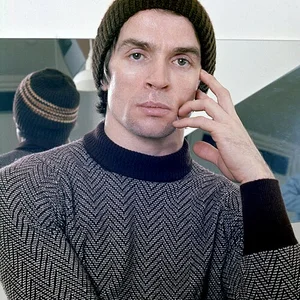
Rudolf Nureyev
1938 — 1993
A principal dancer and choreographer of Soviet origin, Rudolf Nureyev (1938-1993) was one of the greatest classical dancers of the 20th century. After defecting to the West in 1961, he revolutionized the role of the male dancer and directed the Paris Opera Ballet.
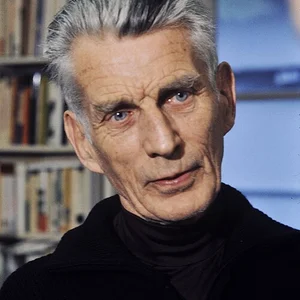
Samuel Beckett
1906 — 1989
Irish writer, playwright and poet who wrote in both French and English. A leading figure of the Theatre of the Absurd, he revolutionised dramatic writing with Waiting for Godot (1953). Nobel Prize in Literature in 1969.
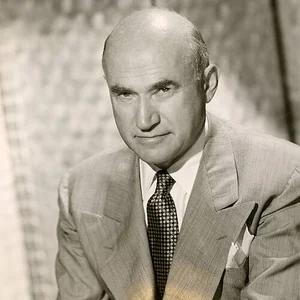
Samuel Goldwyn
1879 — 1974
A Polish-born Hollywood producer, Samuel Goldwyn was one of the founders of the American film industry. He co-founded several major studios and produced hundreds of films that shaped the golden age of Hollywood.
Sarah Kane
1971 — 1999
British playwright (1971-1999), Sarah Kane is one of the major figures of radical contemporary theatre. Her plays, marked by extreme violence, psychological suffering and the disintegration of language, shook the English-speaking stage in the 1990s.
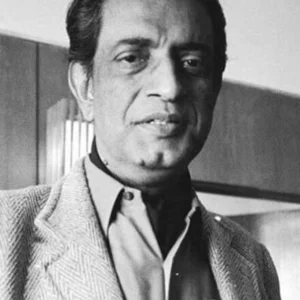
Satyajit Ray
1921 — 1992
Indian Bengali filmmaker, writer and composer
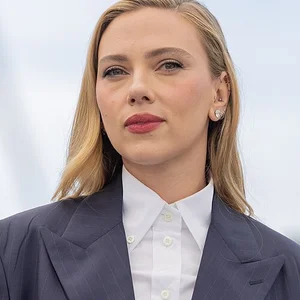
Scarlett Johansson
1984 — ?
An American-Danish actress and singer born in 1984 in New York, Scarlett Johansson established herself in the 2000s as one of Hollywood's most influential actresses. She is also a producer and an advocate for feminist causes.
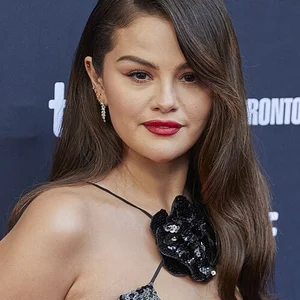
Selena Gomez
1992 — ?
Selena Gomez is an American singer and actress born on July 22, 1992, in Grand Prairie, Texas. Rising to fame through a Disney Channel series, she became a global pop icon and influential entrepreneur. She is also an advocate for mental health awareness and Latino representation in the media.
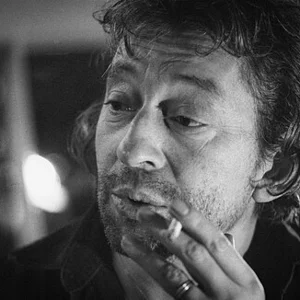
Serge Gainsbourg
1928 — 1991
French singer-songwriter, film director, and painter (1928–1991), a towering figure of French popular music. A provocateur and poet, he left his mark on popular culture with works blending humor, eroticism, and artistic boldness.
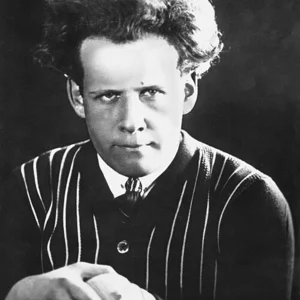
Sergei Eisenstein
1898 — 1948
Soviet filmmaker and theorist, a pioneer of cinematic language. He revolutionized the art of film through his theory of the montage of attractions, illustrated in works such as Battleship Potemkin.
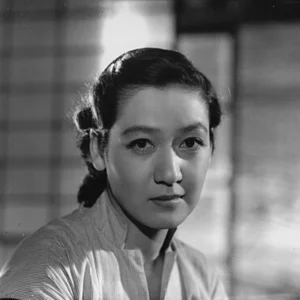
Setsuko Hara
1920 — 2015
A Japanese actress considered one of the greatest in Japanese cinema, she is inseparable from the films of Yasujirō Ozu. Her radiant smile and restrained presence earned her the nickname “Eternal Goddess.” She mysteriously retired from cinema in 1963.

Shakira
1977 — ?
Shakira is a Colombian singer, songwriter, and actress born in 1977 in Barranquilla. A global icon of Latin pop, she blends Arabic, rock, and Afro-Caribbean influences. She was the first Latin American artist to surpass one billion views on YouTube.
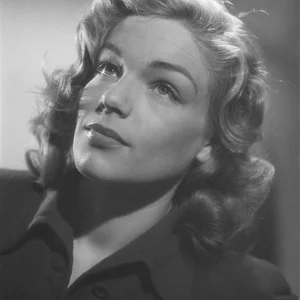
Simone Signoret
1921 — 1985
French actress and writer (1921–1985), Simone Signoret was the first French actress to win the Academy Award for Best Actress for Room at the Top (1959). An icon of postwar cinema, she was equally recognized for her political activism and her memoirs.
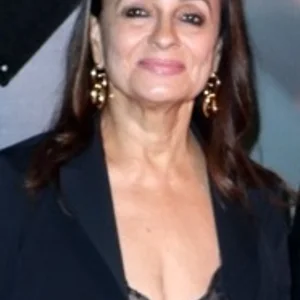
Soni Razdan
1956 — ?
Soni Razdan is an Indian actress born in 1958, known for her roles in Hindi cinema and Indian television series. She is also the mother of actress Alia Bhatt.
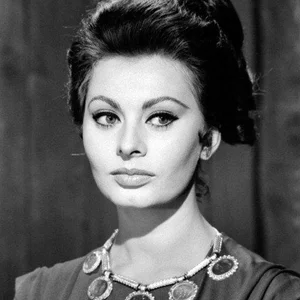
Sophia Loren
1934 — ?
Italian actress born in 1934, Sophia Loren is one of the greatest stars in world cinema. The first actress to win an Academy Award for a role performed in a foreign language, she embodies both glamour and Italian neorealism.
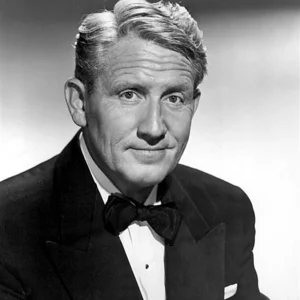
Spencer Tracy
1900 — 1967
Spencer Tracy (1900-1967) was one of the most respected actors of Hollywood's golden age. Known for his natural, understated acting, he was the first performer to win two consecutive Academy Awards for Best Actor and formed a famous duo, both on screen and in real life, with Katharine Hepburn.
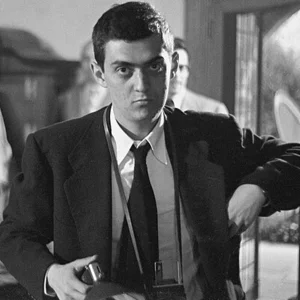
Stanley Kubrick
1928 — 1999
Stanley Kubrick (1928-1999) was an American director, screenwriter and producer. A former photographer, he became one of the most influential filmmakers of the 20th century, renowned for his perfectionism and the diversity of his genres, from war films to science fiction.
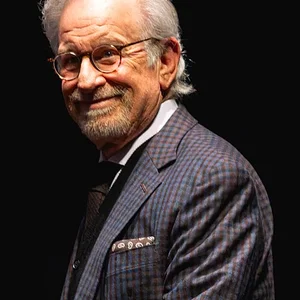
Steven Spielberg
1946 — ?
Steven Spielberg est un réalisateur, scénariste et producteur de cinéma américain né en 1946. Figure majeure du Nouvel Hollywood, il a inventé le blockbuster moderne tout en signant des films historiques saluant par la critique. Il compte parmi les cinéastes les plus influents et populaires de la fin du XXe siècle.
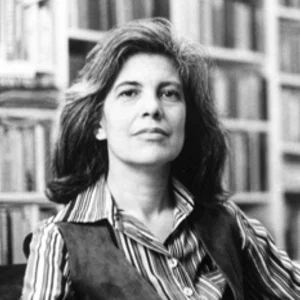
Susan Sontag
1933 — 2004
Susan Sontag (1933-2004) was a major American intellectual of the 20th century — essayist, novelist, and activist. Known for her reflections on photography, illness, and war, she profoundly shaped contemporary critical thought.
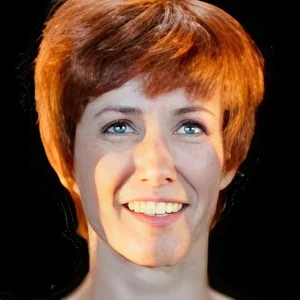
Sylvie Guillem
1965 — ?
Sylvie Guillem (born 1965) is a French ballet dancer considered one of the greatest ballerinas of the 20th century. Trained at the Paris Opéra Ballet, she revolutionized classical dance with her exceptional technique and expressiveness. She became an étoile at 19 before pursuing an international career at the Royal Ballet in London.
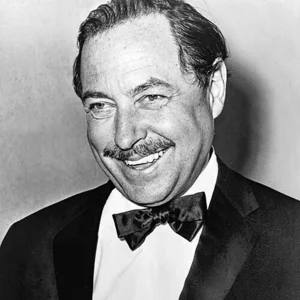
Tennessee Williams
1911 — 1983
Tennessee Williams (1911-1983) was one of the greatest American playwrights of the 20th century. His plays, marked by psychological tension and the decline of the American South, profoundly reshaped modern theatre.
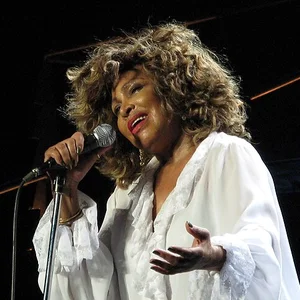
Tina Turner
1939 — 2023
Born Anna Mae Bullock in 1939 in Tennessee, Tina Turner is one of the greatest rock and soul singers of the 20th century. After surviving an abusive marriage to Ike Turner, she made a triumphant solo comeback in the 1980s.
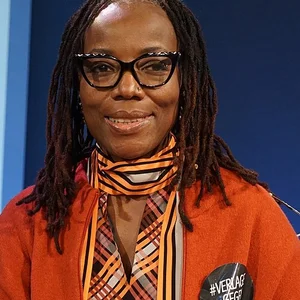
Tsitsi Dangarembga
1959 — ?
Zimbabwean novelist and filmmaker born in 1959, Tsitsi Dangarembga is the first Black woman from Zimbabwe to have published a novel in English. Her work explores colonization, the condition of women, and African identity in a postcolonial society.
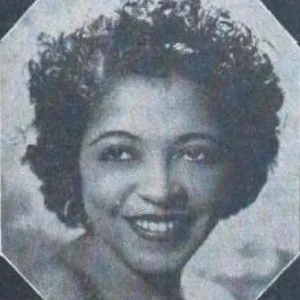
Valaida Snow
1904 — 1956
Valaida Snow (1904-1956) was an African American jazz trumpeter, singer, and bandleader. Nicknamed “the Queen of the Trumpet,” she enjoyed an international career between the two World Wars before the Second World War shattered her trajectory.
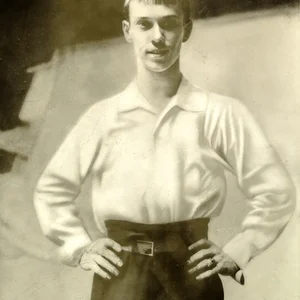
Vaslav Nijinsky
1889 — 1950
Russian dancer and choreographer of Polish descent, a leading figure of Sergei Diaghilev's Ballets Russes. His technical virtuosity and revolutionary choreographies (*The Rite of Spring*) profoundly reshaped dance in the early 20th century.
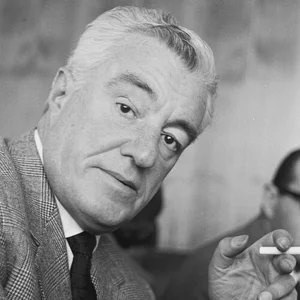
Vittorio De Sica
1901 — 1974
Vittorio De Sica (1901-1974) was an Italian director, screenwriter, and actor, a major figure of neorealism. His film *Bicycle Thieves* (1948) is regarded as a masterpiece of world cinema.
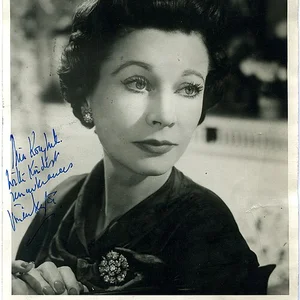
Vivien Leigh
1913 — 1967
British actress born in 1913, Vivien Leigh is world-famous for her role as Scarlett O'Hara in Gone with the Wind (1939). A two-time Oscar winner, she embodied Hollywood glamour while also pursuing a demanding stage career in London.
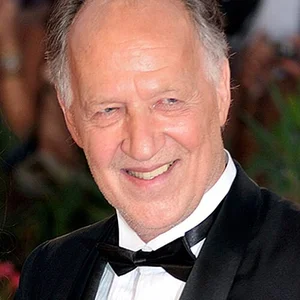
Werner Herzog
1942 — ?
Werner Herzog is a German filmmaker, screenwriter, and actor born in 1942, a leading figure of the New German Cinema. Both his fiction films and his documentaries explore boundless dreams, hostile nature, and the fringes of humanity.
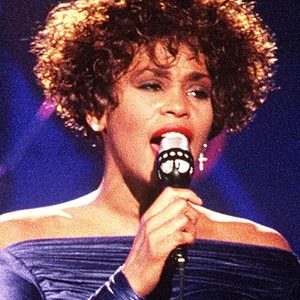
Whitney Houston
1963 — 2012
Whitney Houston (1963-2012) is one of the greatest American singers of all time, celebrated for her exceptional voice. She dominated global charts throughout the 1980s and 1990s and starred in the blockbuster film The Bodyguard (1992).
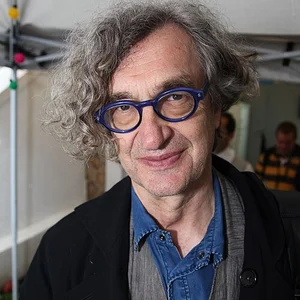
Wim Wenders
1945 — ?
Wim Wenders, born in 1945 in Düsseldorf, is a German director, screenwriter and photographer. A major figure of New German Cinema, he is famous for his films about wandering, memory and the act of looking, as well as for his photographic work.
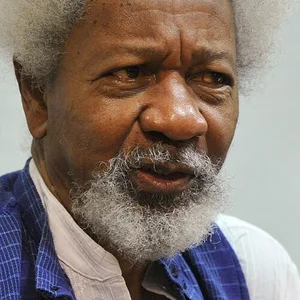
Wole Soyinka
1934 — ?
Wole Soyinka is a Nigerian writer, playwright, and poet born in 1934. The first African author to receive the Nobel Prize in Literature in 1986, he is a major figure in the defense of human rights and freedom in Africa.

Wong Kar-wai
1958 — ?
Wong Kar-wai is a Hong Kong director, screenwriter, and producer born in 1958 in Shanghai. A major figure of Asian auteur cinema, he is celebrated for his mesmerizing visual style and his melancholic stories about love and the passage of time.
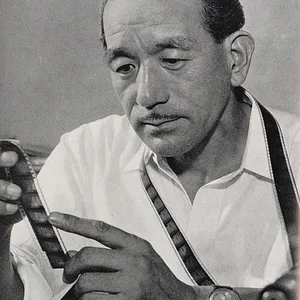
Yasujirō Ozu
1903 — 1963
Yasujirō Ozu (1903-1963) was a Japanese filmmaker, one of the greatest masters of world cinema. His intimate films delicately portray the Japanese family and the passage of time, in a spare, contemplative style.
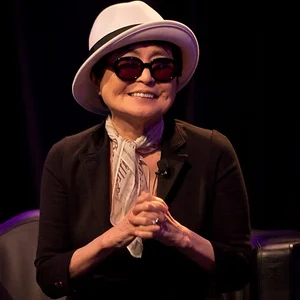
Yoko Ono
1933 — ?
Yoko Ono is a Japanese artist born in 1933 in Tokyo, a major figure in conceptual art and the Fluxus movement. A peace activist, she is also known for her artistic and political commitment alongside John Lennon. Her work explores audience participation, peace, and memory.
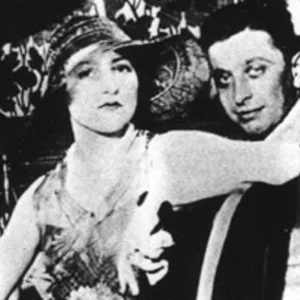
Youki
1903 — 1966
Youki Desnos (née Lucie Badoul, 1903–1962) was one of the iconic figures of the Parisian bohemian scene between the two World Wars. A model and muse for the painter Foujita, then partner of the Surrealist poet Robert Desnos, she was a central presence in the artistic circles of Montparnasse before becoming a gallerist.
21st Century(19)
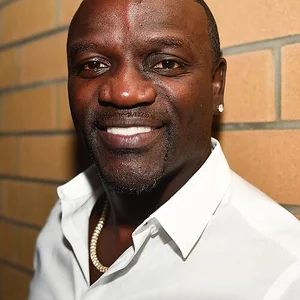
Akon
1973 — ?
An American-Senegalese singer, songwriter, and producer, Akon rose to global fame in the 2000s with worldwide hits blending R&B, pop, and African influences. He is also an entrepreneur, most notably through his project to bring electricity to Africa.
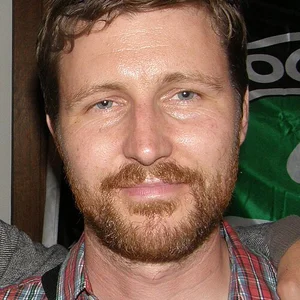
Andrew Haigh
1973 — ?
British director, screenwriter, and editor born in 1973, Andrew Haigh is acclaimed for his intimate films exploring human relationships and LGBTQ+ identity. He is best known for Weekend (2011) and 45 Years (2015).
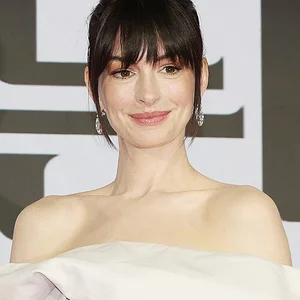
Anne Hathaway
1982 — ?
American actress born in 1982, Anne Hathaway has established herself as one of Hollywood's biggest stars. She won the Academy Award for Best Supporting Actress in 2013 for her portrayal of Fantine in Les Misérables.
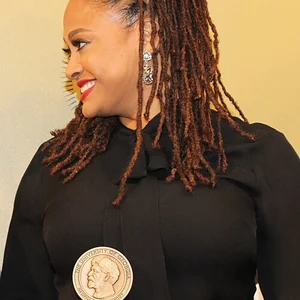
Ava DuVernay
1972 — ?
American director, producer, and screenwriter, Ava DuVernay has established herself as a major voice in socially engaged cinema. With Selma (2014) and the documentary 13th (2016), she explores the struggle for civil rights and racial inequality in the United States.
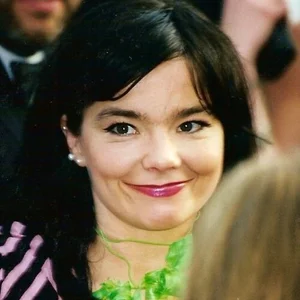
Björk
1965 — ?
Icelandic singer, composer, and artist born in 1965 in Reykjavík, pioneer of experimental electronic music and avant-garde pop. She is also an actress, awarded at Cannes in 2000 for Dancer in the Dark.
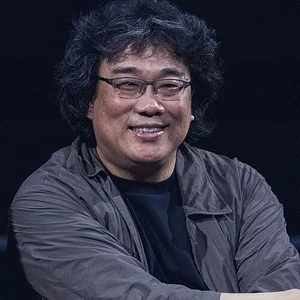
Bong Joon-ho
1969 — ?
Bong Joon-ho is a South Korean director and screenwriter born in 1969, a major figure in contemporary cinema. Blending social criticism, satire, and dramatic tension, he has established himself as one of the most influential filmmakers of the 21st century.
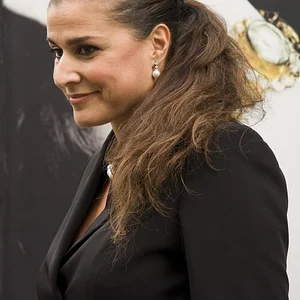
Cecilia Bartoli
1966 — ?
Italian mezzo-soprano born in 1966 in Rome, Cecilia Bartoli is one of the greatest opera singers of her generation. A specialist in baroque and classical repertoire, she has brought to light many forgotten works by Vivaldi, Salieri, and Agostino Steffani.
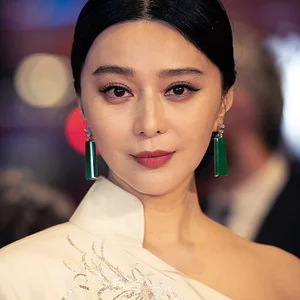
Fan Bingbing
1981 — ?
Fan Bingbing is a Chinese actress and film producer, considered one of the most famous and highest-paid stars in Asia. She rose to meteoric fame before becoming embroiled in a tax scandal in 2018.

Gal Gadot
1985 — ?
Gal Gadot is an Israeli actress, producer and former model, born in 1985. Brought to prominence by the Fast & Furious saga and then known worldwide for her role as Wonder Woman, she is one of the major figures of Hollywood superhero cinema.
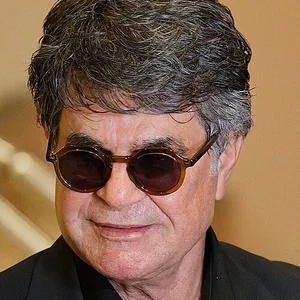
Jafar Panahi
1960 — ?
Jafar Panahi is an Iranian filmmaker born in 1960, a major figure in contemporary auteur cinema. A multiple award winner at the great film festivals, he was banned by the regime from making films and from leaving Iran, becoming a symbol of creative freedom.
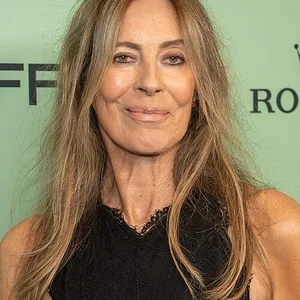
Kathryn Bigelow
1951 — ?
American director born in 1951, Kathryn Bigelow became in 2010 the first woman to win the Academy Award for Best Director for The Hurt Locker. A pioneer of action cinema, she explores war and violence with striking documentary-style realism.
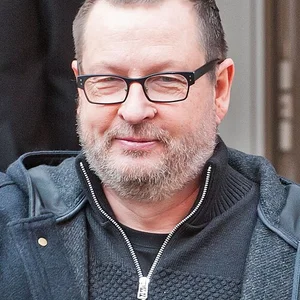
Lars von Trier
1956 — ?
Lars von Trier is a Danish director, screenwriter, and producer born in 1956. A leading figure in European auteur cinema, in 1995 he co-founded the Dogme 95 movement and has made provocative films honored at the major festivals.

Mariah Carey
1969 — ?
American singer and songwriter born in 1969, Mariah Carey is one of the best-selling artists in history with over 200 million albums sold. Known for her exceptional five-octave vocal range and whistle register, she dominated the American charts throughout the 1990s and 2000s.
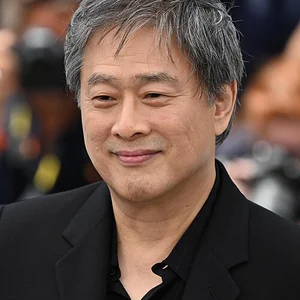
Park Chan-wook
1963 — ?
South Korean director and screenwriter born in 1963, a leading figure in the revival of Korean cinema. Known for his polished aesthetic and tales of revenge, he made his mark on the international scene with *Oldboy* (2003), which won the Grand Prix at the Cannes Film Festival.
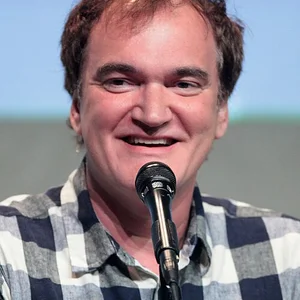
Quentin Tarantino
1963 — ?
Quentin Tarantino is an American director, screenwriter, producer, and actor born in 1963. A major figure in American independent cinema, he is famous for his highly personal style blending sharp dialogue, stylized violence, fractured storytelling, and tributes to popular genres.

Solange Knowles
1986 — ?
Solange Knowles is an American singer, songwriter, and producer, a leading figure in alternative R&B and contemporary soul music. The younger sister of Beyoncé, she has established herself as a avant-garde artist celebrated for her album A Seat at the Table (2016).
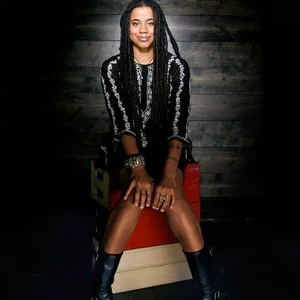
Suzan-Lori Parks
1963 — ?
A pioneering American playwright, Suzan-Lori Parks was the first Black woman to win the Pulitzer Prize for Drama, for *Topdog/Underdog* in 2002. Her work explores African-American identity, collective memory, and history through experimental and poetic language.
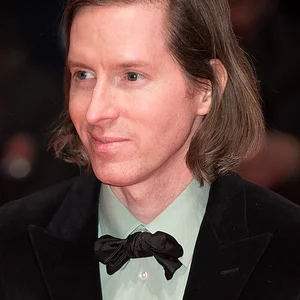
Wes Anderson
1969 — ?
Wes Anderson is an American filmmaker, screenwriter, and producer born in 1969 in Texas. Recognizable by his highly codified visual style — symmetry, pastel palettes, and meticulous framing — he is the author of bittersweet comedies that have become cult classics.
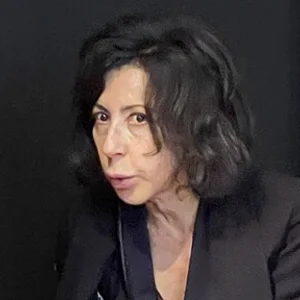
Yasmina Reza
1959 — ?
French playwright, novelist, and actress born in 1959, Yasmina Reza made her mark with *Art* (1994), a philosophical comedy about friendship and the value of art. Her plays, translated into more than 35 languages, sharply examine the cracks in human relationships and social hypocrisies.