Women of Power
Queens, empresses, heads of state and activists — the women who wielded and won political power.
308 characters

308 characters
Agariste
600 av. J.-C. — 460 av. J.-C.
Athenian aristocrat from the powerful Alcmaeonid family, daughter of Hippocrates and niece of the reformer Cleisthenes. Wife of Xanthippus, she was the mother of Pericles, the great statesman of classical Athens.
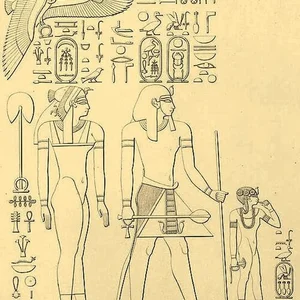
Ahmose
1504 av. J.-C. — 1492 av. J.-C.
Ahmose was an Egyptian queen of the 18th Dynasty, wife of Pharaoh Thutmose I. She is the mother of the famous pharaoh Hatshepsut. Her role at court illustrates the importance of queens in establishing Egyptian dynastic legitimacy.

Amytis
559 av. J.-C. — 600 av. J.-C.
Achaemenid queen presented by certain ancient sources, notably Ctesias of Cnidus, as the daughter of the Median king Astyages and the wife of Cyrus II the Great, founder of the Persian Empire. Her union is said to have sealed the alliance between the Medes and the Persians in the 6th century BC.
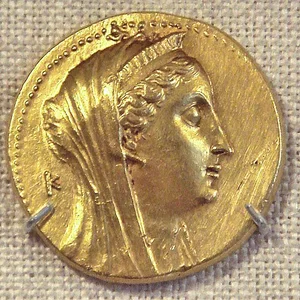
Arsinoe II
315 av. J.-C. — 269 av. J.-C.
A Macedonian princess born around 316 BCE, daughter of Ptolemy I, she became queen of Ptolemaic Egypt. Co-regent alongside her brother and husband Ptolemy II, she wielded considerable political influence and was deified during her own lifetime.
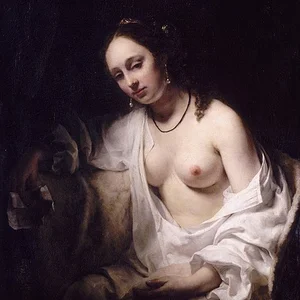
Bathsheba
1008 av. J.-C. — 936 av. J.-C.
Bathsheba is a figure from the Old Testament, wife of Uriah the Hittite and later of King David after Uriah's death. As the mother of Solomon, she played a decisive role in the royal succession by interceding with David to ensure her son would inherit the throne of Israel.
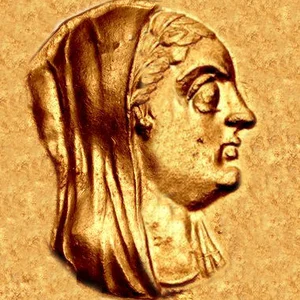
Berenice I
339 av. J.-C. — ?
Macedonian queen who became the wife of Ptolemy I, founder of the Lagid dynasty in Egypt. Mother of Ptolemy II Philadelphus, she was deified after her death and played a foundational role in establishing the dynastic legitimacy of the Ptolemies.
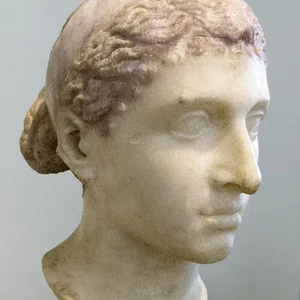
Cleopatra
68 av. J.-C. — 29 av. J.-C.
The last queen of Egypt's Ptolemaic dynasty, Cleopatra VII ruled from 51 to 30 BC. A woman of power and learning, she allied herself with Julius Caesar and later Mark Antony in an effort to preserve her kingdom's independence against Rome.
Clodia Metella
Roman aristocrat of the late Republic, sister of the tribune Publius Clodius Pulcher and wife of the consul Metellus Celer. A cultured and independent woman, she is traditionally identified as the “Lesbia” celebrated by Catullus and was violently attacked by Cicero in the Pro Caelio.
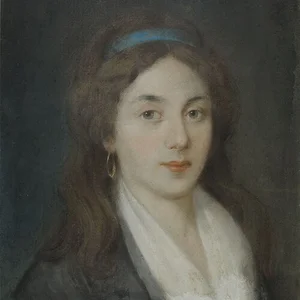
Cornelia
190 av. J.-C. — 100 av. J.-C.
Daughter of Scipio Africanus and wife of Tiberius Sempronius Gracchus, Cornelia (c. 190–100 BC) is the model of the virtuous Roman matron. She raised her twelve children alone after being widowed, refusing a royal remarriage. She is famous for pointing to her sons Tiberius and Gaius as "her most precious jewels."
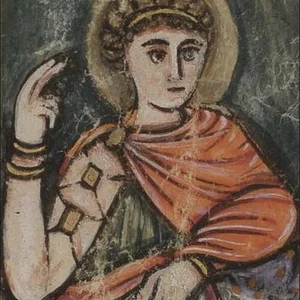
Dido
A Phoenician princess from Tyre, Dido is the legendary founder of Carthage (in present-day Tunisia), according to Greek and Latin tradition. Made famous by Virgil's Aeneid, she embodies the figure of the queen-builder and the tragic woman abandoned by Aeneas.
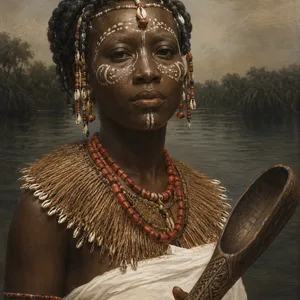
Esimirin
Esimirin is an aquatic deity from the Ijaw (Ijo) mythology, a people of the Niger Delta in Nigeria. A spiritual figure associated with water and prosperity, she holds a central place in the beliefs and traditional rituals of this community.
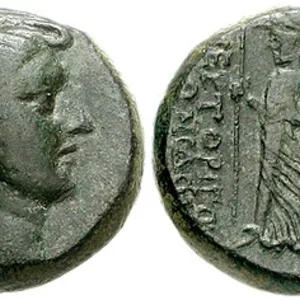
Fulvia
76 av. J.-C. — 39 av. J.-C.
Fulvia was a Roman aristocrat of the late Republic, famous for her exceptional political involvement for a woman of her time. Successively the wife of Clodius, Curio, and then Mark Antony, she led the armed resistance against Octavian during the Perusine War.
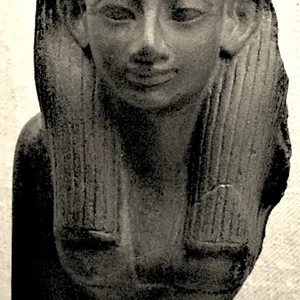
Hatshepsut
1506 av. J.-C. — 1457 av. J.-C.
Hatshepsut is one of the rare women to have reigned as pharaoh of Egypt. After serving as regent for her stepson Thutmose III, she took power around 1478 BCE and ruled for more than twenty years. Her reign was marked by prosperity, major architectural projects, and a celebrated trading expedition to the land of Punt.
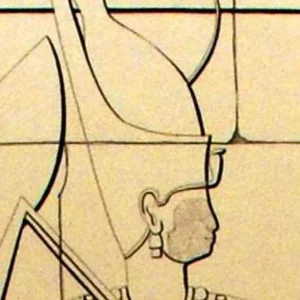
Kandake Amanirenas
Warrior queen of the Kingdom of Meroë (Nubia, present-day Sudan), Amanirenas led Kushite armies against the Roman legions of Augustus around 27–21 BCE. According to Roman sources and Sudanese oral tradition, she lost an eye in battle yet never surrendered, ultimately securing a peace treaty favorable to her kingdom.
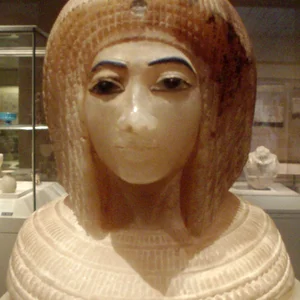
Kiya
1400 av. J.-C. — 1400 av. J.-C.
A secondary wife of Pharaoh Akhenaten, Kiya held a singular place at the court of Amarna in the 14th century BCE. Her identity and origins remain partly mysterious, though her name and likeness appear on several monuments from the Amarna period.
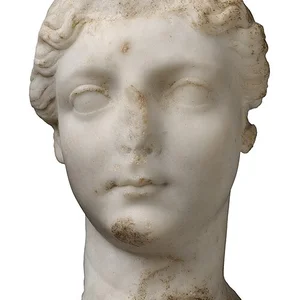
Livia
58 av. J.-C. — 29
Wife of Emperor Augustus, Livia was one of the most powerful women in ancient Rome. For more than fifty years, she wielded considerable influence over imperial politics. Mother of Emperor Tiberius, she was granted the title of "Augusta" after her death.
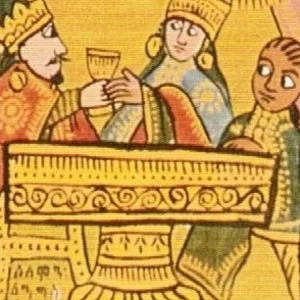
Makeda
Makeda is the central figure of the Ethiopian tradition (Kebra Nagast), venerated as the legendary queen of the Kingdom of Sheba. Rooted in Ethiopian and Eritrean oral tradition, she is known for her encounter with King Solomon of Jerusalem, from which Menelik I would be born — the founding ancestor of the Ethiopian imperial lineage.

Meritaten
Eldest daughter of Pharaoh Akhenaten and Queen Nefertiti, Meritaten lived during the Amarna religious revolution in the 14th century BCE. She became Great Royal Wife of Pharaoh Smenkhkare and was abundantly depicted in the art of the Amarna period.
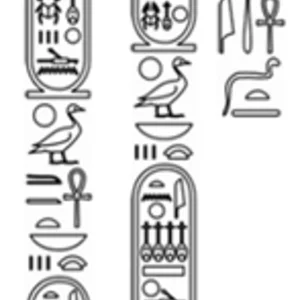
Neferneferuaten
1400 av. J.-C. — 1400 av. J.-C.
Neferneferuaten was a queen of Egypt from the 18th Dynasty, probably co-regent or direct successor to Akhenaten around 1335 BCE. Her exact identity remains debated: she may be Nefertiti under a new name, or a daughter of Akhenaten.
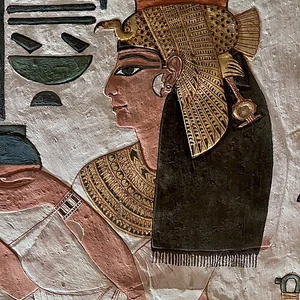
Nefertari
1289 av. J.-C. — 1254 av. J.-C.
Great Royal Wife of Ramesses II, Nefertari is one of the most celebrated queens of ancient Egypt. Her tomb in the Valley of the Queens, with its exceptionally well-preserved paintings, reflects her extraordinary status. Ramesses II dedicated the smaller temple at Abu Simbel to her, where she was depicted at the same scale as the pharaoh himself.
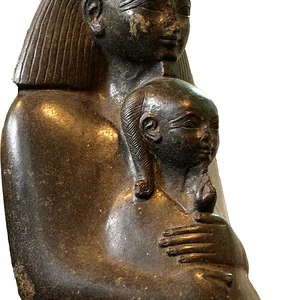
Neferure
1500 av. J.-C. — 1500 av. J.-C.
Daughter of pharaoh Hatshepsut and Thutmose II, Neferure was raised at the Egyptian court in the 18th century BC. Educated by the renowned royal steward Senenmut, she held the title of God's Wife of Amun.

Nitocris
2250 av. J.-C. — 2191 av. J.-C.
Nitocris is a legendary queen or female pharaoh of ancient Egypt, associated with the end of the Sixth Dynasty (c. 2184 BC). Mentioned by Herodotus and Manetho, she is said to have avenged the murder of her brother before taking her own life. Her historical existence remains debated.
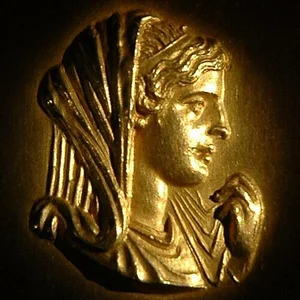
Olympias
374 av. J.-C. — 315 av. J.-C.
Princess of Epirus and Queen of Macedon, Olympias was the wife of Philip II and the mother of Alexander the Great. A formidable wielder of power, she played a major political role during the Wars of the Diadochi following her son's death.

Padmavati
278 av. J.-C. — ?
Wife of Emperor Ashoka (3rd century BCE), Padmavati is a figure of the Mauryan court in ancient India. She is mentioned in Buddhist sources as one of the queens of the great ruler who unified the Indian subcontinent and embraced Buddhism.
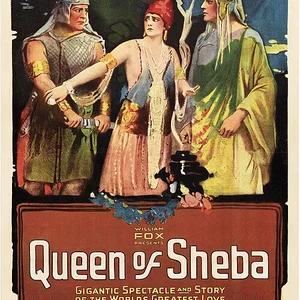
Queen of Sheba
Legendary ruler mentioned in the Bible, the Quran, and Ethiopian tradition. She is said to have visited King Solomon in Jerusalem, drawn by his wisdom. An iconic figure of exchange between ancient Arabia, Africa, and the Near East.
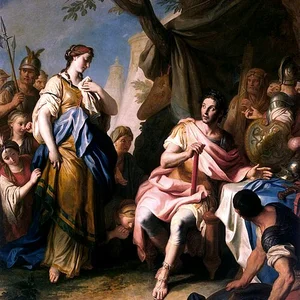
Roxana
346 av. J.-C. — 309 av. J.-C.
Roxana was a Bactrian princess, the first wife of Alexander the Great, whom he married in 327 BC following the conquest of Bactria. She was the mother of Alexander IV, the posthumous heir to the empire.

Saṃghamittā
Daughter of Emperor Ashoka, she was a Buddhist nun who brought Buddhism to Sri Lanka around 246 BCE. She founded the first order of Buddhist nuns (bhikkhunis) on the island and brought a cutting from the sacred fig tree of Bodh Gaya.

Sammu-ramat (Semiramis)
Regent of the Assyrian Empire around 811–808 BC, Sammu-ramat held power in the name of her son Adad-nirari III. A historical figure, she quickly became a legendary character in the Greek world, symbolizing the warrior queen and great builder of the ancient Near East.
Shanakdakhete
200 av. J.-C. — 160 av. J.-C.
Shanakdakhete is the earliest known reigning queen of Meroë, capital of the Kingdom of Kush (Nubia), in the 2nd century BCE. A product of Meroitic civilization, she ruled in her own right, with no attested male consort. Her memory has been passed down through inscriptions in the Meroitic script and through the oral traditions of Nubian peoples.
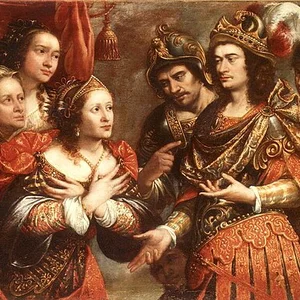
Sisygambis
301 av. J.-C. — 322 av. J.-C.
Sisygambis was an Achaemenid princess, the mother of Darius III, the last king of the Persian Empire. Captured by Alexander the Great after the Battle of Issus in 333 BC, she became a symbol of royal dignity in defeat and was treated with a respect that became famous.
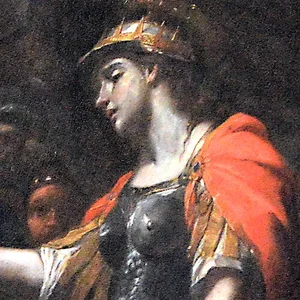
Tomyris
600 av. J.-C. — 600 av. J.-C.
Queen of the Massagetae, a nomadic people of Central Asia, Tomyris is famous for defeating and killing Cyrus the Great around 530 BC. She embodies the resistance of the steppe peoples against the expansion of the Achaemenid Persian Empire.
Agrippina the Elder
13 av. J.-C. — 33
Granddaughter of Augustus and wife of Germanicus, Agrippina the Elder played a major political role during the principate of Tiberius. Her opposition to the emperor led to her exile and death in captivity in AD 33.
Agrippina the Younger
15 — 59
Agrippina the Younger (15–59 AD) was a Roman empress, sister of Caligula, and mother of Nero. She wielded considerable influence over imperial power, most notably by marrying her uncle, Emperor Claudius, and arranging for her son Nero to be adopted as his heir.
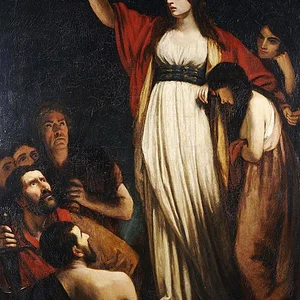
Boudicca
30 — 61
Queen of the Iceni, a Celtic people of Britain, she led a major revolt against Roman occupation around 60–61 AD. At the head of a coalition of British tribes, she destroyed Camulodunum, Londinium, and Verulamium before being defeated by the governor Paulinus.
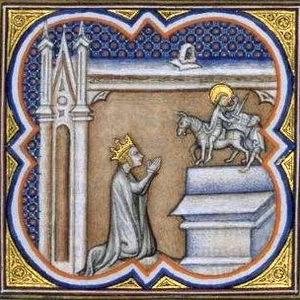
Clotilde
474 — 545
Queen of the Franks and wife of Clovis I, she played a decisive role in her husband's conversion to Christianity. Venerated as a saint by the Catholic Church, she embodies the bringing together of Frankish royalty and Christianity at the dawn of the Middle Ages.
Deng Sui
Empress then regent of Eastern Han China (1st–2nd century), she governed the empire for fifteen years with wisdom and firmness. She promoted education, reduced court expenditures, and effectively managed famines, earthquakes, and border tensions.
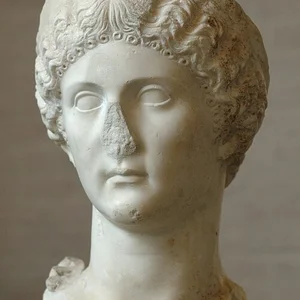
Drusilla
16 — 38
Julia Drusilla (16-38 AD) was a Roman princess of the Julio-Claudian dynasty, daughter of Germanicus and Agrippina the Elder, and the favorite sister of the emperor Caligula. Upon her death, she became the first Roman woman to be deified by the Senate.
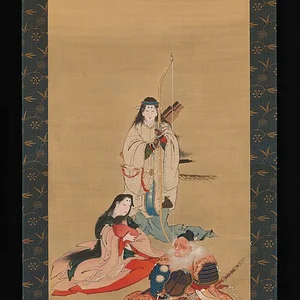
Empress Jingu
A legendary empress of Japan, Jingū is said to have reigned in the 3rd century according to Japanese chronicles. Tradition credits her with a military campaign against the Korean peninsula, carried out while she was pregnant. Her historical existence is unattested and she belongs to Japan's founding mythology.
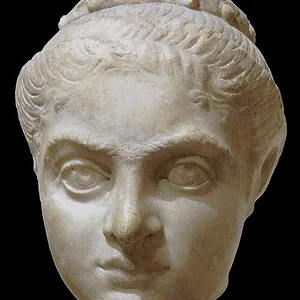
Fausta
289 — 326
Fausta was a Roman empress, daughter of Emperor Maximian and wife of Constantine I. Mother of three future emperors, she died in 326 under obscure circumstances, shortly after the execution of Prince Crispus.
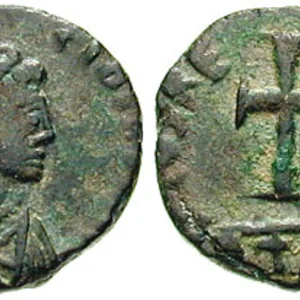
Galla Placidia
386 — 450
Daughter of Emperor Theodosius I, Galla Placidia was Augusta of the Western Roman Empire and regent for her son Valentinian III. A major political figure of the 5th century, she navigated barbarian invasions and court intrigues to preserve imperial power.
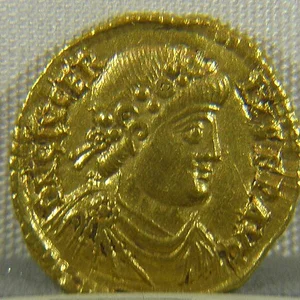
Glycerius
430 — 480
Glycerius was a Western Roman emperor who briefly reigned from 473 to 474, during the period of the Empire's collapse. Brought to power by the Burgundian general Gundobad, he was deposed by Julius Nepos and forced to become bishop of Salona.
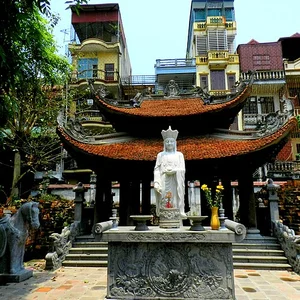
Hai Bà Trưng
Two Vietnamese sisters (died 43 CE) who led the first major uprising against Han rule in 40 CE. Trưng Trắc proclaimed herself queen after retaking 65 cities; defeated by General Mã Viện in 43 CE, they are revered as national heroines of Vietnam.

Himiko
Queen and shamaness of the kingdom of Yamatai in Japan, mentioned in Chinese chronicles of the 3rd century. She ruled through her shamanic powers and conducted diplomacy with Wei China, which granted her an official title.
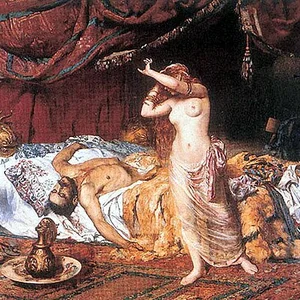
Ildico
500 — ?
Ildico was the last wife of Attila, King of the Huns, whom she married in 453. She was found in tears beside her husband's body the morning after their wedding night, his death remaining shrouded in mystery.
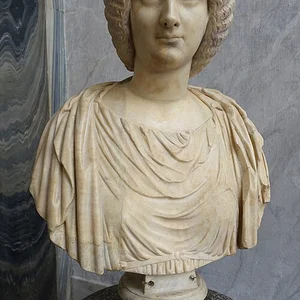
Julia Domna
165 — 217
Roman empress of Syrian origin and wife of Septimius Severus, she wielded considerable political influence and gathered around her a circle of philosophers and intellectuals. As the mother of Caracalla and Geta, she embodied female power at the very summit of the Roman Empire.
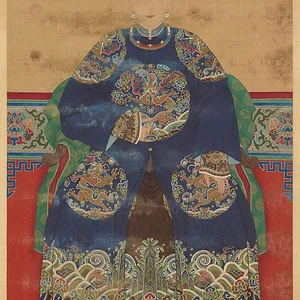
Lady Triệu
A Vietnamese warrior of the 3rd century, she led a revolt against Chinese Wu occupation at the age of 19. Known as 'Lady Triệu', she fought for six months before being defeated in 248 CE.
Man Thiện
A figure of Vietnamese tradition, Man Thiện is held to be the mother of the Trưng sisters (Trưng Trắc and Trưng Nhị). A descendant of the Hùng kings, she is said to have raised and supported her daughters in their uprising against the Chinese Han occupation, around 40 CE.
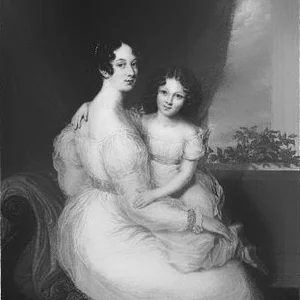
Mavia
400 — 425
Queen of the Tanukh Arabs in the 4th century, Mavia led a victorious war against the Roman Empire after the death of her husband. She negotiated peace from a position of strength and sent troops to defend Constantinople against the Goths.
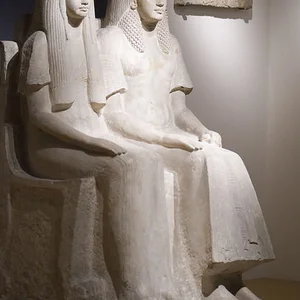
Maya
1400 av. J.-C. — 1300 av. J.-C.
Maya was a high dignitary of ancient Egypt who held important positions at the royal court. He is known for having served as Overseer of the Treasury under Tutankhamun and Horemheb, playing a key role in the administration of the kingdom.
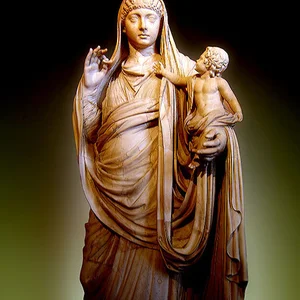
Messalina
20 — 48
Roman empress and third wife of Emperor Claudius (41–48 AD), Messalina wielded considerable political influence in Rome. She is remembered in antiquity for her palace intrigues and violent death, ordered by Claudius himself.
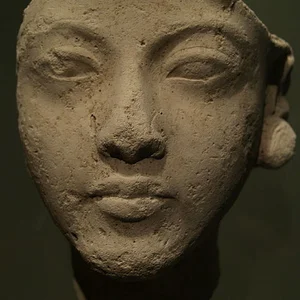
Nefertiti
1369 av. J.-C. — 1329 av. J.-C.
Nefertiti was the Great Royal Wife of Pharaoh Akhenaten, in the 14th century BC. She played an important role in the monotheistic religious reform of her era, promoting the cult of Aten, the sun god. Her idealized face, known through the famous bust, makes her one of the most depicted queens of Egypt.
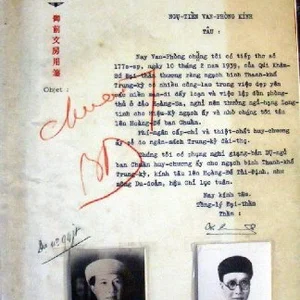
Phùng Thị Chính
Semi-legendary Vietnamese general who served under the Trưng sisters during the revolt against the rule of China's Han dynasty, around 40 AD. Tradition holds that she gave birth on the battlefield before returning to the fight, her newborn strapped to her back.

Poppaea Sabina
Poppaea Sabina (c. 30–65 AD) was the second wife of Emperor Nero. An ambitious woman of great beauty, she wielded considerable influence over Roman imperial politics.
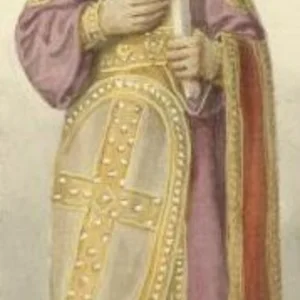
Pulcheria
399 — 453
Pulcheria (399-453) was an Eastern Roman (Byzantine) empress, daughter of Emperor Arcadius. As regent for her brother Theodosius II during his minority, she wielded major influence over the politics and religious affairs of the Empire for nearly half a century.
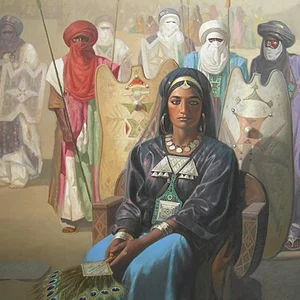
Tin Hinan
350 — ?
Legendary queen of the Tuareg people, Tin Hinan is considered by oral tradition to be the matriarchal ancestor of the Hoggar (Ahaggar) nobles. A founding figure said to have come from the Tafilalt region, according to stories passed down through generations, she is believed to have lived around the 4th–5th century CE.
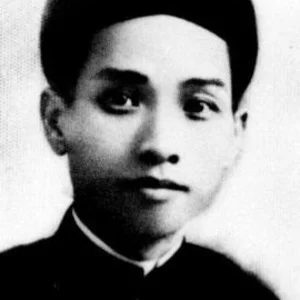
Trung Nhi
Younger sister of Trưng Trắc, she co-led the great Vietnamese revolt against Han Chinese domination in 40 CE. A formidable warrior, she played a key role in the temporary liberation of the country before their defeat by Chinese forces in 43 CE.
Trưng Trắc
Vietnamese national heroine who, alongside her sister Trưng Nhị, led a victorious revolt against Chinese Han rule in 40 CE. She briefly reigned over an independent kingdom before being defeated in 43 CE by the Chinese general Ma Yuan.
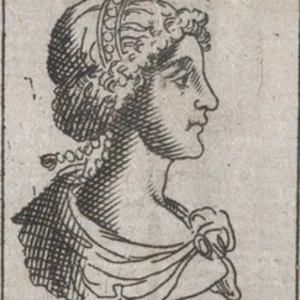
Vipsania
Vipsania Agrippina was a Roman citizen of the Augustan age, daughter of the general Agrippa and of Caecilia Pomponia Attica. The first wife of Tiberius, whom she loved, she was forced to divorce by Augustus for dynastic reasons. Her life illustrates the burden of imperial marriage politics.
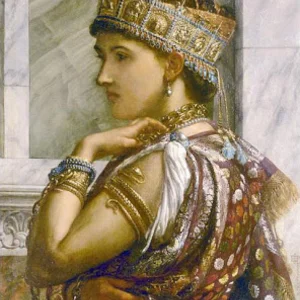
Zenobia
240 — 275
Queen of the Palmyrene Empire in the 3rd century, Zenobia ruled as regent in her son's name and expanded her empire to Egypt and Asia Minor, openly defying Rome. Defeated by Emperor Aurelian in 272, she remains the enduring symbol of an indomitable Eastern queen.
Adela of Champagne
1140 — 1206
Queen of France through her marriage to Louis VII in 1160, Adela of Champagne is best known as the mother of Philip II Augustus. She served as regent of the kingdom during her son's crusade in 1190–1191.

Anna Komnene
Byzantine princess (1083–c.1153), daughter of Emperor Alexios I Komnenos, Anna Komnene is one of the earliest female historians in recorded history. She is the author of the Alexiad, an epic narrative chronicling her father's reign and an invaluable testimony on Byzantium and the Crusades.
Anne I
Anne I was Queen of Great Britain and Ireland from 1702 to 1714, the last sovereign of the Stuart dynasty. Her reign saw the birth of the Kingdom of Great Britain through the union of England and Scotland in 1707.
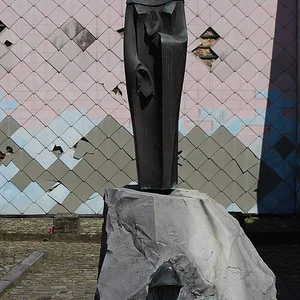
Arlette
1010 — 1050
Arlette of Falaise, daughter of a tanner or leather-worker from Falaise, in Normandy, was the concubine of Duke Robert the Magnificent. From this union was born William, the future William the Conqueror, King of England. Born among the common people, she became the mother of a royal line.
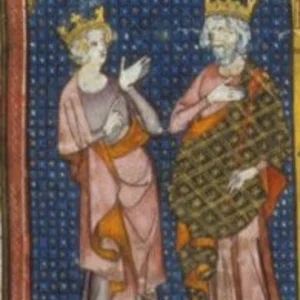
Basina of Thuringia
438 — 477
Queen of the Salian Franks in the 5th century, wife of King Childeric I and mother of Clovis I. A semi-legendary figure of the origins of the Merovingian dynasty, passed down through the accounts of Gregory of Tours.
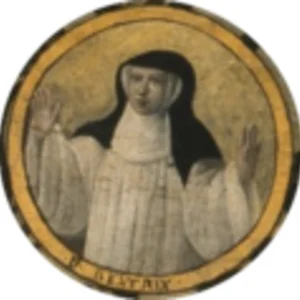
Beatrice of Nazareth
1200 — 1268
Flemish Cistercian nun (c. 1200–1268), abbess of the monastery of Nazareth near Lier. Author of The Seven Manners of Love, one of the earliest mystical works written in the vernacular Dutch language.
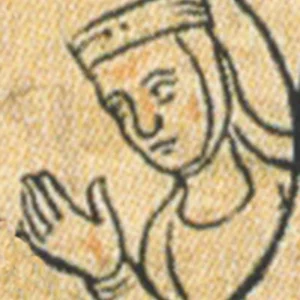
Berthe de Bourgogne
964 — 1010
Daughter of Duke Conrad of Burgundy, Berthe was first Countess of Blois through her marriage to Odo I. After becoming a widow, she married King Robert II the Pious around 997, but this union, deemed incestuous by the Church due to their close kinship, was condemned by the pope and annulled around 1001.
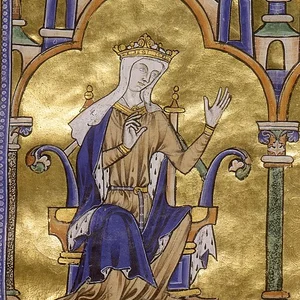
Blanche de Castille
1188 — 1252
Queen of France and regent, Blanche de Castille (1188–1252) governed the kingdom during the minority of her son Louis IX (Saint Louis) and again during his crusade. A woman of exceptional power, she successfully asserted royal authority against the great barons.
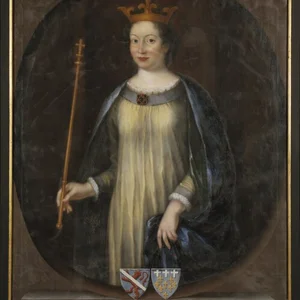
Blanche de Namur
1320 — 1363
Princess of Namur (c. 1320–1363), she married Magnus IV of Sweden in 1335 and became Queen of Sweden and Norway. Mother of Eric XII of Sweden and Haakon VI of Norway, she played a role of dynastic representation in medieval Northern Europe.
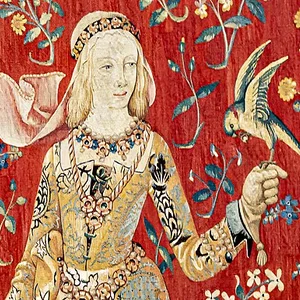
Blanche of Lancaster
1342 — 1368
Blanche of Lancaster (c. 1341–1368) was the daughter of Henry of Grosmont, first Duke of Lancaster, and the wife of John of Gaunt, son of King Edward III of England. Her early death inspired her husband to commission the poem *The Book of the Duchess* from Geoffrey Chaucer.

Blanchefleur
460 — 510
A Frankish princess and sister of King Clovis I, Audofleda married Theodoric the Great, king of the Ostrogoths, around 493. This union sealed a major diplomatic alliance between the Franks and the Ostrogoths in the aftermath of the fall of the Western Roman Empire.
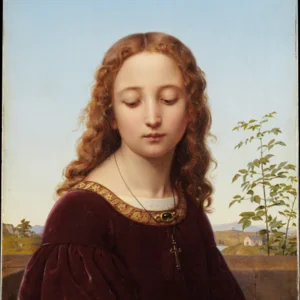
Börte
1161 — 1230
Börte was the first wife and principal empress of Genghis Khan. Abducted shortly after her marriage and then rescued by her husband, she ruled the imperial court and played a major political role, with her four sons becoming the heirs of the Mongol Empire.
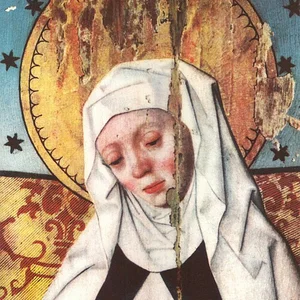
Bridget of Sweden
1303 — 1373
A mystic and Swedish saint of the 14th century, Bridget of Sweden was a wife, mother of eight children, then a pilgrim and founder of the Order of the Most Holy Savior. Her divine revelations, dictated and spread throughout Europe, gave her exceptional spiritual authority.
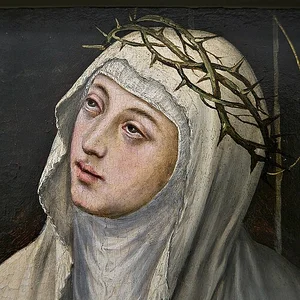
Catherine of Siena
1347 — 1380
An Italian mystic and theologian of the 14th century, Catherine of Siena played a major political role by convincing Pope Gregory XI to leave Avignon and return to Rome. A Doctor of the Church, she left behind a remarkable body of spiritual and epistolary work.
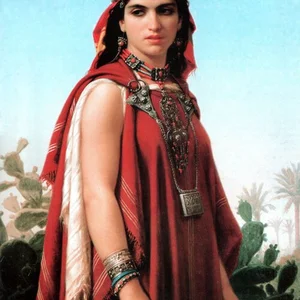
Dihya
668 — 703
A Berber queen and prophetess of the Djerawa people, Dihya led the resistance against the Arab conquest of North Africa in the late 7th century. Known as the Kahina ("the seeress"), she is a central figure in Amazigh memory, preserved chiefly through oral tradition.
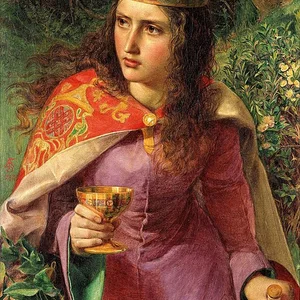
Eleanor of Aquitaine
1124 — 1204
Duchess of Aquitaine and Countess of Poitou, Eleanor of Aquitaine (1124–1204) was Queen of France through her marriage to Louis VII, then Queen of England after her union with Henry II Plantagenet. A towering figure of the Middle Ages, she wielded considerable political influence and was the mother of several kings of England.

Empress Teishi
Empress consort of Japan (976–1001), wife of Emperor Ichijō and daughter of regent Fujiwara no Michitaka. She was the patron of Sei Shōnagon, whose celebrated *The Pillow Book* bears witness to the brilliant life at her court. Her rivalry with Fujiwara no Shōshi, patroness of Murasaki Shikibu, illustrates the literary ferment of the Heian period.
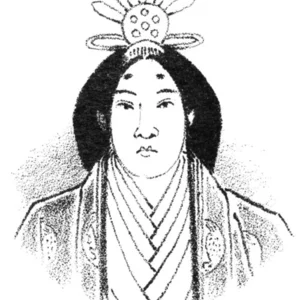
Genmei
661 — 722
Reigning empress of Japan from 707 to 715, Genmei is one of the few women to have held supreme power in Japan. She is notably responsible for commissioning the Kojiki, Japan's first historical chronicle.
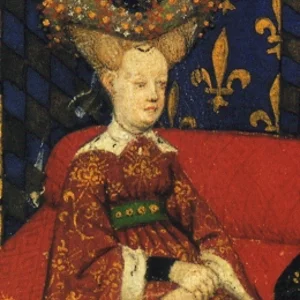
Isabeau of Bavaria
1370 — 1435
Queen of France through her marriage to Charles VI, Isabeau of Bavaria played a major political role during the king's bouts of madness. Regent and a central figure in the civil war between the Armagnacs and the Burgundians, she remains associated with the Treaty of Troyes of 1420.
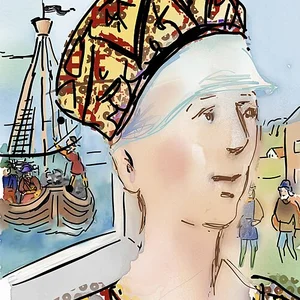
Jeanne de Clisson
1300 — 1359
A 14th-century Breton noblewoman, Jeanne de Clisson became a privateer after the execution of her husband Olivier IV de Clisson by the King of France in 1343. Nicknamed “the Lioness of Brittany,” she armed a fleet to wage a war of vengeance in the English Channel during the Hundred Years' War.
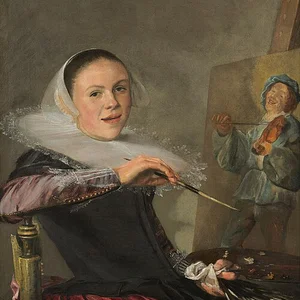
Judith
950 — ?
Legendary ruler of the Kingdom of Semien, Gudit led a revolt around 960 CE that overthrew the Aksumite dynasty of Ethiopia. This warrior queen is said to have reigned for several decades over the Ethiopian highlands, leaving a lasting mark on the collective memory of the region.
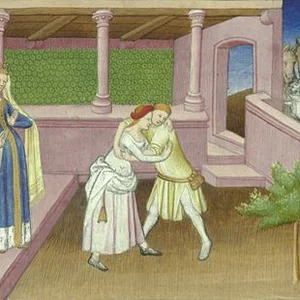
Khutulun
1260 — 1306
Mongol princess of the 13th century, great-niece of Kublai Khan and daughter of Khan Kaidu. A legendary warrior and wrestler, she challenged her suitors to wrestling matches and remained undefeated, winning horses with each victory.
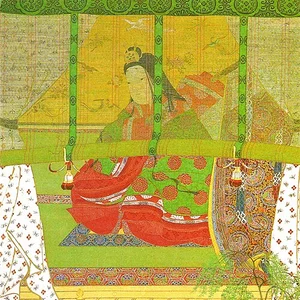
Koken
718 — 770
Empress of Japan who reigned twice (749–758 then 764–770), she is one of the very few women to have occupied the Japanese imperial throne. A devout Buddhist, she actively promoted the spread of Buddhism throughout the country and commissioned the construction of numerous temples.
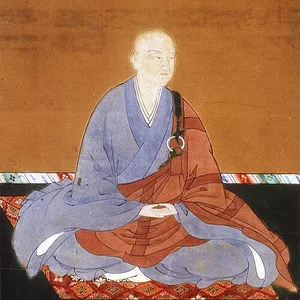
Kōmyō
1322 — 1380
Kōmyō was emperor of Japan from the Northern Court (1336–1348), enthroned by shogun Ashikaga Takauji during the great imperial split of the Nanboku-chō period. After his abdication, he withdrew from political life and became a Buddhist monk, ending his days in prayer and contemplation.
Magira
Title held by the queen mother in the Kanem-Bornu Empire (present-day Chad and Nigeria), a figure of female political authority in the Kanuri tradition. According to Kanuri oral traditions, the Magira served as advisor and regent to the mai (king), embodying an institutionalized form of female power within one of the largest political structures of medieval sub-Saharan Africa.
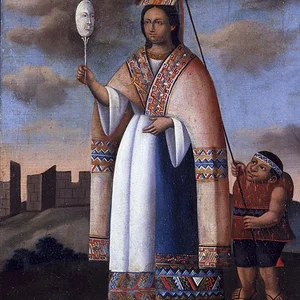
Mama Ocllo
1197 — 1230
Founding goddess of Inca civilization, according to Quechua oral tradition. Wife of Manco Cápac, she is said to have emerged from Lake Titicaca and taught women the art of weaving and domestic skills, thereby establishing the Inca social order.
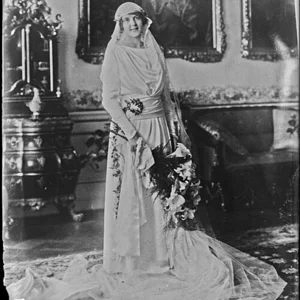
Margaret I of Denmark
Regent and then de facto sovereign of Denmark, Norway, and Sweden, she founded the Kalmar Union in 1397, uniting the three Scandinavian kingdoms under a single crown. Considered the most influential woman of power in the Nordic Middle Ages.
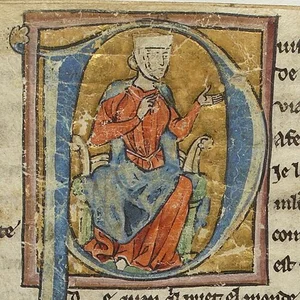
Marie of Champagne
1145 — 1198
Daughter of King Louis VII and Eleanor of Aquitaine, Marie of Champagne was Countess of Champagne and one of the greatest patrons of letters in the 12th century. A patron of Chrétien de Troyes, she made her court at Troyes a radiant center of courtly literature.
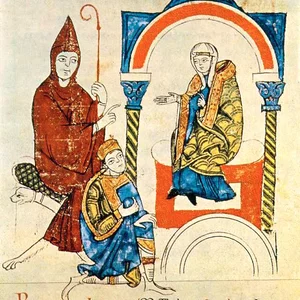
Matilda of Tuscany
1040 — 1115
Countess of Tuscany (1046–1115), Matilda was one of the most powerful women of the medieval Western world. An unwavering ally of the papacy, she played a decisive role in the Investiture Controversy, hosting at her Castle of Canossa the famous penance of Henry IV before Gregory VII in 1077.
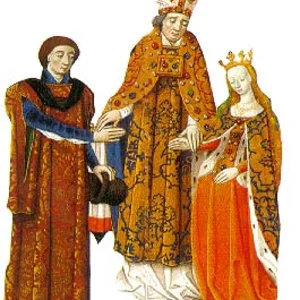
Melisende of Jerusalem
1105 — 1161
Queen of Jerusalem from 1131 to 1153, Melisende was one of the most powerful rulers of the Crusader States. She governed with authority, resisting attempts by her son Baldwin III to remove her from power.
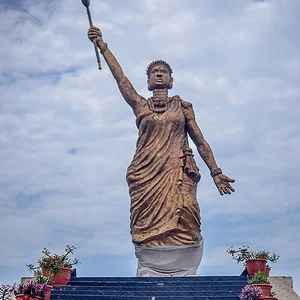
Moremi Ajasoro
Legendary heroine of the Yoruba people of Ilé-Ifè (present-day Nigeria), a figure of African oral tradition. According to legend, she sacrificed herself to infiltrate the ranks of Ifè's enemies and liberate her people through cunning and courage.
Nana Triban
Sister of Sundiata Keita, a figure from the 13th-century Mande epic. According to griot oral tradition, she accompanied her brother into exile and played a decisive diplomatic role in the reconquest of the Mande against Soumaoro Kante.
Philippa de Hainaut
1310 — 1369
Queen of England through her marriage to Edward III in 1328, Philippa of Hainaut was a respected sovereign, known for her clemency and benevolent influence. She played an important role in the English court and was a patron of the arts and letters.
Razia Sultana
1205 — 1240
Razia Sultana was the first and only woman to rule the Delhi Sultanate (1236–1240). Daughter of Sultan Iltutmish, she governed unveiled and on horseback, defying the conventions of her time. A revolt by Turkish nobles led to her downfall and death in 1240.

Razia Sultana
The first woman to reign over the Delhi Sultanate (1236–1240), Razia Sultana was chosen by her father Iltutmish as his successor. She led her armies in person and governed unveiled, defying the conventions of her era, before being overthrown and killed by a coalition of nobles.
Sassuma Bérété
First wife of King Naré Maghann Konaté in the Sundiata epic, Sassuma Bérété is a figure of political ambition in the Mandinka griot tradition (13th century). A fierce rival of Sogolon, mother of Sundiata, she seeks to place her son Dankaran Touman on the throne of Mande.
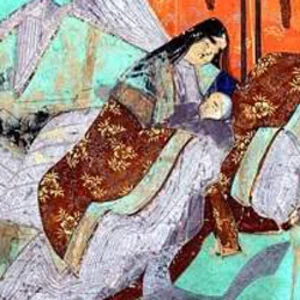
Shōshi
988 — 1074
Empress consort of Emperor Ichijō and daughter of regent Fujiwara no Michinaga, Shōshi was one of the most influential women in Heian-period Japan. Her court was a leading intellectual and artistic hub, most notably welcoming the author Murasaki Shikibu.
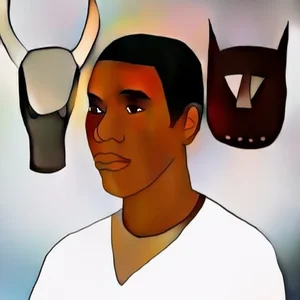
Sogolon Kondé
A central figure in the Mande epic tradition preserved by griots, Sogolon Kondé is the mother of Sundiata Keita, founder of the Mali Empire in the 13th century. Said to be ugly yet endowed with supernatural powers, she embodies hidden strength and maternal dignity in the oral tradition of the Mande peoples.
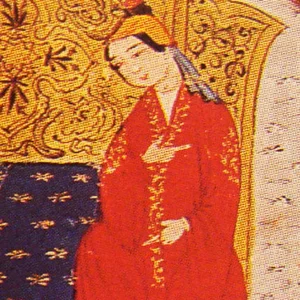
Sorghaghtani Beki
1190 — 1252
Mongol princess, daughter-in-law of Genghis Khan and wife of Tolui. Mother of four sons, including the emperors Möngke and Kublai Khan and the Ilkhan Hulagu, she exerted a decisive political influence on the succession of the Mongol Empire in the 13th century.
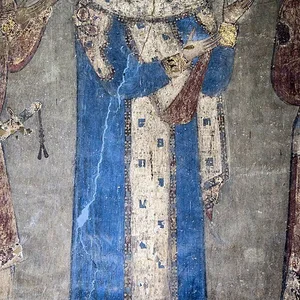
Tamar of Georgia
1166 — 1213
Queen of Georgia (1184–1213), the first woman to rule alone over this Caucasian kingdom. Her reign marks the Georgian Golden Age: territorial expansion, cultural and religious flourishing, and decisive military victories against the Seljuks.

Tata Oule
Mandinka princess of the 13th century, daughter of Sundiata Keita according to the oral traditions of the Kouyaté griots. She is celebrated as a guardian figure of the Manden Charter, the first proclamation of rights in the Mali Empire.
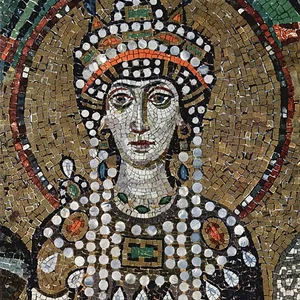
Theodora
497 — 548
Theodora, empress of Byzantium alongside Justinian I, is one of the most powerful women of late antiquity. Born into humble origins, she became co-regent and played a decisive role in Byzantine imperial politics, most notably during the suppression of the Nika revolt in 532.
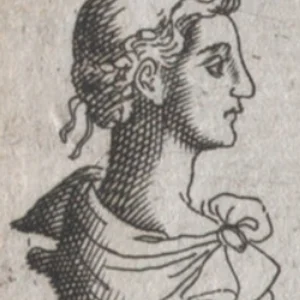
Theophanu
Byzantine princess, she married Emperor Otto II in 972, becoming Empress of the Holy Roman Empire. After her husband's death in 983, she served as regent on behalf of their son Otto III until her own death in 991, governing with authority and introducing Byzantine influence to the Ottonian court.

William of Poitiers
969 — 1030
Count of Poitiers and Duke of Aquitaine, nicknamed "the Great," he was one of the most powerful lords in the feudal West around the year 1000. He consolidated the Duchy of Aquitaine, protected the Church, and distinguished himself as a pilgrim to Santiago de Compostela.
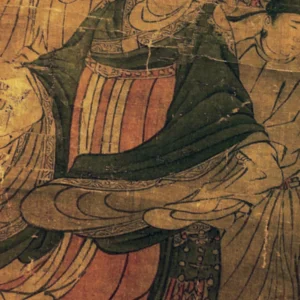
Wu Zetian
624 — 705
Wu Zetian (624–705) is the only woman ever to have ruled as reigning empress of China. A concubine of Emperor Taizong and later wife of Emperor Gaozong, she gradually seized power before founding her own Zhou dynasty in 690. An ambitious reformer, she modernized the imperial administration and championed merit-based examinations.
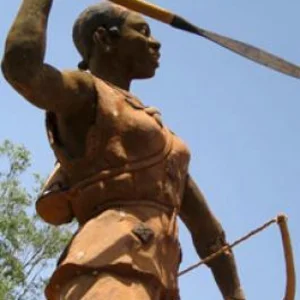
Yennenga
1101 — 1101
A warrior princess of the Dagomba people (present-day Ghana/northern Burkina Faso), Yennenga is venerated in Mossi oral tradition as the founding mother of the Moogo kingdom. Daughter of King Nedega, she united with a hunter named Riale, and their son Ouédraogo became the eponymous ancestor of the Mossi.
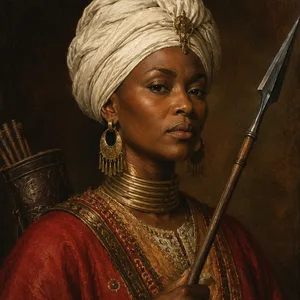
Amina de Zaria
1533 — 1610
Warrior princess of the Hausa city-state of Zazzau (present-day Nigeria), she reigned around 1576–1610 and led numerous military campaigns that significantly expanded her kingdom's territory. The first woman to rule Zazzau, she has become a symbol of female power in West Africa.
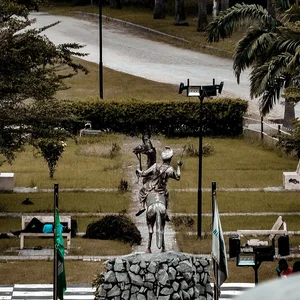
Amina of Zazzau
A Hausa warrior queen of the kingdom of Zazzau (present-day Zaria, Nigeria), Amina reigned around the 16th century according to Hausa oral traditions. She greatly expanded her kingdom's territory through military conquest and is celebrated as a symbol of female power in Hausa collective memory.
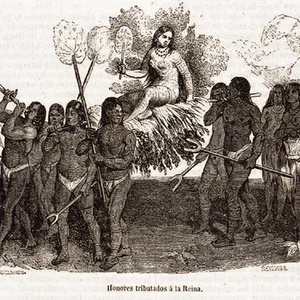
Anacaona
1474 — 1503
Taíno queen and poet of Hispaniola (c. 1474–1503), Anacaona was renowned for her areítos — ceremonial songs and poems passed down through oral tradition. A fierce resister of Spanish colonization, she was captured and executed by Nicolás de Ovando.
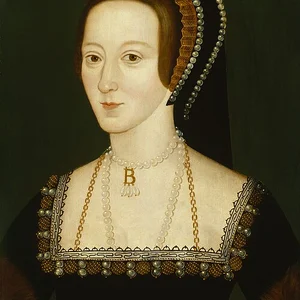
Anne Boleyn
1507 — 1536
Queen of England from 1533 to 1536, Anne Boleyn was the second wife of Henry VIII. Her marriage required England's break with Rome, giving rise to the Church of England. Mother of Elizabeth I, she was accused of adultery and beheaded at the Tower of London.
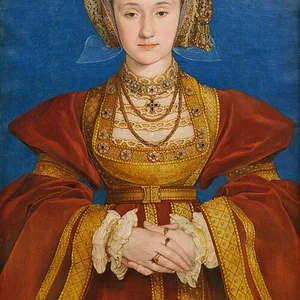
Anne of Cleves
1515 — 1557
A German princess of the House of La Marck, Anne of Cleves became the fourth wife of King Henry VIII of England in January 1540. The marriage, motivated by a diplomatic alliance with the Protestant princes, was annulled after six months.
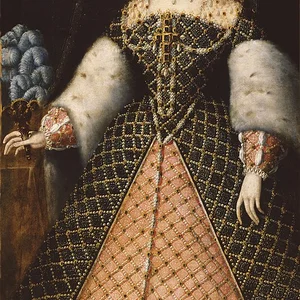
Catherine de Medici
1519 — 1589
Queen consort of France (1547–1559) and regent of the kingdom during the Wars of Religion. Born in Florence in 1519, she played a major political role by attempting to maintain the balance between Catholics and Protestants in France.
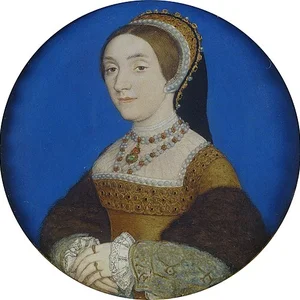
Catherine Howard
1523 — 1542
Catherine Howard was the fifth wife of King Henry VIII of England, whom she married in 1540. A very young queen consort, she was accused of adultery and treason, then executed in 1542.
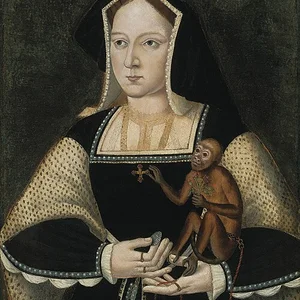
Catherine of Aragon
1485 — 1536
A Spanish Infanta who became Queen of England, Catherine of Aragon was the first wife of Henry VIII. Her refusal to have their marriage annulled triggered the Anglican schism and England's break with Rome.
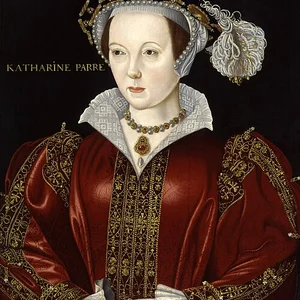
Catherine Parr
1512 — 1548
Sixth and last wife of King Henry VIII of England, whom she married in 1543. A cultured woman with reformist convictions, she was the only one of the six wives to outlive the king. She served as Regent of England in 1544 during Henry VIII's French campaign.
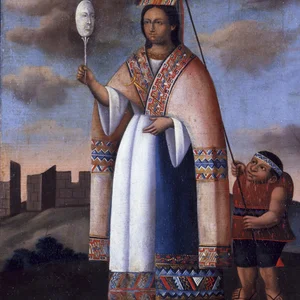
Coya Pacsa
Coya Pacsa was an Inca queen (coya), wife of the Inca Huayna Cápac, who ruled the Tawantinsuyu at the end of the 15th and beginning of the 16th century. A figure of the highest Inca nobility, she embodies the power and political role of the great royal wives in Inca civilization on the eve of the Spanish conquest. Information about her comes primarily from Quechua oral tradition and Spanish colonial chronicles.
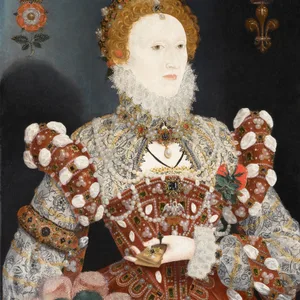
Elizabeth I
Queen of England and Ireland from 1558 to 1603, daughter of Henry VIII and Anne Boleyn. Her reign, the “Elizabethan era,” marks a golden age of culture and the consolidation of Protestantism in England. She embodies the figure of the “Virgin Queen,” an absolute sovereign who never married any of her suitors.
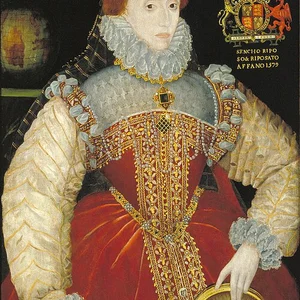
Elizabeth I of England
1533 — 1603
Elizabeth I (1533–1603) was Queen of England and Ireland for 45 years. The daughter of Henry VIII and Anne Boleyn, she consolidated Protestantism in England and led her kingdom to exceptional prominence in Europe. Her reign, known as the "Elizabethan era," was marked by the defeat of the Spanish Armada and a flourishing of arts and literature.
Grace O'Malley
1539 — 1599
Irish clan chief and navigator of the 16th century, nicknamed the “pirate queen.” At the head of the Ó Máille fleet, she scoured the west coast of Ireland through raiding and tolls, and negotiated in person with Elizabeth I of England.

Helena Glinskaya
A princess of Lithuanian origin, the second wife of the Grand Prince of Moscow Vasili III. Upon his death in 1533, she served as regent in the name of her son Ivan IV (the future Ivan the Terrible), then three years old, until her own death in 1538.
Isabella I of Castile
1451 — 1504
Isabella I of Castile (1451-1504) unified Spain by marrying Ferdinand II of Aragon, forming the Catholic Monarchs. She financed Christopher Columbus's voyage in 1492, opening the era of conquest in the Americas. Her reign was marked by the establishment of the Spanish Inquisition and the expulsion of the Jews from Spain.
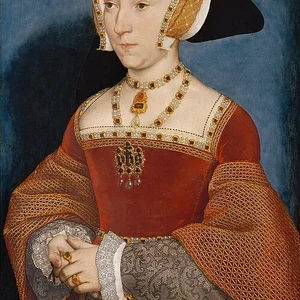
Jane Seymour
1508 — 1537
Jane Seymour was the third wife of King Henry VIII of England and queen consort from 1536 to 1537. She gave birth to the long-awaited male heir, the future Edward VI, but died a few days later from complications of childbirth.
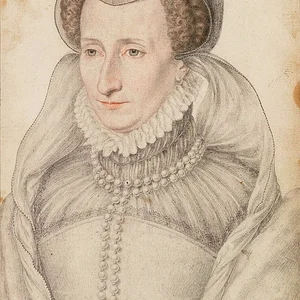
Jeanne d'Albret
1528 — 1572
Queen of Navarre from 1555 to 1572, Jeanne d'Albret was one of the leading figures of the Protestant Reformation in France. Mother of Henry IV, she imposed Calvinism in her territories and played a decisive political role in the Wars of Religion.

Joanna la Beltraneja
Castilian princess, acknowledged daughter of King Henry IV of Castile, claimant to the throne upon his death in 1474. Her contested legitimacy triggered a war of succession that pitted her against her aunt Isabella the Catholic. Defeated, she withdrew to Portugal where she ended her days.
Kassa
Kassa is the mother of Askia Mohammed I, founder of the Askia dynasty in the Songhai Empire in the 15th century. Her memory is preserved through oral traditions and mentioned in the Tarikh al-Fattash, an Arabic chronicle written in the 16th century. Her role in legitimizing her son's succession illustrates the place of women in medieval Sahelian societies.
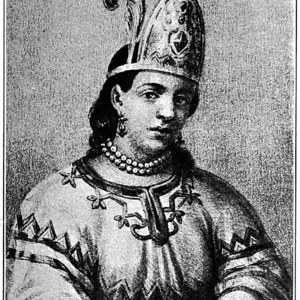
La Malinche
Born around 1500 into a noble Nahuatl family, sold into slavery and later given to Hernán Cortés, she became his interpreter, advisor, and companion. A central figure in the Conquest of Mexico, she remains an ambiguous symbol of betrayal and survival in Mexican historical memory.
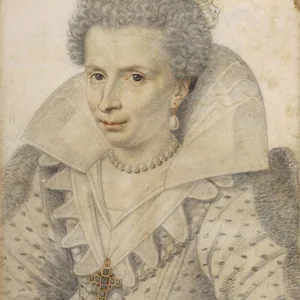
Leonora Galigaï
1568 — 1617
An Italian favorite and lady of the wardrobe to Queen Marie de' Medici, she wielded great influence at the French court during the regency alongside her husband Concino Concini. Accused of witchcraft, she was beheaded and then burned at the Place de Grève in 1617.
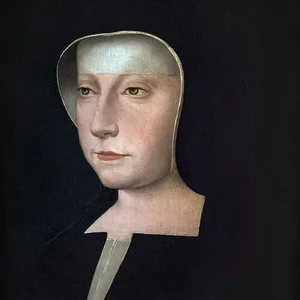
Louise de Savoie
1476 — 1531
Louise de Savoie (1476–1531), Duchess of Angoulême, was the mother of Francis I and Margaret of Navarre. She served twice as regent of France and played a major diplomatic role by negotiating the Peace of Cambrai in 1529.
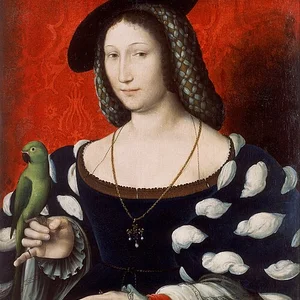
Margaret of Navarre
1492 — 1549
Elder sister of Francis I, Margaret of Navarre was one of the most educated women of the French Renaissance. A patron of humanists and religious reformers, she authored the Heptameron, a collection of tales inspired by Boccaccio's Decameron.
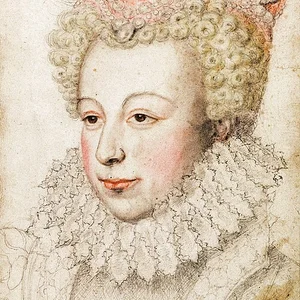
Marguerite de Valois
1553 — 1615
Queen consort of Navarre and later of France, nicknamed 'Queen Margot', she was a central figure in the Wars of Religion. A learned woman of letters, she left behind her Memoirs and was the first wife of Henry IV.
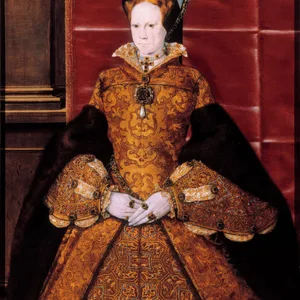
Mary I Tudor
Queen of England and Ireland from 1553 to 1558, Mary I Tudor was the first woman to reign in her own right over England. The daughter of Henry VIII and Catherine of Aragon, she restored Catholicism and persecuted Protestants, earning her the nickname "Bloody Mary".
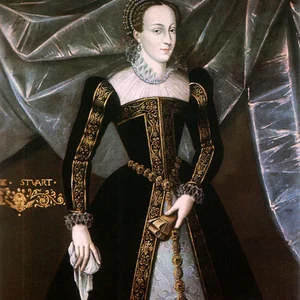
Mary, Queen of Scots
1542 — 1587
Queen of Scotland at six days old, raised at the French court, Mary Stuart became Queen consort of France before ruling a Scotland torn apart by the Protestant Reformation. A Catholic in a kingdom that had embraced Calvinism, she abdicated in 1567 and sought refuge with Elizabeth I, who had her imprisoned for eighteen years before having her beheaded in 1587.
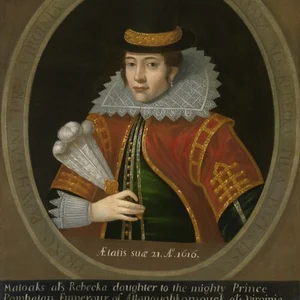
Pocahontas
1596 — 1617
Daughter of Chief Powhatan, leader of the Algonquian confederacy of Virginia, Pocahontas (c. 1596–1617) is a central figure in the encounter between the Powhatan peoples and the English settlers of Jamestown. Her story, passed down through colonial written sources and her people's oral tradition, symbolizes both the dialogue and the tensions between two worlds.
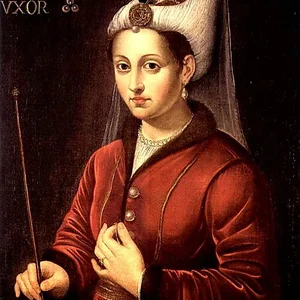
Roxelane
A slave of Ukrainian origin, she became the legal wife of Suleiman the Magnificent — the first concubine ever to be officially freed and married by an Ottoman sultan. Her influence over the politics of the Sublime Porte was considerable throughout the 16th century.
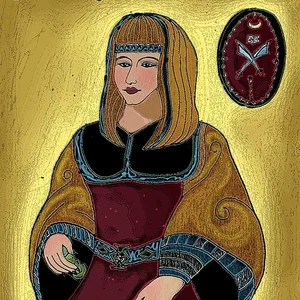
Sayyida al-Hurra
1485 — 1561
Born into an Andalusian family exiled after the fall of Granada, Sayyida al-Hurra became governor of Tétouan in the early 16th century. An ally of the corsair Barbarossa of Algiers, she led privateering campaigns in the western Mediterranean against the Iberian powers and was one of the few women to rule as a sovereign in the Muslim world of her time.
Abla Pokou II
Legendary queen of the Baoulé people in the 18th century, she led her people from the Ashanti kingdom to present-day Ivory Coast. Oral tradition holds that she sacrificed her only son to allow her people to cross the Comoé River, a founding act of Baoulé identity.
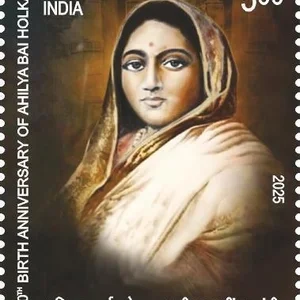
Ahilyabai Holkar
1725 — 1795
Queen of the Malwa kingdom (Indore) from 1767 to 1795, she ruled with wisdom and justice. Widowed at 29, she refused sati and took charge of the state, personally leading her armies. She had hundreds of temples, wells, and roads built across India.

Akwa Boni
1708 — ?
Ivorian political figure and prominent voice in Côte d'Ivoire's public life. Embodying the meeting point between African cultural traditions and modern political engagement, she represents women's participation in the institutions of postcolonial West Africa.
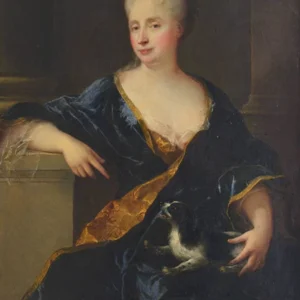
Anne Thérèse de Marguenat de Courcelles, marquise de Lambert
A Parisian writer and salon hostess (1647–1733), she presided over one of the most influential literary salons of the Regency period, frequented by Fontenelle, Montesquieu, and Marivaux. A pioneer in thinking about women's education, she championed their access to intellectual life.
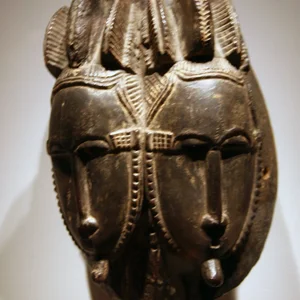
Aura Pokou
Founding queen of the Baoulé people (Côte d'Ivoire) in the 18th century, according to Akan oral tradition. To allow her people to cross the Comoé River during a forced exile, she is said to have sacrificed her only son. Her name means "the child who does not return."
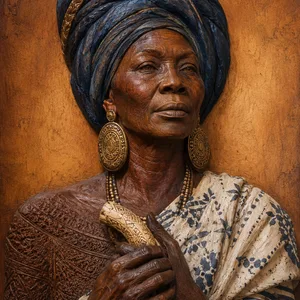
Bakwa Turunku
1468 — 1566
Queen of the kingdom of Zazzau (present-day Zaria, Nigeria) in the 16th century, Bakwa Turunku founded the city of Zaria around 1536. She is the mother of the famous warrior queen Amina of Zaria, a symbol of female power in West Africa.
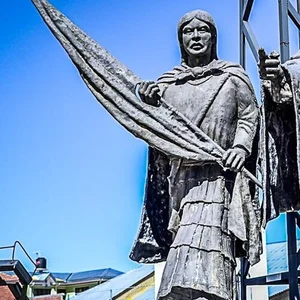
Bartolina Sisa
1750 — 1782
Bartolina Sisa is a heroic figure of the Aymara people and wife of Túpac Katari. Around 1781–1782, she co-led the siege of La Paz against Spanish colonial forces. Captured, she was executed by the Spanish in 1782 and is today revered as a symbol of indigenous resistance in Bolivia.
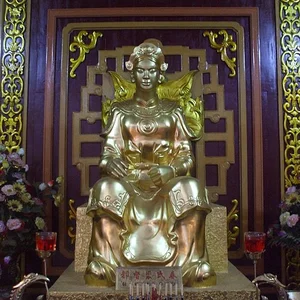
Bùi Thị Xuân
1752 — 1802
Vietnamese general (1752–1802), one of the five great heroines of the Tây Sơn dynasty. Wife of General Trần Quang Diệu, she commanded the war elephant corps and distinguished herself against Siamese and Manchu armies. Captured after the fall of the Tây Sơn, she was executed by elephant in 1802.
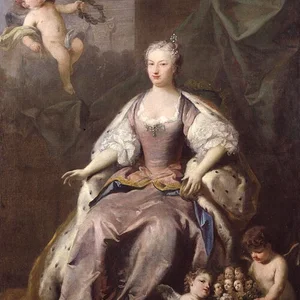
Caroline of Ansbach
1683 — 1737
Queen consort of Great Britain and Ireland (1727–1737), wife of George II. An Enlightenment intellectual, she corresponded with Leibniz and actively supported Newton in the philosophical and scientific dispute between the two men. Regent on several occasions, she wielded major political influence over the British monarchy.
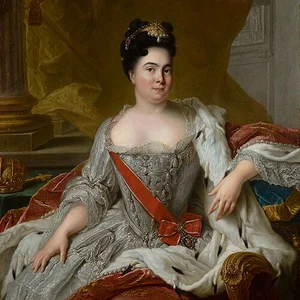
Catherine I
Empress of Russia from 1725 to 1727, second wife of Peter the Great. Born to a humble Baltic peasant family, she was the first woman to rule the Russian Empire, ushering in the century of the empresses.
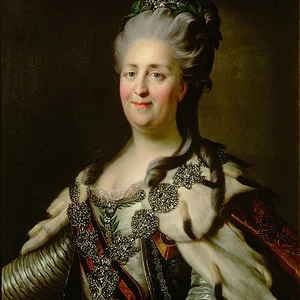
Catherine II of Russia
1729 — 1796
Catherine II, known as Catherine the Great, was Empress of Russia from 1762 to 1796. Of German origin, she overthrew her husband Peter III and modernized the Russian Empire by drawing on the ideas of Enlightenment philosophers, while strengthening autocratic power.
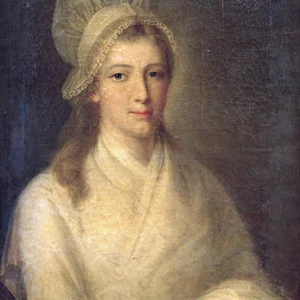
Charlotte Corday
1768 — 1793
A Norman Girondin activist, Charlotte Corday assassinated Jean-Paul Marat in his bathtub on July 13, 1793. Convinced she was putting an end to the Terror, she was guillotined four days later at the age of 24.
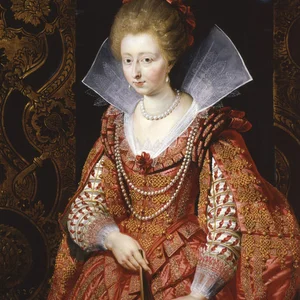
Charlotte-Marguerite de Montmorency
1594 — 1650
Charlotte-Marguerite de Montmorency (1594-1650), Princess of Condé, was one of the most celebrated beauties of the French court. Coveted by the aging King Henry IV, her marriage to Henry II of Bourbon-Condé sparked a diplomatic crisis when the couple fled to the Spanish Netherlands.

Christian Ludwig of Brandenburg
Margrave of Brandenburg-Schwedt and member of the House of Hohenzollern, he is best known as the dedicatee of Johann Sebastian Bach's six Brandenburg Concertos (1721). A music lover and patron of the arts, he embodies the aristocratic German culture of the early 18th century.
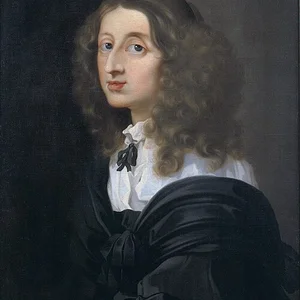
Christina of Sweden
1626 — 1689
Queen of Sweden from 1632 to 1654, Christina voluntarily abdicated her throne to convert to Catholicism and settle in Rome. An exceptional woman, she invited Descartes to her court and ruled with authority in the Europe of the Thirty Years' War.
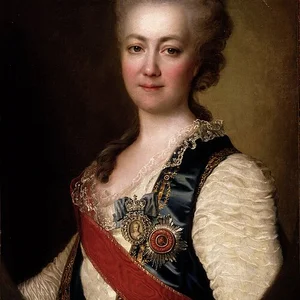
Ekaterina Vorontsova-Dashkova
1743 — 1810
A learned Russian aristocrat and close associate of Catherine II, she played a part in the coup d'état of 1762. The first woman to head the Russian Academy of Sciences, she founded the Russian Academy devoted to the language.
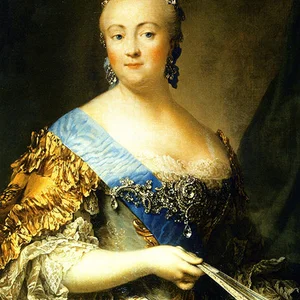
Elizabeth I of Russia
1709 — 1762
Daughter of Peter the Great, Elizabeth I ruled Russia from 1741 to 1762. Her reign was marked by a flourishing of culture, the founding of Moscow University, and Russia's victorious participation in the Seven Years' War.
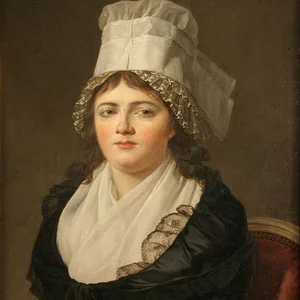
Gabrielle Danton
Gabrielle Charpentier (c. 1764–1793) was the wife of Georges-Jacques Danton, a leading orator of the French Revolution. The daughter of a Parisian café owner, she died at 28 in February 1793 while her husband was on a mission in Belgium, just months before the Reign of Terror.

Jodhaa
16th-century Rajput princess and wife of the Mughal emperor Akbar the Great. Her marriage symbolizes Akbar's policy of religious tolerance between Hinduism and Islam. A controversial figure whose very existence is debated by historians.
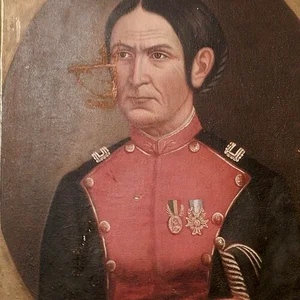
Juana Azurduy
A mestiza guerrilla fighter born in 1780 in Upper Peru (present-day Bolivia), she commanded indigenous troops against the Spanish during the independence wars. Known as "the Pachamama of freedom," she was appointed lieutenant colonel by Simón Bolívar.
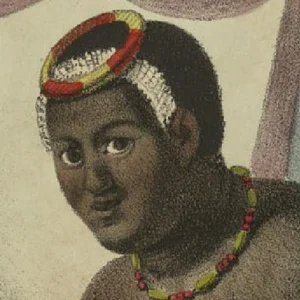
Ka'ahumanu
1768 — 1832
Queen consort and later regent of the Kingdom of Hawaii, Kaʻahumanu was the favorite wife of King Kamehameha I. In 1819, she abolished the system of religious taboos (kapu) and played a key role in introducing Christianity to Hawaii.
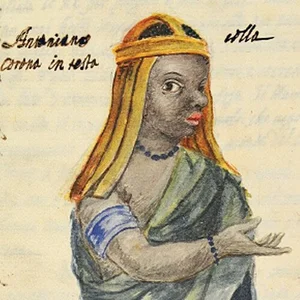
Kimpa Vita
1684 — 1706
A Kongolese prophetess of the Bakongo people, Kimpa Vita founded around 1704 the Antonian movement, preaching an African interpretation of Christianity. Arrested by Capuchin missionaries, she was burned at the stake in 1706 for heresy and witchcraft.
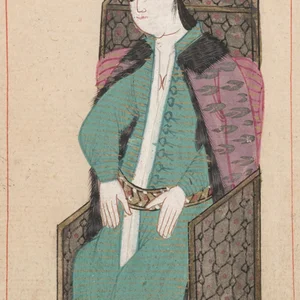
Kösem Sultan
1589 — 1651
Valide sultan and regent of the Ottoman Empire in the 17th century, Kösem Sultan wielded considerable political influence for over thirty years. She governed as regent for her sons Murad IV and Ibrahim I, and later for her grandson Mehmed IV.
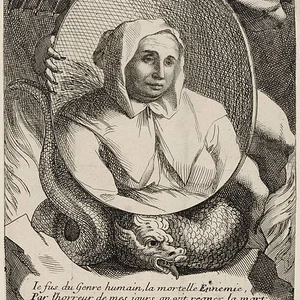
La Voisin
1640 — 1680
Poisoner, fortune-teller, and abortionist in 17th-century Paris, Catherine Deshayes was the central figure of the Affair of the Poisons (1679–1682). Supplying poisons, love potions, and black masses to an aristocratic clientele, she was burned alive at the Place de Grève in 1680.
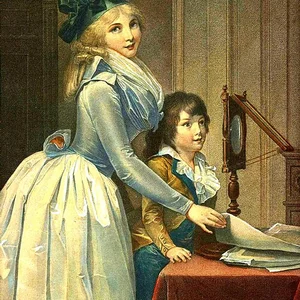
Louise Gély
1776 — 1856
Second wife of Georges Danton, whom she married in 1793 at the age of sixteen after caring for his children. A figure in the intimate circle of a major actor of the French Revolution, she lived through the Terror and then remarried after Danton's execution.
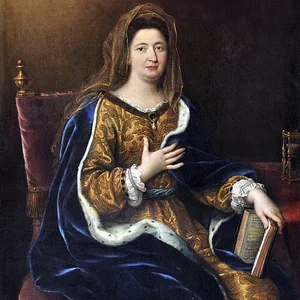
Madame de Maintenon
1635 — 1719
Born in 1635, Françoise d'Aubigné endured a wretched childhood before becoming governess to the legitimized children of Louis XIV, then his secret wife around 1683. In 1686, she founded the Maison royale de Saint-Louis at Saint-Cyr, a pioneering educational institution for young women from impoverished noble families.
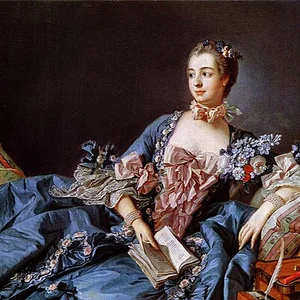
Madame de Pompadour
1721 — 1764
Official mistress of King Louis XV from 1745 until her death in 1764, she wielded considerable influence over French politics and culture. A great patron of the arts and protector of the Enlightenment philosophers, she helped shape the Rococo style and supported the Encyclopédie of Diderot and d'Alembert.
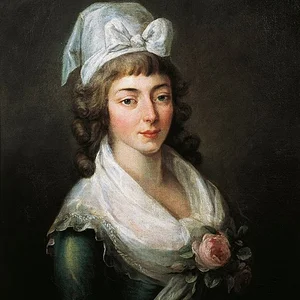
Madame Roland
1754 — 1793
Salon hostess and Girondin political figure, Manon Roland (1754–1793) exerted considerable influence over the Girondin party during the French Revolution. Arrested during the Terror, she was guillotined in 1793, uttering her famous words about liberty.
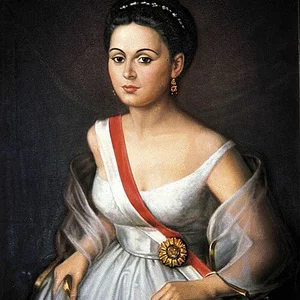
Manuela Sáenz
1797 — 1856
Ecuadorian revolutionary born in Quito around 1797, of mixed heritage (Creole mother, Spanish father), Manuela Sáenz was a central figure in the Spanish American wars of independence and the companion of Simón Bolívar. She saved the Liberator's life in 1828 and was nicknamed the "Libertadora del Libertador."
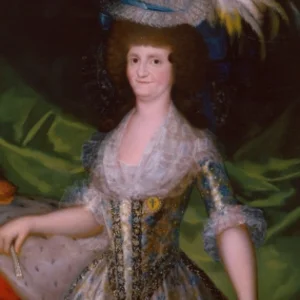
Maria Luisa of Parma
Princess of Parma who became Queen of Spain through her marriage to Charles IV. A woman of strong character, she wielded considerable political influence and promoted the rise of her favorite, Manuel Godoy, within the government.
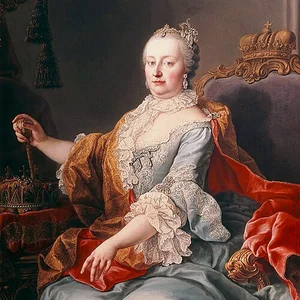
Maria Theresa of Austria
1717 — 1780
Archduchess of Austria and Queen of Hungary and Bohemia (1717–1780), she defended her inheritance against the major European powers and profoundly modernized the Habsburg state. The only woman to have ruled over Habsburg territories, she stands as one of the great reforming monarchs of the 18th century.
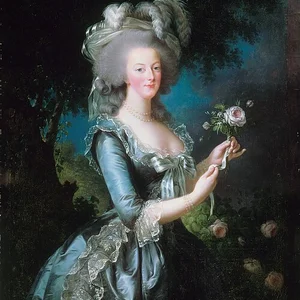
Marie-Antoinette
1755 — 1793
Queen consort of France from 1774 to 1792, wife of Louis XVI. A symbol of the Ancien Régime and its excesses, she became deeply unpopular with the French people and came to embody the frivolity of the Versailles court. Accused of treason during the French Revolution, she was executed by guillotine in 1793.
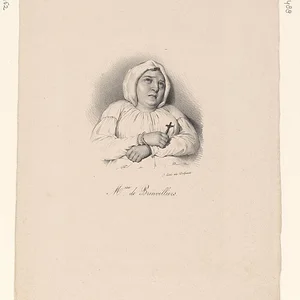
Marie-Madeleine de Dreux
French noblewoman from the House of Dreux, a family of high Capetian lineage. A figure of the French aristocracy in the early modern period, her name combines Catholic devotion with membership in one of France's great seigneurial dynasties.
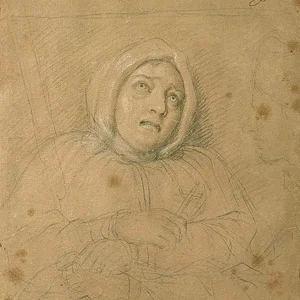
Marquise de Brinvilliers
1630 — 1676
A French aristocrat of the 17th century, notorious for poisoning her father and brothers in order to inherit their fortune. Her trial and execution in 1676 triggered the Affair of the Poisons, exposing the widespread use of poison in high society.
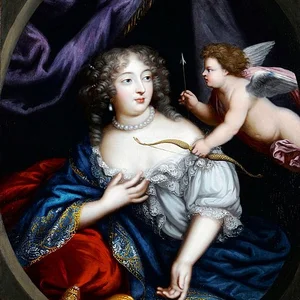
Marquise de Montespan
1640 — 1707
Official favorite of Louis XIV from 1667 to 1681, she reigned over the court of Versailles and had seven legitimized children with the Sun King. Implicated in the Affair of the Poisons, she subsequently fell from grace.
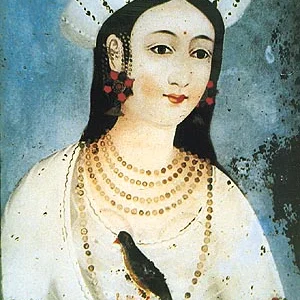
Mastani
1699 — 1740
Mastani (c. 1699–1740) was the second wife of Bajirao I, the Maratha Peshwa. Daughter of a Rajput raja and a Muslim concubine, she was an accomplished dancer and warrior. Their interfaith love caused a scandal at the Maratha court and gave rise to legend.
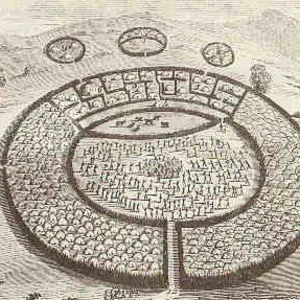
Mkabayi kaJama
1750 — 1843
Zulu princess (c. 1750–1843), influential aunt and advisor to King Shaka, and a major figure in Zulu oral tradition. Born among the Zulu people of southern Africa, she wielded considerable political power within the royal household, particularly during royal successions.
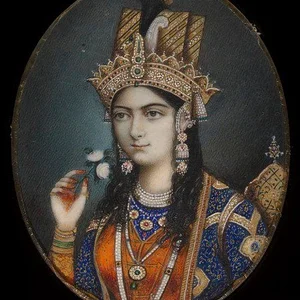
Mumtaz Mahal
1593 — 1631
Mughal empress and favorite wife of Emperor Shah Jahan. Her death in childbirth in 1631 inspired the construction of the Taj Mahal, a marble mausoleum raised to her memory that became one of the most famous monuments in the world.
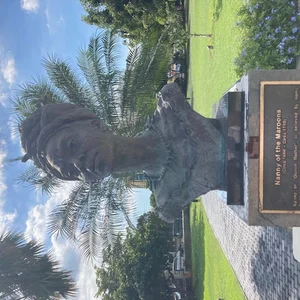
Nanny of the Maroons
A central figure of Maroon resistance in Jamaica during the 18th century, Nanny led the Windward Maroons from their stronghold in the Blue Mountains. A warrior and spiritual leader of Akan origin (present-day Ghana), she led the struggle against British colonial slavery for decades. A Jamaican national heroine, her life is transmitted primarily through Maroon oral tradition.
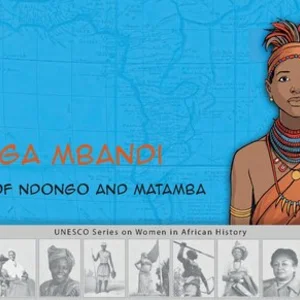
Njinga of Matamba
Warrior queen of Angola (c. 1583–1663), Njinga of Matamba fiercely resisted Portuguese colonization in Central Africa. A skilled diplomat, she negotiated directly with the Portuguese while forging alliances with the Dutch. She ruled the kingdom of Matamba for more than thirty years.
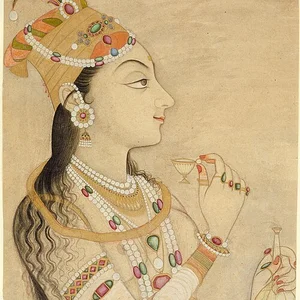
Nur Jahan
1577 — 1645
Mughal empress (1577–1645), wife of Emperor Jahangir, she was the only woman to wield real political power under the Mughal dynasty. An administrator, poet, and patron of the arts, she had coins struck in her own name and effectively governed the empire for several years.
Nzinga
Queen of Ndongo and Matamba (Angola) in the 17th century, Nzinga led a fierce resistance against Portuguese colonization and the slave trade. A skilled diplomat and formidable warrior, she negotiated with the Portuguese before waging decades of guerrilla warfare against them.
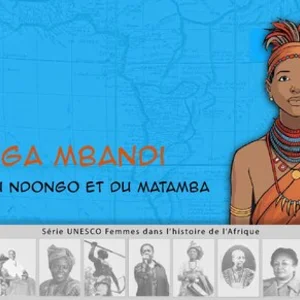
Nzinga Mbandi
Queen of Ndongo and later Matamba (Mbundu people, present-day Angola), Nzinga Mbandi was a formidable political and military strategist who resisted Portuguese expansionism and the Atlantic slave trade throughout the 17th century. An iconic figure of pre-colonial African resistance, she negotiated, waged war, and allied with the Dutch to defend her people's sovereignty.
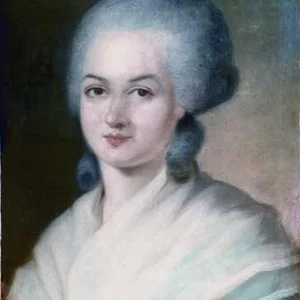
Olympe de Gouges
1748 — 1793
French author, politician and pamphleteer (1748–1793), Olympe de Gouges campaigned for women's rights and the abolition of slavery during the French Revolution. She wrote the Declaration of the Rights of Woman and of the Female Citizen in 1791, a founding document of feminism.
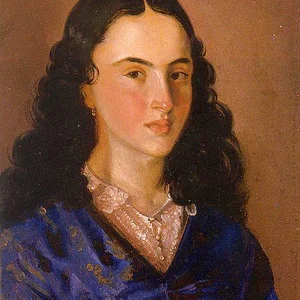
Policarpa Salavarrieta
1795 — 1817
Heroine of Colombian independence (c. 1795–1817), nicknamed "La Pola". A seamstress and patriot spy, she recruited soldiers for the independence cause. Captured by the Spanish, she was executed by firing squad in Bogotá on November 14, 1817.
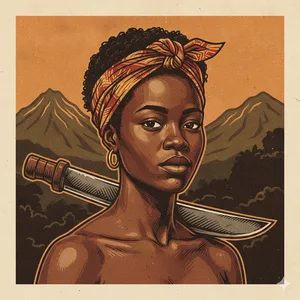
Solitude
1772 — 1802
Born around 1772 in Guadeloupe to an enslaved African mother, Solitude joined the mixed-race insurgents during the armed resistance against the restoration of slavery decreed by Bonaparte in 1802. Pregnant, she fought until her capture and was hanged the day after giving birth, on November 29, 1802. Her story, passed down through Creole and Caribbean oral tradition, has made her an emblematic figure of resistance against colonial oppression.
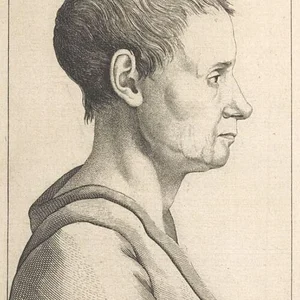
Théroigne de Méricourt
A Belgian revolutionary activist (1762–1817), Théroigne de Méricourt played an active role in the French Revolution, most notably during the Women's March on Versailles (1789). A fierce champion of women's political rights, she was one of the first revolutionary feminists before being committed to the Salpêtrière asylum, where she remained until her death.
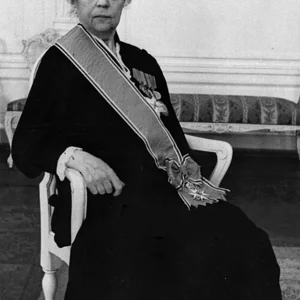
Alexandra Kollontai
1872 — 1952
A Russian Bolshevik revolutionary, Alexandra Kollontai was one of the first women in the world to hold a diplomatic post. A theorist of socialist feminism, she championed women's emancipation and freedom from traditional marriage.
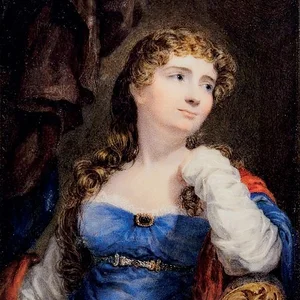
Annabella Milbanke
1792 — 1860
British aristocrat (1792–1860), self-taught mathematician and philanthropist, she married the poet Lord Byron in 1815 before separating from him a year later. She went on to dedicate herself to popular education and social reform, and is the mother of Ada Lovelace, pioneer of computing.
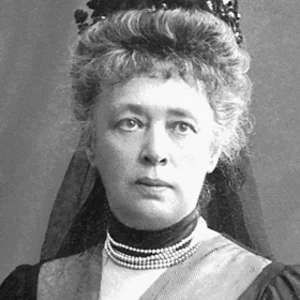
Bertha von Suttner
1843 — 1914
Austrian novelist and pacifist activist (1843–1914), Bertha von Suttner published in 1889 “Die Waffen nieder!” (Lay Down Your Arms!), a novel that shocked Europe with its realistic portrayal of the horrors of war. In 1905, she became the first woman to receive the Nobel Peace Prize.
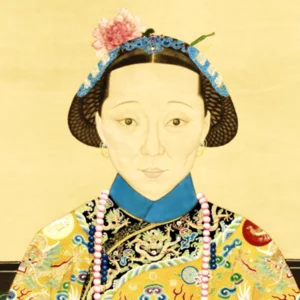
Ci'an
1837 — 1881
Empress dowager of China under the Qing dynasty, Ci'an exercised a joint regency with Ci Xi following the death of Emperor Xianfeng in 1861. Known for her piety and gentleness, she was long overshadowed by the more ambitious Ci Xi in historical accounts.
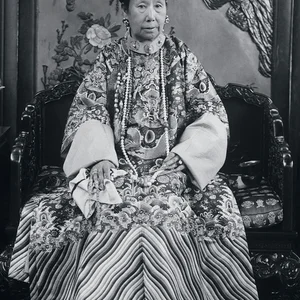
Cixi
1835 — 1908
Cixi, Empress Dowager of China, dominated the politics of the Qing dynasty for nearly fifty years. A shrewd and authoritarian regent, she governed an empire facing Western colonial pressures and internal rebellions, leaving an ambivalent legacy on China's modernization.
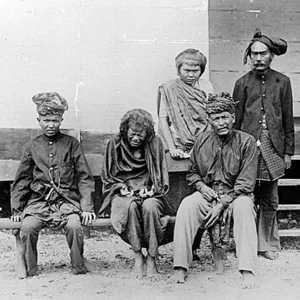
Cut Nyak Dhien
1848 — 1908
An Indonesian national heroine, Cut Nyak Dhien led armed resistance against Dutch occupation in the Aceh region (Sumatra) following the death of her husband. A symbol of Indonesian nationalism, she fought until her capture in 1905 despite serious illness.
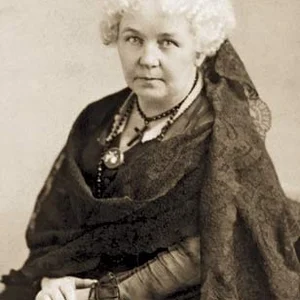
Elizabeth Cady Stanton
1815 — 1902
American women's rights activist (1815–1902), she co-organized the Seneca Falls Convention in 1848, the first major gathering for women's suffrage in the United States. Author of the Declaration of Sentiments, she devoted her life to the civic and political equality of women.
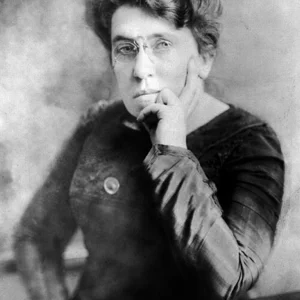
Emma Goldman
1869 — 1940
Emma Goldman (1869-1940) was a Lithuanian-born anarchist and feminist activist who emigrated to the United States. A leading figure in the American labor movement, she championed individual freedom, women's emancipation, and opposed war and capitalism.
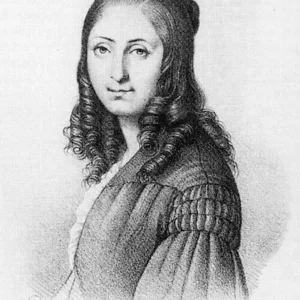
Flora Tristan
1803 — 1844
French journalist and feminist activist (1803–1844), Flora Tristan championed the emancipation of women and the condition of the working class in the 19th century. She was a pioneer of feminism and socialism, placing the question of women at the heart of political and social debate.
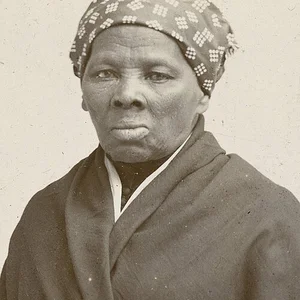
Harriet Tubman
1820 — 1913
Born into slavery around 1822, Harriet Tubman escaped in 1849 and became one of the most celebrated conductors of the Underground Railroad, helping hundreds of enslaved people flee to the North. An abolitionist, a spy for the Union during the Civil War, and an advocate for women's rights, she is a towering figure in the American struggle for freedom.
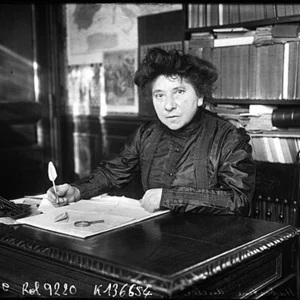
Hubertine Auclert
1848 — 1914
French feminist activist (1848–1914), she was one of the first to demand women's right to vote in France. Founder of the society “Le Suffrage des femmes,” she led militant actions such as refusing to pay her taxes and smashing a ballot box.
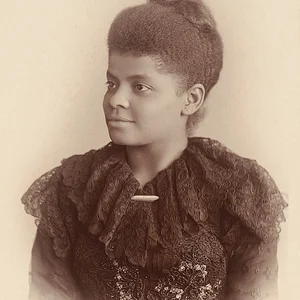
Ida B. Wells
1862 — 1931
African American journalist and activist born into slavery in 1862, Ida B. Wells conducted rigorous investigations into lynching in the United States and co-founded the NAACP. A pioneering figure in investigative journalism and the civil rights movement.
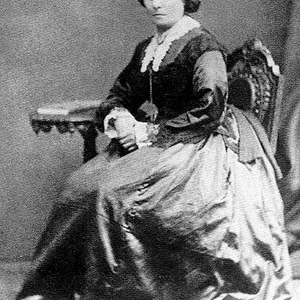
Jenny von Westphalen
1814 — 1881
A Prussian aristocrat who became the wife and collaborator of Karl Marx, she shared the couple's exile and poverty in London. For nearly four decades she was the first reader, copyist, and secretary of Marx's work.

Lakshmibai of Jhansi
Queen of the kingdom of Jhansi, in northern India, Lakshmibai became one of the leading figures of the Sepoy Mutiny of 1857 against the British East India Company. Refusing the annexation of her state, she took up arms and died in battle, becoming a national symbol of Indian resistance.
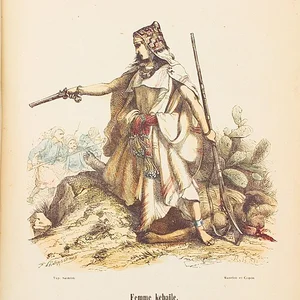
Lalla Fatma N'Soumer
1830 — 1863
A Kabyle resistance fighter from the Amazigh people, Lalla Fatma N'Soumer led the armed struggle against the French conquest of Algeria in the mid-19th century. Both a spiritual and military figure, she is passed down through Berber oral tradition as a symbol of dignity and resistance.
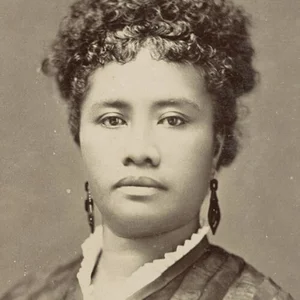
Liliuokalani
1838 — 1917
Liliuokalani was the last queen of the Kingdom of Hawaii, overthrown in 1893 by a coup supported by American settlers. A composer and stateswoman, she fought peacefully for Hawaiian sovereignty and remains a symbol of resistance to American imperialism.
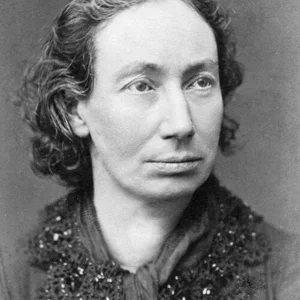
Louise Michel
1830 — 1905
Teacher and leading figure of the French anarchist movement (1830–1905), Louise Michel dedicated herself to educating poor children before becoming one of the heroines of the Paris Commune. Exiled and imprisoned for her revolutionary actions, she devoted her life to the struggle for social equality and the emancipation of the oppressed.
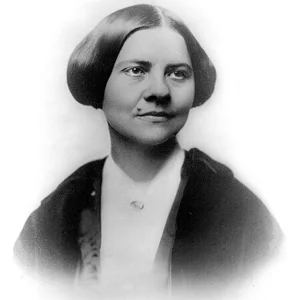
Lucy Stone
1818 — 1893
Lucy Stone (1818-1893) was one of the first American activists to fight simultaneously for the abolition of slavery and women's right to vote. The first woman from Massachusetts to earn a college degree, she refused to take her husband's name after marriage.
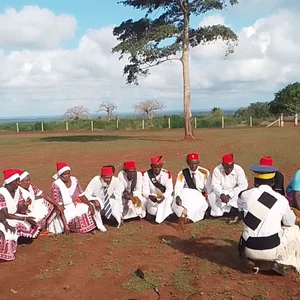
Mekatilili wa Menza
1840 — 1925
A Giriama woman from Kenya, Mekatilili wa Menza led the resistance against British colonial rule during the 1913–1914 revolt. Arrested and deported, she escaped and continued fighting for her people's freedom.
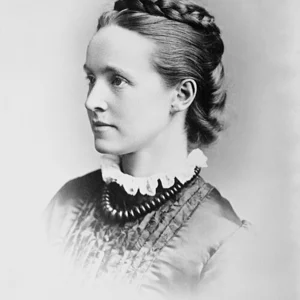
Millicent Fawcett
1847 — 1929
British feminist activist and leading figure of constitutional suffragism. As president of the NUWSS, she championed winning women's voting rights through lawful and peaceful means, in contrast to the militant methods of the suffragettes.
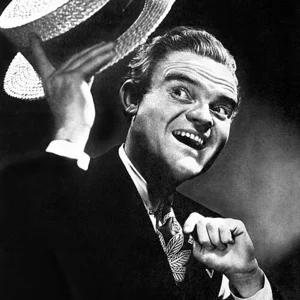
Mother Jones
Nicknamed “Mother Jones,” Mary Harris Jones was one of the most formidable labor activists in the United States. An organizer for coal miners and textile workers, she fought her entire life against the exploitation of workers and child labor.
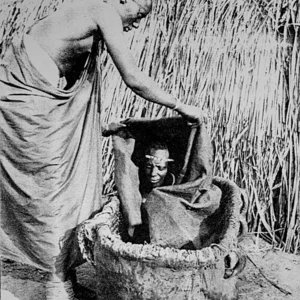
Muhumusa
A Rwandan medium of the Kinyarwanda people, Muhumusa embodied the Nyabingi spirit and led an anti-colonial resistance against European powers in the early 20th century. She is considered a major spiritual and political figure of the African Great Lakes region.
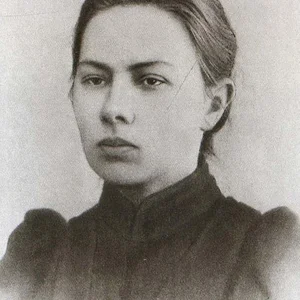
Nadezhda Krupskaya
1869 — 1939
Russian revolutionary and educator (1869–1939), wife of Lenin and Bolshevik activist. She played a central role in Soviet educational policy after 1917, particularly in mass literacy campaigns and the reform of public schooling.
Nandi
1760 — 1827
Mother of Shaka Zulu and a founding figure of the Zulu kingdom, Nandi lived with dignity despite the social rejection brought on by her out-of-wedlock pregnancy. She had a decisive influence on her son, the future builder of the Zulu empire.
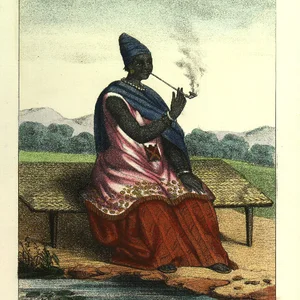
Ndate Yalla Mbodj
The last queen (linguère) of the Waalo, a Wolof kingdom in Senegal, Ndate Yalla Mbodj fiercely resisted French expansion in the 1840s–1850s. An iconic figure of African pre-colonial resistance, she is celebrated in Wolof and Toucouleur oral traditions.
Nehanda Nyakasikana
Nehanda Nyakasikana (c. 1840–1898) was a mhondoro — a spirit medium of the Shona people of present-day Zimbabwe — venerated as the embodiment of the ancestral spirit Nehanda. A central figure of the First Chimurenga, she organized armed resistance against the British colonization of Southern Rhodesia before being captured and hanged by the colonial authorities.
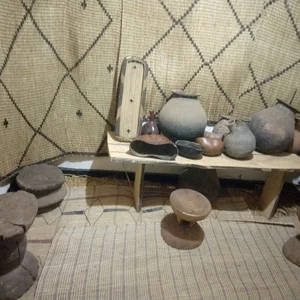
Nyabingi
Queen of Ndorwa (a region straddling present-day Rwanda and Uganda), Nyabingi is, according to the oral traditions of the Kiga and Tutsi peoples, a ruler whose spirit became after her death a powerful symbol of resistance. Her name gave rise to the Nyabingi movement, which opposed European colonization into the 20th century.
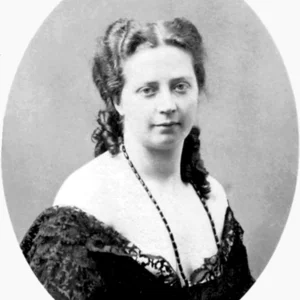
Olympe Audouard
1832 — 1890
Olympe Audouard (1832–1890) was a French writer, journalist, and feminist. A tireless traveler, she journeyed through the Middle East and the United States and published accounts of her travels. She campaigned for women's rights, particularly the right to divorce and access to education.
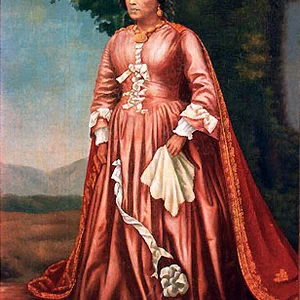
Ranavalona I
1788 — 1861
Queen of Madagascar from 1828 to 1861, Ranavalona I belonged to the Merina people of the Malagasy Highlands. She firmly resisted European encroachment — both British and French — by expelling missionaries and banning Christianity. Her sovereigntist policies preserved the kingdom's independence for more than thirty years.
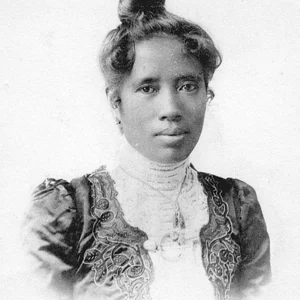
Ranavalona III
1861 — 1917
The last queen of Madagascar, Ranavalona III ruled the Merina Kingdom from 1883 to 1897. Despite her diplomatic resistance, she was unable to prevent French colonization. Deposed and exiled, she died in Algiers in 1917, a symbol of lost Malagasy sovereignty.
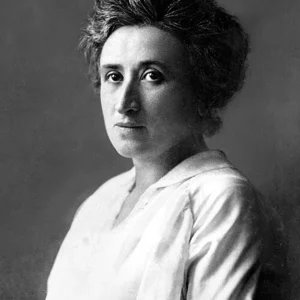
Rosa Luxemburg
1871 — 1919
Rosa Luxemburg was a Polish-born revolutionary activist and Marxist theorist who became a naturalized German citizen. Co-founder of the Communist Party of Germany (KPD), she championed a socialist revolution rooted in the mass consciousness of the working class. Arrested during the Spartacist uprising of January 1919, she was murdered by paramilitary soldiers.
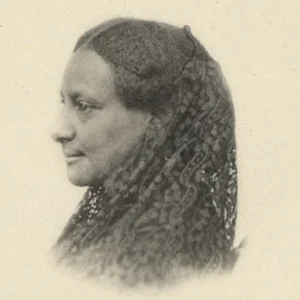
Sarah Parker Remond
1824 — 1894
African American abolitionist and suffragist activist of the nineteenth century. She traveled across Europe to raise public awareness of the anti-slavery cause, and settled in Italy where she became a physician.
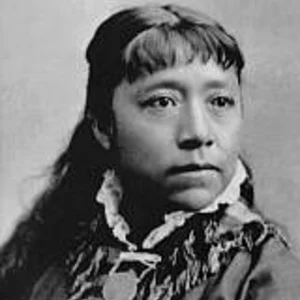
Sarah Winnemucca
1844 — 1891
A Paiute activist and author from Nevada, Sarah Winnemucca defended the rights of her Native American people in the face of American colonization. In 1883, she became the first Native American woman to publish a book in English, a major testimony on the condition of Indigenous nations.

Sarraounia
Queen and spiritual leader of the Azna (animist Hausa people of Niger), Sarraounia successfully resisted the French military mission of Voulet-Chanoine in April 1899. A symbol of anti-colonial resistance, she was immortalized by Abdoulaye Mamani's novel (1980) and Med Hondo's film (1986).

Stella Zeehandelaar
Dutch-born anarchist and feminist militant who emigrated to the United States, known for her correspondence with Emma Goldman in the 1890s–1900s. A prominent figure in New York's anarchist and labor circles at the end of the nineteenth century.
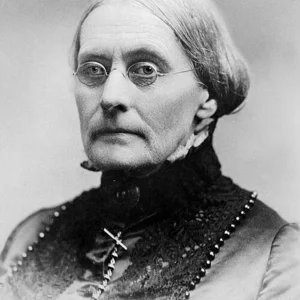
Susan B. Anthony
1820 — 1906
American civil rights activist (1820–1906), Susan B. Anthony is one of the founding figures of the American suffragist movement. She devoted her life to the abolition of slavery and to securing the right to vote for women.
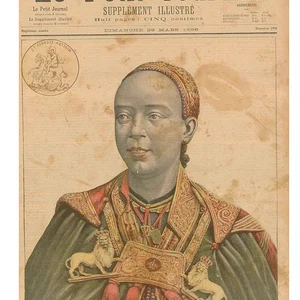
Taytu Betul
1851 — 1918
Empress of Ethiopia and wife of Menelik II, Taytu Betul was a major political and military figure of the late 19th century. Born into the Amhara tradition, she played a decisive strategic role in the Battle of Adwa in 1896, which repelled Italian colonization.
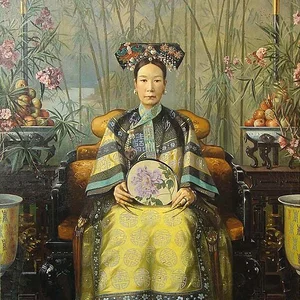
Tzu-Hsi (Cixi)
Cixi was the true ruler of imperial China for nearly fifty years, first as regent and then as the actual holder of power. Born into modest rank, she established herself at the Qing court and profoundly shaped China's destiny in the face of Western imperialism.
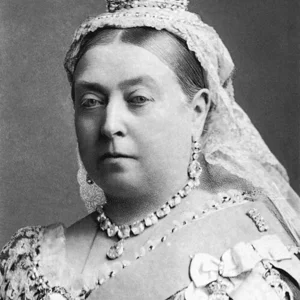
Victoria
1819 — 1901
Victoria ascended to the British throne at 18 in 1837 and reigned for 63 years, becoming one of the most influential monarchs in history. Her reign coincided with the height of the British Empire and the Industrial Revolution. She gave her name to an entire era: the Victorian age.

Yaa Akyaa
1840 — ?
Yaa Akyaa was queen mother of the Ashanti Kingdom in the nineteenth century, holding considerable political and symbolic power within the Akan matrilineal tradition. Her role was to advise the king (Asantehene) and to embody dynastic legitimacy.
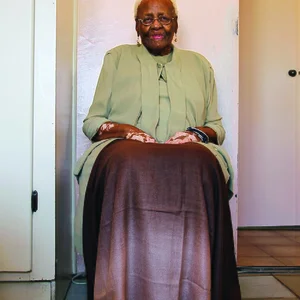
Amina Cachalia
1930 — 2013
A South African anti-apartheid activist of Indian descent, Amina Cachalia devoted her life to fighting racial segregation in South Africa. A close ally of Nelson Mandela and the ANC, she was a leading figure in the Federation of South African Women.
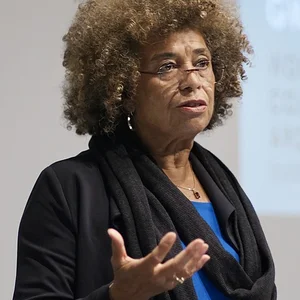
Angela Davis
1944 — ?
African-American civil rights activist, philosopher, and university professor born in 1944 in Birmingham, Alabama. An iconic figure of the Black Power movement and intersectional feminism, she was imprisoned in 1970 before being acquitted. She remains a leading voice against systemic racism and social inequality.
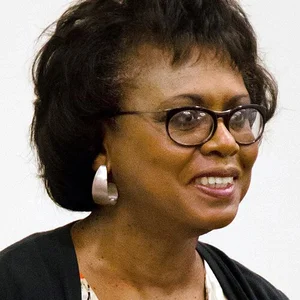
Anita Hill
1956 — ?
Anita Hill is an African American lawyer and law professor. In 1991, her testimony before the U.S. Senate, accusing Judge Clarence Thomas of sexual harassment during his nomination to the Supreme Court, marked a turning point in public awareness of workplace harassment.
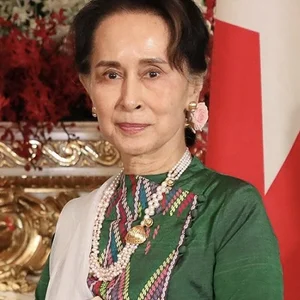
Aung San Suu Kyi
1945 — ?
Burmese democracy activist, Aung San Suu Kyi devoted her life to peaceful resistance against the military junta in Myanmar. Winner of the Nobel Peace Prize in 1991, she spent 15 years under house arrest before leading her country from 2016 to 2021.
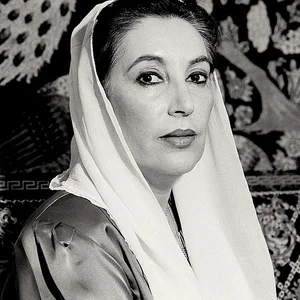
Benazir Bhutto
1953 — 2007
Benazir Bhutto was the first woman to lead a government in a Muslim-majority country, becoming Prime Minister of Pakistan in 1988. The daughter of Prime Minister Ali Bhutto, she fought against military dictatorships and became a symbol of democracy and women's rights in South Asia. Assassinated in an attack in 2007, she remains an iconic figure of political courage.
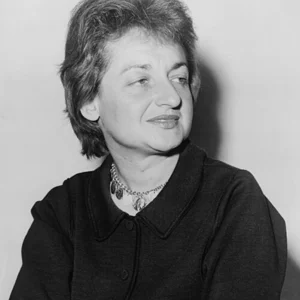
Betty Friedan
1921 — 2006
American essayist and feminist activist (1921–2006), Betty Friedan transformed society with her book The Feminine Mystique (1963), which ignited the second wave of feminism in the United States. Co-founder of the National Organization for Women (NOW), she fought for equal rights for women.
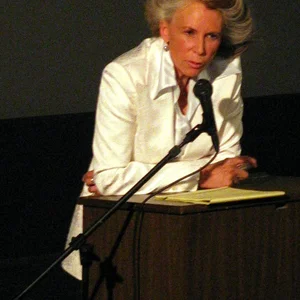
Catharine MacKinnon
1946 — ?
An American legal scholar and feminist theorist, Catharine MacKinnon is one of the most influential intellectuals of radical feminism. She theorized sexual harassment as a form of discrimination and helped establish its legal recognition in the United States.
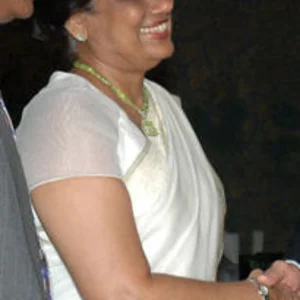
Chandrika Kumaratunga
1945 — ?
A Sri Lankan politician, she was the first woman president of Sri Lanka (1994-2005). The daughter of two Prime Ministers, she sought to end the civil war between the state and the Tamil Tigers.
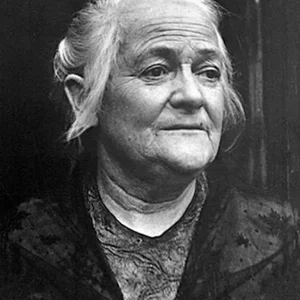
Clara Zetkin
1857 — 1933
German socialist and feminist activist (1857–1933), Clara Zetkin was the driving force behind International Women's Day. A leading figure of the Second International, she championed the emancipation of women within the framework of the class struggle.
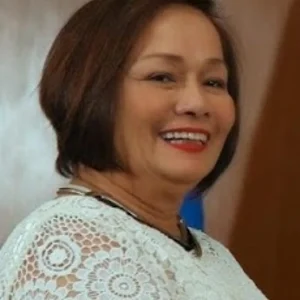
Corazón Aquino
1933 — 2009
Corazón Aquino, wife of assassinated political activist Benigno Aquino, became in 1986 the first female president of the Philippines after leading the “People Power Revolution” against Ferdinand Marcos's dictatorship. A symbol of democracy and civic courage, she embodies peaceful resistance and democratic transition in Southeast Asia.
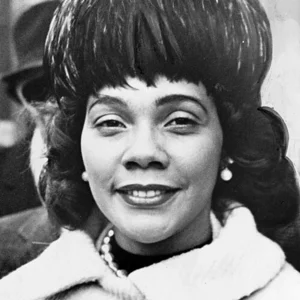
Coretta Scott King
1927 — 2006
American civil rights activist and wife of Martin Luther King Jr. After her husband's assassination in 1968, she continued his fight for racial equality and peace, founding the King Center in Atlanta.
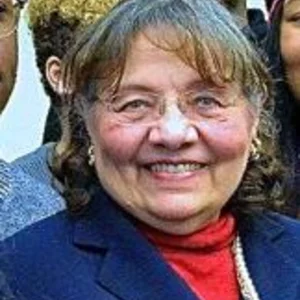
Diane Nash
1938 — ?
African-American civil rights activist, Diane Nash organized the Nashville sit-ins in 1960 and co-founded the Student Nonviolent Coordinating Committee (SNCC). A major figure of nonviolence, she contributed to the abolition of segregation in the American South.
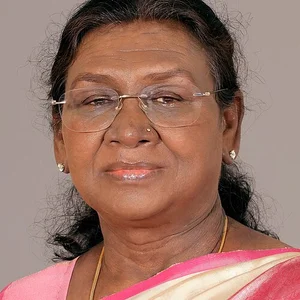
Draupadi Murmu
1958 — ?
Draupadi Murmu is an Indian stateswoman born in 1958 into a family from the Santali tribal community. The first woman from a tribal community to become President of India in 2022, she symbolizes the political rise of marginalized populations.
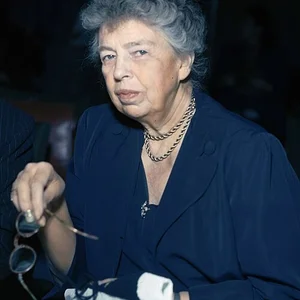
Eleanor Roosevelt
1884 — 1962
First Lady of the United States (1933–1945), Eleanor Roosevelt established herself as a tireless advocate for civil rights and social justice. She chaired the UN commission that drafted the Universal Declaration of Human Rights (1948).
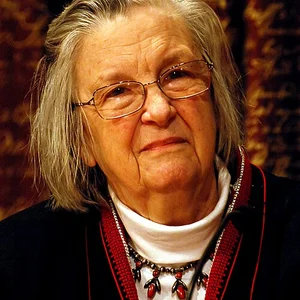
Elinor Ostrom
1933 — 2012
Elinor Ostrom (1933-2012) was an American economist and political scientist. The first woman to receive the Nobel Prize in Economics, in 2009, she showed how communities can sustainably manage shared resources (the “commons”) without resorting to either the state or the private market.
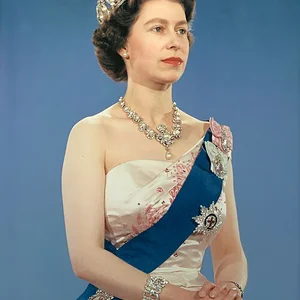
Elizabeth II
1926 — 2022
Queen of the United Kingdom from 1952 to 2022, Elizabeth II was the longest-reigning monarch in British history. She embodied the stability of constitutional monarchy through decolonisation, the Cold War, and globalisation.
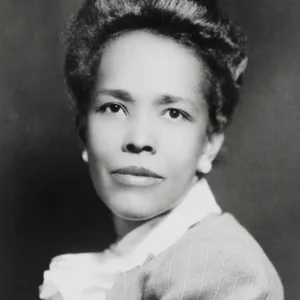
Ella Baker
1903 — 1986
An American civil rights activist, Ella Baker dedicated her life to community organizing and the fight against racial segregation. Co-founder of the SNCC, she shaped a generation of activists by championing collective leadership over individual charisma.
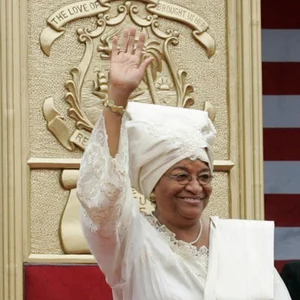
Ellen Johnson Sirleaf
1938 — ?
Ellen Johnson Sirleaf became in 2006 the first woman elected president of an African state, leading Liberia after a long civil war. A trained economist, she worked to rebuild the country and foster national reconciliation, receiving the Nobel Peace Prize in 2011.
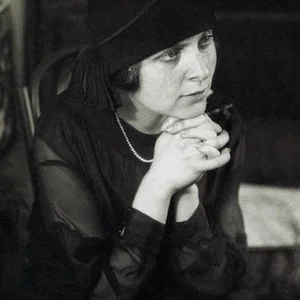
Elsa Triolet
1896 — 1970
Elsa Triolet (1896–1970) was a French novelist of Russian origin, partner of the poet Louis Aragon. The first woman to receive the Prix Goncourt, in 1945 for her short story collection 'A Fine of Two Hundred Francs', she was also a committed figure in the Resistance and the Communist movement.
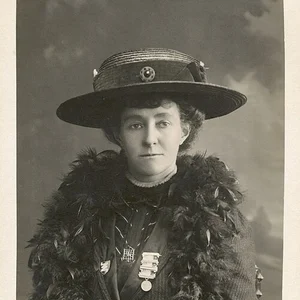
Emily Wilding Davison
1872 — 1913
British suffragette activist and a leading figure of the movement for women's voting rights. She died after throwing herself under King George V's horse at the 1913 Epsom Derby, becoming a martyr for the suffragette cause.
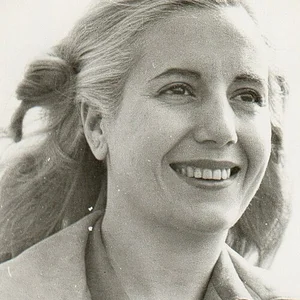
Eva Perón
1919 — 1952
Eva Perón, wife of Argentine president Juan Perón, became one of the most influential political figures in Latin America. A symbol of the descamisados (shirtless ones), she fought for workers' and women's rights, notably securing women's suffrage in Argentina in 1947.
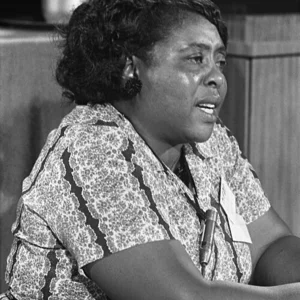
Fannie Lou Hamer
1917 — 1977
An American civil rights activist, Fannie Lou Hamer was a leading figure in the movement for Black voting rights in Mississippi. Co-founder of the Mississippi Freedom Democratic Party, she challenged American apartheid through her courage and her voice.
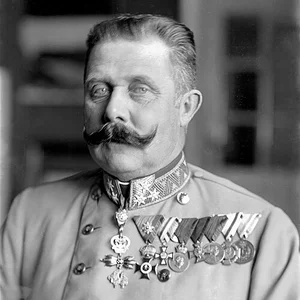
Franz Ferdinand of Austria
1863 — 1914
Archduke and heir to the Austro-Hungarian Empire, his assassination in Sarajevo on June 28, 1914, by Gavrilo Princip triggered the First World War. A central figure in the nationalism and European tensions of the early twentieth century.
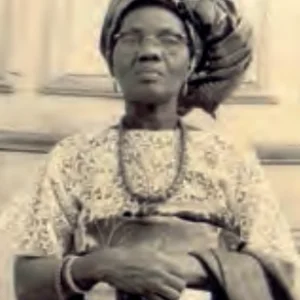
Funmilayo Ransome-Kuti
1900 — 1978
Nigerian educator and activist (1900–1978), she led the Abeokuta women's movement against British colonial taxation. A pioneer of women's suffrage in Nigeria, she was the first woman to drive a car in her country and the mother of musician Fela Kuti.
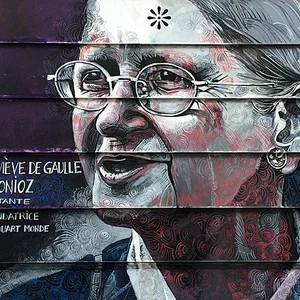
Geneviève de Gaulle-Anthonioz
1920 — 2002
Niece of General de Gaulle, French resistance fighter deported to Ravensbrück (1944–1945). After the war, she committed herself to ATD Fourth World and led the organization from 1964 to 1998, dedicating her life to the fight against extreme poverty.
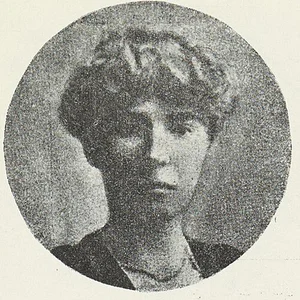
Gertrude Bell
1868 — 1926
British explorer, archaeologist, and diplomat (1868–1926), she traveled extensively across the Middle East and played a decisive role in the creation of modern Iraq after the First World War. Nicknamed “the Queen of the Desert,” she was one of the first women to exert major political influence in the region.
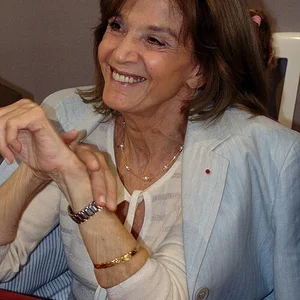
Gisèle Halimi
1927 — 2020
A Franco-Tunisian lawyer and feminist activist, Gisèle Halimi championed the rights of women and colonized peoples throughout the twentieth century. She is best known for the Bobigny trial (1972) and her fight to decriminalize abortion in France.
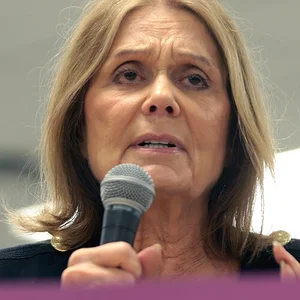
Gloria Steinem
1934 — ?
An American journalist and feminist activist, Gloria Steinem is one of the iconic figures of the women's movement of the 1960s and 1970s. Co-founder of Ms. magazine in 1972, she dedicated her life to defending gender equality and civil rights.
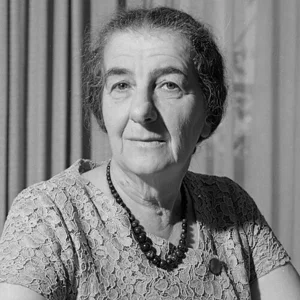
Golda Meir
1898 — 1978
Golda Meir, born in Ukraine and emigrated to Mandatory Palestine, is one of the founders of the State of Israel. The first woman Prime Minister of Israel (1969–1974), she embodies the building of the young state and faced the Yom Kippur War in 1973.
Graça Machel
1945 — ?
A Mozambican activist born in 1945, Graça Machel has established herself as a global figure in the defense of children's rights and women's rights. First Lady of Mozambique and later of South Africa, she has dedicated her life to fighting poverty and advancing education.
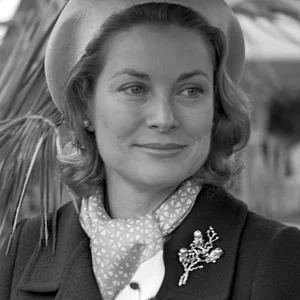
Grace Kelly
1929 — 1982
An Oscar-winning American actress of the 1950s, Grace Kelly left Hollywood at the height of her fame to marry Prince Rainier III of Monaco in 1956. As princess consort, she embodied elegance and cultural prestige until her accidental death in 1982.
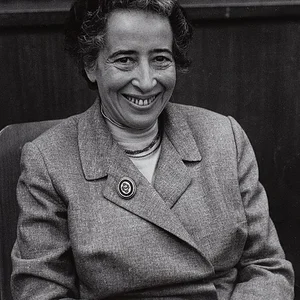
Hannah Arendt
1906 — 1975
German-born American philosopher (1906–1975), Hannah Arendt is one of the most influential thinkers of the 20th century. A refugee in the United States after fleeing Nazism, she developed a critical analysis of totalitarianism, political violence, and the human condition in the modern world.
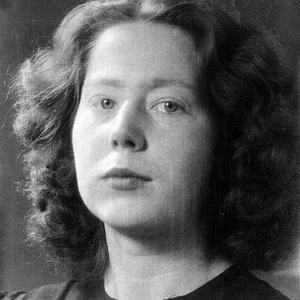
Hannie Schaft
1920 — 1945
Dutch resistance fighter during the Nazi occupation of the Netherlands. Nicknamed “the girl with the red hair,” she took part in sabotage operations and the execution of collaborators before being arrested and shot at the age of 24, three weeks before the liberation.

Hazel Scott
1920 — 1981
Jazz pianist and singer of Trinidadian and American descent, a virtuoso known for her arrangements blending classical music and swing. A star of nightclubs and the silver screen, she was also a civil rights activist who refused to perform for segregated audiences.
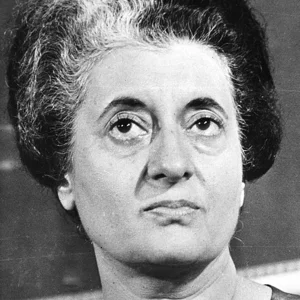
Indira Gandhi
1917 — 1984
Indira Gandhi (1917-1984) was the first female Prime Minister of India, serving from 1966 to 1977 and again from 1980 to 1984. The daughter of Jawaharlal Nehru, she left a lasting mark on history through her nationalization policies, her leadership during the 1971 war, and her authoritarian rule during the state of emergency. She was assassinated by her own bodyguards in 1984.
Jeanne Levylier
Jeanne Levylier, known as Janot, was the third wife of Léon Blum, the French socialist statesman. She voluntarily joined him in deportation and married him at the Buchenwald concentration camp in 1943.
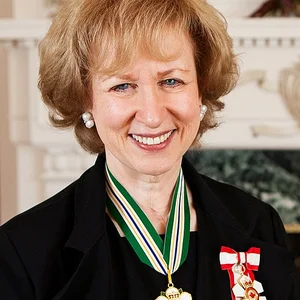
Kim Campbell
1947 — ?
Kim Campbell is a Canadian politician, the first woman to hold the office of Prime Minister of Canada in 1993. A member of the Progressive Conservative Party, she led the country for a few months before being defeated in the federal election.
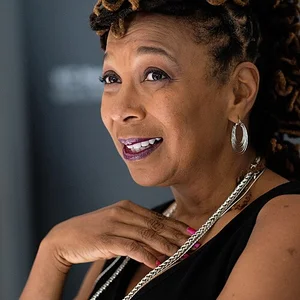
Kimberlé Crenshaw
1959 — ?
American legal scholar and theorist born in 1959, she coined the concept of intersectionality in 1989, showing how racial, gender, and class discrimination intersect and mutually reinforce one another. A professor at UCLA and Columbia, she is one of the founders of Critical Race Theory.
Lillian Hellman
1905 — 1984
American playwright and screenwriter (1905–1984), Lillian Hellman made her mark on Broadway with politically engaged plays denouncing social injustice and fascism. She became an iconic figure of resistance to McCarthyism by refusing to name her colleagues before the HUAC committee.
Lowitja O'Donoghue
1932 — 2024
An Australian activist for Indigenous peoples' rights, Lowitja O'Donoghue was the first Aboriginal woman to lead ATSIC (the Aboriginal and Torres Strait Islander Commission). A trained nurse, she dedicated her life to defending civil rights and promoting reconciliation between Indigenous and non-Indigenous Australians.
Lucie Aubrac
1912 — 2007
A French Resistance fighter, she organized the escape of her husband Raymond Aubrac from a Lyon prison on October 21, 1943. A committed history teacher, she became after the war a symbol of the Resistance and spent her entire life working to keep its memory alive.
Margaret Thatcher
1925 — 2013
Margaret Thatcher, the first female Prime Minister of the United Kingdom (1979–1990), transformed the British economy through radical free-market policies. Nicknamed the “Iron Lady,” she privatized state-owned enterprises, took on the trade unions, and played a major role in ending the Cold War alongside Reagan and Gorbachev.

Maria Sharapova
1987 — ?
A Russian tennis player born in 1987, Maria Sharapova is one of the most decorated athletes of her generation. A former world number 1, she won five Grand Slam titles before retiring in 2020.
Marsha P. Johnson
1945 — 1992
A transgender African American activist, Marsha P. Johnson was one of the iconic figures of the Stonewall uprising in 1969. Co-founder of STAR, she spent her entire life fighting for the rights of LGBT+ people and the homeless.
Maya Angelou
1928 — 2014
African-American poet, memoirist, and activist (1928–2014), Maya Angelou is best known for her autobiography I Know Why the Caged Bird Sings. A committed figure in the civil rights movement alongside Martin Luther King Jr., she became one of the most important voices in 20th-century American literature.
Michelle Bachelet
1951 — ?
Michelle Bachelet, born in 1951 in Chile, is a physician and politician who became the first female president of Chile (2006–2010, then 2014–2018). A human rights activist, she also led UN Women and the UN High Commissioner for Human Rights.
Miep Gies
1909 — 2010
Miep Gies (1909-2010) was a Dutch office worker of Austrian origin who hid Anne Frank and her family in the Secret Annex in Amsterdam from 1942 to 1944. After their arrest by the Gestapo, she gathered Anne Frank's notebooks and kept them safe, making their worldwide publication possible.
Nicole Kidman
1967 — ?
An Australian-American actress born in 1967, Nicole Kidman is one of Hollywood's greatest stars. She won the Academy Award in 2003 for The Hours, and has left her mark on world cinema through the range of her roles and her artistic commitment.
Pauli Murray
1910 — 1985
Lawyer, civil rights activist, and African American feminist, Pauli Murray fought simultaneously against racial segregation and gender discrimination. In 1977, she became the first Black woman ordained as a priest in the American Episcopal Church.
Pratibha Patil
1934 — ?
Pratibha Patil is an Indian politician born in 1934 who became the first female President of India from 2007 to 2012. Trained as a lawyer, she was active within the Indian National Congress party and held numerous government positions before reaching the country's highest office.
Rosa Parks
1913 — 2005
Rosa Parks was an African American civil rights activist, born in 1913 in Alabama. She became famous in 1955 for refusing to give up her seat to a white passenger on a bus in Montgomery — an act of civil disobedience that sparked the Montgomery Bus Boycott and helped accelerate the end of racial segregation in the United States.
Sanae Takaichi
1961 — ?
Japanese politician born in 1961, member of the Liberal Democratic Party. She has held several ministerial positions in Japan, including Minister of Internal Affairs and Communications. Known for her conservative views and interest in Japanese pop culture.
Septima Clark
An African American educator nicknamed the “mother of the civil rights movement,” she founded the Citizenship Schools in the segregationist South to teach Black people to read and help them register to vote.
Simone Veil
1927 — 2017
French politician (1927-2017), Holocaust survivor, and Minister of Health under Valéry Giscard d'Estaing. She is celebrated for championing the law decriminalizing abortion in France in 1975, a landmark victory for women's rights.
Sirimavo Bandaranaike
1916 — 2000
Sirimavo Bandaranaike was the first woman to become head of government in the world, elected Prime Minister of Ceylon in 1960. The widow of assassinated Prime Minister Solomon Bandaranaike, she succeeded him as leader of the Sri Lanka Freedom Party and served in the role three times.
Sonia Gandhi
1946 — ?
Born Edvige Antonia Albina Màino in 1946 in Italy, Sonia Gandhi married Rajiv Gandhi in 1968 and became an Indian citizen. Following her husband's assassination in 1991, she took over the leadership of the Indian National Congress in 1998 and led the UPA coalition to victory in 2004, declining the position of Prime Minister.
Sylvia Rivera
1951 — 2002
An American Latina trans activist, Sylvia Rivera took part in the Stonewall riots of 1969. She co-founded STAR (Street Transvestite Action Revolutionaries) to help homeless trans youth and LGBTQ+ people.
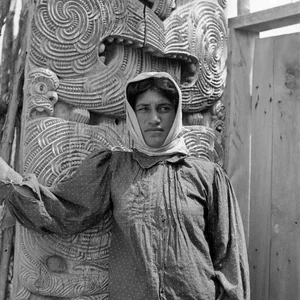
Te Puea Herangi
1883 — 1952
Māori princess from New Zealand (1883–1952), granddaughter of King Tāwhiao, she devoted her life to the cultural and political revival of her people. She resisted the conscription of Māori during World War I and built the village of Tūrangawaewae, a symbol of Māori dignity.
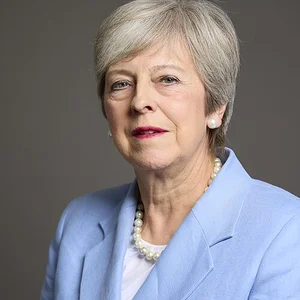
Theresa May
1956 — ?
Theresa May (born 1956) is a British politician and member of the Conservative Party. She served as Prime Minister of the United Kingdom from 2016 to 2019, succeeding David Cameron following the Brexit referendum.
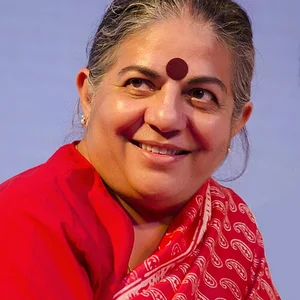
Vandana Shiva
1952 — ?
Vandana Shiva (born 1952) is an Indian physicist, philosopher, and environmental activist. Founder of the Navdanya movement, she champions biodiversity and farmers' rights while opposing GMOs and neoliberal globalization. A leading figure in ecofeminism, she received the Right Livelihood Award (the Alternative Nobel Prize) in 1993.
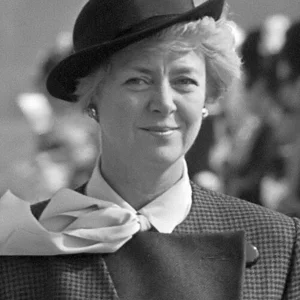
Vigdís Finnbogadóttir
1930 — ?
Vigdís Finnbogadóttir was elected President of Iceland in 1980, becoming the first woman in the world to be democratically elected head of state. Re-elected four times, she served until 1996 and became a global figure in feminism and cultural diplomacy.
Wallis Simpson
1896 — 1986
American socialite who became Duchess of Windsor. Her union with King Edward VIII triggered a major constitutional crisis in 1936, with the monarch abdicating in order to marry her.
Whina Cooper
1895 — 1994
A New Zealand Māori activist, Whina Cooper dedicated her life to defending her people's land rights. In 1975, at the age of 80, she led the great Māori Land March from Te Hapua to Wellington. Regarded as the 'Mother of the Nation' of the Māori people, she remains a symbol of peaceful resistance.
Wilhelmine
1880 — 1962
Queen of the Netherlands from 1890 to 1948, Wilhelmine embodied the national resistance during the Nazi occupation. Taking refuge in London, she led the government in exile and kept the morale of the Dutch people alive through her radio broadcasts.
Yvette Roudy
1929 — ?
French politician, feminist activist, and France's first Minister for Women's Rights (1981–1986) under François Mitterrand. She passed legislation against sexism and strengthened the Veil law on abortion.
Angela Merkel
1954 — ?
A physicist turned German politician, Angela Merkel led Germany as Chancellor from 2005 to 2021. The first woman to hold this position, she is one of the most influential political figures in contemporary European history.

Berta Cáceres
1971 — 2016
Honduran environmental activist of Lenca origin, co-founder of COPINH (Civic Council of Popular and Indigenous Organizations of Honduras). Winner of the Goldman Environmental Prize in 2015, she was assassinated in 2016 for her fight against the Agua Zarca dam.
Christine Lagarde
1956 — ?
French business lawyer and politician, the first woman to head the International Monetary Fund (2011) and later the European Central Bank (2019). She had previously served as France's Minister of the Economy and Finance.
Cristina Kirchner
1953 — ?
Argentine lawyer and politician, she was the first woman elected president of Argentina (2007–2015). Wife of President Néstor Kirchner, she embodied Kirchnerism, a left-wing Peronist movement, before becoming vice-president (2019–2023).
Dilma Rousseff
1947 — ?
Brazilian economist and politician, she became in 2011 the first woman president of Brazil. A member of the Workers' Party (PT), she was removed from office by impeachment in 2016 amid an economic and political crisis.
Greta Thunberg
2003 — ?
Swedish climate activist, born in 2003. In 2018 she launched a school strike in front of the Swedish Parliament, inspiring the global Fridays for Future movement. A symbol of youth commitment in the fight against climate change.
Jacinda Ardern
1980 — ?
Jacinda Ardern is a New Zealand stateswoman who served as Prime Minister of New Zealand from 2017 to 2023. Elected at age 37, she was the world's youngest head of government at the time and the second leader in history to give birth while in office.

Janet Yellen
1946 — ?
Janet Yellen is an American economist specializing in the labor market and monetary policy. She chaired the Federal Reserve of the United States from 2014 to 2018, becoming the first woman to hold this position, and later served as Secretary of the Treasury from 2021 to 2025 — again the first woman appointed to this office.
Kamala Harris
1964 — ?
Kamala Harris is an American politician, the first woman, first Black person, and first American of South Asian descent to become Vice President of the United States in 2021. A former Attorney General of California and U.S. Senator, she represents a historic turning point in American political representation.

Leymah Gbowee
Liberian pacifist activist, she led the women's peace movement in Liberia, helping to end the second civil war in 2003. Nobel Peace Prize in 2011.

Loujain al-Hathloul
1989 — ?
Saudi women's rights activist, imprisoned from 2018 to 2021 for demanding the right to drive and gender equality. Her struggle contributed to lifting the driving ban for women in Saudi Arabia.
Manal al-Sharif
1979 — ?
Saudi women's rights activist who rose to international prominence in 2011 after posting a video of herself driving in Saudi Arabia, defying the ban imposed on women. Her arrest sparked a global movement for women's right to drive.
Marielle Franco
1979 — 2018
Brazilian politician, city councillor of Rio de Janeiro, and activist for the rights of Black women and LGBTQ+ people. Assassinated on March 14, 2018, she became a global symbol of the fight against violence against women and racial inequality.
Mary Kom
1982 — ?
Mary Kom is an Indian boxer born in 1983 in the state of Manipur. A six-time amateur world champion and Olympic bronze medalist in 2012, she became an icon of women's sport in India. Nicknamed "Magnificent Mary," she also serves as a member of parliament in the Rajya Sabha.
Ngozi Okonjo-Iweala
1954 — ?
Nigerian economist and politician, twice Minister of Finance of Nigeria and Director-General of the World Trade Organization since 2021. She is the first woman and the first African to lead the WTO.
Reshma Saujani
1975 — ?
American lawyer and activist, founder of Girls Who Code in 2012, an organization aimed at closing the gender gap in technology careers. She also ran for the U.S. Congress and advocates for women's inclusion in tech.
Sanna Marin
1985 — ?
Prime Minister of Finland from 2019 to 2023, Sanna Marin became, at the age of 34, one of the youngest heads of government in the world. A member of the Social Democratic Party, she led a gender-equal coalition and steered Finland toward NATO membership in 2022.
Shirin Ebadi
1947 — ?
Iranian lawyer and human rights activist, she is the first Muslim woman to receive the Nobel Peace Prize in 2003. She defends the rights of women, children, and political prisoners in Iran, at the risk of her own freedom.
Tarja Halonen
1943 — ?
Tarja Halonen is a Finnish stateswoman who served as President of Finland from 2000 to 2012. The first woman to hold this office in her country, she also served as Minister for Foreign Affairs and has been a lifelong advocate for human rights.
Tawakkol Karman
1979 — ?
Yemeni journalist, human rights activist, and politician, a leading figure of the 2011 uprising against Saleh's regime. In 2011, she became the first Arab woman and the youngest laureate at the time to receive the Nobel Peace Prize.
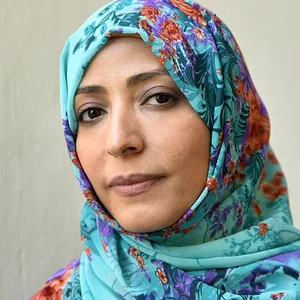
Tawakkul Karman
Yemeni activist for human rights and press freedom, 2011 Nobel Peace Prize laureate. Nicknamed “the mother of the Yemeni revolution”, she played a central role in the Arab Spring in Yemen.

Tsai Ing-wen
1956 — ?
First female president of Taiwan, elected in 2016 and re-elected in 2020. A lawyer by training, she leads the Democratic Progressive Party and defends Taiwanese sovereignty against Chinese pressure.